
You probably walk around feeling like a single, solid, neatly bounded individual. One body. One mind. One you. But if you could zoom down to the level of cells, that certainty would melt away fast. By cell count, you are at best tied with your microbial passengers, and at many moments in your day, they probably outnumber your so‑called “own” cells. Scientists have even started to talk about you as an ecosystem or a multispecies collective rather than a lone organism. That sounds dramatic, but the underlying science is sober and surprisingly precise. Updated estimates now put you at around tens of trillions of human cells, and roughly a similar number – maybe a bit more – of microbial cells hiding in your gut, your mouth, your skin, and practically every fold and crevice of your body. At the same time, philosophers and immunologists are quietly dismantling the old story that there is a clear line where “you” stop and the “outside world” begins. Once you see what is actually living in and as you, you may never look at your reflection quite the same way again.
You Are Not Just One Body, You Are a Crowded City
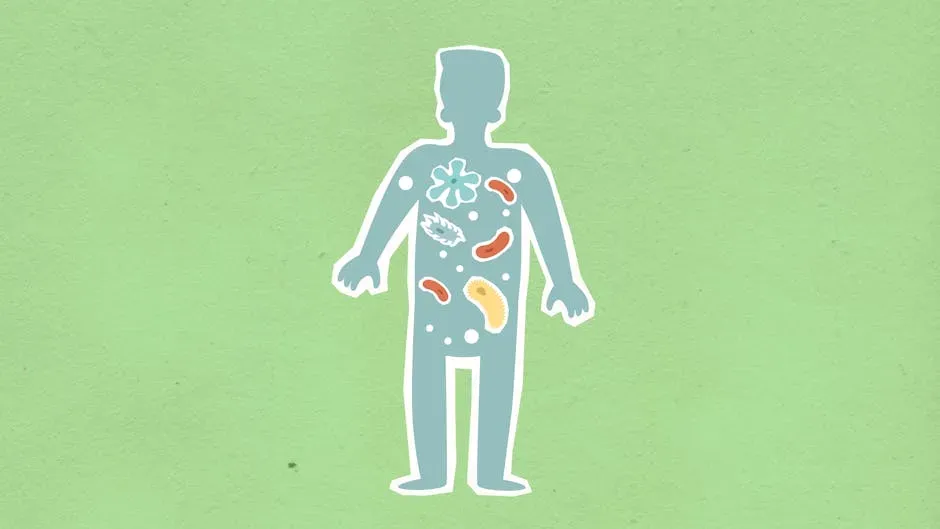
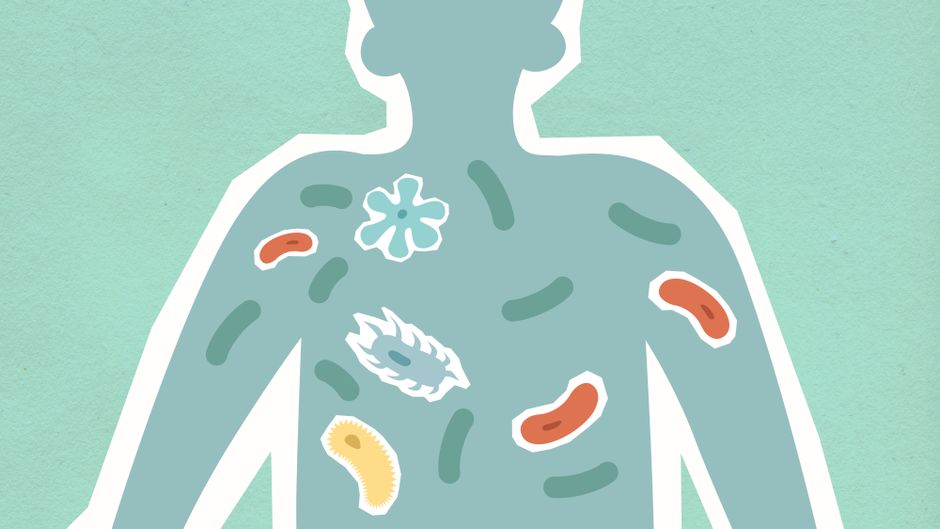
Imagine your body as a bustling city lit up at night from space. At first glance, it looks like a single, coherent thing, but zoom in and you see neighborhoods, side streets, and millions of residents with their own agendas. That is very close to what is going on inside you. If you counted every cell, you would find roughly on the order of thirty to forty trillion human cells, but you would also see that your body is packed with microbial cells – bacteria, archaea, fungi, and viruses – that hover right around the same number, often slightly more.
For years, you were told that microbes outnumber your own cells by ten to one. That catchy claim turned out to be an overstatement. When researchers actually did the math carefully – estimating the size of the colon, the density of bacteria in stool, and the total human cell count organ by organ – they ended up with a ratio close to one to one, maybe one and a bit microbial cells for every human cell. That may sound less dramatic than ten to one, but it still means that, by cell count, you are essentially half “you” and half “other” all the time.
How the “Mostly Microbe” Numbers Really Break Down
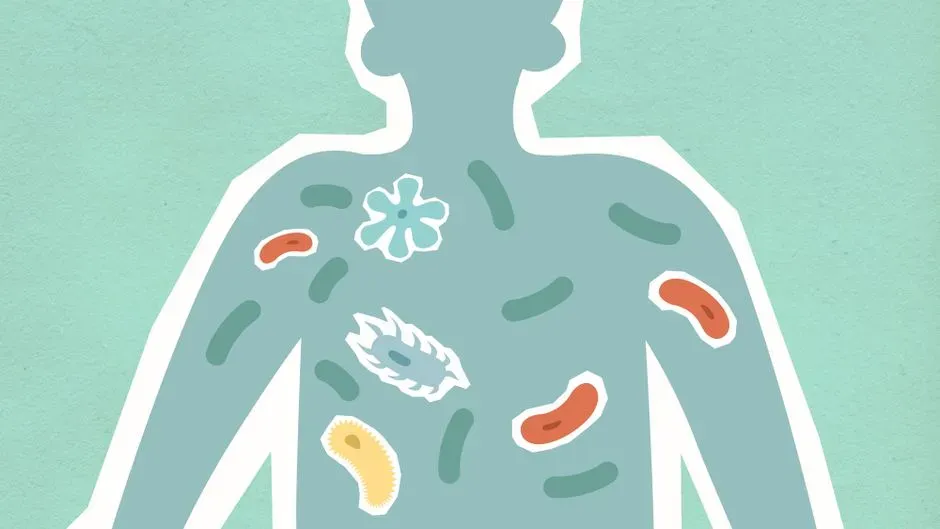
When you hear that non‑human cells slightly edge out your own, it is tempting to picture your body as some kind of bacterial blob barely held in human shape. The reality is more nuanced and actually more interesting. Most of the cells that make you “you” are small, simple red blood cells, which do not even carry DNA. The cells that feel more intuitively like you – neurons in your brain, muscle fibers in your legs, bone cells in your spine – are far fewer in number but much larger in size and mass than typical bacteria.
So by cell count, you are a superorganism in which microbes can slightly dominate; by mass, however, you are overwhelmingly human. All your microbes together probably add up to about one to three pounds, whereas you carry many dozens or hundreds of pounds of human tissue. That matters for how you think about identity. The numbers do not say you are “mostly bacteria” in any simple sense; they say that pieces of you that are not genetically yours are so numerous and so deeply integrated into your biology that denying them is like denying the streets and sewage system in that nighttime city image.
Your Microbiome: The Second Genome You Never Knew You Had
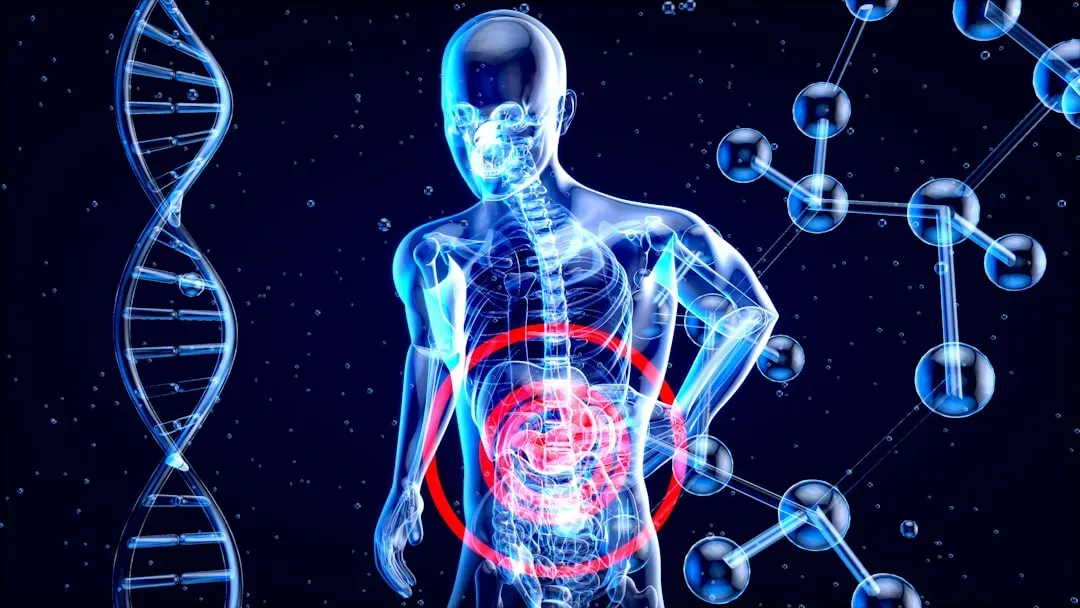
If your chromosomes are your first genome, your microbiome is your second – and it completely blows the first one out of the water in terms of raw genetic diversity. Your roughly twenty thousand human genes are accompanied by hundreds of thousands, maybe even millions, of microbial genes spread across thousands of species that live on and inside you. Those genes are not just passive baggage; they are active instructions that help digest your food, train your immune system, and shape the chemistry in your gut and even your brain.
You can think of this as outsourcing. Instead of evolving every metabolic trick in your own genome, your body “outsources” certain jobs to microbes that are good at them. They help you break down complex carbohydrates you would otherwise flush away, synthesize vitamins, and compete against invaders that might make you sick. In exchange, you give them a warm, nutrient‑rich home. This partnership is so tight that some researchers argue you should see yourself as a “holobiont” – a host plus all its symbiotic microbes functioning as one evolving unit.
Where Do “You” End? Your Skin and Gut Are Not Clean Borders
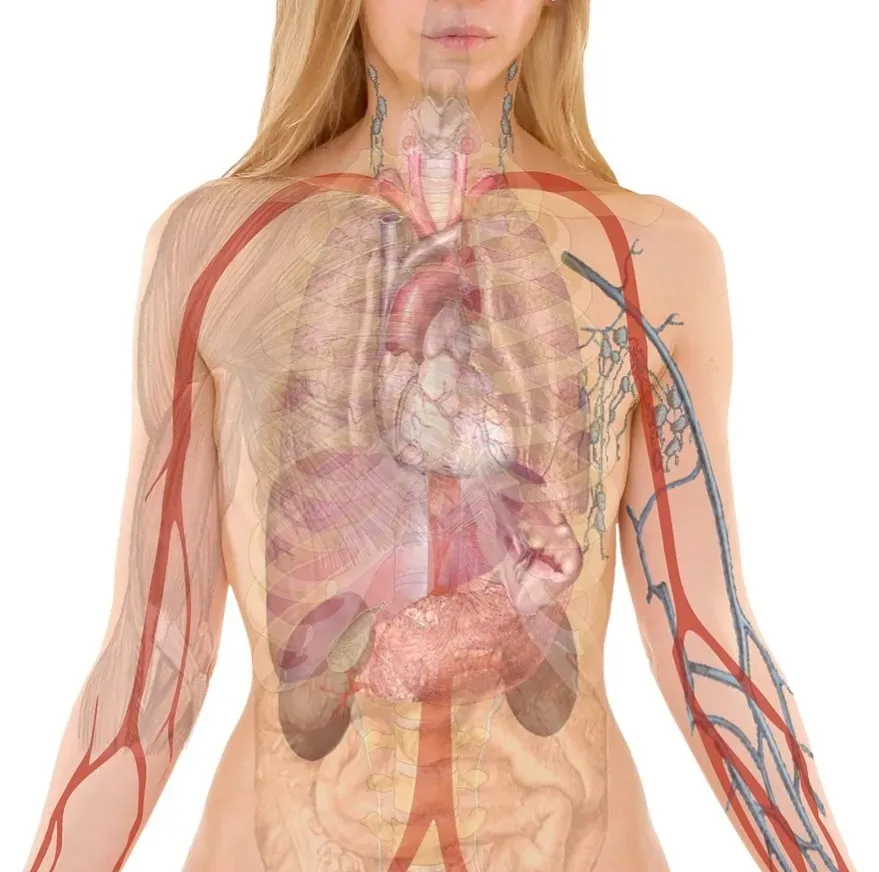
You probably picture your skin as the clear edge where you end and the world begins, but at the microscopic level, that line falls apart. Your skin is coated with dense, diverse microbial communities adapted to different regions: oily forehead, damp armpits, dry forearms, and so on. Even places you might imagine are clean, like the surface of your eyeball, carry their own specialized microbiota. These microbes are not just surviving there; they are helping maintain the barrier, influencing inflammation, and in some cases blocking pathogens from getting a foothold.
The gut takes this blurring of boundaries even further. The bacteria in your intestines technically occupy the “outside” of your body – the inside of your gut tube is continuous with the world – yet they are separated from your blood and tissues by a layer of cells only one cell thick. Your immune system constantly samples this crowded environment, tolerating stable residents while staying ready to strike if conditions change. So, the “border” is more like a busy checkpoint with constant negotiation than a brick wall. Every meal you eat, every new microbe you encounter, nudges that border and forces your body to decide again what will count as “self” for now.
Your Immune System Redefines “Self” Every Day
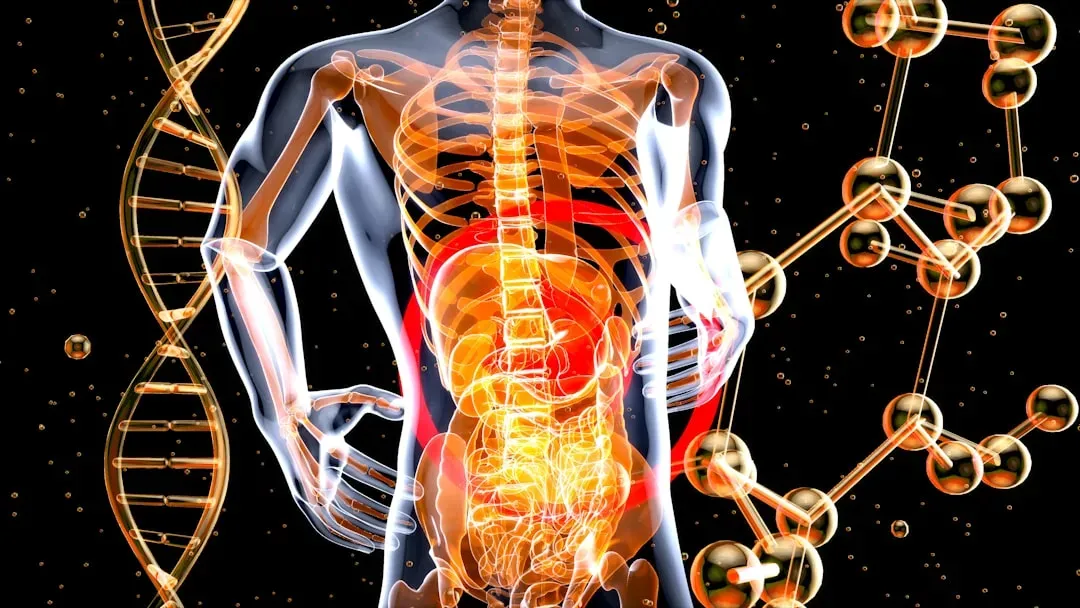
For most of your life, you probably heard that your immune system’s job is to recognize “self” and destroy “non‑self.” That story is clean, simple, and now considered badly outdated. If your immune system attacked everything non‑self, you would be at war with your own microbiome, and you would not last long. Instead, your body seems to care less about origin and more about context: is this microbe causing damage, is this signal dangerous, is this particular situation tolerable or not?
Immunologists have been pushing this view for years, and more recent research keeps backing it up. Your immune cells respond differently to the same microbe depending on where it appears, what other signals are around, and what your body has learned from past encounters. Some microbes that arrive at birth or early in life get folded into the category of “allowed” or even “needed.” Others are held at arm’s length, kept in check but not erased. That means your sense of “me” at the cellular level is less a static border and more an ongoing political process, constantly renegotiated as new players arrive and old ones shift their behavior.
Chimeras, Transplants, and the Strange Case of Shared Bodies

Once you start paying attention to how porous your body really is, you notice even stranger cases that blur identity. Microchimerism is one example: during pregnancy, cells move both from you to your fetus and from your fetus back into you. Some of those cells can linger for decades, dividing and tucking themselves into your organs. If you have been pregnant, you may still carry a small, persistent population of cells with another person’s DNA quietly living in your body. If you were a fetus, you may carry a few of your mother’s cells as lifelong hitchhikers.
Think too about blood transfusions, organ transplants, and even bone marrow transplants that replace a person’s immune system with someone else’s cells. After these procedures, the old simplistic idea of a genetically unified body collapses completely. You can walk around with a heart or a kidney that came from another human, blood cells that came from a donor, and a microbiome reshaped by antibiotics and hospital exposure. Yet you still feel like one person. Taken together with your microbes, all of this drives home an uncomfortable but freeing truth: the boundaries of “you” have always been messier and more mixed than you were taught.
Your Mind Is Entangled With Your Microbes
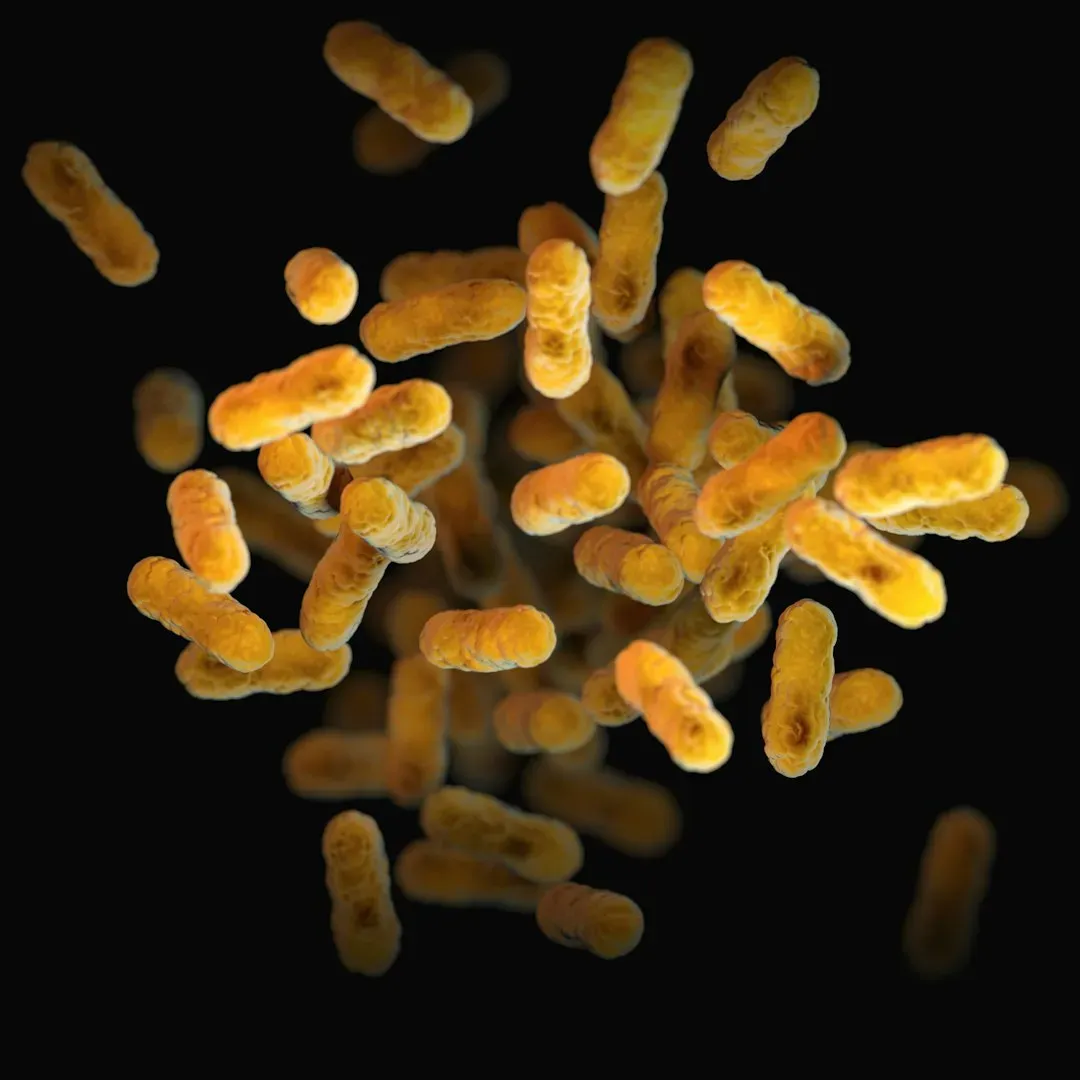
If all of this stayed in your gut, you might be able to shrug it off as an interesting biological footnote. But evidence has been piling up that your microbes may influence how you feel, how you respond to stress, and even how you behave. Studies in animals and humans suggest that gut bacteria can affect levels of neurotransmitters, shape inflammation that reaches the brain, and interact with the vagus nerve, which acts as a communication highway between your intestines and your central nervous system. When you talk about your “gut feeling,” you are not too far from the literal truth.
That does not mean your microbes “control” you in some sci‑fi way, and a lot of the popular hype around “fixing your microbiome to fix your mood” massively oversells early findings. What you can say with more confidence is that your mental life is not sealed off from that swarm of non‑human cells. Diet, antibiotics, infections, and even birth mode can shape microbial communities that in turn may nudge your brain chemistry over time. Your thoughts, your stress levels, your sleep, and your lifestyle also reshape that internal ecosystem. The line between “your mind” and “your microbes” starts to look more like a feedback loop than a one‑way street.
Rethinking What It Means to Be “You” in a Multispecies Body
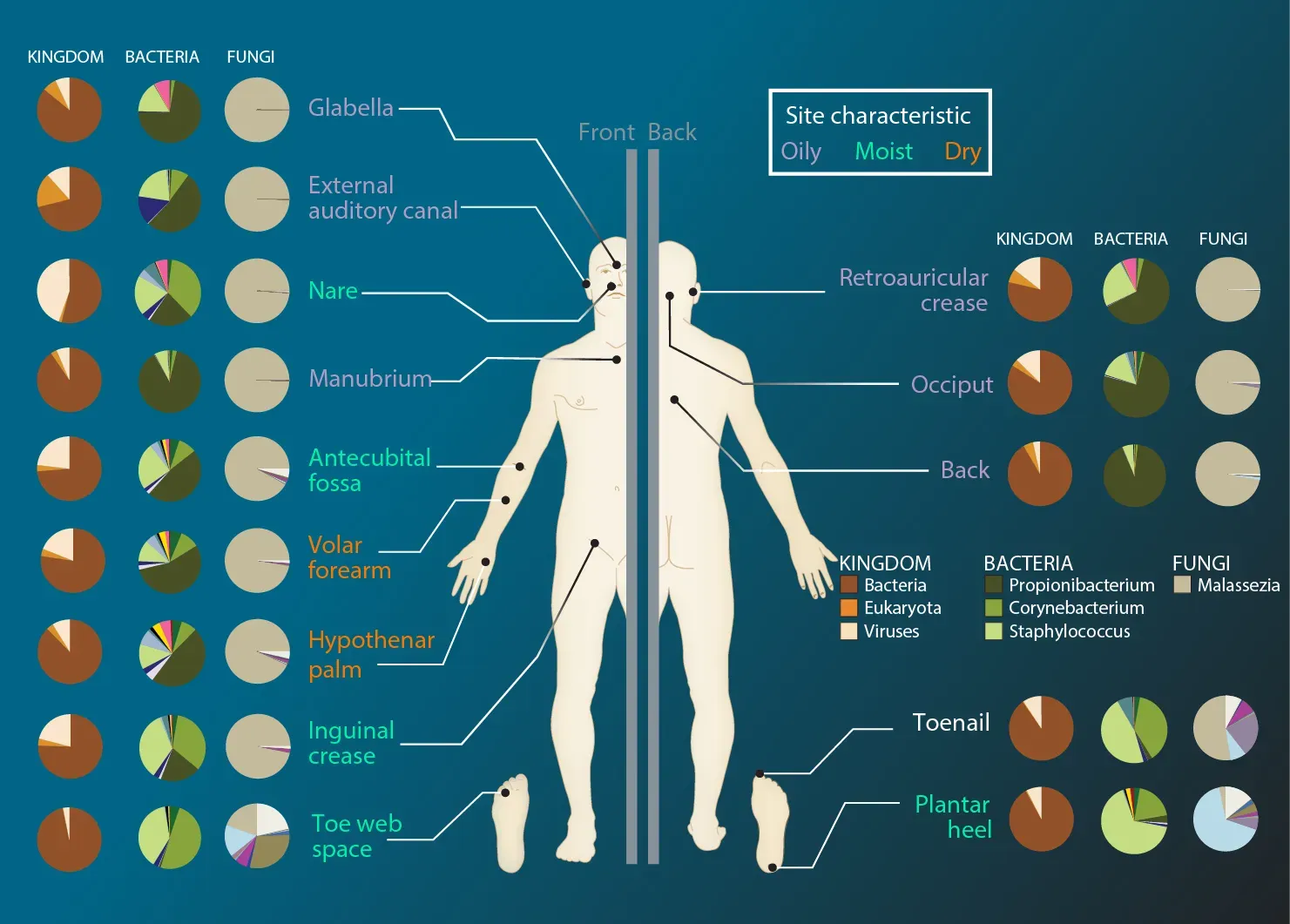
When you put all of this together – the near parity between human and microbial cells, the second genome of microbial genes, the immune system’s flexible definition of self, the constant exchange of cells across bodies – you are left with a simple but unsettling conclusion: you are not a neatly bounded, purely human individual. You are a consortium. You are a host plus guests who long ago stopped being just guests and started shaping the building itself. Philosophers now talk about “multispecies selves” and “holobiont identities” not as poetic metaphors, but as serious attempts to match language to biological reality.
For you, on a personal level, that shift can feel surprisingly liberating. Instead of obsessing over being perfectly pure, you can see that your health and identity come from cooperation and negotiation with the non‑human world that lives in and on you. You are more like a coral reef or a forest than a sealed machine with a clear metal shell. The boundaries of where you begin and end will keep being debated by scientists and philosophers, but you do not have to wait for them to finish to update your own story. Knowing what you know now, are you still sure you are just one thing – or does it feel more honest to say you are many, moving together as one?