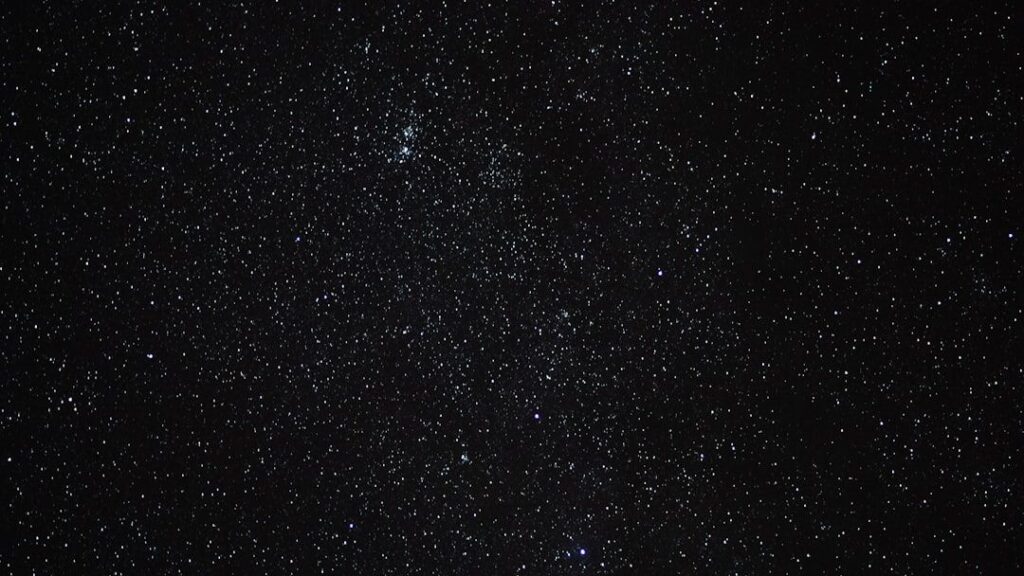
If you have ever stared at a night sky and felt small, cosmology is here to tell you that you are even smaller than you thought. When you compare stars to sand, you are not just dabbling in poetic exaggeration; modern astronomy really does say there are more stars in the observable universe than grains of sand on every beach and desert on Earth. What makes this even wilder is that, over just the last two decades, that cosmic star count has been bumped up multiple times, as better telescopes have forced astronomers to admit they were underestimating the vastness of everything.
Once you realize this is not a figure of speech but a serious, if rough, scientific estimate, the universe stops feeling like a big empty room and starts feeling more like a crowded metropolis of suns. You are living in a time when deep-field images, infrared eyes like the James Webb Space Telescope, and new galaxy surveys are rewriting the basic numbers behind that sand-versus-stars comparison. The headline idea remains the same – stars beat sand – but the score has kept changing, and always in favor of the stars.
You Versus the Cosmos: Why the Sand Comparison Hits So Hard
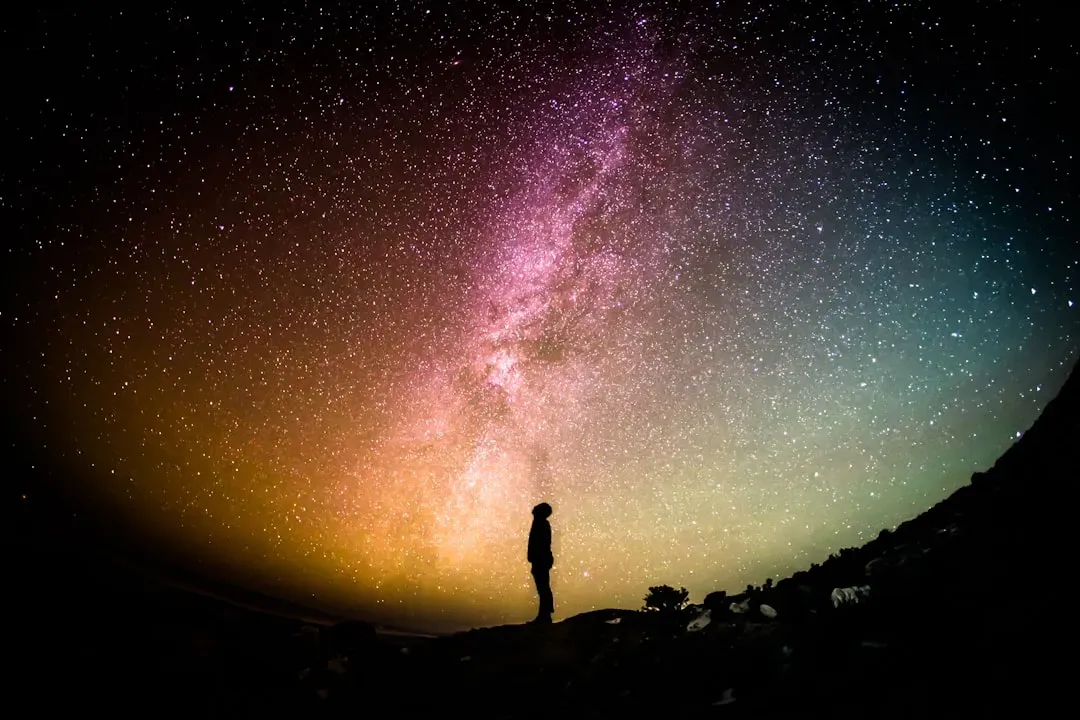
Think about the last time you picked up a handful of sand and watched it spill through your fingers. You probably did not try to count those grains, because even a pinch looks like infinity to your eyes. When cosmology tells you that all the sand on every beach and every major desert is still outnumbered by stars you cannot see, it takes that feeling of too-much-to-count and multiplies it far beyond your intuitive sense.
What makes this so powerful is that sand is something you know in your bones. You have walked on it, brushed it off your feet, dug your hands into it. A single beach already feels uncountable, yet you are being told that if you combine every coastline and desert on Earth, the cosmos still wins by a comfortable margin. The comparison is not meant to make you feel insignificant so much as to invite you into an honest confrontation with scale – a reminder that your intuitions were built for grocery lists, not galaxies.
How You Actually Count the Uncountable
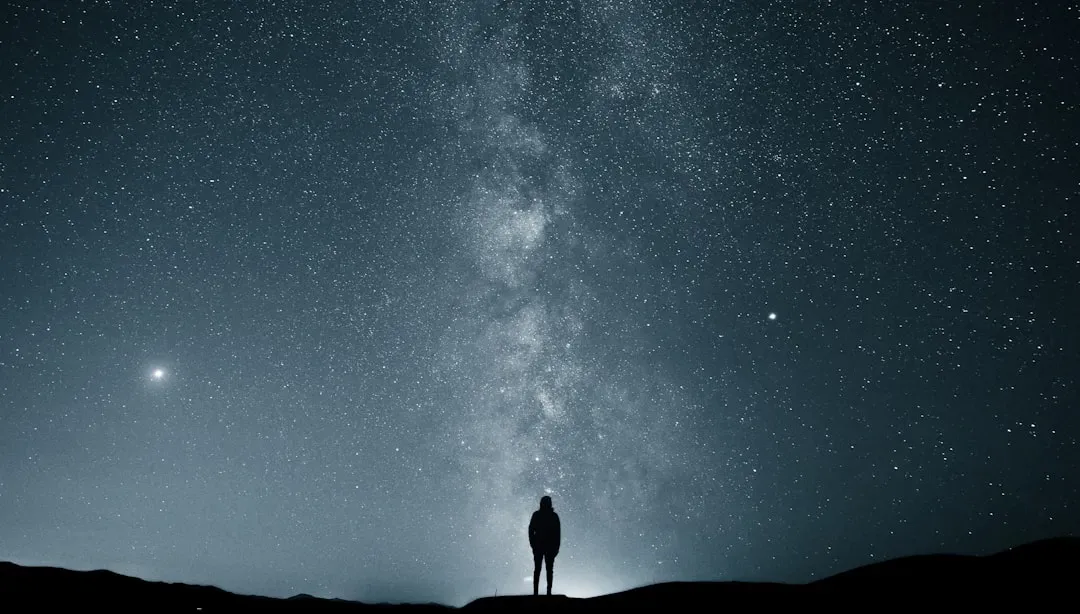
You might wonder how anyone can claim there are more stars than grains of sand when neither pile can be literally counted. The trick is not to count everything directly, but to measure small, representative patches and then scale up. For sand, you can estimate how many grains fit in a cubic centimeter, measure how much sand volume a typical beach or dune system holds, and extrapolate across all the world’s coasts and major deserts. That gives you a ballpark figure in the range of several quintillions of grains, which already sounds like nonsense until you remember that you are dealing with a whole planet’s worth of sand.
For stars, you flip the logic. You start by counting galaxies in deep images of tiny regions of the sky, then estimate how many stars sit in a typical galaxy, and finally multiply by how many such galaxies fill the observable universe. Your answer depends on details like the mix of big and small galaxies, but when you run through reasonable assumptions, you land on a total star count comfortably in the tens of sextillions and beyond. In other words, even with conservative methods, your star tally surpasses your sand tally by a hefty factor.
How the Star Count Has Been Revised Upward Again and Again
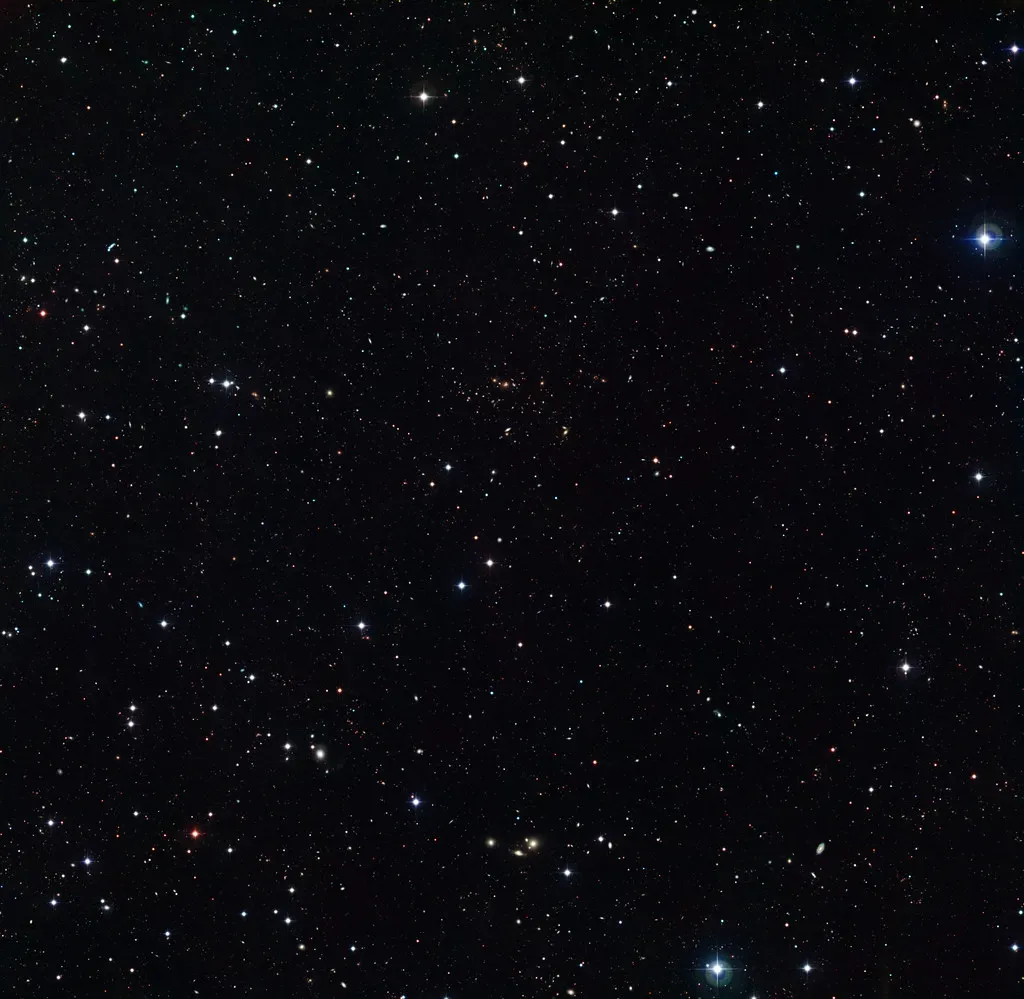
If you had asked an astronomer in the late twentieth century how many galaxies exist in the observable universe, you would have probably heard a number around a few hundred billion. That alone would already have made the stars-versus-sand comparison work, but early deep images from space telescopes were still limited by how faint and how distant an object could be and still show up. You were essentially looking at the bright, extroverted galaxies, missing huge populations of faint, small systems that did not reach your detectors.
Over the last twenty years, successive re-analyses of deep-field data have pushed those estimates upward, sometimes by an order of magnitude at a time. One widely discussed revision concluded that your observable universe may host on the order of two trillion galaxies – roughly ten times more than earlier estimates suggested. Later work, including new deep infrared observations, has suggested that some of those early upward jumps may still be too generous, and researchers are continuing to refine the number, but the central fact remains: as your instruments sharpen, your counts rarely go down. You keep discovering that you were previously undercounting the cosmos.
What the Latest Numbers Say About Stars Versus Sand
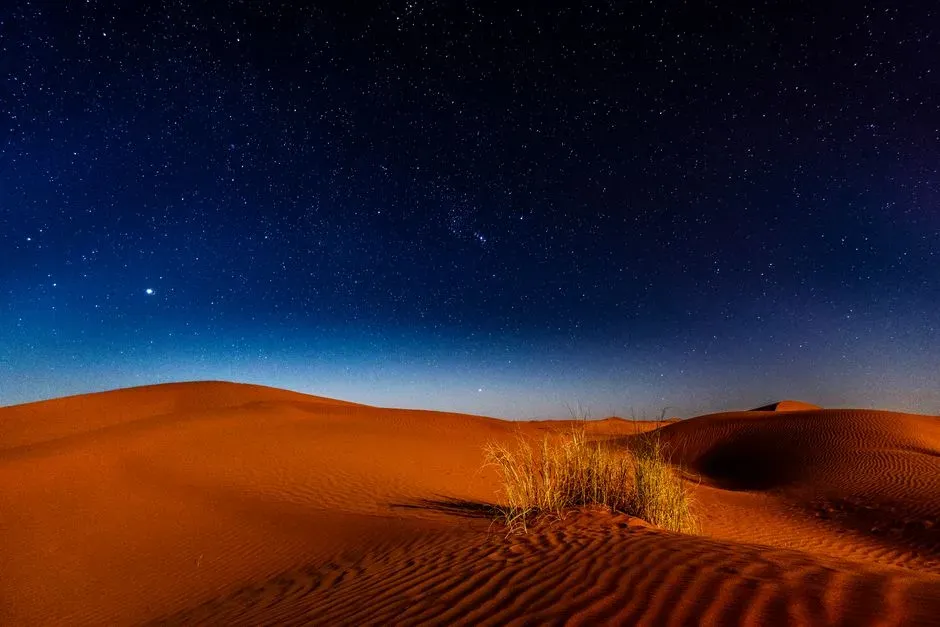
When you take those updated galaxy counts and combine them with realistic averages for how many stars each galaxy holds, you land on star tallies that typically fall somewhere around ten to the twenty-second, twenty-third, or even twenty-fourth power. You can think of that as “hundreds of sextillions” of stars, a number so large you basically have to give up on normal intuition. Even if you lean toward the cautious end of that range, you still have more stars than grains of sand by at least several orders of magnitude.
On the sand side, estimates for all the grains on Earth’s beaches and major deserts usually sit around a few times ten to the eighteenth or ten to the nineteenth power. That might sound close when you just stare at the exponents, but in logarithmic territory, “close” hides huge gaps. Depending on which specific pair of estimates you compare, you might have tens of thousands to millions of stars for every grain of sand. The exact ratio will keep wobbling as both sets of estimates are refined, but you are very safely in the regime where stars win, and win big.
How New Telescopes Keep Pushing Your Cosmic Horizon
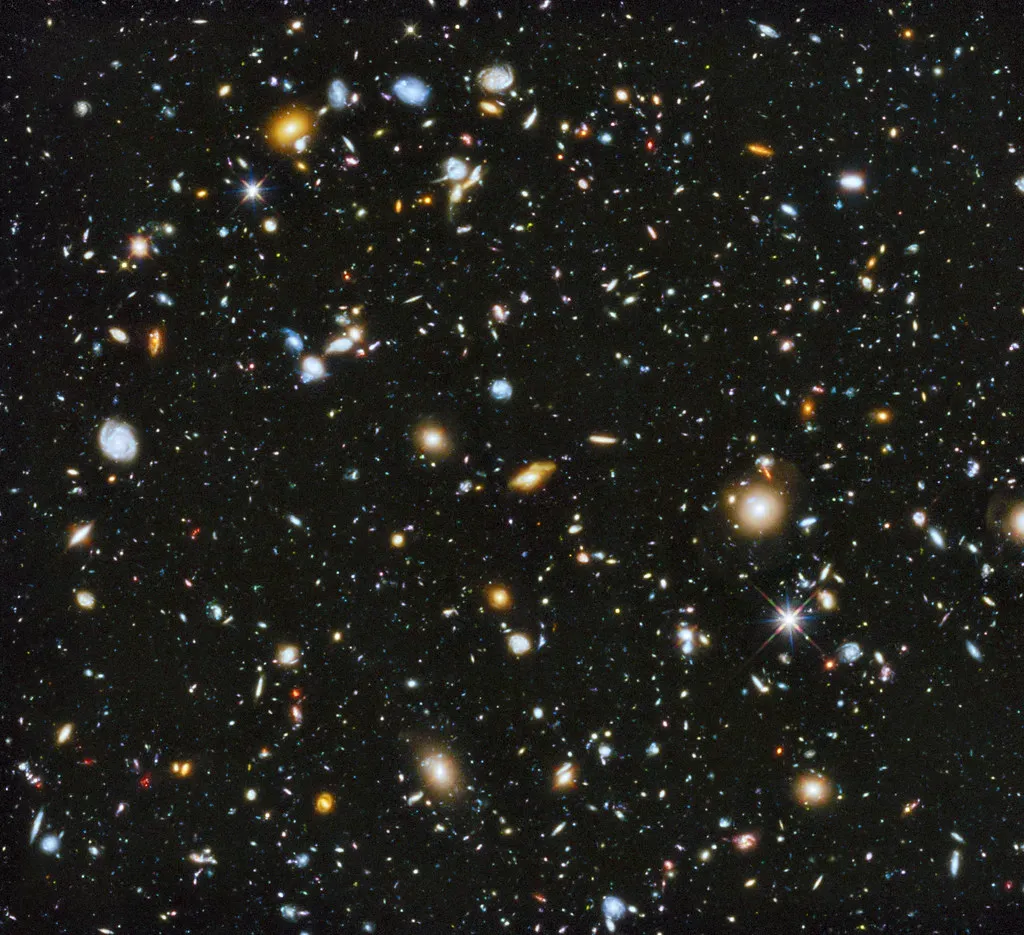
The reason these estimates have been revised upward several times is simple: your telescopes keep getting better at revealing what was previously invisible. Instruments like the Hubble Space Telescope, and more recently the James Webb Space Telescope, specialize in deep-field images that stare at what looks like a blank patch of sky for hours or days. When you do that, what seemed empty suddenly turns into a tapestry of thousands of galaxies, many of them small and faint, representing earlier, more crowded epochs of the universe.
You are also now able to see farther back in time than previous generations, spotting galaxies that formed just a few hundred million years after the Big Bang. Those objects tend to be compact and dim, exactly the kinds of systems that were missed in earlier surveys and that matter a lot for galaxy counts. Each new dataset forces you to revisit your totals and admit that the universe you thought you understood was actually more densely populated with stars than you had budgeted for. The more seriously you look, the more crowded the universe becomes.
Why Your Brain Struggles With These Scales
Even if you accept the math, your brain is not built to feel the difference between one sextillion and one septillion. You are wired to work with dozens and hundreds, maybe thousands if you stretch it, but once you start throwing around exponents, your native intuition gives up. You end up treating any vast number as a generic “a lot,” even though the ratios between those numbers might dwarf all the population growth you have ever heard about in human history.
That is where metaphors like sand become more than cute trivia. When you imagine every grain of sand you have ever seen, then imagine multiplying that by every shore and every dune system on Earth, you are pulling your numerical imagination as far as it can go. Then you are told, gently but firmly, that the universe still outpaces that by a huge margin. It is like standing on a mountain you thought was tall, only to realize it is just a small rock on the side of a continent-spanning plateau.
What This Means for Planets, Life, and Your Place in It All
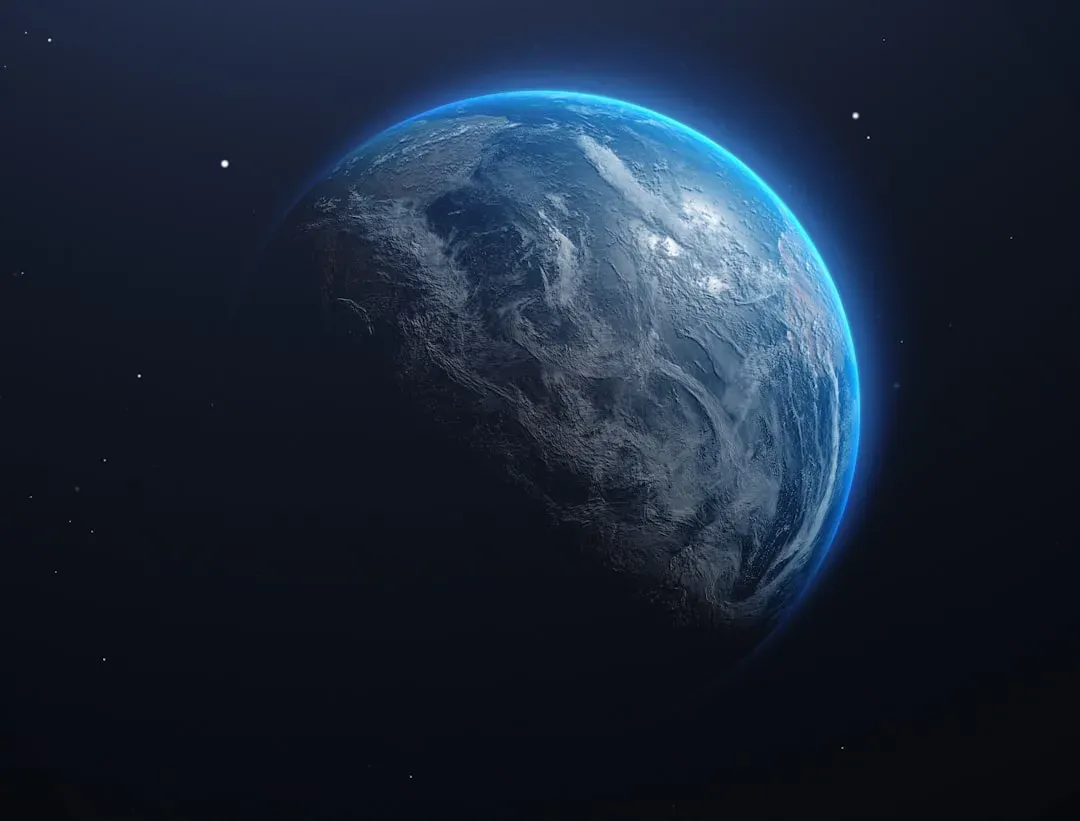
Once you accept that stars vastly outnumber grains of sand, it becomes hard not to think about planets. Most of those stars likely host at least one planet, and many will host entire systems of worlds. That means you are dealing with numbers of planets that make your sand comparison feel almost modest. On sheer probability grounds alone, it becomes difficult to imagine that your Earth is the only place where chemistry ever managed to assemble something that can ask questions about the universe.
This does not prove that life is common, or that intelligent civilizations fill the galaxy, but it does tilt your perspective. Your solar system stops feeling like the lone lighthouse in an infinite black ocean and starts to feel more like one apartment in an unimaginably vast city. Whether you find that thought comforting or unsettling, it pushes you to see your world as one example in a much larger sample, not as the main character in a cosmic drama staged just for you.
How to Hold Awe and Accuracy at the Same Time
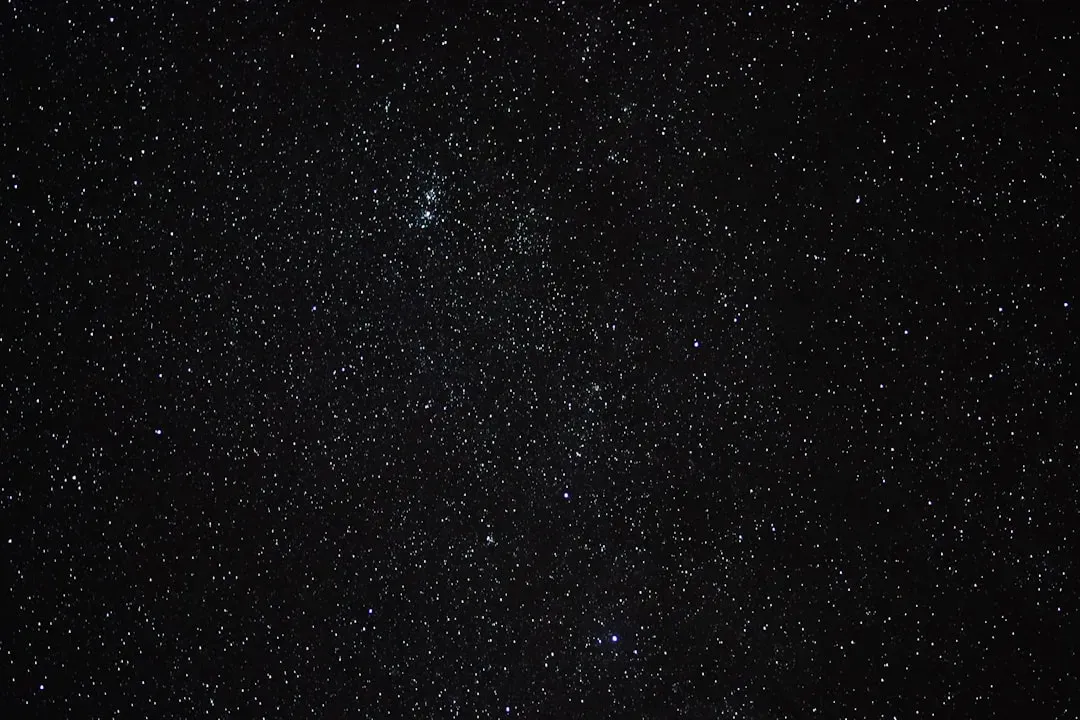
With a comparison this dramatic, it is tempting to drift into exaggeration or treat the numbers as if they were exact. You will sometimes see versions of the claim that specify a single, neat power of ten for stars and sand, or that imply scientists have literally “counted” their way to those totals. In reality, every piece of this picture is couched in ranges, uncertainties, and assumptions. Sand estimates change if you include ocean floors more fully; star counts change with each new survey and improved model of galaxy brightness.
Yet even when you respect those uncertainties, the core message survives. No matter how you tweak the assumptions within reasonable bounds, the stars stay ahead by a serious margin. You do not need perfect precision to recognize that you live in a universe where suns are more numerous than all the grains of sand you will ever walk on. The honest, careful version of the story is still astonishing – and maybe more so, because you know it is grounded in actual measurements, not just poetic license.
Conclusion: Living in a Universe That Is Bigger Than Your Imagination
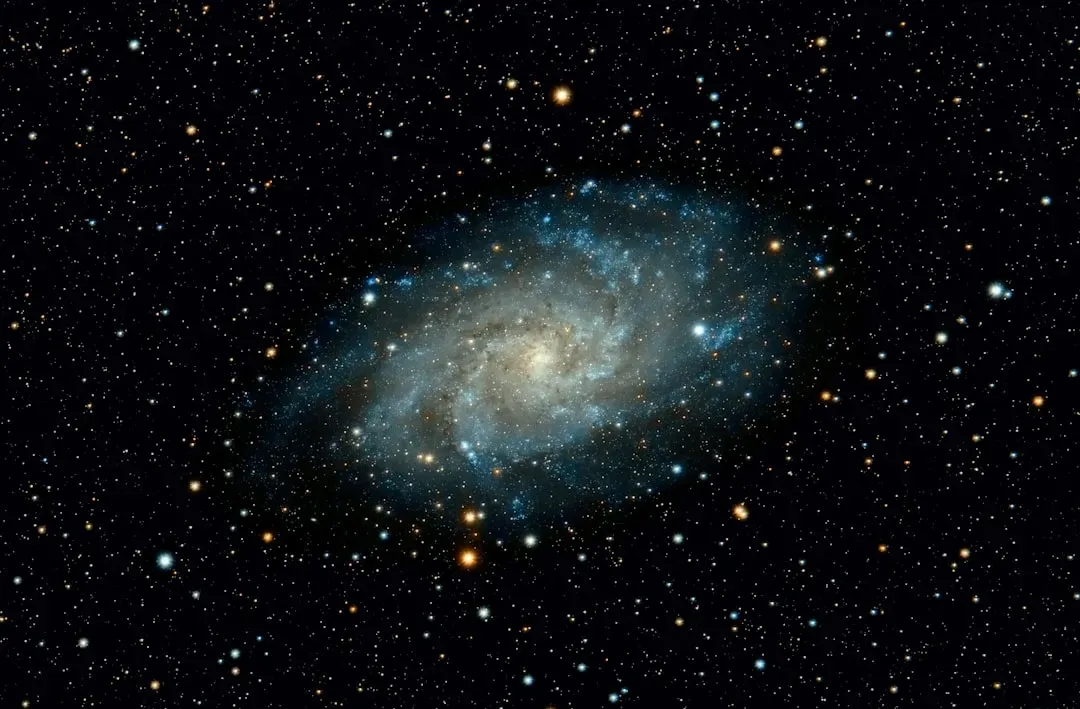
When you take the time to walk through how astronomers arrive at these numbers, you end up with something richer than a catchy fact. You discover that your tools, your telescopes, and your methods have repeatedly forced you to admit that the universe is more crowded, more active, and more star-filled than earlier generations believed. Across roughly the last twenty years, your view has been revised upward again and again, not because anyone wanted a more dramatic headline, but because deeper looks revealed more galaxies hiding in the apparent darkness.
In your daily life, the universe usually shrinks down to whatever fits on your calendar or your phone screen. The sand-versus-stars comparison tears that frame open for a moment and lets you feel the true scale of where you live. You share a tiny rock, around one ordinary star, in a galaxy that is just one among an almost inconceivable multitude, and even that sentence undersells the enormity of it all. Knowing that, how does your own story look to you now – smaller, or strangely more precious?