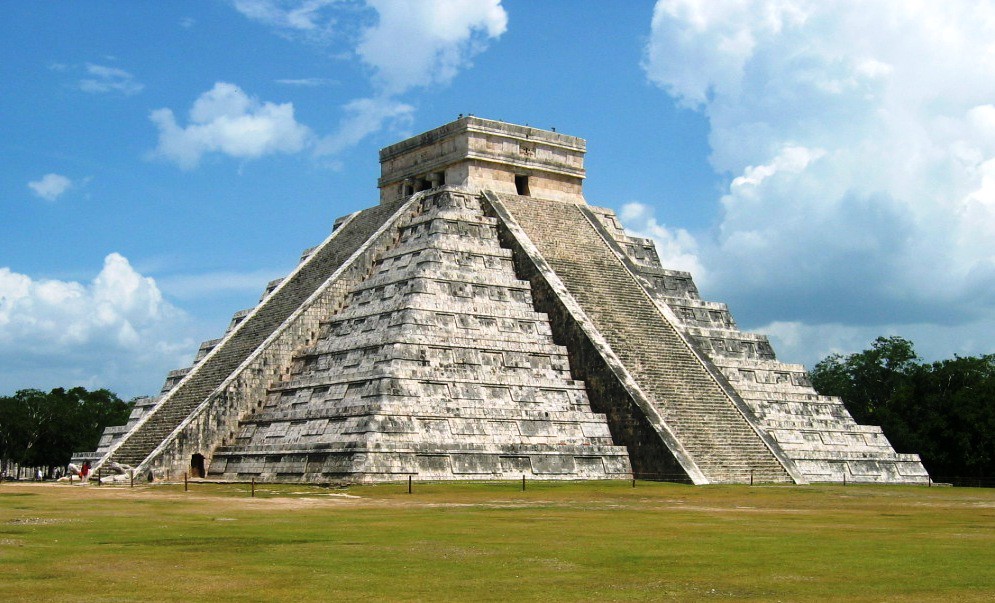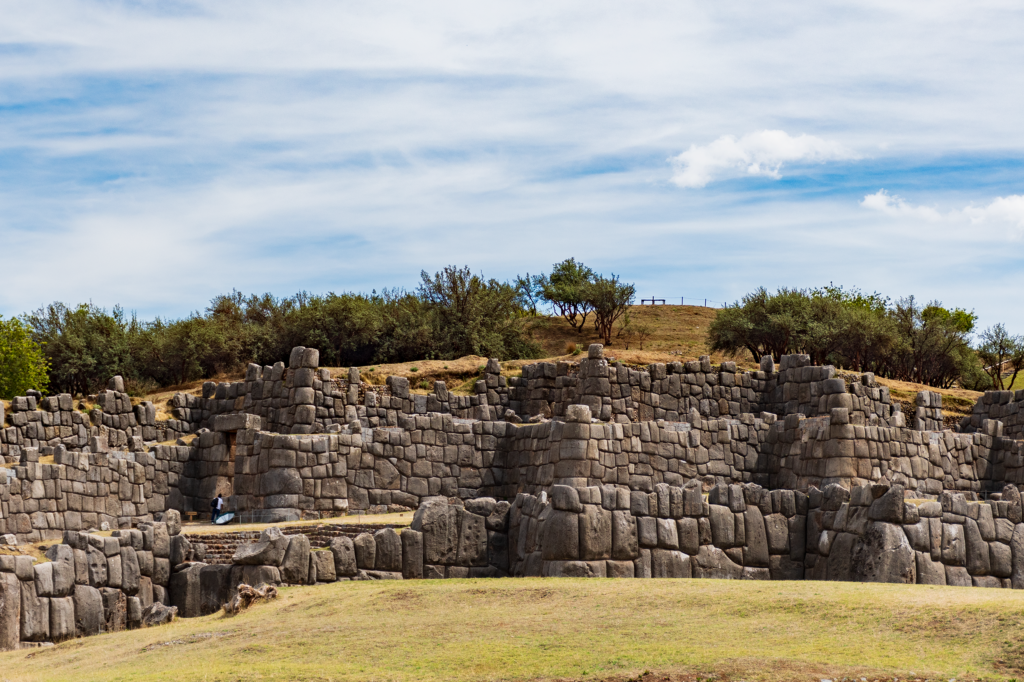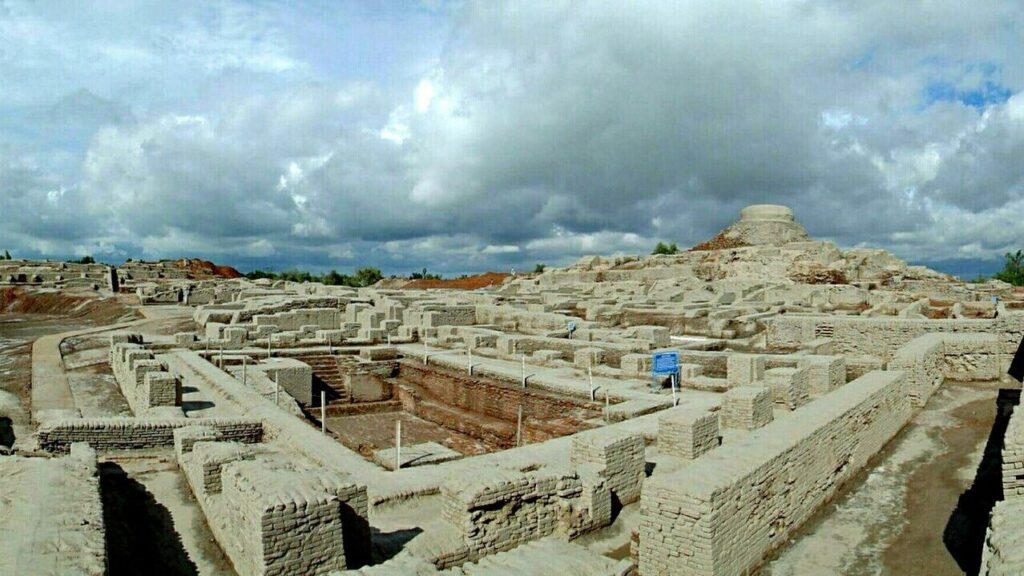
You probably grew up with the idea that human history moves in a straight line: caves, then pyramids, then smartphones, each step more advanced than the last. But when you start looking closely at certain ancient cultures, that neat story begins to wobble. You find impossibly precise stonework, ancient cities aligned to the stars, forgotten scripts no one can read, and engineering tricks that still puzzle modern experts.
In this article, you’re going to walk through eight lost or long-vanished civilizations that many researchers, enthusiasts, and independent thinkers believe were far more advanced than they’re usually given credit for. You’ll see where the hard evidence stops and the speculation begins, and you’ll get a sense of how much of the past is still a giant question mark. As you read, try to imagine what it would feel like to stand in these places, look around, and realize that whoever built them may have known things you still don’t fully understand.
The Mysterious Builders of Göbekli Tepe
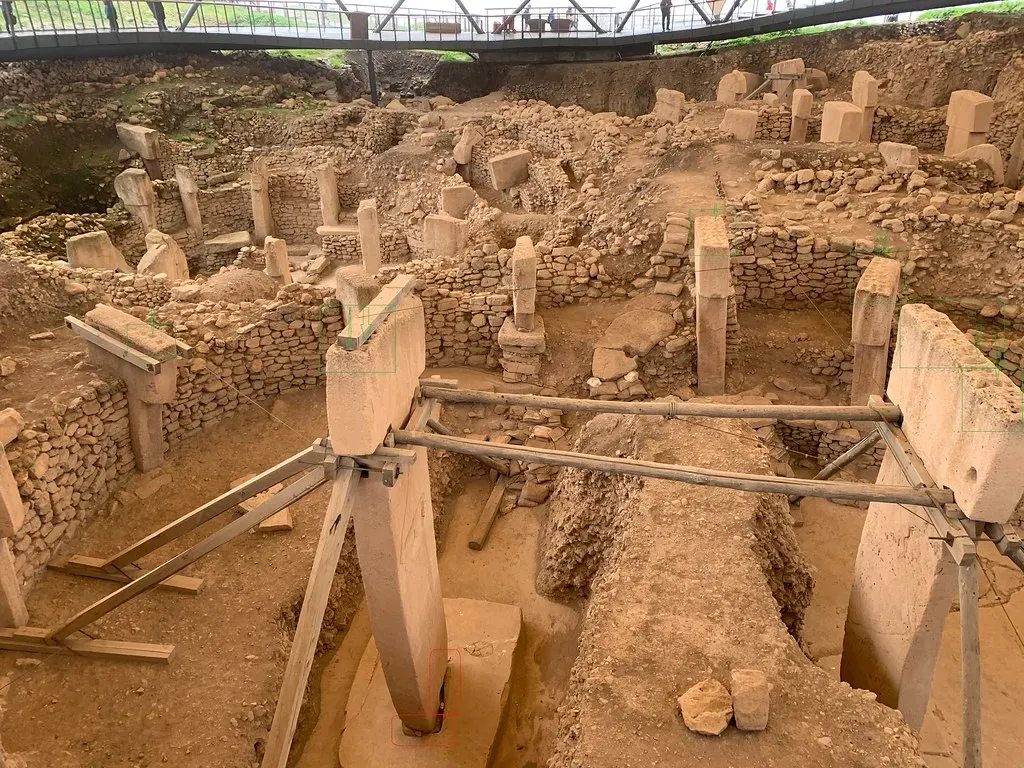
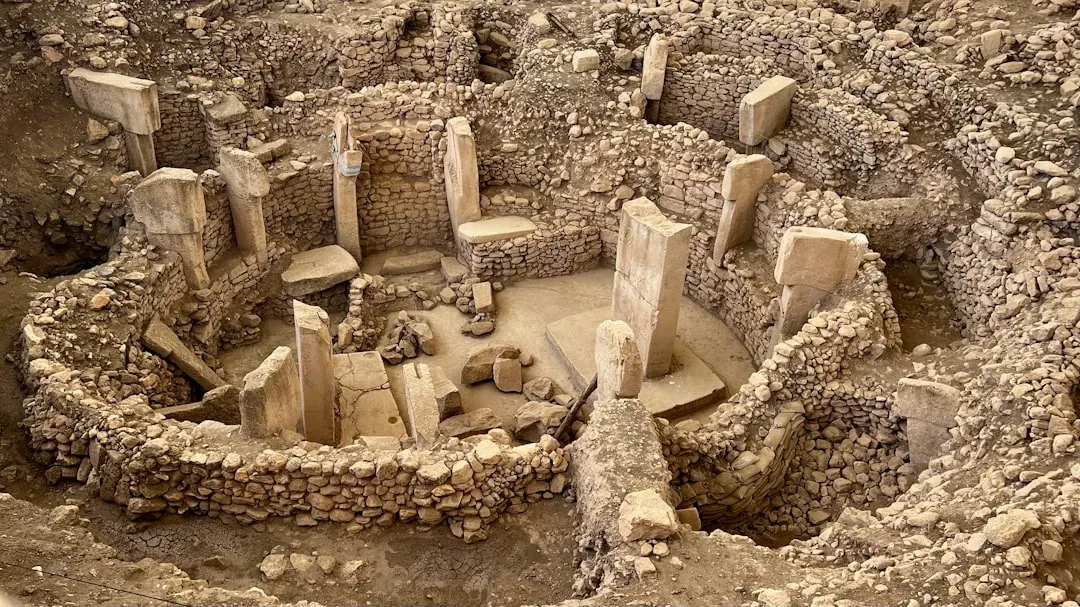
If you think civilization started with simple farming villages, Göbekli Tepe in southeastern Turkey forces you to rethink almost everything. When you visit it through photos and reconstructions, you’re looking at huge stone circles and towering T-shaped pillars, deliberately buried and dating back to around ten thousand years before the present, long before cities like Uruk or dynasties in Egypt. You’re staring at monumental architecture from a time when, according to the old story, people were supposed to be just small bands of hunter‑gatherers.
What makes Göbekli Tepe feel so advanced is not only the age but the planning behind it. To carve, move, and erect pillars weighing many tons, people had to cooperate at a large scale, organize labor, and share a symbolic or religious vision powerful enough to motivate all that effort. You see detailed animal carvings, abstract symbols, and possible astronomical alignments that suggest the builders were not just surviving; they were thinking deeply, observing the sky, and investing heavily in ritual. When you realize this was happening thousands of years before the invention of pottery in some regions, you start to suspect that your picture of “primitive” Stone Age people might be badly out of date.
The Indus Valley Cities: Urban Planners Ahead of Their Time
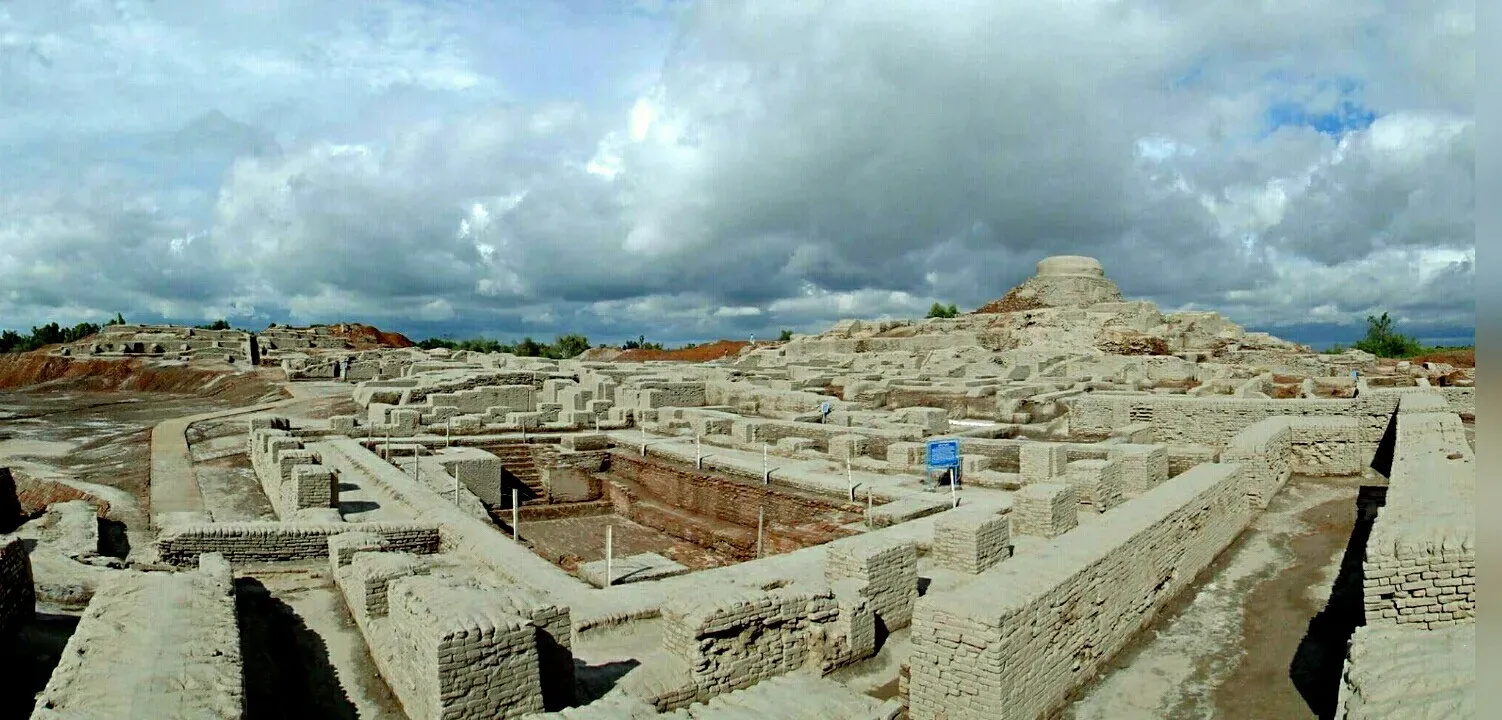
When you picture the earliest cities, you might imagine chaotic clusters of huts around a temple or palace. But if you walk mentally through the streets of Mohenjo‑Daro or Harappa in the Indus Valley, you’re stepping into a world that feels surprisingly modern. The streets run in straight lines on a grid, the houses are standardized, and many homes have private bathing areas connected to sophisticated drainage systems. You’re looking at urban planning that, in some ways, surpasses what you see in cities thousands of years later.
What makes this civilization feel more advanced than you’re usually told is how quietly efficient it seems. You don’t see big monuments shouting the names of kings, and you do see standardized weights and measures, large-scale trade, and a script that no one has convincingly deciphered. That undeciphered writing is a reminder that you’re missing their own voice about how their society worked. Until it’s cracked, you’re left guessing how they organized themselves so smoothly, whether they had complex laws, or advanced knowledge in medicine or mathematics that simply has not survived in written form.
Ancient Egypt Beyond Pyramids and Mummies
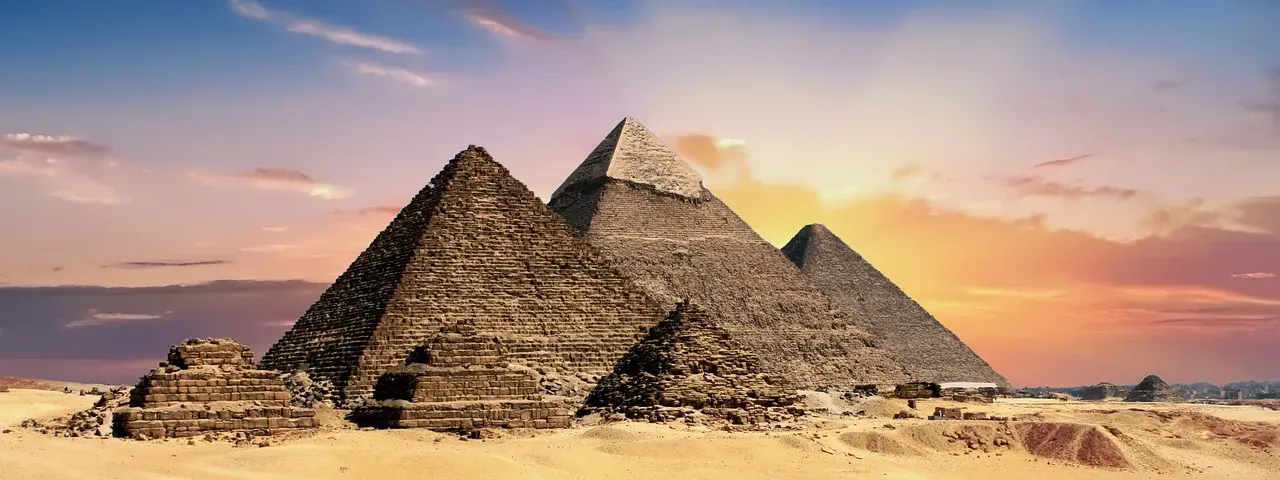
You probably already associate Egypt with engineering genius, but you might still underestimate just how advanced some aspects of that civilization were. When you look closer at how carefully they surveyed land, aligned structures with cardinal directions and celestial objects, and built long‑lasting monuments from millions of stone blocks, you start to see not just impressive labor, but high‑level planning and stable administration over generations. You’re not just dealing with people piling stones; you’re watching an entire culture coordinate quarrying, transport, logistics, and skilled craftsmanship on a massive scale.
On top of the engineering, you find medical papyri that describe diagnostics, practical treatments, and surgeries with a level of detail that can feel shockingly sophisticated for their age. You see evidence of early geometry used to divide fields and calculate volumes, and you see an elaborate calendar intertwined with the cycles of the Nile and the stars. While some claims about Egypt being impossibly advanced lean into fantasy, you can still reasonably feel that the combination of technical skill, long-term project management, and symbolic complexity puts this civilization ahead of what a casual textbook summary might make you expect.
Minoan Crete: The Sophisticated Maritime Culture in the Mediterranean
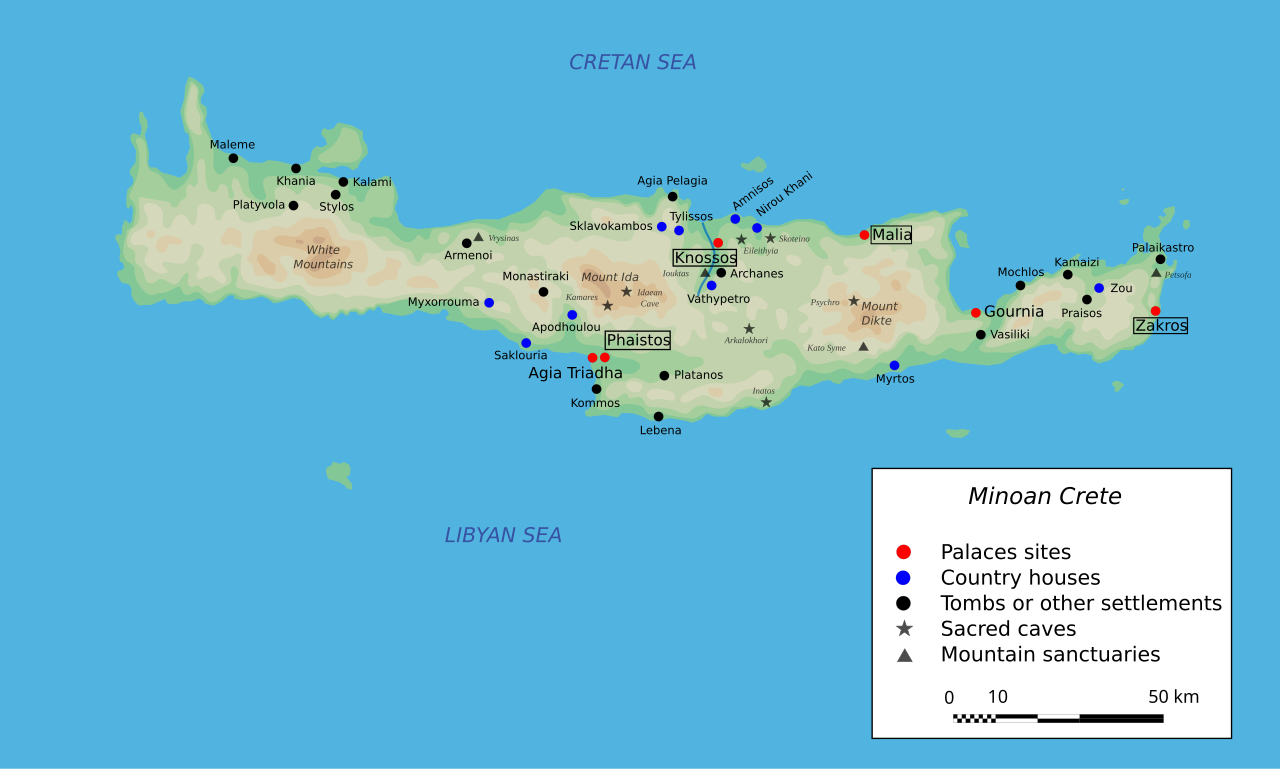
When you think of Greek history, your mind probably jumps to Athens and Sparta, but before those city‑states, you had the Minoans on the island of Crete. If you explore the ruins of places like Knossos, you walk through multi‑story complexes with courtyards, storerooms, workshops, staircases, and what seem like early plumbing and drainage systems. The layout feels more like a carefully designed palace or administrative center than a rough fortress, suggesting a culture that invested a lot in comfort, organization, and aesthetics.
What also makes the Minoans feel unusually advanced is their maritime reach and artistic expression. You see them depicted as active seafarers, connecting with Egypt and the Near East, trading goods and ideas across the Mediterranean. Their frescos show naturalistic scenes of marine life, athletic games, and complex religious rituals, hinting at a rich symbolic world. Because their earlier script, known as Linear A, has not been convincingly deciphered, you’re left with elegant buildings, vibrant art, and widespread influence, but without a clear understanding of their political system, scientific knowledge, or beliefs. That gap leaves plenty of room for the suspicion that they were even more advanced than the surviving ruins suggest.
Nabataea and the Hidden Engineering of Petra
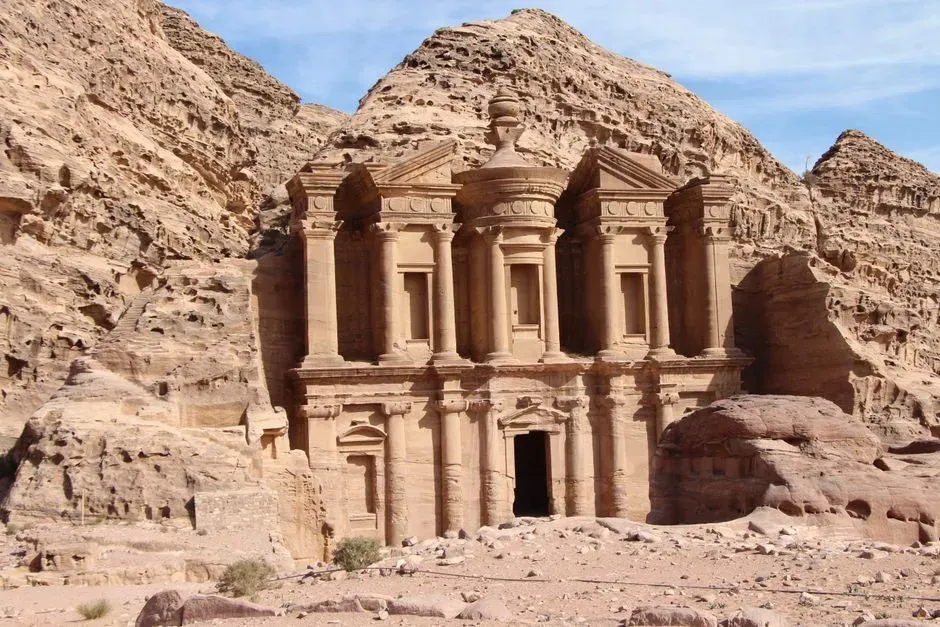
When you see images of Petra in Jordan, you probably focus first on the dramatic facades carved into rose‑red rock. But if you look a little closer, you find something even more impressive: a water management system that turned a harsh desert into a thriving hub. The Nabataeans, the people behind Petra, cut channels into cliffs, built underground cisterns, and designed dams and pipelines to collect and store seasonal rainwater. You’re effectively looking at a city that treated water like a carefully managed resource centuries before modern hydrological science.
Beyond water engineering, you see evidence of clever trade strategy and cultural blending. Petra sat at crossroads of major caravan routes, and the Nabataeans used that position to control and tax trade in incense, spices, and other valuable goods. Their architecture and art blend local, Hellenistic, and Near Eastern styles, showing that they were not isolated tribal people but savvy players in a wider economic and cultural network. When you realize how deliberately they harnessed the landscape and the trade routes, you start to see a civilization whose sophistication is carved into the rock as much as it is written in any surviving inscription.
Tiwanaku: High-Altitude Masters of Andean Engineering
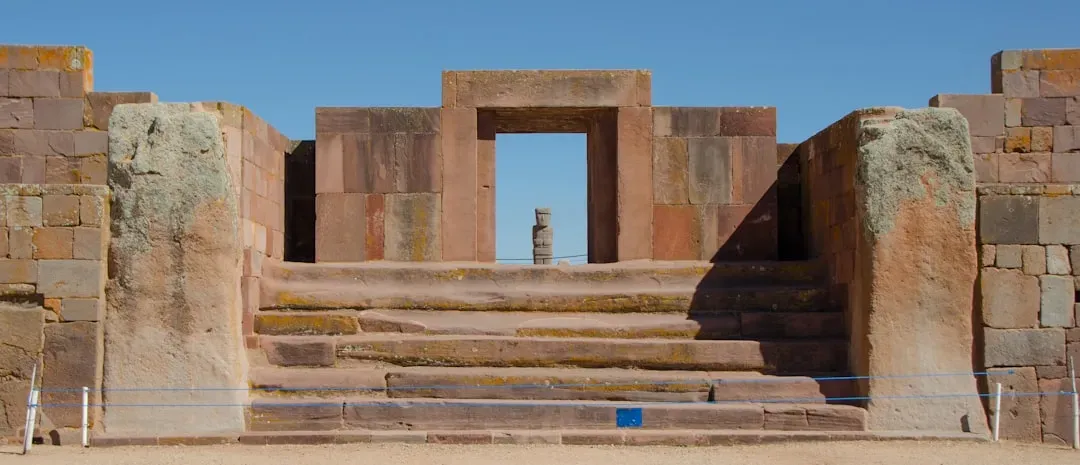
If you climb in your imagination to the high plateaus near Lake Titicaca in the Andes, you reach the remains of Tiwanaku, a pre‑Inca civilization that still feels underappreciated. You see massive stone blocks fitted with impressive precision, complex temples, and carved monoliths that suggest a deep ritual life. At that altitude, building anything large‑scale already requires serious adaptation and ingenuity; building what they did, with the level of accuracy they achieved, makes you suspect they understood their environment in ways you’re only beginning to grasp.
Some researchers point to possible astronomical alignments and modular stonework as hints of advanced planning and knowledge. Others highlight agricultural innovations, such as raised fields and earthworks designed to reduce frost damage and make the most of limited water. When you combine that with evidence of far‑reaching influence across the region, you see Tiwanaku not as a forgotten side note before the Incas, but as a central experiment in high‑altitude urbanism and engineering. You’re left with the feeling that much of their practical know‑how vanished when their civilization declined, leaving only silent stones under a big sky.
Ancestral Puebloans and the Architecture of Chaco Canyon
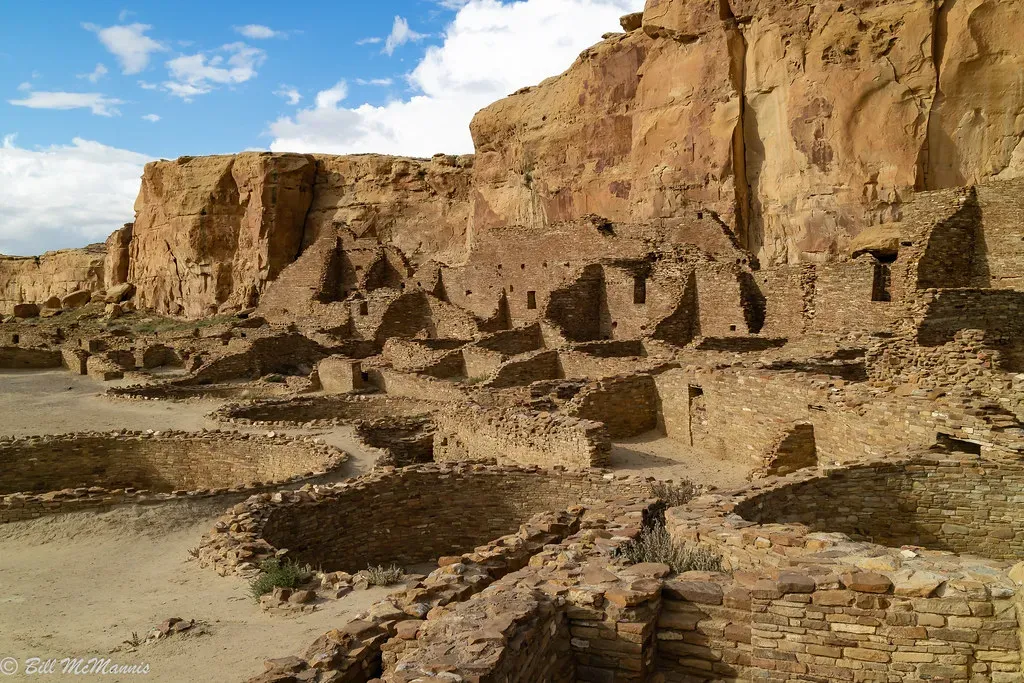
When you look at the broad desert landscapes of the American Southwest, you might not expect to find evidence of a complex, interconnected culture. But in places like Chaco Canyon, built by the Ancestral Puebloans, you walk among multi‑story “great houses” with hundreds of rooms, kivas for ceremonies, and roads radiating outward across the landscape. These buildings are carefully aligned, often with cardinal directions or significant solar and lunar events, suggesting that the builders watched the sky closely and built their world around those cycles.
What makes this civilization feel more advanced than you might initially assume is the combination of astronomy, architecture, and regional planning. You see evidence that these sites were not just local villages but part of a broader network of communities exchanging goods like turquoise, macaw feathers, and pottery across long distances. Managing resources in such a challenging environment would have required sophisticated knowledge of climate patterns, water sources, and agriculture. When you put it all together, you realize you are looking at a culture that mapped both land and sky in ways that still challenge your assumptions about what “pre‑Columbian” societies could do.
Norte Chico: The Quiet, Early Urban Experiment in Peru
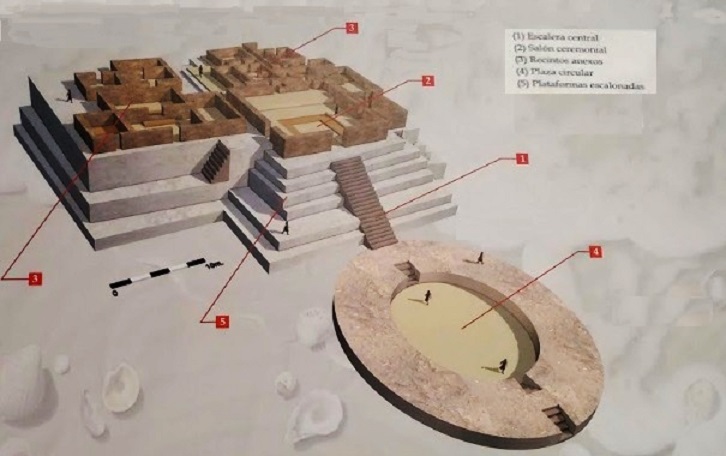
If you step back far enough in time, you pass well before the Inca and even before many Old World civilizations you usually hear about. In coastal Peru, at sites often grouped under the name Norte Chico or Caral‑Supe, you find one of the earliest known urban societies in the Americas. You see large platform mounds, sunken circular plazas, and planned settlements that suggest organized labor and centralized coordination long before the rise of later Andean empires. It is as if you’re stumbling onto the first rough draft of city life on that side of the world.
What feels surprisingly advanced here is the apparent scale of construction and the use of architecture to anchor social and ritual life, even with limited evidence of pottery or visible warfare. You see signs of long‑distance trade in resources like cotton and fish, which implies some knowledge of resource management between coast and inland valleys. Without a written script to guide you, you’re left interpreting stone, earth, and layout, and yet what you see is not a scattering of primitive huts but an organized attempt at large‑scale living. That quiet complexity suggests that your timeline of when and where humans began to build truly structured societies might still be too narrow.
Conclusion: Rethinking What You Call “Advanced”
As you move through these eight civilizations, you start to notice a pattern: the more closely you look, the less comfortable you feel with simple labels like primitive or advanced. You see early city planners managing water and waste, desert engineers capturing every drop of rain, coastal builders experimenting with urban forms, and sky‑watchers baking astronomy into stone. You also see big gaps in your knowledge – undeciphered scripts, missing texts, and ruins that hint at sciences, beliefs, and skills that never made it into the history you were first taught.
Maybe the real surprise is not that some lost civilizations were more advanced than you realized, but that your idea of progress has been too linear and too focused on a few famous cultures. Once you allow for the possibility that knowledge can be gained, refined, and then completely lost, the past stops feeling like a simple ladder and starts to look more like a tangled forest of experiments in being human. As you think about what your own civilization might leave behind, you may wonder which of today’s skills will look mysterious to someone ten thousand years from now. If you were that future observer, what would you guess we were truly advanced at – and what might you completely miss?