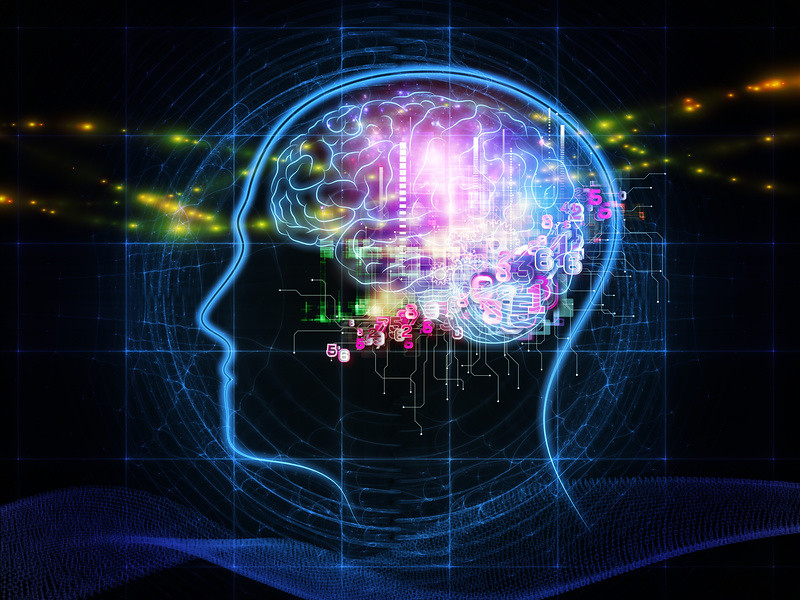

If you’ve ever found yourself suddenly in tears during a piece of music and wondered what on earth is “wrong” with you, you might be asking the wrong question. Instead of seeing it as oversensitivity or weakness, neuroscience suggests you could actually have something rare and remarkable going on in your brain. In particular, people who cry at beautiful music may have unusually strong connections between the regions that process sound and the regions that process emotion.
In other words, your brain might be wired so that music does not just pass through your ears and fade away; it cascades straight into your emotional core. This article walks you through what scientists currently believe about this connection, what it might mean about your personality, and how you can treat this trait as a strength rather than a problem. As you read, you might start recognizing yourself in the research in ways that feel both unsettling and strangely validating.
When Music Makes You Cry: What Your Brain Is Actually Doing

When you hear a piece of music that moves you, your brain is not simply registering notes and rhythms; it is running a full-body emotional simulation. Your auditory cortex, which processes pitch, melody, and timing, sends rich streams of information to emotion-related regions like the amygdala and parts of the limbic system. If you tend to cry at music, it likely means this pathway is especially active and efficient, so the sound-to-feeling “bridge” is unusually strong.
At the same time, areas involved in reward and motivation, such as the brain’s dopamine systems, can light up in response to musical tension and release. You might feel chills, goosebumps, a lump in your throat, and then tears, almost like an emotional wave that has to go somewhere. Instead of music being a background soundtrack, your brain treats it like a deeply personal event. You are not just hearing the song; in a very literal sense, you are living it.
Emotional–Auditory Connectivity: Why Your Wires May Be “Extra Connected”

Neuroscientists using brain imaging have found that people who report intense emotional responses to music often show stronger communication between auditory regions and areas involved in emotion and self-referential processing. That means the pathway between “what you hear” and “what you feel” may be more open, more densely packed with connections, or more easily activated than in other people. Your brain may excel at turning patterns in sound into rich emotional meaning.
You can think of it like the difference between a small walking path and a multi-lane highway. For some people, auditory information trickles slowly toward emotion, arriving as a gentle mood shift. For you, that same information might race down a neural superhighway straight into emotional centers, creating a rapid, intense reaction. This does not make your brain better or worse; it simply means you are particularly responsive to the emotional language of music.
Why Some Songs Hit You Harder Than Real-Life Events

You might have noticed that certain songs hit you harder than things that are actually happening in your life. In a way, music allows your brain to access deep emotional states without the messiness or threat of real-world consequences. Your emotional brain often responds to musical cues almost as if they were real experiences, especially when melody, harmony, and lyrics mirror patterns of sadness, longing, or joy that your brain recognizes from actual life events.
Because this happens inside a relatively safe container (a song that will end in a few minutes), your brain may feel more free to “let go.” That is why you might cry more easily during a symphony, a film score, or a breakup song than in the middle of an actual argument. The emotional–auditory connectivity lets the music press the same buttons that real life presses, but with a sense of protection, like stepping into a storm while knowing you can always step back out by hitting pause.
What Your Tears Say About Your Personality and Empathy

If music makes you cry, it often goes hand in hand with being emotionally tuned in to other people. Research generally finds that people who report strong chills or tears during music tend to score higher on measures related to empathy and openness to experience. You may find it easier to imagine how others feel, to step into different perspectives, and to let art in, even when it hurts. Your brain does not like to keep emotional information at arm’s length.
This can show up in everyday life in small but telling ways. Maybe you tear up over a stranger’s story, feel drained after an intense movie, or need time alone after a concert to settle your feelings. These are not signs of fragility; they are signs of a nervous system that engages deeply with emotional cues. Instead of brushing that off as “too much,” you can start to see it as a kind of emotional high-definition that many people simply do not have access to.
The Difference Between Being Moved and Being Overwhelmed

It is easy to confuse being deeply moved by music with being emotionally out of control, especially if you were raised to keep your feelings tightly contained. When a song suddenly brings tears to your eyes, you might feel embarrassed or worry that you cannot handle your own reactions. In reality, your brain is doing something quite natural: allowing a built-up emotional charge to release through a safe, aesthetic channel. That release may actually help prevent emotional overload later.
However, there is a line between healthy emotional resonance and overwhelming distress. If musical triggers bring up unprocessed trauma or flood you with memories that feel unmanageable, that is a different situation. In that case, your strong emotional–auditory connection is colliding with unresolved pain, and it may be worth exploring that with a therapist or counselor. The key is to notice whether your reaction feels like catharsis and relief, or like drowning with no way to surface.
Using Music as Emotional Self-Care Instead of Emotional Chaos

Once you understand that your brain is especially responsive to music, you can start using that trait deliberately instead of being surprised by it. You might build playlists that gently guide you through emotions: starting with songs that match your current mood, then gradually including pieces that lead you toward calm, hope, or strength. Because your auditory and emotional systems are so connected, these shifts in sound can translate into genuine shifts in how you feel.
You can also create “emotional safety rails” around high-impact music. For example, you might choose when to listen to the songs that make you sob, rather than letting them ambush you in public. You can decide that certain pieces are reserved for private time, journaling, or long walks, when you have space to process what comes up. Instead of seeing your tears as an accident, you begin to treat them like intentional emotional maintenance, similar to stretching before exercise.
Why Your Brain Loves Sad or Bittersweet Music So Much
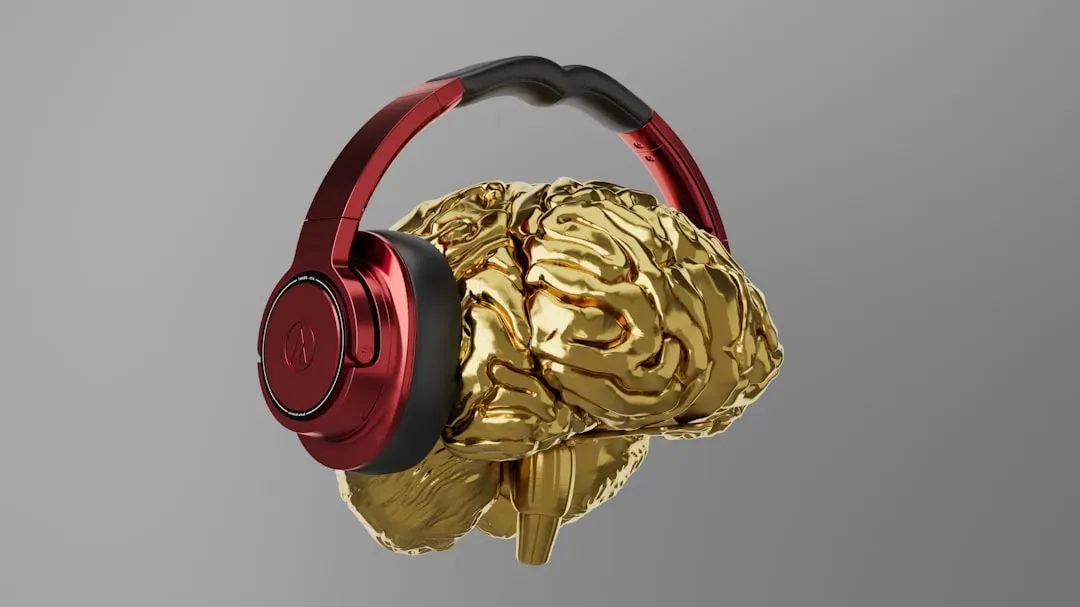
You may have noticed that you are especially drawn to sad, nostalgic, or bittersweet music, even when you are not unhappy. Neuroscience suggests that the brain can find emotional complexity rewarding; sad music lets you experience feelings like grief, longing, or regret in a controlled, meaningful way. Your strong emotional–auditory connectivity means your brain is particularly good at decoding the subtle signals of a minor key, a slow tempo, or a trembling vocal line as emotionally rich.
Paradoxically, this can make sad music feel comforting rather than depressing. It can feel like someone is finally putting into sound what you have not been able to put into words. Your tears, in that moment, are not always a sign that the music is making you worse; they can be a sign that you feel seen. Think of it as emotional resonance rather than simple sadness, a kind of echo between your inner world and the soundscape you are listening to.
Is There Something “Special” About You If You Cry at Beautiful Music?

It is tempting to jump to grand conclusions and assume that crying at music automatically means you have a more advanced brain or a rarer kind of sensitivity. The reality is more nuanced. Strong emotional–auditory connectivity is not a badge of superiority; it is one variation in how human brains can be wired. Some people connect most deeply through visual art, others through movement, others through intellectual ideas, and you, perhaps, through sound.
Still, it is fair to say that your responsiveness to music points to genuine strengths. You likely have a capacity for emotional nuance, imagination, and deep engagement that can enrich your relationships, your creativity, and your inner life. Instead of trying to toughen yourself up or force your feelings into a smaller box, you might experiment with trusting this sensitivity. It can act as both a compass and a mirror, reflecting what matters to you and pointing you toward experiences that feel truly meaningful.
Embracing Your Musical Sensitivity as a Superpower

If music brings you to tears, your instinct might be to hide it, apologize for it, or explain it away. But when you look at it through the lens of neuroscience, this reaction starts to seem less like a flaw and more like a signature. Your brain has built especially strong bridges between sound and feeling, allowing you to experience art in a way that is vivid, immediate, and unforgettable. That is not something you need to fix; it is something you can learn to live with openly.
As you move through the world, you can treat this trait as a kind of inner sensor. When a song stops you in your tracks or fills your eyes with tears, you are getting real-time feedback about what resonates with you at a deep level. You do not have to dramatize it or turn it into a performance; simply allowing it to be there can be enough. In a noisy, distracted world, the ability to be moved so fully by a few notes is a quiet kind of superpower. When was the last time you let yourself really feel the music instead of just hearing it?