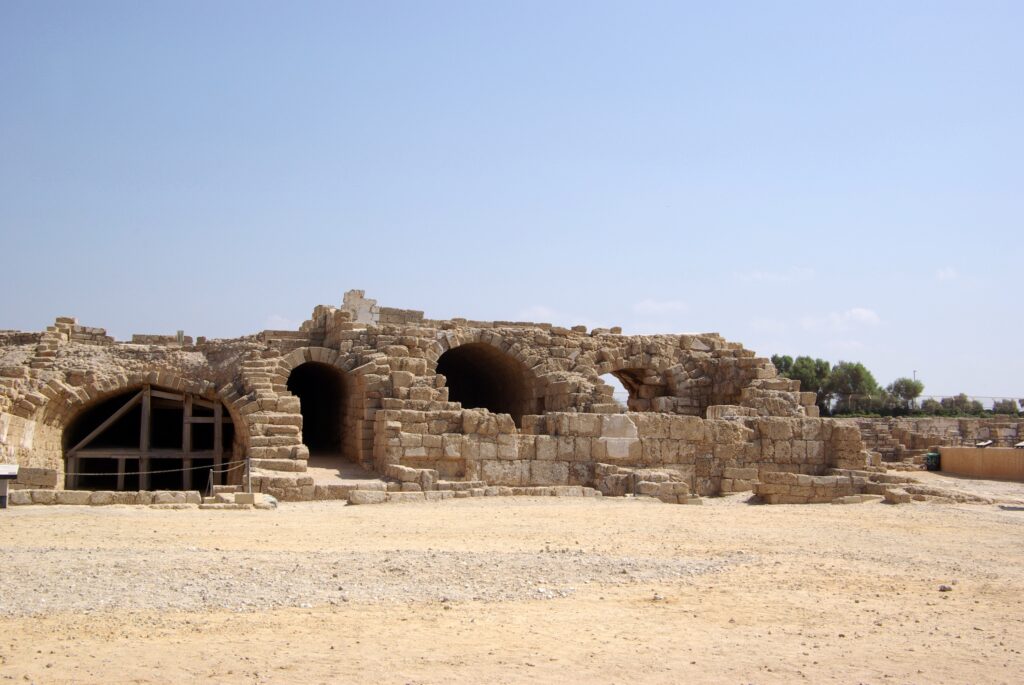
You stand under a modern bridge or a city skyscraper and it feels solid, impressive, engineered to the millimeter. Then you look at photos of a single stone in an ancient wall weighing as much as a fully loaded passenger jet, cut with hand tools, moved without engines, and somehow set down with hair‑thin precision. It hits you: a lot of what you take for granted about “progress” suddenly looks a bit fragile.
When you dig into how ancient builders lifted these giants, you find a story that’s far less about aliens and magic, and far more about patience, clever physics, teamwork, and a willingness to suffer through decades of hard work. You also discover how much we still genuinely do not know. That mix of solid evidence and stubborn mystery is exactly what makes these stones so addictive to think about – and why you may never look at a simple rock the same way again.
When Stone Becomes “Too Big To Believe”: What Counts As a Giant Block?

If you want to really appreciate what ancient builders pulled off, you first need to get a sense of scale. In everyday life, a two‑ton car or a five‑ton truck already feels heavy; cranes and forklifts are normal only because you rarely see them up close. Now imagine single stones in the ancient world tipping the scales not at five or ten tons, but at several hundred, even well over a thousand. You are talking about weights that would push modern construction equipment to its limits, yet those stones were handled with wood, rope, muscle, and grit.
Archaeologists often talk about “megaliths,” literally “giant stones,” when a single block used in construction weighs more than ten tons. From there the numbers get wild. Some standing stones at Stonehenge weigh around twenty to thirty tons; huge foundation blocks in places like Baalbek in Lebanon are estimated at more than seven hundred or eight hundred tons, and the unfinished obelisk at Aswan in Egypt would have gone past a thousand tons if it had ever been raised. When you hear those figures, you are not just dealing with big rocks; you are staring straight at the limits of human strength and ingenuity.
Stonehenge: Raising a 25‑Ton Ring With Wood, Ropes, and Raw Determination
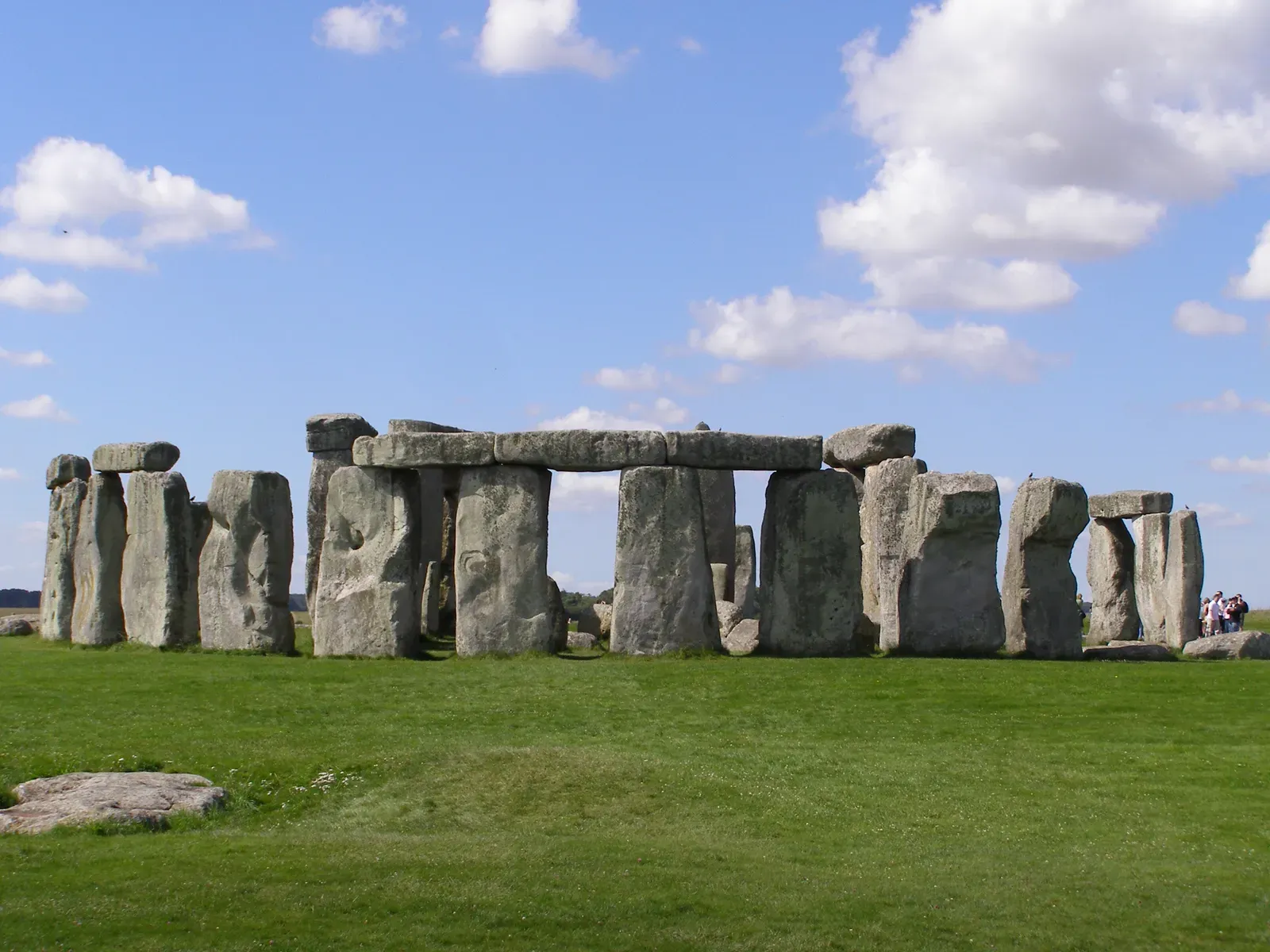
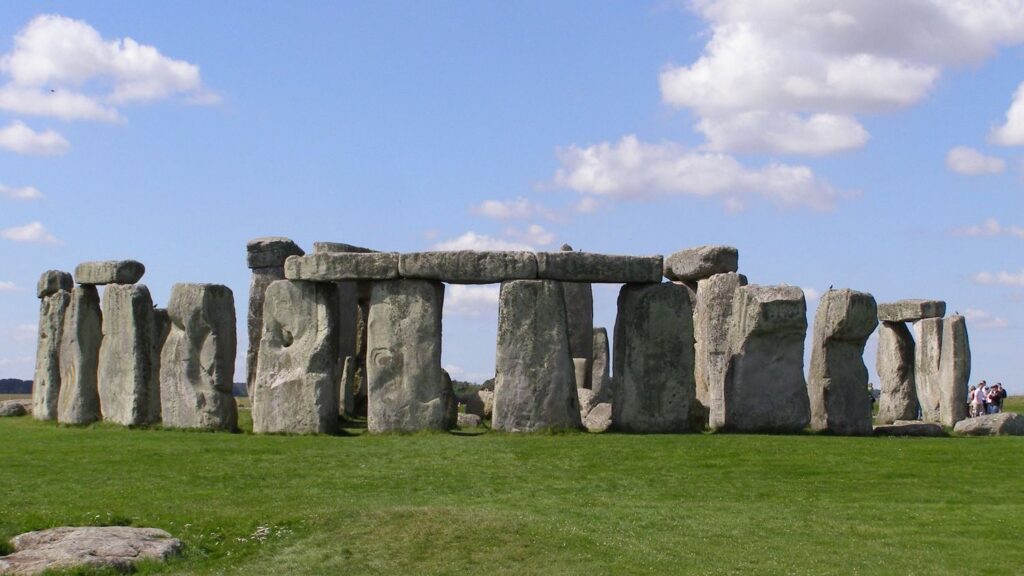
Picture yourself on a windswept plain in southern England some four or five thousand years ago. You and your community decide to haul multi‑ton stones from tens or even hundreds of miles away, shape them with stone and antler tools, and stand them in a precise ring that tracks the sun on the solstices. You have no metal cranes, no steel cables, no draft horses yet. Still, over many generations, you get it done. That is the real shock of Stonehenge: not just the design, but the sheer, quiet stubbornness behind it.
The basic toolkit you’d likely have used is almost insultingly simple: wooden sledges, rollers, ropes made from plant fibers or animal hides, and a deep understanding of how to turn friction and leverage to your advantage. Experiments in experimental archaeology have shown that teams of people can drag stones weighing twenty or thirty tons by putting them on sledges and greasing the track, or rolling them on wooden logs over packed earth. For the final raise, you can imagine a sequence of ramps, pits, and timber frames: you dig a deep hole with a sloping side, drag the stone into it, tip it upright by filling the pit back in while levering the base, and then use wooden scaffolding and smaller stones as shims to inch the horizontal lintels up like a ratchet. It is not romantic, but it works – and it depends on you thinking of time in years, not weekends.
The Unfinished Obelisk at Aswan: A Thousand‑Ton Puzzle Left on the Factory Floor
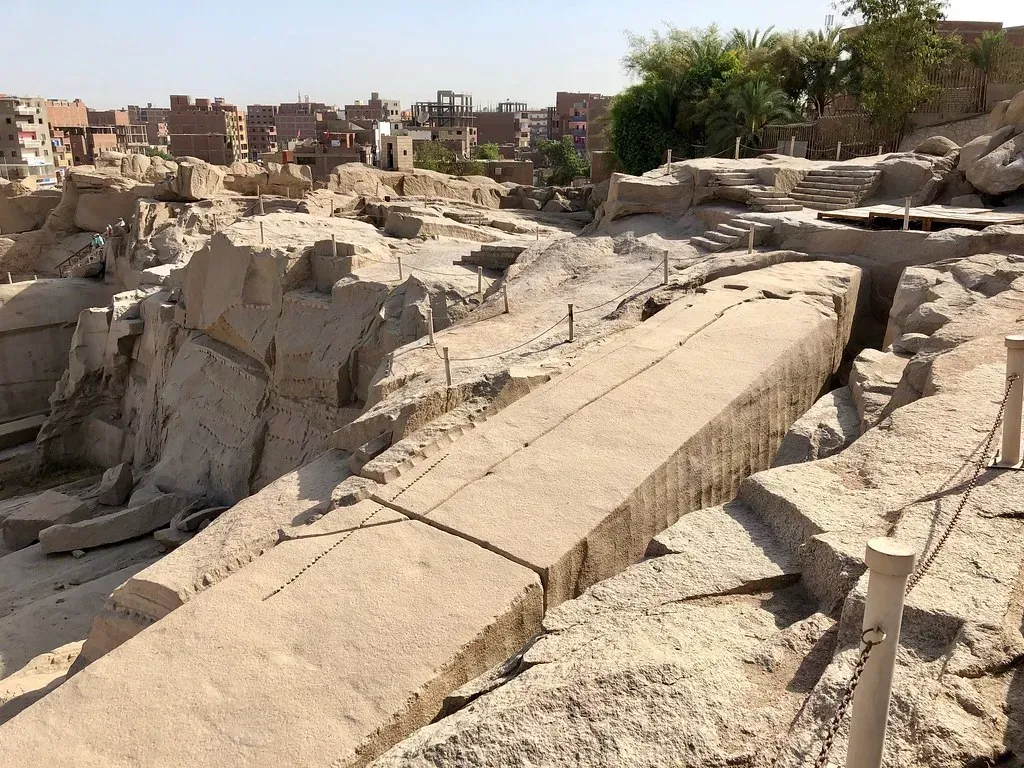
Now shift your attention to ancient Egypt, to a granite quarry near Aswan. You walk into the site and there it is: a single gigantic obelisk still attached to the bedrock, lying in a trench like a sleeping ship. If it had been completed and raised, estimates suggest it would have weighed more than a thousand tons and stood over forty meters high. The only reason you can study it so intimately today is that it cracked during carving, and the builders simply abandoned it in place – a perfect snapshot of the work in progress.
When you look closely at the trench walls and the sides of the obelisk, you see the “tool marks” that tell you how it was done. Workers attacked the granite with dolerite pounding stones, creating a series of shallow depressions that slowly deepened into channels. Fire may have been used in some contexts to heat rock and then shock it with water, but at Aswan the main technique looks like relentless pecking and chiseling. To free a block like that, you would undercut it with narrow trenches, then insert wooden wedges, soak them so they expand, and let the rock split along controlled lines. The real mind‑bender is the next step: getting such a monster out of the quarry and across the Nile. Even with modern gear, you would lose sleep over that job, so you can imagine the scale of planning an ancient engineer had to juggle.
Baalbek’s Trilithon: The Wall Made of Landed Spaceships
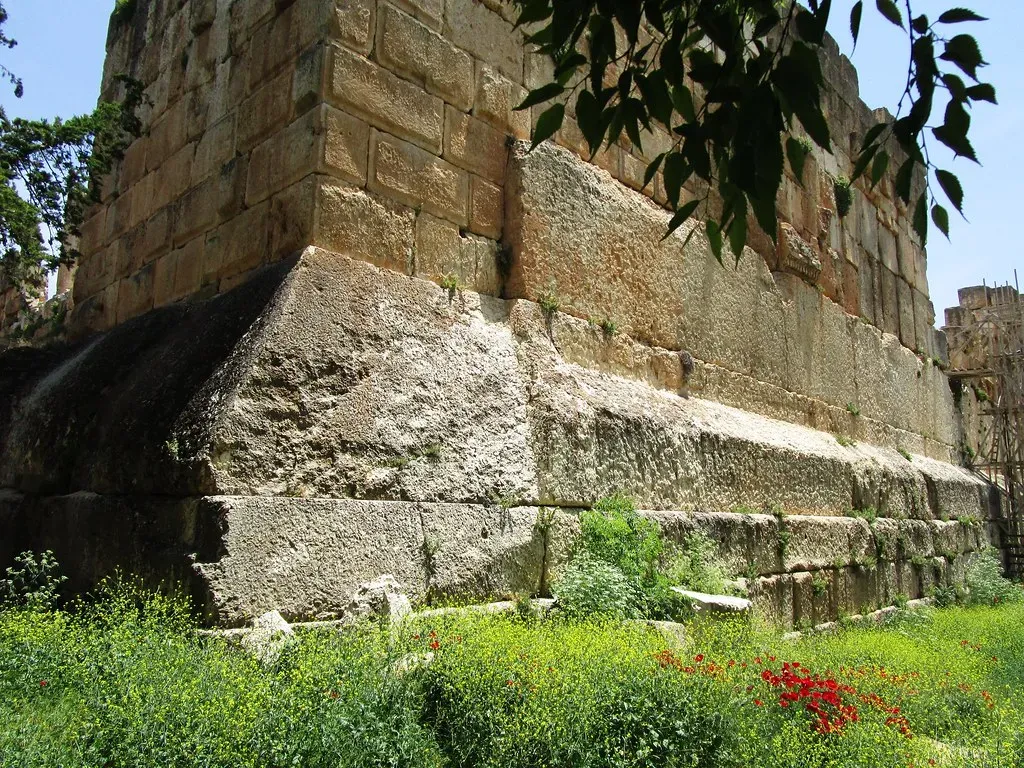
If there is one place that makes you question your sense of what is possible with stone, it is the Roman temple complex at Baalbek in Lebanon. In one retaining wall you find three colossal blocks, often called the Trilithon, each roughly the size of a railway carriage and estimated in the range of seven hundred to eight hundred tons or more. Nearby, in the quarry, lie even bigger stones, including one often nicknamed the “Stone of the Pregnant Woman” and another that pushes estimates into the nine‑hundred‑plus‑ton range. Standing in front of them, you do not just feel small; you feel like you have walked onto a film set where the props department got carried away.
Engineers studying Baalbek have proposed that the builders took advantage of the landscape itself. The quarry lies slightly uphill from the temple platform, which means you could, in principle, carve the stones, slide them on rollers along an earthen ramp, and then ease them into place using gravity instead of lifting them vertically. You might box each stone in a timber frame, roll it on wooden rollers or log “wheels,” and keep it moving with dozens or hundreds of people pulling on ropes, while others manage brakes and chocks. None of this makes the feat trivial – it is still the kind of job where a minor miscalculation could ruin years of work – but it does put it within the bounds of what many coordinated human beings can achieve with simple physics and a lot of patience.
How Do You Raise a Giant Without Modern Cranes? The Physics You’d Actually Use
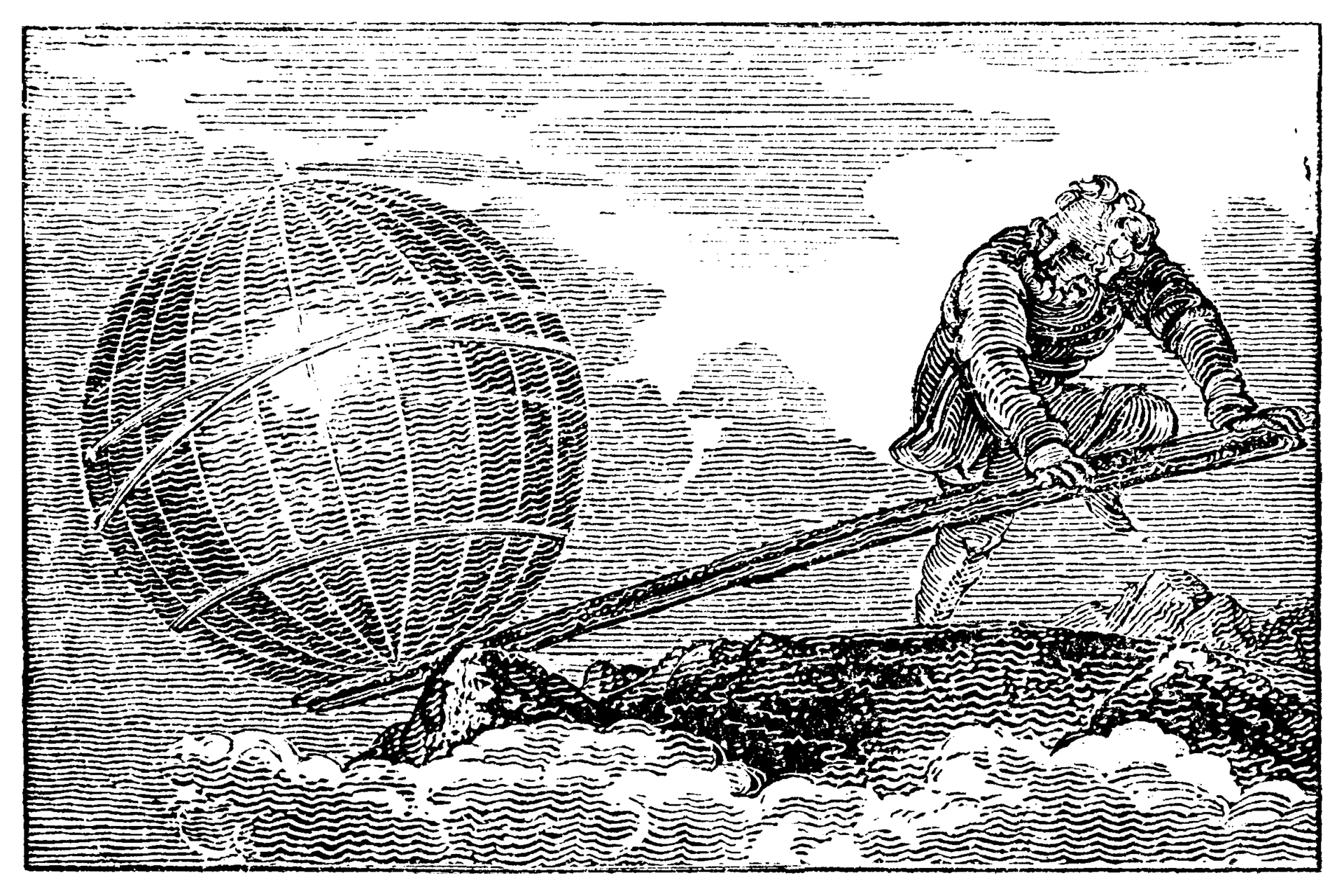
When you ask how people in the distant past raised enormous stones, you are really asking how they hacked basic physics with almost no technology. If you try to picture it with today’s machines, you get stuck; if you think in terms of levers, friction, and time, it starts to make sense. Imagine you and some friends trying to lift a car. Straight up, it is impossible. Put a long plank under one edge as a lever, rest it on a rock as a pivot, and suddenly you can move it a few centimeters at a time. Ancient builders seem to have taken that kind of thinking and turned it into an art.
Ramps are your first big tool. A sloping earth ramp lets you trade distance for height: instead of lifting a stone three meters straight up, you drag it thirty meters along a gentle incline. Levers and cribbing – the method of stacking small blocks or timbers and then shimming higher and higher – let you gain height in small, repeatable steps. Timber A‑frames and tripods, combined with rope and counterweights, can act as primitive cranes, allowing you to tilt a stone from horizontal to vertical or nudge it into final position. When you combine those methods and give yourself weeks instead of hours, raising a twenty‑ton or even much heavier block stops being magic and turns into an exhausting but survivable construction project.
Why Ancient People Went To So Much Trouble For Immovable Stones
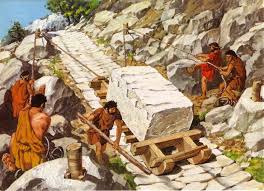
There is a deeper question hiding behind all this engineering: why would anyone put this much effort into dragging and lifting giant rocks that never move again? When you look at the sites where the largest stones appear – monumental temples, tomb complexes, sacred enclosures, ceremonial platforms – you start to see a pattern. These were not casual projects; they were statements. You were building something meant to outlast you, your children, and probably your entire political system. The stone’s size itself became part of the message: only a powerful community, blessed by the gods or backed by a mighty ruler, could command that much labor.
On a more personal level, if you lived in those societies, you might have felt that being part of such a project connected you directly to your ancestors and your deities. Hauling a stone that big is a kind of forced team‑building on a civilizational scale; you literally pull together, sweat together, and watch something rise that none of you could ever manage alone. That emotional impact still hits you today when you walk among these stones. You sense that you are inside someone else’s impossible dream made real, and that recognition can stir a mix of awe, humility, and a strange kind of homesickness for a world where time moved slowly enough to justify a project that took generations.
What We Know, What We Guess, and What Might Never Be Answered
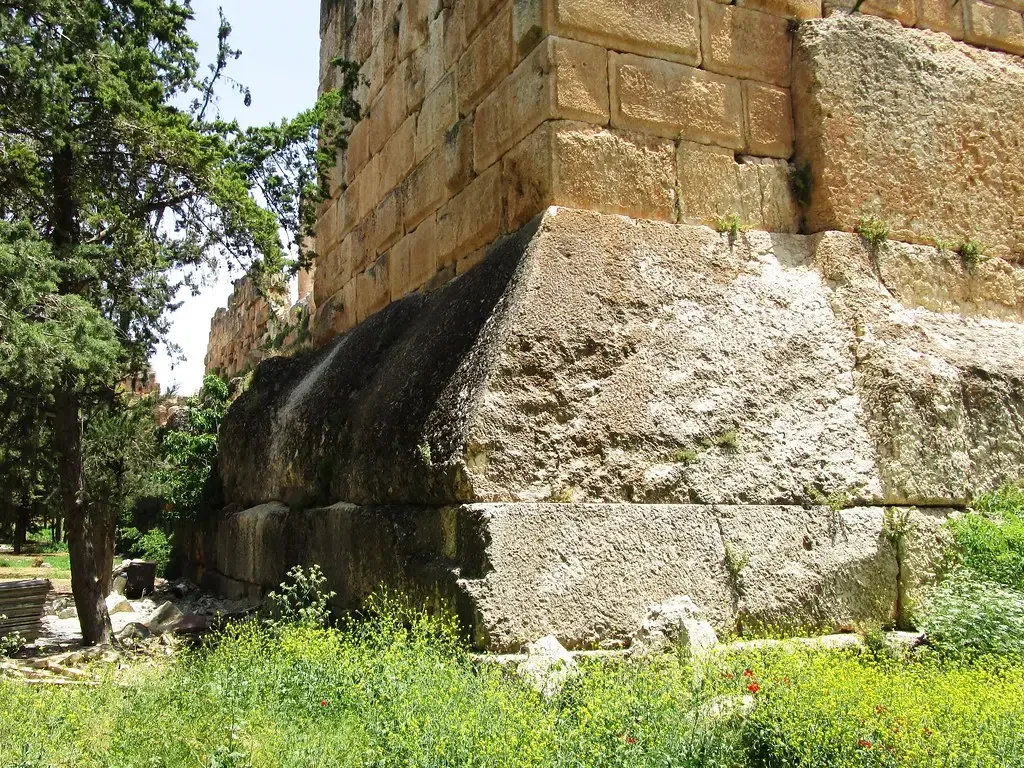
If you are hoping for a neat manual that explains exactly how every giant stone in the ancient world was cut, moved, and raised, you are going to be disappointed. In some cases, like the quarries at Aswan or the tool marks at megalithic sites, you can read the rock like a work log: you see the grooves where chisels bit in, the pits where pounding stones struck, the ramp scars in the landscape. In others, like Baalbek, the evidence is more indirect, and you rely on physics, comparisons, and small‑scale experiments to test what is plausible. Even when you cannot prove a single “right” method, you can often rule out the more outlandish ideas simply because they break known physical limits or ignore the tools actually available at the time.
What you are left with is a patchwork: solid reconstructions in some details, educated guesses in others, and a cloudy middle ground where several techniques might have been used in combination. That uncertainty sometimes frustrates people, and it is why exotic theories about lost high‑tech civilizations or non‑human helpers keep popping up. But if you stay grounded in what the stones themselves tell you, the real story is already extraordinary enough. You do not need fantasy to be impressed by a thousand‑ton obelisk half‑freed from the bedrock or a ring of twenty‑ton pillars aligned to the sunrise; you just need to imagine your own hands on the ropes and ask yourself how far you would be willing to pull.
Conclusion: Seeing Modern Engineering Through Ancient Eyes

Next time you pass a construction site with steel beams swinging from a crane, try a small mental experiment: strip away the engines, the hydraulics, the diesel, and leave only wood, rope, and human backs. If you can still imagine that beam going up, you are starting to think like the builders who raised the giant stones of the ancient world. They did not have our machines, but they had time, coordination, and an almost terrifying commitment to seeing the job through. In that sense, you and they are not so different – you just outsource your heavy lifting to fuel and steel instead of to crowds and levers.
When you look at those megaliths with fresh eyes, you are not just admiring old rocks; you are seeing the physical record of people pushing against what seemed impossible and, slowly, winning. That should make you feel small, yes, but also strangely empowered. If they could drag a thousand tons of granite into place with nothing more than ingenuity and stubbornness, what might you be underestimating in your own life that only looks immovable from a distance?