Imagine waking up tomorrow and seeing headlines that Yellowstone has started a full-blown supereruption. Flights grounded, ash drifting across entire states, live streams of a boiling sky over Wyoming. It sounds like the opening scene of a disaster movie, but the science behind this kind of event is both more sobering and more nuanced than most people think.
At the same time, Earth’s history is littered with eruptions that make even Yellowstone’s worst-case scenarios look almost modest. Ancient supervolcanoes rearranged continents, crashed climates, and helped shape the path of evolution itself. Putting a hypothetical modern Yellowstone blast side by side with those titans from deep time gives us a reality check: terrifying, yes, but also clarifying about what is truly plausible, what is speculation, and what it would really mean for life in the twenty‑first century.
How Big Is Yellowstone Really, And What Counts As A “Supereruption”?
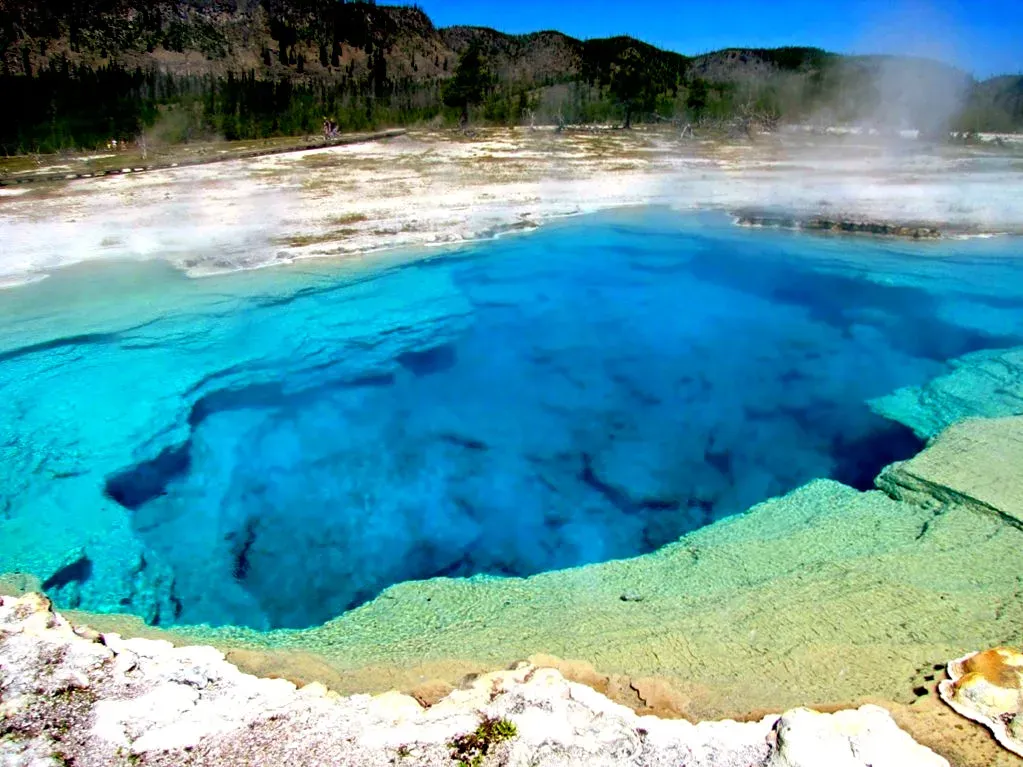
When people hear “Yellowstone,” they often picture a mountain like Mount Fuji waiting to blow its top, but the truth is stranger. Yellowstone is a giant caldera, a broad depression left by colossal eruptions in the past, fed by a deep, hot mantle plume. Under the park lies a vast, complex magma system made up mostly of partially molten rock rather than a single, gigantic vat of liquid magma ready to explode overnight.
Scientists use a scale called the Volcanic Explosivity Index, and anything at its highest level involves ejecting thousands of cubic kilometers of material and blanketing huge regions in ash. Yellowstone has done this several times in the distant past, but those events are extremely rare on human timescales. Most eruptions on Earth, even significant ones, never come close to this level, and Yellowstone itself is more often a site of small eruptions and hydrothermal activity than apocalyptic blasts.
If Yellowstone Erupted Tomorrow, What Would Actually Happen First?
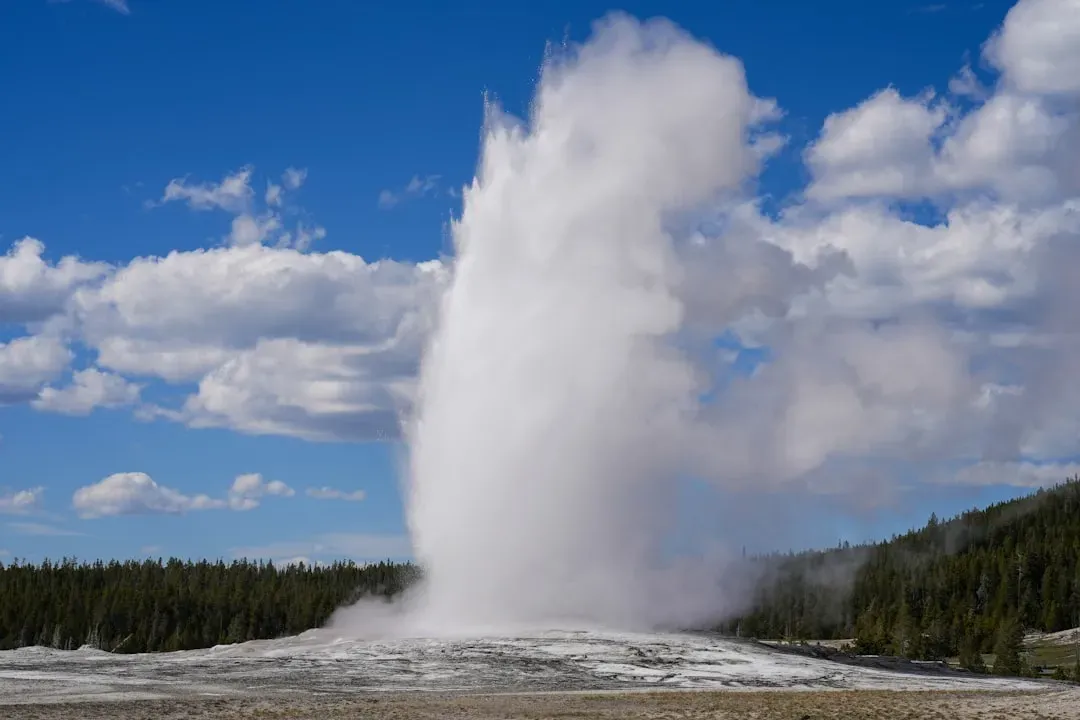
A lot of people imagine a sudden, surprise explosion with no warning, but a true supereruption would almost certainly be preceded by weeks to years of escalating signs. That would include swarms of earthquakes, booming ground deformation, and obvious changes in geysers and hot springs. Monitoring networks around Yellowstone are dense and sophisticated, watching for exactly this kind of behavior in real time, precisely because even a smaller eruption would matter for millions of people.
In a hypothetical scenario where things escalated into a large eruption tomorrow, the initial crisis would be intensely local but globally watched. Nearby communities would face pyroclastic flows, heavy ashfall, choking air, and infrastructure collapse within hours. At the same time, emergency management agencies would scramble to reroute air traffic, protect power grids, and keep water supplies safe across much of North America as the ash cloud began to spread with the wind.
Ash, Air Travel, And America Under A Volcanic Cloud
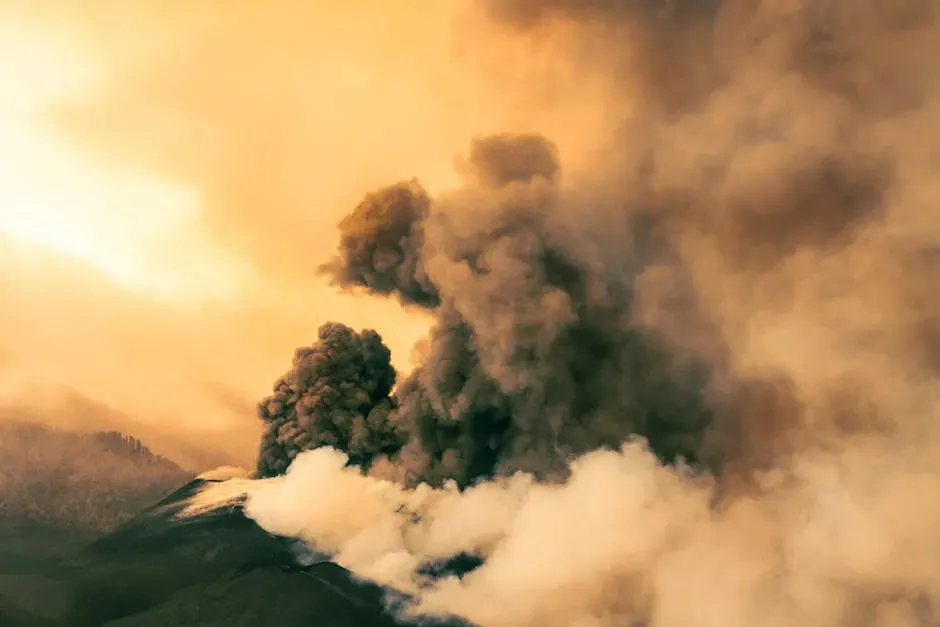
The most immediate way most people would feel a Yellowstone eruption is not lava but ash. Volcanic ash is not like fireplace soot; it is pulverized rock and glass that can slice lungs, clog engines, and collapse roofs if it piles up. A major eruption could spread ash over large swaths of the United States, with the thickest layers in states downwind and progressively lighter dusting reaching far beyond.
Air travel would be hammered, at least temporarily. Jet engines are notoriously vulnerable to volcanic ash, which can melt inside turbines and suddenly shut them down. In a worst‑case Yellowstone eruption, large sections of North American airspace could close for days or weeks, with ripple effects across global aviation. On the ground, people might deal with blocked highways, contaminated water supplies, and the surreal experience of midday darkness under a drifting ash veil.
Climate Shock: Would Yellowstone Plunge Us Into A Volcanic Winter?
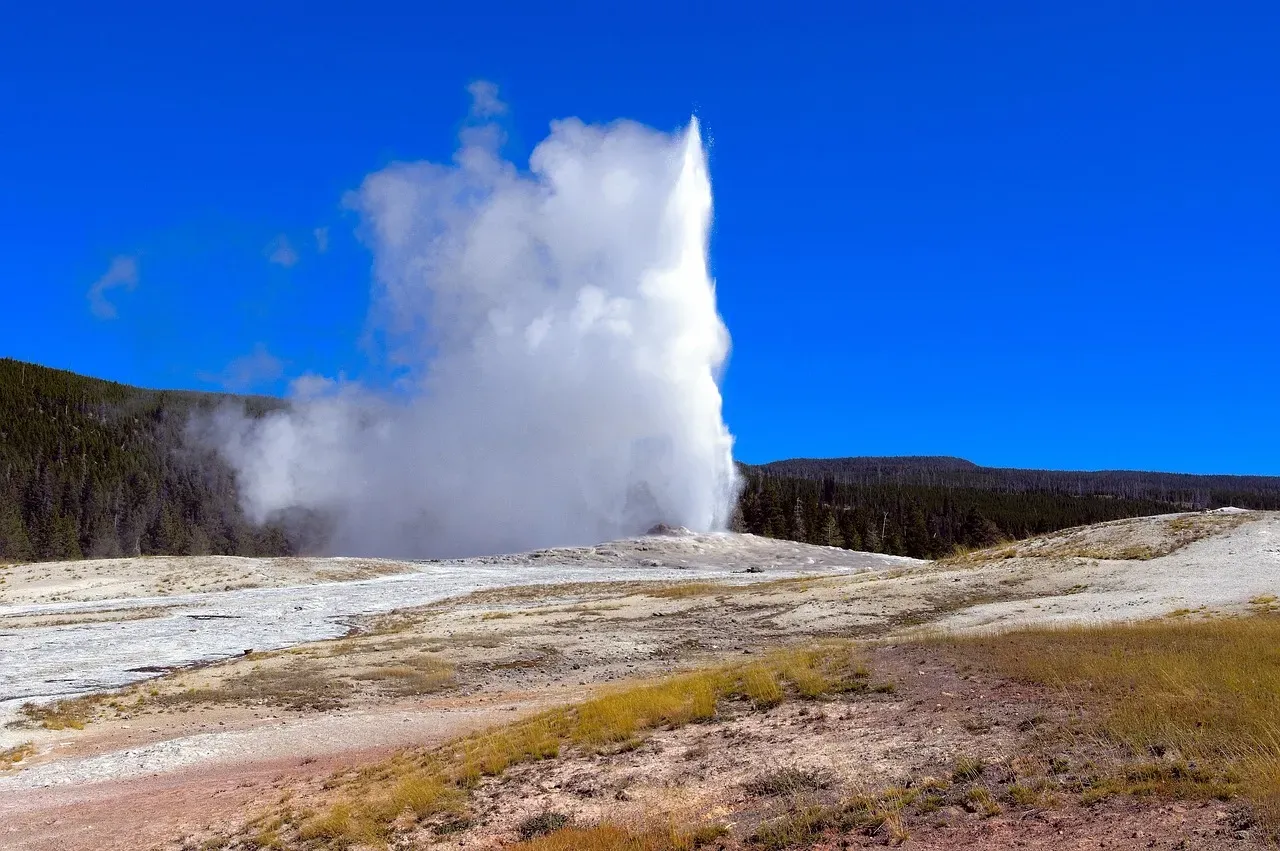
One of the scariest storylines in popular imagination is a Yellowstone eruption triggering a full volcanic winter, collapsing crops worldwide and freezing the planet. There is some historical grounding here: large eruptions that inject sulfur gases high into the atmosphere can form reflective aerosols that cool the climate for a few years. Past events like the eruption behind the so‑called “year without a summer” showed how even moderate cooling can cause real hardship.
The honest catch is that scientists do not agree on precisely how severe a Yellowstone‑sized eruption’s climate effects would be, especially in our already warming world. Most realistic estimates suggest significant but temporary global cooling rather than an instant ice age. It would be disruptive for agriculture and vulnerable regions, but it would not reset the climate to some prehistoric frozen state. Compared to the titanic ancient eruptions that fundamentally altered climate for tens of thousands of years, Yellowstone is big but not necessarily world‑ending.
Meet The True Monsters: Ancient Supervolcanoes That Rewrote Earth’s History
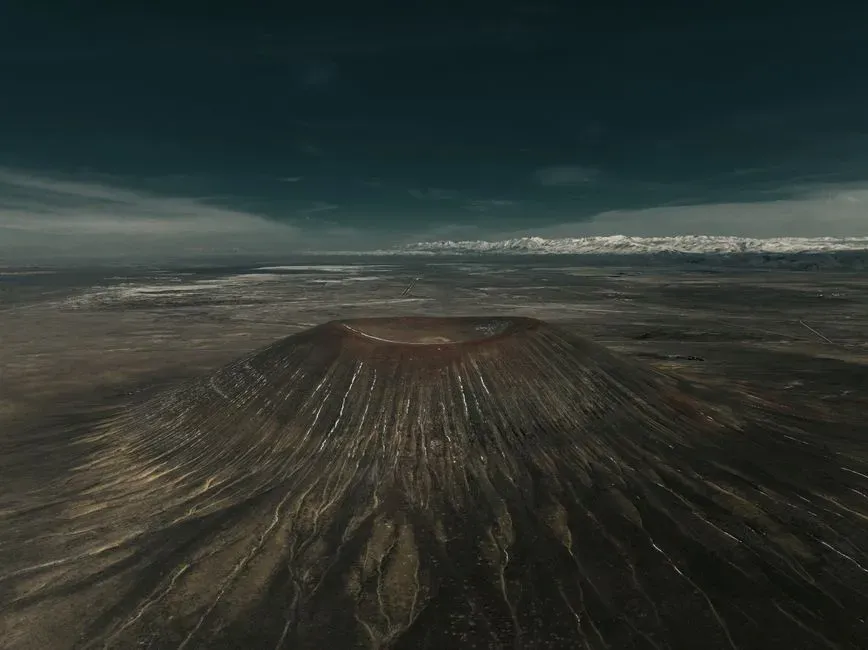
To grasp Yellowstone in context, you have to meet its older, meaner cousins from deep time. Some ancient eruptions were so vast they left behind flood basalts: enormous stacked layers of lava covering regions the size of modern countries. These events are linked with mass extinctions, ocean chemistry changes, and long stretches of climate upheaval that make any single modern disaster look almost small by comparison.
One well‑known example is the volcanic activity associated with the end‑Permian extinction, when the majority of species on Earth disappeared. Instead of a single blast, that catastrophe involved prolonged volcanic outpourings lasting hundreds of thousands of years, pumping staggering amounts of gas and ash into the atmosphere. When you line Yellowstone up against something like that, it becomes clear that, while serious, it is not in the same league as the most apocalyptic volcanic chapters in Earth’s history.
Yellowstone Vs. Massive Flood Basalt Eruptions: Scale And Timescale
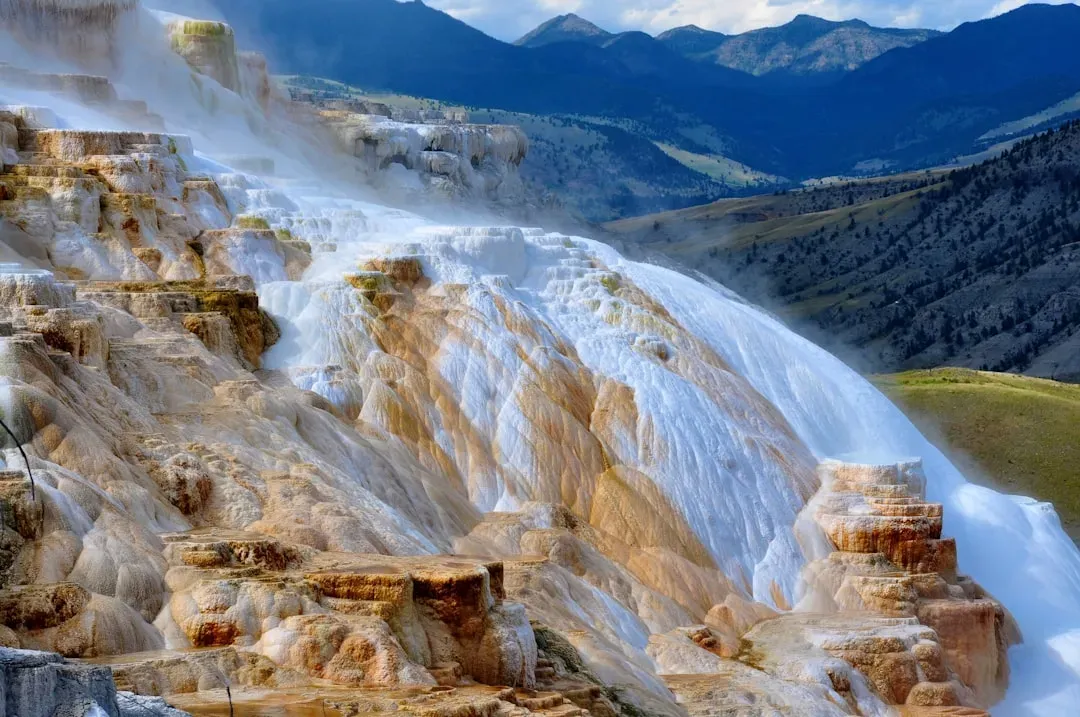
The biggest difference between a modern Yellowstone event and the ancient giants is not just size, but tempo. Yellowstone’s worst historic eruptions were concentrated in individual explosive events lasting days to weeks, albeit with long build‑up and aftermath periods. Ancient flood basalt eruptions, by contrast, were more like a broken fire hydrant in slow motion, spewing out lava and gas in repeated pulses over immense spans of time.
This distinction matters for life on Earth. A short, intense blast can cause immediate regional devastation and short‑term global climate rattling, but living systems tend to have a better chance of bouncing back. When eruptions drag on for geological ages, it becomes a sustained assault on climate, oceans, and ecosystems. In that light, Yellowstone is a heavyweight boxer, but ancient flood basalts were more like a planet‑scale grinder that just kept turning.
Extinction Risk: Could A Yellowstone Eruption Tomorrow Wipe Us Out?
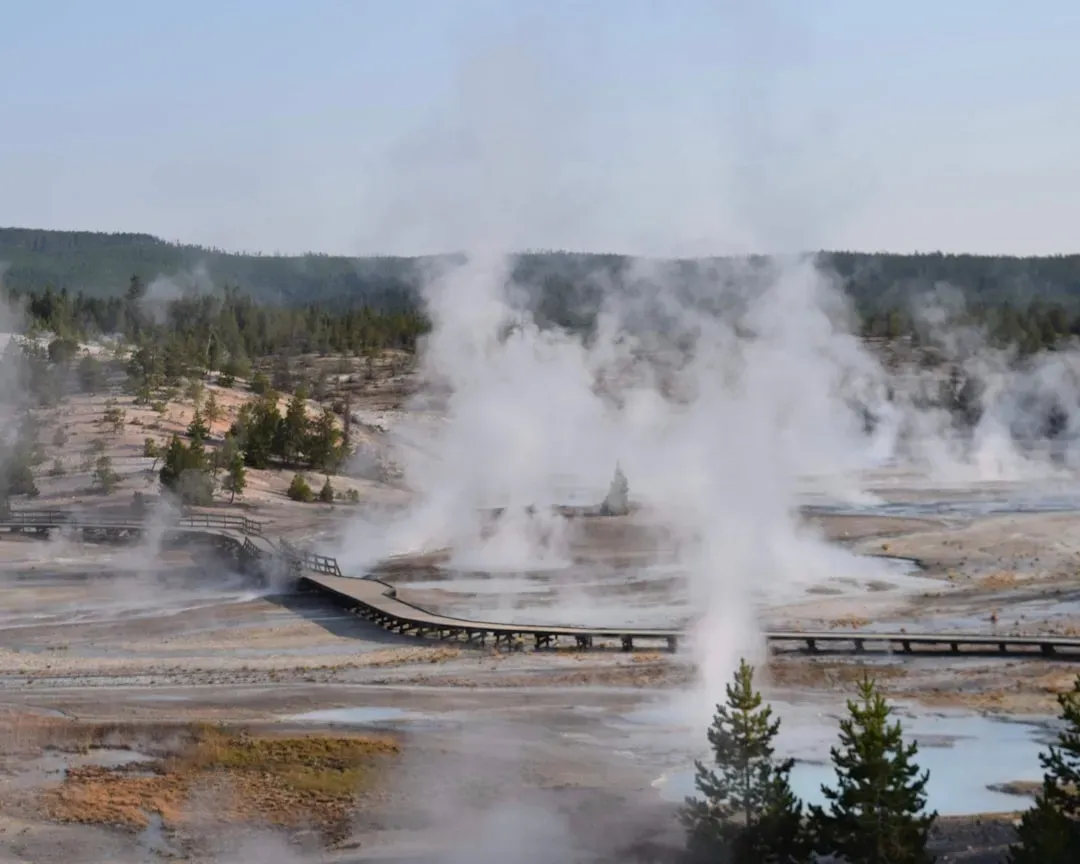
There is a common fear that a Yellowstone supereruption would be the end of humanity, but current evidence simply does not support that idea. A massive Yellowstone event would be a civilization‑level crisis for sure, hitting agriculture, infrastructure, and economies hard, especially across North America. But global extinction of humans from such an eruption is extremely unlikely given our technology, mobility, and ability to adapt compared to past species.
When we look at known mass extinctions tied to mega‑volcanism, the pattern is usually a combination of multiple stressors over long periods rather than a single day of disaster. Today, our species has global supply chains, scientific forecasting, and medical infrastructure that did not exist for any past life form facing such events. That does not mean we would breeze through it, but it does mean the popular “instant doomsday” storyline is emotionally gripping but scientifically exaggerated.
What Modern Society Would Struggle With Most: Fragility In Our Systems
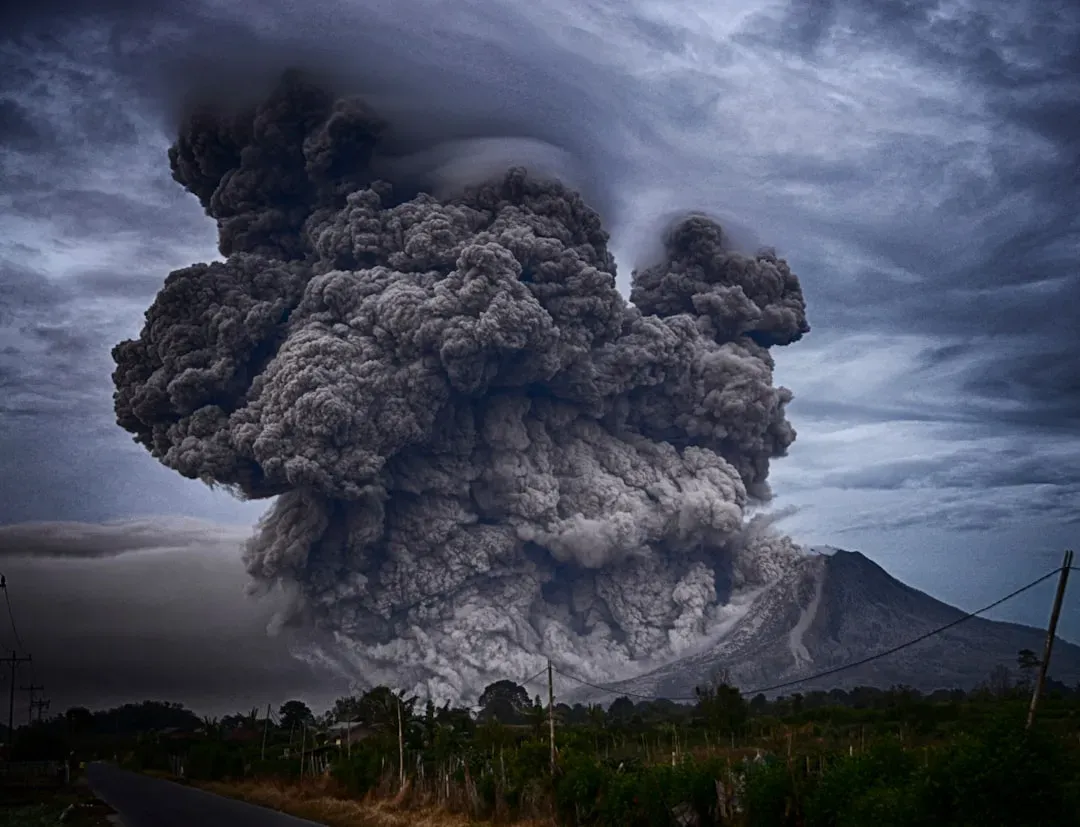
Where Yellowstone would hurt us most is not necessarily where movies focus. The weakest points are our just‑in‑time food systems, high‑tech supply chains, and tightly coupled power and communication networks. Heavy ashfall could short out electrical equipment, clog cooling systems, and shut down data centers, creating cascading problems far beyond the immediate blast zone. Supervolcanic ash does not need to bury a city to disrupt a continent; it only has to get into the right pieces of equipment.
On top of that, our interconnected world turns regional disasters into global economic shocks almost by design. A sustained hit to agriculture in a major exporting region can raise food prices worldwide. Disrupted air travel and trade can ripple into everything from medicine supplies to manufacturing. In that sense, the Yellowstone scenario is less a story about lava and more a stress test of how fragile or resilient our modern systems really are when nature pushes back hard.
What We Know, What We Don’t, And Why Hype Can Be Dangerous
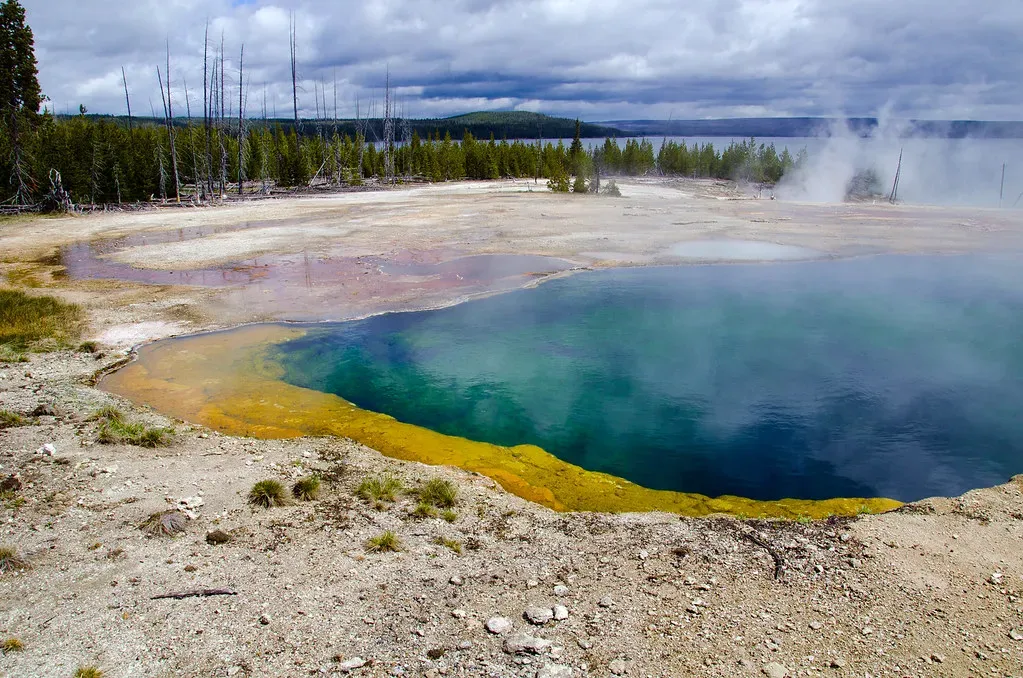
Yellowstone sits at the uncomfortable intersection of solid science and sensational storytelling. We have real data on ground movement, gas emissions, and the structure of the magma system, and those data do not point to an eruption tomorrow. At the same time, the possibility of a future large eruption, however low in probability on human timescales, will never be zero as long as the system remains active. That tension between a real hazard and a highly unlikely near‑term catastrophe is easy to distort.
Overhyping the danger can backfire badly. If people constantly hear that Yellowstone is “overdue” or that a supereruption is inevitable any day now, they may tune out trustworthy information and lump careful warnings together with wild conspiracy videos. A more grounded perspective recognizes that Yellowstone is one of many serious natural hazards we face, from hurricanes to earthquakes, and that sober planning and monitoring are more useful than either denial or panic.
Conclusion: Yellowstone Is Scary, But The Ancient World Was Even Wilder
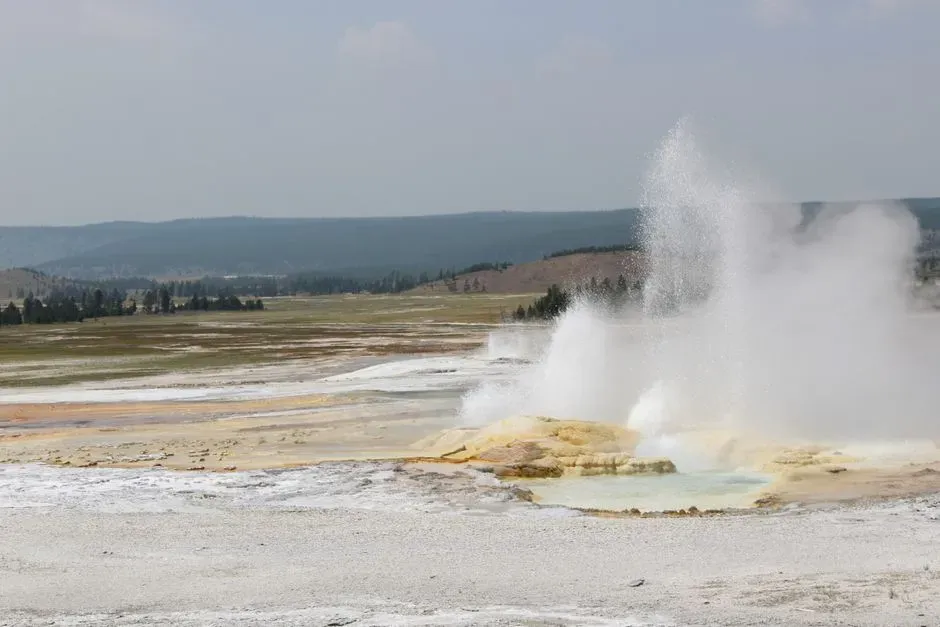
When you stack a hypothetical Yellowstone eruption next to the ancient supervolcanoes that scarred Earth’s past, you get a dose of both humility and relief. Yellowstone is formidable enough to reshape North America’s landscape, throw global systems into chaos for years, and test our ability to cooperate under pressure. Yet in the brutal ranking of planetary disasters, it still sits below the slow, grinding volcanic cataclysms that once helped drive entire waves of life to extinction.
My own view is that the obsession with Yellowstone as an instant civilization killer misses the real lesson. The most frightening thing is not that the ground beneath Wyoming might blow tomorrow, but that our modern world is built like a glass skyscraper in a stormy neighborhood: impressive, efficient, and more fragile than we like to admit. Instead of treating Yellowstone as a horror story to binge and forget, we can use it as a reminder to build systems that can bend without breaking when the planet does what it has always done. If tomorrow really brought volcanic chaos, would we be proud of the resilience we have built today, or shocked by how unprepared we chose to stay?