
If you had asked ecologists twenty years ago which animals would become surprise heroes of ecosystem recovery in the United States, many of the species below wouldn’t even have made the long list. Models said some were too rare, too persecuted, or too ecologically insignificant to move the needle. Yet here we are in 2026, watching certain plants and animals quietly redraw maps, reshape rivers, and rewrite food webs in ways that early projections simply did not capture.
Some of these comeback stories are dramatic, others are more like a slow, steady drumbeat in the background. Either way, the pattern is clear: nature is far more dynamic, improvisational, and stubborn than any spreadsheet. As someone who loves reading ecological papers but also walks trails with muddy boots, I’ve found the most surprising thing is not just that these species are rebounding, but how fast systems around them are adjusting. Let’s look at 17 of these underestimated ecosystem engineers and why their real‑world impact has outpaced the models.
1. Beavers: The Unplanned Climate Adaptation Engineers
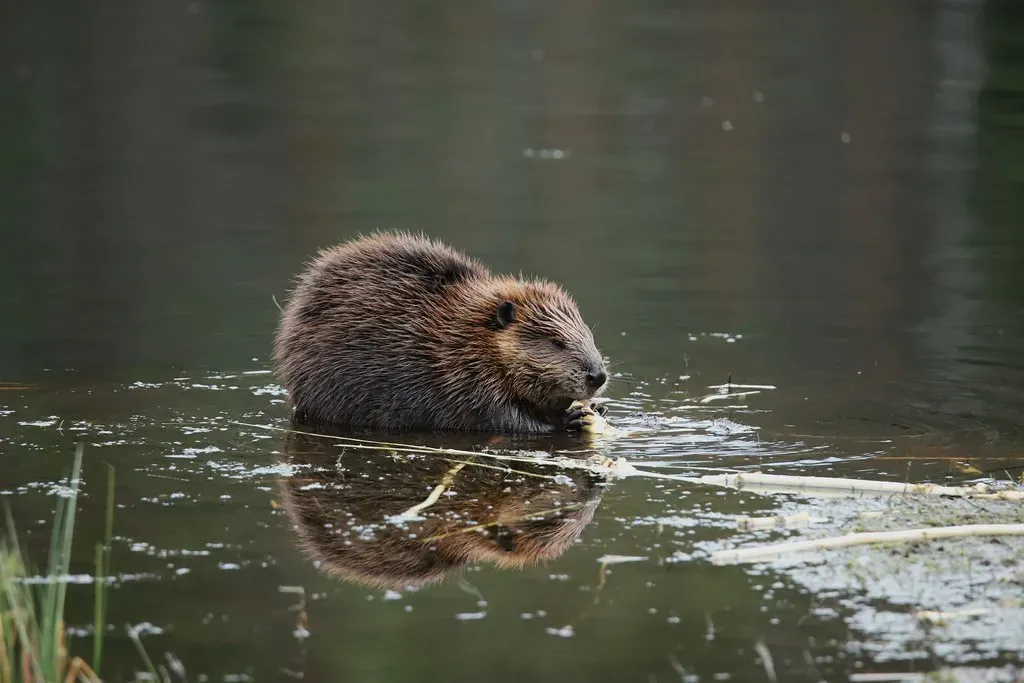
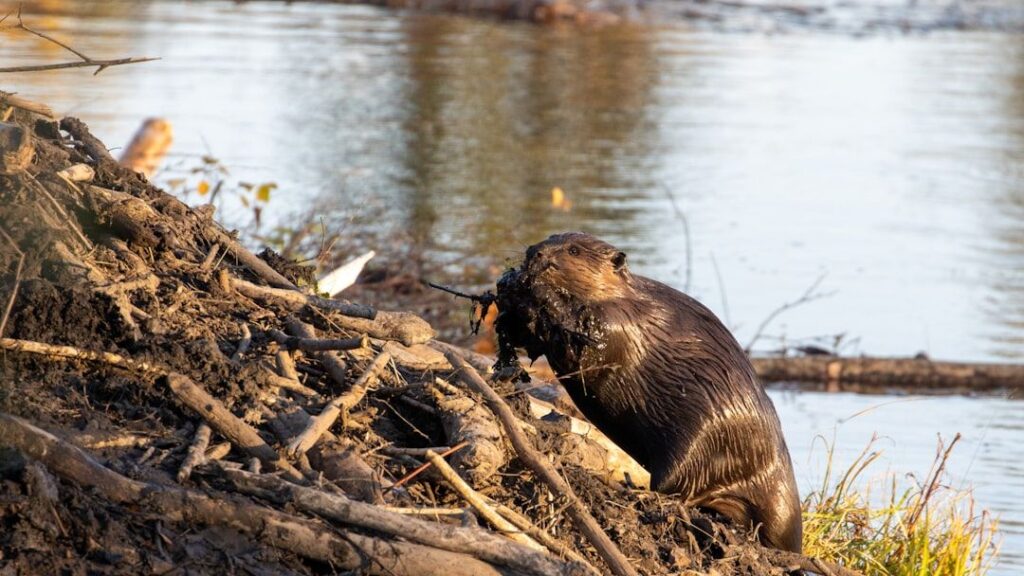
Beavers were always known as ecosystem engineers, but many models underestimated how quickly they’d recolonize watersheds and how radically they’d transform landscapes in a warming, drought‑stressed America. In states from Colorado to California, beaver ponds are cooling streams, storing water like natural sponges, and buffering entire valleys against wildfire and drought in ways planners did not factor into earlier hydrological projections. Where computer simulations once assumed static channels, beavers are adding messy complexity: braided streams, floodplain wetlands, and patchy ponds that create cool refuges for fish and amphibians.
On the ground, the difference is visceral. I’ve walked creek beds that were once dry by late summer but are now ankle‑deep for months, all because a few determined rodents built a dam in the right place. These ponds are trapping sediment and pollutants, improving water quality downstream and creating habitat for dragonflies, songbirds, and even moose in some regions. Many restoration biologists now admit their early models were too “neat,” missing how fast a few beaver colonies could set off chain reactions across entire watersheds.
2. Gray Wolves in the Northern Rockies and Upper Midwest
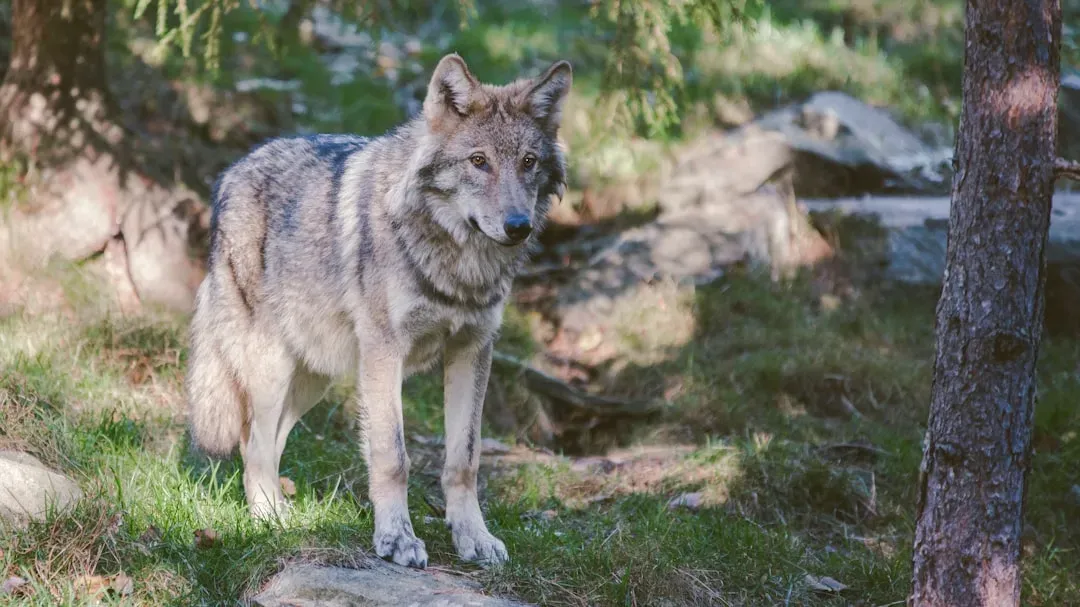
Most early wolf models focused on population numbers and territory expansion, not the intricate, cascading changes that would sweep through forests and valleys once large predators returned. As wolves moved back into places like Yellowstone, Montana, Idaho, and parts of the Upper Midwest, they altered elk and deer behavior more dramatically than anticipated. Grazers began avoiding open riverbanks and lingering less in sensitive riparian zones, allowing willows, aspens, and cottonwoods to rebound along streams that had been over‑browsed for decades.
The knock‑on effects have been surprisingly broad. Stronger riparian vegetation has stabilized banks, shaded waters, and improved conditions for fish and songbirds, while scavengers from eagles to beetles benefit from wolf‑killed carcasses. Some of this was theoretically expected, but the scale and speed of these shifts caught many modelers off guard. In hindsight, the lesson is obvious: once you restore an apex predator to a simplified system, the system doesn’t just “correct” gently; it snaps into a new pattern with energy that equations struggled to capture.
3. American Bison on Restored Prairies and Tribal Lands
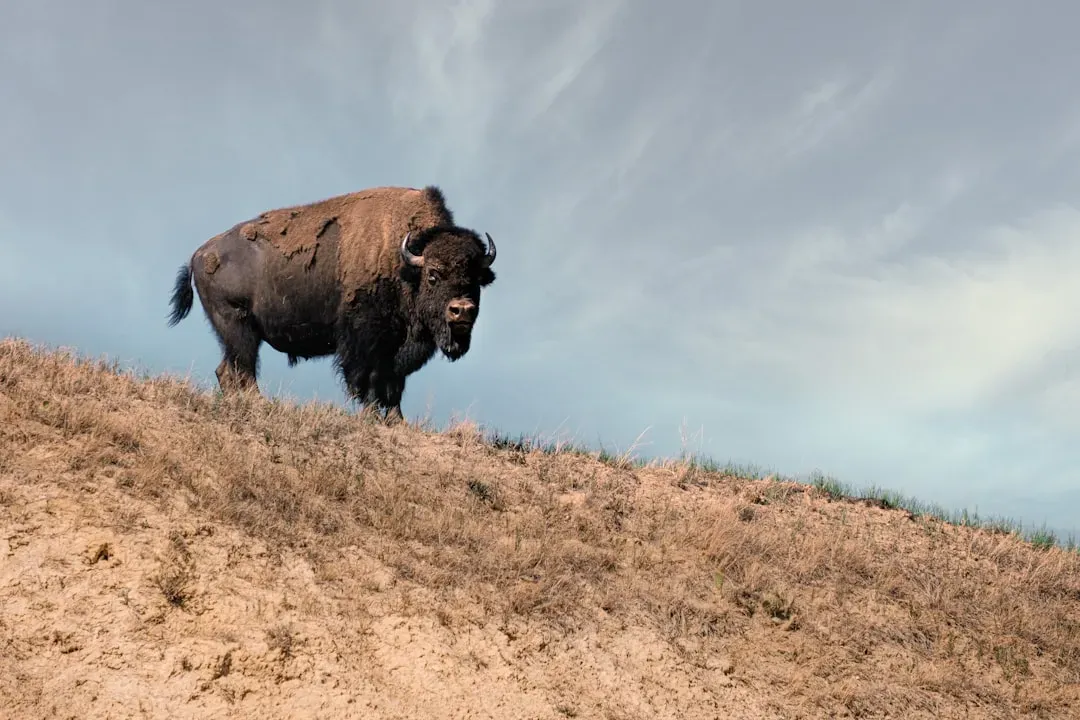
For decades, grassland management models prioritized cattle and fire while treating bison mostly as historical footnotes or symbolic recovery targets. Yet as bison herds re‑establish on tribal lands, conservancies, and large private ranches, ecologists are measuring changes that go far beyond simple grazing. Bison disturb soil differently than cattle, wallow to create bare patches that host unique plant communities, and move in large, mobile herds that create shifting mosaics of heavily grazed and lightly grazed grass. That pattern is boosting plant diversity and insect life on lands that were previously more uniform.
What many models failed to anticipate is how cultural restoration plus ecological restoration would amplify each other. Tribal nations leading bison returns are reviving traditional burning practices and land stewardship alongside the animals themselves, producing heterogeneous prairies that support everything from grassland birds to pollinators. I’ve heard prairie biologists say the landscapes simply “look alive” in a way their spreadsheets did not predict; in real life, hoof action, dust baths, and seasonal migrations rewrite the script far more dynamically than static grazing coefficients ever could.
4. Bald Eagles and the Surprise Coastal Cascades
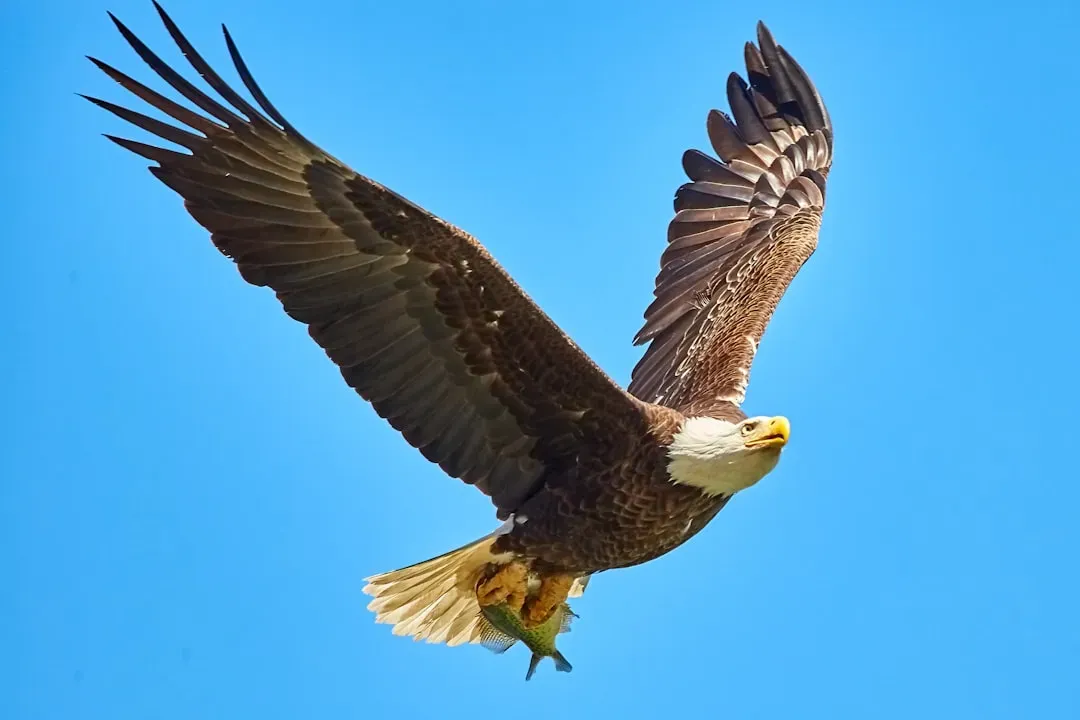
Most projections around bald eagle recovery after the DDT era focused on nesting numbers and contaminant levels, assuming that once populations stabilized, their ecological role would be relatively modest. Instead, on many coasts and large lakes, eagles have become dominant predators again, reshaping the behavior and abundance of seabirds, waterbirds, and even some mammals. On parts of the Pacific Northwest coast, for instance, eagles are increasingly preying on seabird colonies and juvenile salmon, shifting food webs in directions that were underappreciated in earlier models.
These changes have ripple effects. When eagles harass or predate seabirds, nutrient flows from ocean to land can be altered, affecting vegetation and even invertebrate communities where seabird guano once accumulated more heavily. Inland, dense eagle populations around reservoirs and large rivers are influencing where waterfowl choose to rest and feed. Models largely treated eagles as recovery success stories with limited ecosystem consequences; reality has been messier, reminding us that top avian predators, once freed from pesticide pressure, can be far more than background scenery.
5. Sea Otters Re‑Engineering Kelp Forests Along the Pacific Coast
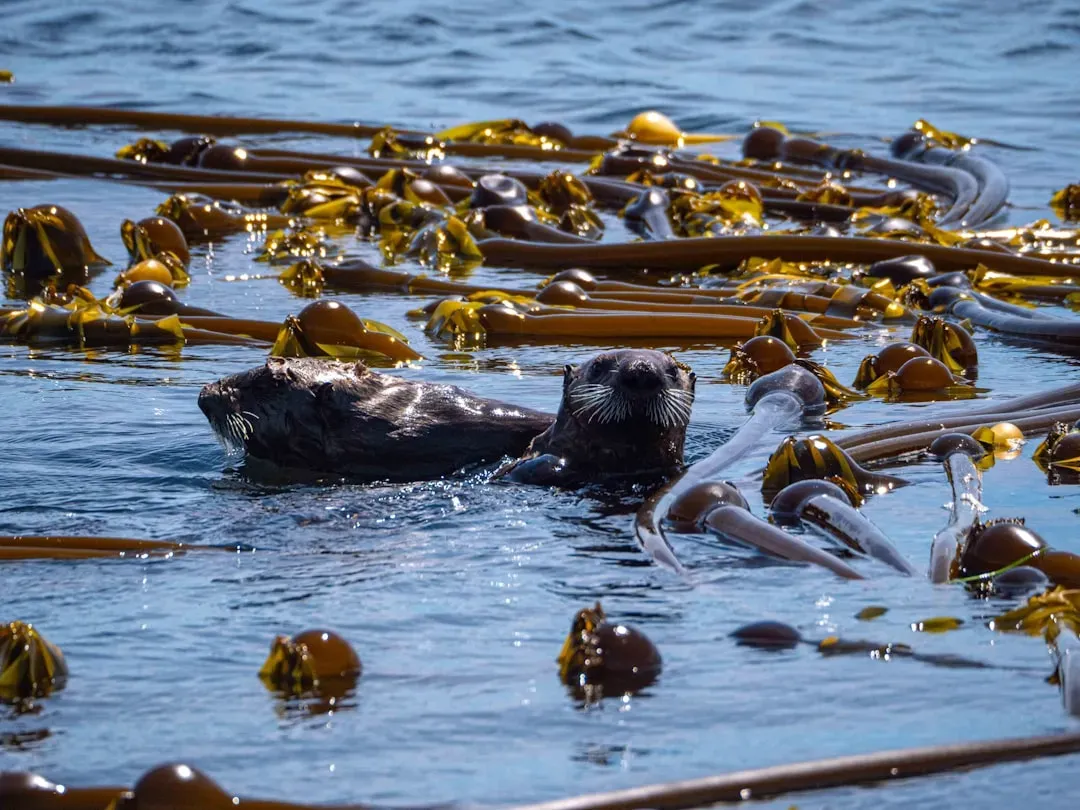
Sea otter recovery along parts of the Pacific coast was expected to help kelp forests rebound by controlling sea urchin populations, and that prediction was broadly correct. What surprised many scientists was how complex and regionally intense those shifts became. In some areas of Alaska, British Columbia, Washington, and California, otters have transformed nearshore seascapes from urchin‑barren rockscapes into dense kelp jungles that buffer coasts from waves, store carbon, and provide nursery habitat for fish and invertebrates. The knock‑on benefits for coastal resilience and fisheries were often underplayed in early models.
Real‑world data have shown that otters can trigger abrupt ecological “flips,” where once a threshold otter density is reached, kelp roars back far faster than predicted, changing local biodiversity and even water chemistry. There are trade‑offs – some shellfish fisheries lose ground when otters return – but the bigger surprise is how strongly these small marine mammals can influence physical shoreline stability and carbon dynamics. It is a reminder that top predators in the ocean, much like on land, can restructure entire habitats in ways that simple population models struggle to forecast.
6. Oysters Quietly Rebuilding Coastal Defenses
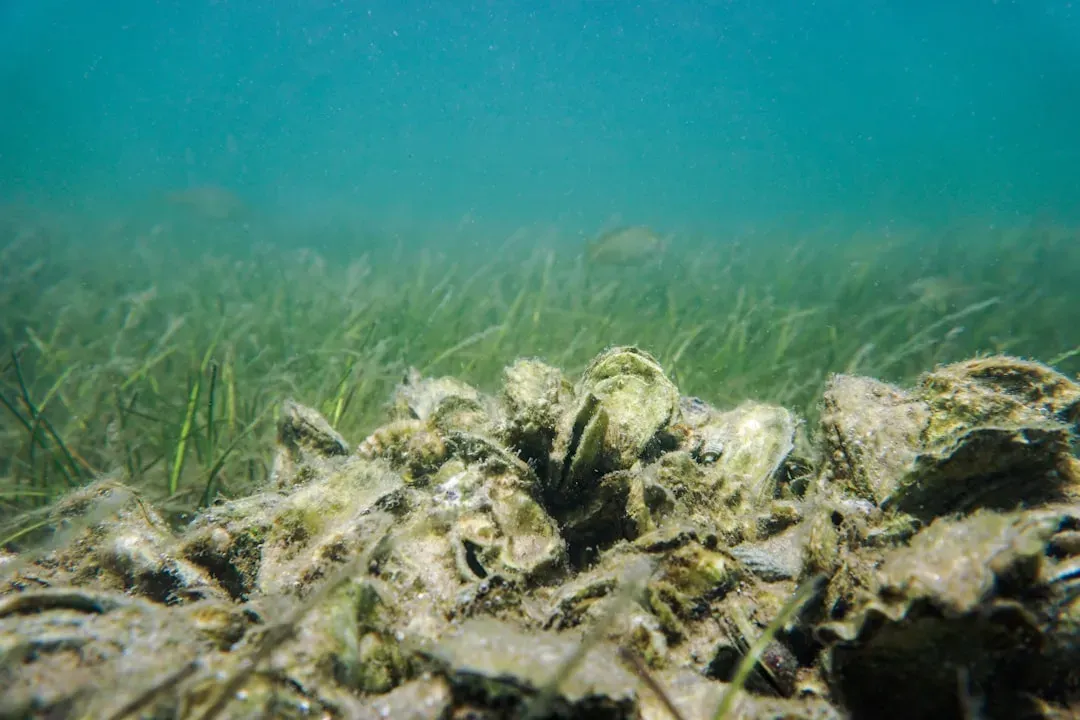
Eastern oysters were historically treated in many models as a declining resource to be managed, not as active builders of coastal resilience. Yet new restoration projects and wild rebounds in pockets along the Atlantic and Gulf coasts are revealing oysters as unheralded climate allies. Dense oyster reefs baffle waves, reduce erosion, and trap sediment, effectively functioning like living breakwaters that adapt and grow over time. Their filtration cleans water, increasing clarity and allowing submerged vegetation like seagrass to spread, which then further stabilizes sediments and nurtures young fish and crabs.
What models missed is how quickly a small, well‑placed reef can seed wider changes. I’ve seen estuaries where simple reef restoration led to noticeably clearer water within a few years, creating conditions for eelgrass and saltmarsh plants to return in patches. Those vegetation patches then attract more invertebrates and small fish, turning formerly murky channels into layered, three‑dimensional habitats. Management tools once framed oysters mainly as a fishery; today, their role as bioengineers of coastal ecosystems is forcing a rethink of how we model shorelines under rising seas.
7. Gray Whales and the Unexpected Nutrient Pump
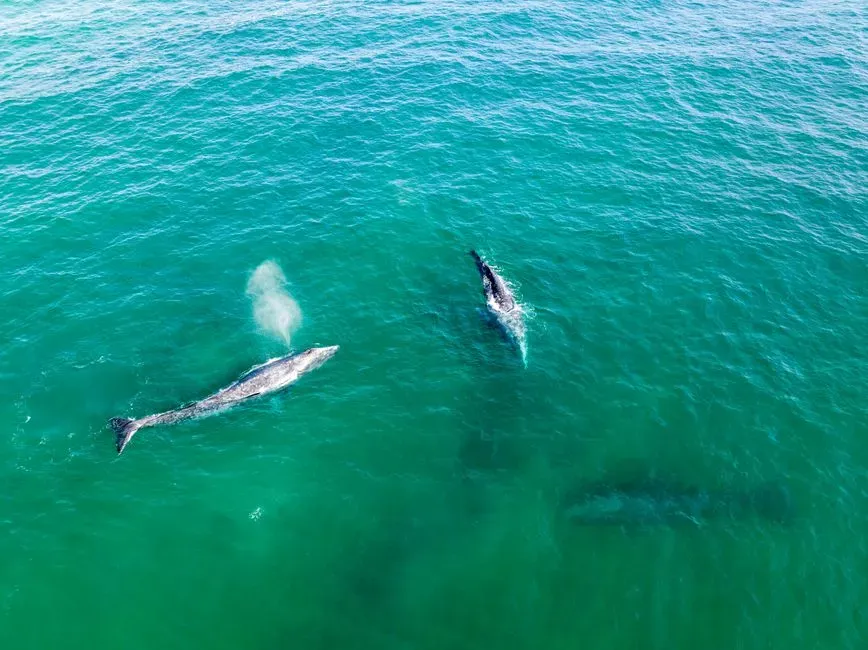
Whale recovery was often framed in terms of species conservation and charisma, with ecological models paying less attention to nutrient cycling and physical disturbance. Gray whales, which dive to the seafloor to feed and then surface, effectively act like gigantic plows and nutrient mixers. Their feeding can resuspend sediments, release nutrients into the water column, and create foraging opportunities for birds and fish following in their wake. As some gray whale populations rebounded from whaling, these processes scaled up in ways that were not fully captured in older ecosystem models.
In the Arctic and sub‑Arctic, gray whales also move nutrients vertically and horizontally through their migrations, connecting coastal productivity with offshore feeding grounds. This “whale pump” influences everything from plankton blooms to benthic communities, with implications for carbon cycling that researchers are still scrambling to quantify. Early models often treated whales as upper‑trophic consumers with limited down‑system influence; field observations now suggest that, in some regions, their physical presence is as important as their appetite in shaping marine landscapes.
8. American Alligators as Keystone Wetland Architects
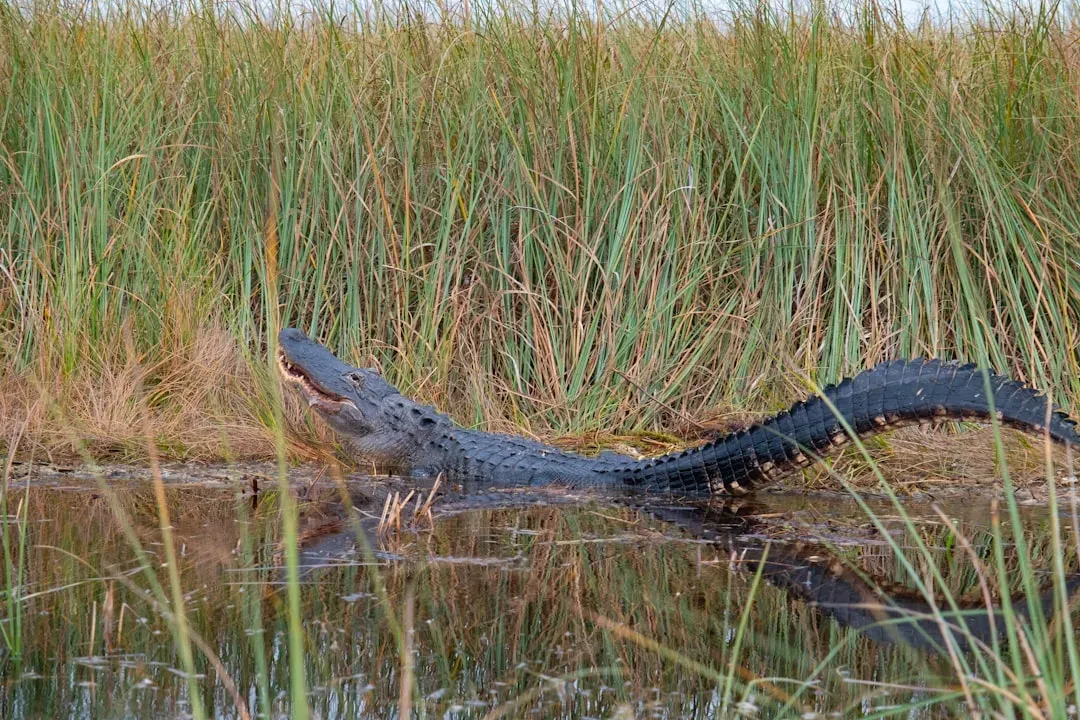
American alligators were once teetering due to hunting and habitat loss, and most projections of their recovery simply considered population stability and human conflict. What many models downplayed is how strongly gators engineer wetlands through their “gator holes” – depressions they dig that hold water during dry periods. These pockets become refuges for fish, amphibians, invertebrates, and wading birds when surrounding wetlands dry out. In a warming, more drought‑prone Southeast, these micro‑oases are turning out to be critical lifeboats for biodiversity.
Beyond gator holes, alligators influence the distribution of nesting birds and even mammals that alter vegetation through grazing or browsing. As their numbers rebounded in Florida, Louisiana, Texas, and beyond, the spatial pattern of wetland life shifted with them. Ecologists now recognize that these reptiles moderate the extremes of drought and flood in subtle but powerful ways. Models that treated them as just one more predator in the swamp badly underestimated how a single large animal digging in the right place can keep an entire chain of species hanging on through harsh seasons.
9. Prairie Dogs and Ground‑Dwelling Community Builders
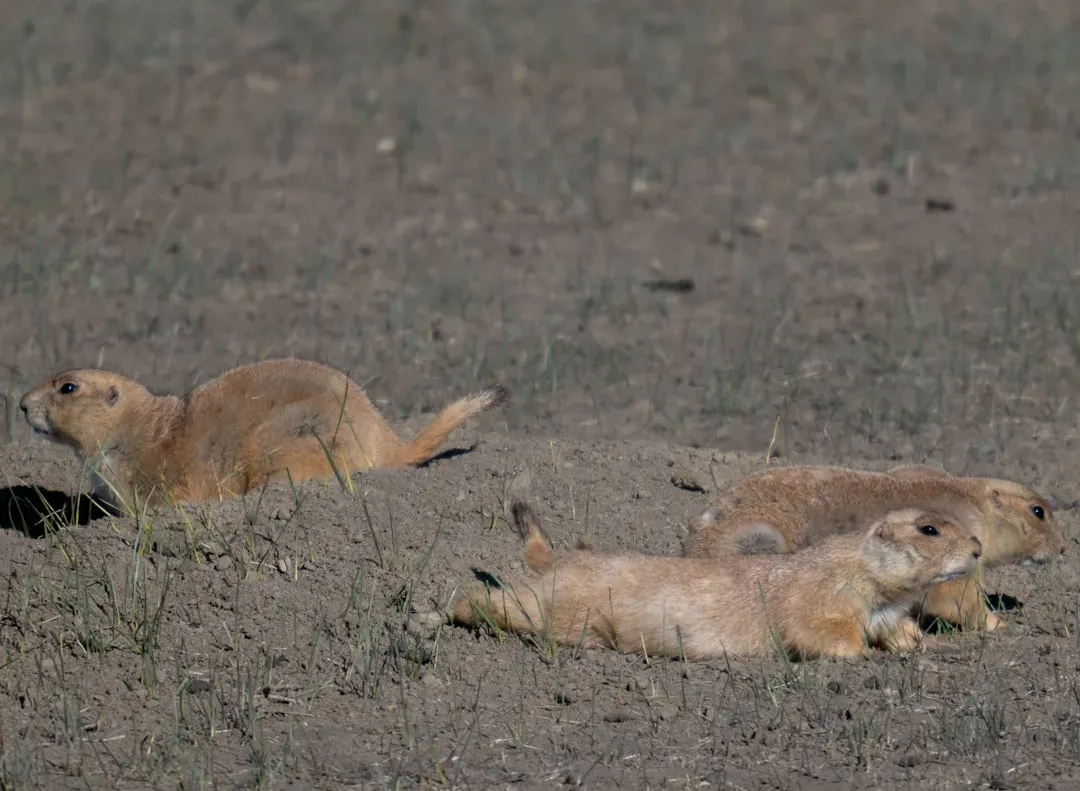
For years, prairie dogs were villainized as agricultural pests, and even many scientific models treated them mainly as a nuisance shaping forage availability. As colonies have persisted or slowly rebounded in parts of the Great Plains and Southwest, their broader ecosystem role has become harder to ignore. Prairie dog burrowing aerates soil, increases water infiltration, and creates a patchwork of bare ground and low vegetation that benefits wildflowers, insects, and grassland birds. Their colonies are also essential habitat for species like burrowing owls and black‑footed ferrets.
These network effects were severely underrepresented in earlier rangeland models, which often lumped prairie dog areas into degraded or “unproductive” categories. In reality, the mix of grazed lawns and untouched patches creates heterogeneity that boosts biodiversity. I’ve stood on colony edges where you can literally see the line between uniform grass and a lively, mixed prairie buzzing with life. As more land managers experiment with coexistence instead of eradication, the gap between old projections and on‑the‑ground outcomes keeps widening in favor of the dogs.
10. Pumas (Mountain Lions) Rebalancing Deer‑Heavy Landscapes
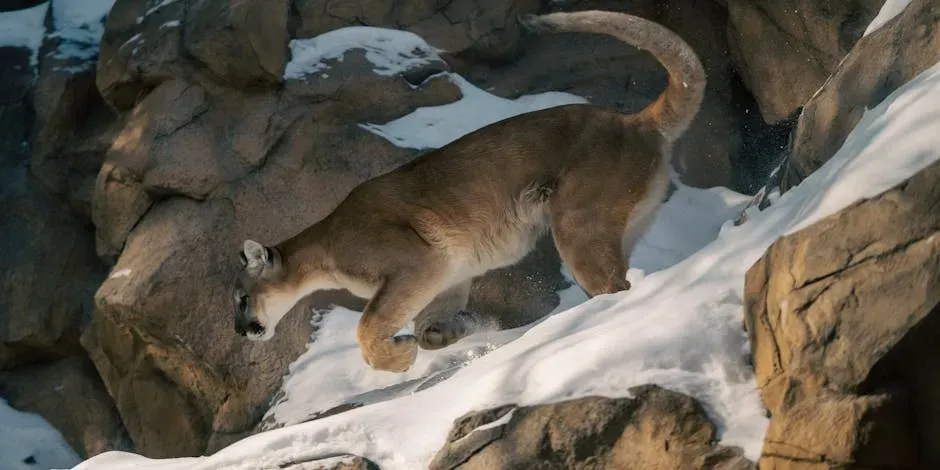
Mountain lion models historically focused on conflict risk and territory sizes, especially near expanding suburbs. But as pumas reclaim parts of the West and even edge into areas of the Midwest, their influence on overabundant deer is getting harder to ignore. In some regions, pumas are thinning dense deer populations and changing where and when deer feed, reducing chronic over‑browsing on young trees and shrubs. That shift can help forests regenerate, undergrowth recover, and streamside vegetation strengthen, improving conditions for songbirds and insects.
Many early projections underestimated how far pumas would travel through fragmented landscapes, and how quickly they would adapt to living in surprisingly close proximity to people while still shaping wild prey behavior. Kill sites become localized nutrient hotspots, drawing scavengers from beetles to coyotes. Forest regeneration models that did not factor in renewed predation now look overly pessimistic in some areas. It is a stark example of how fear of a predator – what ecologists call a “landscape of fear” – can be just as ecologically important as the actual number of animals it kills.
11. Black Bears as Forest Gardeners and Seed Couriers
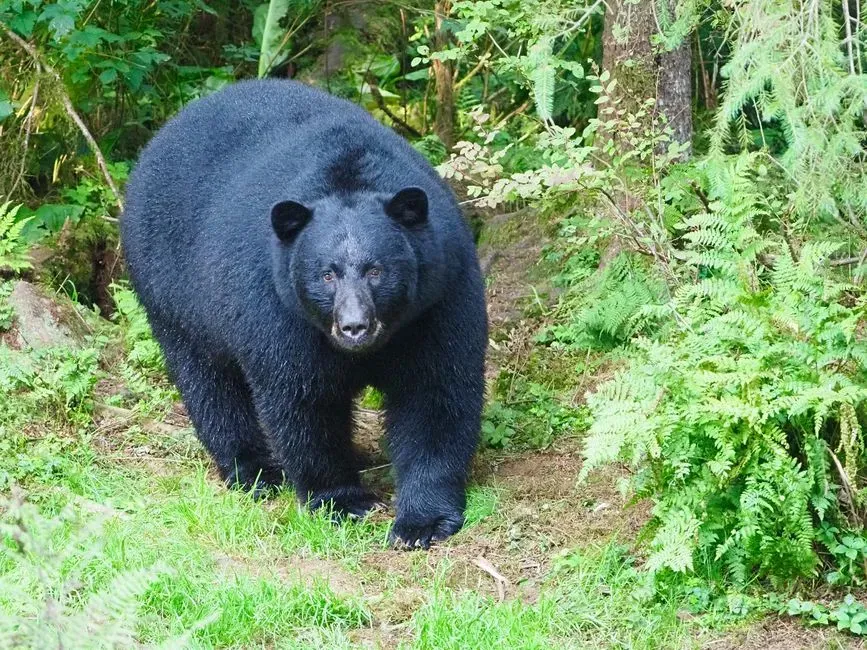
Black bears were often modeled primarily as omnivores with modest ecosystem influence, but decades of fieldwork are painting a richer picture. Bears devour fruits, nuts, and berries over vast home ranges, then deposit seeds in nutrient‑rich scat far from the parent plants. This long‑distance seed dispersal helps forests shift and adapt, especially as climate zones move uphill and northward. In some regions, bears are emerging as surprisingly important partners in the migration of certain tree and shrub species.
On top of that, bears digging for roots, insects, and small mammals disturb the soil, mixing organic matter and creating germination sites for plants. I’ve walked through bear‑heavy forests where patches of turned‑up soil sprout with diverse seedlings after a season of rain. Earlier forest dynamics models paid far more attention to wind and birds as dispersers; bears were largely a footnote. Today, their role in “gardening” the woods is being upgraded, and it suggests that large, wide‑ranging mammals may be crucial allies in helping forests track the climate in real time.
12. American River Otters Reviving Streams and Public Imagination
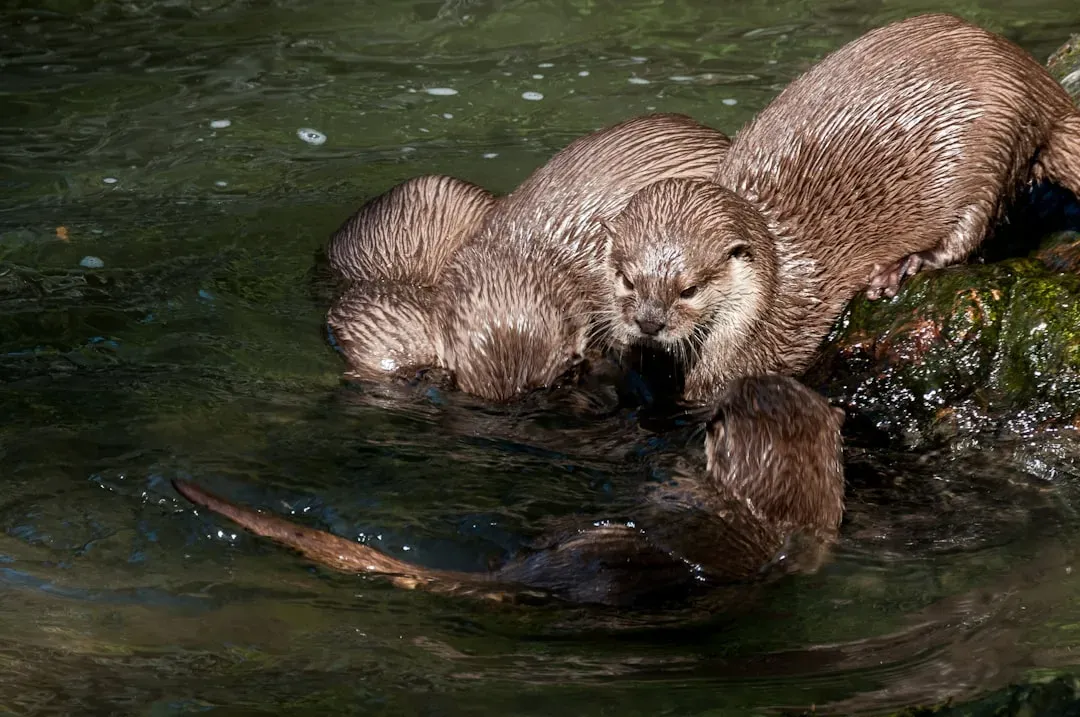
River otters were once nearly extirpated from many U.S. waterways, and restoration models imagined modest, localized benefits from their return. Instead, as otters recolonize rivers and lakes from the Pacific Northwest to the Northeast and Southeast, they are acting as visible indicators of system health and catalyzing broader conservation. Ecologically, they prey on fish, crustaceans, and amphibians, helping balance communities in waterways overloaded with a few dominant species. By moving between habitats, they connect ponds, marshes, and rivers into a more integrated network.
What models really missed is the social feedback loop. People get excited about otters; they share photos, demand cleaner water, and support restoration projects that then benefit mussels, insects, and plants far beyond the otters themselves. In a way, river otters are rebuilding not just food webs but also public will to protect freshwater ecosystems. That human‑driven multiplier effect is hard to quantify, but it is already visible in the number of dam removals, stream cleanups, and habitat projects that would likely never have happened if not for the joy of seeing a sleek, whiskered head pop up in a long‑polluted river.
13. Monarch Butterflies and the Rise of Backyard Corridors
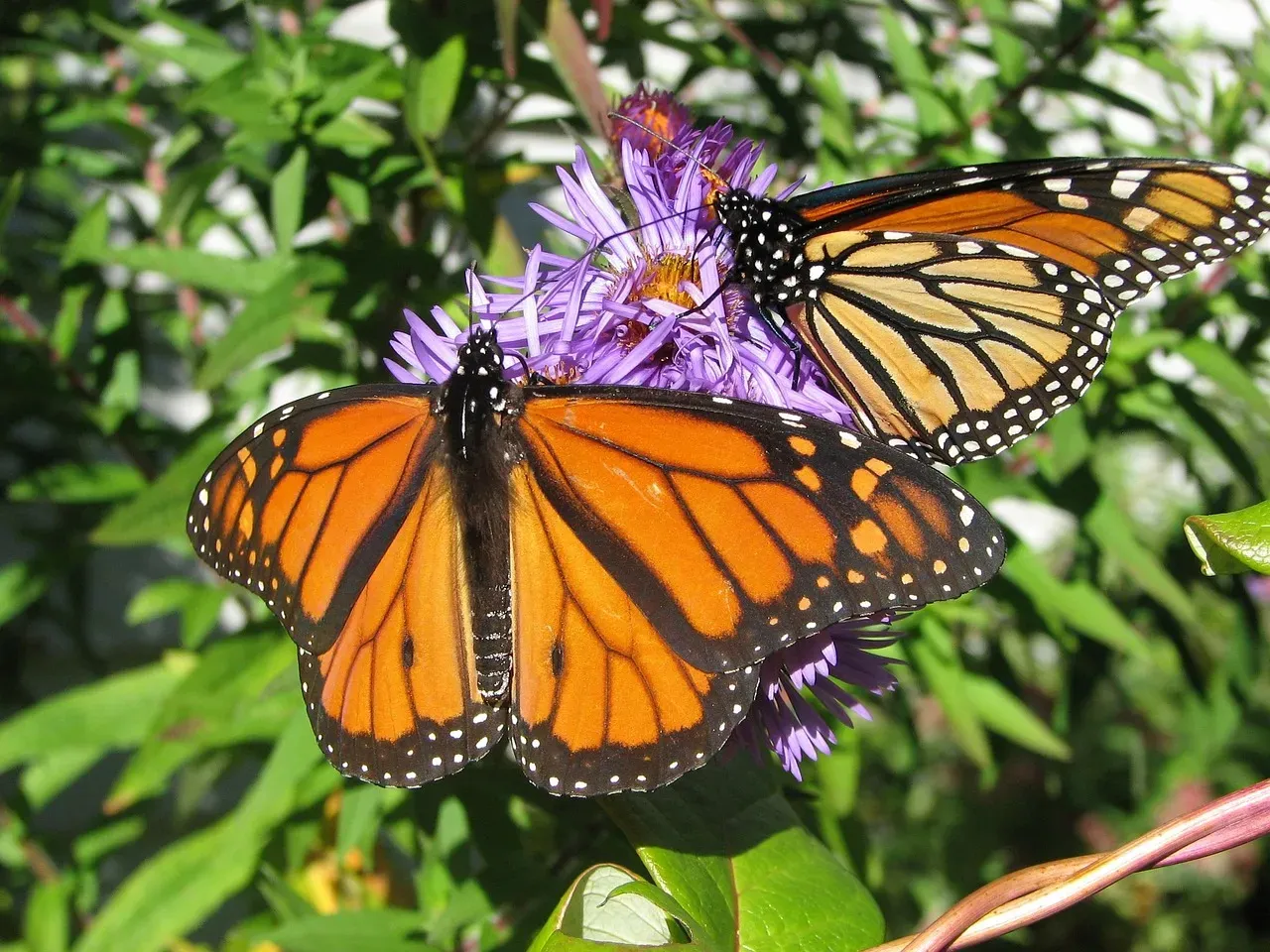
Monarch population models have mostly been grim, emphasizing habitat loss, pesticide use, and climate stress. While those threats are real and ongoing, the models were slow to capture the emergence of millions of tiny restoration sites: backyard milkweed patches, pollinator gardens, roadside plantings, and urban greenspaces. As people across the U.S. plant milkweed and nectar flowers, monarchs are starting to use these micro‑corridors to move through heavily developed regions, unexpectedly knitting cities and suburbs into the migration story.
These small interventions are also reviving broader insect communities, from native bees to beetles, which then support birds, bats, and small mammals. I’ve watched a single, modest front‑yard garden host clouds of pollinators that simply did not exist there a decade ago. Early models that focused on large, contiguous habitats underplayed the cumulative power of scattered, human‑made waystations. Monarchs, in that sense, have become ambassadors for a far wider rebuilding of urban and suburban ecosystems that we are only beginning to measure.
14. American Shad and Other Migratory Fish Returning to Freed Rivers
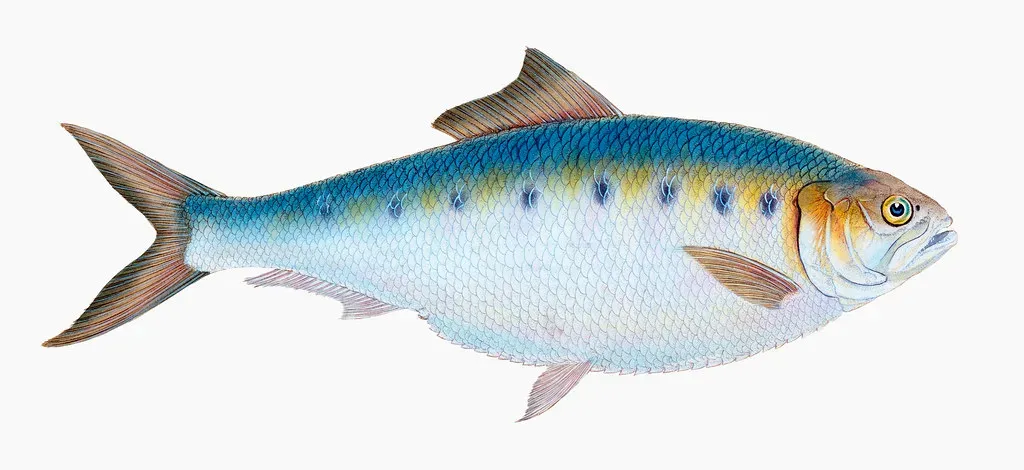
When dam removal efforts first ramped up, many fish population models cautiously predicted incremental gains in migratory species like American shad, alewives, and river herring. Instead, some rivers responded with a surge: fish pouring into upstream reaches within a year or two of barriers coming down, recolonizing spawning habitats that had been blocked for generations. Along the Atlantic seaboard especially, restored runs are delivering pulses of nutrients and energy deep into freshwater systems that had grown comparatively impoverished.
These seasonal floods of fish feed everything from eagles and ospreys to otters, mink, and bears, and their decaying bodies fertilize riparian plants. In some watersheds, researchers have documented rapid increases in biodiversity up and down the river corridor after major removals. The speed and scale of these rebounds have surprised even seasoned biologists who designed the projects, revealing just how much pent‑up ecological potential exists behind seemingly quiet, dammed stretches. Older models, built on limited historical data, simply did not imagine that such strong migratory instincts were still waiting upstream.
15. Longleaf Pine and the Return of Fire‑Adapted Communities
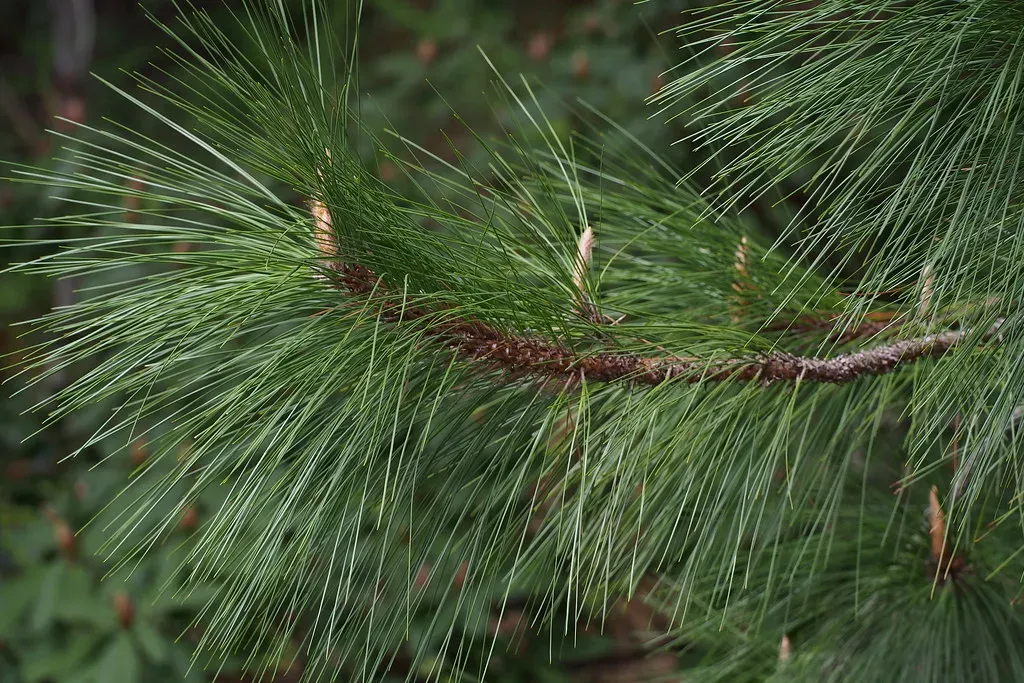
Longleaf pine ecosystems once dominated vast areas of the Southeast, but were reduced to a tiny fraction of their original extent. Restoration models often assumed slow, piecemeal recovery, and many people wrote off longleaf as a relic. What has surprised ecologists is how quickly biodiversity skyrockets when longleaf is replanted and frequent, low‑intensity fire is reintroduced. Wiregrass, rare orchids, gopher tortoises, red‑cockaded woodpeckers, and a host of other fire‑adapted species surge back, creating vibrant, open woodlands that store carbon, filter water, and buffer against intense wildfires.
These systems also appear more resilient than expected to storms and drought. Once the right fire regime is in place, longleaf stands can better withstand hurricanes and recover from wind damage, and their deep roots help stabilize sandy soils. Models that treated fire mostly as a risk are being rewritten to treat it as a fundamental ecological process that, when paired with longleaf restoration, can quickly reboot entire communities. Walking through a well‑burned longleaf forest feels like entering a cathedral of light and life – a far cry from the grim projections many of us grew up hearing about Southern forests.
16. Gopher Tortoises as Underground Engineers of the Southeast
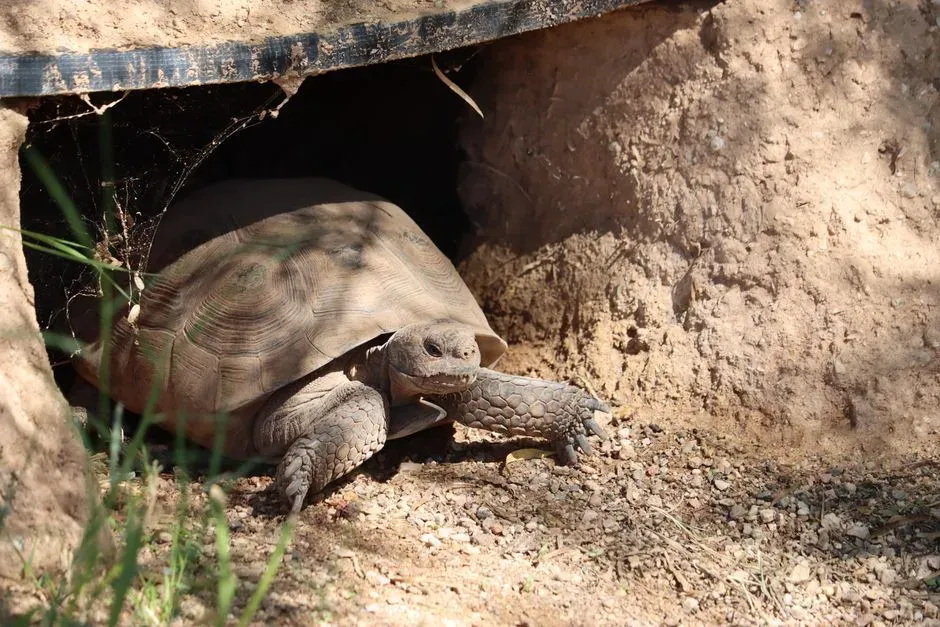
Gopher tortoises rarely make headlines, but their role as ecosystem engineers is becoming increasingly clear. Their deep burrows provide shelter for dozens, even hundreds, of other species: snakes, frogs, small mammals, invertebrates, and insects take refuge from fire, heat, and cold inside tortoise‑dug tunnels. As conservation efforts stabilize or grow tortoise populations in parts of Florida, Georgia, Alabama, and nearby states, entire communities that depend on these burrows are getting a second chance. Earlier models generally treated tortoises as a single‑species concern, not as landlords to an underground city of life.
Above ground, tortoises influence plant communities through grazing and seed dispersal, helping maintain the open, grassy structure of longleaf and sandhill habitats. I have walked sandy ridges where every few meters you see a burrow entrance, each one a tiny doorway to a web of hidden interactions. As we better understand these relationships, it is obvious that projections which ignored tortoises’ engineering role were missing a big piece of how Southeastern ecosystems function. Saving one slow‑moving reptile is effectively saving a multi‑species apartment complex that keeps the whole neighborhood running.
17. Crows and Ravens Thriving in Human‑Altered Landscapes
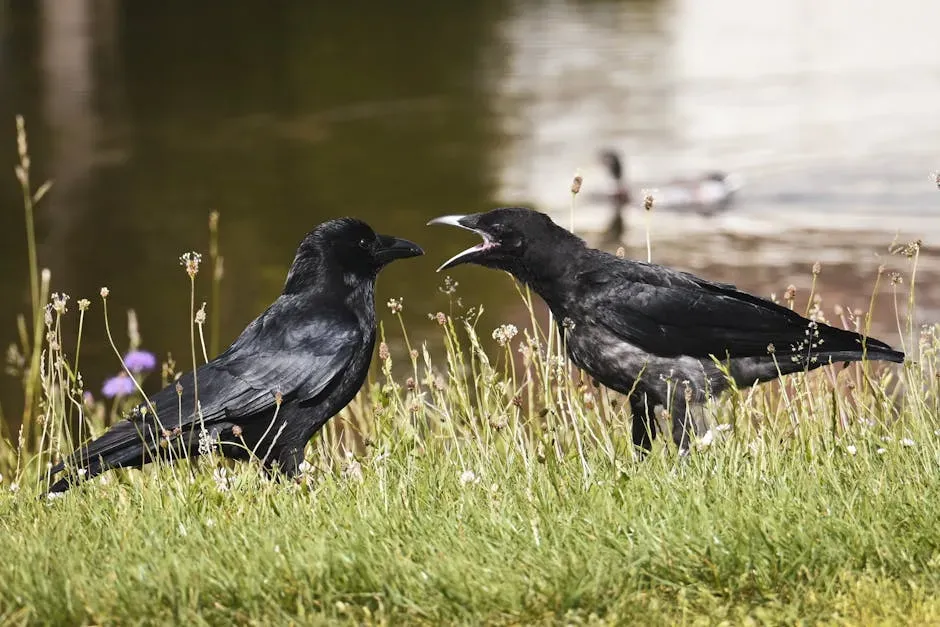
American crows and common ravens are often seen as generalist survivors, but new research suggests they are influencing ecosystems in more nuanced ways than older models acknowledged. Highly intelligent and adaptable, they exploit human landscapes – cities, landfills, farms – yet they also connect wild and urban areas through their movements and feeding. By feeding on carrion, crop pests, and even some invasive species, they help recycle nutrients and sometimes suppress problematic populations, though their impacts are complex and context‑dependent.
What biologists did not fully project is how these corvids would thrive in a rapidly urbanizing America and, in turn, shape other wildlife distributions. Their presence can influence where smaller birds nest and how predators and scavengers access food. I’ve watched crows map out a neighborhood with almost eerie precision, knowing exactly which yards offer food, cover, or trouble. Older models tended to treat them as background noise; today, ecologists are realizing that in many places, crows and ravens are among the main conductors of an urban‑wild orchestra we barely understand.
Conclusion: When Nature Refuses to Stay Inside the Model
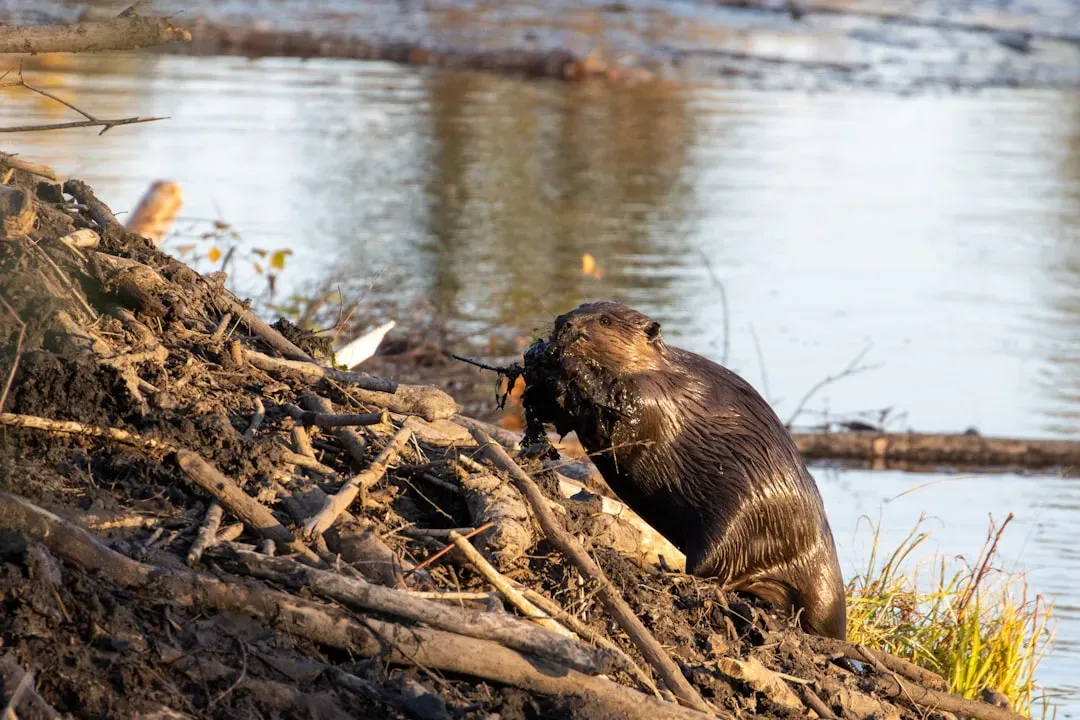
Looking across these 17 stories, a pattern emerges: our models tend to assume tidy cause‑and‑effect, while real ecosystems behave more like an improvisational jazz band. Beavers turn out to be climate buffers, wolves and pumas redraw forests, oysters and otters reshape coasts and rivers, and even understated species like gopher tortoises and prairie dogs quietly hold entire communities together. The biggest surprise is not that we were wrong about specific numbers, but that we so often underestimated the power of relationships – the hidden threads between species, soils, water, and people.
My own opinion is that ecological modeling still matters enormously, but we need to approach it with more humility and a lot more curiosity. Instead of treating wildlife as isolated variables to be controlled, we should see them as partners in rebuilding resilience, especially as climate extremes intensify. That means being willing to be pleasantly wrong: to watch a river reopen and admit fish came back faster than predicted, or to see a “pest” prairie dog town explode with biodiversity. The question now is not whether nature can still surprise us, but whether we are ready to let those surprises shape how we manage land and water. Which of these underestimated ecosystem builders did you least expect to be doing so much heavy lifting behind the scenes?