You know that feeling when you read a headline and think, there’s no way that’s real? A surprising amount of history is exactly like that. Long before blockbuster movies and high-budget sci‑fi series, real people were stumbling across things so strange and so ahead of their time that they still feel like scenes from a futuristic script. The wildest part is that these discoveries did not happen in neat, controlled labs with high-tech gadgets, but in dusty libraries, frozen wastelands, dim caves, and even by complete accident.
When you zoom out, history stops looking like a straight line of slow progress and starts to feel more like a glitchy simulation, full of sudden plot twists. A lost library that preserves the wisdom of an empire, a rain of colorless glass from an ancient cosmic blast, a buried city frozen mid‑scream under volcanic ash – if these turned up in a streaming show, we’d call the writers dramatic. Yet they’re real, and they forced scientists, historians, and ordinary people to rethink what they thought was possible. Let’s dive into seven of those discoveries that still feel, in the best way, completely unreal.
1. The Antikythera Mechanism: A Two-Thousand-Year-Old “Analog Computer”
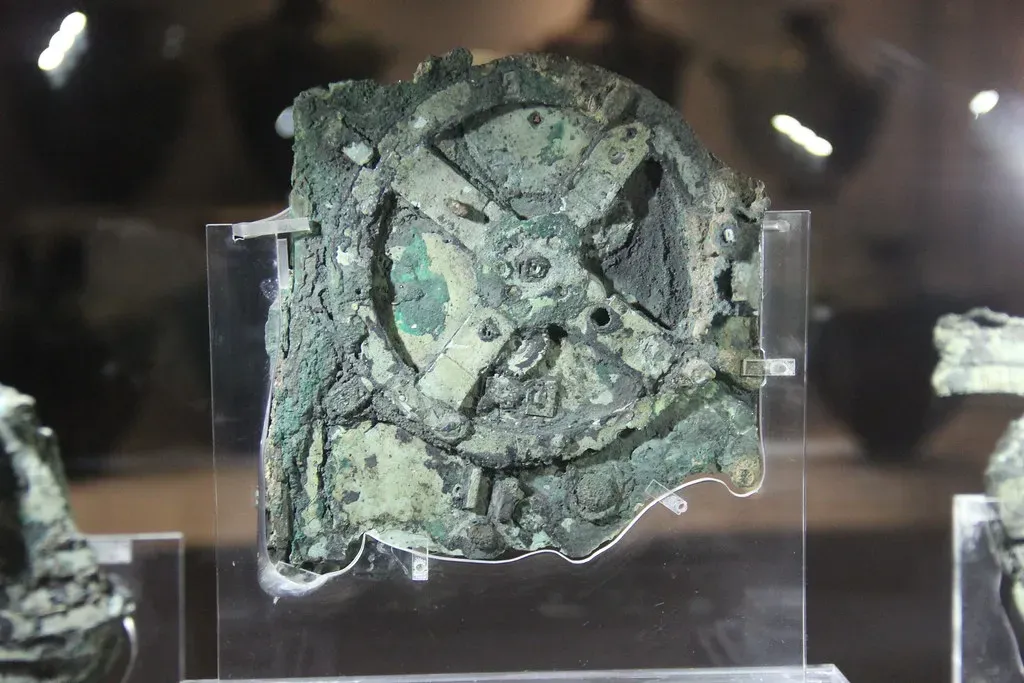
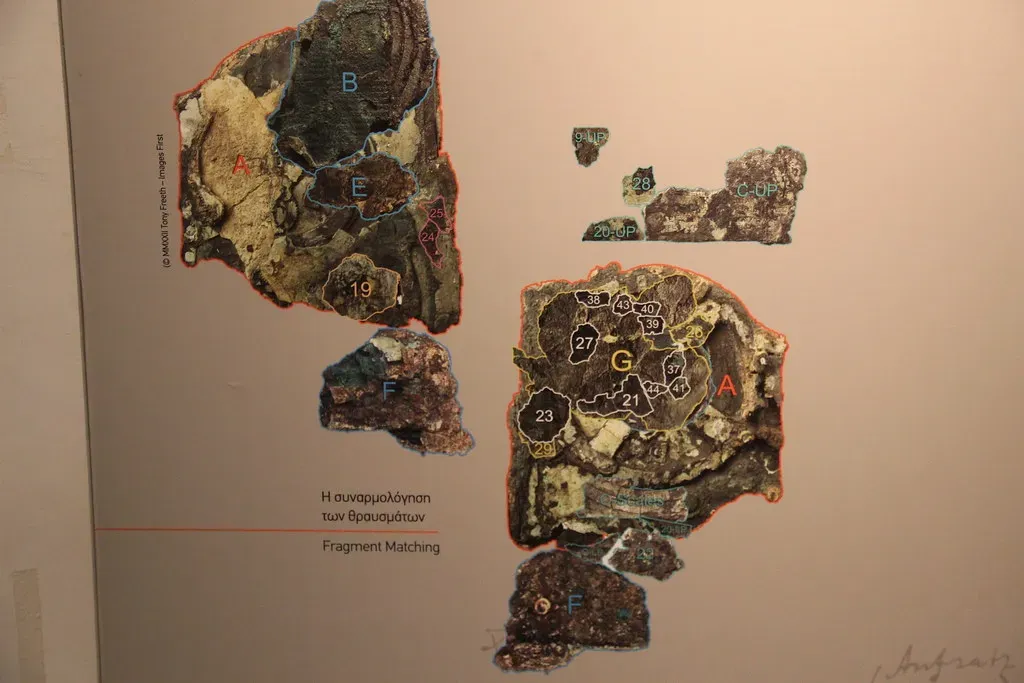
Imagine pulling a corroded lump of bronze from a Roman-era shipwreck and realizing, years later, that it’s basically a precision gear-filled machine that tracks the motions of the heavens. That’s the Antikythera Mechanism, found in 1900 by sponge divers off the coast of a small Greek island and later recognized as a shockingly sophisticated device from around the second or first century BCE. It used a complex system of interlocking gears to predict eclipses and model the paths of the Sun, Moon, and possibly planets – something that sounds much closer to steampunk sci‑fi than to everyday ancient craftsmanship.
What makes it feel so unreal is the time gap: nothing with that level of mechanical complexity appears again in the historical record for well over a thousand years. It’s like finding a modern smartwatch in a medieval grave. For historians of technology, the mechanism shattered the comfortable assumption that ancient engineering was always crude and simple. Personally, I think it’s a good reminder that history is full of lost peaks of knowledge – moments where humans figured something out, built it beautifully, and then let it vanish for centuries.
2. Göbekli Tepe: A Stone Temple Older Than Farming
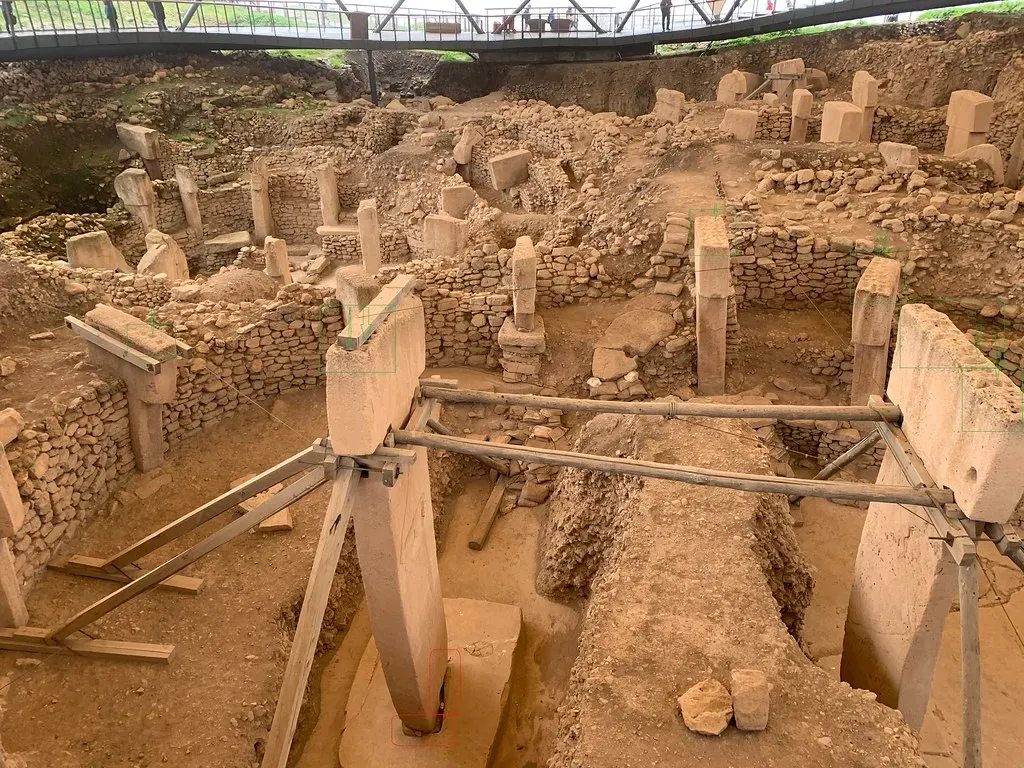
For decades, the story of civilization went something like this: humans invented farming, settled down, built villages, and only then had enough stability and spare time to create large temples and complex religious sites. Then archaeologists started excavating Göbekli Tepe in southeastern Turkey, and that tidy narrative pretty much fell apart. The site, with its massive T-shaped stone pillars arranged in circles and carved with animals, appears to be more than eleven thousand years old – significantly older than Stonehenge and the Egyptian pyramids, and likely built by hunter-gatherers rather than settled farmers.
That’s the part that feels like speculative fiction: a monumental ritual complex apparently constructed by people without permanent villages, cities, or even pottery as we know it. It flips the cause-and-effect sequence and raises eerie questions about what belief, cooperation, and imagination humans were capable of long before textbooks say “civilization” began. When I first read about it, it felt like discovering a prequel season to human history that no one knew had been filmed, where the main characters are already far more organized and visionary than anyone expected.
3. The Voynich Manuscript: A Book No One Can Read

Picture an illustrated medieval-looking book full of plants that do not exist, diagrams of unknown systems, strange zodiac-like charts, and page after page of flowing text in a script that matches no known language. That’s the Voynich Manuscript, a mysterious volume dating to the early fifteenth century, rediscovered in the early twentieth century and still unreadable today despite repeated attacks by professional cryptographers, linguists, computer scientists, and enthusiastic amateurs. It resembles a prop from a psychological thriller about a secret cult – except that it sits in a perfectly real rare-books collection.
The combination of detailed, consistent script and coherent structure suggests that it is not random gibberish, and that somehow someone invested an enormous amount of time creating a system we still cannot crack. Some theories say it might be an unknown natural language written in a clever code; others argue for an invented tongue with its own grammar. To me, the most unsettling aspect is less the possibility of hidden knowledge and more the reminder that human minds have always been capable of constructing whole symbolic worlds that slip right past our tools for understanding. It’s like stumbling on an alien operating manual written by people who lived just a few centuries ago.
4. The Baghdad “Batteries”: Ancient Jars That Might Have Generated Power
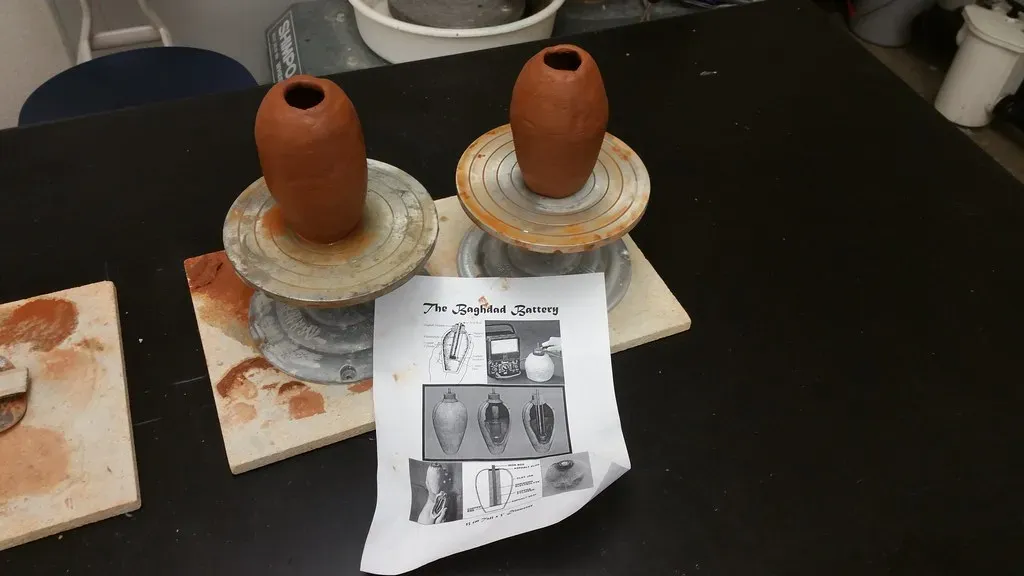
In the mid-twentieth century, archaeologists excavating near modern-day Baghdad uncovered small clay jars containing copper cylinders and iron rods, dating to roughly two thousand years ago. On their own, they look like ordinary ancient artifacts. But when some researchers noticed that the components resemble the basic structure of a simple galvanic cell, the idea emerged that these so-called Baghdad Batteries might have been used to generate a small electrical current using an acidic liquid. Suddenly, a modest pottery find turned into something that sounded like it belonged in a retro-futuristic alt-history novel.
The honest truth is that historians still debate their purpose, and there is no consensus that they were definitely used as batteries. Some think they might have served as ritual objects, storage containers, or parts of a completely different process. Yet the sheer plausibility that ancient artisans could have stumbled across basic electrochemistry long before it was formally described is mind-bending. Whether they lit tiny lamps, plated objects with thin films of metal, or did something we have not even guessed, the possibility stretches our sense of how experimental and curious ancient craftspeople really were.
5. The City Frozen in Time at Pompeii and Herculaneum
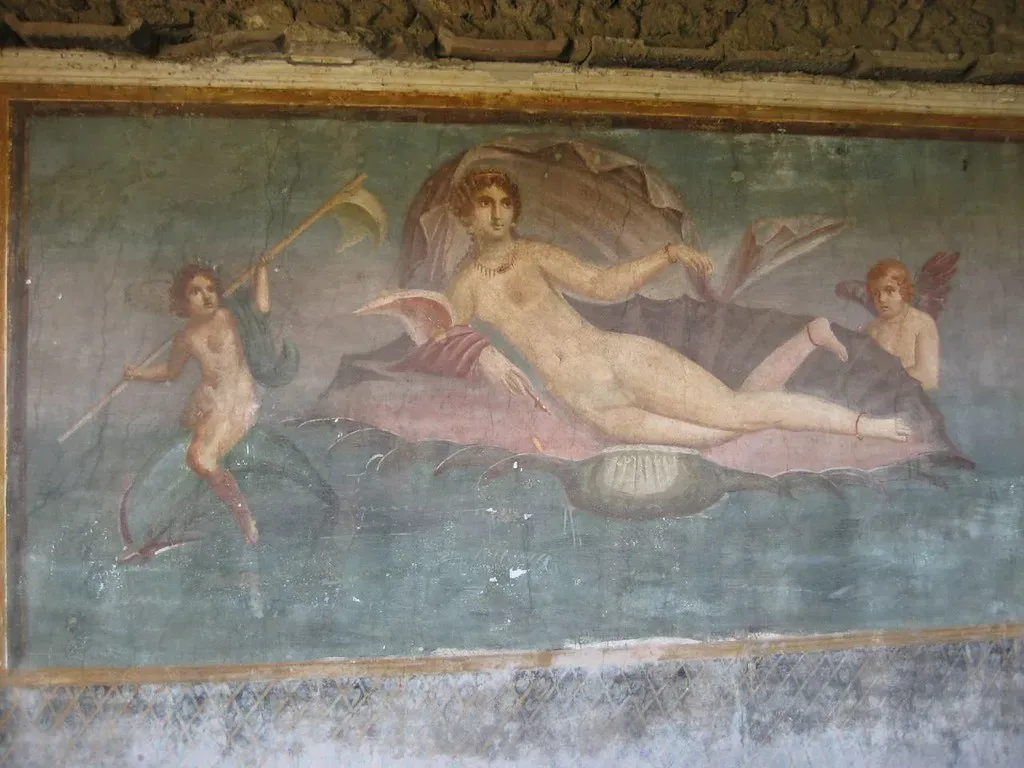
When Mount Vesuvius erupted in the year 79 CE, it did more than just destroy nearby Roman towns; it essentially flash-preserved them. Pompeii and Herculaneum were buried under layers of ash and volcanic material so fast that everyday life was frozen mid-motion: loaves of bread still in ovens, graffiti on walls, tables set for meals, pets chained in courtyards. When these cities began to be systematically excavated in the eighteenth and nineteenth centuries, it must have felt disturbingly like time travel into the last few minutes before disaster struck.
Today, walking through reconstructed streets and seeing vivid frescoes, colorful shop fronts, and eerily lifelike plaster casts of victims, it feels more like stepping into a haunting simulation than visiting a traditional ruin. Instead of a slow erosion of history, we get a brutally sharp snapshot of urban Roman life distilled into a single catastrophic day. For me, the science-fiction feeling comes not from the volcano itself, but from the way nature accidentally captured a high-resolution dataset of a past civilization, as if an unseen cosmic camera had taken one devastatingly detailed frame and then buried it for nearly two thousand years.
6. The Tunguska Event: A Cosmic Explosion That Left No Crater
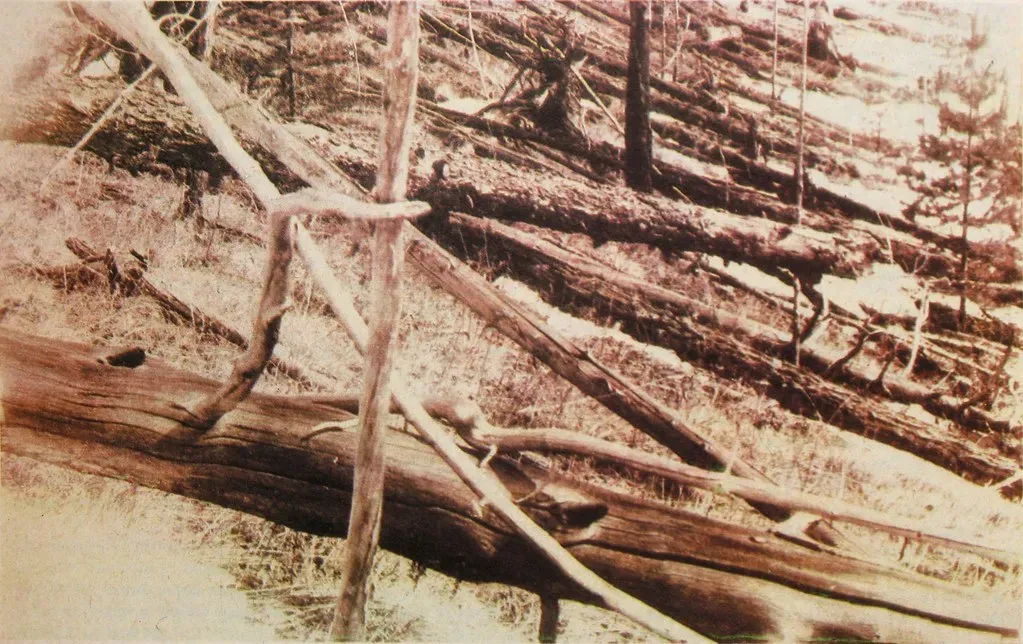
On a quiet morning in 1908, a massive explosion ripped across a remote area of Siberia near the Tunguska River, flattening trees over an area larger than many modern cities. Witnesses reported a blinding flash and a shockwave strong enough to knock people down from miles away, and yet when scientists finally reached the site years later, they found no impact crater. It sounds exactly like the cold open of a science-fiction film: a terrifying cosmic event, a devastated landscape, and no obvious object to blame.
The most widely accepted explanation today is that a small comet or asteroid exploded in the atmosphere, releasing huge energy before it could strike the ground. But the absence of a classic crater and the remoteness of the location left ample room for speculation, ranging from exotic natural physics to more imaginative fringe ideas. What really sticks with me is how casually our planet can be jolted by space debris that no one sees coming. It is a reminder that, in the grand scheme, we live under a thin protective ceiling, and once in a while the universe taps on it hard enough to make the whole world feel fragile.
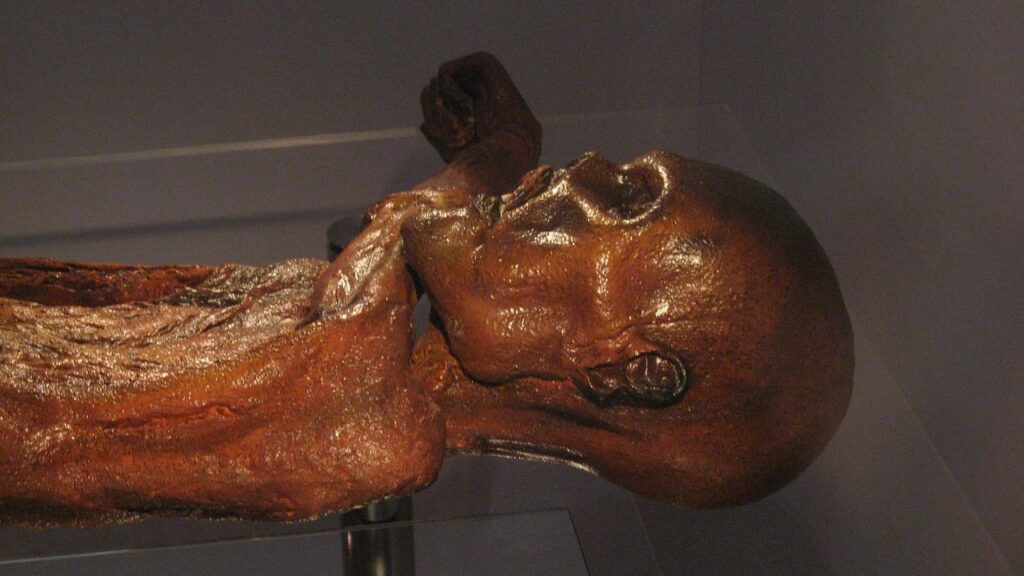
7. Ötzi the Iceman: A Copper Age Man With Modern Forensics
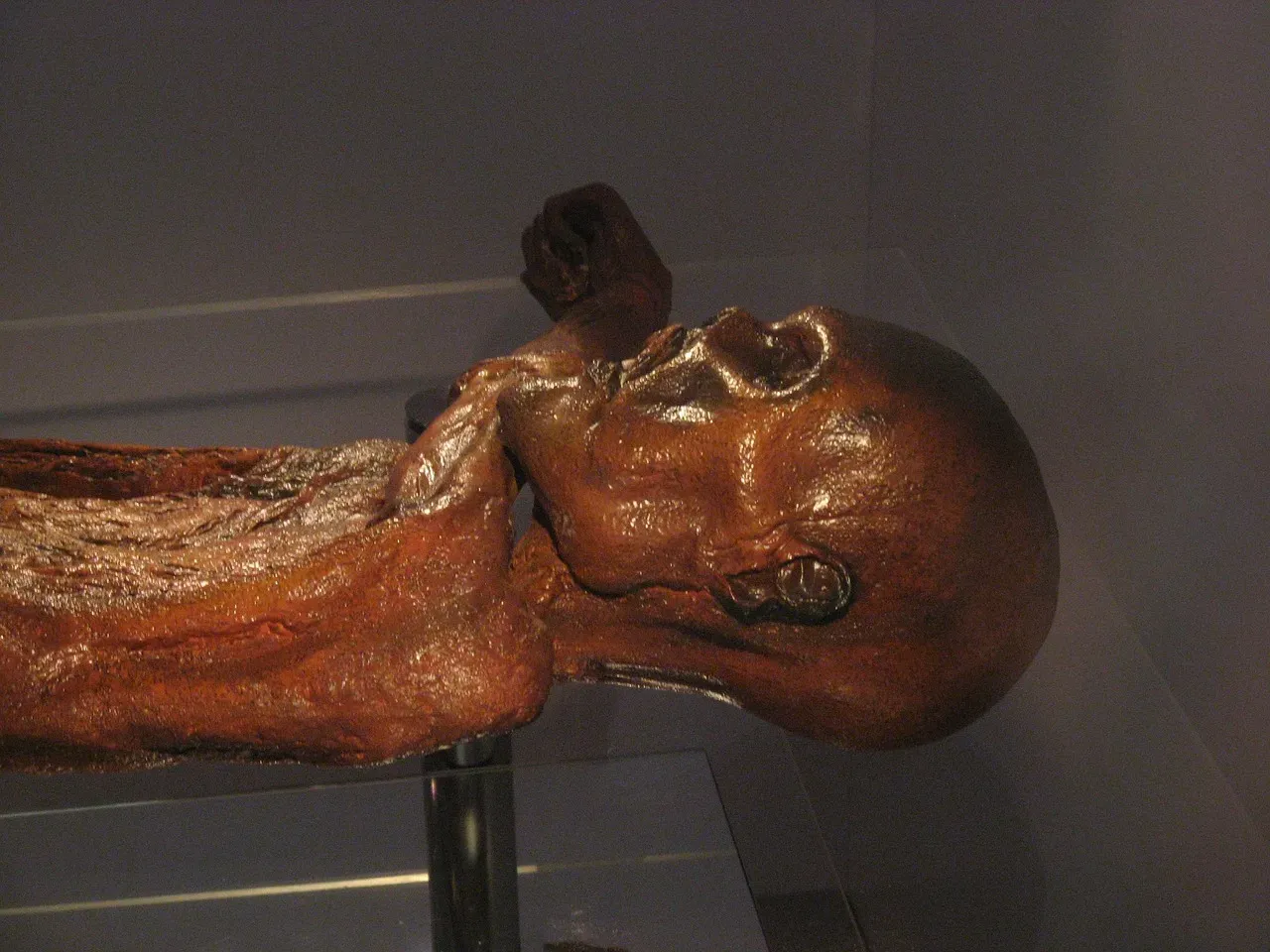
In 1991, hikers in the Alps near the border of Italy and Austria stumbled on what they first thought was a recent mountaineering fatality emerging from glacial ice. Instead, scientists realized they had found a remarkably preserved human from more than five thousand years ago, now known as Ötzi the Iceman. His skin, organs, clothing, tools, and even the contents of his stomach were intact enough for detailed study, letting modern researchers perform what is essentially a full forensic workup on someone who lived before the pyramids were built.
Analyses of Ötzi have revealed his last meals, his likely health conditions, his genetic relationships to modern populations, and even the probable cause of his death, which appears to have involved violence and an arrow wound. It feels like a hybrid of time travel and a crime drama, where advanced imaging, DNA sequencing, and medical techniques are pointed at a single frozen human who never imagined his body would become a high-tech research project. I find it both haunting and oddly intimate: the past is usually a blur of artifacts and bones, but here we confront an individual with enough detail that he crosses over from “prehistoric figure” to “person you could almost recognize on the street.”
Conclusion: When the Past Outruns Our Imagination
Looking across these discoveries, what strikes me is how often the past ambushes our sense of what is reasonable. We like to think of history as a slow climb toward today’s sophistication, but finds like the Antikythera Mechanism or Göbekli Tepe make that story look way too tidy. Ancient engineers, builders, and scribes were not cautiously inching forward; sometimes they were sprinting toward ideas that would vanish for centuries before being reinvented. In my view, it is almost arrogant to assume we have reached some stable “peak,” when the archaeological record keeps springing twists on us.
At the same time, there is something grounding about the fact that all of these seemingly science-fiction moments are very human: people trying to track the sky, worship together, encode meaning, survive disasters, and leave some trace behind. If anything, the real lesson is that human curiosity and creativity have always been a little outrageous, a little ahead of their era, and often too fragile to last. The next time a discovery sounds too wild to be true, I think the safer bet is to stay curious rather than skeptical by default. After all, if history can hand us unreadable books, analog computers, and time-frozen cities, what else might be sitting in the ground right now, waiting to rewrite the story again?