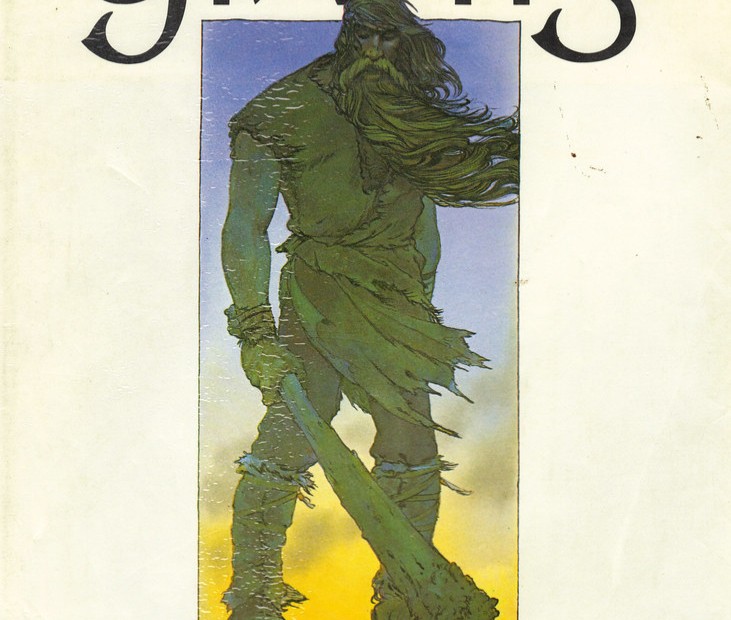
You have probably heard some version of the giant story: towering beings who stride across mountains, hurl boulders, and shake the earth with every step. Maybe it was the English tale of Jack and his beanstalk, the Norse frost giants, or stories of colossal ancestors in your own family tradition. What is surprising is just how often this same basic idea shows up all over the world, in cultures that never met, across thousands of years of history.
When you start looking closely, giants are everywhere: in sacred texts, in medieval legends, in indigenous oral histories, and even in modern fantasy films. That raises a big, unsettling question: why do so many different peoples tell almost the same kind of story? You are not just bumping into random monsters here; you are seeing a global pattern. Once you trace where it comes from, you begin to see what these tales are really about: power, fear, memory, landscape, and the very human need to make sense of a world that feels bigger than you are.
Why Giants Keep Showing Up in Myths All Over the World
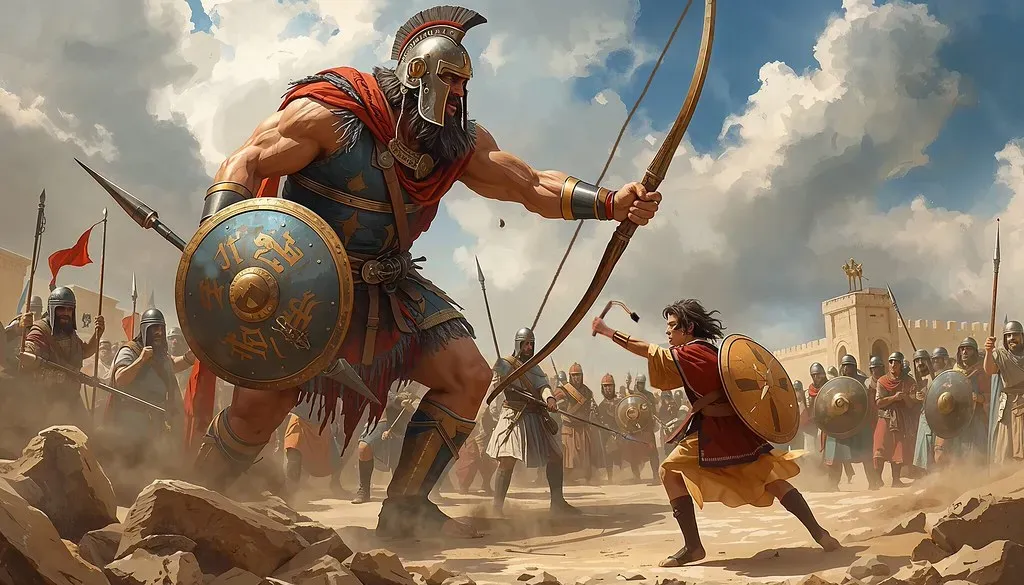
If you zoom out and look across cultures, you notice something uncanny: giants pop up nearly everywhere you look. You find them in ancient Near Eastern stories, in Greek and Roman legends, in Norse sagas, in Celtic folklore, in South Asian epics, and in the traditions of many Indigenous peoples in the Americas and the Pacific. These stories develop in places that had no direct contact for long stretches of history, yet you still meet the same themes of huge beings, dangerous strength, and clashes with the gods or with humans.
That global spread pushes you to think beyond simple borrowing or cultural copying. You are probably looking at something deeper in human psychology. When people in very different environments independently imagine similar beings, it suggests you are dealing with shared fears and longings: the wish to picture overwhelming power, the dread of natural disasters, the awe of towering mountains or massive animals. Giants become a kind of mental shortcut, a way your mind turns big, vague forces into something with a face, a name, and a story you can tell by a fire.
Fear, Awe, and Power: The Psychology Behind Giant Stories
When you stand at the base of a cliff or watch a storm roll in, your body reacts before your brain catches up. Your heart speeds up, your breathing changes, and you feel very small. Giant myths tap into that raw reaction. They let you package feelings of fear and awe into a single, exaggerated figure: a being that is like you, but much larger, stronger, and less predictable. In a way, you are taking an emotion that has no clear target and giving it one.
You also use giants to talk about power dynamics you might not feel safe naming directly. Think about it: a giant that eats people or enslaves them looks a lot like a tyrant, an invading army, or a ruling class that treats everyone else as small and disposable. By turning those forces into a monster, you get to explore resistance, trickery, and courage without criticizing specific leaders by name. You tell a story where the small, clever person outwits the massive bully, and you quietly rehearse what it would feel like to push back in real life.
How Landscape and Bones Helped Fuel the Giant Myth
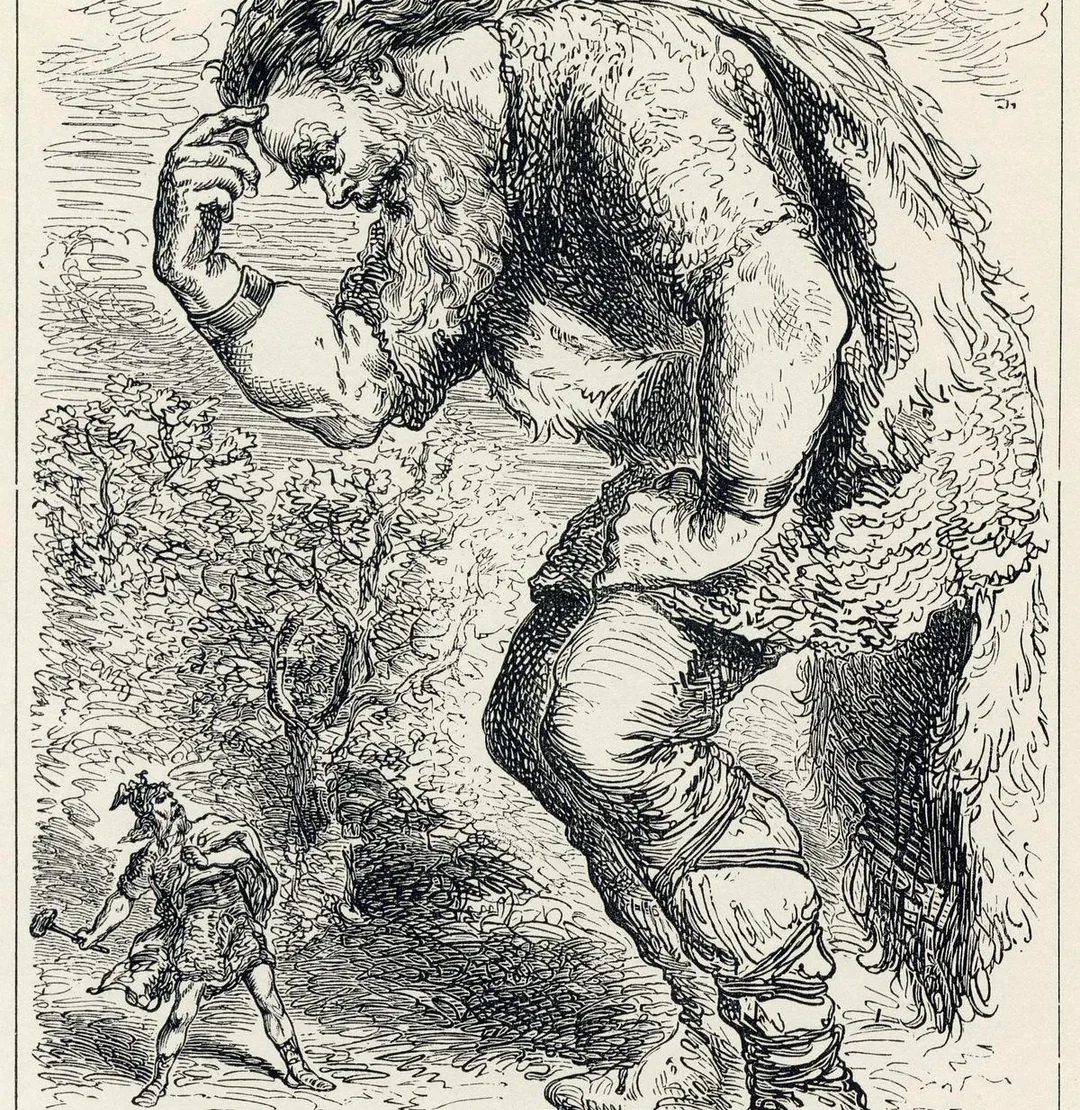
You cannot separate giant stories from the landscapes where they grew. If you live in a place with sheer cliffs, oddly balanced boulders, or stones arranged in puzzling circles, it is almost irresistible to imagine that someone huge put them there. When you lack the tools or engineering knowledge to explain certain formations, it becomes natural to say a giant threw that rock in anger or used those stones as stepping-stones. Your environment ends up feeling like a crime scene where the culprit is long gone, and giants become your explanation.
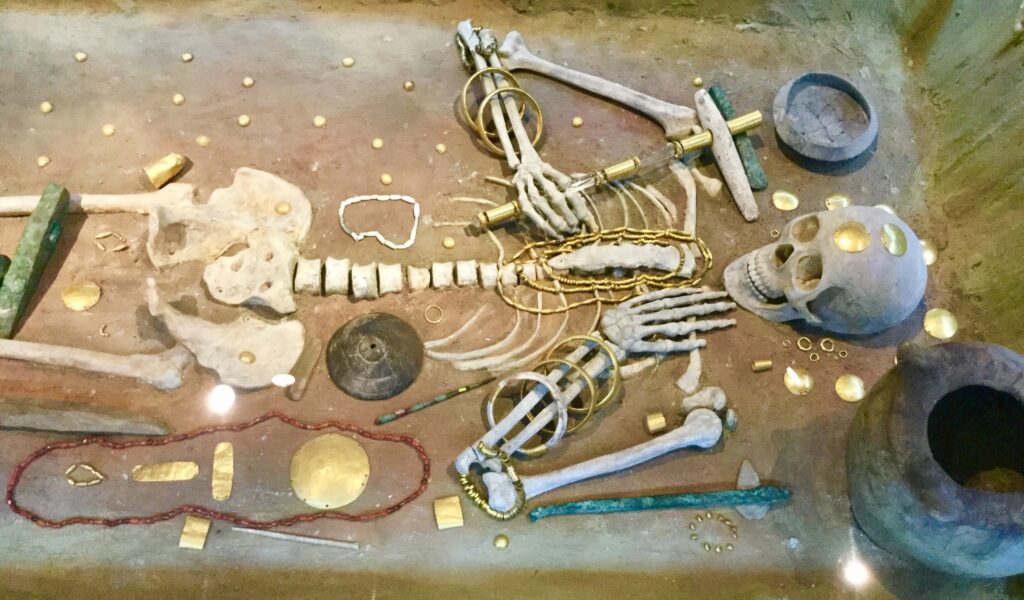
Then you add bones into the mix. For a long time, when people dug up enormous fossilized bones from mammoths, mastodons, or other prehistoric animals, they did not have the concept of deep geological time or extinct species. They had your same imagination, working with much less science. So you look at a massive femur and think: there must have been a human-sized creature to match. From there, it is a short leap to tales of ancient races of giants, wiped out by floods or wars, whose remains occasionally surface to remind you just how small you are.
Morality Plays in Oversized Bodies: What Giants Teach You
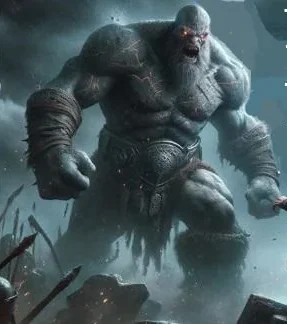
Despite all their muscle, giants in stories often lose, and that pattern is not an accident. You use them as walking warnings. The giant might be cruel, greedy, gluttonous, arrogant, or all of the above. By making those flaws literally huge, you show what happens when appetite or ego grows out of control. When a smaller hero defeats a giant through courage or cleverness, you are rewarding restraint, intelligence, and moral backbone over brute force.
Sometimes, though, giants are not just villains. In a few traditions, they are wise, tragic, or even protective. That twist lets you explore a more complicated message: power itself is not automatically bad, but it is always dangerous and unstable. You are invited to ask yourself what you would do if you had that kind of strength. Would you guard the weak, or would you treat them as toys? Giant myths become a dramatized version of the ethical choices you face every day, only blown up to an impossible scale so you cannot ignore them.
When Humans Were Once Bigger: Ancestral Memory and Lost Golden Ages
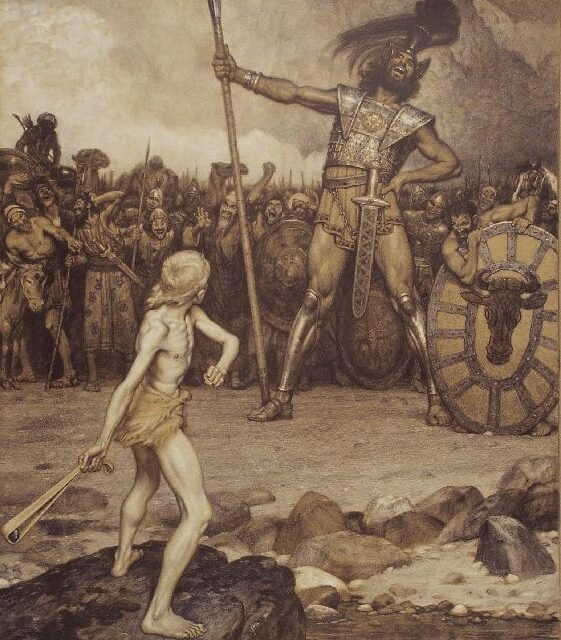
Many cultures tell you that long ago, people were larger, stronger, and closer to the divine. Giants in those stories are not just random monsters; they are your distant relatives, the inhabitants of a lost golden age. By calling ancient heroes or founders giants, a tradition can say that the past was grander and more intense than the present. You inherit a sense that you are living in the shadow of something bigger, not just physically but spiritually and morally.
That idea can shape how you see your place in history. If you are taught that your ancestors were giants, you might feel both pride and pressure. On one hand, you walk in impressive footsteps; on the other, you carry a quiet fear that you are smaller in every sense. Those stories help explain why your world feels imperfect: maybe the great beings are gone, their era ended by disaster or divine judgment, and you are left picking through ruins and legends, trying to rebuild something worthy of them.
Shared Patterns Without Shared Origins: Archetypes and Convergent Myths
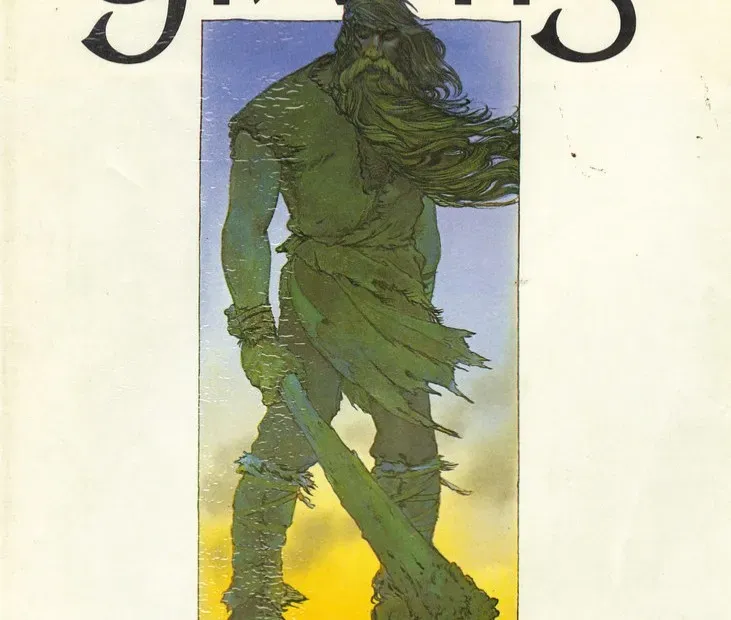
When you see similar giant myths in places that never directly shared stories, you are likely dealing with archetypes rather than simple borrowing. An archetype is a kind of deep narrative pattern your brain finds again and again: the wise elder, the trickster, the nurturing mother, the monstrous devourer. Giants fit neatly into an archetype of overwhelming force, the kind of power that can be either protective or destructive but never neutral. Your mind seems to be wired to imagine such figures when it encounters certain types of fear or wonder.
You can think of this like different inventors coming up with similar tools in separate parts of the world because they were solving similar problems. When you live near earthquakes, floods, massive animals, and mountains, you tend to craft beings that embody those experiences. Even if no one is copying anyone else, you still end up with towering, dangerous characters. That is convergent mythmaking: many paths, same destination, because human brains and natural pressures are surprisingly alike across continents.
Giants in Your Modern Stories: From Old Myths to New Screens
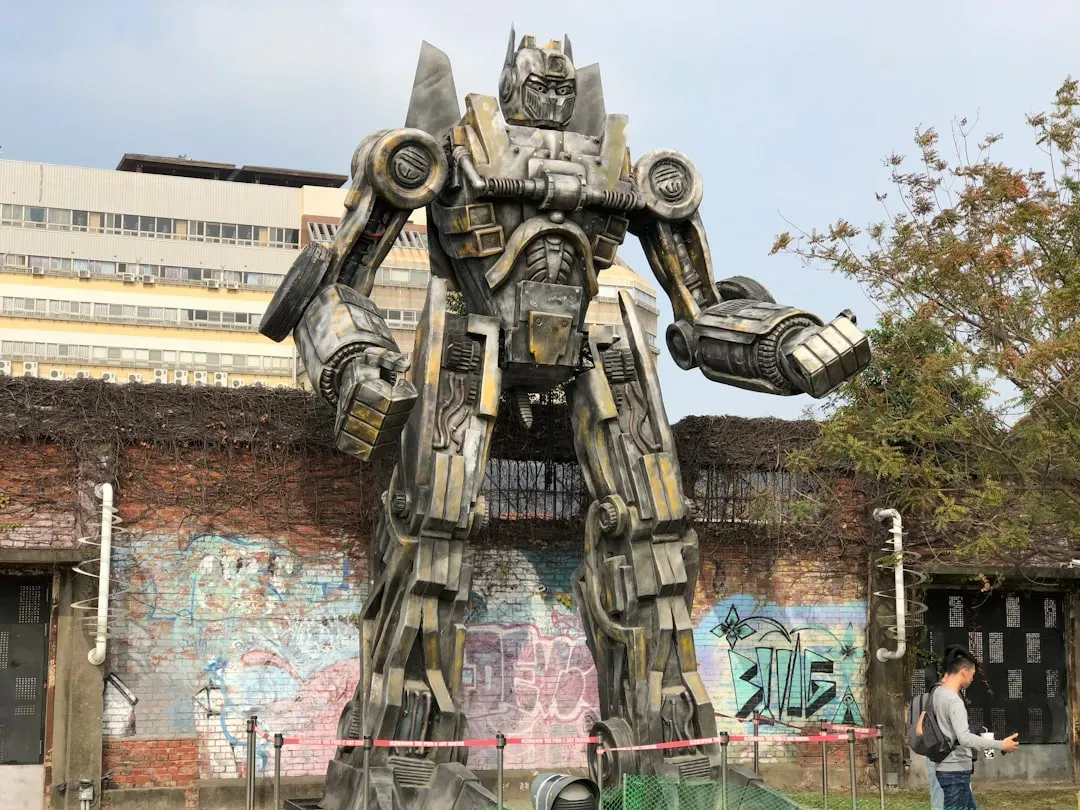
Even if you do not sit around listening to oral storytellers, you still live with giants. You meet them in fantasy novels, blockbuster films, video games, and comic books. The aesthetics have changed – maybe they are armored titans or skyscraper-sized robots – but the emotional script is very familiar. You watch small, fragile humans face down enormous beings, and you feel the rush of fear, defiance, and unlikely victory that people have chased for centuries.
Modern versions often smuggle in new anxieties. A towering creature might stand in for climate change, runaway technology, or faceless corporations that feel too powerful to challenge. By giving those fears a body, your stories let you hit them, trick them, even defeat them for a few hours. You are still doing what your ancestors did: taking something overwhelming and turning it into an opponent you can at least imagine standing up to, even if you know it is only on a screen.
Why the Giant Myth Still Matters to You Today
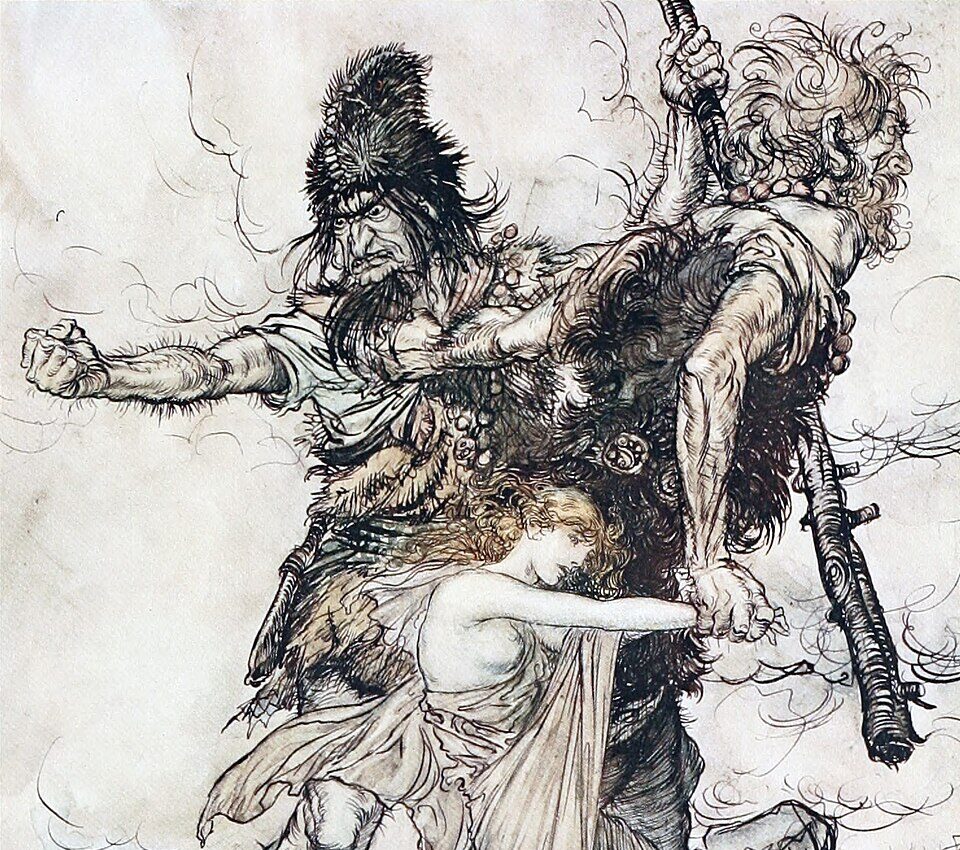
When you look at the global giant myth with clear eyes, you stop seeing it as a childish fantasy and start recognizing it as a mirror. It reflects how you deal with scale: the size of nature, the size of history, the size of power structures around you. Giants give you a language for feeling tiny without feeling completely helpless, because there is always room in the story for a brave or crafty underdog who dares to fight back. In that way, you use giants to practice courage on a symbolic stage.
These tales also remind you that the forces you fear are rarely simple. Power can protect or destroy, and sometimes the same figure embodies both. When you ask why so many cultures tell the same giant stories, you are really asking why humans everywhere keep wrestling with the same questions about strength, vulnerability, memory, and justice. The next time you see a giant on a page or a screen, you might want to pause and ask yourself: which overwhelming thing in your own life are you really watching play out, and what role are you choosing to play in that story?