You probably grew up thinking history is mostly settled: a neat line of dates, big names, and dusty timelines. Then you stumble on a single object in a museum case, and suddenly the story you thought you knew cracks wide open. That is what rare artifacts do at their best – they do not just decorate history, they argue with it. In this tour, you are going to walk through twelve artifacts that forced scholars to change their minds, rewrite chapters, and sometimes reluctantly admit, “We were wrong.” As you move from stone slabs to fragile scrolls and mind‑bending ancient machines, you will see how a single object can upend entire theories about writing, religion, technology, and even how civilization itself began. By the end, you may never look at a museum label the same way again.
1. The Rosetta Stone: The Key That Let You Hear Ancient Egypt Again
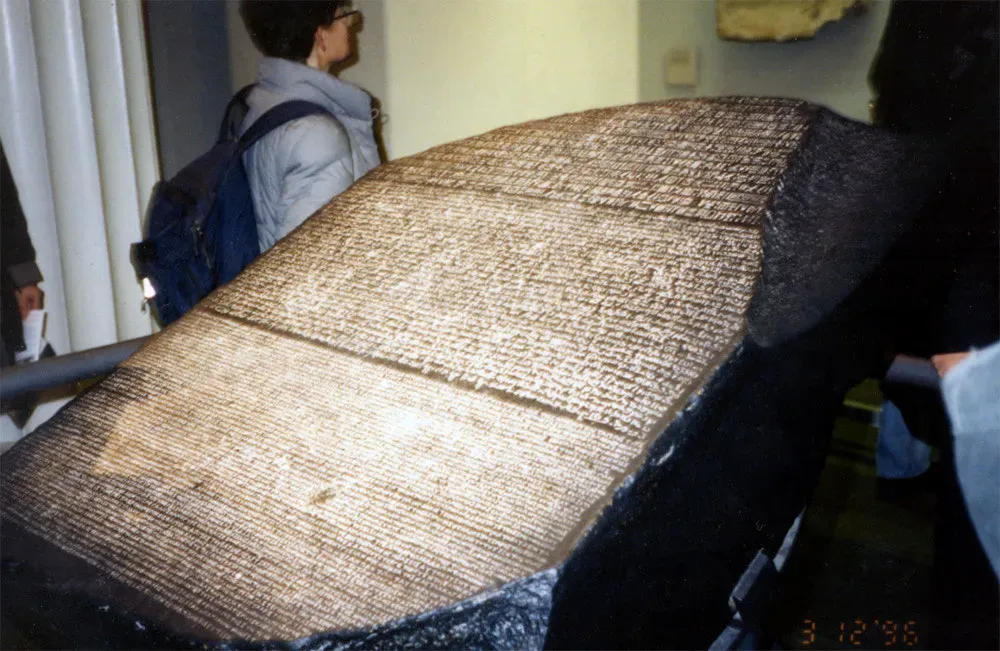
You can imagine standing in front of a temple wall covered in Egyptian hieroglyphs, knowing it is full of voices and stories, and realizing you cannot read a single sign. For more than a thousand years, that was everyone’s reality: the ancient Egyptian language was effectively mute, its script a beautiful but unreadable code. Then a black slab found in 1799 near the town of Rosetta changed everything by offering you the same text in three scripts at once: Greek, hieroglyphic, and demotic, all recording a decree from 196 BCE about the reign of Ptolemy V. ([britannica.com](https://www.britannica.com/topic/hieroglyphic-writing/Discovery-of-the-Rosetta-Stone?utm_source=openai))
Because scholars already understood ancient Greek, you are able, through them, to line up phrases across the three scripts and slowly unlock the system behind the hieroglyphs. Over the nineteenth century, especially after the breakthrough announced in 1822, this stone turns from a simple political inscription into a master key that opens all of ancient Egypt’s written past: religious texts, administrative records, personal letters, and royal propaganda. ([britannica.com](https://www.britannica.com/story/what-does-the-rosetta-stone-say?utm_source=openai)) Once you grasp that, you see why scholars say the Rosetta Stone did not just transform Egyptology; it changed how you think about deciphering any lost language at all.
2. The Antikythera Mechanism: When You Realize the Ancient World Built Computers
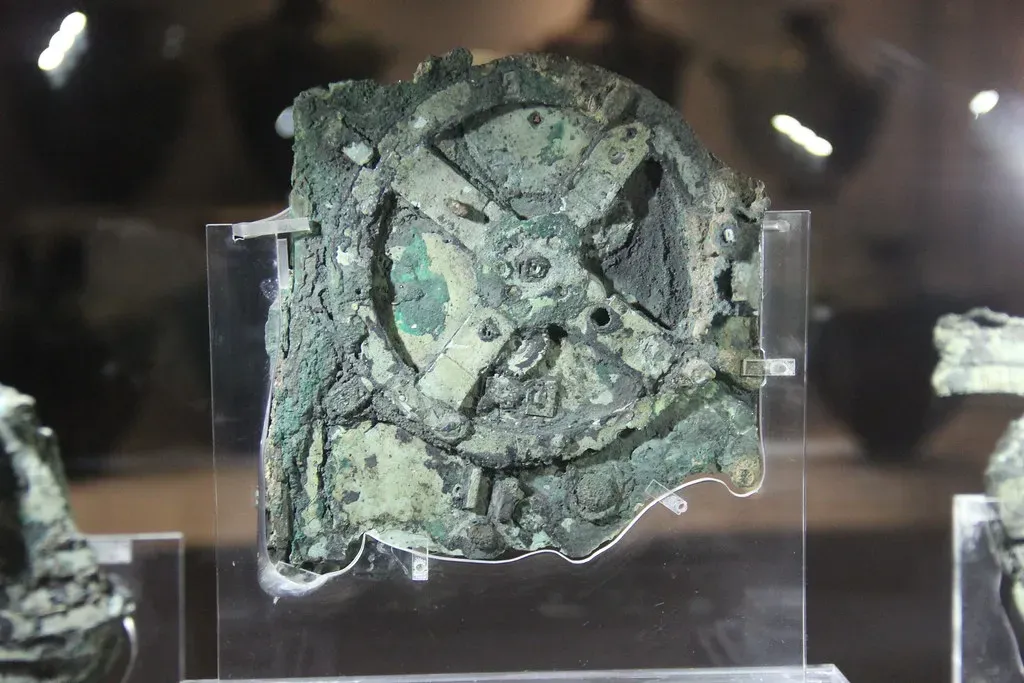
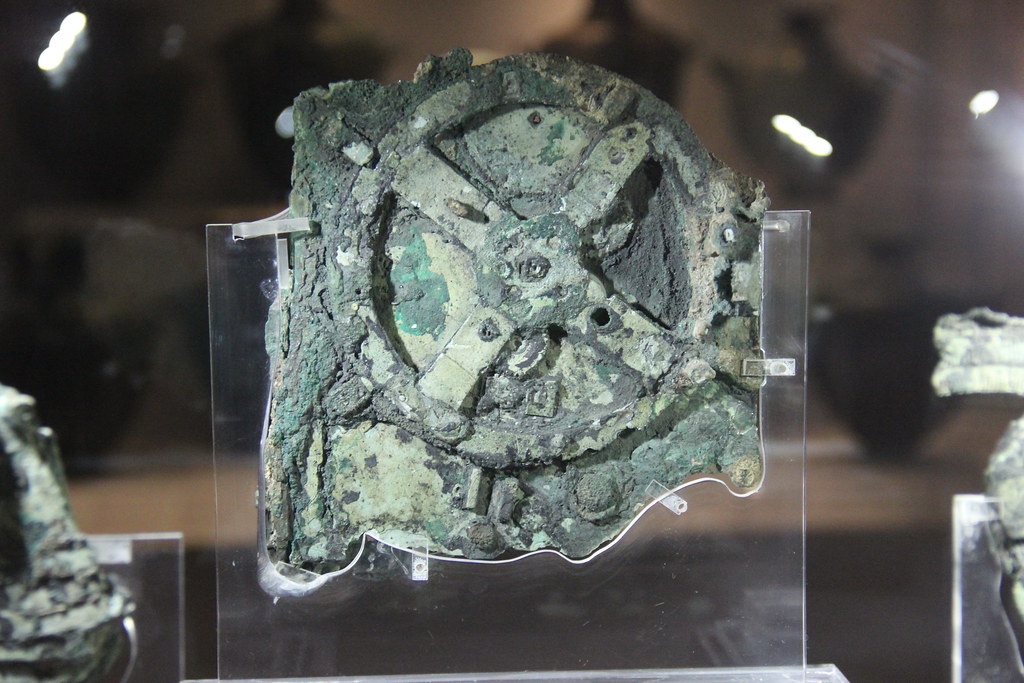
If you are used to thinking of the ancient Greeks in terms of marble statues and philosophical texts, the Antikythera mechanism hits like a plot twist. Pulled in corroded fragments from a first‑century BCE shipwreck off a small Greek island and later dated to roughly the second century BCE, this lump of bronze turned out to be a sophisticated geared device – an analog computer designed to calculate astronomical positions, eclipse cycles, and even the timing of athletic games. ([nature.com](https://www.nature.com/articles/s41550-017-0347-2?utm_source=openai))
Once researchers used X‑rays and careful reconstruction, you could see that the mechanism contained dozens of interlocking gears with precision teeth, something scholars had never seriously expected from that era. ([worldhistory.org](https://www.worldhistory.org/Antikythera_Mechanism/?utm_source=openai)) You are suddenly forced to revise the standard story that complex geared technology only emerged in the Middle Ages. The device shows that Hellenistic engineers had already reached a level of mechanical and mathematical sophistication you might normally associate with Renaissance clockmakers. It nudges you to ask a slightly unsettling question: if this survived only because it sank, how much else was lost that could change what you think “ancient” really means?
3. The Dead Sea Scrolls: When Your Bible Turned Out to Be Much Older Than You Thought
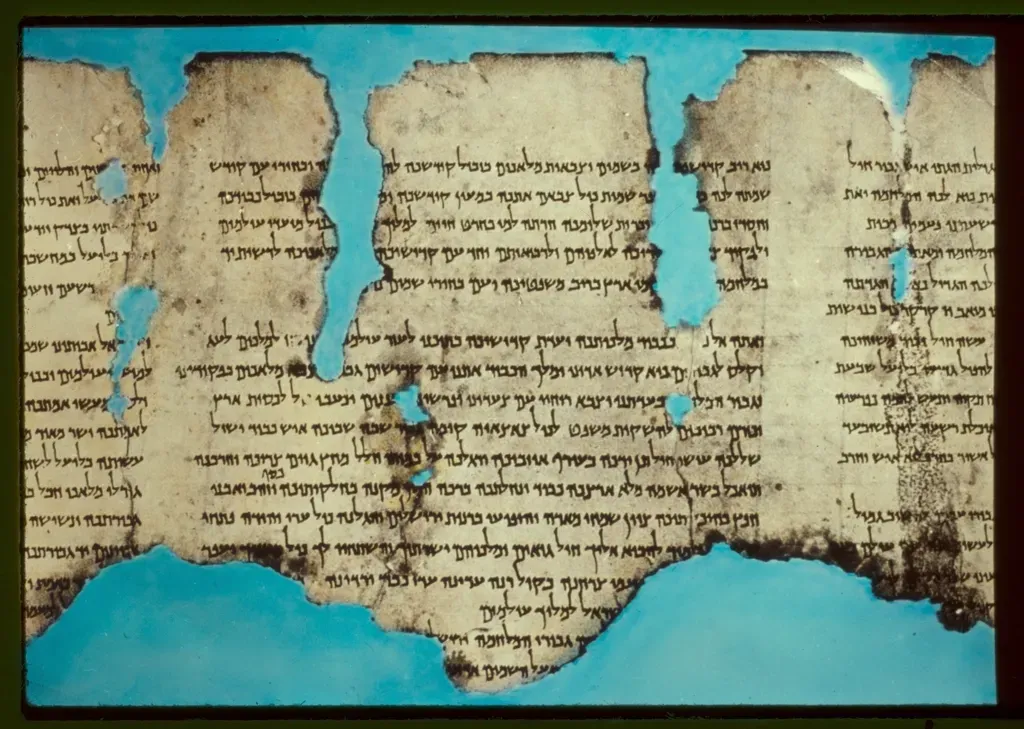
Picture yourself holding a modern printed Bible and hearing that, until the mid‑twentieth century, the oldest complete Hebrew manuscripts behind that text only went back to around the tenth century CE. Then, in the 1940s and 1950s, you suddenly gain access to hundreds of scrolls and fragments from caves near the Dead Sea, many of them over a thousand years older than any Hebrew biblical manuscripts scholars had. ([en.wikipedia.org](https://en.wikipedia.org/wiki/Dead_Sea_Scrolls?utm_source=openai))
As you look over these fragile scraps – books of Isaiah, Psalms, community rules, apocalyptic visions – you see something surprising: a mix of remarkable continuity and telling variation. The scrolls confirm that much of the biblical text was already very close to what you know today, but they also reveal alternate readings, additional psalms, and evidence of diverse Jewish thought just before and during the rise of Christianity. For you as a reader, the lesson is humbling and empowering at the same time: the scriptures you may treat as fixed were once living texts, copied by real hands, debated in real communities, and shaped by historical processes you can now study in far more detail.
4. Göbekli Tepe: A Monument That Pushes Civilization’s Start Line Back
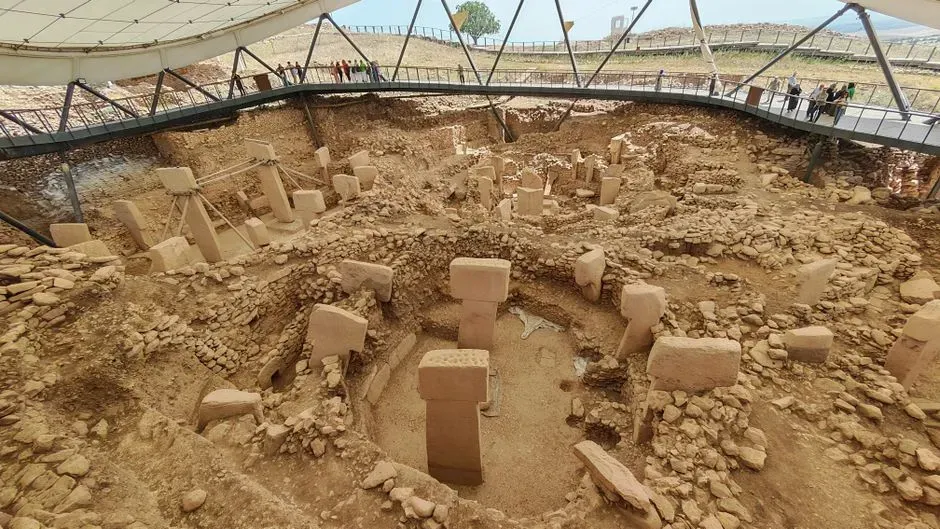
You might have learned that large, permanent religious buildings appeared only after farming gave people surplus food and settled villages. Then you meet Göbekli Tepe, a Neolithic site in southeastern Turkey with massive T‑shaped stone pillars arranged in circular enclosures, some carved with reliefs of animals and abstract symbols. Radiocarbon dates push parts of it back to around the tenth millennium BCE, making it thousands of years older than Stonehenge or the Egyptian pyramids and older than many established farming communities. ([history.com](https://www.history.com/articles/gobekli-tepe?utm_source=openai))
Walking through the research on this site, you realize it flips a comfortable sequence: instead of agriculture leading to temples, you may be looking at temples that helped pull people into more settled, organized ways of life. The scale of construction suggests planning, labor coordination, and shared ritual ideas among hunter‑gatherer groups that earlier models simply did not credit them with. ([whc.unesco.org](https://whc.unesco.org/document/160481?utm_source=openai)) As you absorb this, your mental picture of “primitive” early societies starts to crumble; apparently, people were building monumental, symbol‑laden sites long before they planted their first fields, which makes religion, cooperation, and architecture look less like late luxuries and more like engines that helped drive civilization from the start.
5. The Terracotta Army: A Tomb That Shows You Power on an Imperial Scale
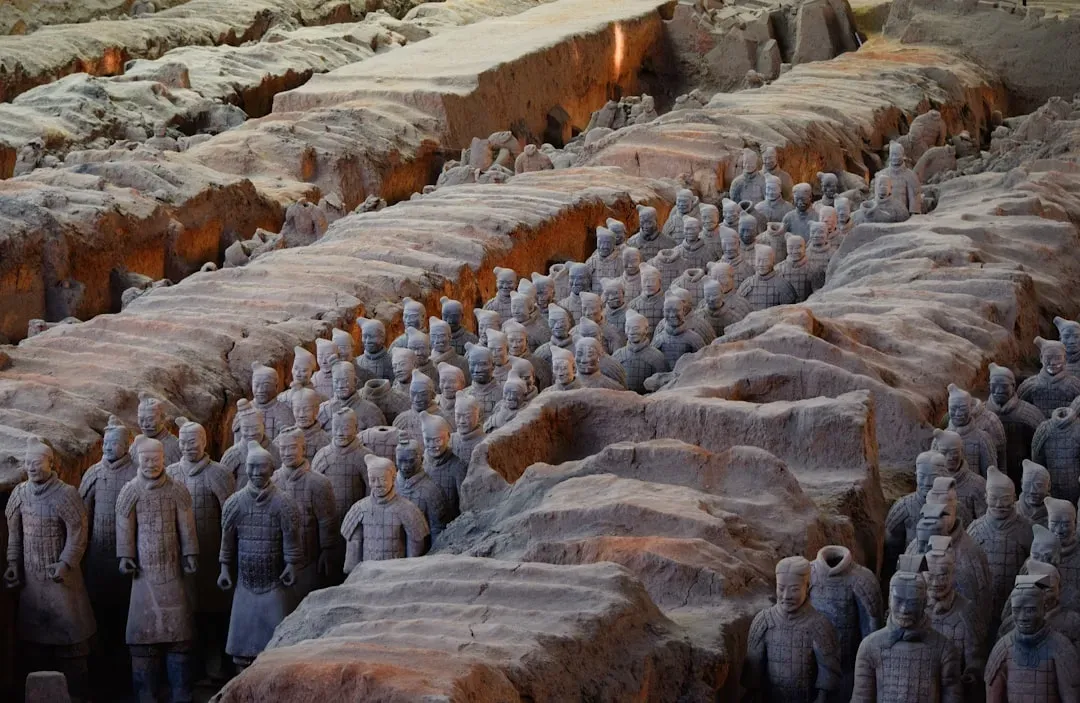
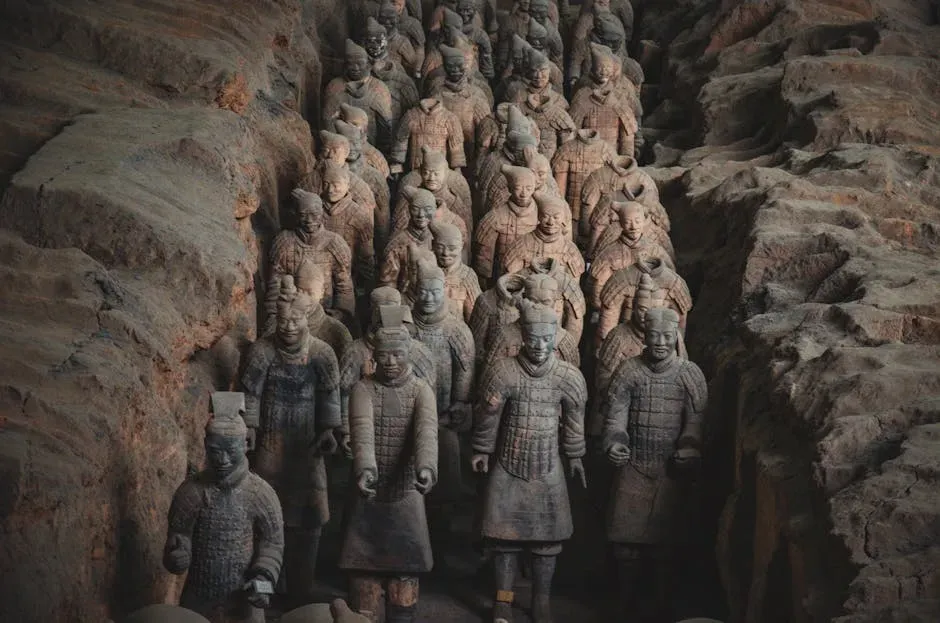
When you first hear “tomb of the First Emperor of China,” you might imagine a richly decorated chamber, maybe a few statues, some gold, the usual royal excess. Then you confront the Terracotta Army by the thousands: life‑size clay soldiers, chariots, horses, and officials buried near the mausoleum of Qin Shi Huang (third century BCE) in carefully arranged battle formations. Every figure has individualized features, armor styles, and hairstyles, as if you are walking through a frozen review parade that was never meant for living eyes.
What this shows you is not just artistic talent but state power and logistical reach on an almost overwhelming scale. The project required organizing vast numbers of laborers, workshops, raw materials, and artistic specialists, all to guard one man in death. You get a vivid sense of how early Chinese imperial rule could mobilize resources and how seriously rulers took ideas of the afterlife and continued authority beyond the grave. The Terracotta Army forces you to see that ancient China was already operating on a level of complexity and centralization that rivals, and in many ways surpasses, contemporary empires elsewhere in the world.
6. The Phaistos Disc: A Clay Mystery That Keeps You Honest About What You Do Not Know
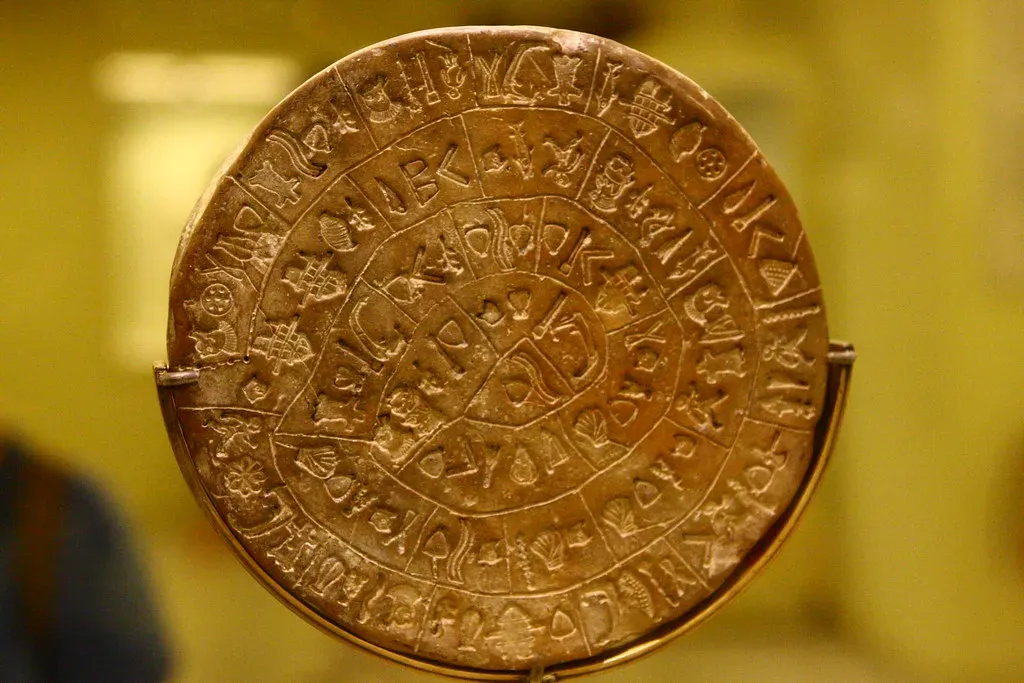
Every now and then, an artifact reminds you that not everything can be neatly decoded, and the Phaistos Disc is one of those humbling objects. Discovered in Crete and usually dated to the second millennium BCE, it is a hand‑sized clay disc stamped on both sides with spiraling lines of pictorial signs, many of which do not match any known script. The symbols include human figures, tools, animals, and abstract shapes, all pressed with reusable stamps instead of carved individually, which is unusual for its time.
Because no other object with the exact same sign set has turned up in a secure context, you do not have a bilingual key like the Rosetta Stone or a detailed text corpus to work with. Scholars have proposed everything from religious hymns to calendars and even board games, but no interpretation has convinced most experts. For you, the disc is a useful reality check: even in an age of dazzling decipherment stories, some scripts may stay silent without more evidence. It teaches you to sit with uncertainty and to recognize that the archaeological record is not just a treasure chest of answers but also a field of open questions.
7. The Sutton Hoo Ship Burial: When “Dark Age” England Suddenly Looked Brilliant
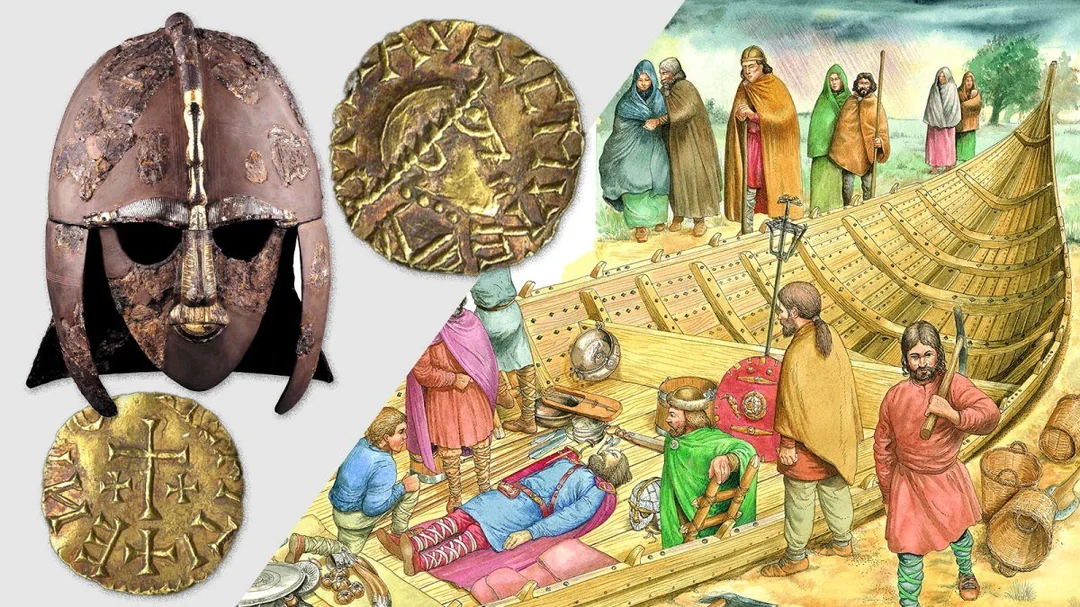
If you think of early medieval England as a drab “Dark Age” of simple huts and crude warriors, the Sutton Hoo ship burial in Suffolk snaps you out of it. Excavated in the twentieth century, the largest mound revealed the ghostly imprint of a full‑sized ship used as a burial chamber, packed with objects: a lavish helmet, gold and garnet fittings, silver bowls from the eastern Mediterranean, weapons, and intricate metalwork that looks anything but crude. The burial probably dates to the early seventh century CE, during the time when Anglo‑Saxon kingdoms were consolidating power.
Looking at these finds, you see an elite culture that is cosmopolitan, artistically sophisticated, and plugged into long‑distance trade networks that brought luxury goods from far beyond Britain. The burial transforms your view of this period from a supposed cultural backwater into a dynamic landscape where local kings negotiated identity, religion, and authority through displays of wealth and imported prestige. It encourages you to be suspicious of any label like “Dark Age” that usually says more about later prejudice than about how people actually lived at the time.
8. The Lion Man of Hohlenstein‑Stadel: A Figurine That Redefines Early Imagination
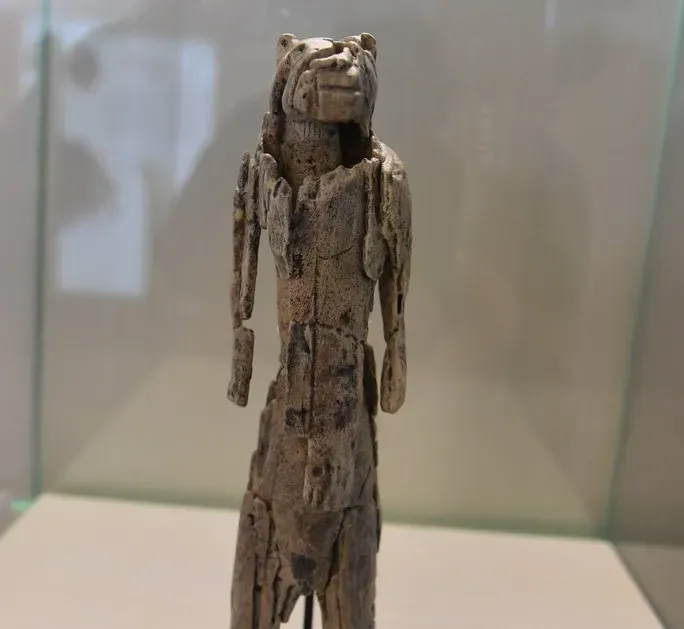
Travel back roughly forty thousand years in your mind and picture someone deep in a cave, slowly carving a figure from mammoth ivory. What emerges in your hands is the so‑called Lion Man: a human‑bodied figure with a lion’s head, one of the oldest known three‑dimensional representations that clearly blends human and animal traits. The level of detail and the decision to combine species tell you that symbolic thinking and complex imagination were already highly developed in Ice Age Europe.
For you, this little statue challenges any lingering idea that early Homo sapiens were just slightly clever animals painting what they saw. Instead, they were inventing hybrid beings, perhaps linked to myths or rituals, and investing serious time and effort in objects that had no obvious survival function. When you hold that image in your mind, modern art and religion start to look less like sudden revolutions and more like chapters in a much older story about humans turning inner visions into outer forms, even in environments that were harsh, unstable, and unforgiving.
9. The Babylonian Plimpton 322 Tablet: When You Learn Advanced Math Is Much Older Than Your Textbook Says
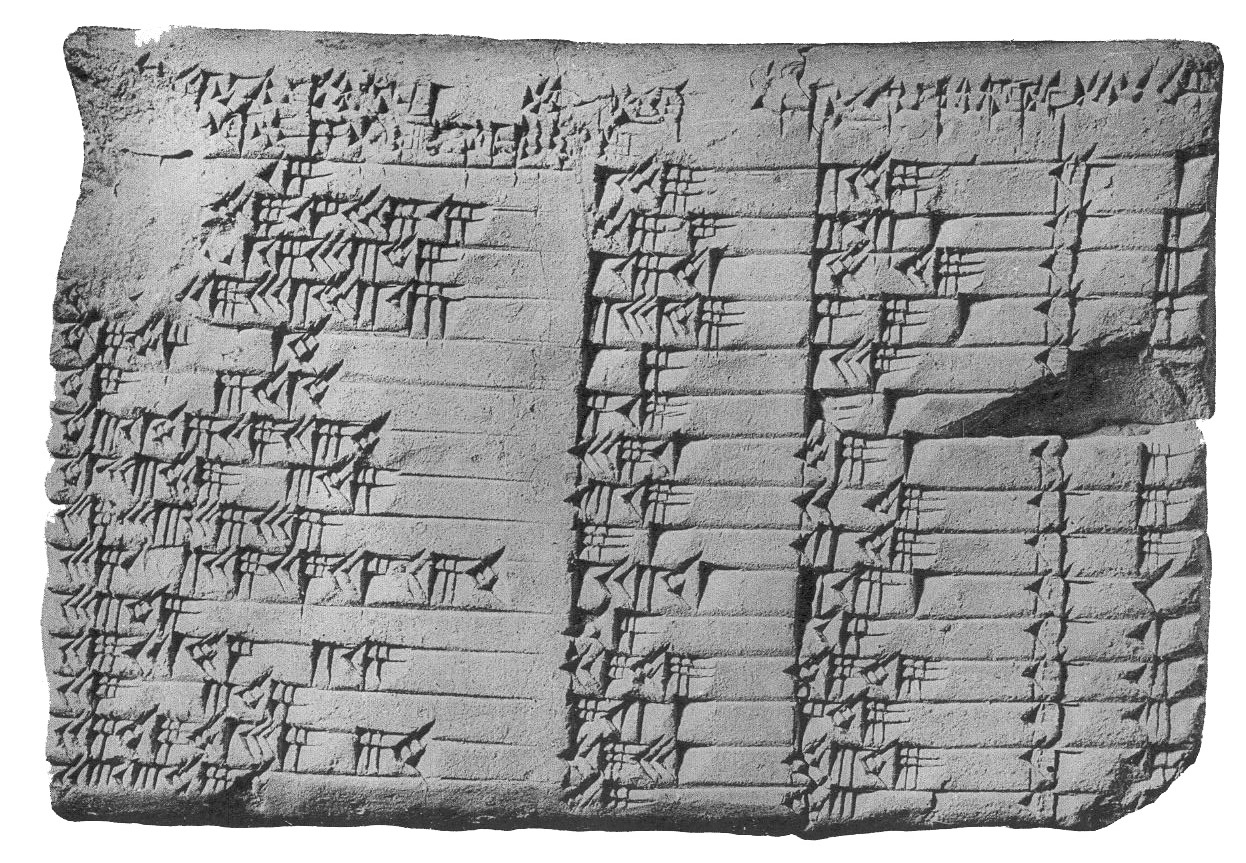
Imagine someone in ancient Mesopotamia sitting at a clay tablet and carefully pressing cuneiform wedges into it – not to record myths or taxes, but to tabulate numbers. The tablet known as Plimpton 322, usually dated to the Old Babylonian period around the second millennium BCE, lists sets of numbers arranged in columns that many scholars interpret as related to what you call Pythagorean triples, long before Pythagoras lived. The numbers appear to describe the sides of right triangles in a systematic, ordered way.
When you compare this with later Greek mathematics, you start to realize that the tradition of advanced numerical work on geometry and ratios stretches back much further than school stories suggest. The tablet hints that Babylonian scribes had developed powerful methods for dealing with right triangles and perhaps used them for surveying, architecture, or astronomical calculations. Whether or not you buy every detail of modern reconstructions, you can no longer comfort yourself with the idea that rigorous mathematical thinking only bloomed in classical Greece; it is clearly part of a deeper, multi‑regional ancient conversation.
10. The Nazca Lines: Desert Drawings That Force You to Think in Aerial Scale
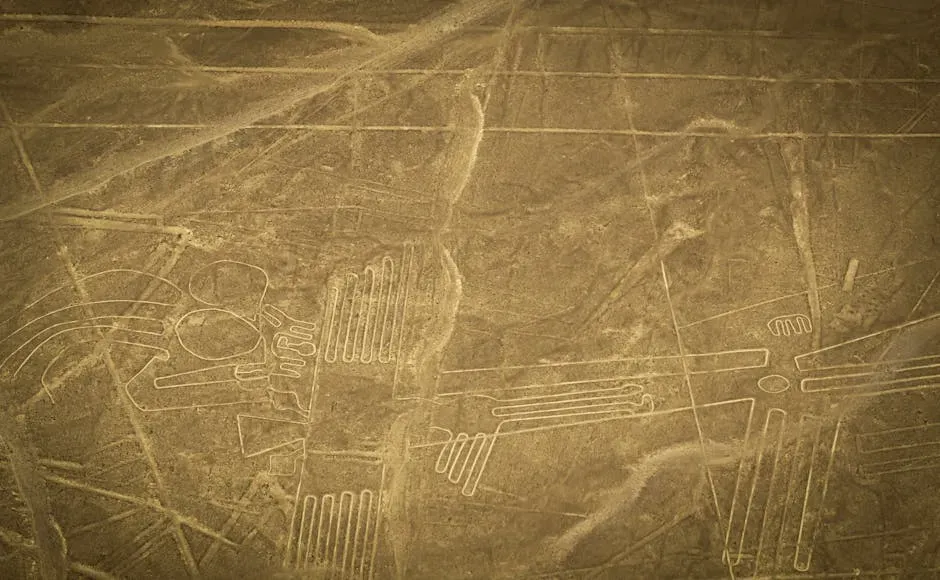
If you are walking on the ground in southern Peru, some of the Nazca Lines just look like ordinary paths scratched into the desert surface. It is only when you gain altitude – on a hillside, a viewing tower, or in a plane – that you suddenly see what is going on: enormous geoglyphs in the shapes of animals, plants, geometric forms, and straight lines stretching for kilometers, created between roughly the first millennium BCE and the first millennium CE. The figures are so large that they are best appreciated from above, which immediately raises questions in your mind about planning, surveying, and intended audience.
Modern research suggests these lines were probably connected to ritual activities, water sources, and processions rather than to aliens or other sensational claims. But even with sober explanations, you are confronted with a culture capable of organizing large‑scale landscape art, aligning paths, and maintaining them over centuries in a harsh environment. The Nazca Lines push you to think about architecture not just as buildings but as markings on the land itself, and they remind you that your ways of seeing – ground level, individual, short‑term – are only one option among many in human history.
11. The Lascaux Cave Paintings: A Gallery That Rewrites “Primitive Art”
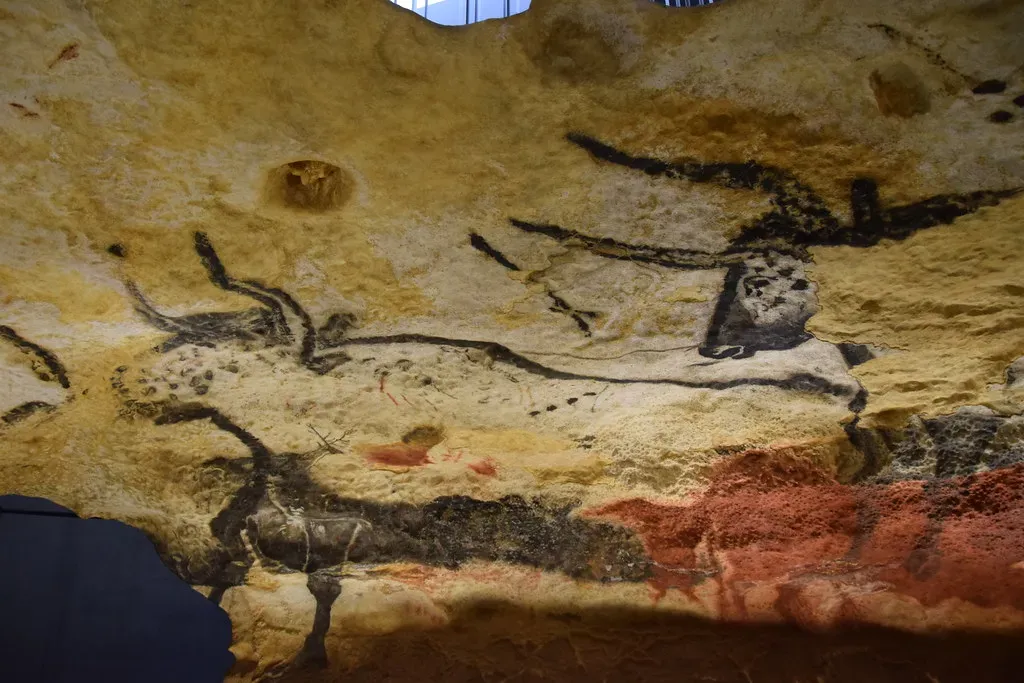
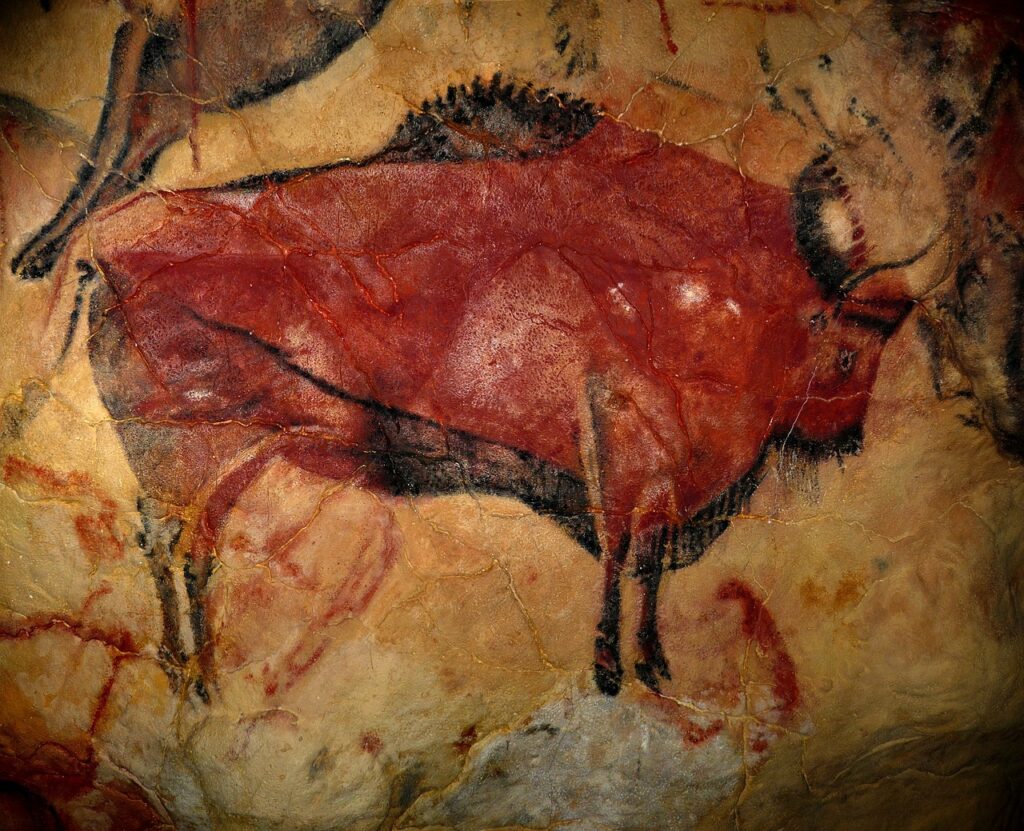
Step with your imagination into the dark of Lascaux Cave in southwestern France, and you find yourself facing walls alive with painted animals: bulls, horses, deer, and more, rendered with a sense of movement and composition that can make modern artists pause. These paintings, roughly seventeen thousand years old, are layered and carefully placed, using the contours of the rock to give bodies a kind of three‑dimensional presence. You quickly realize that whoever made them was not doodling; they were choreographing images in a complex, meaningful space.
For a long time, textbooks tended to treat such Paleolithic art as simplistic hunting magic or decoration by unsophisticated minds. Lascaux and similar caves make that reading almost impossible to hold onto. You are dealing with people who had a grasp of shading, perspective tricks, and spatial organization in the deep past, long before settled villages or written language. That forces you to accept that artistic intelligence – the urge to represent, to stylize, to turn animals into symbols – is not an add‑on to civilization but one of its oldest driving forces.
12. The Bronze Age Uluburun Shipwreck Cargo: A Sunken Snapshot of a Globalized Past
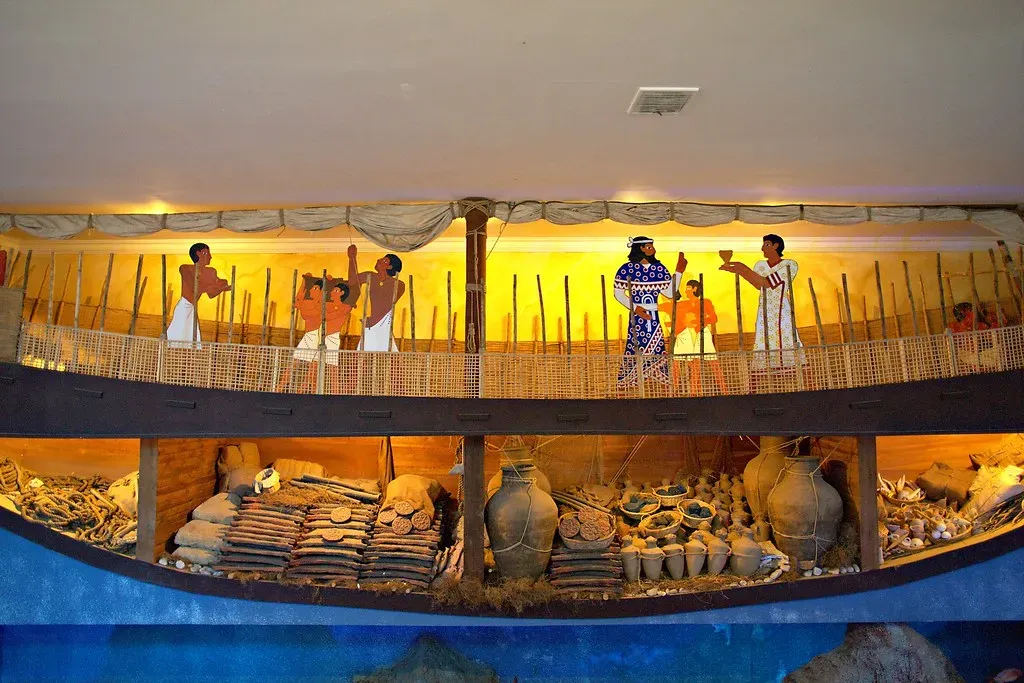
When you picture ancient trade, you might think of dusty caravans and a few slow merchant ships hugging the coast. The Uluburun shipwreck off the coast of modern Turkey, dated to the late second millennium BCE, hands you a more complex, almost shockingly global scene. Its cargo included copper ingots, tin, luxury goods like glass and ivory, and artifacts traceable to regions as far apart as the Near East, Cyprus, Egypt, and perhaps even farther afield. It feels like someone crystallized a whole Bronze Age trade network into one doomed voyage.
As you follow the analysis of this wreck, you see that raw materials and finished items were moving across the Mediterranean in an integrated system centuries before classical Athens or Rome came on the scene. The cargo tells you about diplomatic gift‑exchange, commercial profit, and how vulnerable such systems were to disruption – something you can easily relate to if you have ever watched modern supply chains seize up. The Uluburun ship pushes you to expand your sense of what “international” meant in antiquity and to recognize that far‑flung economic interdependence is not a recent invention at all.
Conclusion: Letting Artifacts Argue With Your Assumptions
By now, you have seen how a single stone slab can give you back a lost language, how a corroded lump of gears can rewrite the history of technology, and how a hillside temple or a sunken ship can rearrange your ideas about when complex societies began. Each of these artifacts forced scholars to revise cherished narratives, and if you let them, they will push you to loosen your own grip on simple stories about the past. They show you that history is not a closed book; it is a working draft that gets edited every time someone brushes away a little more dirt from something unexpected.
The deeper message for you is straightforward and a bit thrilling: the world you live in rests on countless forgotten experiments, beliefs, and skills, many of which survive only in a handful of fragile objects. When you wander through a museum or read about a new discovery, you are not just looking at relics, you are looking at arguments – quiet challenges to what you think you know about human potential. The next time you see an odd, out‑of‑place artifact behind glass, you might want to pause and ask yourself: if this turned one story upside down, what hidden story might still be waiting under the ground that could overturn the next one?