

You know that weird moment when you just know something feels off, but you can’t explain why? Maybe you turned down a job that sounded perfect on paper or stepped away from a deal everyone else thought was a sure thing, and later it turned out your “irrational” hesitation was spot on. Those are the moments that make people wonder if gut feelings are more than vague emotions or superstition. Increasingly, research suggests that the body keeps a running history of what has happened to us and quietly uses that archive to flag danger or opportunity before our conscious mind has caught up.
This idea is both unsettling and oddly comforting. On one hand, it means we are not fully in charge in the tidy, rational way we like to imagine. On the other, it means we are not as clueless as we feel when we say we are going with our gut. In this article, we’ll explore how somatic memory, nervous system wiring, and prediction mechanisms in the brain and body may work together to produce those fast, fuzzy signals we call intuition – and why sometimes they are brilliant, and other times they are badly biased echoes of our past.
What Do We Really Mean By “Gut Feelings”?

When people talk about gut feelings, they usually describe a physical sensation first, not a thought. A tightening in the stomach, a suddenly heavy chest, a buzzing under the skin, or even a kind of quiet ease and openness when something “just feels right.” These signals often show up before we can put words to them, and they tend to come with a sense of urgency or certainty that is hard to argue with logically, even when the facts do not obviously support it yet.
From a scientific point of view, gut feelings are not magic at all; they are fast, embodied responses generated by a massively interconnected network that runs through your brain, spinal cord, gut, heart, and other organs. Your so‑called “second brain” in the gut, the web of nerves around the heart, and the autonomic nervous system are constantly scanning the environment and your internal state. They feed back information that your brain turns into sensations, moods, and hunches. Calling it a gut feeling is really shorthand for a whole-body early warning and prediction system.
Somatic Memory: How the Body Keeps Score
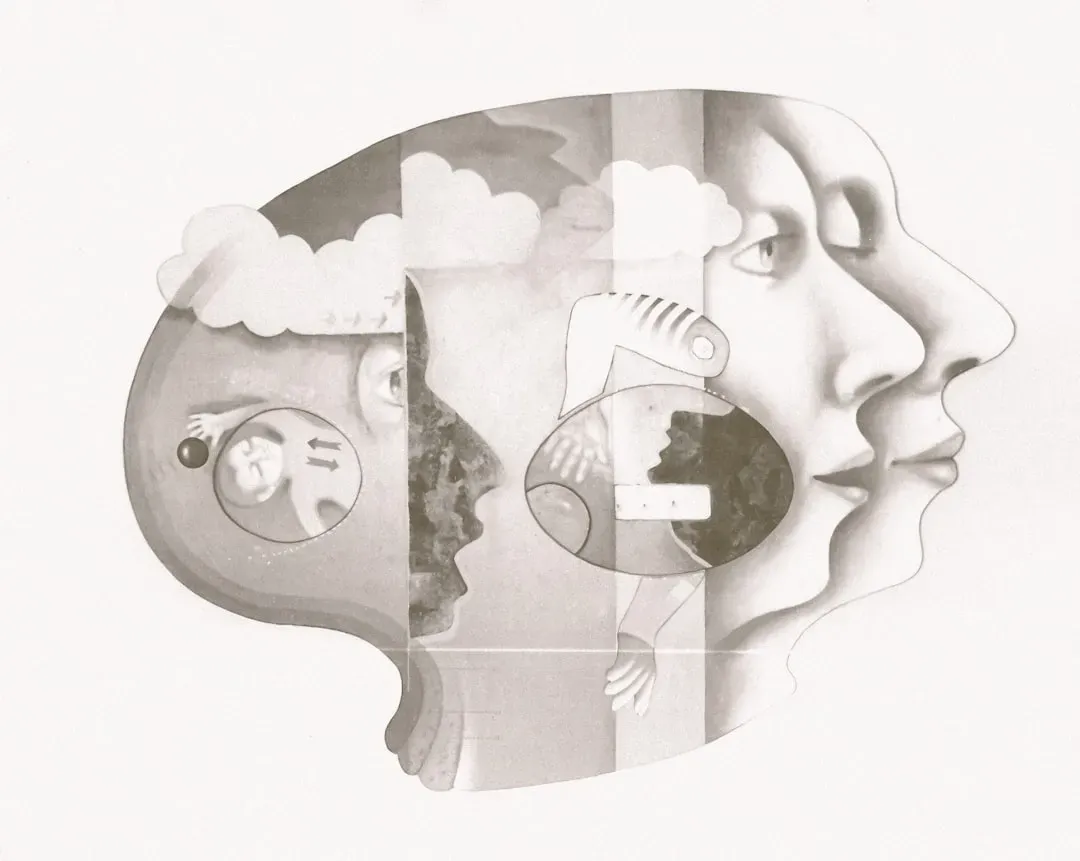
Somatic memory is the idea that experiences leave their mark not just in the stories we recall, but in how our body reacts. A person who was in a car accident might tense up at the sound of screeching brakes long after they have “moved on” mentally. Someone raised in a chaotic household might feel restless and uneasy when things are actually calm, because their body has learned that calm often precedes conflict. These are not random quirks; they are the residue of past experiences embedded in muscle tone, posture, breathing patterns, and automatic nervous system responses.
This kind of memory is often implicit, meaning we cannot easily explain it, but it shapes how we move, what we notice, and how fast we react. It is like having a set of hidden filters that color every new moment without needing your conscious approval. Over time, the body becomes a sort of living database of what has felt safe, dangerous, successful, or humiliating. When a new situation resembles an old pattern, your body may “remember” before your thinking mind has even finished taking in the details, sending you that strong yes or no signal that shows up as a gut feeling.
The Science of Prediction: Your Nervous System as a Forecasting Machine
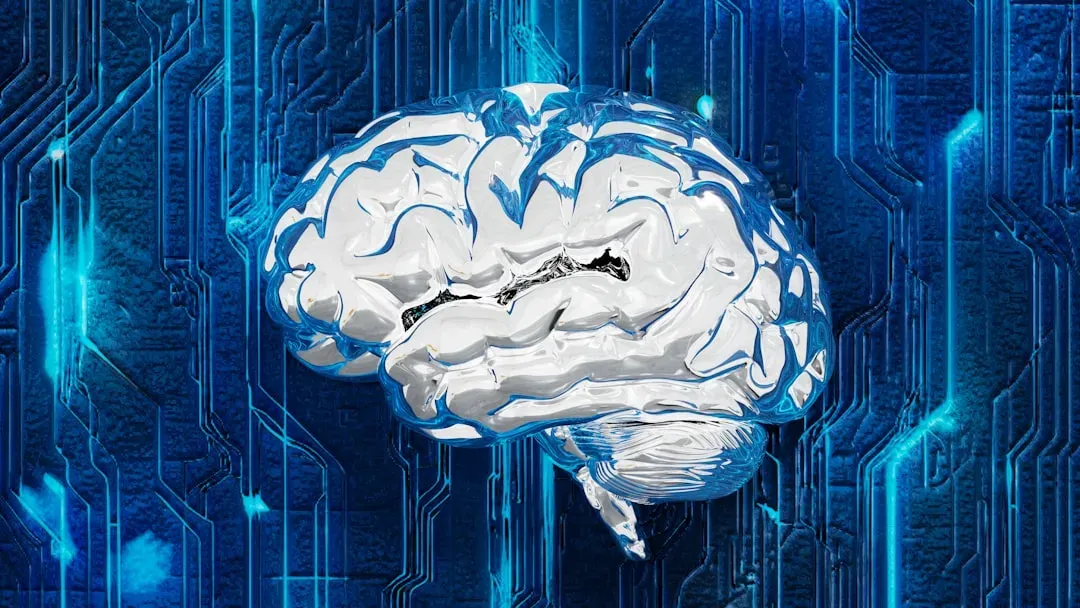
Modern neuroscience increasingly describes the brain not as a passive receiver of information, but as a prediction machine. Instead of just waiting for data, it constantly guesses what will happen next based on prior experience, then updates those guesses when reality disagrees. Crucially, this predictive loop does not stop at the skull. Your entire nervous system, including the nerves in your gut and the signals from your heart and lungs, is part of this ongoing comparison between what is expected and what is actually happening.
Because prediction is faster than careful analysis, this system can flag problems or opportunities before we have consciously worked through them. That is where gut feelings come in: they may be the subjective experience of the body’s prediction engine nudging or jolting us when something seems likely to go very well or very badly. It is a bit like having a background process on your computer that is always checking for threats or glitches and popping up warnings before you have even noticed anything odd. Except in this case, the warning arrives as a clench in your stomach or a sudden sense of ease.
Why the Body Can React Faster Than the Rational Mind

One of the most striking things about gut feelings is their speed. You can walk into a room and within a fraction of a second feel relaxed, on edge, or oddly wary long before you have consciously assessed who is there, what they are doing, or what it all means. This speed comes from how our sensory systems and survival circuits are wired: some pathways send information directly to areas that control arousal and reflexive responses, without waiting for a full, detailed analysis in higher thinking regions.
In evolutionary terms, this makes perfect sense. If your ancestors had to sit down and calmly calculate whether that rustle in the bushes was statistically likely to be a predator, they would not have lasted very long. It was safer to have quick-and-dirty body responses that erred on the side of caution. Those same pathways still exist today, and they can energize muscles, change your breathing, and alter your heart rate before you are fully aware of why. That early bodily shift is often what you end up calling a gut feeling, even though the underlying process is more “reflex plus learning” than mystical insight.
When Gut Feelings Are Surprisingly Accurate

In some situations, gut feelings are impressively good at steering us right, especially when we have a lot of experience in a specific area. A seasoned firefighter might feel something is wrong in a building moments before a collapse, or an experienced nurse might sense a patient is in danger before measurements look alarming. Their guts are not seeing the future; they are drawing on countless subtle cues they have picked up before, combined with somatic memories of similar high-stakes situations. The body recognizes patterns faster than conscious thought can articulate them.
Even in everyday life, our bodies can pick up on micro details that our conscious mind glosses over: a slight change in someone’s tone of voice, the way their eyes momentarily tighten, the way your own chest feels around them. Over time, these tiny patterns add up. When the current moment resembles past experiences that led to a particular outcome, your nervous system may nudge you toward or away from it. In that sense, gut feelings are like fast, rough predictions generated from deep familiarity, similar to how a musician can feel that a note is off before they can explain exactly why.
When Gut Feelings Mislead Us and Echo Old Wounds

For all their potential, gut feelings are not infallible; they are biased by whatever your body has lived through. If your early environment taught your nervous system that closeness is dangerous or that success leads to rejection, your gut may scream no at healthy intimacy or new career opportunities. It is not predicting the future accurately; it is replaying the past. In trauma, this gets even more intense: the body can react to safe, present situations as if old danger is happening again, flooding you with fear or shutdown that feels absolutely real in the moment.
That is why treating gut feelings as sacred truth can be risky. Sometimes they are wise shortcuts; other times they are simply your history talking. The challenge is to distinguish between a grounded, present-moment signal and an echo from unresolved experiences. In my own life, I have noticed my gut shouting at me in situations that later turned out to be perfectly fine, and when I traced it back, it often linked to an earlier time I felt trapped or shamed. In those moments, the body was not predicting an outcome; it was trying, clumsily, to protect me from ever feeling that way again.
Training Your Intuition: Integrating Body Signals With Clear Thinking

If gut feelings are partly stored somatic memories and partly fast predictions, they are not something we either trust blindly or ignore completely. Instead, we can train a kind of partnership between body and mind. That starts with simple awareness: noticing where and how signals show up in your body, and in what kinds of situations they tend to be accurate or skewed. Practices like slow breathing, basic mindfulness, and gentle movement can help increase your ability to feel those signals without being overrun by them.
On top of that, you can add deliberate reflection. When you get a strong gut feeling, you might pause and ask: is this about right now, or does it remind me of something older? Is my body reacting to subtle current cues, or is it rehearsing a familiar script? Over time, you build a personal “track record” of your intuition in different domains. In areas where you have experience and a calm nervous system, your gut may be a useful early predictor. In areas entangled with old pain, you might treat gut reactions as important emotional data, but not as a final verdict.
So, Are Gut Feelings a Form of Somatic Prediction? A Grounded Yes – with Big Asterisks

Putting it all together, it is reasonable to say that many gut feelings are the body’s way of predicting outcomes based on stored somatic memory and pattern recognition, operating before the slower, more deliberate parts of the brain have finished calculating. But this does not mean your gut is a mysterious oracle that always knows best. It means your nervous system is constantly betting on what will happen next using whatever data it has – some of it rich and accurate, some of it distorted by old fear, habit, and circumstance.
My own opinion is that dismissing gut feelings as irrational is just as misguided as worshipping them. They are neither mystical nor meaningless; they are fast, embodied hypotheses about the world. The real skill in modern life is learning when to lean into them and when to lovingly question them, especially when they sound suspiciously like your worst memories rather than your wisest self. Maybe the more interesting question is not whether your gut is right, but which part of your story it is speaking from when it tenses, softens, or quietly nudges you. What do you think your body has been trying to tell you all along?