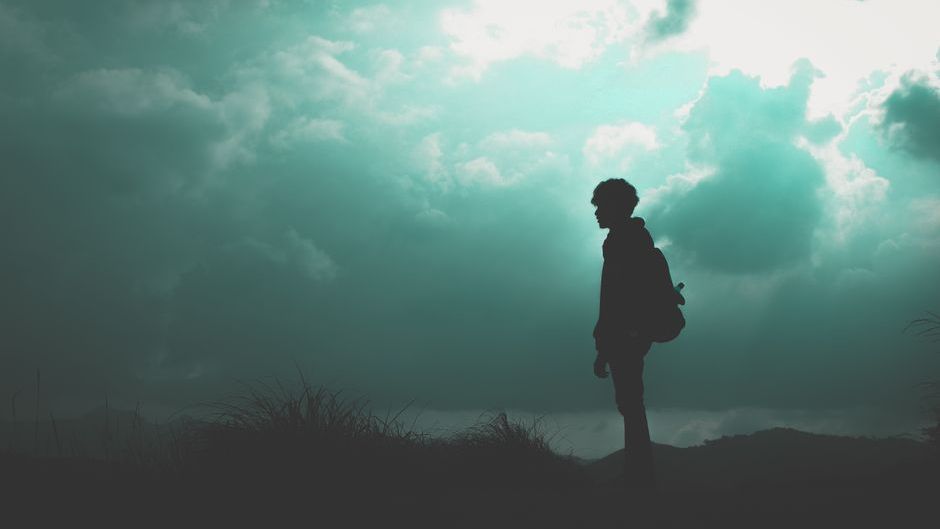

Have you ever felt oddly calm when the sky turns dark, the wind picks up, and everyone else starts complaining about the forecast? Maybe you catch yourself thinking more clearly during a thunderstorm than at a beach picnic. If that sounds like you, it is not just a quirky preference. A growing body of psychological research suggests that people who gravitate toward cloudy, rainy, or stormy days often process the world in a deeper, more reflective way, while bright, sunny conditions can actually pull attention outward and scatter it.
That does not mean storm lovers are automatically wiser or sunnier-day fans are shallow. It is more subtle than that. Weather acts like a backdrop for your brain, nudging your mood, your focus, and even how you relate to other people. I still remember studying in a tiny café on a rainy afternoon and realizing I felt more like myself than I had in weeks. That small moment sent me down the rabbit hole of why gloom sometimes feels like home. Let’s dig into what might be going on in your brain if you feel most alive when the clouds roll in.
The Surprising Science of Weather, Mood, and Attention

Psychologists have been studying the link between weather and mood for decades, and the findings are more nuanced than the simple idea that sunshine makes everyone happy. For some people, bright, hot, or intensely sunny days can lead to restlessness, irritability, or a sense of being overstimulated. In contrast, overcast or rainy conditions can reduce sensory overload and emotional intensity, creating a quieter internal environment where deep thinking feels more natural. Your nervous system is constantly taking in cues from the environment, and weather is one of the biggest, most unavoidable cues you encounter.
Researchers have also found that on cloudy or rainy days, people may show improved performance on tasks that require careful attention to detail, reduced social distraction, or more deliberate decision-making. When there is less visual and social stimulation competing for your attention, your mind can afford to wander inward instead of outward. In that sense, stormy weather does not just influence whether you feel gloomy or cozy; it can change how your brain allocates its limited cognitive resources. If you feel more grounded during storms, your brain may simply be responding to a calmer, less distracting sensory landscape.
Depth Over Distraction: Why Some Brains Prefer Gloom

If you are drawn to stormy weather, there is a good chance your brain is biased toward depth rather than novelty. Some people are naturally more introspective, reflective, and inclined to analyze their experiences rather than just skim the surface. For these deep-processing types, sunny days packed with social plans, bright light, and outdoor noise can feel like having ten browser tabs open at once. Stormy days, by contrast, close a few of those tabs and invite a slower, quieter way of thinking. You are not avoiding life; you are just engaging with it in a more focused way.
Psychologists sometimes use terms like high sensory sensitivity or high openness to feelings and ideas to describe people who soak in subtle details and emotional tones. Those traits can make bright, busy environments feel overwhelming. Cloudy skies and rain muffle that input, a bit like putting noise-canceling headphones on your mind. That quieter atmosphere gives space for long, winding thoughts, existential questions, deep conversations, or solitary creative work. If a storm makes you want to journal, write music, or just stare out the window and think, that is your brain leaning into depth instead of letting itself be pulled in a hundred directions.
Melancholic Vibes and the Beauty of Complex Emotions
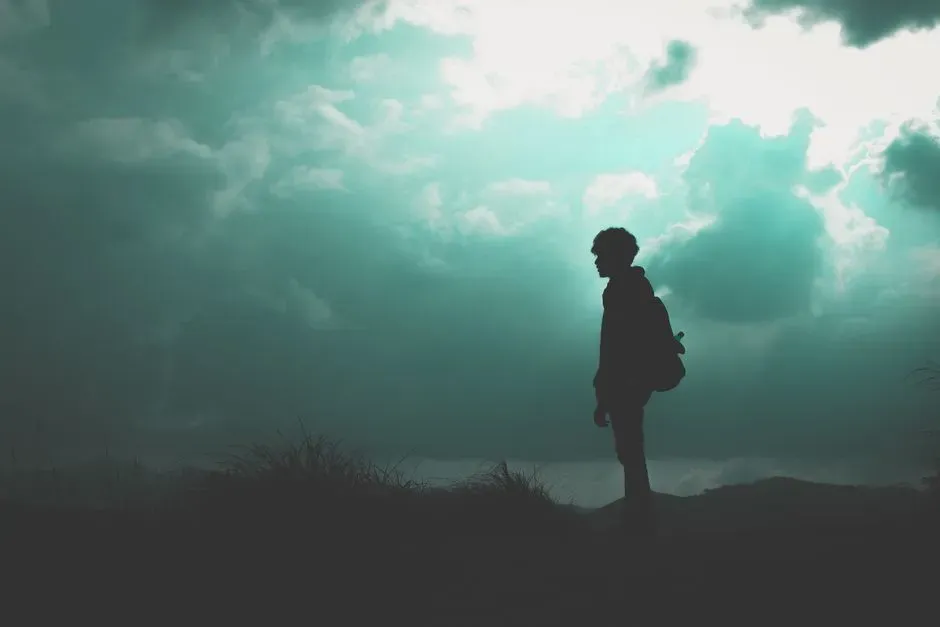
Preferring stormy weather is often tied to comfort with melancholy, and that is not a flaw. Many people who like dark skies and heavy rain feel an emotional richness in moods that are bittersweet, nostalgic, or quietly sad. Rather than chasing constant positivity, they recognize that life includes loss, uncertainty, and longing. Stormy weather mirrors that emotional complexity. The way the light dims, the sound of rain against glass, or the low rumble of thunder can feel like the outside world finally matching your inner landscape.
There is also something strangely freeing about not having to perform happiness. On bright, sunny days, there can be subtle social pressure to be cheerful, social, and upbeat. When the weather turns grim, that pressure eases. You are allowed to slow down, feel a little wistful, and be honest about the full range of your emotions. Instead of seeing sadness as something to fix, storm-lovers often treat it as a color on the emotional palette. That comfort with complexity is a hallmark of people who think deeply and feel deeply, even if they do not talk about it out loud.
Introverts, Highly Sensitive People, and the Call of the Storm
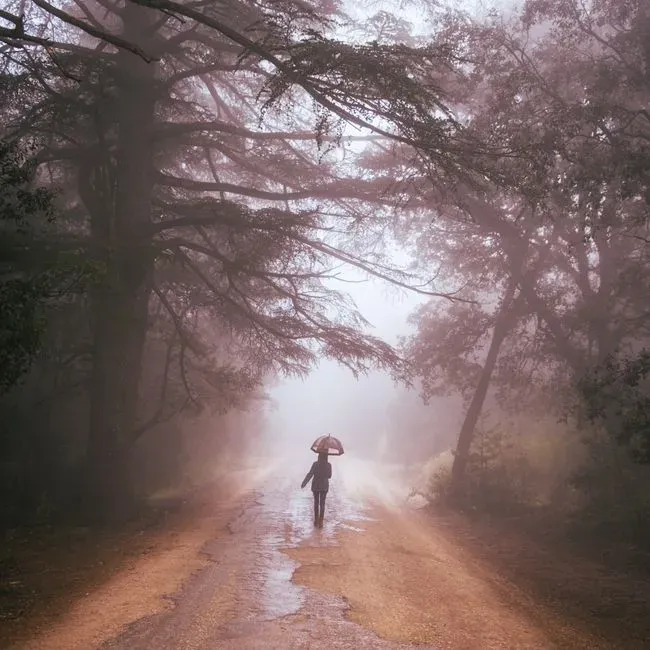
It is not a coincidence that many introverts and highly sensitive people feel more at ease on gray or rainy days. Introverts recharge by turning inward, and highly sensitive people process more information from the environment and from within themselves. On a bright, bustling day, that inner processing can be drowned out by noise, crowds, and expectations to be out doing something. When the weather is stormy, social plans naturally slow down and the world gives you silent permission to retreat. Suddenly, staying in with a book or your thoughts is not antisocial; it is appropriate.
For highly sensitive people, storms can feel soothing for another reason: they provide a predictable, rhythmic kind of stimulation. The steady drum of rain, the consistent gray light, and the contained drama of thunder offer sensory input that is rich but not chaotic. It can feel like the emotional volume knob on life has been turned down just enough to think clearly. If you are the kind of person who feels exhausted after a bright, crowded day but energized by a quiet, rainy afternoon, that is a sign your wiring leans toward reflection and depth-friendly environments.
Creativity, Stormy Skies, and the “Cozy Focus” Effect

Many creative people swear they do their best work on rainy days, and there is a psychological logic to that. Stormy weather tends to push activities indoors, limit distractions, and create a kind of natural boundary around your time. You are less likely to be pulled into spontaneous social events or outdoor errands. That containment can foster what feels like a creative cocoon, where your energy is directed inward toward imagination instead of outward toward stimulation. Stormy light can also be visually softer and more cinematic, quietly feeding the imagination without screaming for attention.
There is also something about a storm that invites storytelling. Dark skies and shifting clouds make ordinary scenes feel dramatic, even if you are just sitting on your couch. That subtle drama can nudge the brain into narrative mode, making it easier to write, compose, paint, or brainstorm new ideas. Many people describe a state of cozy focus in this kind of weather: candles lit, rain outside, a hot drink nearby, laptop or notebook open. In that state, you are not distracted by the fear of missing out on something better happening elsewhere. The storm becomes your silent collaborator, enabling deep, sustained creative flow.
Why Sunshine Can Feel Distracting, Not Uplifting

We often hear that sunshine increases happiness, and for many people, that is true in a general sense. Sunlight is linked to vitamin D, circadian rhythms, and overall mood regulation. But that does not mean more sun is always better for everyone. For some, very bright days mean eye strain, sensory overload, and a pull toward constant activity. Think of summer weekends full of invitations, outdoor noise, traffic, and social media posts about beach trips and barbecues. If your natural tendency is to think deeply and recharge alone, that constant outward pull can feel draining rather than uplifting.
There is also an invisible layer of expectation that rides on sunny days: the idea that you should be outside, should be productive, should be happy. If you are already someone who thinks a lot and feels a lot, that extra layer can create friction. You might catch yourself feeling guilty for wanting to stay in and read, or for feeling introspective when the sky is clear and blue. In that sense, stormy days can feel like a relief because they suspend the shoulds. You no longer feel torn between honoring your inner world and matching the bright, extroverted energy outside your window.
The Social Life of Storm Lovers: Deeper Bonds, Fewer Distractions

People who love stormy weather are not necessarily antisocial; they often just prefer a different style of connection. While sunny days tend to encourage big groups, outdoor events, and lively small talk, stormy days nudge us toward fewer, quieter, more intimate interactions. Think long conversations over coffee, deep late-night talks, or simply sharing a blanket and a movie while the rain hits the roof. For storm-preferring brains, that slower, calmer setting makes it easier to be authentic rather than performative.
When the external stimulation drops, emotional listening usually gets better. You may notice subtle cues in someone’s tone or body language that you would miss in a noisy environment. You may also feel safer opening up when the world outside feels closed in and contained. This can lead to fewer relationships overall, but ones that are more meaningful and enduring. If you have ever felt that your best friendships were forged in moody weather, candlelit rooms, or shared quiet rather than parties in the sun, you are seeing the social side of a depth-wired brain at work.
Leaning Into Your Weather Wiring Without Pathologizing It

It is important to say this clearly: liking stormy, gloomy, or rainy days does not mean you are broken, depressed, or antisocial by default. There is a real difference between a mood disorder and a personality or processing style that simply prefers quieter, lower-stimulation environments. Of course, if you find that your mood is consistently low, your energy is drained, or you lose interest in things you used to enjoy, it is wise to talk to a mental health professional. But having your soul light up when the forecast looks bad is not, by itself, a clinical problem.
Instead of fighting your wiring, you can work with it. If storms help you concentrate, plan your deep work sessions or creative projects on those days when possible. If bright, crowded environments tire you out, give yourself permission to take breaks, use sunglasses, noise-canceling headphones, or schedule alone time afterward. Recognize that your love of storms is not about being dark or negative; it is about seeking the mental conditions that let your depth shine. Once you see it that way, your preferences become less like a flaw to fix and more like a toolkit you can intentionally use.
Conclusion: Storm Brains in a Sunshine Culture
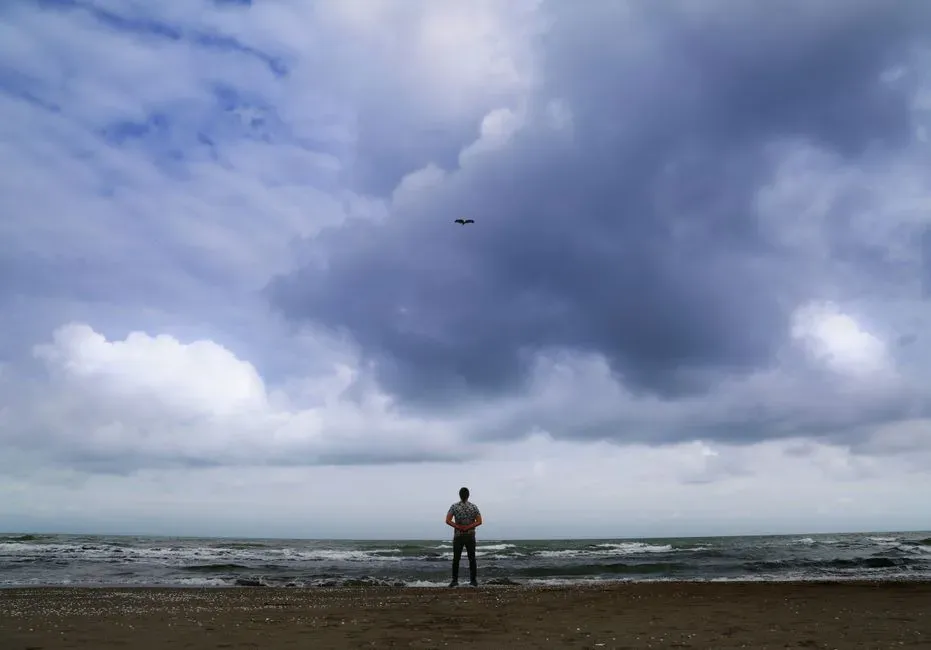
We live in a culture that often idolizes endless sunshine, both literally and metaphorically. The ideal is to be bright, outgoing, always “on,” and constantly chasing new experiences. But if storms make you feel more like yourself, it is a quiet act of rebellion to honor that. Your attraction to gloomy skies may be your brain’s way of saying it values depth over distraction, complexity over constant cheerfulness, and authenticity over performance. In a world that pushes you toward the shallow end of the pool, craving stormy weather is one way your mind insists on swimming deeper.
Personally, I think storm lovers are onto something important. They remind everyone else that a meaningful life is not always lit by perfect sunlight and pastel sunsets; sometimes it is lit by lightning flashes and the soft gray of a rainy afternoon. If you feel most awake when the clouds gather, you are not weird, wrong, or behind the curve – you are tuned to a different, more introspective frequency that the world actually needs. So the next time the forecast threatens to “ruin” everyone’s plans, you might quietly celebrate and ask yourself: what part of me is finally being given room to breathe?