
If you could stand at the very bottom of the ocean, every square inch of your body would feel the weight of an entire small car pressing down on it. At those depths, metal bends like cardboard, electronics fail, and almost everything humans build becomes temporary. And yet, somehow, life not only shows up there – it builds whole ecosystems in the dark, under a crushing weight we can barely imagine. That alone should reset how we think about what is “too extreme” for life.
What makes this even wilder is that we still have never parked a simple, unprotected human-made object down there and just… left it to quietly watch forever. Our cameras, sensors, and probes either need armor, fail over time, or get pulled back up. We get glimpses instead of a constant live feed. So the deepest places in the ocean sit there, day after day, largely unobserved by us, while bizarre, resilient organisms go about their lives like it’s no big deal. Let’s dive into how that’s even possible.
The Crushing Reality: How Extreme Is Deep-Ocean Pressure, Really?
At the deepest known point of the ocean, in the Mariana Trench, the pressure is roughly more than a thousand times what you experience at the surface. Imagine stacking almost eleven hundred atmospheres of weight on every part of an object – that is the kind of stress deep-sea engineering has to cope with. A flimsy aluminum can that you casually crush with your hand at sea level would be flattened instantly at those depths, like it was made of tissue paper instead of metal.
This is why “unprotected” human objects, meaning anything not heavily engineered to resist that pressure, simply do not last in their original form. Most common materials will crack, deform, implode, or slowly leak and fail. Even carefully designed vehicles and instruments are often tested to failure because the environment is that unforgiving. The bottom line is simple but sobering: the deep ocean does not negotiate with our technology. If the design is not perfect for that environment, the pressure wins, every single time.
Why We Still Don’t Have a Permanent Human Eye at the Deepest Point
When people imagine modern science, they picture live webcams in space, satellites beaming constant images, and rovers sending daily updates from other planets. So it feels strange that we cannot just drop a camera into the deepest trench and livestream the alien-looking wildlife from there. But the engineering reality is brutal. To sit permanently on the seafloor at extreme depth, a device would need to be astonishingly robust, resistant to corrosion, pressure, sediment, and power constraints, and still be somehow maintainable or replaceable when it inevitably ages.
Most deep-ocean missions rely on submersibles and landers that go down for hours to days, not decades. They are built with thick pressure housings, special ceramics, titanium, and pressure-resistant glass, and they still operate on borrowed time. Batteries run out, connectors fail, seals age. A “naked” camera or consumer-grade gadget would be destroyed almost instantly, and even professional gear is not designed to be truly permanent in the deepest place we know. So we work with short, intense windows of observation – highlight reels rather than a continuous documentary of life down there.
Life Under Impossible Weight: How Organisms Beat the Pressure
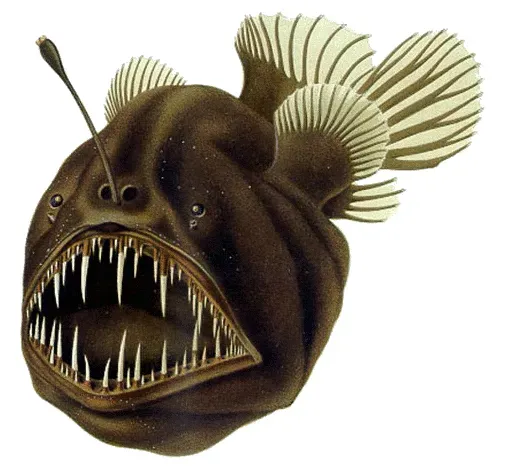
Here is the part that feels almost like science fiction: while our machines struggle and break, living things have quietly evolved to treat that crushing pressure as normal background noise. Deep-sea organisms reinforce their cell membranes with special molecules that keep them flexible instead of brittle. Their proteins are subtly reshaped so they do not collapse under pressure or lose their function. Some species accumulate compounds inside their cells that act like tiny physical shields, stabilizing everything from enzymes to DNA.
The result is that what would be instantly lethal pressure for us is just “Monday morning” for them. These creatures do not need steel hulls or pressure spheres. Their protection is baked into their biology, cell by cell. To them, our cozy surface world – with our weak pressure, bright light, and temperature swings – might feel like the truly hostile environment. It is a powerful reminder that “extreme” is always relative, and life rewrites the rules from the inside out when given enough time.
What Actually Lives Down There? A Glimpse of Deep Abyss Ecosystems
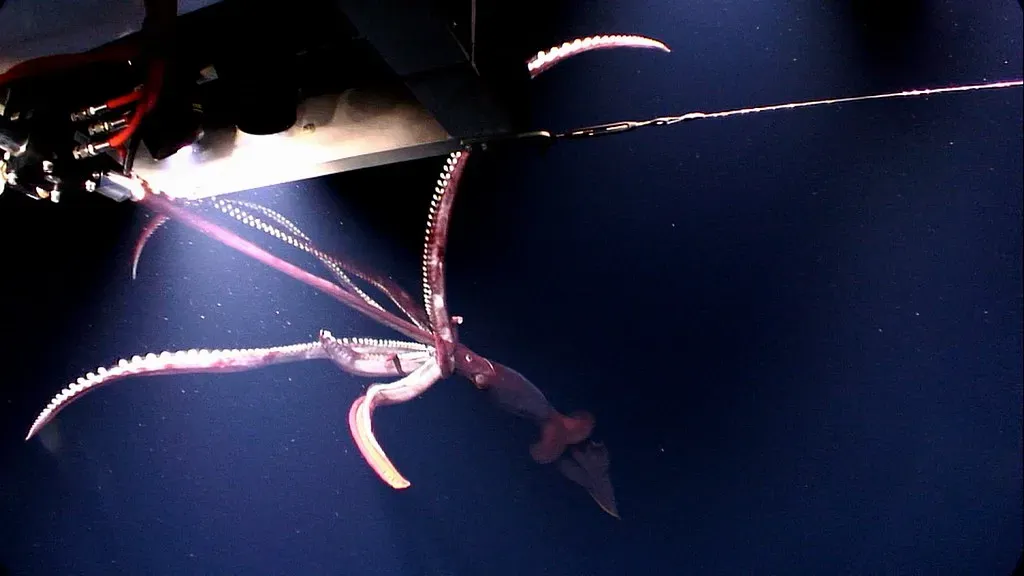
Because we do not have a permanent camera on the very deepest point, we work from snapshots collected by submersibles and landers. Those glimpses show that even the darkest trenches are not sterile pits but quiet, strange neighborhoods. Scientists have found snailfish adapted to high pressure, shrimp-like crustaceans, and swarms of tiny organisms that sift through the constant rain of organic debris dropping from the surface. The scene is less “monster movie” and more slow, ghostly ballet in the dark.
Then there are the microbes, which are arguably the real rulers of the abyss. These microscopic organisms can metabolize what little energy is available: chemical traces in the water, compounds in the sediment, or fragments of dead matter that sink over time. They form the invisible foundation of food webs that stretch from the deepest mud to higher, more familiar waters. So while we might not yet have a neat catalog of every creature at the deepest point, we know enough to say this clearly: life does not merely appear there; it organizes, persists, and builds entire systems.
How We Explore a Place That Destroys Our Tools
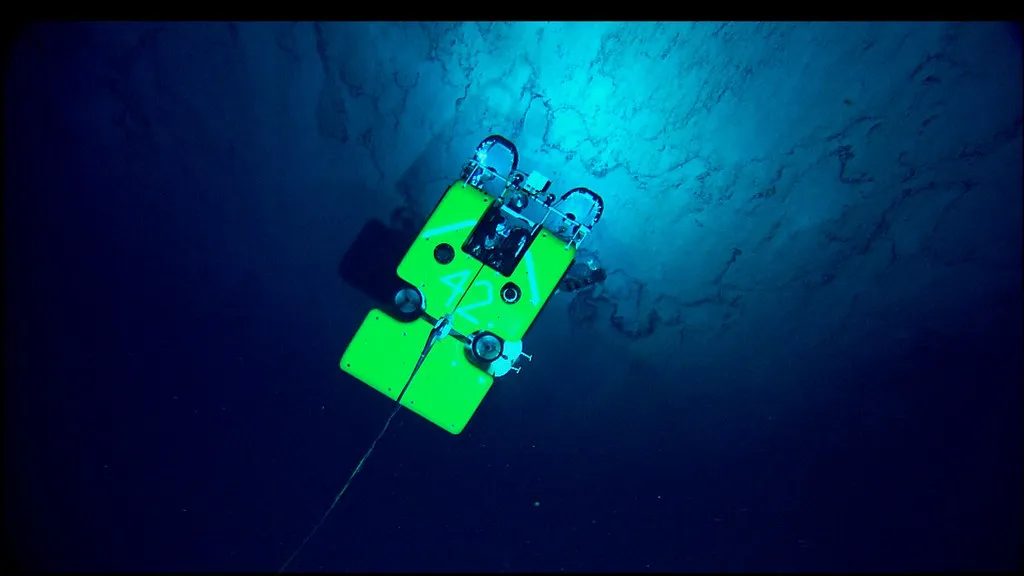
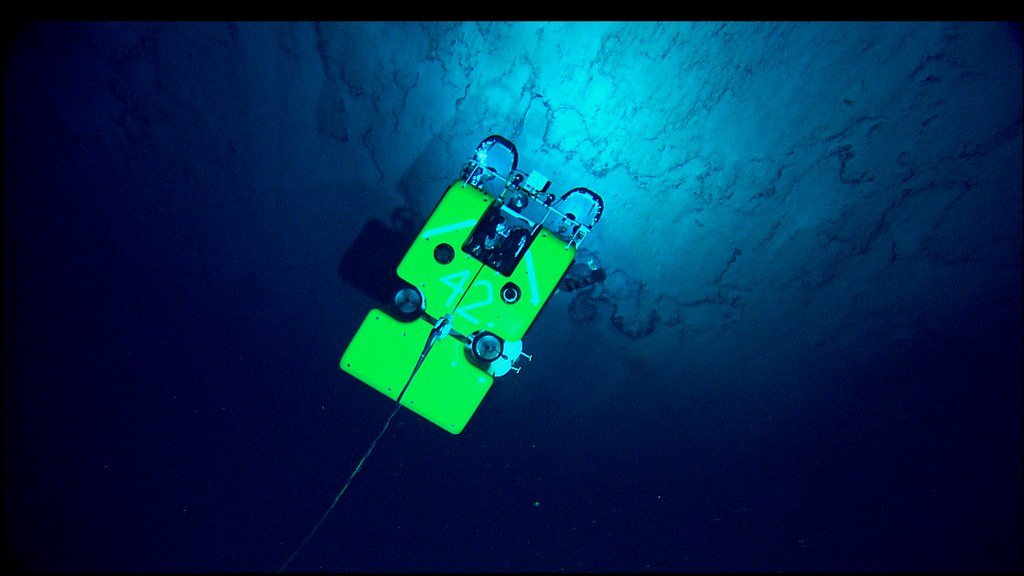
To study a world that chews up most equipment, ocean scientists have had to get creative. They use remotely operated vehicles (ROVs) with thick pressure housings and carefully tested joints, as well as free-falling landers that sink to the bottom and then release weights to float back up once their work is done. Every component is chosen with paranoia: cables, seals, and even simple connectors have to endure pressure, darkness, cold, and salt, which is a relentless corrosive enemy.
Often, sensors are enclosed in pressure-resistant spheres made of glass or advanced materials, turning delicate electronics into little deep-sea “spacecraft.” These platforms take measurements, record video, capture samples, and then return to the surface carrying whatever data they managed to survive long enough to gather. The fact that we can pull off any of this is impressive, but it is still a compromise. We are visitors, not residents, and every exploration feels more like a raid into enemy territory than a calm, long-term stay.
Why Deep-Ocean Life Matters for Space, Climate, and Our Future Imagination
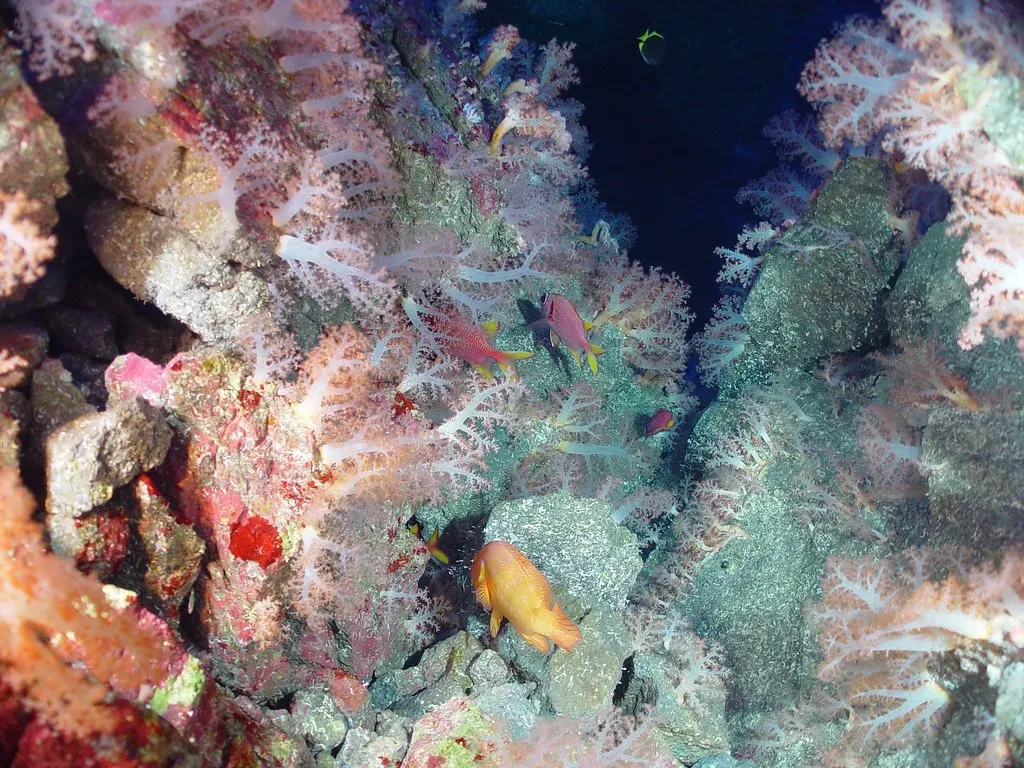
It might be tempting to think of the deepest ocean as a weird curiosity that does not affect daily life, but that misses the bigger story. These extreme ecosystems show that life can adapt to pressures and darkness similar to what might exist on icy moons or subsurface oceans on other worlds. When we talk about searching for life beyond Earth, deep-ocean trenches are not just metaphors; they are practice grounds that test our ideas about where life can start and how hard it is to kill once it finds a foothold.
On top of that, deep oceans quietly absorb heat and carbon from the atmosphere, playing a slower but critical role in moderating climate over long timescales. The organisms living in the depths are part of this planetary machinery, transforming chemicals and moving nutrients in ways we are only beginning to map. Personally, I find it almost comforting that while we argue on the surface about politics and trends, a whole other world is down there, stubbornly doing its job in total darkness. It makes human drama feel small – in a good way.
Conclusion: The Deepest Point Proves We Still Underestimate Life
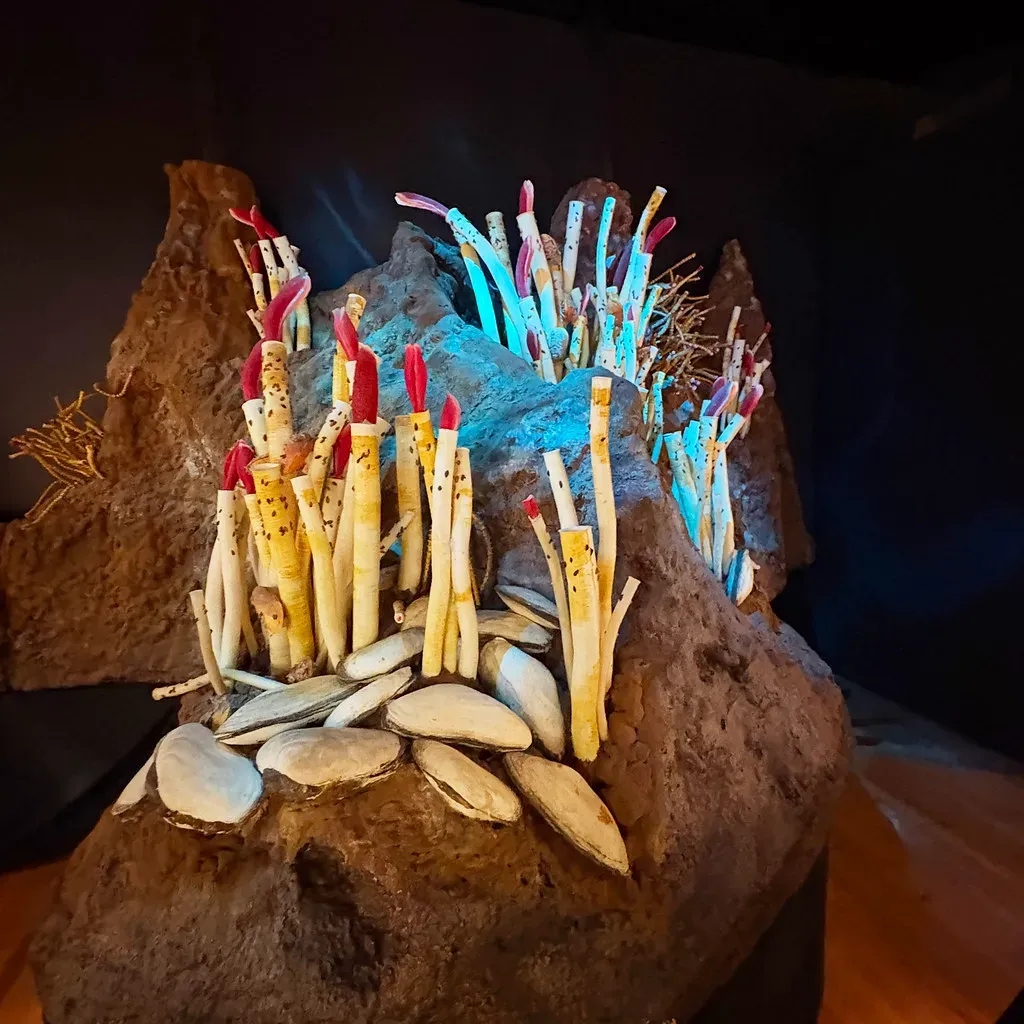
When you step back and look at the big picture, the situation is almost absurd. We live in an era of high-resolution satellite images and curated feeds from Mars, yet the deepest spot on our own planet is still too harsh for our gear to simply sit there forever and quietly watch. No unprotected human object has truly settled in for a permanent stay to document that realm in real time. And despite all that, life is there anyway, shrugging off pressures that would shred our machines and continuing as if the conditions were ordinary.
My honest opinion is that this should humble us more than most headlines ever do. The deepest ocean is a blunt reminder that the universe does not arrange itself around human comfort or human hardware, and that life in general is far tougher, stranger, and more inventive than our stories usually allow. We like to think we are the experts on survival, but the real masters are probably the small, silent creatures thriving under pressures that make our strongest metals groan. Maybe the better question is not whether life can endure extremes, but whether our imagination can keep up with it. Did you expect the hardest place for our machines to live would feel so effortless for something alive?