

Right now, as you breathe in, about every second lungful owes its existence to living things you will never see with your naked eye. You probably picture forests, big trees, and lush green leaves when you think about oxygen, but behind the scenes, countless microscopic ocean organisms are quietly doing as much of the work as all the forests on land combined. You depend on them every minute of your life, yet chances are you have never heard their names, never seen a photo of them, and never once realized how much power is packed into a single invisible cell.
Once you realize how much of your oxygen comes from the sea, the ocean stops being just a place for vacations or documentaries and turns into something much more personal. It becomes part of your own breathing, your own heartbeat, and your future. In a very real way, your life is tied to drifting, fragile, microscopic drifters that live in water you could pour into a glass. When you understand what they do, you start to see that protecting the ocean is not a distant environmental cause; it is self‑defense.
The Invisible Fact: About Half Your Oxygen Comes From the Ocean
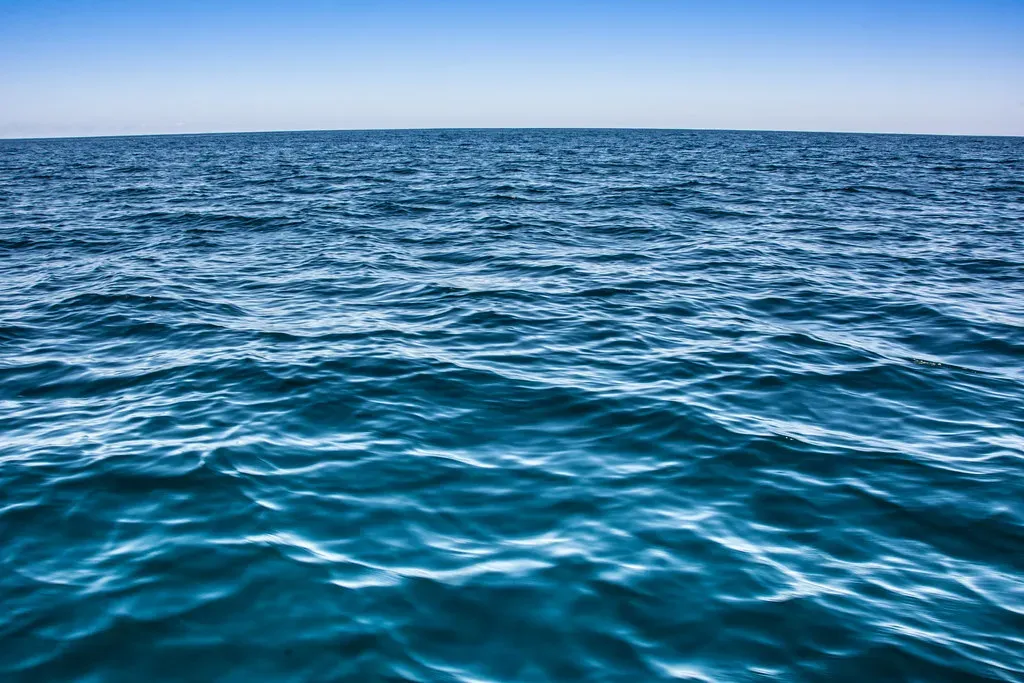
You have probably been told that trees are the lungs of the Earth, but you rarely hear that the ocean acts as the other lung, working just as hard. Marine researchers estimate that microscopic ocean organisms, especially tiny photosynthetic plankton, produce roughly about one half of the oxygen in the atmosphere that you rely on every day. That means if you took ten breaths, you could reasonably credit around five of them to life in the sea, even if you live in a landlocked city far from the coast.
This does not mean a strict fifty–fifty split every single day, but over time it paints a clear picture: the ocean is not just a backdrop to the planet’s climate; it is a major engine of it. You are able to jog, talk, sleep, and think clearly because swarms of microscopic cells are constantly turning sunlight, water, and dissolved carbon dioxide into energy and oxygen. You never see them doing it, and they never stop. Without that ongoing invisible work, the air above your head would be a very different, far more hostile place.
Meet Your Hidden Oxygen Factory: Phytoplankton
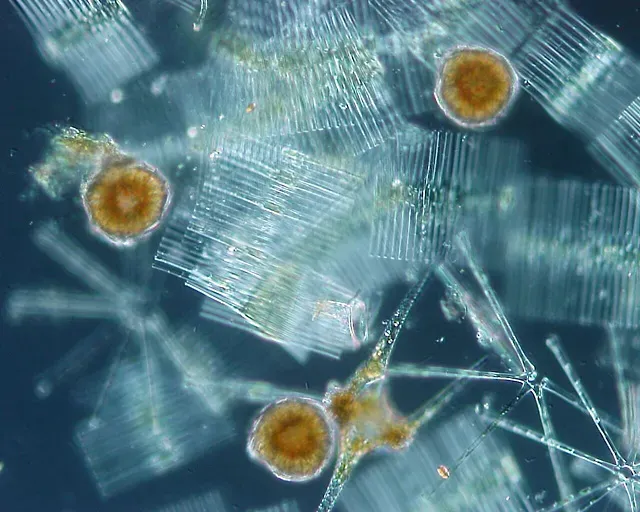
When you hear the word plankton, you might think of some cartoon villain or a vague green slime, but in reality, phytoplankton are the quiet heroes keeping you alive. These are single‑celled, plant‑like organisms that float in the sunlit layers of the ocean, using photosynthesis in much the same way that leaves on a tree do. Each one is incredibly small, yet when you add up their numbers across all the oceans, they form a living blanket of productivity that wraps the planet.
If you could shrink yourself down and swim among them, the experience would feel like drifting through an underwater meadow made of light and glass. Some phytoplankton have delicate, glassy shells; others look like tiny spinning stars or needles. You would see billions of them quietly absorbing carbon dioxide and releasing oxygen, turning the upper ocean into a global factory. You do not need to know each species by name to grasp the essential point: you are breathing because they are busy.
How Microscopic Life Turns Sunlight Into Breathable Air
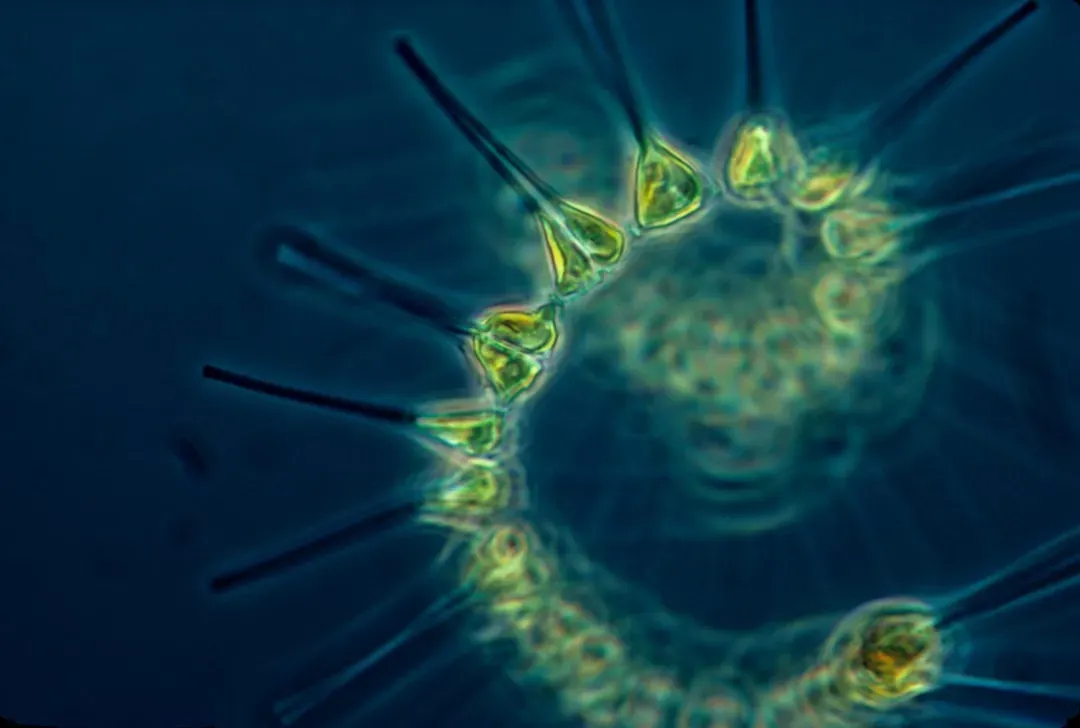
You may remember from school that photosynthesis is the process where organisms use light to convert carbon dioxide and water into sugars and oxygen. In the ocean, phytoplankton and some types of bacteria and algae carry out this same process, only they do it on a breathtakingly massive scale. When sunlight hits the upper ocean, these tiny cells act like millions of miniature solar panels, capturing that energy and using it to rearrange molecules into food and oxygen.
From your perspective, the beauty of this process is its simplicity: as long as there is light, water, nutrients, and living cells, oxygen keeps being produced. You never have to flip a switch or feed a machine; the system runs on physics, chemistry, and biology woven together. The oxygen these microbes make slowly mixes into surface waters and then into the air above, joining the pool of breathable atmosphere that you tap into every time your chest rises. It is a quiet miracle that feels routine only because it has never stopped working in your lifetime.
More Than Oxygen: The Ocean’s Role in Climate and Carbon

While you might first care about the oxygen you inhale, the same organisms that give you air also act as a giant climate regulator. As phytoplankton and other photosynthetic microbes grow, they pull carbon dioxide out of the water, which is linked to the carbon dioxide in the atmosphere above. Some of that carbon ends up sinking deep into the ocean when these organisms die or are eaten and turned into heavier particles that drift downward. In this way, the ocean acts like a huge storage vault for carbon, keeping a large share of it away from the air you live in.
For you, this hidden carbon traffic matters because it helps stabilize the climate that your food systems, cities, and health depend on. When microscopic life in the sea thrives, it helps cushion you against more extreme swings in temperature and weather. Think of the ocean as a combined thermostat and air filter, powered by cells so small they can slip through a basic filter. You might never see this carbon pump in action, but you live inside its consequences every single day, whether that means milder winters, calmer coastlines, or fewer dangerous heat extremes than you would otherwise face.
Why Most People Have No Idea They Depend on Microbes
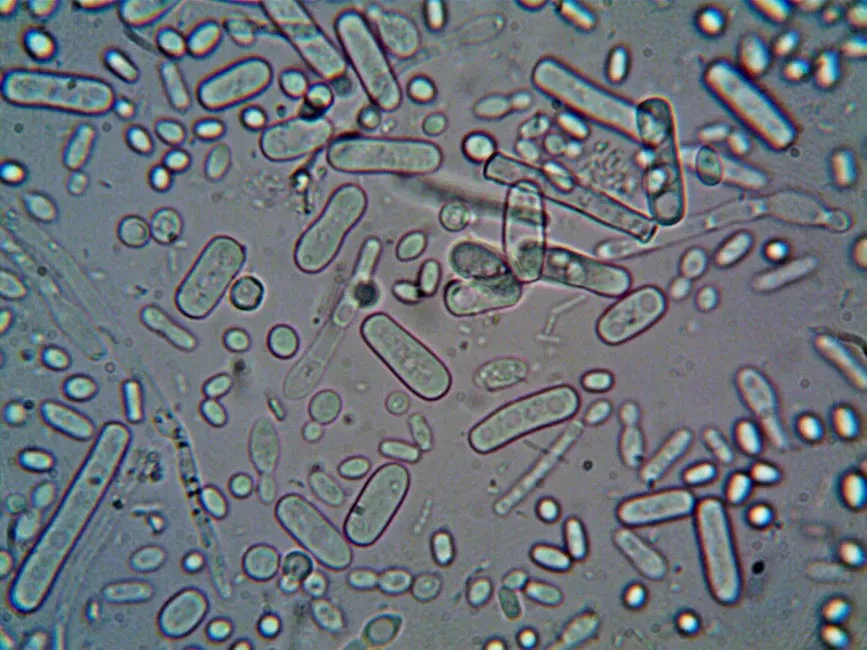
Despite how essential these organisms are, you almost never hear about them in everyday conversations, news stories, or school lessons beyond a quick mention. It is easy to care about whales, dolphins, or coral reefs because you can see photos and videos of them, but a cell you cannot see does not tug at your emotions in the same way. Your mind naturally focuses on big, visible things, so the microscopic world tends to fade into the background as an abstract concept rather than something driving your next breath.
This invisibility has a cost for you and for everyone else. When you do not realize that your own survival is tightly tied to fragile, microscopic communities in the ocean, you are less likely to worry about pollution, warming waters, or acidification that can harm them. You might sign a petition to save a charismatic animal, but overlook the conditions that keep the entire food web, including your oxygen supply, functioning. Once you connect your personal well‑being to these tiny organisms, environmental debates stop feeling distant and start sounding like a conversation about your own lungs.
Threats You Cannot See: Warming, Acidification, and Pollution
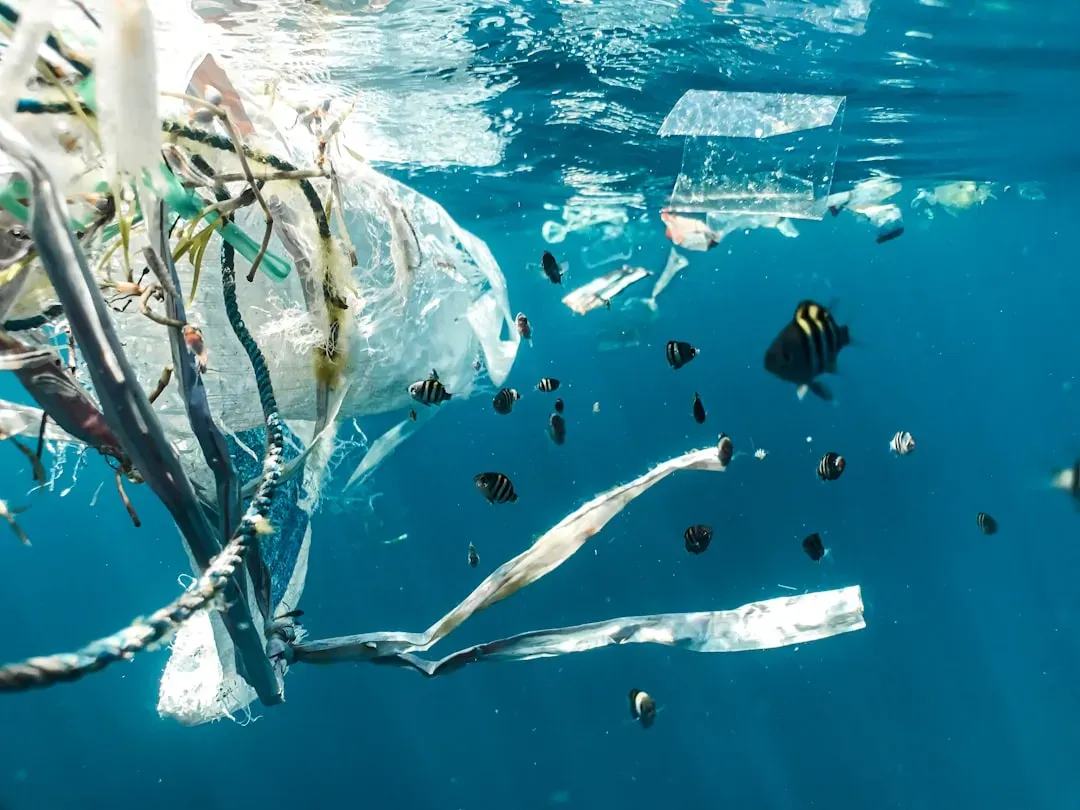
Right now, the ocean’s microscopic oxygen‑producers are facing stresses that you would never notice from a casual walk along the shore. Rising water temperatures can shift where different species of phytoplankton thrive, sometimes favoring less productive communities and disrupting long‑standing balances. As the ocean absorbs more carbon dioxide from the atmosphere, it becomes more acidic, which can interfere with organisms that build delicate shells or rely on stable chemistry to grow. For you, this chain reaction can quietly erode the reliability of the oxygen‑producing engine you depend on.
On top of climate pressures, pollution adds another layer of risk that you rarely see discussed in detail. Nutrient runoff from agriculture can trigger harmful algal blooms that choke coastal waters, while microplastics and chemicals can alter the health of plankton communities in ways scientists are still trying to fully understand. You might think of pollution mainly in terms of what you can see floating on the surface, but the deeper threat is often what it does to the smallest life forms. When you realize that their stress eventually circles back as a risk to your air, your climate, and your food, concerns about emissions and waste take on a new urgency.
How Your Choices on Land Reach All the Way Into the Sea
It can feel like the ocean is far away from your daily routines, but many of your choices ripple outward until they touch these microscopic communities. The energy you use, the transport you rely on, and the products you buy all play some part in how much carbon dioxide and pollution end up in the environment. When you reduce unnecessary energy use, support cleaner sources, or choose products with less plastic and waste, you are indirectly easing the load on the very organisms that help fill your lungs with oxygen. Your small decisions stack together with those of millions of other people, just as individual plankton cells add up to a planetary force.
Your influence is not limited to your own consumption. You also shape the bigger systems around you through the policies and leaders you support, the companies you reward, and the conversations you have with friends and family. When you treat ocean health as a basic survival issue rather than a niche environmental topic, you help shift the culture. You are essentially voting, day after day, for the kind of world you want to breathe in: one where the ocean’s invisible workers are respected and protected, or one where they are taken for granted until something breaks.
Connecting With the Ocean, Even If You Never See It
You do not have to be a marine biologist, live near the coast, or spend your weekends diving to build a real connection with the ocean. Simply understanding that your breath, your climate, and your food are tied to that blue expanse already changes how you see a map of the world. The ocean stops being a giant empty space and becomes a living system that you are plugged into through every inhale and exhale. That shift in mindset alone can turn casual curiosity into a deeper sense of responsibility.
If you ever get the chance to stand on a shoreline, you can use that moment to remind yourself that beneath the surface, countless invisible cells are working so you can stand there and breathe easily. Even if you are miles inland, you can still bring that awareness into your life by staying informed, supporting ocean science, and teaching kids in your life that the sea is part of their own body’s story. When you see yourself as connected to these unseen organisms, you start to recognize that caring for the ocean is, in a very real sense, caring for yourself.
Conclusion: Every Breath Is a Quiet Reminder

The next time you breathe in, you can imagine that a large share of that oxygen began its journey in sunlit ocean waters, created by organisms smaller than a grain of dust. You may never see them, never learn their scientific names, and never watch them at work, but you live inside the balance they maintain every single day. They have no idea you exist, yet you owe them an ongoing debt with every breath that fills your lungs. Once you recognize that, the health of the ocean stops being an abstract issue and becomes as personal as the air in your bedroom.
Your future, and the future of everyone you care about, is inseparable from the fate of these tiny, floating life forms. When you choose to learn about them, to speak up for policies that protect the ocean, and to live in ways that ease the pressure on the climate, you are not just being kind to nature; you are safeguarding your own oxygen supply. Every breath you take is a quiet reminder of this partnership between you and the unseen life in the sea. Now that you know who is helping you breathe, what will you do differently the next time you look out over the water or even just up at the sky?