
You live in a universe that, long before there were stars, planets, or people, literally rang like a gigantic bell. That cosmic ringing left ripples in the oldest light you can see, and from those ripples, scientists have figured out that the universe has a “note” – an unimaginably deep tone, fifty‑seven octaves below anything you could ever hear. You will never listen to it with your ears, but you can still understand it, and once you do, everyday silence starts to feel strangely louder.
What makes this so wild is that this “sound” is not a metaphor. It is a real pattern of pressure waves in the early universe’s hot plasma, and you can measure it, map it, and even turn it into audio by speeding it up billions of times. When you see those colorful sky maps of the cosmic microwave background, you are basically looking at a frozen recording of a cosmic orchestra warming up. The rest of this article lets you step into that ancient concert hall and explore what, exactly, the universe has been “playing” since almost the beginning of time.
The Oldest Light You Can See Is a Cosmic Time Capsule
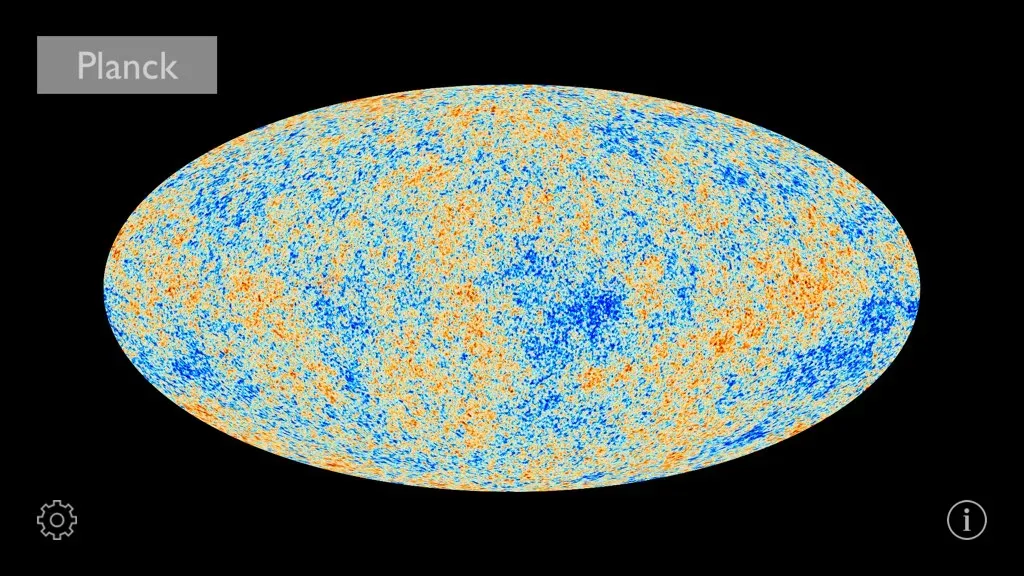
When you look up at the night sky, the oldest light that ever reaches your eyes is not coming from stars or galaxies but from a faint microwave glow that fills all of space. This glow is called the cosmic microwave background, or CMB, and it comes from a time when the universe was only a few hundred thousand years old – basically, baby photos of everything. You cannot see it with your naked eyes because your eyes are tuned to visible light, but sensitive telescopes reveal it as a nearly uniform, soft afterglow coming from every direction.
What makes this light so special for you is that it is not just random radiation; it is a detailed snapshot of the universe’s conditions at that early moment. Tiny differences in the CMB’s temperature and brightness trace where matter was slightly denser or thinner, like the soft grain in an old photograph. When you study those tiny patches and patterns, you are reading information about how fast the universe was expanding, how much matter and dark matter it contained, and even how gravity and quantum fluctuations played together at the very beginning.
Before There Were Stars, the Universe Was a Roaring Plasma Ocean
To understand why that early light contains a “sound,” you need to picture the universe in its first few hundred thousand years as a scorching, opaque soup of particles. Back then, you would not have seen any stars or galaxies at all. Instead, you would be swimming in a hot plasma of electrons, protons, and photons all smashed together, with light constantly scattering off charged particles. The universe was dense, bright, and completely incapable of letting light travel very far without being bounced around.
In that environment, any small region that started out a bit denser than average acted like a compressed pocket of gas. Gravity tried to pull more matter in, compressing it, while the intense radiation pressure from trapped light tried to push it back out. That tug‑of‑war set off pressure waves – essentially, sound waves – rippling through the plasma. Instead of a quiet, still void, the universe you inhabit began its life as a churning, vibrating ocean of sound, with those waves racing outward at a significant fraction of the speed of light.
Those Primordial Sound Waves Froze Into the Cosmic Microwave Background
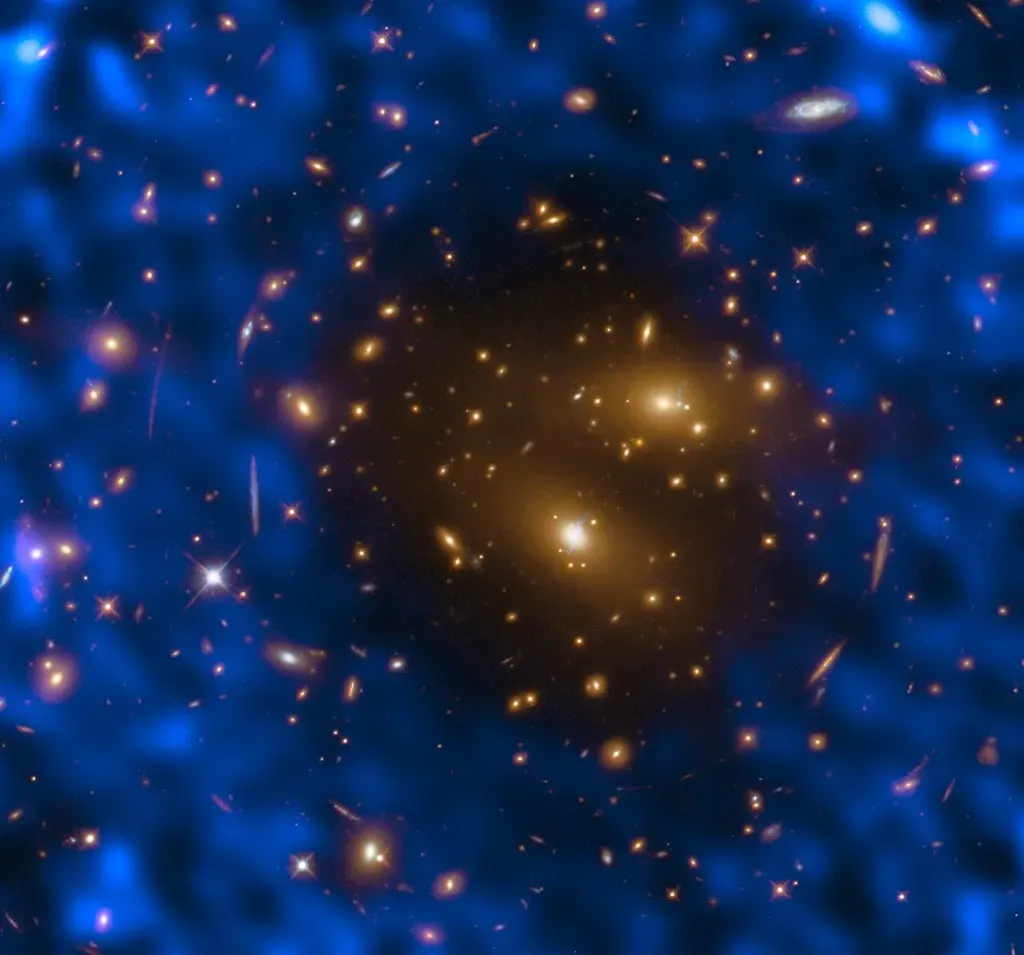
The key turning point for you happens when the universe cooled enough for electrons and protons to combine into neutral atoms. Once that happened, light suddenly found a clear path and could travel freely through space without being constantly scattered. This moment is often called recombination or last scattering, and it is exactly when the CMB you see today was released. At that instant, all the ongoing sound waves in the plasma effectively got “frozen” into the distribution of density and temperature.
Because of that freeze‑frame, the CMB is not just glowing; it is patterned. The slightly hotter and colder spots you see in CMB maps correspond to places where those sound waves were at different stages of compression or rarefaction when the universe became transparent. When you analyze those patterns in detail – their sizes, spacing, and strengths – you are essentially doing cosmic acoustics. It is like seeing the ripples on the surface of a frozen lake and using them to reconstruct the pattern of waves that were there just before it iced over.
The Universe’s Note: 57 Octaves Below What You Can Hear
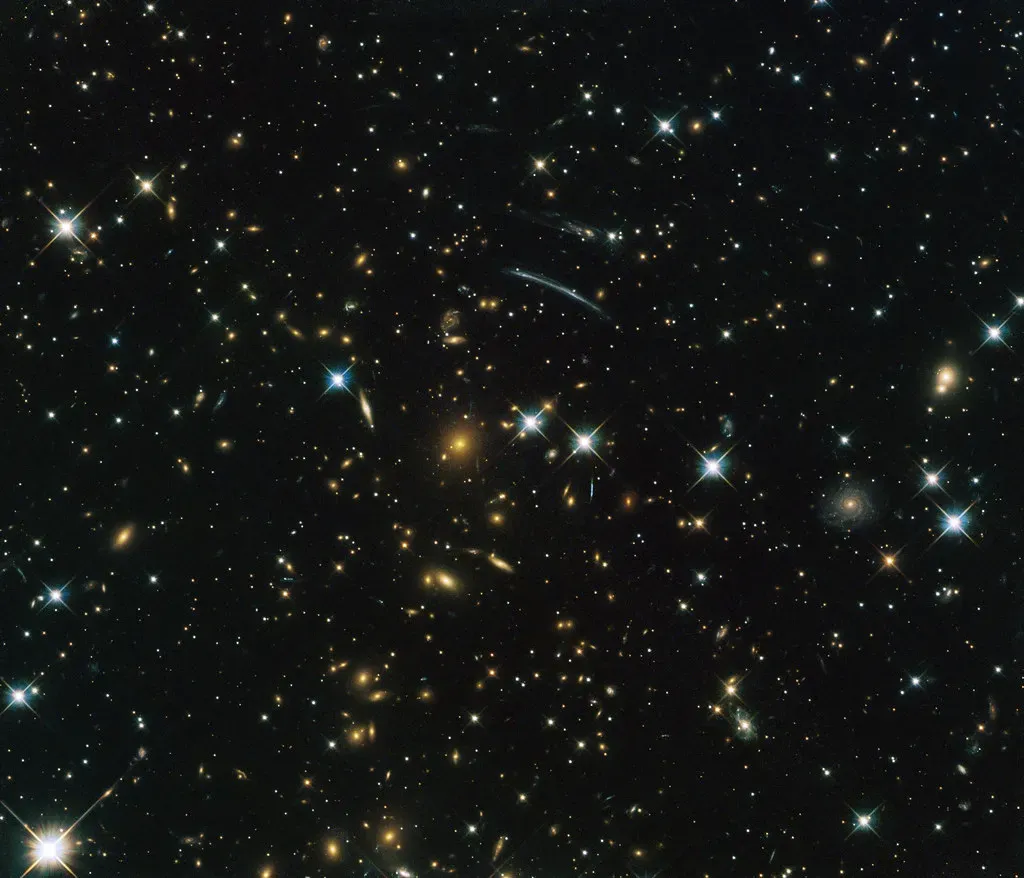
Now comes the part that really blows your intuitive sense of sound. When scientists take the dominant oscillation scale embedded in the CMB – basically the characteristic rhythm of those early pressure waves – and translate it into a frequency, they find that it corresponds to a fantastically low pitch. If you try to express that pitch in terms of musical octaves, it lands roughly fifty‑seven octaves below the lowest sounds you are capable of hearing. Your ears simply are not built to register vibrations anywhere near that slow.
To put that into perspective, dropping an octave means halving the frequency, so going down fifty‑seven octaves is like repeatedly cutting the pitch in half more times than you can easily imagine. If you tried to “play” this cosmic note in real time, you would be waiting far longer than a human lifetime to hear a single full cycle of the wave. Yet the math lines up: what you are dealing with is a legitimate physical oscillation, just stretched across cosmological scales in both space and time.
How You Turn Unhearable Cosmic Vibrations Into Something You Can Experience
Even though you cannot hear that raw cosmic note directly, you can still translate it into a form that your senses understand. Researchers do this by compressing time: they take the slow variations encoded in the CMB or in the distribution of galaxies and mathematically speed them up by many orders of magnitude. When those data are shifted into the audible range, you end up with eerie, droning tones or rising whooshes that are not artistic fantasies but genuine sonic analogues of the underlying physics.
For you, this is a bit like taking a time‑lapse video of a flower blooming or clouds rushing across the sky. In real time, the changes are too slow to notice, but when you accelerate them, patterns suddenly pop into focus. In the same way, by dramatically speeding up the universe’s primordial vibrations, you get an audio version of the cosmic story: a way to literally listen to information that was written into space itself when it was still younger than a million years.
The Same Ancient Waves Still Shape Galaxies and Clusters You See Today
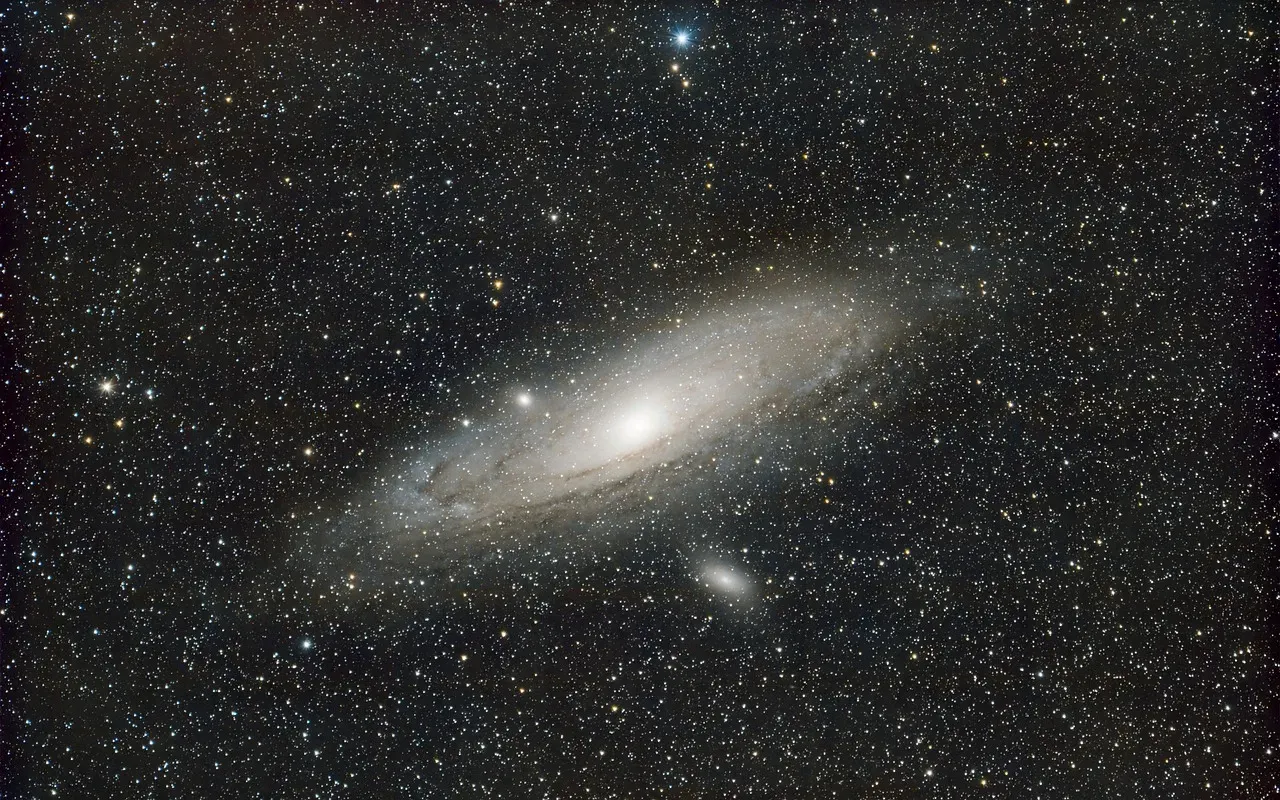
What is remarkable is that those early sound waves did not just stop mattering when the universe became transparent. The same patterns of compression and rarefaction that you see frozen into the CMB also imprinted on the distribution of matter as the universe evolved. Over billions of years, gravity took those slightly overdense regions and amplified them into the galaxies, clusters, and filaments you observe with modern telescopes. The universe’s large‑scale structure is, in a very literal way, a grown‑up version of its baby‑era acoustics.
If you measure how separated galaxies are on average, you can still detect a preferred scale that traces back to those original pressure waves, often called a baryon acoustic feature. That preferred separation acts like a standard ruler, helping you track how the universe’s expansion has changed over time. When you use that ruler, you are effectively doing cosmic archaeology with sound, using the pattern set by primordial vibrations to understand dark energy, cosmic acceleration, and how fast space itself is stretching right now.
What This Silent Cosmic Note Tells You About Existence Itself
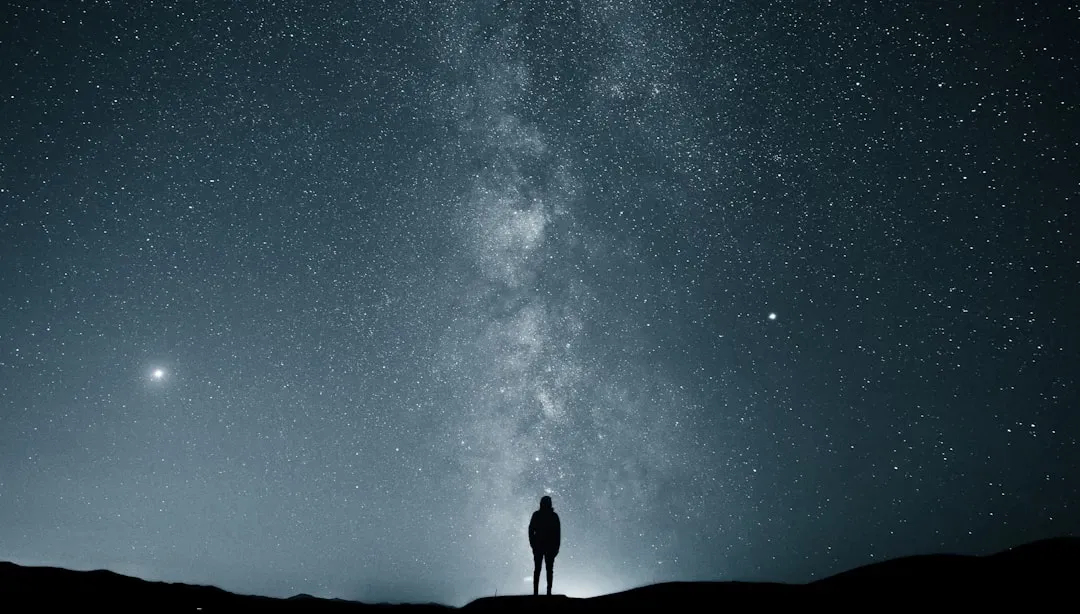
Beyond the technical details, there is a more personal angle here for you. Knowing that the universe carries a specific fundamental “note” forces you to rethink what silence even means. The space around you might feel empty, but it has a deep, structured history, and that history includes literal waves that once rang across the entire cosmos. Your own atoms, forged in stars that formed out of those ancient fluctuations, are part of a story that started as a kind of sound in an early, glowing fog.
It also gives you a different sense of scale. You are used to thinking about music spanning a handful of octaves on a piano, maybe ten if you stretch the idea. Yet the universe casually operates across dozens more, in a range that makes your instruments look like toys. When you imagine that unimaginable, fifty‑seven‑octave‑down note humming in the background of everything, it becomes harder to see yourself as separate from the cosmos. You are, in a very real way, a tiny riff built on top of a vastly older, deeper chord.
Listening to the Universe Changes How You See Your Place in It
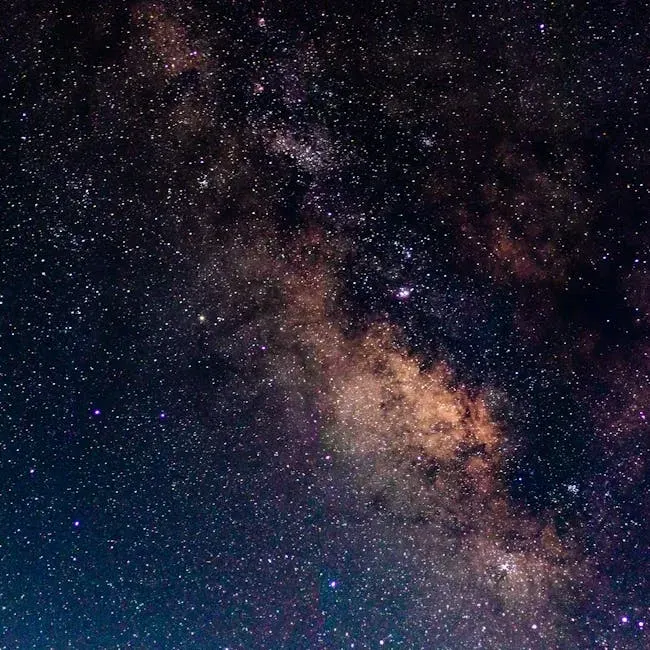
Once you know that cosmology has effectively recorded a sound from the oldest light in existence, your relationship with the night sky shifts. You are no longer just looking at points of light scattered randomly across blackness; you are looking at the long aftermath of an enormous, universe‑wide vibration that set the stage for everything. The idea that the cosmos has a definable pitch, even one you will never hear directly, makes the whole thing feel less like a static backdrop and more like a living process unfolding in time.
This perspective can quietly change how you move through your life. The conversations you have, the decisions you make, even the music you listen to – all of it takes place in a universe that once rang like a drum, then cooled, clumped, and eventually produced beings capable of asking what it all sounds like. You will probably never feel a pressure wave sweeping through space from that early era, but you are still shaped by its consequences. Knowing that, do you hear the silence around you a little differently now?