
Most people assume that centuries of digging, documents, and detective work have cleared up the past. The truth is far more unsettling. Some of history’s biggest questions don’t sit on the edge of being solved – they sit in permanent shadow, and the darkness keeps getting darker the closer you look. New technology turns up fresh clues almost every decade, yet the core riddles stay stubbornly intact because the evidence has either vanished completely or was never recorded in the first place.
What follows aren’t cold cases waiting for one clever breakthrough. These are fifteen wounds in the historical record that may never close – each one stranger, more frustrating, or more haunting than it first appears. A few of the entries toward the end will genuinely surprise you, even if you think you already know the story.
#15 – The Voynich Manuscript: A Book Nobody Can Read
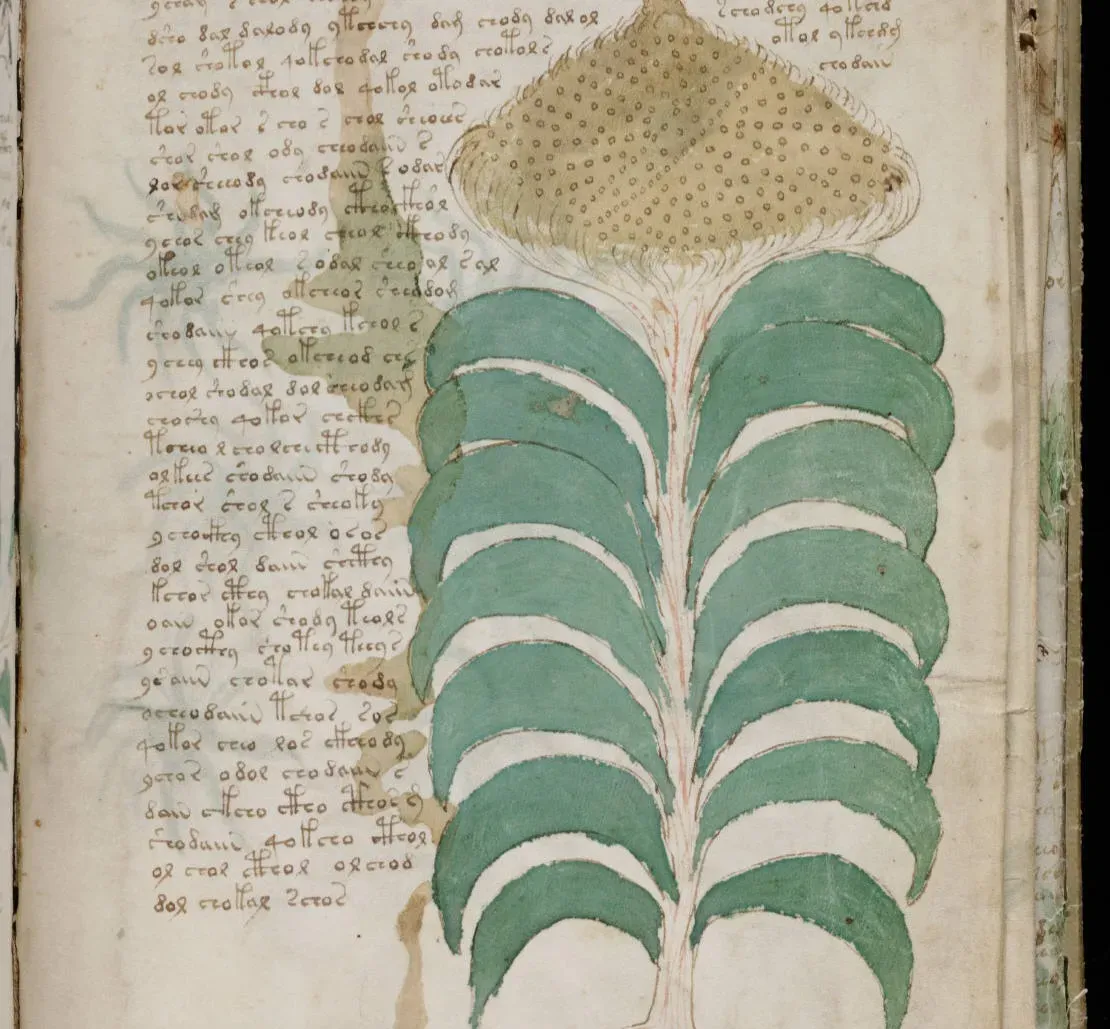
You open a 600-year-old book and every single page looks like someone invented an entire language just to keep you out. The script flows left to right with consistent patterns that suggest real grammar, yet no cryptographer, linguist, or AI system has ever decoded a single confirmed word. Teams from the NSA, Yale, and universities across Europe have all tried – and all walked away empty-handed.
The vellum dates firmly to the early 1400s, confirmed by carbon dating and ink analysis, yet the illustrations of impossible plants, naked figures soaking in green pools, and star charts that match no known constellation refuse to align with any medieval text ever found. Scholars still can’t agree on whether it’s an elaborate hoax, a lost natural history written in a vanished language, or something stranger still. Six centuries in, the book hasn’t given up a single sentence.
Fast Facts
- Carbon-dated to between 1404 and 1438 CE – placing it firmly in the early Italian Renaissance
- Contains roughly 170,000 characters forming an estimated 35,000–38,000 word tokens
- Written in approximately 20 to 40 distinct characters, none matching any known alphabet
- Around 240 vellum pages survive; evidence suggests up to 272 originally existed
- Held today as Beinecke MS 408 at Yale University’s Beinecke Rare Book & Manuscript Library
- Divided into six apparent sections: botanical, astronomical, biological, cosmological, pharmaceutical, and recipes
#14 – The Mary Celeste: A Perfect Ship, No Crew
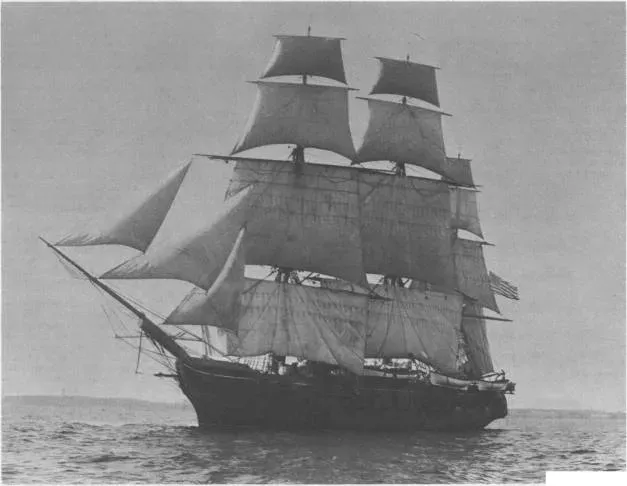
In December 1872, a merchant vessel was found drifting in the Atlantic with her sails set, cargo untouched, and not a living soul aboard. The food was still on the table. Personal belongings were in their cabins. The ship was seaworthy and fully provisioned. The only thing missing was the crew – nine experienced sailors who had simply ceased to exist.
The last log entry was ten days before the discovery, and the lifeboat was gone, but no distress signal had been recorded and no wreckage of the lifeboat was ever found. Theories have ranged from mutiny to waterspouts to insurance fraud, yet none of them explain why a crew of professionals would willingly abandon a perfectly sound vessel in open ocean. The salvage trial in Gibraltar ended without a verdict. It still hasn’t arrived.
#13 – The Dancing Plague of 1518: They Couldn’t Stop
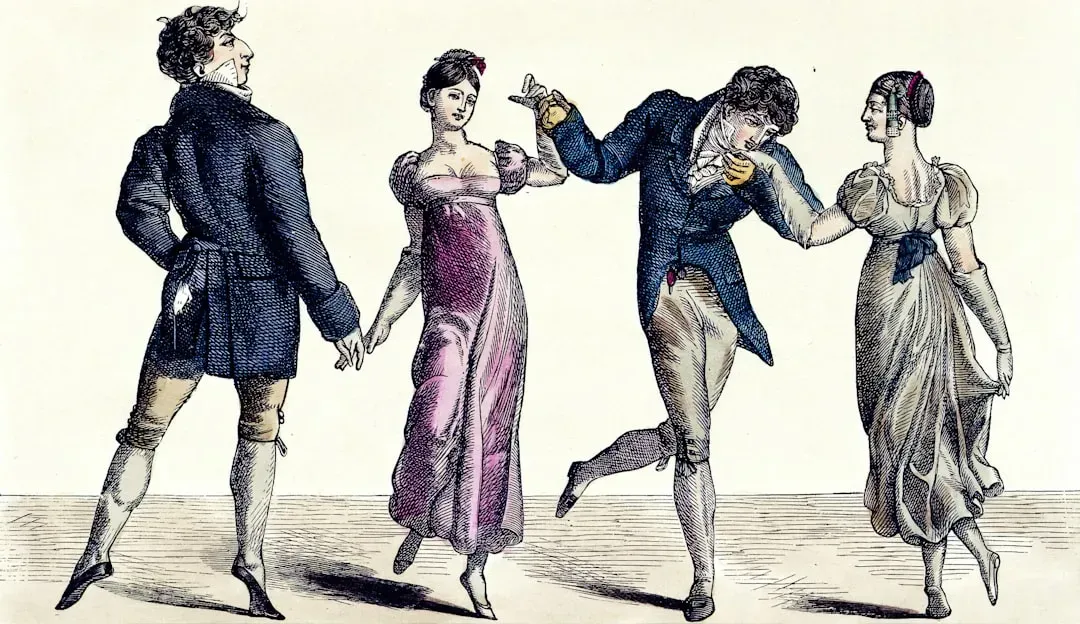
In the summer of 1518, a woman named Frau Troffea walked into the streets of Strasbourg and began to dance. She didn’t stop for days. Within a week, dozens of people had joined her. Within a month, the number had swelled into the hundreds, many of them collapsing from exhaustion, heart attacks, and strokes – still moving, still unable to quit.
Contemporary city records document the outbreak in bureaucratic detail, which makes it impossible to dismiss as legend. Town authorities, baffled and desperate, hired musicians to play continuously on the theory that the dancers needed to “work it out” – a decision that appears to have made everything worse. No pathogen, no toxin, and no single psychological trigger has ever been identified that fully explains how one woman’s movement became a fatal epidemic of involuntary motion. The debate between mass hysteria and ergot poisoning has ground on for five centuries without resolution.
#12 – The Lost Colony of Roanoke: 115 People, One Word
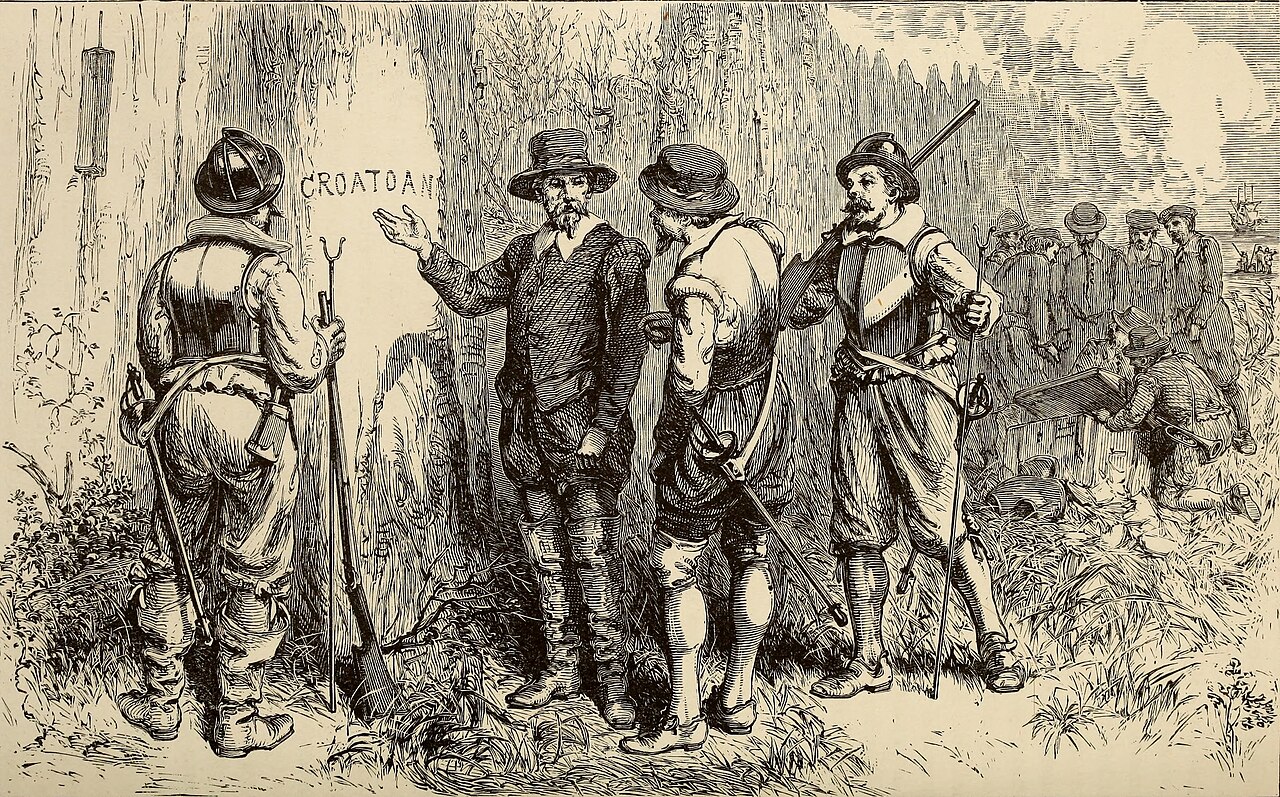
In 1587, Governor John White left 115 English settlers on Roanoke Island, off the coast of what is now North Carolina, and sailed back to England for supplies. When he finally returned three years later – delayed by war with Spain – the settlement was empty. No bodies. No signs of violence. No fire damage. Just an orderly, deliberate abandonment and a single word carved into a post: CROATOAN.
The settlers had left behind heavy tools and weapons, suggesting they planned to travel light rather than flee in panic. The leading theory – that they integrated with the nearby Croatoan people – has never been confirmed by DNA work or archaeology, despite multiple serious excavation efforts. A map found among White’s papers shows a hidden symbol that some researchers believe marks a planned relocation site, but digging there has turned up tantalizing fragments and nothing conclusive. One hundred and fifteen people walked off the map and stayed off it.
At a Glance
- Year of disappearance: Between 1587 and 1590 – a three-year gap caused by England’s war with Spain
- Only clue left behind: The word “CROATOAN” carved into a post; no distress cross was found
- What they didn’t take: Heavy tools, weapons, and iron equipment – suggesting a planned, calm departure
- Leading theory: Assimilation with the Croatoan (Hatteras) people – unconfirmed by DNA or archaeology
- Ongoing dig: Excavations at Site X in Bertie County, NC have found English artifacts but no definitive proof
#11 – The Princes in the Tower: Royal Blood, No Answers
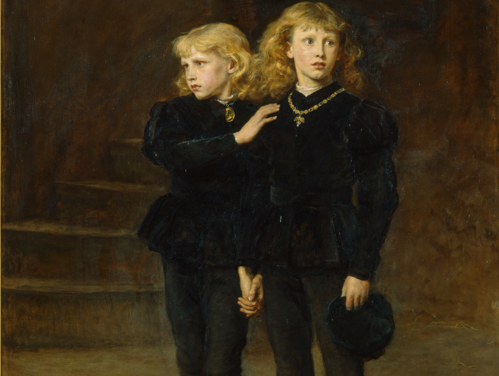
In the summer of 1483, two boys – Edward V, age 12, and his younger brother Richard, Duke of York – were placed in the Tower of London by their uncle, who promptly declared himself King Richard III. The boys were seen playing in the Tower grounds that summer. After that, nothing. No sightings, no records, no bodies found at the time.
In 1674, workers found two small skeletons buried under a staircase in the Tower. They were reinterred in Westminster Abbey as the likely remains of the princes – but modern forensic analysis cannot confirm their identities, their ages at death, or even pin their deaths to 1483 with certainty. Requests for DNA testing using living descendants of the House of York have so far been denied by the Church of England. The bones lie in a marble urn, and the question of who put them there – and why – remains exactly as open as it was 540 years ago.
#10 – Cleopatra’s Tomb: The Most Famous Woman Nobody Can Find
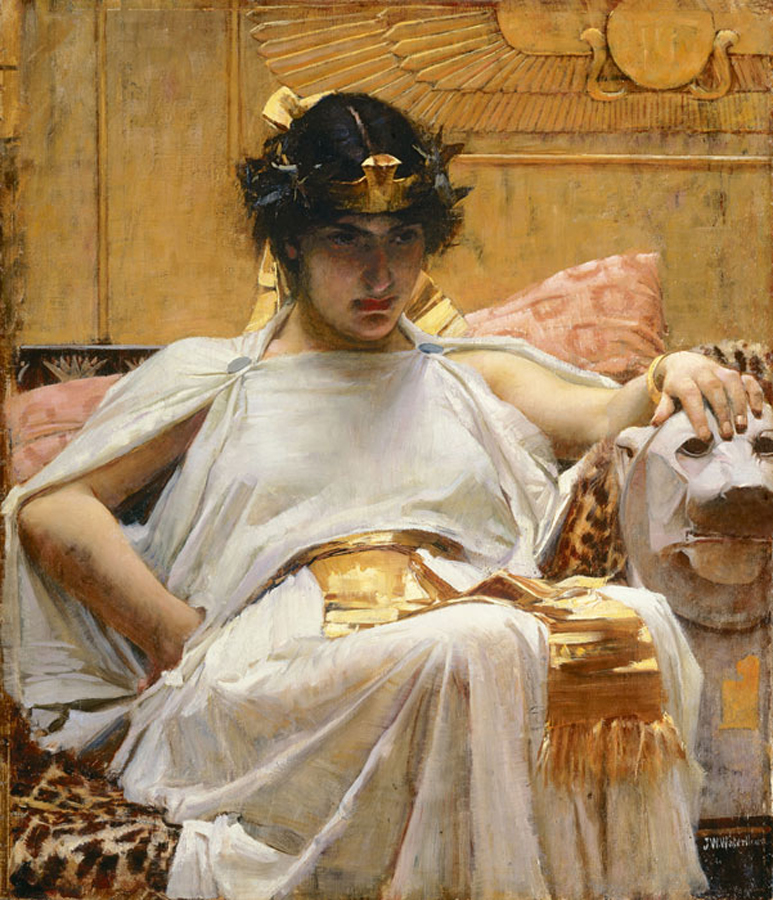
Cleopatra VII died in 30 BCE, and ancient writers recorded the fact in vivid, detailed accounts. What they didn’t record clearly enough was where she was buried. Her tomb was described as grand, near a temple of Isis, somewhere in or near Alexandria – a city that has been continuously inhabited, built upon, flooded, and rebuilt for over two thousand years.
Earthquakes have reshaped the coastline. Rising sea levels have swallowed entire ancient neighborhoods. Later Roman and Byzantine construction buried whatever remained. Archaeologist Kathleen Martinez has spent years excavating a site at Taposiris Magna that has produced remarkable finds – coins bearing Cleopatra’s face, tunnels, statues – but not the tomb itself. The most dramatic burial of the ancient world may lie under a modern apartment block, or under the Mediterranean, or may have been looted so completely that nothing recognizable remains.
#9 – The Amber Room: A $500 Million Masterpiece That Vanished

The original Amber Room was assembled in the early 18th century for the Russian imperial palace at Tsarskoye Selo – six tons of intricately carved amber panels, gold leaf, and mirrored accents covering an entire chamber. When Nazi forces invaded in 1941, they dismantled it in 36 hours and shipped it west. It arrived in Königsberg. After that, the trail fractures into rumor and contradiction.
Soviet and German records disagree on what happened next. The most common theories place it in a bunker beneath what is now Kaliningrad, in a sunken Baltic Sea vessel, or destroyed in the Allied bombing of Königsberg in 1944. Treasure hunters have pursued every lead for eighty years and found only fragments – a single amber panel here, a small decorative piece there. The room reconstructed in St. Petersburg today is a replica. The original, conservatively valued at over $500 million, has not been seen since the spring of 1945.
Quick Compare: What We Know vs. What Remains Unknown
- Known: Dismantled in 36 hours in September 1941 and packed into 27 crates
- Known: Arrived at Königsberg Castle by October 1941 and put on public display
- Known: RAF bombed Königsberg heavily in August 1944; Soviet forces followed in spring 1945
- Known: Covered over 55 square metres and contained more than 6 tonnes of amber
- Unknown: Whether it was evacuated before the bombing, destroyed in it, or hidden in a sealed vault
- Unknown: Current location – no confirmed sighting since the crates were stored in Königsberg Castle’s basement
#8 – The Dyatlov Pass Incident: No Good Explanation Survives Scrutiny
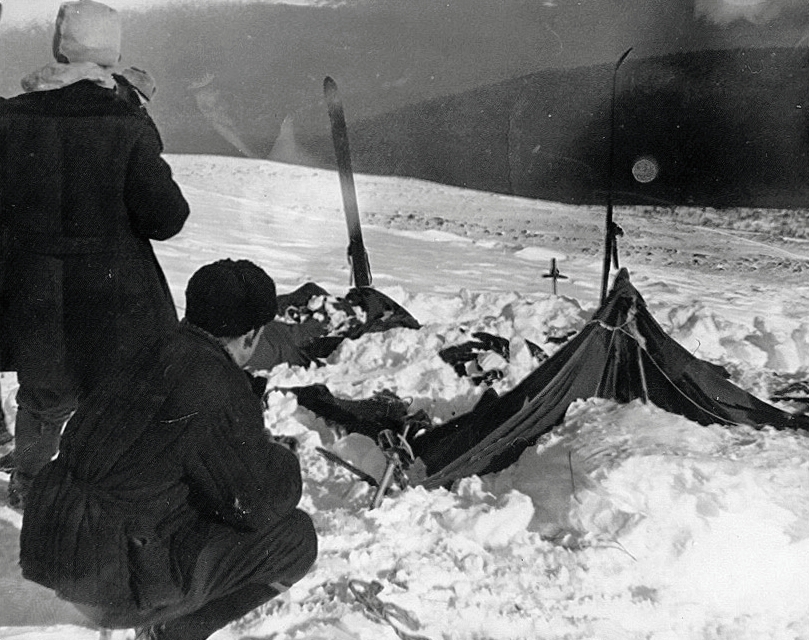
In February 1959, nine experienced Soviet hikers died in the northern Ural Mountains under circumstances so strange that the official investigation concluded they were killed by an “unknown compelling force” – a phrase that has haunted the case ever since. Their tent had been sliced open from the inside. They had fled into minus-30-degree temperatures in socked feet and partial clothing. Some bodies were found miles away, and several showed catastrophic internal injuries – fractured ribs, a crushed skull – with almost no external wounds.
One hiker’s tongue was missing. Clothing from some of the bodies tested positive for low-level radiation. Their cameras still worked, and the photos they took in their final hours show nothing obviously threatening. Russian authorities reopened the investigation in 2019 and ultimately attributed the deaths to an avalanche – a conclusion that satisfied almost no one, since the slope showed no classic signs of avalanche activity and didn’t explain the radiation, the injuries, or the flight pattern of the bodies. The case remains one of the most genuinely inexplicable disaster records of the 20th century.
Worth Knowing
- All nine were experienced mountaineers and students at the Ural Polytechnical Institute – this was not a beginner group
- Witnesses from another hiking group 50 km away reported seeing glowing orange spheres in the sky that same night
- The lead 1959 investigator, Lev Ivanov, later admitted in 1990 that he had been ordered to close the case and classify the findings
- A 2021 study in Communications Earth & Environment proposed a rare “slab avalanche” triggered by wind-blown snow – still contested
- In 1968, Soviet general secretary Brezhnev ordered the destruction of Königsberg Castle, similarly erasing physical evidence in another mystery on this list
#7 – The Man in the Iron Mask: A Secret Worth Dying For
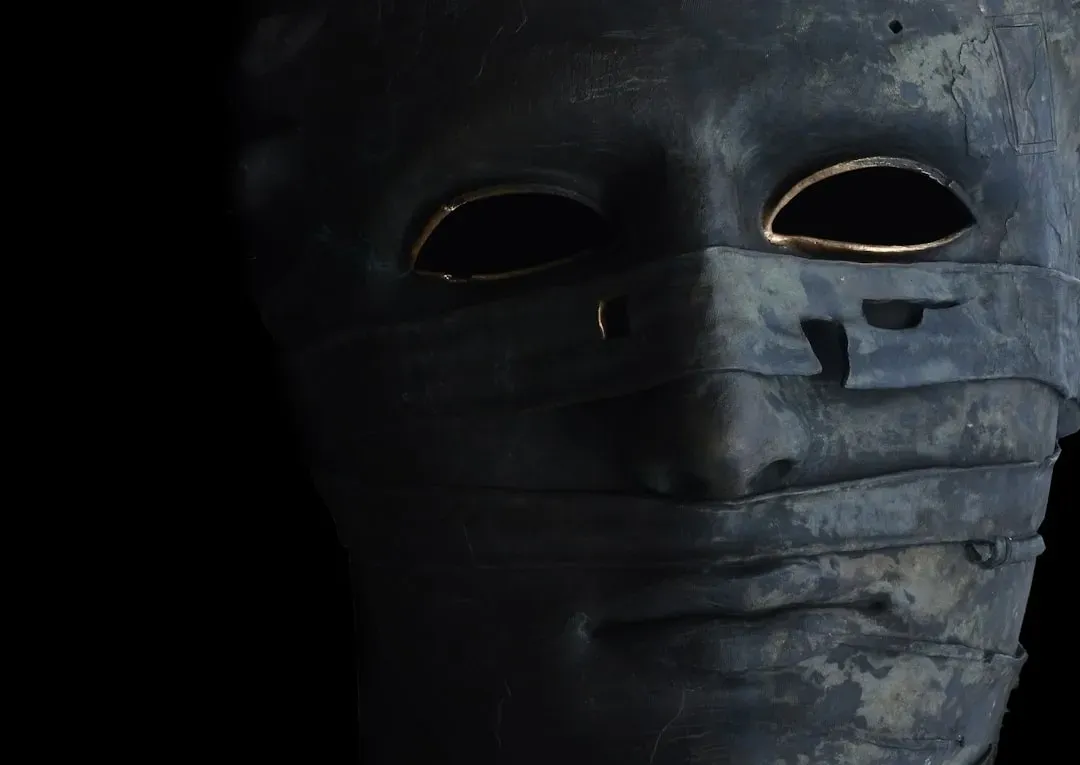
Somewhere in late 17th-century France, a prisoner was being held under unusually strict secrecy – transferred between multiple prisons, kept under multiple aliases, and required at all times to wear a mask over his face. He died in the Bastille in 1703, and his jailers were ordered to destroy everything he had touched, including the furniture and the walls he may have written on.
The mask was almost certainly velvet or cloth rather than iron – the “iron mask” detail came from writers dramatizing the story later – but the identity behind it remains genuinely unknown. Theories have named him as Louis XIV’s secret twin brother, a disgraced Italian diplomat, a treasonous minister, and even an English nobleman. Voltaire, who may have spoken with people who knew the prisoner, believed the secret was explosive enough to threaten the monarchy itself. Surviving prison registers give only hints. No remains, no DNA, no confirmed identity – just the faint impression of someone the French crown needed the world to forget.
#6 – The Ark of the Covenant: The Most Wanted Object in History
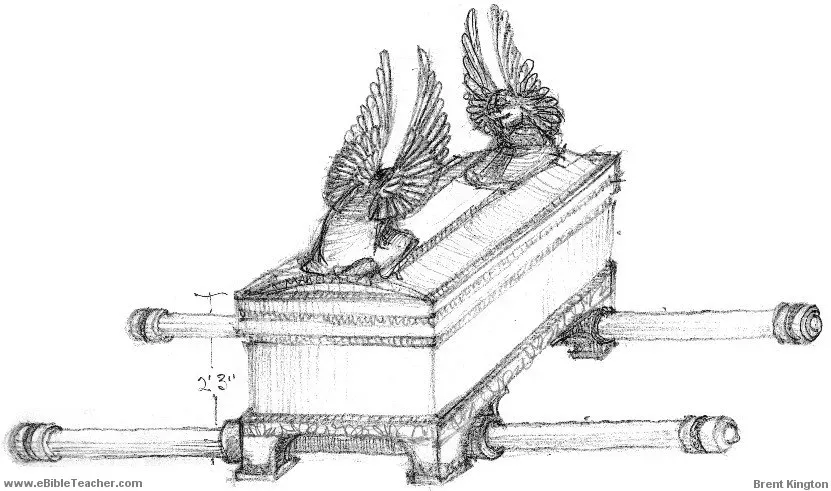
According to the Hebrew Bible, the Ark of the Covenant was a gold-covered wooden chest containing the original stone tablets of the Ten Commandments. It sat in the Holy of Holies in Solomon’s Temple in Jerusalem, radiating enough divine power that improper handling was said to be fatal. Then the Babylonians conquered Jerusalem in 586 BCE – and the Ark simply stops appearing in any historical record.
It wasn’t listed among the treasures Babylon took. It wasn’t in the Second Temple built after the exile. Multiple ancient sources claim it was hidden before the conquest, but the hiding place was never recovered. Ethiopian Orthodox tradition holds that the Ark was taken to Axum centuries earlier and remains there today, guarded by a single monk who is the only living person permitted to see it – but independent verification has never been allowed. Whether it was hidden, destroyed, or never existed in the form described, the most searched-for religious object in human history has left no confirmed trace.
#5 – The Great Unconformity: A Billion Missing Years
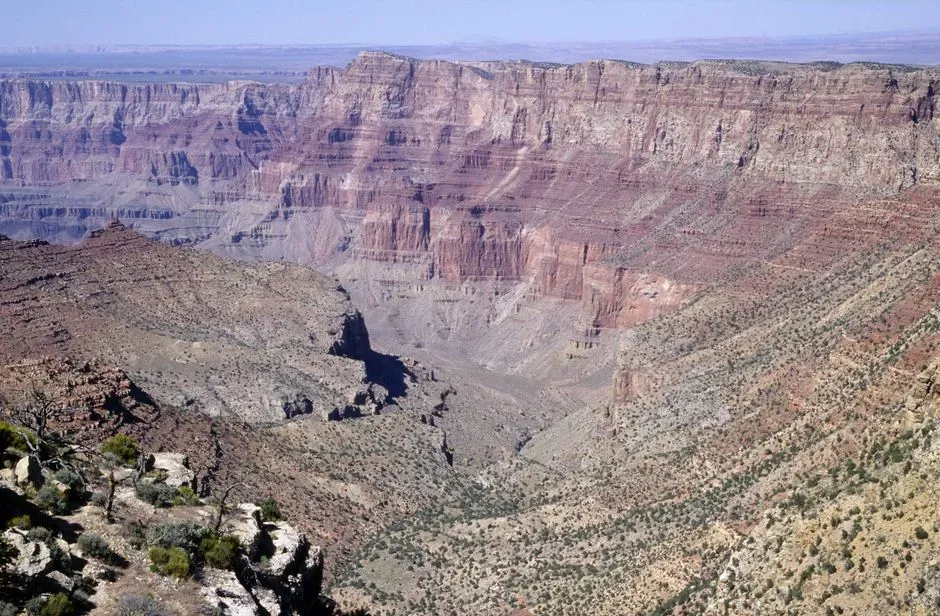
Stand at the bottom of the Grand Canyon and you are looking at one of the most disturbing gaps in the geological record on Earth. The ancient Vishnu Schist beneath your feet is roughly 1.7 billion years old. The rock layer directly above it – the Tapeats Sandstone – is only about 500 million years old. In between, representing over a billion years of Earth history, there is simply nothing. The layers are gone.
This isn’t a local quirk. The same gap, called the Great Unconformity, appears on multiple continents, which means whatever erased that billion years of rock was a global event. The timing is deeply unsettling: the missing period ends just before the Cambrian explosion, the sudden proliferation of complex animal life that still baffles evolutionary biologists. Recent research points to a global “Snowball Earth” glaciation grinding away the rock, but the exact mechanism, scale, and duration remain vigorously debated. Whatever happened during that missing billion years helped set the stage for almost all life as we know it – and we have almost no record of it.
#4 – The Nazca Lines: Miles of Art With No Explanation
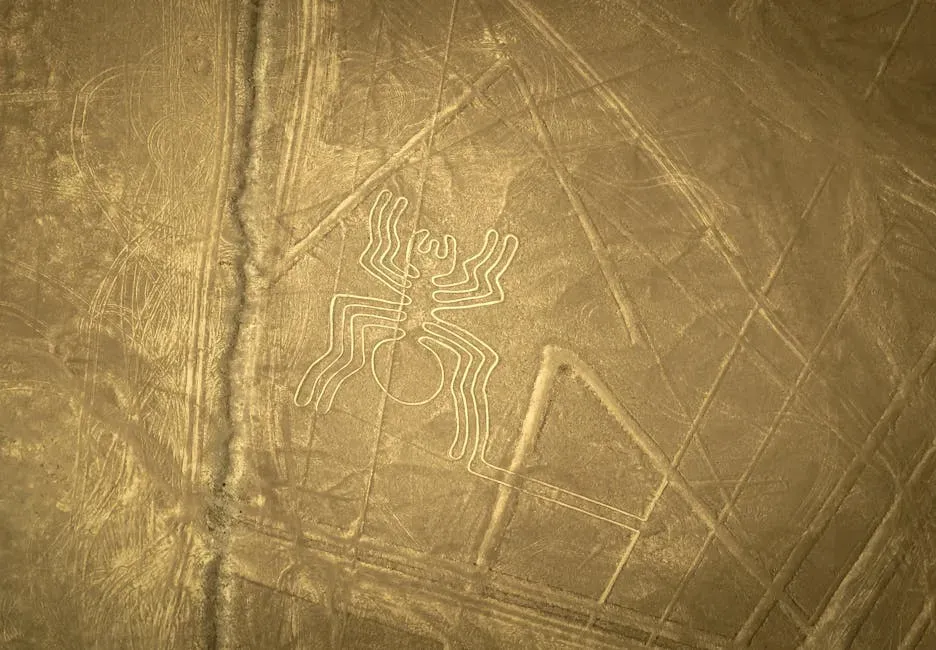
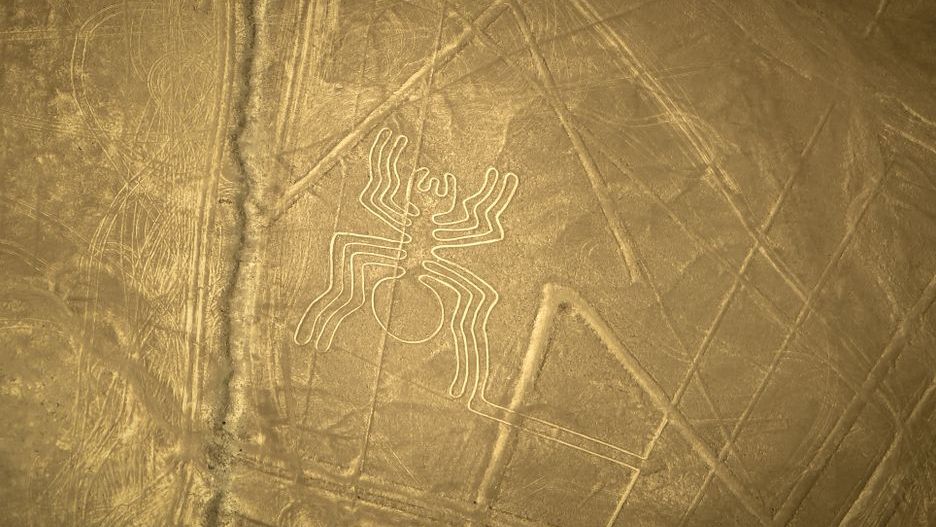
Between roughly 500 BCE and 500 CE, people in the coastal desert of southern Peru created enormous geoglyphs by scraping away dark surface pebbles to expose the lighter soil beneath. The figures include a hummingbird, a spider, a monkey, and hundreds of geometric lines stretching for miles in ruler-straight paths – and the largest of them are only fully visible from the air, centuries before any flying machine existed.
The technique itself is straightforward enough that researchers have replicated small sections with simple tools and basic surveying methods – the real mystery is the “why.” Proposed explanations include an astronomical calendar, ritual walking paths, markings for underground water sources, and offerings visible to sky gods. The original creators left no written record, and the sheer scale of the project – requiring coordinated labor across generations – suggests a purpose profound enough to sustain centuries of effort. What that purpose was, nobody can say with confidence.
Fast Facts
- The Nazca Lines cover a 170-square-mile (440 km²) patch of elevated desert in southern Peru
- It took nearly a century to discover the first 430 figurative geoglyphs after their Western rediscovery in 1927
- In 2024, an AI-assisted survey by Yamagata University and IBM found 303 new figurative geoglyphs in just six months – nearly doubling the known total
- The hummingbird geoglyph alone measures 305 feet (93 m) long
- Newly discovered figures include killer whales wielding weapons, decapitated heads, llamas, and human-like beings
- Researchers estimate 250 or more additional geoglyphs may still await discovery in the desert
#3 – Stonehenge’s True Purpose: More Than a Calendar
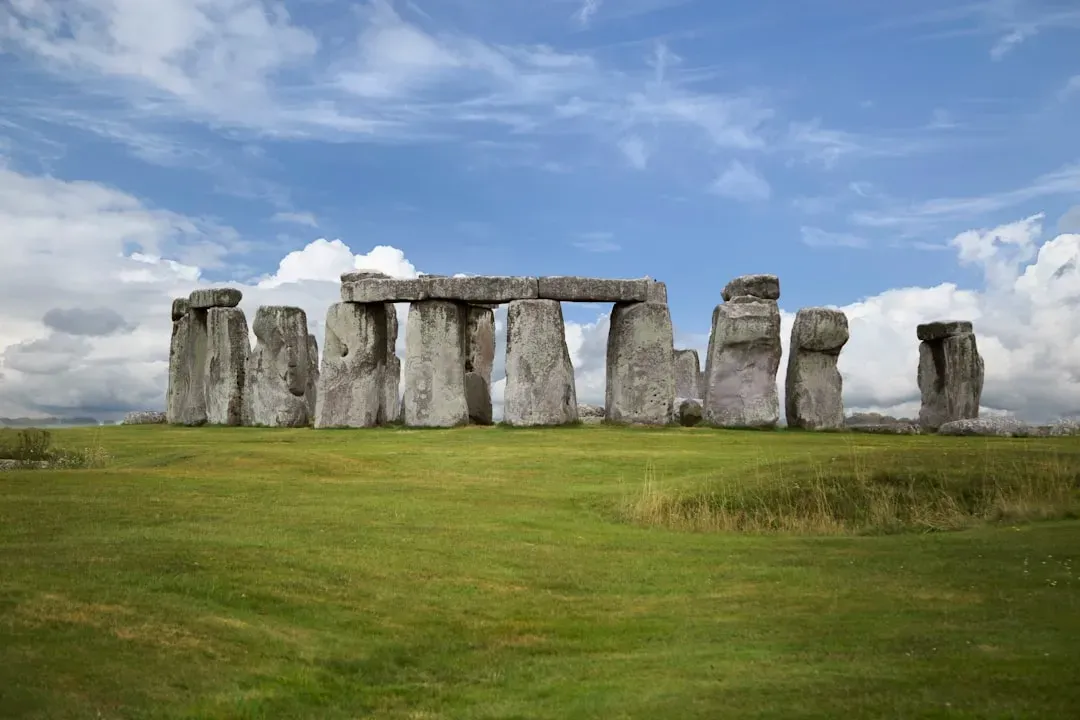
Stonehenge wasn’t built once. It was constructed in stages over roughly 1,500 years, beginning around 3000 BCE, which means generation after generation of people who never knew its original builders kept adding to it, maintaining it, and apparently revering it. The bluestones at the center were quarried in Wales, over 150 miles away, and transported across mountains and water at enormous human cost. Someone thought that effort was worth it.
Recent excavations have found the site served as a cremation cemetery for centuries, and the surrounding area shows evidence of massive seasonal feasting gatherings. The solstice alignments are real and precise, but most archaeologists now believe Stonehenge was many things simultaneously – observatory, burial ground, pilgrimage destination, and monument to ancestors – rather than a single-purpose structure. The problem is that the people who built it left no writing, and their rituals, beliefs, and social structures are reconstructed almost entirely from physical debris. The stones themselves are not explaining anything.
We shall not cease from exploration, and the end of all our exploring will be to arrive where we started and know the place for the first time.
T.S. Eliot
#2 – Jack the Ripper: 136 Years and No Confirmed Answer
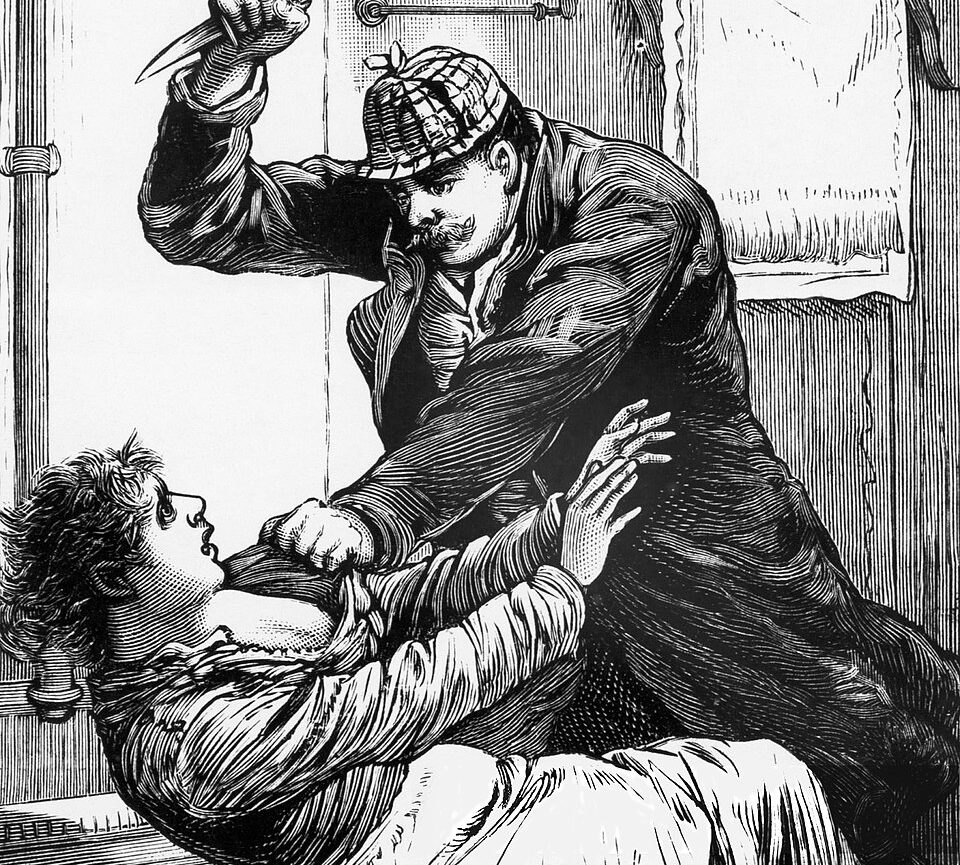
In the autumn of 1888, at least five women were murdered in the Whitechapel district of London with a precision that led investigators at the time to suspect medical or surgical training. The murders stopped as suddenly as they began. Letters purportedly from the killer flooded newspaper offices and Scotland Yard – most were likely hoaxes, but a few haunted detectives enough to be kept on file for decades. The case generated more named suspects than almost any unsolved crime in history.
Over 130 years of investigation, including 21st-century DNA analysis, have produced more than a hundred named suspects and zero confirmed identifications. The most publicized recent claim – that mitochondrial DNA evidence pointed to a Polish immigrant named Aaron Kosminski – was contested almost immediately by other researchers who found methodological problems with the sample handling. The original case files are incomplete, key evidence was lost or destroyed, and contemporary investigators couldn’t even agree on whether all five murders were committed by the same person. The Ripper’s identity is not a puzzle with a missing piece. It may be a puzzle where the key pieces were thrown away in 1888.
Why It Stands Out
- The five canonical victims were murdered within a roughly one-square-mile area of Whitechapel between August and November 1888
- Over 100 named suspects have been formally proposed – from doctors to royals to foreign sailors
- The “Dear Boss” letter, received by a London news agency in September 1888, was the first to use the name “Jack the Ripper” – most investigators believe it was a journalist’s hoax
- The murders stopped abruptly after November 9, 1888 – whether due to death, imprisonment, or emigration remains unknown
- Key physical evidence from the original investigation was lost or destroyed, making modern forensic retesting nearly impossible
#1 – Atlantis: History, Myth, or Something in Between
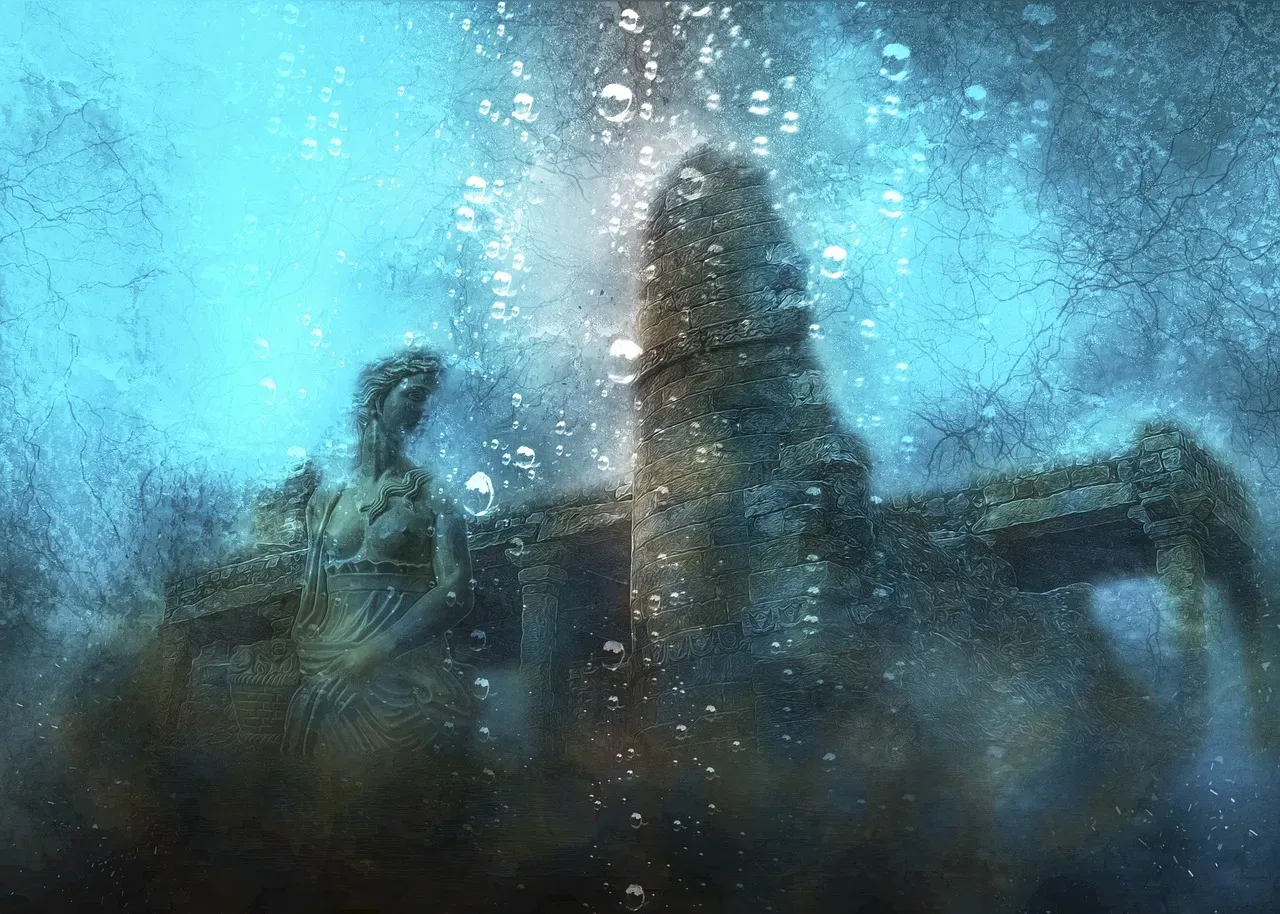
Around 360 BCE, the philosopher Plato described an advanced island civilization that had been destroyed “in a single day and night” by earthquakes and floods approximately 9,000 years before his own time. He named it Atlantis, described its layout in specific geographic detail, and explicitly presented the account as historical fact passed down through Egyptian priests to the Athenian statesman Solon. No other ancient source independently corroborates the story.
Every proposed physical location – Santorini, the Azores, the Bahamas, Antarctica, the coast of Spain – fails to match Plato’s description on at least one critical point: the timeline, the size, the technology, or the geography simply don’t line up. Rising sea levels after the last Ice Age did swallow dozens of real coastal settlements, and some researchers believe Plato was dramatizing a genuine cultural memory of Bronze Age catastrophe. But whether Atlantis was a real place, a philosophical allegory, a garbled folk memory, or a story Plato invented outright to make a political point – that question has been open for 2,400 years and shows no sign of closing.
These fifteen cases share one uncomfortable truth: they aren’t cold cases waiting for a clever investigator. The evidence is gone, the witnesses are centuries dead, and the records that might have settled things were never kept or were deliberately destroyed. Modern tools have added detail at the edges but haven’t touched the core mysteries. Some gaps in the past are permanent – not puzzles, but permanent features of a record that was always incomplete. The past keeps more secrets than we like to admit, and these fifteen are among the ones it will almost certainly take to its grave.