
When you picture the moment of death, you probably imagine a clean, sharp line: one second you are here, the next you are gone. But modern research paints a far stranger picture. In the minutes after doctors declare someone dead, the brain does not simply flip off like a light switch. Instead, it seems to slip through a brief, eerie twilight where traces of conscious-like activity may still flicker.
Over the last decade, scientists have pushed right up against this edge, studying people whose hearts stopped, who were clinically dead, and yet later described vivid awareness, memories, and perceptions. At the same time, advanced brain-monitoring tools have captured unusual surges of activity in the dying brain, including up to around ten minutes after circulation stops in some reports. You are not looking at proof of an afterlife, but you are also not looking at a simple fade-to-black. The truth is subtler, and in many ways, more unsettling.
The Moment of Death Is Not Really a Moment
When a doctor declares time of death, they are usually marking the point when your heart has stopped and cannot be restarted, and when you show no signs of breathing or responsiveness. On paper, that sounds final and absolute. In your body, though, different systems shut down on their own timelines, and your brain is one of the last major organs to fully go offline. That means that, even after the official time of death, electrical life can briefly continue in your skull.
Doctors use terms like clinical death to describe the point when your heart stops and blood flow ceases, but biological death is more of a process than an instant. Cells across your body, including in your brain, still have chemical energy to burn and structures that take minutes or longer to break down. Think of it less like a power cord being yanked from the wall and more like a laptop running down on battery: there is a brief window where things still work, just more and more erratically. In those minutes, especially the first ten or so, your brain may still be doing something that feels a lot like consciousness from the inside.
What Brain Scans Reveal in the First 10 Minutes
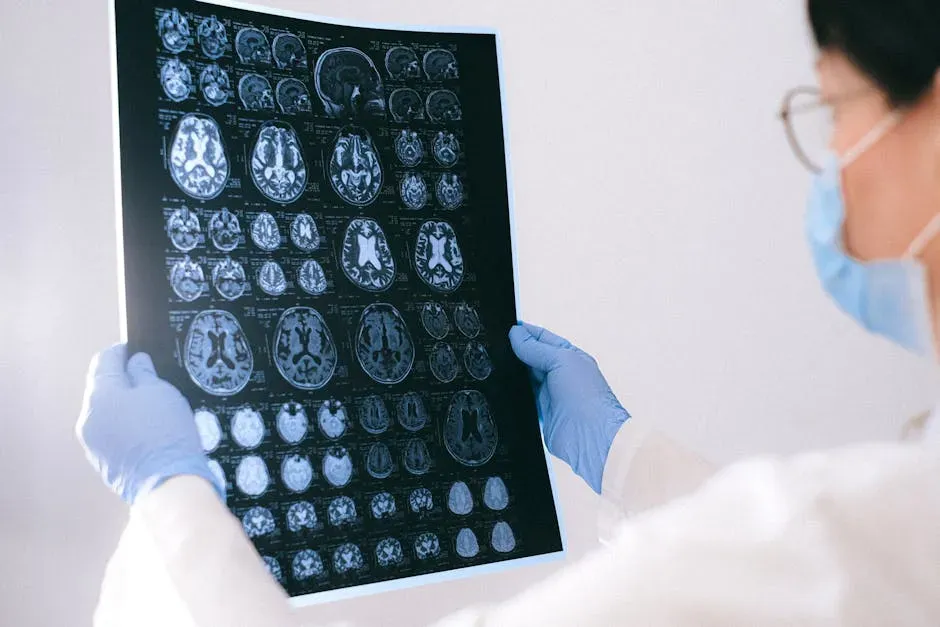
With modern intensive care and brain-monitoring equipment, researchers have been able to watch, second by second, what happens in the brain as someone dies. In some cases where people were being carefully monitored at the end of life, brain waves did not drop to flat lines the instant the heart stopped. Instead, there were brief bursts of organized activity that looked oddly similar to patterns you would show when you are awake, processing information, or dreaming. Some recordings even showed these patterns emerging after the point when doctors had already confirmed no pulse.
You can think of this like a final flare from a dying star: as blood flow falls, certain brain regions may suddenly fire in one last coordinated storm. That storm might last seconds or stretch into a few minutes, and it may not be the same in every person. What matters is that your brain shows it does not die all at once. The ten-minute window after a declared death appears to be a period where brain activity can flicker, pulse, or cascade down rather than simply vanish, and some of that activity overlaps with the same frequencies you rely on for conscious awareness during life.
Near-Death Experiences and Vivid Awareness
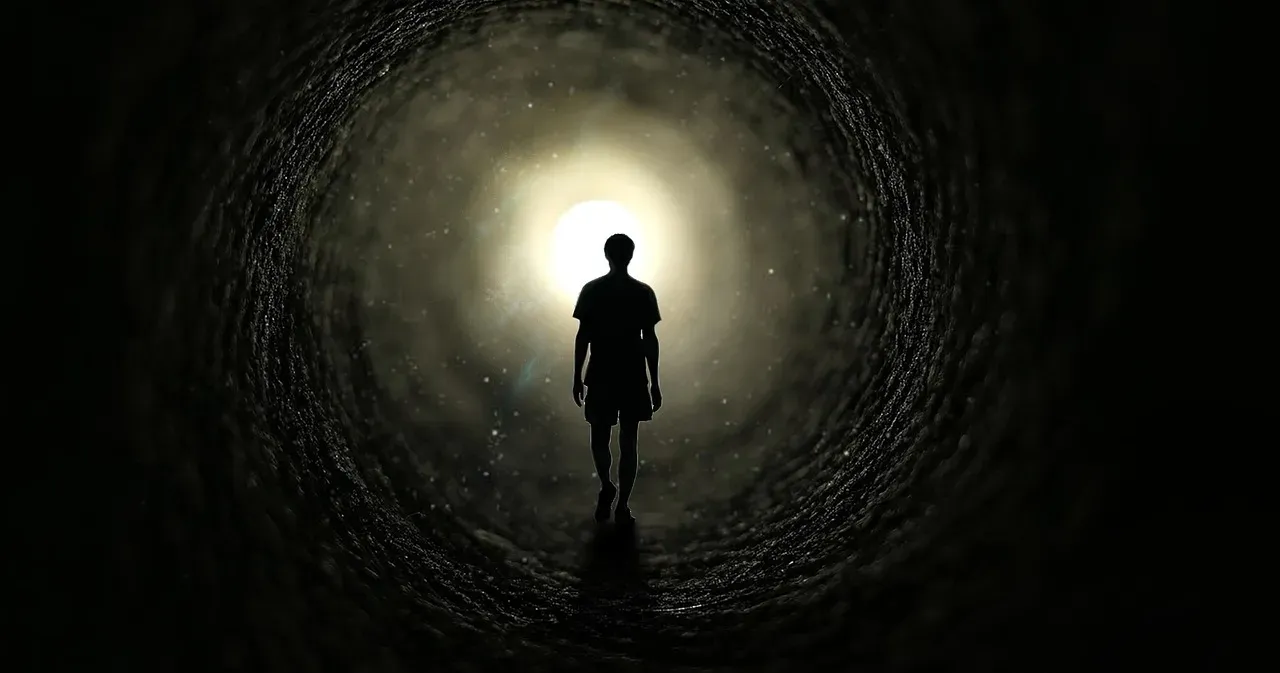
When you hear about people who technically died and were then resuscitated, you often hear eerily consistent reports: floating above the body, a sense of moving through a tunnel, encountering intense light or a feeling of overwhelming peace. These are often called near-death experiences, and they are not rare. When researchers interview patients whose hearts stopped and were successfully restarted, a noticeable fraction recall some form of clear awareness or perception during the time when, medically, they should not have been awake at all.
What makes this even more intriguing is that some patients can describe details from the period when they had no measurable heartbeat and no obvious brain function. They might report hearing snippets of conversation, seeing medical staff, or recalling procedures done to them. You are not dealing with simple dreams that came afterward, because in some studies, memories have lined up surprisingly well with real events. This does not prove that consciousness floats free of the brain, but it does force you to consider that some form of awareness can continue in that narrow window after you are declared dead, at least in certain circumstances.
The Brain on the Edge: Theories of What You Would Experience
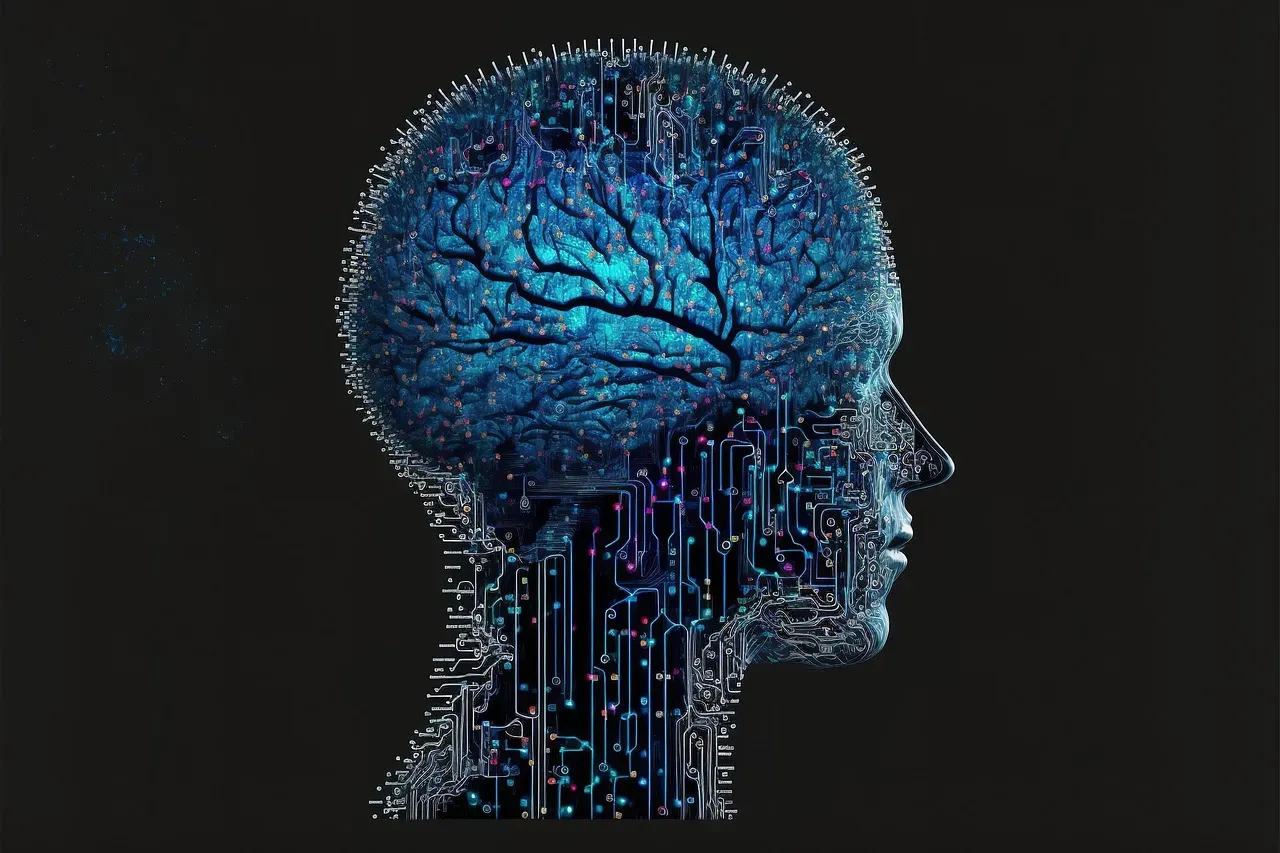
Scientists have floated several ideas about what your brain might be doing in those ten post-declaration minutes. One leading theory suggests that as blood and oxygen drop, the brain goes into overdrive, releasing a flood of neurotransmitters and electrical discharges. If you have ever had a very vivid dream or a moment of total clarity under extreme stress, you have a tiny glimpse of how powerful and immersive your brain’s inner worlds can feel. Near the point of death, that internal world might become the only reality left for you.
From the inside, you might feel time stretching out, like a slow-motion replay of your life, because your sense of time is built inside the very networks that are now misfiring or shutting down. Visual disturbances in the visual cortex could become tunnels and lights. A desperate attempt by your brain to make sense of failing signals might become the impression of meeting beings or crossing thresholds. You are basically watching a highly stressed, oxygen-starved brain trying to keep your experience coherent, even as the systems that normally anchor you to your body and the outside world are slipping away.
Consciousness Without a Pulse? What the Studies Actually Support
The boldest claim you will hear is that your consciousness lives on after death, but the science you have so far does not actually prove that. What it does show is that measurable brain activity can continue for minutes after the heart has stopped and that people can later recall experiences from that time. Some carefully designed studies have tried to catch this in action by hiding images or sounds in hospital rooms, then checking whether resuscitated patients could report them correctly afterward. Results have been mixed and, at most, suggest that some level of awareness may persist briefly when there is no detectable pulse.
For you, the cautious takeaway is this: the line between “alive and conscious” and “dead and gone” is fuzzier than you probably grew up believing. You cannot yet say with confidence that a fully independent consciousness is floating around outside the body, but you also cannot say with confidence that everything meaningful shuts off the instant your heart stops. The strongest, most responsible interpretation is that the dying brain can host experiences for a few minutes, maybe up to around ten, in certain cases, and those experiences can be rich, structured, and memorable if you survive to tell the story.
Why Your Last 10 Minutes Might Feel Peaceful, Not Terrifying
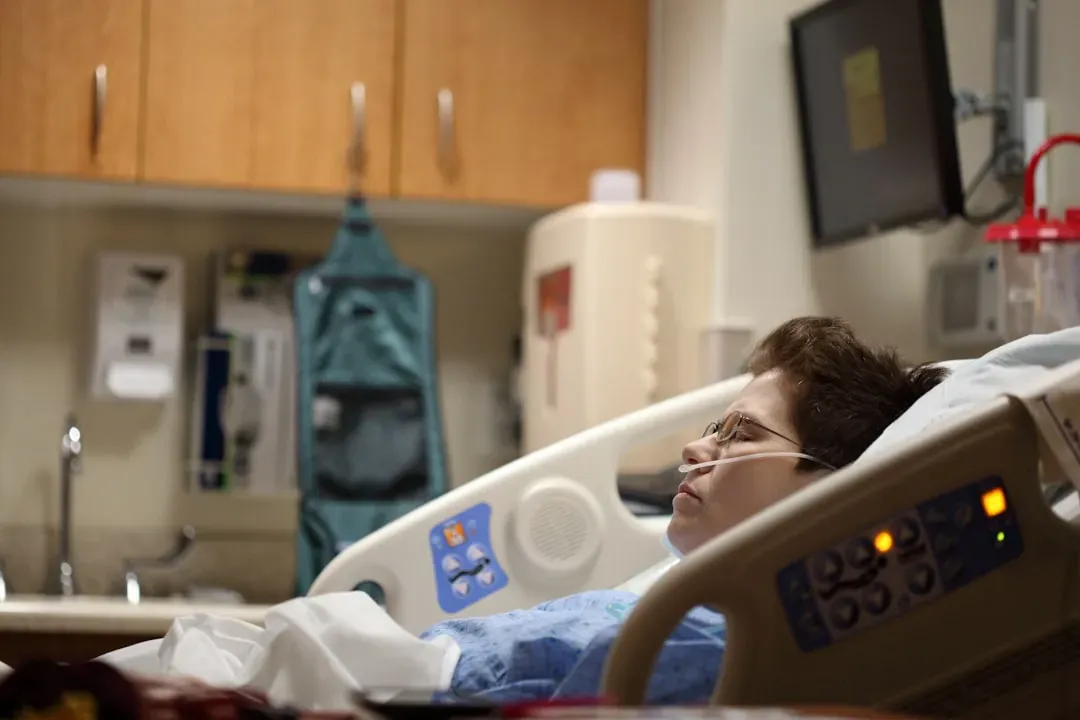
One of the most surprising findings from accounts of near-death experiences is how often people report calm, comfort, or even joy rather than panic. You might expect terror, but many describe a sense of acceptance, a feeling of being safe, or an emotional distance from their physical pain. That lines up with what you already know about the brain’s response to extreme stress: it can release a chemical cocktail to numb pain and protect you from unbearable emotions, almost like an automatic anesthetic for the psyche.
In those last minutes, your brain may be less focused on keeping your body going and more focused on cushioning your experience. The areas that generate fear and anxiety can quiet down, while systems linked to memory and emotion may activate. Imagine your mind wrapping itself in a psychological blanket as the body lets go. That does not mean everyone’s passing is peaceful, and it does not mean suffering is never part of the process, but it does suggest that if you are conscious in that window, your brain might be working hard to soften the edges rather than intensify the horror.
Ethical Questions: When Are You Truly “Gone”?
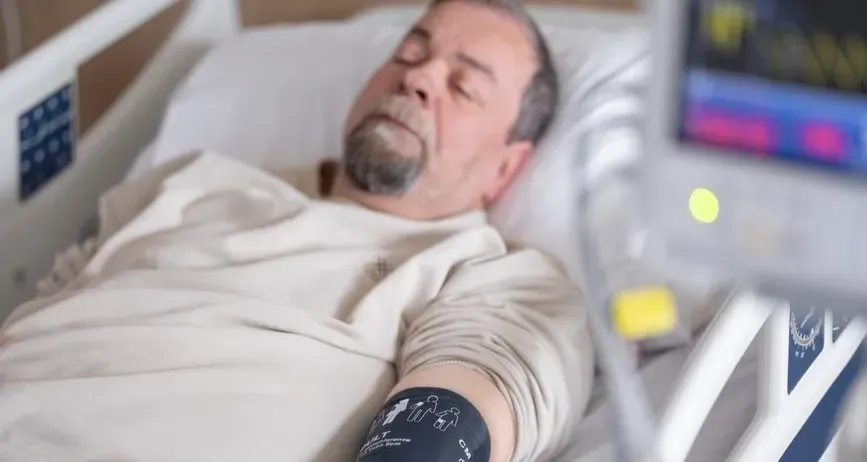
Once you accept that your brain and consciousness may hang on for a few minutes after your heart stops, uncomfortable questions follow. If some awareness persists after doctors declare death, when should organ retrieval start, and how do you make sure you are not aware of it? When should life support be withdrawn, and what does “no chance of recovery” really mean in an era when some people have come back after surprisingly long periods without a heartbeat? These questions are not just theoretical; they shape hospital policies and end-of-life laws in many places.
For you as a patient or family member, this gray zone highlights why clear communication and advance directives matter. If you have strong feelings about resuscitation, organ donation, or how aggressively you want doctors to fight for your life, you are better off making those choices explicit now. Medicine is getting better at stretching the limits of recovery, but that also means your definition of a good or acceptable outcome becomes crucial. Knowing that the brain does not shut down instantly makes it even more important to decide what you would want done in those strange, fragile minutes between life and final death.
What This Means for How You Live Now

Learning that your mind might linger in some form after your body is declared dead can feel spooky, but it can also be strangely grounding. Instead of framing death as an instant, unknowable blackout, you can see it as a brief, natural unwinding of a system that has been holding you together for decades. That does not resolve any spiritual questions, but it does remind you that your conscious experience is tied closely to a physical brain that follows laws of biology, even at the very end.
On a more personal level, knowing this might nudge you to think harder about how you want the end of your life to look. You may feel more motivated to have honest conversations with people you care about, write down your wishes, or even simply live in a way that leaves you with fewer regrets if your brain ever does replay moments as it shuts down. You cannot control how or when you will die, but you can control how fully you show up while you are here. In a strange way, peeking into the last ten minutes after death is really a reminder to pay attention to the ten minutes you are living right now.
Conclusion: A Fading Light, Not a Sudden Switch

The emerging science around consciousness after death does not hand you easy answers, but it does rewrite the story you were probably told as a child. Death, at least from the brain’s point of view, looks less like a switch being flipped and more like a light slowly dimming, sometimes with an unexpected bright flare before it goes out. Within roughly ten minutes of being declared dead, your brain may still be producing complex activity, hosting vivid internal experiences, and even preserving memories that could come back if you are resuscitated.
At the same time, the evidence is nowhere near strong enough to claim that you definitely stay aware, or that your mind drifts free of your body into some proven realm. You are looking at a frontier filled with careful measurements, haunting stories, and a lot of important unanswered questions. Maybe the most practical response is to let this knowledge deepen your respect for both life and death: to treat the dying with more gentleness, to plan your own exit more thoughtfully, and to live a little more awake today. If your consciousness really does get one last brief chapter after your body lets go, how do you want the rest of your story to set the stage for that final scene?