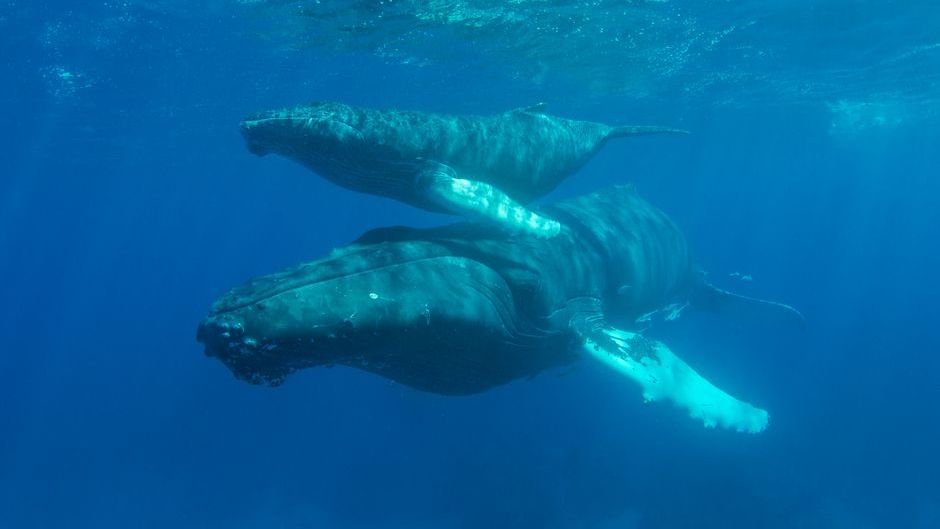

If you spend enough time around whales, you start to feel like you know them. Not personally, of course, but in that familiar way where certain patterns become comforting: the distant moans, the rhythmic songs, the excited social calls when a pod is feeding together. So the idea of a pod of humpback whales moving through the Pacific off California in near-total silence feels almost unsettling, like walking into a crowded room where everyone suddenly stops talking at once.
There is no confirmed case in the scientific literature of a humpback pod going completely and persistently mute off California. But acoustics researchers have documented quiet periods, dramatic drops in singing, and puzzling changes in calling behavior in this region and beyond. That makes the thought experiment of a “mysteriously silent” pod less like a wild sci‑fi scenario and more like a sharp spotlight on everything we still do not understand about these animals. What could make some of the ocean’s loudest and most expressive mammals temporarily fall quiet – and what would that eerie silence actually mean?
The Ocean’s Usual Soundtrack: Why Humpbacks Are Normally Anything But Quiet
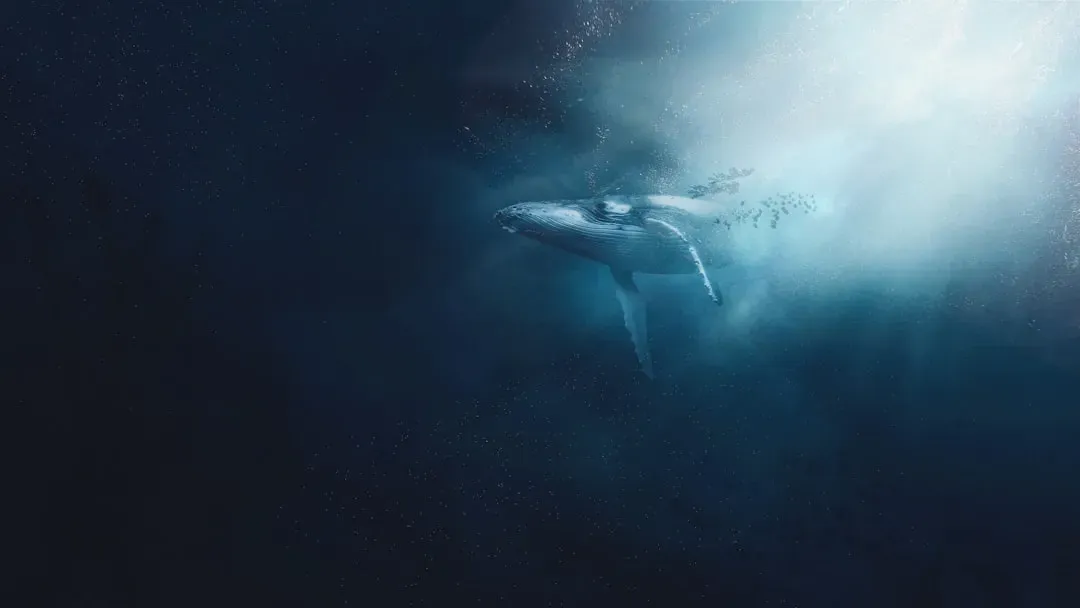
Here is the twist: humpback whales are among the noisiest and most acoustically complex animals on the planet. Male humpbacks are famous for their long, elaborate songs, made up of repeating phrases and themes that can last for minutes and be performed for hours at a time. These songs can travel astonishing distances underwater, and some studies have even shown that their structure follows patterns similar to human language, with a kind of verse–chorus organization emerging when researchers analyze decades of recordings.
And it is not just about the songs. Humpbacks also produce a whole library of non‑song social calls – grunts, whoops, squeaks, downsweeps, and mysterious “whups” – used while feeding, coordinating, or interacting with other whales. Researchers tagging humpbacks have found clear links between certain calls and behaviors like bottom foraging or group hunting, especially in places like feeding grounds where communication can help herd prey or synchronize movements. In other words, sound is usually woven into nearly every important part of humpback daily life.
Could Silence Be A Strategy In A Noisy, Dangerous Ocean?
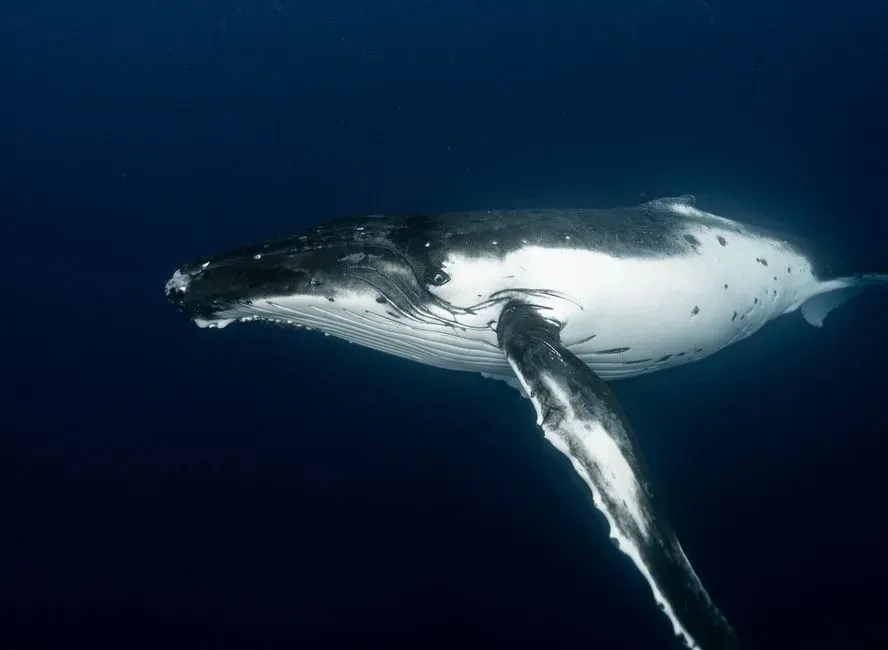
One of the most intriguing possibilities is that a silent pod is not broken at all, but making an active choice. In many marine mammals, quiet behavior is actually a known tactic. Some types of orcas, for instance, are far more silent while hunting, presumably to avoid alerting acoustic‑sensitive prey before they strike. While humpbacks are not stealth predators in the same way, they do share the same increasingly noisy ocean and the same risks of being heard by the wrong ears at the wrong time.
Off California, humpbacks swim through waters crowded with ship traffic, naval exercises, fishing gear, and dense human coastal activity. These areas are also used by predators like killer whales. In a soundscape where noise has surged over the past half century, it is not far‑fetched to imagine that going quiet for stretches – even just reducing call rates – might help a pod avoid conflicts, predators, or other stressors. Silence might not just be absence; it could be a deliberate, temporary cloak.
Food, Stress, And Quiet Whales: When The Buffet Changes The Music
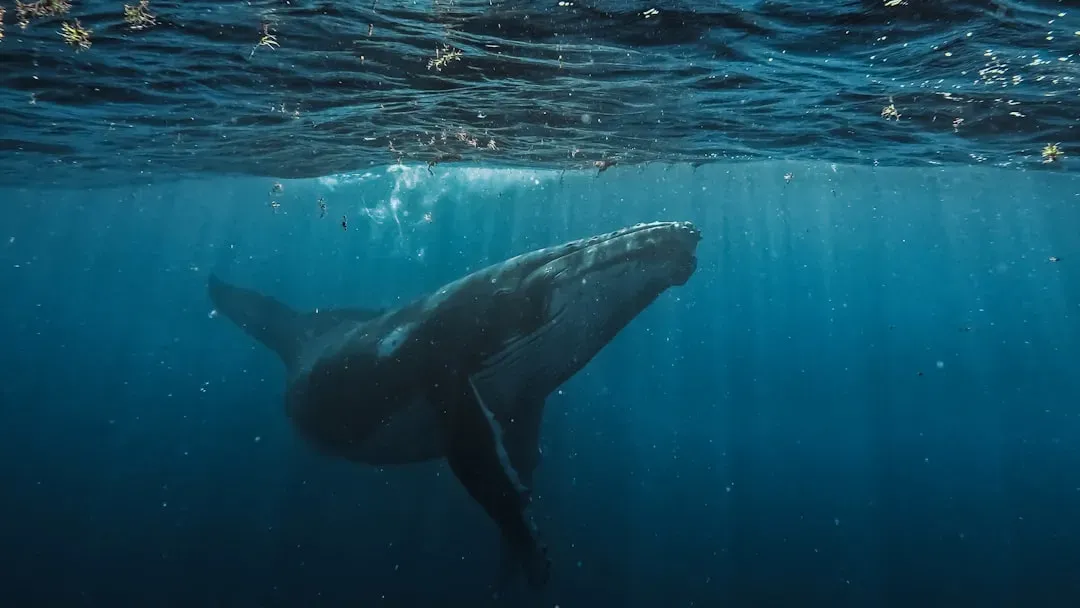
There is another strong candidate: food. Long‑term acoustic monitoring off the California coast and elsewhere has shown that whale song is surprisingly sensitive to environmental changes. When marine heatwaves or unusual conditions disrupt the food web – like the infamous warm‑water “Blob” event in the North Pacific – researchers have documented clear changes in whale singing patterns. In some cases, singing dropped in years when prey availability shifted, and then later rebounded as conditions improved.
This makes intuitive sense once you think about it. Singing is costly; it takes time and energy, and it probably only pays off if a whale is in decent condition and the overall environment is favorable. If prey like krill or schooling fish are patchy, deeper, or harder to find, whales may need to spend more time searching and feeding and less time producing long, complex songs. A pod seen silently cruising off California might not be mysteriously broken at all – it might be busily engaged in a kind of survival mode, reallocating effort from communication to foraging in a subtly stressed ecosystem.
Social Dynamics: When You Do Not Need To Shout To Be Heard
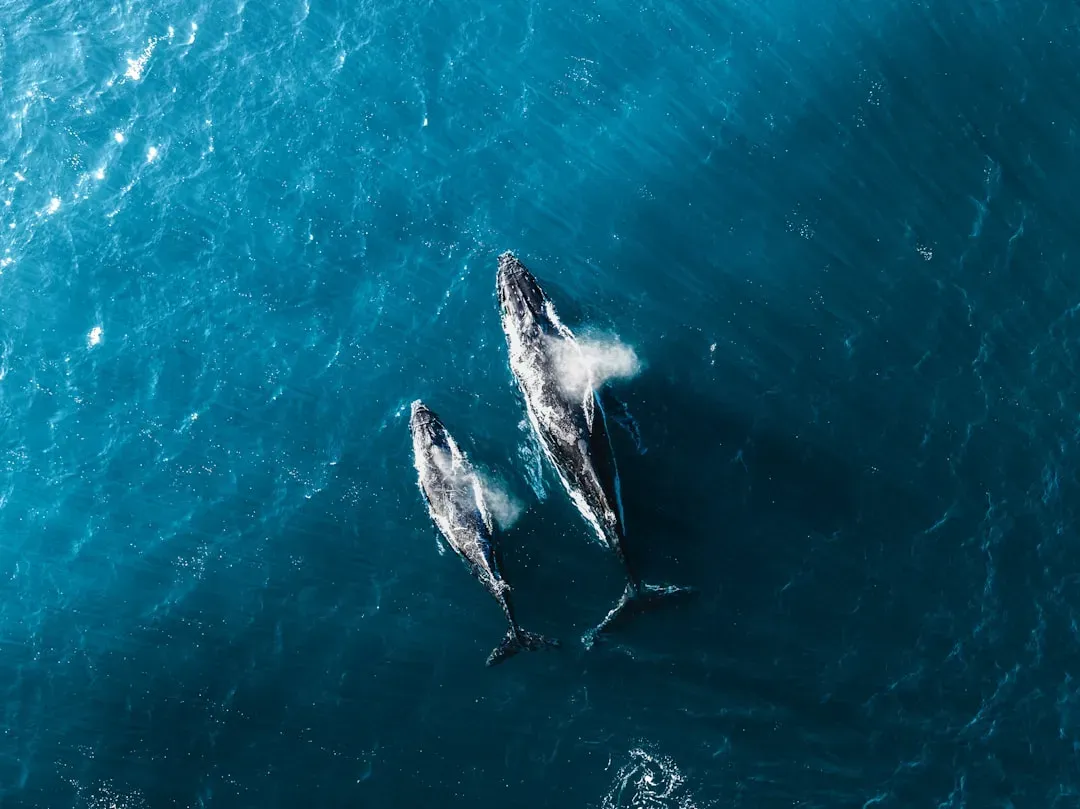
An idea that has been gaining traction is surprisingly simple: maybe whales sing and call less when they do not have to work so hard to find each other. Researchers tracking humpbacks in some regions have noticed that as populations recover from the worst whaling years and more whales pack into the same breeding or feeding areas, the overall level of song can actually fall. If potential mates and companions are already close by, continuous, loud, long‑range advertisement may not be as necessary.
That logic can be extended to a pod off California gliding together in unusual quiet. If the whales are traveling in tight formation, already socially coordinated, and not in intense competition for mates at that moment, there may be little payoff in layering on a lot of extra sound. Think of a group of close friends walking home together at night: they may chat, or they may just fall into a calm, shared silence that still feels connected. In that sense, a quiet pod might be a sign of strong social cohesion rather than something ominous.
The Human Noise Problem: When Our Engines Drown Out Their Voices
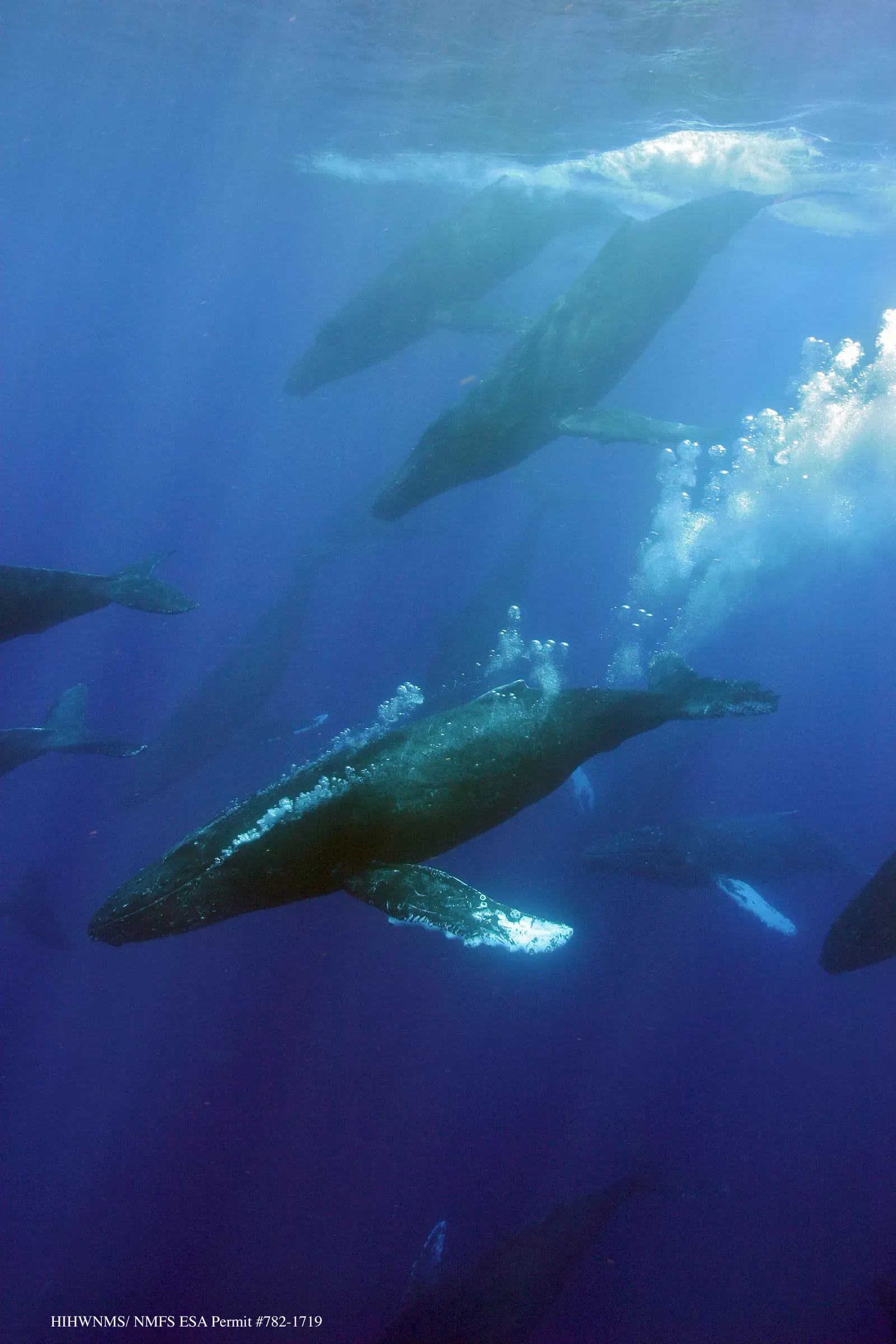
It would be irresponsible to talk about whale silence without confronting the obvious: we have made their world much louder. Large commercial vessels, recreational boating, military sonar, seismic surveys, and coastal development all pour sound into the ocean across a huge range of frequencies. Studies in Southern California have mapped these underwater soundscapes and found that some of the very places whales use to feed or migrate overlap heavily with busy shipping lanes, while only certain pockets – like parts of marine sanctuaries – remain relatively quiet.
Chronic human noise does not just add background hum; it can overlap directly with the frequencies whales use, reducing their communication range, masking calls, and potentially altering how and when they vocalize. In some cases, whales have been observed changing the timing, pitch, or loudness of calls in response to ship noise. In others, they simply call less. So a silent or unusually quiet pod might be a symptom of a larger problem: whales adjusting to an acoustic environment we have fundamentally reshaped, where staying quiet at times could be less stressful than shouting over an endless underwater traffic jam.
How Scientists Would Actually Study A “Silent Pod” Mystery
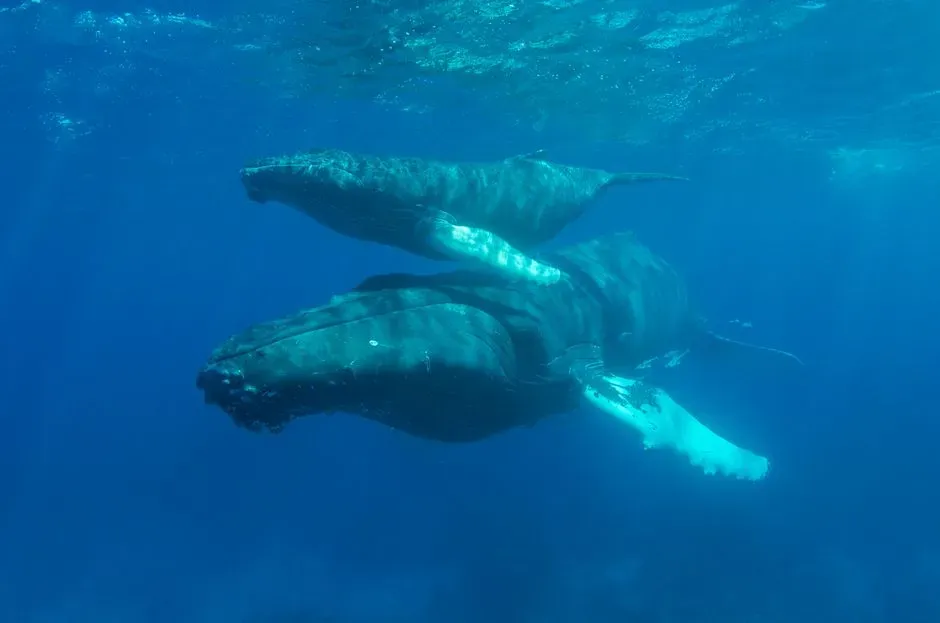
If a research team really did stumble on a pod of apparently silent humpbacks off California and wanted to understand why, the investigation would not look like a dramatic movie scene – it would look like a pile of data. First, they would deploy hydrophones to be absolutely sure the whales were truly quiet and not just calling outside the range of human hearing or standard equipment. Modern passive acoustic systems can capture a wide variety of low‑frequency and subtle sounds, and sometimes what seems silent to observers on a boat turns out to be full of barely audible communication.
Next, scientists would layer in everything else they could: tagging individual whales to track depth, movements, and behavior; collecting data on local prey abundance and ocean conditions; checking ship traffic, sonar use, and recent noise events; and comparing this pod’s behavior to similar groups in other times and places. Increasingly, machine learning tools are being used to sift through years of humpback recordings, pulling out patterns and anomalies that might indicate shifts in behavior or environment. The mystery of a quiet pod would not be solved with a single “aha” moment, but with careful, patient cross‑checking of biology, physics, and human activity.
What A Silent Pod Really Tells Us About Our Relationship With The Ocean
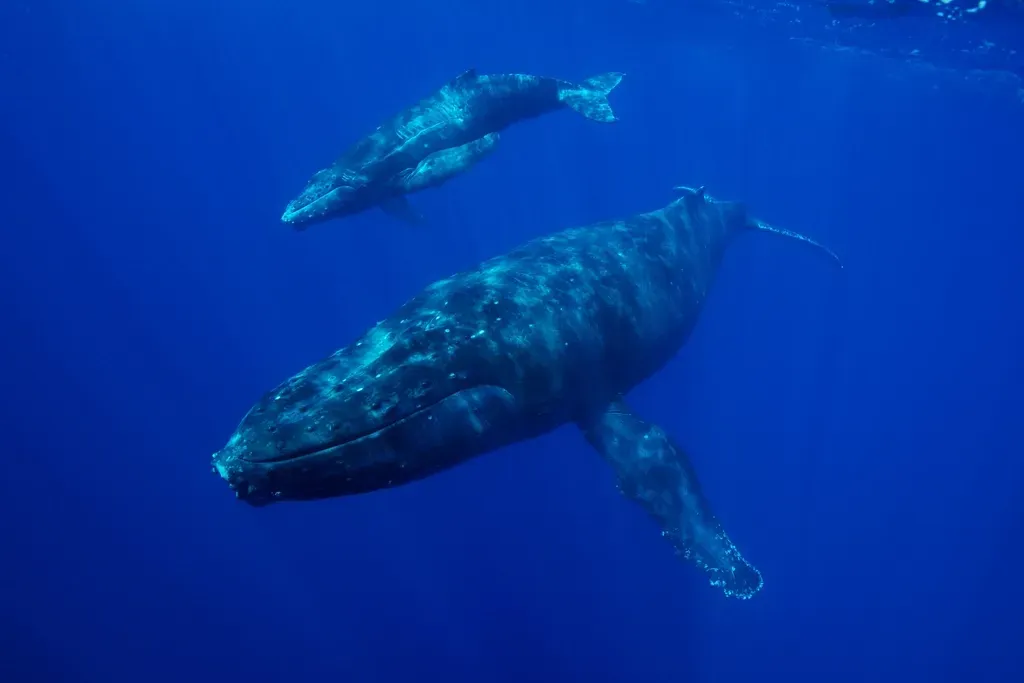
Here is my honest opinion: a pod of humpbacks gliding silently through California’s waters would be less a supernatural mystery and more a blunt mirror held up to us. Whether their quiet was driven by stress, shifting food webs, crowding, predator avoidance, or some combination we cannot yet untangle, it would still be a reminder that these animals are constantly adjusting to a world we are changing faster than they can keep up with. In a sense, their silence would be a kind of feedback – soft, subtle, but deeply telling – about the health of the ocean and the footprint of our noise, warming, and industry.
I also think there is a danger in romanticizing silence as purely mystical. Humpbacks evolved to live in a rich soundscape, full of songs and calls and echoes carrying across miles of water. If we ever reach a point where quiet seas become the norm because whales no longer bother to sing in places we have made hostile, that would not be a poetic ending – it would be a warning. The better outcome is one where the “mysteriously silent pod” becomes a thought‑provoking story that pushes us to protect quieter sanctuaries, reduce noise, and treat whale communication as something precious rather than background sound. If you were out there on the water, listening to that eerie calm, would you hear peace – or a question we still have not answered?