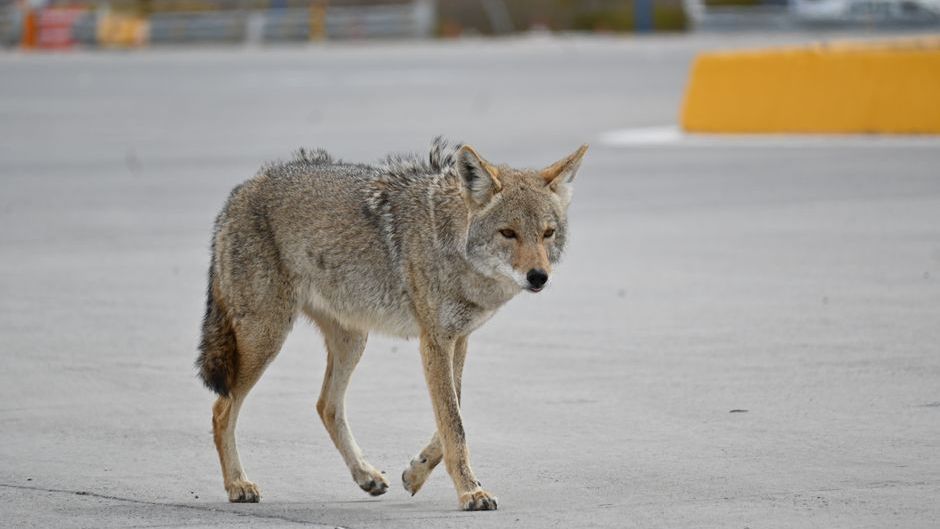

If you live in a big U.S. city, there’s a decent chance a coyote has padded past your apartment while you were asleep, slipped behind a warehouse you drive by every day, or watched you from a patch of scrubby grass along a freeway. That sounds dramatic, but urban wildlife researchers keep finding the same thing: coyotes are not just visiting cities, they’re settling in and raising families there. What seems at first like a nature documentary gone wrong is actually a story about how one species has quietly learned to read our patterns better than we read theirs.
When I first learned that coyotes were living in downtown areas of places like Chicago and Los Angeles, my gut reaction was: why on earth would they choose that? Noisy streets, concrete, traffic, people everywhere – it sounds like an animal nightmare. But the deeper you look, the more the logic flips: for a clever, adaptable predator that knows how to stay out of sight, big cities can actually be safer and more bountiful than the rural landscapes we assume are “wild.” Once you see cities the way a coyote does, you can’t unsee it.
Urban Landscapes Offer Unexpected Food Buffets
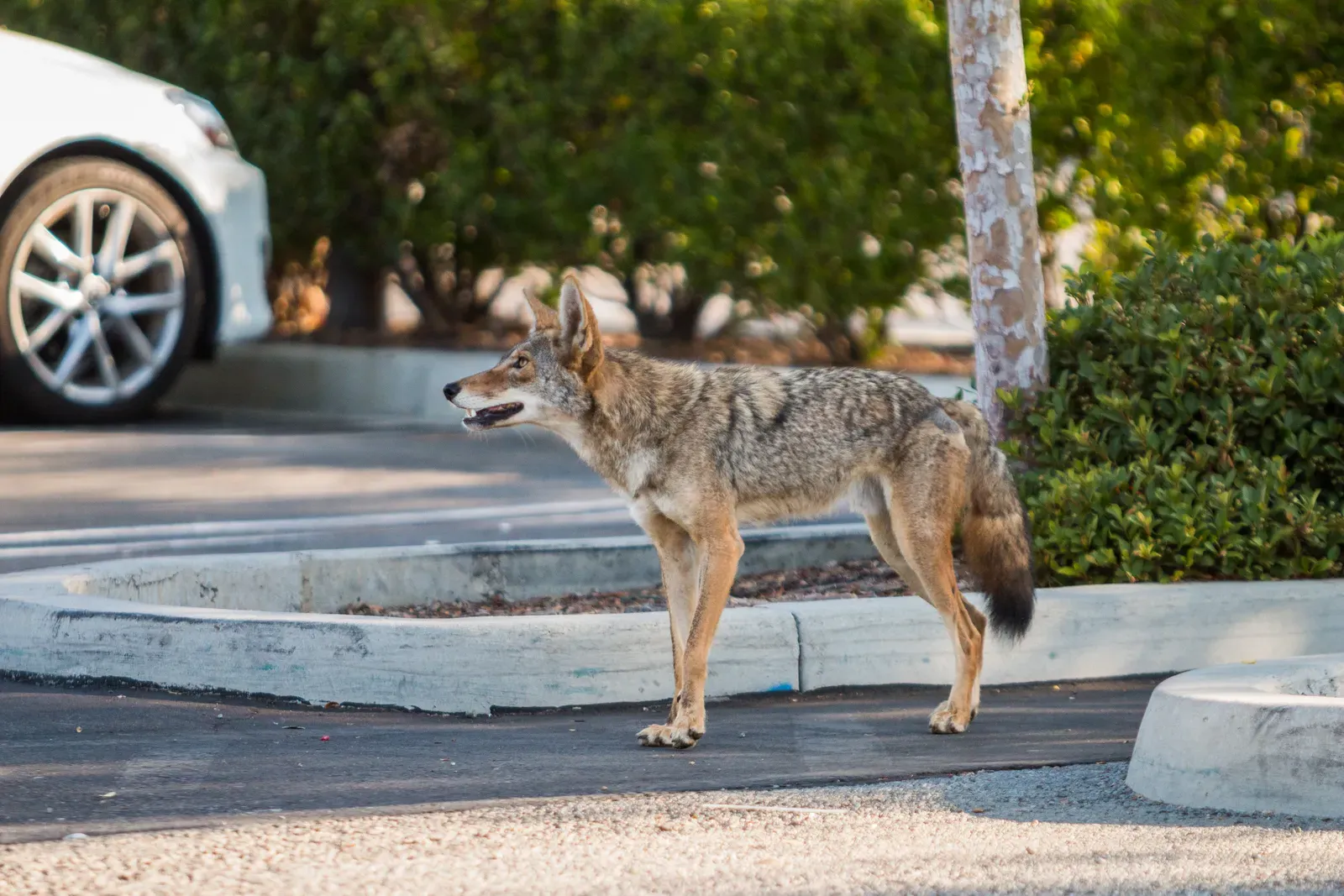
One of the most surprising reasons coyotes do so well in major cities is brutally simple: there is food everywhere. Trash bags ripped open in alleys, overflowing dumpsters behind restaurants, pet food left on porches, fallen fruit from backyard trees, rats and mice scurrying along train tracks – from a coyote’s perspective, cities are basically all-you-can-eat buffets with very little effort required. They do not need to take the risky, energy‑intensive path of chasing down deer or rabbits in a remote field when last night’s leftovers are piled up in a metal box behind a grocery store.
On top of human waste, urban coyotes still hunt, but their prey list shifts to what cities specialize in: rodents, pigeons, rabbits in parks, and even insects. This is one reason many biologists describe them as opportunistic generalists, which is a formal way of saying they’ll take what they can get and adjust their menu as conditions change. That kind of flexible diet is a superpower in human‑dominated landscapes, where a neighborhood can go from industrial lots to high‑rise condos in just a few years. While more specialized species starve or move on, coyotes simply switch from one food source to another and keep going.
Cities Often Have Fewer Natural Predators and Hunters
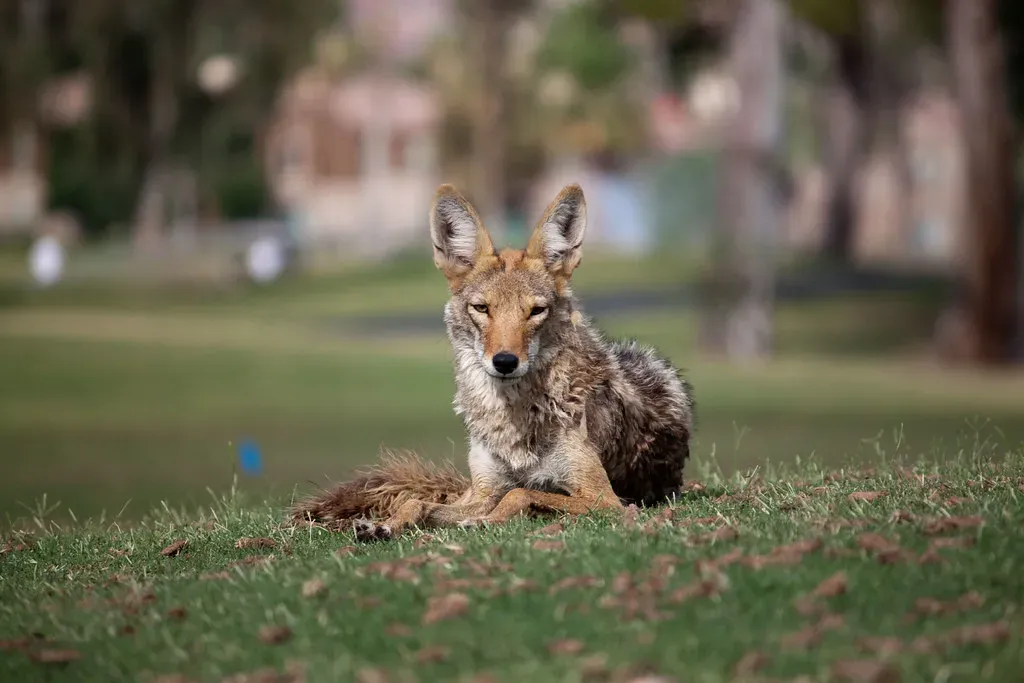
Out in more rural or wild areas, coyotes have to worry about larger predators, territorial conflicts, and human hunters. In big parts of the American West, for example, they share space with mountain lions, wolves in some regions, or aggressive management programs that actively try to shoot or trap them. In large cities, that top‑down pressure usually drops off drastically. Very few big predators can tolerate city sprawl and highways, and intensive hunting is rare or tightly restricted inside metropolitan boundaries.
This means that for coyotes who can slip across the urban edge and figure out how to avoid people, cities can actually be safer than “nature.” It flips a comforting mental picture we tend to have – that wild landscapes are where animals flourish and cities are where animals suffer. For coyotes, the reality is closer to the opposite: dense human areas often remove their natural enemies while accidentally creating safer pockets where no one is actively trying to kill them. That safety, combined with abundant food, makes a powerful recipe for thriving populations.
Green Corridors and Edge Habitats Suit Coyote Behavior Perfectly
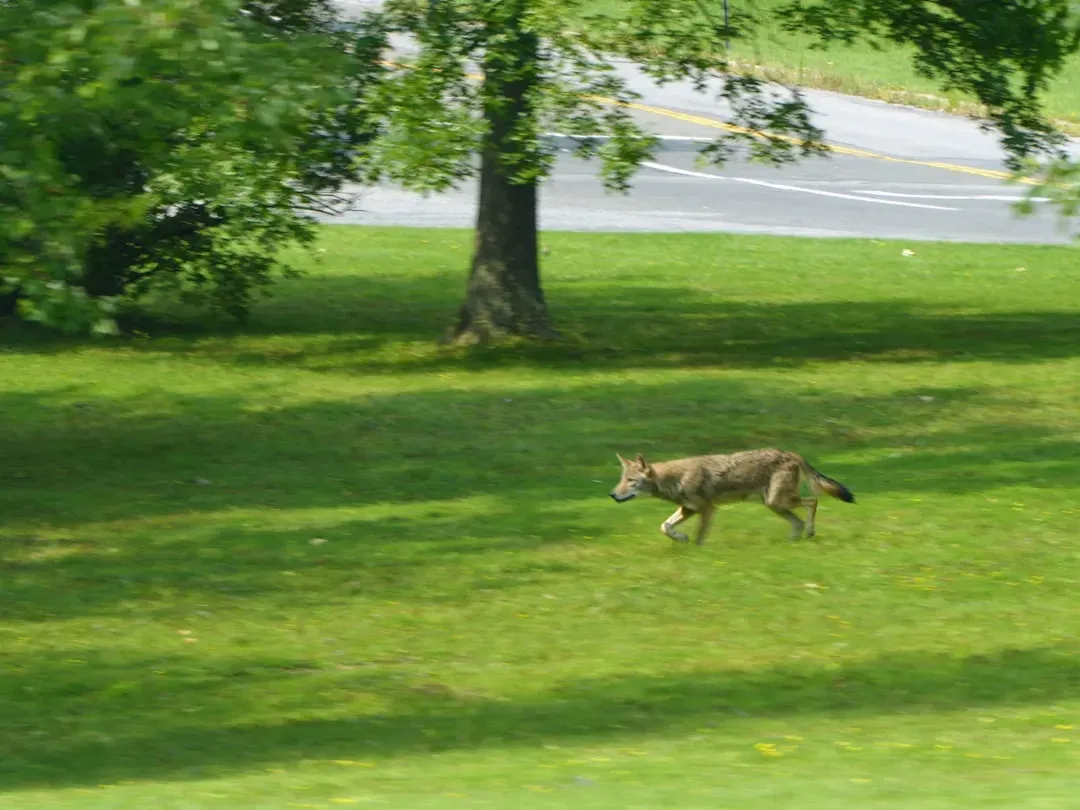
Coyotes are not camping out in the middle of downtown plazas all day; they are masters of the in‑between spaces that cities produce in bulk. Think of highway embankments, rail corridors, drainage ditches, golf courses, power‑line easements, and scruffy vacant lots. Ecologists call many of these places edge habitats, transition zones between more heavily used human areas and patches of vegetation. Coyotes naturally gravitate to these edges in rural areas, and cities just happen to be crisscrossed with them like a spiderweb.
These corridors function like secret highways for wildlife. A coyote can move miles along a creek that has been “restored” as an urban greenway while hardly ever crossing a busy street. It can den in an overgrown patch just beyond a parking lot and still have quick access to both cover and food. In some neighborhoods, people walk their dogs within a few hundred feet of coyote dens without ever knowing it. The same planning that tries to soften cities with strips of green unintentionally builds an ideal network of habitat for a mid‑sized predator that prefers to stay unseen.
Night Life: Coyotes Shift Their Schedule Around Us
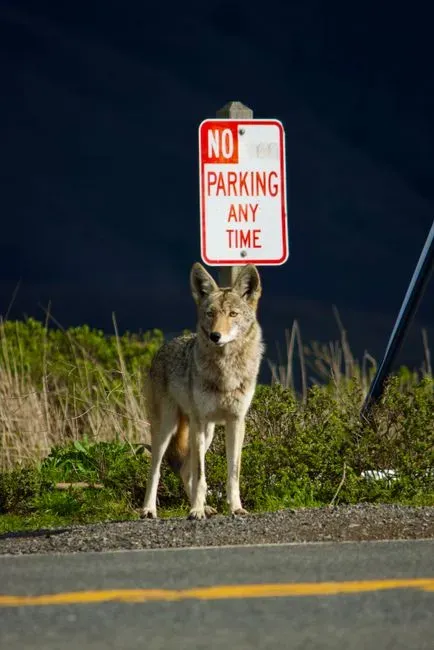
Another key part of the story is time, not just space. Coyotes have learned to adjust their activity patterns to us, becoming far more nocturnal in big cities than many of their rural cousins. In places with heavy daytime foot traffic, they lie low while we are awake and then emerge to move, hunt, and forage in the quiet hours when the streets thin out. This shift is not random; studies that track collared coyotes show clear patterns of animals concentrating their movement at night to reduce conflict with humans.
It is a remarkably simple but effective strategy, and you can think of it like living on a totally different shift than your roommates to avoid awkward encounters in a cramped apartment. By largely occupying the city between midnight and dawn, coyotes turn what would be a crowded, stressful environment into something much calmer. They can trot through intersections that would be lethal at rush hour, cross pedestrian trails with almost no one around, and use our sleeping hours as their safe window to travel long distances without drawing attention.
Social Smarts and Family Structures Help Them Adapt
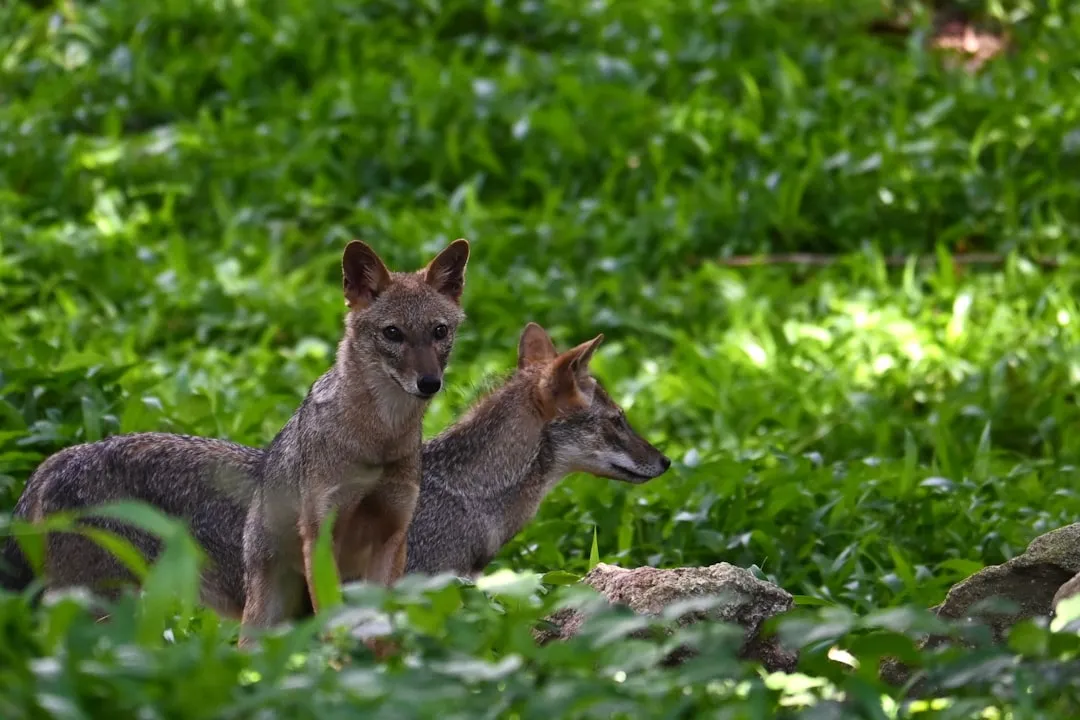
Despite their rogue image in pop culture, coyotes are not loners drifting aimlessly through the streets. In many cities, they live in small family groups with defined territories, often including a breeding pair and their offspring from one or more years. That structure helps them defend key resources like den sites and reliable food patches, and it also creates a kind of informal teaching system: younger animals watch and learn which routes are safe, when to move, and how close they can get to humans without causing trouble.
This social complexity matters in urban environments where the rules are not written in instinct alone. Traffic lights, trash pickup schedules, dog‑walking hours, and even seasonal festivals all change human behavior, and coyotes that interpret those patterns correctly pass an enormous advantage on to their pups. You can almost think of it like family lore: one generation learns which underpass is safe and which park rangers are strict, and the next generation starts life with that knowledge embedded in its daily routes. Over time, that shared experience becomes another invisible tool that helps urban coyote clans persist.
Human Attempts at Control Often Backfire
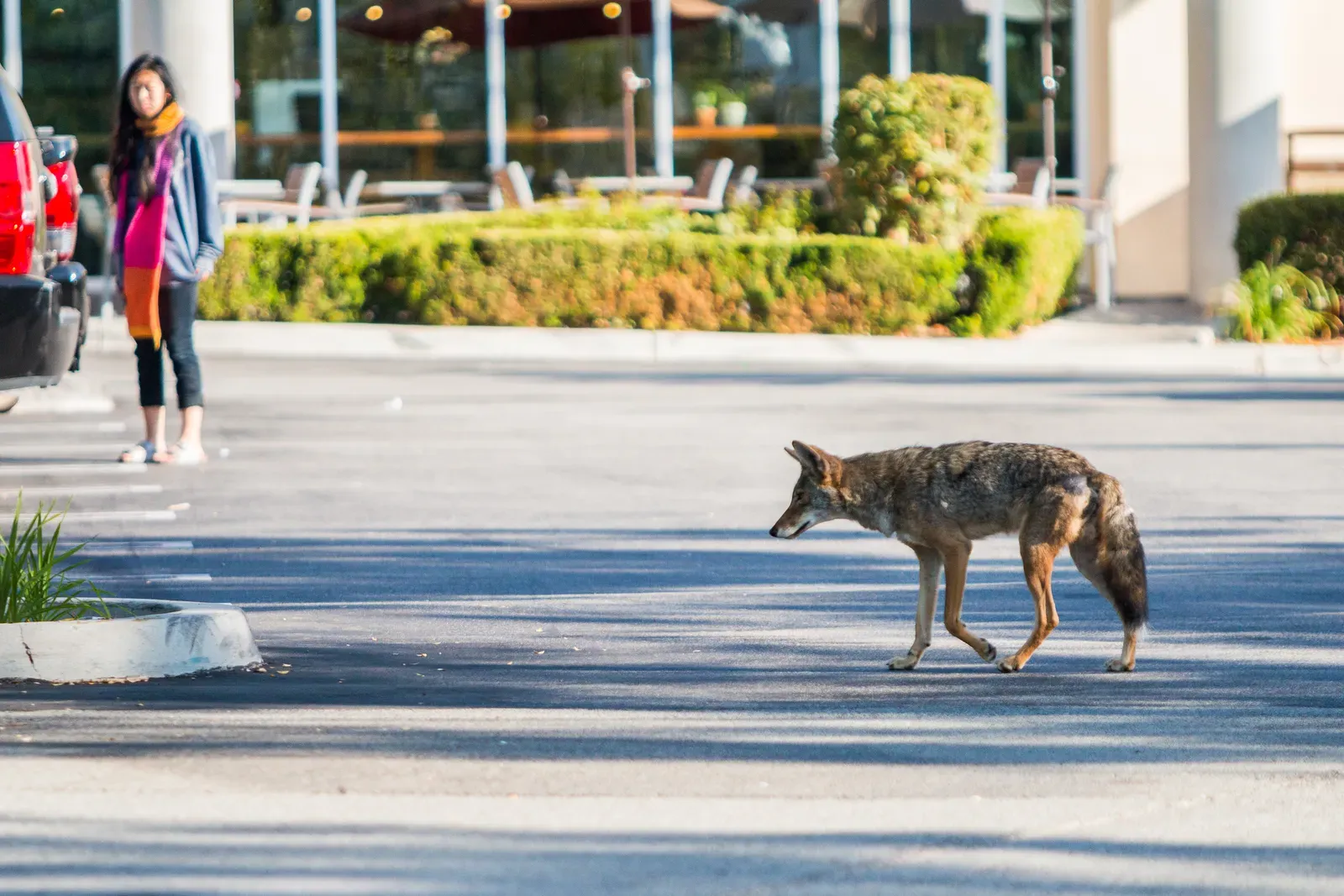
Here is the twist that frustrates a lot of people: aggressive efforts to remove coyotes from an area often end up strengthening the population in the long run. Coyotes have a biological quirk where their breeding can ramp up when numbers drop. When individuals are removed, surviving females may have larger litters, and more young may survive to adulthood because competition eases. If surrounding territories open up, dispersing juveniles can also move in to fill the gap surprisingly quickly.
In practical terms, that means a neighborhood that traps or kills a few coyotes can briefly feel safer, only to see new animals appear within months, sometimes in greater numbers. It is a bit like pressing down on a waterbed: push hard in one place, and the problem just bulges somewhere else. This is why many wildlife agencies now emphasize coexistence strategies over broad, lethal control in urban settings. Trying to “wipe out” coyotes in a sprawling metro area is not only difficult; the biology of the species actively fights you.
Our Habits Accidentally Invite Them In
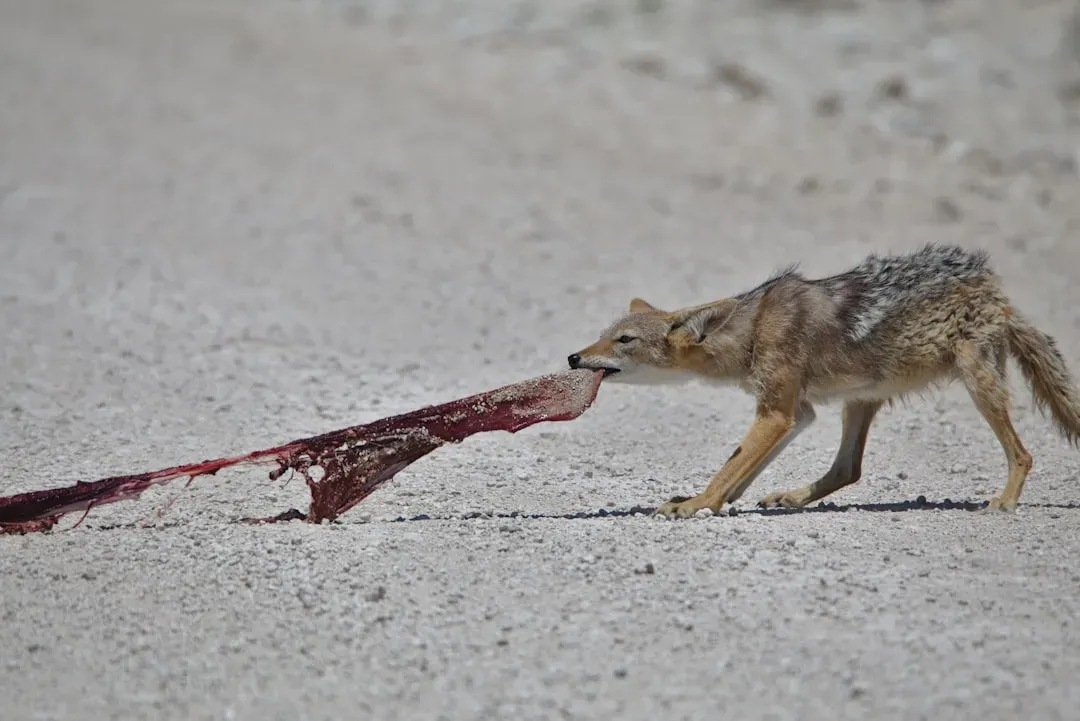
We like to tell a story in which coyotes invade our cities, but if we are being honest, we invite them in more than we realize. Unsecured trash, compost piles, open pet food, and even outdoor bird feeders all create reliable food sources that draw in rodents and, by extension, coyotes. Yards with dense shrubs offer cover. Park lawns full of geese or rabbits look like hunting grounds from a coyote’s point of view. Without meaning to, many of us are basically setting a place at the table for them.
There is also a softer cultural piece: people love feeding animals, and a small but very real number of city residents deliberately give food to coyotes because they see them as cute or in need of help. That might feel compassionate in the moment, but it can normalize closer approaches, erode fear of humans, and lead to bolder behavior that eventually results in conflict. When problems arise, the animal is often the one that pays the price. The hard truth is that the best way to care about coyotes is usually to let them stay wary and wild, not to turn them into outdoor pets.
What Coexistence Really Looks Like in Big Cities
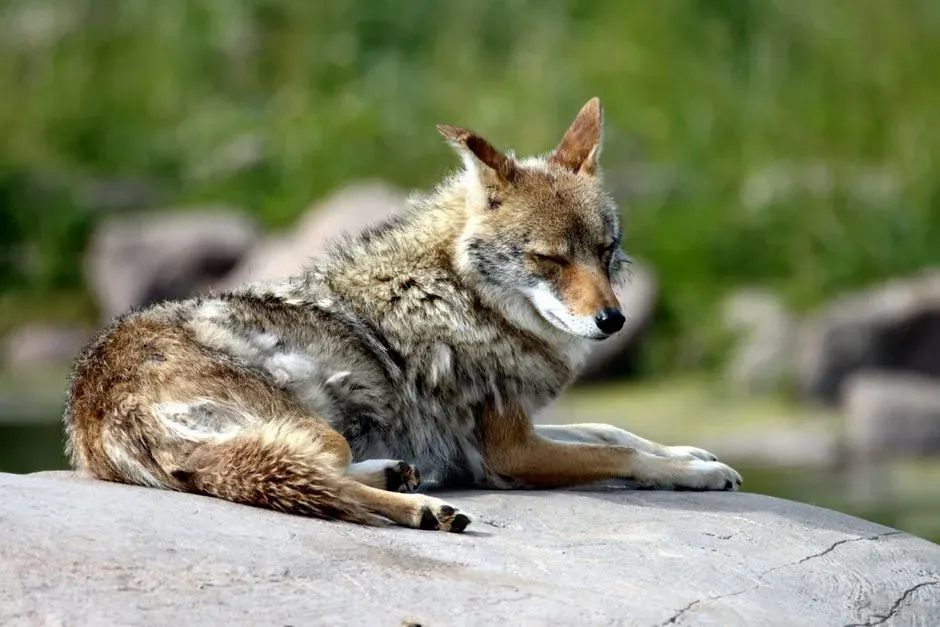
Living with coyotes does not have to mean living in fear, but it does require a more realistic view of who they are and how they operate in our neighborhoods. Simple actions like securing garbage, keeping cats indoors, supervising small dogs, and removing attractants can make an enormous difference in reducing risky encounters. In many cities, education campaigns teach residents how to “haze” coyotes – loudly and confidently scaring them off when they come too close – to reinforce the idea that humans are something to avoid, not approach.
At the same time, there is a growing movement to see coyotes as part of the urban ecosystem rather than a glitch in it. Some people take comfort in the idea that a top predator is quietly keeping rodent numbers in check or reminding us that wildness has not been completely pushed out by concrete and glass. Others feel uneasy, especially when children or pets are involved, and that concern is valid too. Real coexistence is messy: it means acknowledging both the ecological value and the emotional weight of sharing space with a predator, and building local policies that reflect that nuance instead of denying it.
Conclusion: What Coyotes Reveal About Us
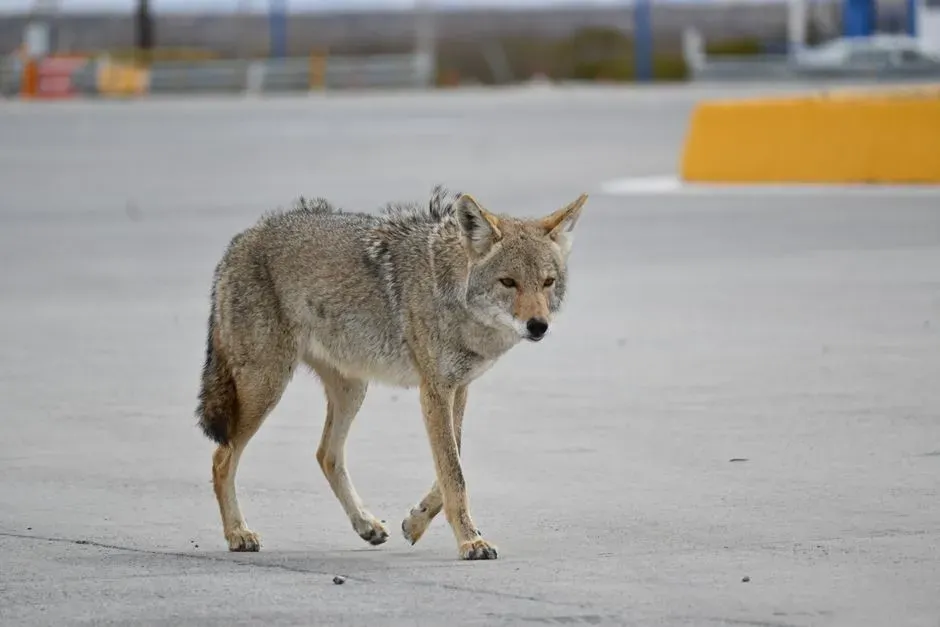
The hidden success of coyotes is not just an animal story; it is a mirror pointed back at our own habits, blind spots, and assumptions about nature. Coyotes thrive because they are flexible, observant, and unafraid to exploit the cracks in our systems, from overflowing dumpsters to neglected edges of infrastructure. In a strange way, they embody the kind of scrappy resilience we like to celebrate in human culture, only we get nervous when that same trait shows up on four legs trotting past the subway station.
My own opinion is that coyotes are not a problem to be solved so much as a test we keep failing or passing, depending on the neighborhood. If we double down on fear and unrealistic eradication plans, we learn nothing and likely make the situation worse. If we accept that they are here, take responsibility for the ways we lure them in, and set firm boundaries that keep them wary, we gain a smarter, more honest relationship with the wildness woven through our cities. In the end, the most surprising thing about urban coyotes might be what they quietly teach us about how to live in our own habitats more thoughtfully. Now that you know they are there, watching from the margins, how differently will you see your city at night?