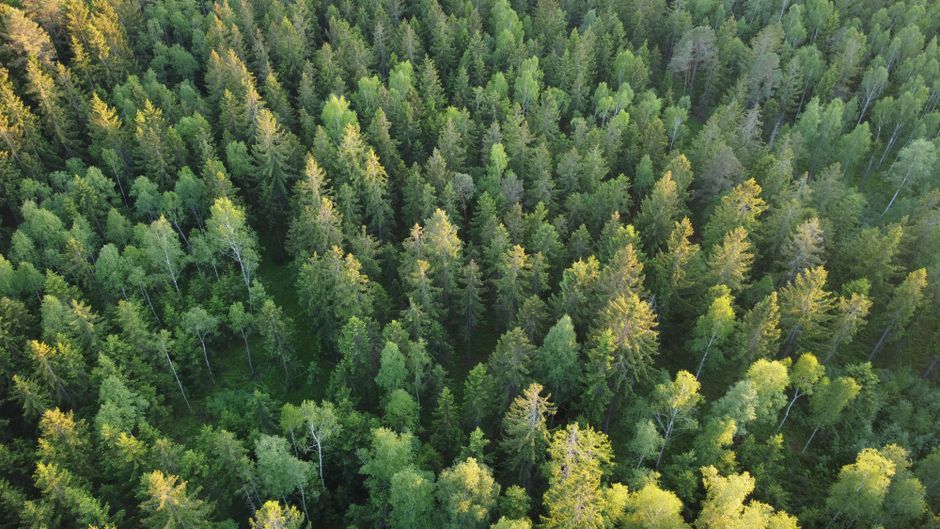
If you picture the Canadian North, you probably see an endless carpet of dark green spruce and pine stretching to the horizon. It feels timeless, almost frozen in place, like the landscape has always looked that way and always will. Yet right now, in real time, that vast boreal forest is quietly on the move, shifting northward in ways that scientists struggle to match with anything in the known climate record.
You are living in a moment when an entire biome is trying to outrun the heat. Trees are creeping toward the Arctic, fires are burning bigger and hotter, and the once-solid boundaries between forest and tundra are starting to blur. If you think of ecosystems as slow, ancient things, this story may genuinely shock you. The question is not just whether the boreal forest can keep up with a warming world – but what its frantic migration means for you, the global climate, and the future of the planet’s biggest remaining wilderness.
The Boreal Forest: Your Planet’s Giant Northern Safety Net
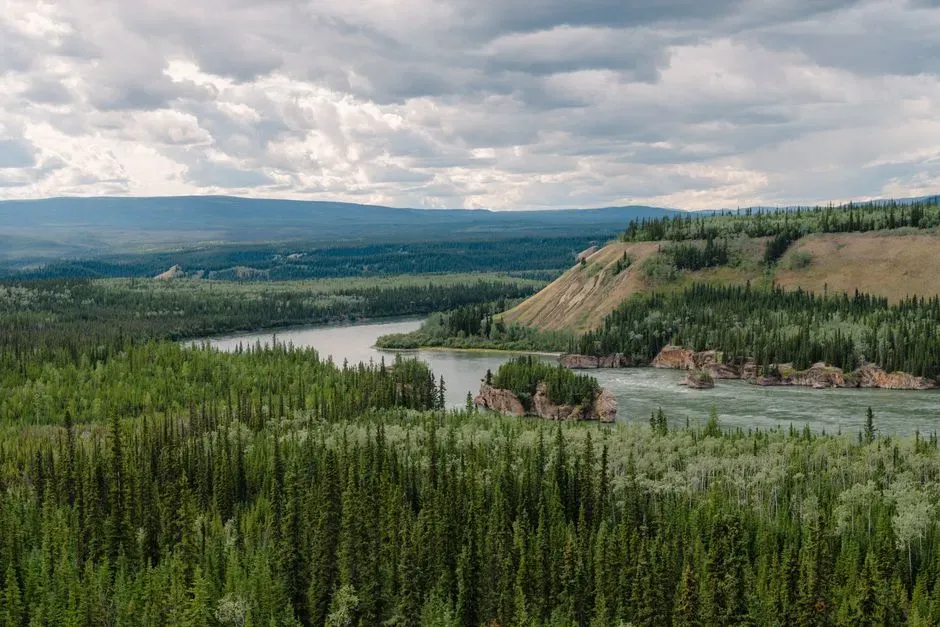
When you hear “boreal forest,” you might think of a remote, empty place that has nothing to do with your daily life. In reality, you depend on this forest even if you never see a single spruce tree in person. The boreal belt across northern Canada is part of one of the largest forest ecosystems on Earth, storing immense amounts of carbon in its trees, shrubs, and especially its cold, often waterlogged soils. Think of it as a gigantic safety net that helps keep the planet’s climate in balance by locking away greenhouse gases.
You also rely on this region for clean water, wildlife habitat, and a kind of climatic buffering that helps stabilize weather patterns at high latitudes. Even if you live thousands of kilometres away, birds that migrate through your city may nest in those northern forests, and atmospheric circulation patterns shaped over this region ripple across the hemisphere. In short, the boreal forest is not just a backdrop to northern life – it’s quietly working in the background of your own.
Why the Forest Is Moving North Faster Than You Expect
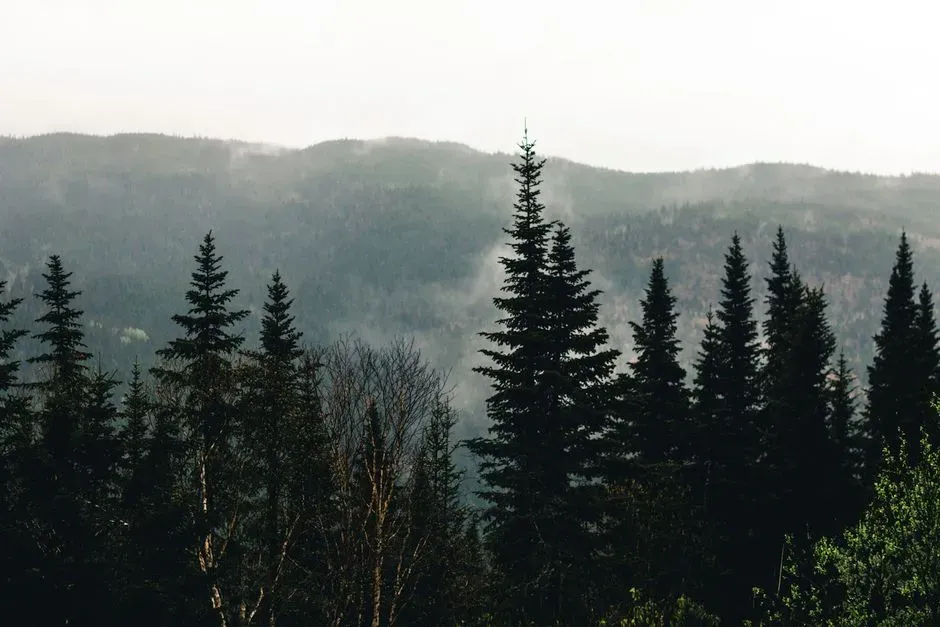
If you were to walk across northern Canada over several decades – impossible, but imagine it – you’d notice something unsettling: tree species that used to be anchored farther south are now popping up closer to the Arctic. You’re seeing a kind of slow-motion migration, driven primarily by rising temperatures and longer growing seasons. As the climate warms, conditions that once favored boreal trees at lower latitudes are shifting northward, pulling the “climate envelope” of the forest along with them.
What makes this moment so unusual is not just that the forest is moving, but how rapidly it’s happening compared with past natural climate swings. The last time the world came out of an ice age, ecosystems had thousands of years to shuffle and adjust. Today, you’re cramming changes of comparable magnitude into barely a couple of centuries, with the sharpest shifts concentrated in just a few human generations. Trees cannot pack up and walk, so this race between climate and biology is inherently risky.
Climate Change: The Engine Pushing the Tree Line Toward the Arctic
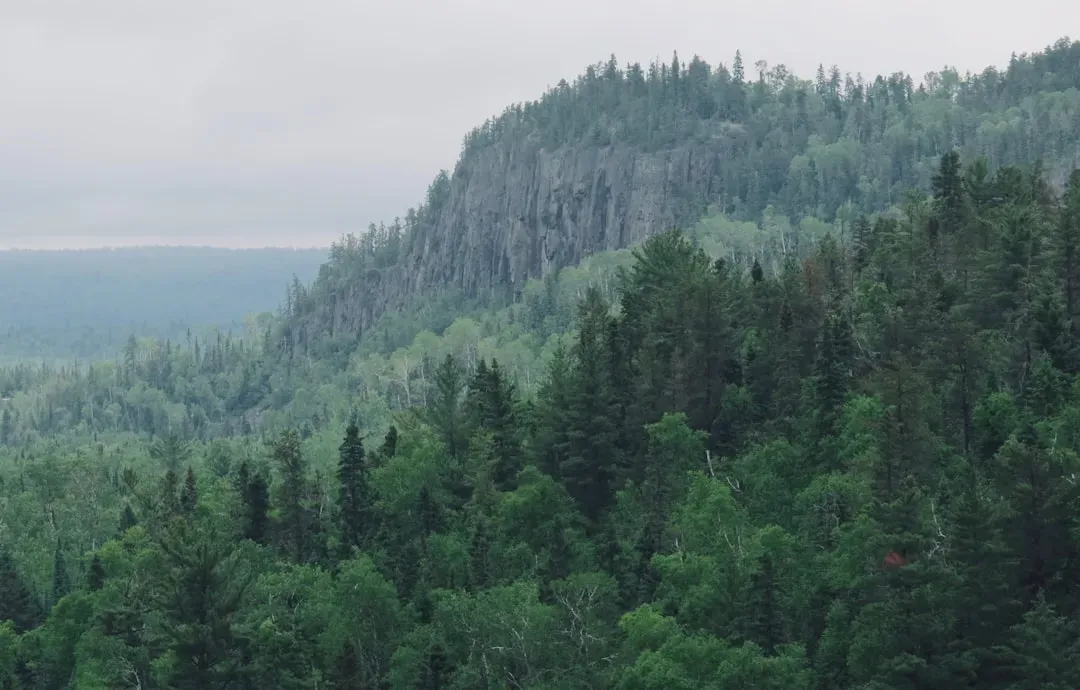
At the heart of the boreal forest’s northward march is a simple physics problem you feel every summer: warmer air holds more energy. As greenhouse gas concentrations rise, northern Canada has been warming faster than the global average, especially during winter. You end up with shorter, milder winters, earlier springs, and longer frost-free periods, all of which change what types of vegetation can survive in a given place. In that new reality, the zone where boreal trees can thrive is no longer fixed.
You can think of the boreal forest as chasing a retreating band of “just-right” conditions across a map. Where permafrost soils start to thaw, roots can penetrate deeper, and seedlings can take hold in places that used to be too cold or too frozen. At the same time, heat and drought stress can make life harder for trees at the southern edge of the forest, where they begin to lose their competitive advantage. The result is a dynamic squeeze that pushes the effective tree line north, even if the advance is patchy and uneven on the ground.
Fire, Insects, and Drought: The Disturbances Clearing the Way
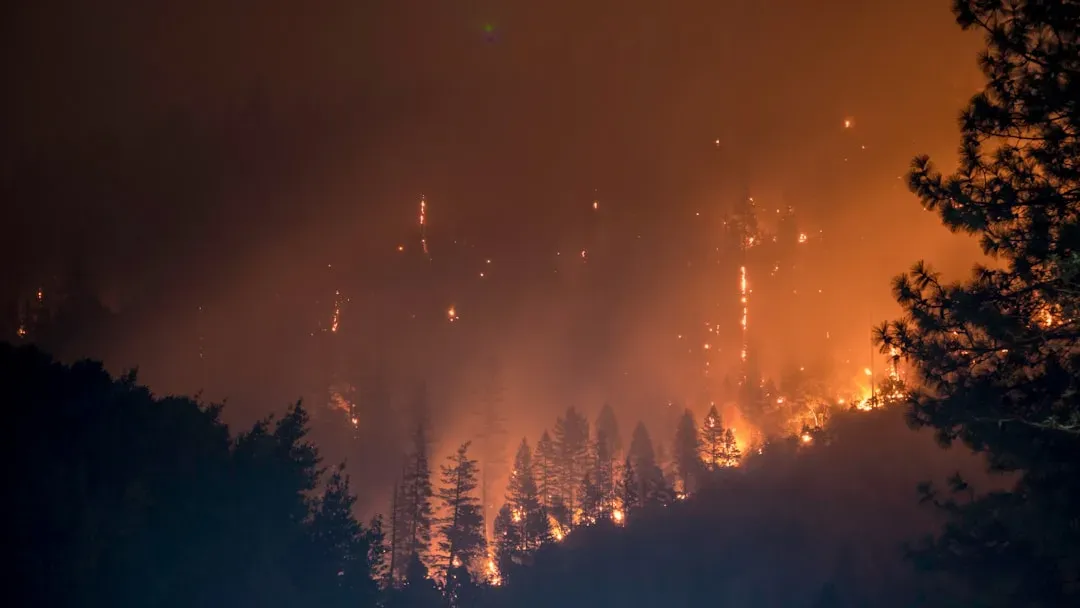
You might assume forests quietly expand into new territory, seed by seed, like a slow tide. In reality, boreal forests often move in fits and starts, and disturbances are a big part of that story. In recent decades, you’ve seen more frequent and more intense wildfires across large parts of northern Canada, burning through old stands and exposing raw ground. These fires can feel catastrophic, especially when smoke reaches cities far to the south, but they also create the open, sunlit spaces where new species and younger trees can establish.
Alongside fire, you also have insect outbreaks and climate-driven drought stress weakening trees that used to be relatively resilient. When those older stands die off or burn, they essentially reset the clock on the local ecosystem and give an opening to species better adapted to the new conditions. To you, that might look like charred landscapes and dead trunks, but ecologically it’s part demolition crew, part construction team. The trouble is that the pace and scale of these disturbances now appear to be accelerating beyond what the boreal system has historically handled.
Where Forest Meets Tundra: The Blurring Edge of a Continent
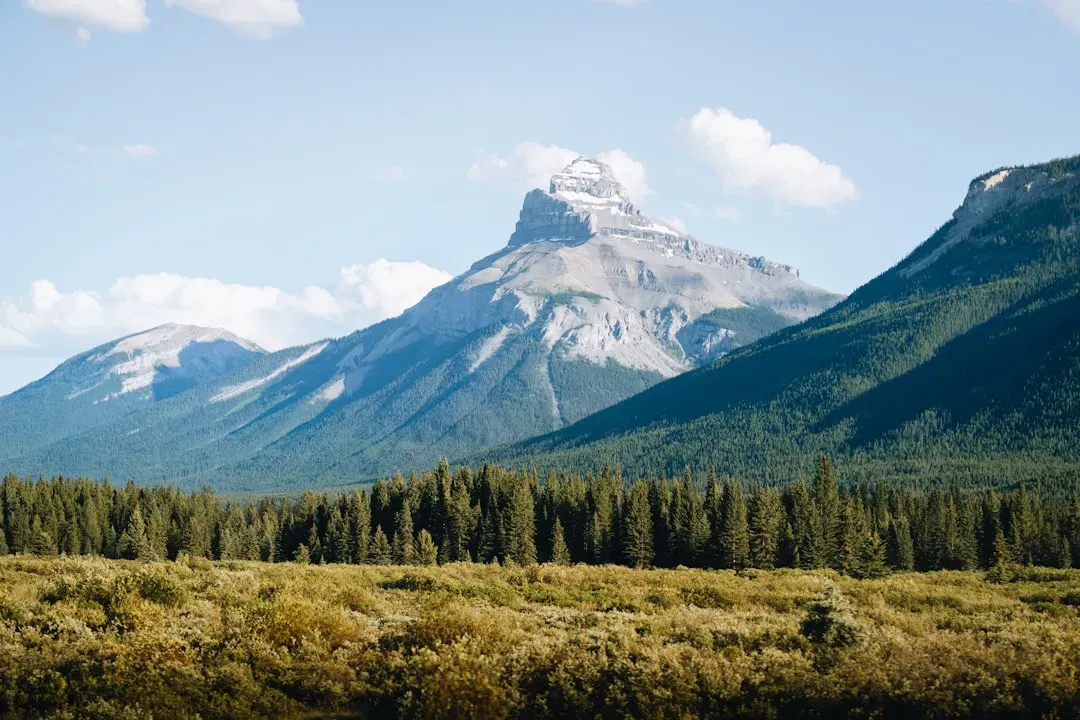
If you stand at the northern limit of the trees, you’re at one of the most important ecological frontiers on Earth: the boundary between boreal forest and Arctic tundra. Traditionally, this transition zone has been relatively sharp, with low shrubs and lichens giving way suddenly to stunted, scattered trees. As the climate warms, you’re starting to see more woody plants and taller shrubs invading the tundra, a process sometimes called shrubification, with small clumps of trees establishing beyond their previous range.
For you, that might sound like a simple green-up of an otherwise barren landscape, but the implications are deeper. Darker vegetation absorbs more solar energy than snow or low tundra plants, which can intensify local warming in a feedback loop. Wildlife that depends on open tundra, such as caribou in some regions, may find their grazing disrupted as shrubs and young trees spread. In this shifting mosaic, the northward “migration” of the boreal forest is less a neat line on a map and more a patchwork of advancing islands of woody vegetation changing how the land looks and behaves.
Risks to Wildlife, Indigenous Communities, and Your Climate Future
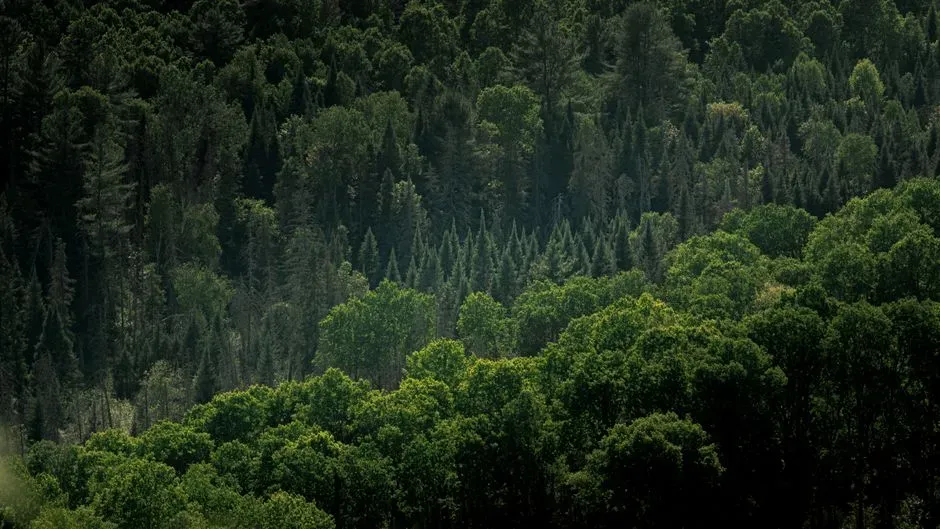
As the forest moves, you are not just watching trees shuffle around; you are seeing entire communities of living beings forced to adapt, move, or disappear. Many boreal species are finely tuned to particular conditions – snow depth, freeze–thaw cycles, specific forest structures – and rapid change can break those relationships. Migratory birds that time their nesting to food peaks, small mammals that rely on dense conifer cover, and large animals like moose and caribou all feel the effects when their habitats fragment or shift faster than they can follow.
You also cannot separate this story from the lives of Indigenous communities who have stewarded these lands for countless generations. Traditional hunting grounds, travel routes over frozen rivers, and patterns of berry picking or trapping are all tied to the current balance of forest, wetlands, and tundra. As fire regimes change and permafrost thaws, you see critical infrastructure like roads, cabins, and pipelines destabilized, and cultural practices made more difficult. At the same time, those communities hold knowledge and experience that can guide more respectful, grounded responses – if you are willing to listen and share decision-making power.
Carbon Bomb or Climate Ally? What This Migration Means for Global Warming
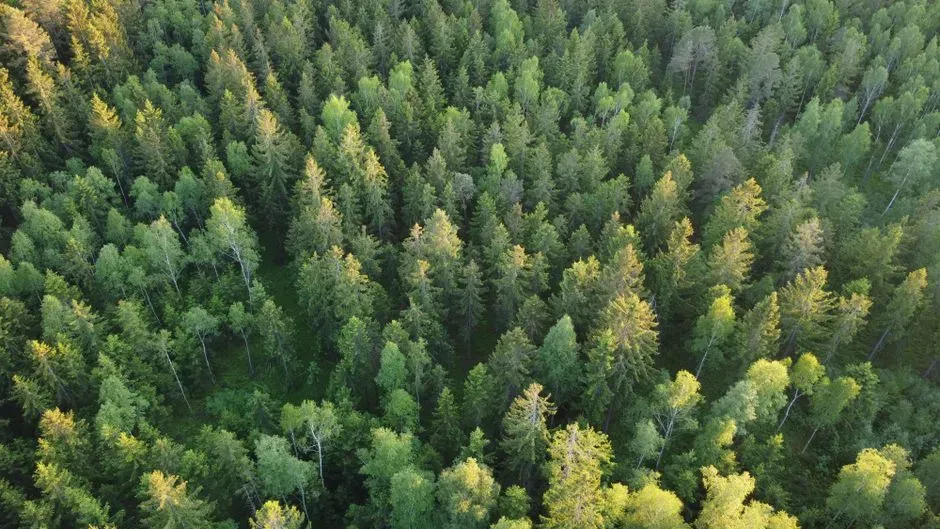
When you hear that the boreal forest is expanding northward, you might wonder if that means more trees soaking up more carbon, which sounds like good news. In theory, as vegetation colonizes new areas, it can draw carbon dioxide out of the atmosphere and store it in wood and soil. However, the story is more complicated, and you need to look at the full balance sheet. Intense fires, widespread tree die-off, and thawing permafrost can all release huge amounts of carbon that were previously safely stored, flipping parts of the system from a sink into a source.
To understand what this means for you, imagine the boreal forest as a giant bank account for carbon. For a long time, it has been steadily depositing more than it withdraws. Under rapid climate change, that balance is getting shaky. If fires burn deep into peat soils or thawed ground releases ancient organic matter, the withdrawals can suddenly spike. In that scenario, the forest’s northward migration does not necessarily rescue your climate; it becomes part of a chaotic reshuffling that could either help stabilize things or, if mismanaged, accelerate the very warming that set it in motion.
How You Might Respond: Protection, Restoration, and Respect for Limits
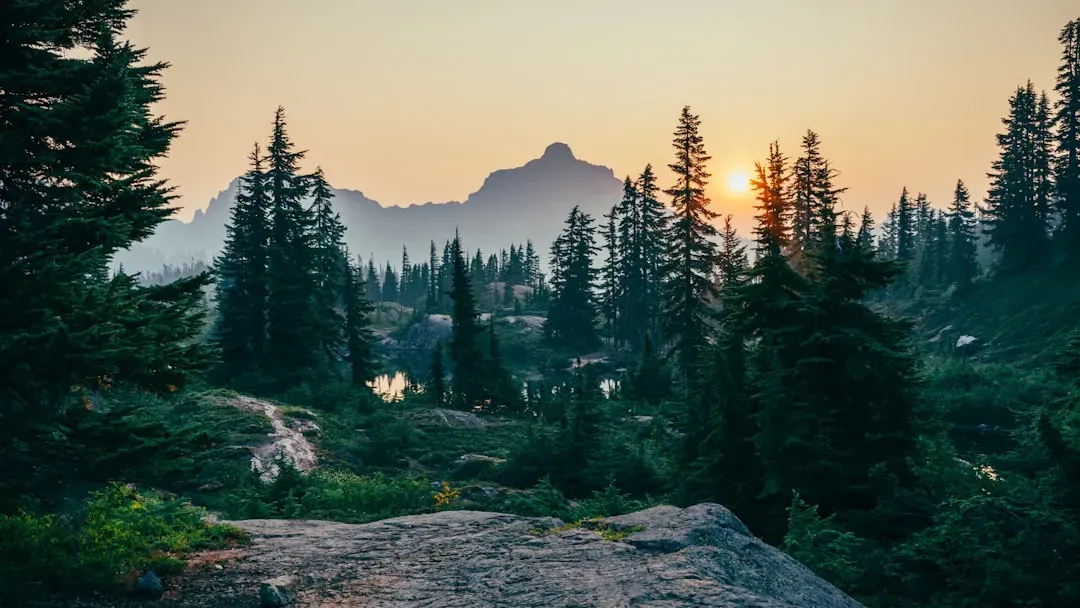
If you feel overwhelmed by the idea of an entire biome shifting under your feet, it helps to remember that you are not powerless. Protecting large, intact areas of boreal forest from unnecessary industrial disturbance can buy time and resilience. When ecosystems are less fragmented by roads, clearcuts, and infrastructure, they have more room to adapt naturally, and species can shift their ranges with fewer barriers. Strengthening land protections and supporting Indigenous-led conservation gives the forest a better chance to reorganize without collapsing.
You can also support smarter fire management, climate policies that reduce emissions, and research that tracks how quickly species and soils are responding. Restoration efforts, such as replanting native species after severe disturbance and rehabilitating damaged peatlands, help keep the system functioning as a carbon sink rather than a source. None of this stops the boreal forest from moving north – the climate signal is too strong – but it can turn a chaotic retreat into something closer to a managed transition, with fewer losses for nature and for you.
What This Shifting Forest Tells You About the Planet’s Future
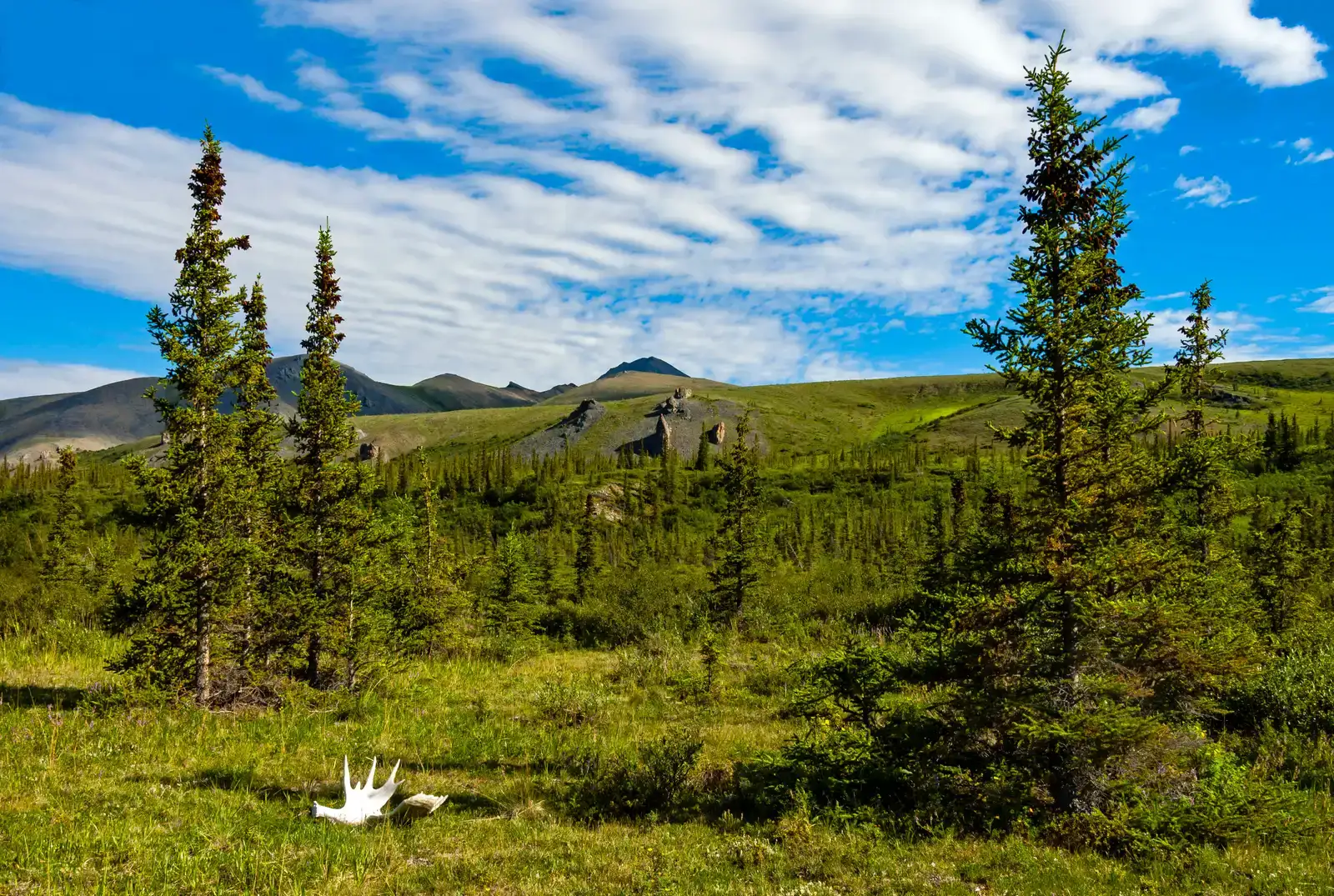
When you step back, the northward migration of the boreal forest is like a giant, living warning light for the whole planet. Trees hundreds of years old do not change their range on a whim; they respond to deep, persistent shifts in temperature, moisture, and disturbance patterns. The fact that you can see this movement within a human lifetime tells you just how far and how fast the climate has already changed. It is a sign that what used to be stable background conditions for civilization are now in flux.
At the same time, this story is not only about loss – it is also about the raw adaptability of life. You are watching forests, animals, and people improvise in the face of unprecedented pressure. The choices you make now, from cutting emissions to respecting Indigenous land rights, will shape whether the boreal forest becomes a resilient, if altered, ally in your climate future or a destabilized source of further warming. In that sense, the real question is not just where the trees are going, but whether you choose to move in a wiser direction alongside them.
In the end, the boreal forest’s flight toward the Arctic is a mirror held up to your own era: fast, unstable, and full of consequences that will echo for generations. You cannot freeze the forest in place, but you can decide how seriously you take its message and how quickly you act on it. The forest is already moving; the real issue is whether you let that movement push you into denial and delay, or into courage and responsibility. Which way are you heading?