
You probably grew up thinking history was a closed book: dates memorized, maps fixed, timelines neatly printed and framed. Over the last five years, that illusion has quietly fallen apart. Archaeologists, geneticists, and even divers with GoPros have stumbled on finds so disruptive that historians have had to go back, grab the red pen, and rewrite chapters they once considered settled. You are living in a moment when lost cities reappear under the jungle canopy, ancient DNA talks back to the textbooks, and footprints in the desert argue with what you were told in school. In each of these fifteen cases, you are not just looking at a curiosity or clickbait headline; you are watching a formal, published revision of how experts say the past unfolded. By the time you reach the end, you may start to see every museum label and high‑school handout as a rough draft instead of the final word.
1. When Human Footprints in New Mexico Pushed Back the Peopling of the Americas
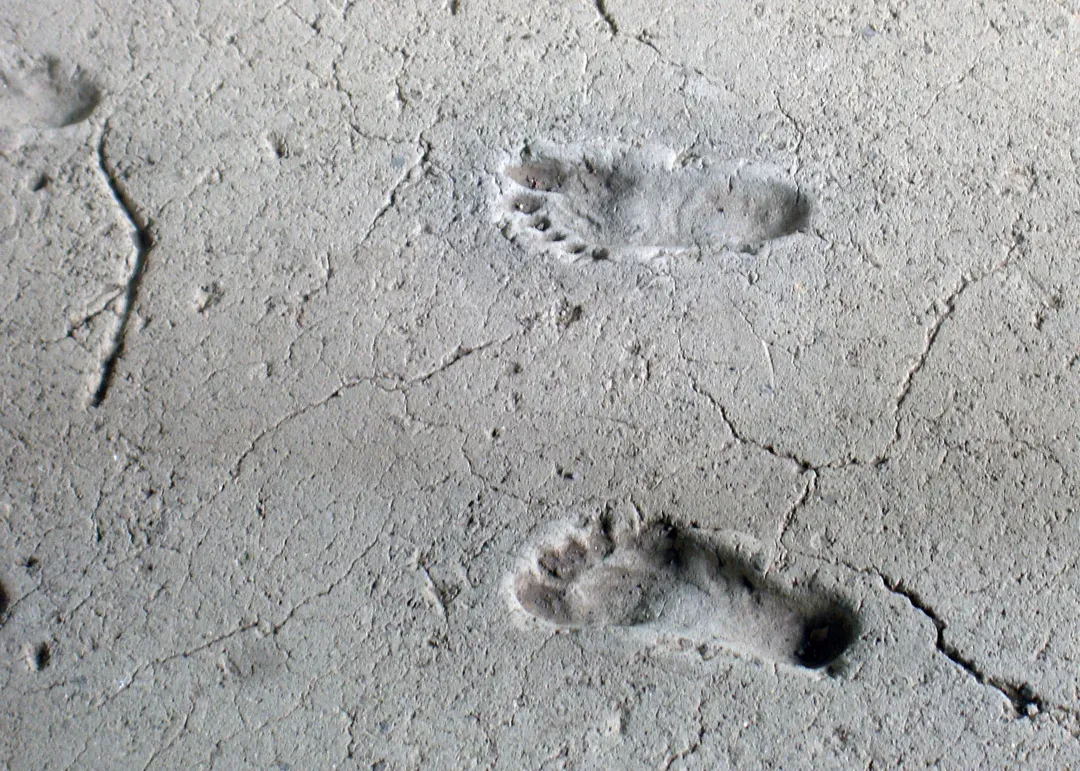
You have probably heard the old story: humans arrived in the Americas roughly about thirteen thousand years ago, trotting over a land bridge from Siberia and working their way south. Over the last few years, that tidy tale has been demolished by a series of studies on ancient footprints in White Sands National Park, New Mexico. By independently dating plant seeds trapped in the same layers as the prints, researchers showed that humans were walking there between about twenty‑three thousand and twenty‑one thousand years ago, deep in the last Ice Age, when many experts insisted nobody was here yet.
What makes this so disruptive for you is that it forced major institutions and reference works to adjust their timelines, not just add a footnote. You now have to picture people living alongside Ice Age megafauna in North America thousands of years earlier than the old “Clovis first” model allowed. Classroom charts, museum displays, and survey textbooks have been updated to reflect this earlier occupation, and you are left with a more complex, multi‑wave story of how humans reached and settled the Western Hemisphere.
2. How Ancient DNA Quietly Rewrote Your Mental Picture of Neanderthals

If you were taught that Neanderthals were a short, brutish offshoot that vanished after a brief encounter with modern humans, you have to mentally rip that page out now. In the last five years, high‑resolution ancient DNA work has shown that gene flow between Neanderthals and modern humans happened repeatedly over roughly two hundred thousand years, not as a one‑off event. Population reconstructions based on these genomes also trimmed earlier estimates of how many Neanderthals were out there at any given time, painting a picture of a smaller, more vulnerable population than many of your older books suggested.
For you, this changes Neanderthals from a side note into long‑term neighbors and relatives. Instead of a quick replacement, you are now looking at a deep, messy entanglement: interbreeding, overlapping territories, and genetic legacies still carried in your own DNA if you have non‑African ancestry. That shift has already fed into updated human‑evolution timelines, revised museum panels, and a growing movement among educators to drop the language of “us versus them” when they talk about Neanderthals with you and your kids.
3. The New American Horse Story That Put Indigenous Peoples Back at the Center
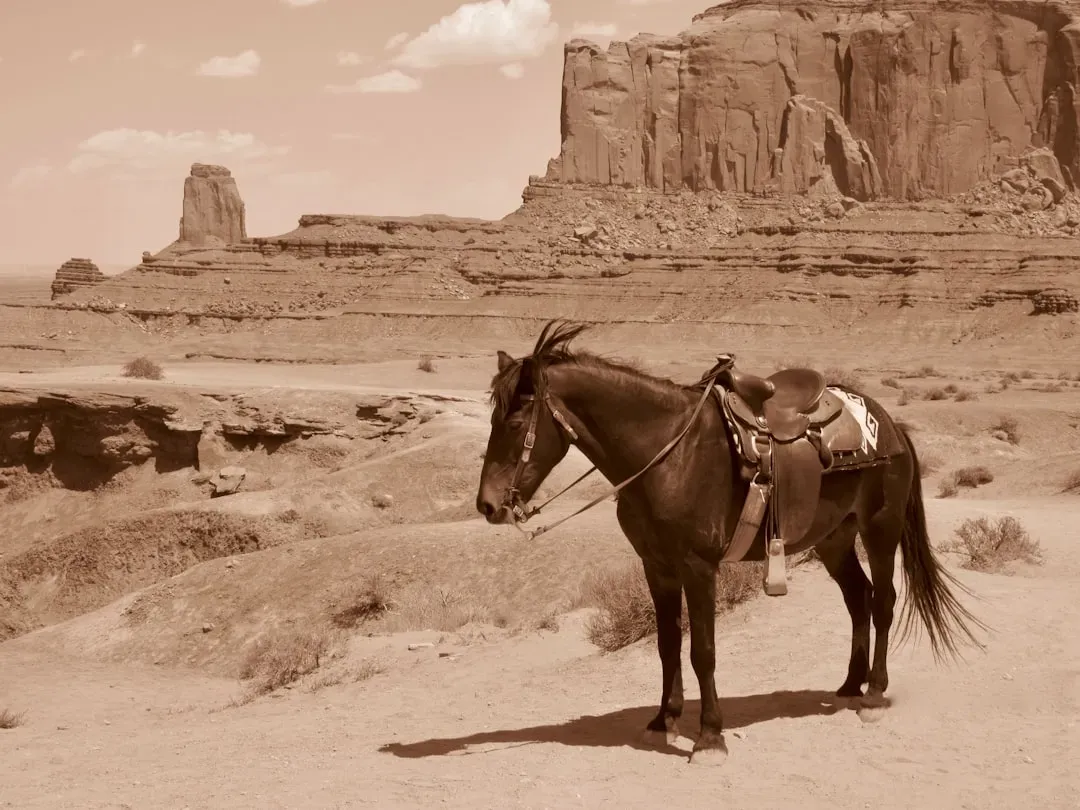
You may have been told that horses disappeared from North America at the end of the Ice Age and only returned with the Spanish in the late fifteen hundreds, slowly spreading inland afterward. Recent work combining radiocarbon dating, ancient DNA, and material culture has shown that Indigenous communities in the American West were already breeding, trading, and expertly riding horses by the early sixteen hundreds. That means Native networks spread horses far earlier and more efficiently than many written colonial records ever acknowledged.
Once you absorb that, an entire chapter of frontier history flips. Instead of imagining passive Indigenous groups suddenly transformed when Europeans “brought” horses, you now have to see Native nations as active agents who adopted and reshaped equine culture on their own terms. Academic histories, museum exhibits, and even timelines in children’s books have begun to move the first appearance and diffusion of horses on their charts, nudging you to recognize Indigenous innovation rather than European generosity as the engine of that change.
4. A Caribbean Rock Shelter That Moved the First Settlers Back in Time
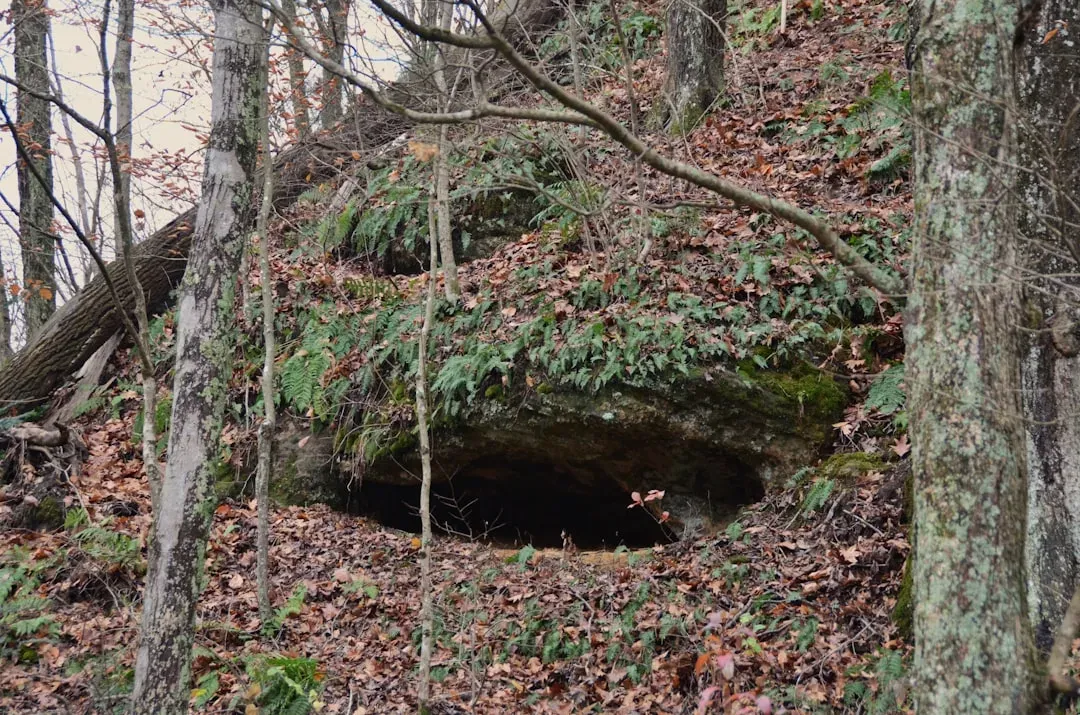
If you picture Caribbean islands as late arrivals in the human story, only settled a few thousand years ago by seafaring farmers, recent work on a rock shelter on Curaçao forces you to tweak that mental map. Charcoal samples from an ancient shelter known as Saliña Sint Marie were dated to between roughly five thousand seven hundred and five thousand six hundred years ago. That pushed human arrival on the island back by several hundred years compared with the long‑accepted timeline that many guidebooks and regional histories repeated to you.
For you, that means the Caribbean now looks less like a last‑minute add‑on to human dispersal and more like an earlier, experimental frontier of seafaring. Archaeologists are revising regional syntheses, updating estimates for when people first sailed from South America into the islands, and rethinking how sophisticated those early navigators must have been. The next time you stand on a Caribbean beach, you can imagine not just tourists and colonial ships, but much earlier voyagers whose existence only recently forced the textbooks to move their dates.
5. A Desert of Lost Cities in the Amazon That Reframed “Untouched” Rainforest
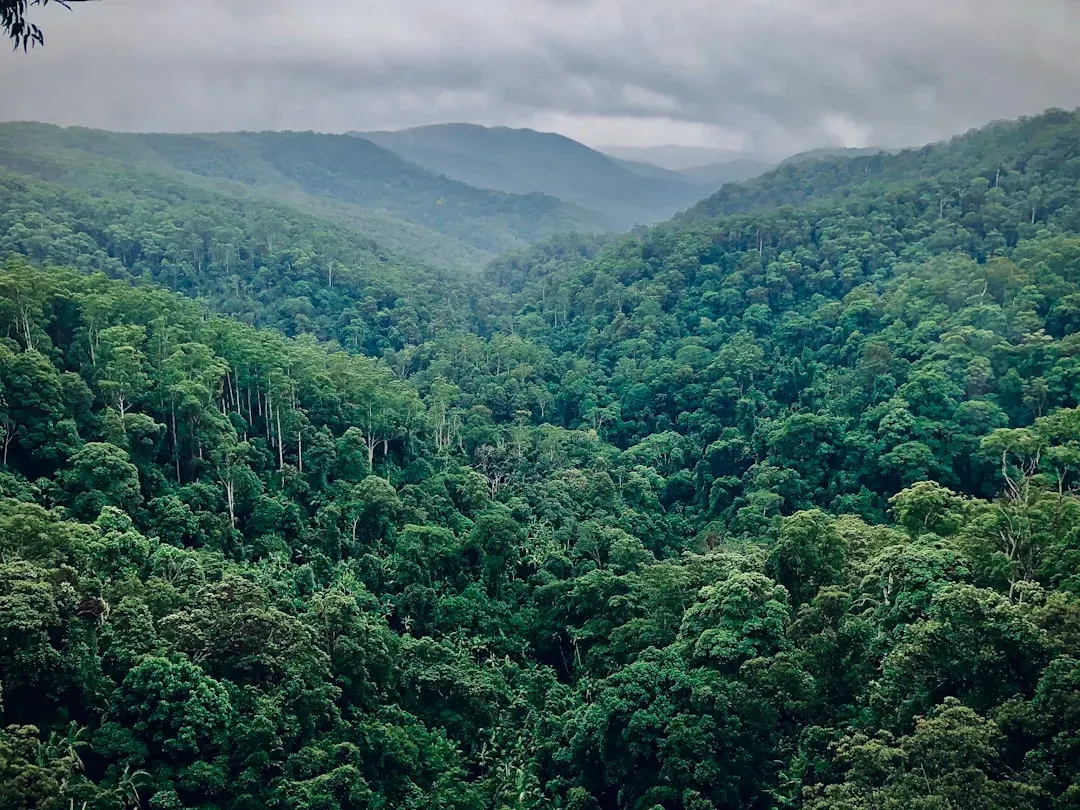
If you grew up with the idea that the Amazon was a pristine wilderness, sparsely inhabited until Europeans arrived, lidar scans and ground surveys over the last few years have shattered that myth. In parts of Ecuador and neighboring regions, researchers mapped a sprawling urban network – thousands of rectangular platforms, causeways, and canals – dating back around two and a half millennia. You are no longer looking at scattered villages under the trees, but at a carefully engineered landscape that once supported dense, organized populations.
This matters to you because it forces a formal rethinking of pre‑Columbian Amazonia across archaeology, ecology, and history. Academic overviews that once described the jungle as resistant to large‑scale settlement have been updated to acknowledge “garden cities” and anthropogenic soils. Conservation debates now have to weave in the fact that what you call rainforest may, in some places, be the regrown shadow of what was once a vast human‑shaped environment, planned and maintained by societies that vanished before Europeans ever recorded them.
6. The Utah and New Mexico Footprint Duo That Settled a Bitter Debate
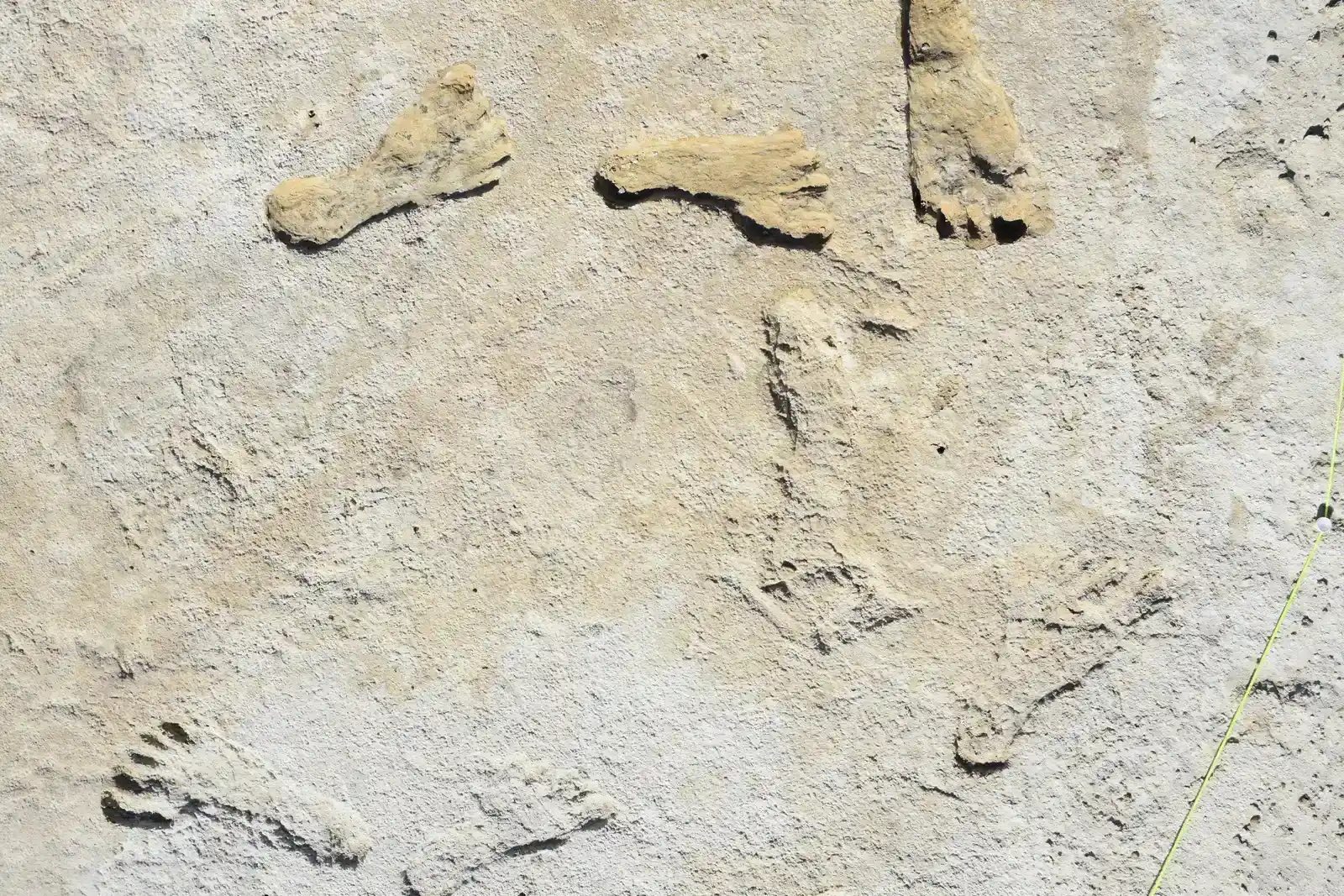
You might have spotted headlines about Ice Age footprints in New Mexico a few years back and seen skeptics claim the dates were off. The controversy centered on whether plant material used for dating could have been older than the footprints themselves. In the last couple of years, independent dating using multiple methods, coupled with similar finds in places like Utah, has largely quelled those doubts. You now have a converging body of evidence pointing to humans walking across what is now the southwestern United States during the height of the last glacial maximum.
For you, this is a rare example where a heated academic argument actually resolved in a clear direction and forced textbooks to follow. Introductory archaeology courses and general histories of the Americas have adjusted their sections on initial peopling, softening or dropping older, narrower models that insisted humans could not be here that early. You end up with a more layered story that admits your ancestors were experimenting with landscapes and routes long before the most famous stone tool cultures show up in the record.
7. Ancient Industrial Brewing in Egypt That Changed What You Think People Drank
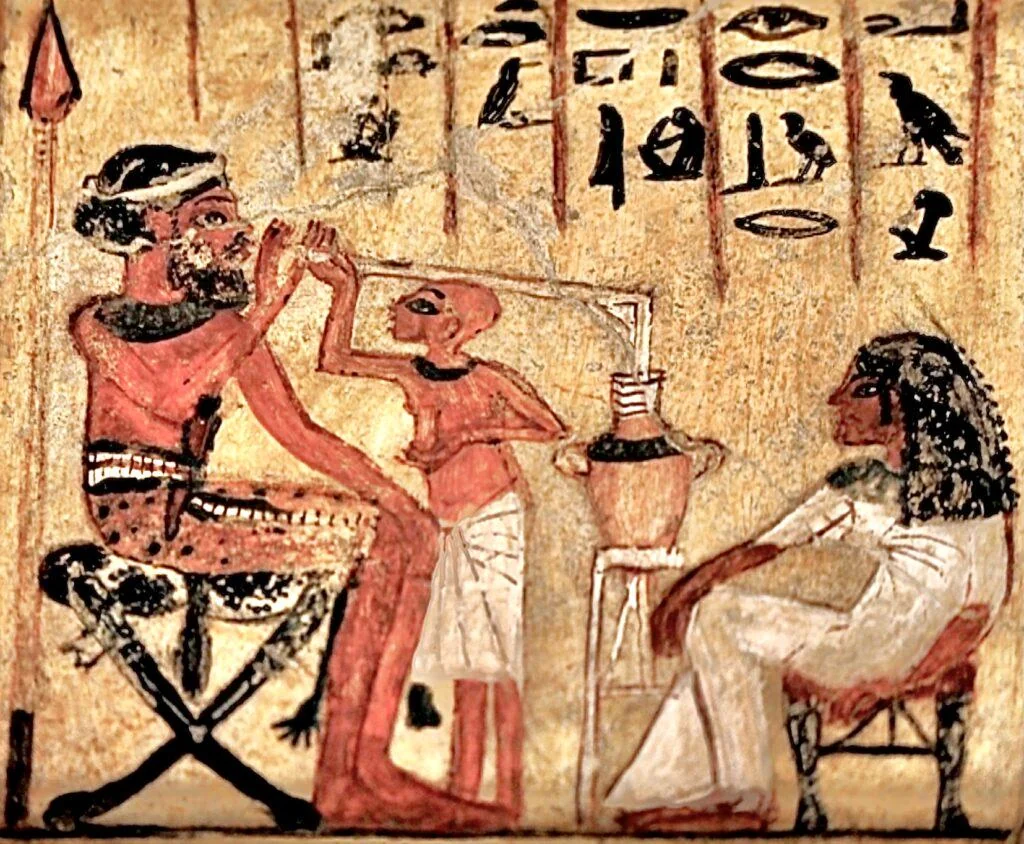
You may imagine beer as a medieval European thing, with monks and taverns, but archaeological discoveries published in the last few years have clarified just how industrialized brewing was in ancient Egypt. Large‑scale brewery installations dating back to the third millennium BCE, including evidence tied to royal or temple complexes, show that Egyptians were producing beer in bulk for ritual, rations, and daily consumption. This is not a cottage experiment; it is an organized industry that sits at the heart of state power and religious life.
That matters for you because histories of food and drink have had to update how they frame early complex societies. Instead of casual remarks about Egyptians enjoying beer, scholars now describe a managed production system with workers, infrastructure, and logistical planning. When you read about pyramids or sun temples now, you are invited to picture not just stone and ceremony, but vats, mash tuns, and the steady flow of grain rations that kept laborers and worshippers fed and buzzed, long before medieval Europe ever poured its first pint.
8. A Trove of Early Jawed Fish Fossils That Shifted the Origin Story of Your Skeleton
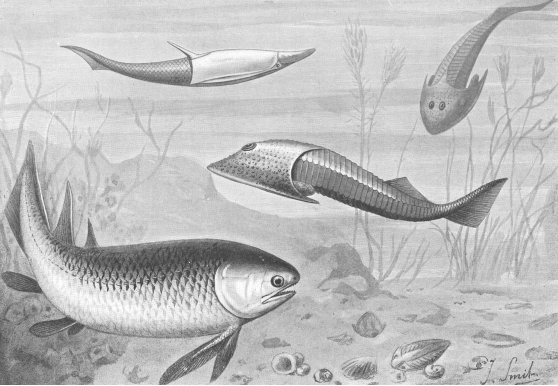
You might not lose sleep over when exactly jaws evolved, but your entire body plan – your spine, limbs, and face – traces back to early jawed vertebrates. In the last few years, spectacular fossil sites in China have yielded exquisitely preserved ancient fish from the Silurian period. These include early cartilaginous and bony fishes that appear earlier in the timeline than many of your older textbooks indicated, tightening the window in which key features of modern vertebrates emerged.
For you, this has quietly nudged evolutionary diagrams and teaching materials to redraw branching points and date ranges. The appearance of more modern‑looking jaw structures, paired fins, and protective armor at these earlier times compresses the transition from jawless to jawed vertebrates. When you see updated museum displays or popular‑science graphics now, you are seeing the impact of these fossils: a slightly older birthday for many of the anatomical traits you carry around without thinking, written into the formal scientific literature and the charts that trickle down into your education.
9. Climate Clues From Viking Greenland That Changed Why They Left
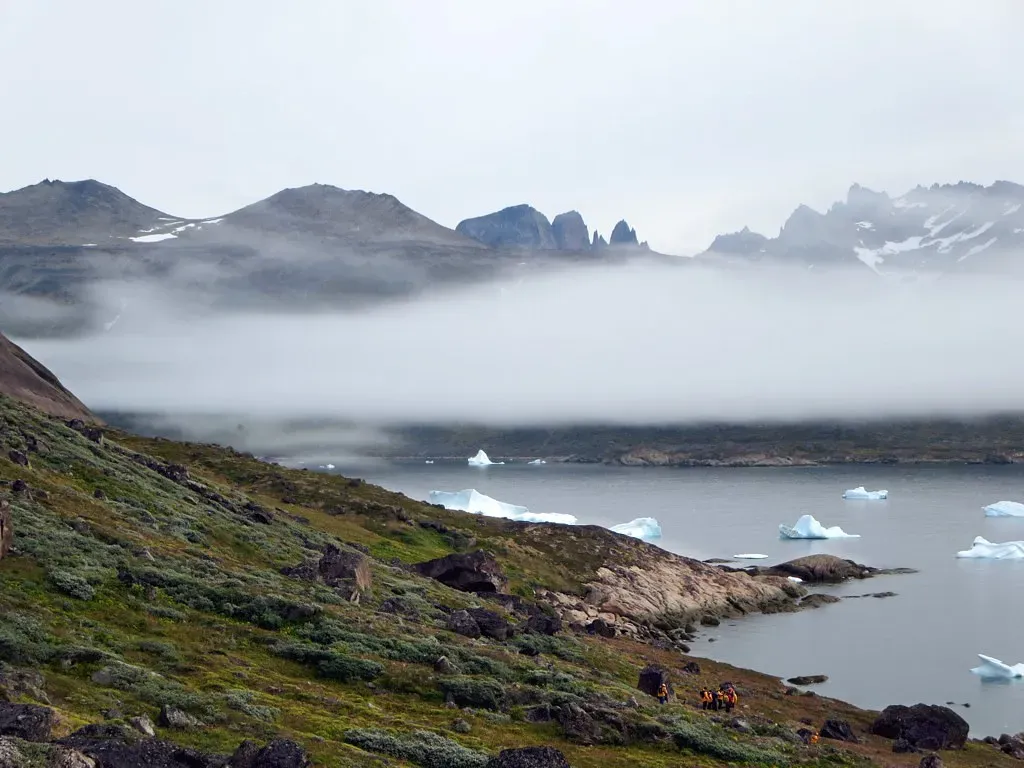
If you ever heard the standard story of the Vikings in Greenland, it probably went like this: the climate got colder, crops failed, and the Norse colonists abandoned their settlements. Recent interdisciplinary work, combining lake sediments, pollen, animal remains, and historical sources, has complicated that neat climate‑only narrative. The data suggest that environmental change was only one part of a tangled mix that included shifting trade patterns, overgrazing, soil erosion, and the rise of new economic centers elsewhere.
This matters to you because it has forced scholars to partially rewrite their explanations in both academic and popular histories. Instead of treating the Greenland Norse as passive victims of a cooling world, recent syntheses present them as decision‑makers navigating economic and social pressures similar to the ones you recognize today. Chapters that once pinned their fate on a single variable now read more like case studies in resilience, adaptation, and eventual failure – offering you a more nuanced, less deterministic view of how societies respond to long‑term stress.
10. Roman Swords in a Desert Cave That Redrew a Map of Imperial Reach
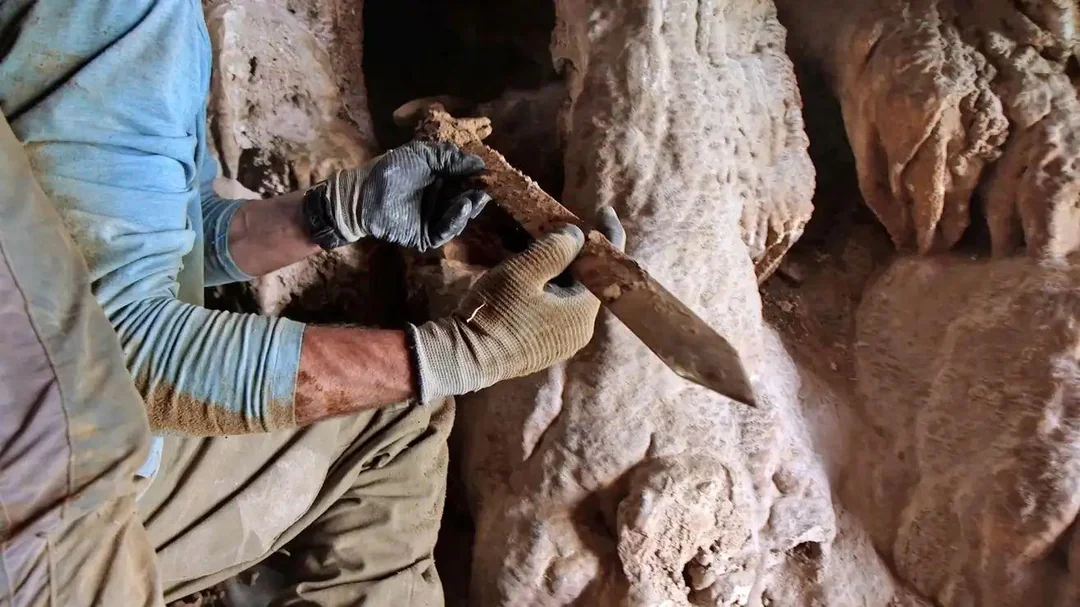
You might assume that every corner of Roman military expansion has been mapped by now, but a find announced recently from a cave in the Judean desert forced experts to reconsider local timelines of Roman presence. Well‑preserved swords, hidden in a crevice and almost certainly stashed during a period of unrest, match Roman military styles yet were found where nobody expected to see such a cache. The context and dating have pushed historians to reevaluate which units were operating there and when.
For you, this kind of discovery does more than add a bullet point to a list of cool Roman weapons. It prompts formal revisions of regional histories, including updated maps, battle narratives, and accounts of how far imperial logistics really reached. When you read newer syntheses of Roman Judea, you notice a subtle but real shift: lines on the map move, assumptions about troop deployments change, and a quiet cave suddenly becomes a key piece of evidence you cannot ignore.
11. A Reinterpreted Stone Slab in France That Turned From Decoration Into a Map
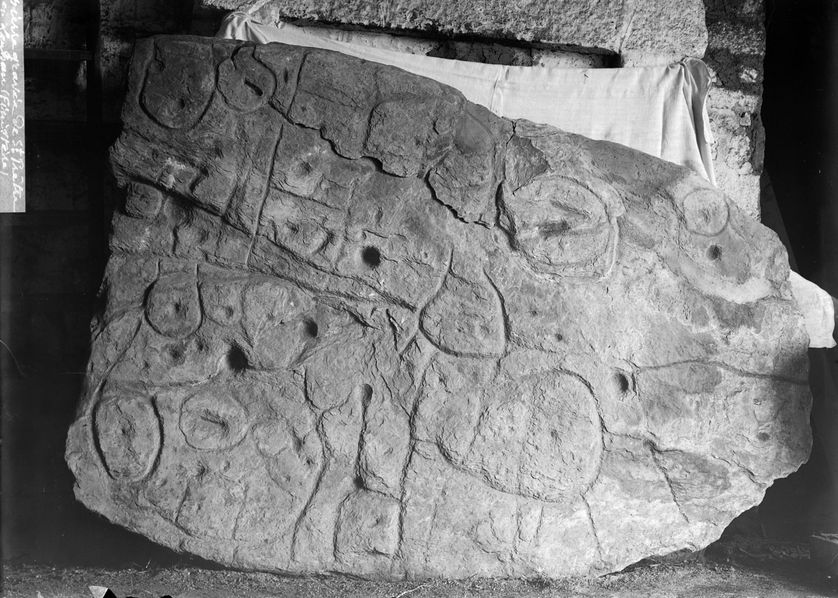
You know how an object can sit in a basement for a century before someone finally asks the right question? That is exactly what happened with an engraved stone slab in France, originally unearthed in the early nineteen hundreds and long dismissed as simple artwork. In the past few years, new analysis showed that its patterns match local river systems and topography, revealing it as one of the oldest known maps in Europe, dating back around four thousand years.
That realization forced specialists to revise how they talk to you about Bronze Age cognitive skills and political organization. Instead of vague claims that ancient elites had “some knowledge” of their territories, scholars now point to concrete cartographic planning embedded in stone. Survey books and museum labels have shifted from calling the slab a decorative curiosity to treating it as early evidence that people were abstracting and managing space on a scale you usually associate with much later civilizations.
12. A Network of Submerged Statues in Tuscany That Reframed Pagan‑to‑Christian Transition
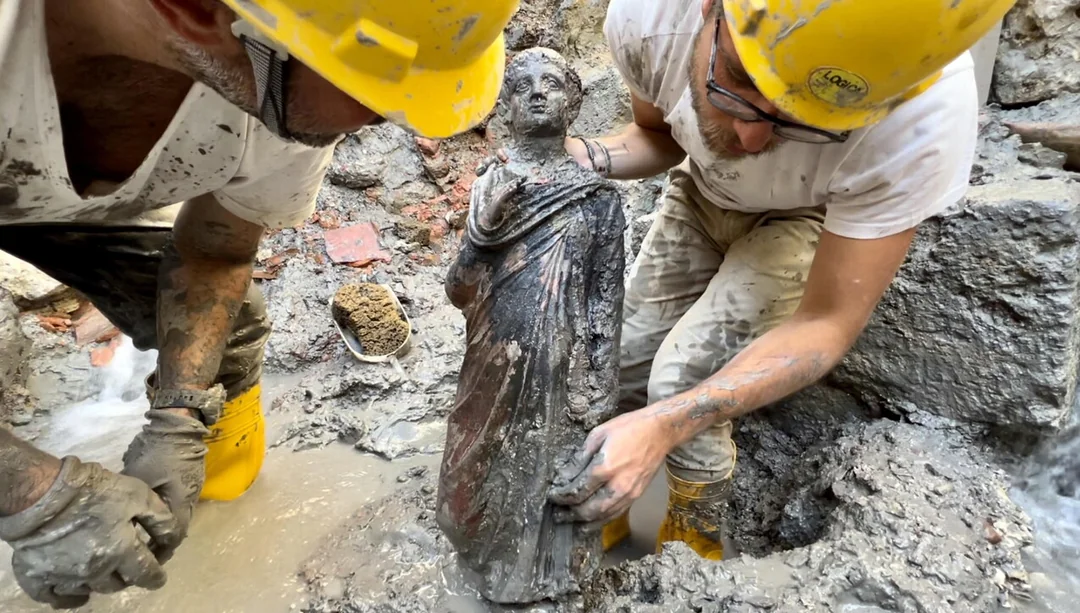
You may think of the shift from Roman paganism to Christianity as an almost clean break: temples closed, churches opened, and statues were smashed or toppled. Recent underwater excavations at an ancient sacred pool in Tuscany uncovered dozens of bronze statues, carefully laid on the pool floor and covered with protective materials. The context suggests a deliberate, respectful deposition rather than violent destruction, dating to a period when Christianity was taking hold in the region.
For you, that find complicates the old story of simple iconoclasm. Historians and archaeologists have been revising their accounts of religious change in Italy, emphasizing negotiation, continuity, and ritualized closure instead of only conflict. Updated chapters and exhibition notes now invite you to picture priests and local elites deciding how to retire sacred images in a way that honored both old and new beliefs, rather than a mob swinging hammers while history flips from one faith to another overnight.
13. Early Urban Planning in Mesoamerica That Challenged the “Simple Village” Phase
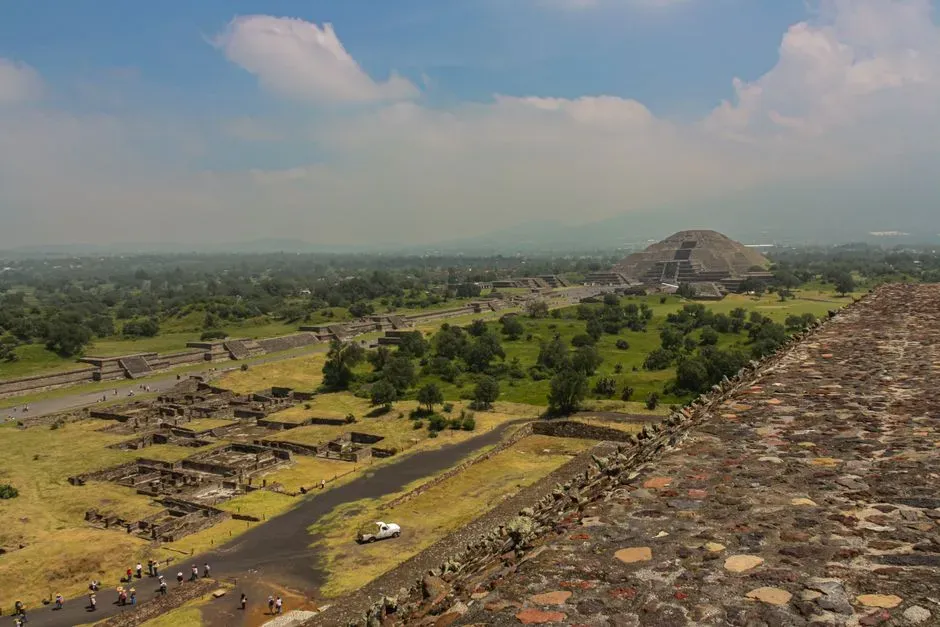
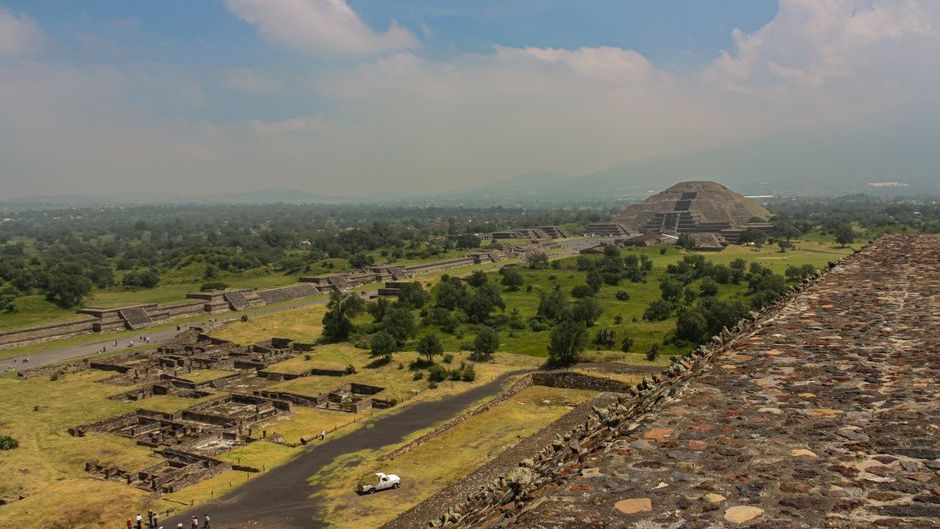
If you learned that the earliest communities in parts of Mesoamerica were small, loosely organized villages that slowly evolved into cities, recent lidar and excavation work has forced that ladder‑like model to bend. Researchers have identified surprisingly early evidence of large ceremonial centers, gridded layouts, and coordinated earthworks. In some cases, these planned spaces appear earlier than the classic urban centers you usually see in coffee‑table books about Maya or Aztec sites.
This shift matters because scholars have formally updated developmental models in the literature you eventually read in digest form. Instead of a straight path from tiny hamlet to metropolis, you now have pulses of big communal building followed by reorganizations and sometimes apparent downsizing. When you encounter new syntheses on early Mesoamerican civilization, the tone has changed: the first big projects arrive faster, planning is more sophisticated, and your mental picture of “simple” early farmers has to give way to a more ambitious, experimental kind of society.
14. Ancient DNA From Eurasia That Rewrote Who Your Ancestors Actually Were
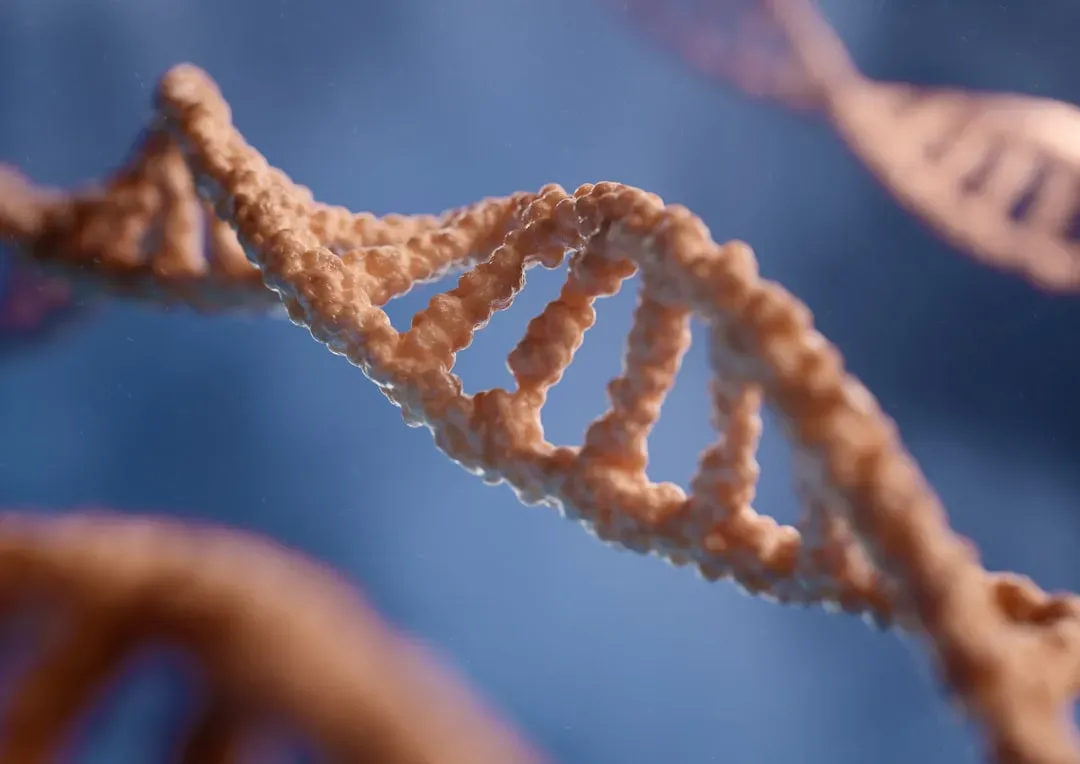
You have probably heard generic phrases like “Indo‑European migrations” without ever seeing how shaky older models actually were. Over the last five years, large‑scale ancient DNA projects have sampled thousands of individuals from across Eurasia, forcing historians and linguists to redraw arrows on migration maps. Some cultures once assumed to be local developments now show clear genetic input from distant steppe or Near Eastern populations, while other supposed invasions leave little genetic trace.
For you, this builds a very different ancestry story than the one you might remember from older atlases. Academic handbooks and popular histories have been revised to distinguish between the movement of people, the spread of languages, and the exchange of ideas, instead of treating them as a single package. When you look at newer maps or family‑origin explanations, you are seeing the aftershocks of this work: more tangled routes, overlapping layers of ancestry, and fewer confident claims that a single migrating group “created” an entire culture all by itself.
15. Underwater Finds in the Red Sea That Reopened the Exodus Debate
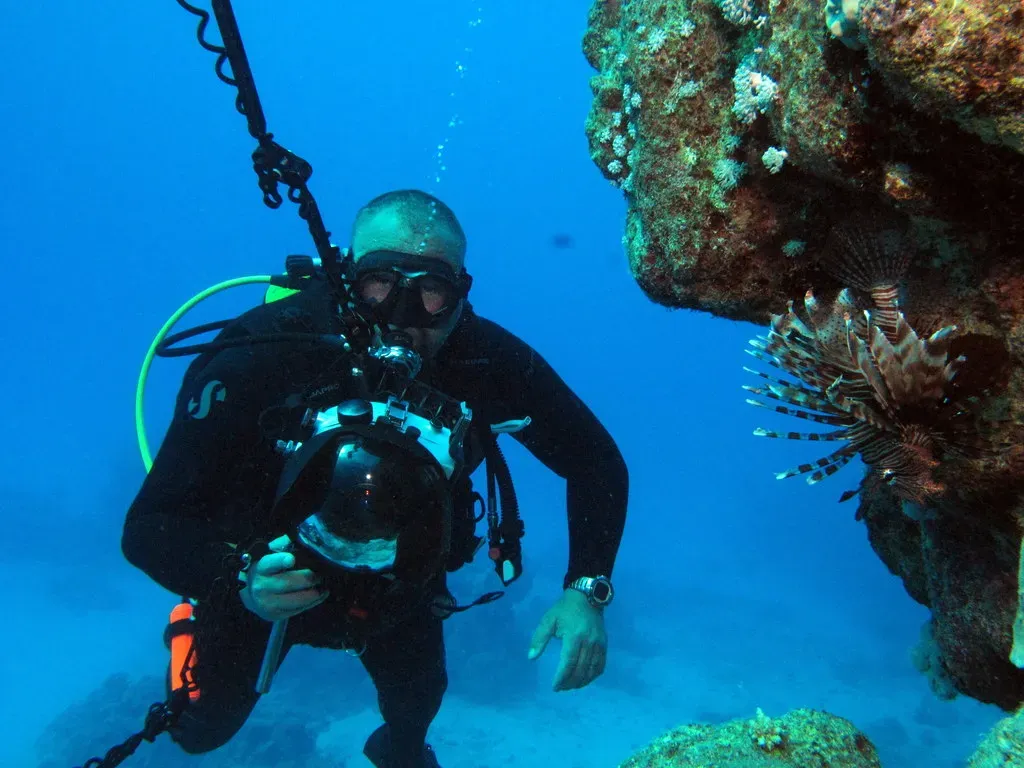
For most of your life, the story of the Exodus probably sat in a box labeled “religion” rather than “history.” In the last few years, however, claims by divers and researchers working in specific stretches of the Red Sea have revived serious discussion about whether material evidence could exist for episodes behind that narrative. Reports of structured debris fields and metallic objects in plausible crossing zones have not solved the mystery or proven the biblical account, but they have been intriguing enough to push some historians and biblical scholars to revisit arguments they once considered closed.
In practical terms, that means reference works, university courses, and surveys of ancient Near Eastern history are beginning to hedge differently when they talk to you about the Exodus. Instead of dismissing the possibility of physical traces outright, some newer treatments speak of ongoing underwater surveys and the need for careful, open‑minded evaluation. You are not being handed a neat answer, but you are watching a long‑standing wall between faith story and historical inquiry crack just enough that revising the chapter is no longer off the table.
Conclusion: Living With a Past That Refuses to Sit Still
If you step back from these fifteen cases, you notice a pattern: none of them made the past simpler for you. Early settlers arrive sooner than expected, cities mushroom where “untouched” forest once seemed permanent, maps appear in places you never looked twice at, and genetic lineages knot together like tangled headphones in your pocket. Each discovery came from careful work – radiocarbon labs, lidar flights, sediment cores, or re‑examined museum boxes – but the consequences extended all the way to the chapters and timelines you once took for granted.
In a way, you are being asked to trade comfort for accuracy. You can no longer tell yourself that history is a fixed script; instead, you have to accept that it is more like a shared notebook, constantly revised as new evidence shows up from deserts, caves, jungles, and seabeds. That may feel unsettling, but it is also a kind of liberation: if the past is still open to correction, so is your understanding of the present. When the next “this rewrites history” headline hits your feed, will you shrug it off – or will you pause and wonder which chapter in your mental history book is about to get its next red‑ink revision?