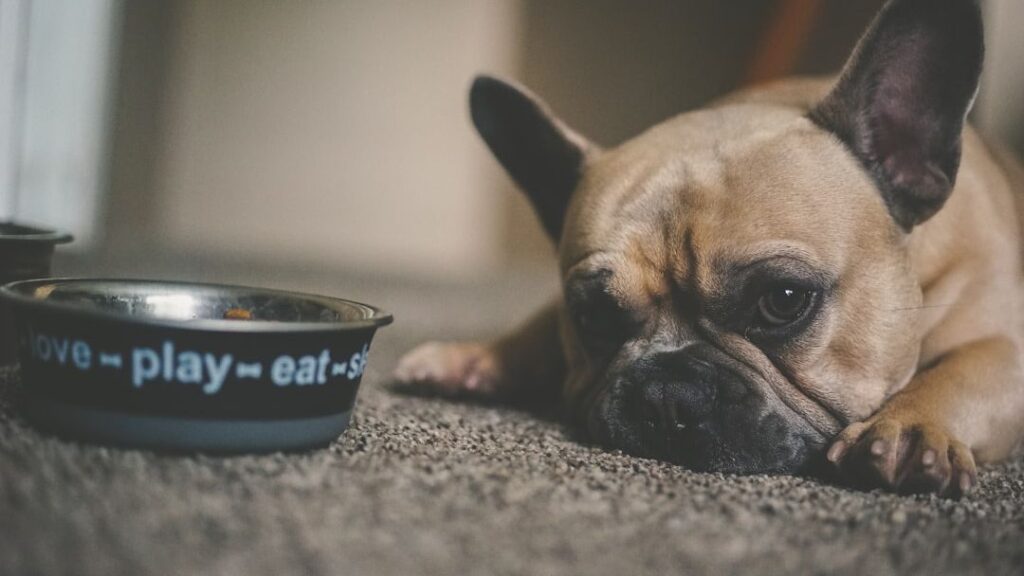

You hear stories of dogs waiting at doors that will never open again, or lying beside an empty bed and turning away from food. It sounds like something from a movie, but when you look closer at what science knows about canine attachment, you realize it is painfully real. A dog that suddenly stops eating after their person dies is not just being “picky” or “dramatic” – you are watching a powerful biological and emotional bond break in real time.
When you start to understand what is going on under the surface, you see loyalty in a new light. It is not just cute or heartwarming; it can be physically devastating for the animal left behind. You see grief, stress chemistry, learned routines, and raw confusion all colliding in one small body that has lost the center of its world. And once you see it that way, you cannot help but feel a bit more responsibility – and tenderness – for any dog going through it.
The Invisible Bond: Why Your Dog’s World Revolves Around You
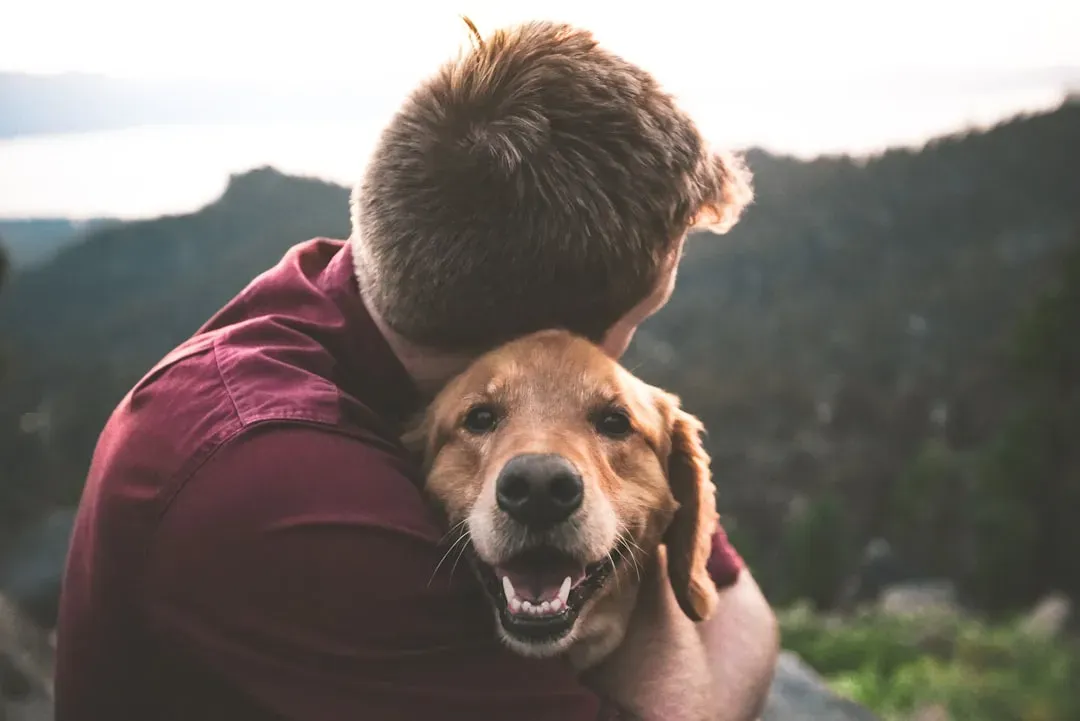
If you live with a dog, you already know you are more than just the person who fills the food bowl. To your dog, you are safety, routine, entertainment, and reassurance all wrapped into one familiar smell and voice. Over time, your dog’s brain literally wires itself around your presence; you become the predictable anchor that tells their nervous system, deep down, that everything is okay. This is why your dog might follow you from room to room or lie where they can just barely see you – you are their emotional center of gravity.
Scientists studying dogs and their people have found that the bond looks strikingly similar to the attachment you see between human parents and children. When you leave, your dog may show signs of stress; when you return, those stress signals drop and calm returns. Your scent, your footsteps, even the routine of you getting up in the morning all become part of how your dog’s brain predicts the day. When that bond is suddenly cut off by death, the loss is not just emotional; it shakes the entire map of how your dog understands the world.
Grief in Fur: How Dogs Actually Mourn a Death
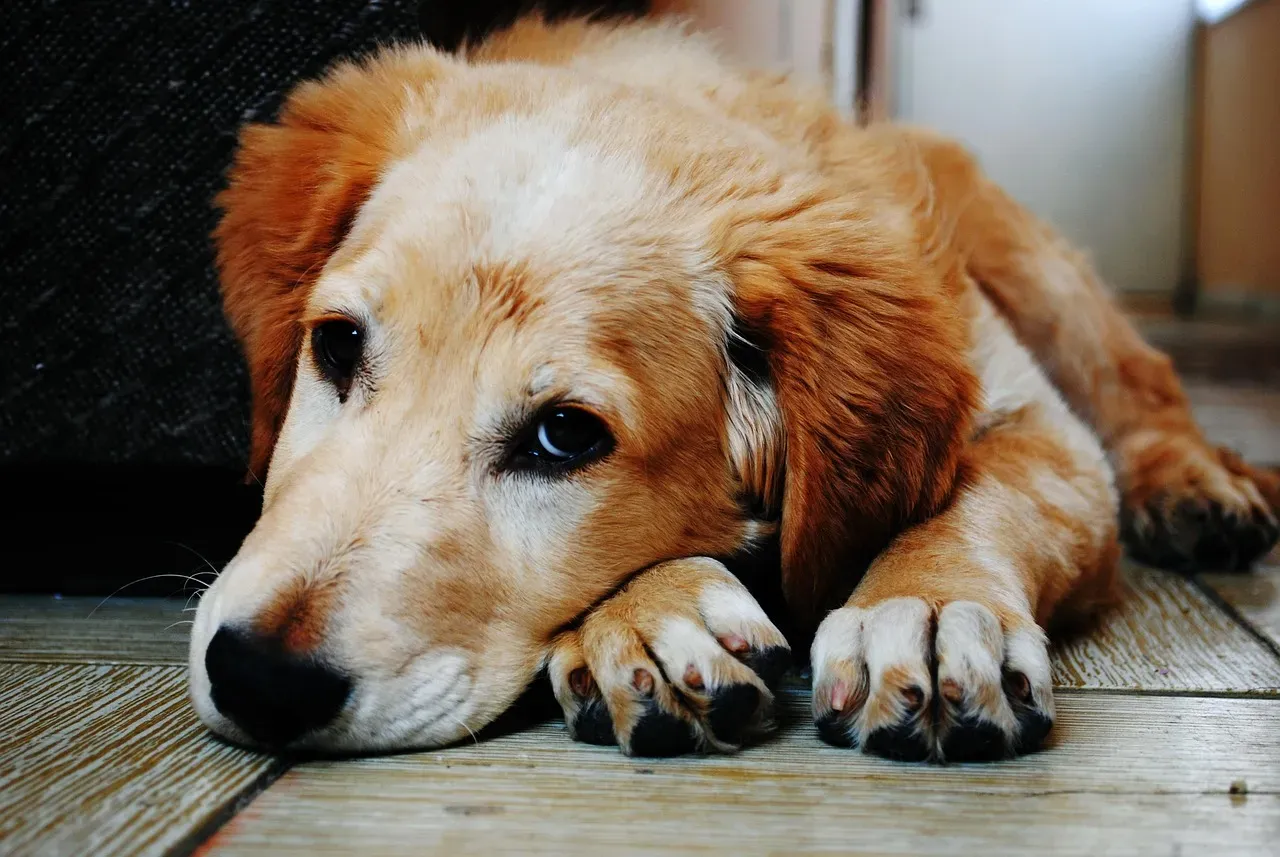
You might wonder if you are projecting human emotions onto your dog when you say they are grieving. But when you look at their behavior, it is hard not to see echoes of your own reactions to loss. Many dogs whose owner has died will search the house, sniff clothing, pace at doors, or sleep in their person’s favorite spot as if waiting for them to appear. You may notice your dog becoming quieter, more withdrawn, or suddenly clingy with whoever is still around, as if they are trying to grab onto any piece of stability they can find.
Alongside those behavioral changes, you also see physical signs that look a lot like human mourning: disrupted sleep, loss of appetite, low energy, even changes in bowel habits. Just like you might lose interest in food when you are utterly heartbroken, your dog can experience a kind of shutdown when the person they trusted most is simply gone. They do not understand death the way you do, but they feel absence in a raw, immediate way, and their body responds as if a part of their world has been torn away.
When the Bowl Stays Full: Appetite Loss as a Symptom of Shock
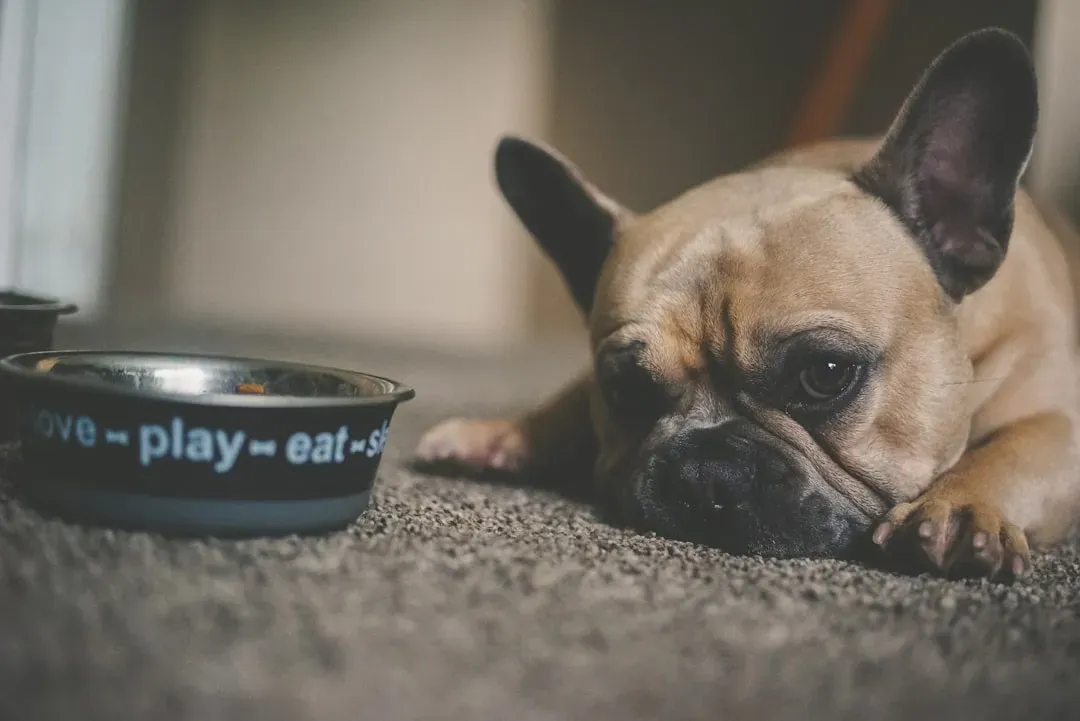
When a dog refuses to eat after their owner dies, you are often seeing the physical side of emotional shock. Imagine having your entire daily rhythm suddenly ripped apart: no familiar footsteps, no morning routine, no voice you are unconsciously listening for. Your dog’s body is wired to connect eating with feeling at least somewhat safe. When everything suddenly feels unsafe or unfamiliar, food drops way down the priority list, even if it is their favorite meal. In that state, it is not that they forget the food is there; it is that their nervous system is too overwhelmed to care.
This can look different from dog to dog. One might ignore meals entirely for a day or two, another might nibble reluctantly, while another may only eat if hand-fed by someone they trust. You might see them sniff the bowl, pause as if confused, and then quietly walk away. To you it feels heartbreaking because you know you could fix their hunger in a second, but appetite is not just about the stomach. For your dog, eating is tied to mood, familiarity, and the feeling that life still makes sense – and right after a death, none of that feels true.
The Stress Chemistry Behind Canine Heartbreak
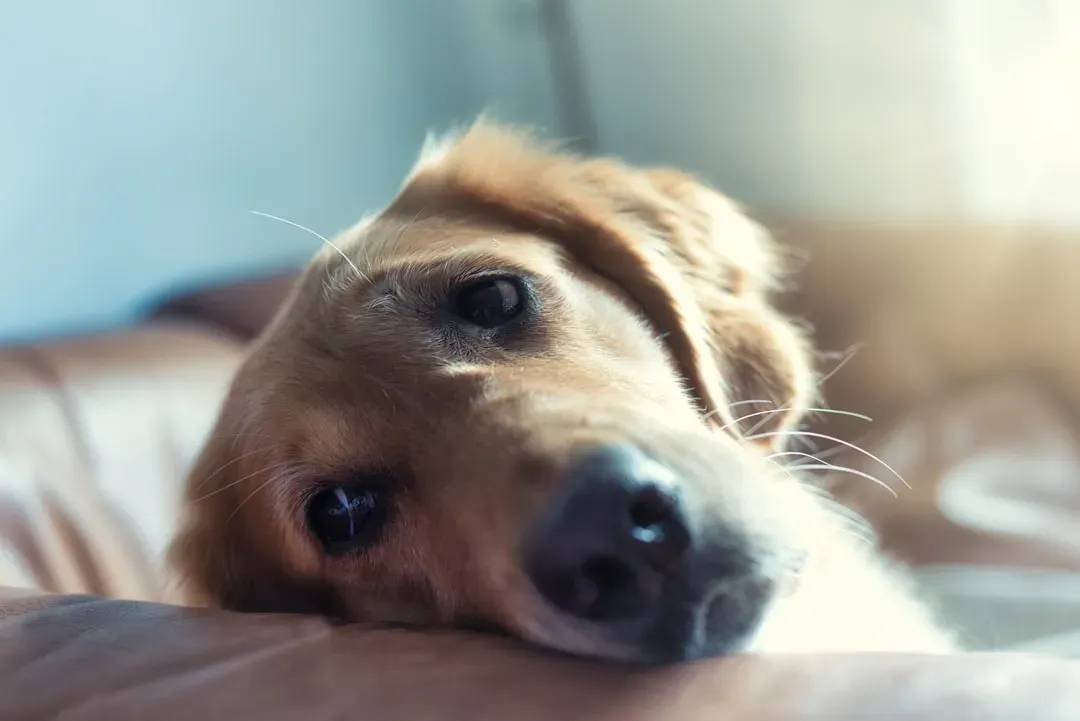
Underneath the sadness you see on the outside, your dog’s body is running on a powerful cocktail of stress hormones. When a dog is suddenly separated from the person they are deeply attached to, their brain may release higher levels of stress chemicals that prepare them for danger, even if there is no obvious threat. This state can tense muscles, raise heart rate, and disrupt digestion, making eating feel uncomfortable or unimportant. It is like trying to enjoy a full meal while your hands are shaking from anxiety – your body just is not in the mood to rest and digest.
Over time, if that stress stays high, it can start to wear on your dog’s immune system, sleep patterns, and overall health. You might notice that the dog that once inhaled their food now picks at it or turns away entirely, especially in the first days or weeks after their owner’s death. In many ways, the refusal to eat is a visible red flag telling you something inside is deeply out of balance. It is not about stubbornness or misbehavior; it is a sign of a nervous system that has been pushed beyond what it knows how to handle.
Routine Shattered: How Loss of Structure Kills the Appetite
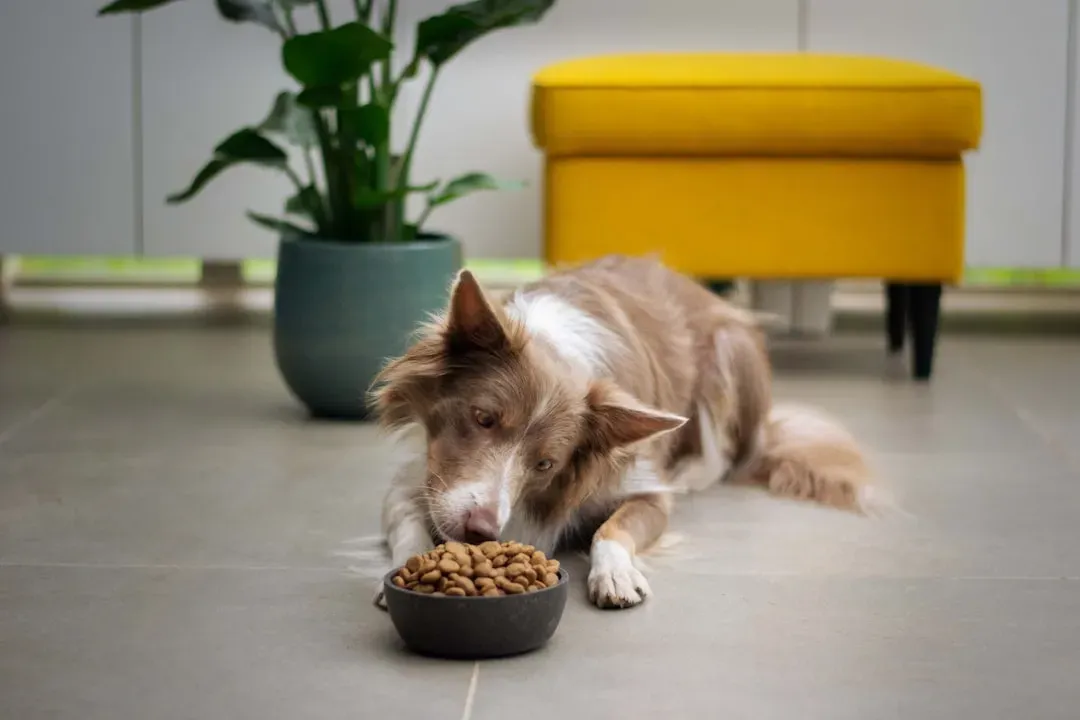
Think about how much of your dog’s day silently revolves around you: the time you get up, when you walk them, how you talk to them while cooking, when the food bowl hits the floor. Dogs are experts at building their sense of safety around routine, and you are the main character in that script. When their owner dies, the script gets thrown out in one brutal moment. Suddenly someone else is feeding, walking, or housing them, and the timing, location, and style of everything changes. Even if the new person is kind, your dog may feel as if the ground has shifted under their paws.
Because of that, mealtime stops feeling like a familiar ritual and turns into one more strange event in an already chaotic world. Maybe the bowl is in a different spot, the food smells slightly different, or the voice calling them to eat is unfamiliar. These tiny changes can feel huge when your dog is already confused and grieving. You might see them hesitate at the threshold of a new kitchen or look around as if searching for permission that will never come. Without that old routine to lean on, their appetite has a much harder time waking up.
Attachment Styles: Why Some Dogs Stop Eating and Others Do Not

Not every dog reacts to loss in the same way, and that is where attachment style comes in. Some dogs are more independent; they love their person, but they can adjust more easily when life shifts. Others are deeply attached, following their owner like a shadow, watching every move, and depending heavily on their presence to feel okay. If you have that kind of highly bonded dog, they are more likely to shut down, lose interest in play, and refuse food when their person disappears. For them, it is as if the sun went out, and they are trying to navigate in sudden darkness.
Past experience plays a role too. A dog that has already been abandoned, rehomed, or neglected earlier in life may cling especially hard to the one person who treated them kindly. When that person dies, old fears of being left behind can roar back to life, amplifying their grief. You might watch a dog like that curl up in one spot, ignore food, and seem to age overnight. Another dog in the same house may adjust more quickly, eat fairly normally, and show grief in subtler ways. Both are loyal; their hearts just express that loyalty differently.
Your Role Now: Helping a Grieving Dog Eat Again
If you find yourself caring for a dog who has just lost their person, you are stepping into a fragile moment in that animal’s life. One of the kindest things you can do is recreate as much of their old routine as possible. Feed them at the same times, in the same type of bowl, in a similar location if you can. If you have access to the late owner’s unwashed clothing or bedding, placing it near the food area may help anchor the dog with a familiar scent. You are sending their nervous system a quiet signal: some things are still the same, even if the most important thing is gone.
Gentle encouragement helps more than pressure. Sit near them at mealtime, speak softly, and offer small, tasty, easy-to-eat foods if your vet agrees – things that feel more like comfort than obligation. Hand-feeding can sometimes bridge the gap, especially in the early days, because it blends food with touch and connection. If the dog still refuses to eat for more than a day or two, or seems extremely lethargic, contacting a veterinarian is not just wise; it is necessary. You are not just trying to get calories into them; you are helping them survive a storm of grief with their body intact.
When Grief Becomes Dangerous: Knowing When to Call the Vet
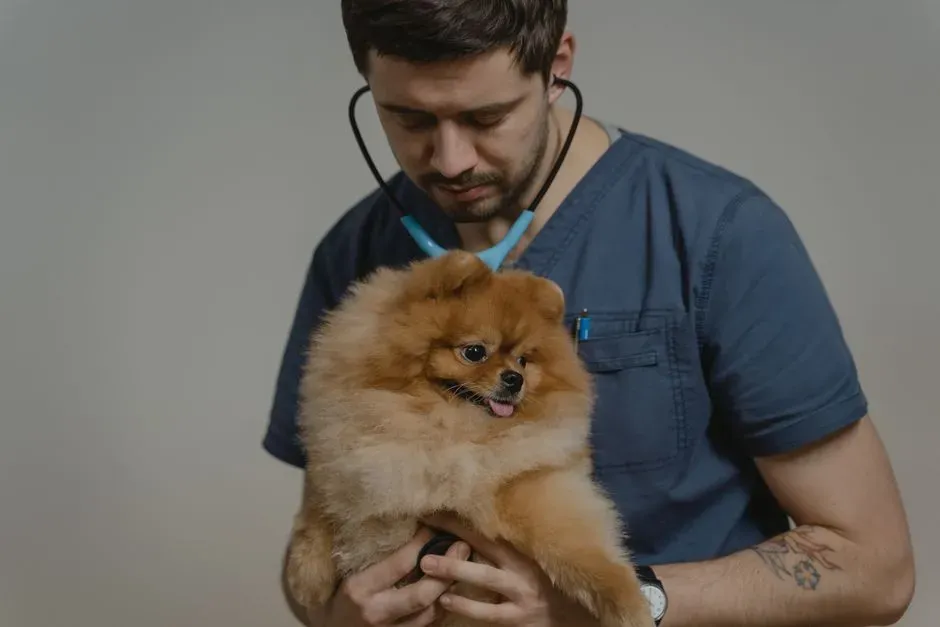
As heartbreaking as it is to watch a dog walk away from their bowl, you also have to keep an eye on the line between normal grief and physical danger. Skipping one or two meals in the immediate aftermath of a major loss can be part of a natural mourning process. But if a dog stops eating for more than about a day or two, especially if they are older, small, or already ill, things can slide into risky territory fast. Their body can only go so long without proper nutrition and hydration before organs start feeling the strain.
You also want to watch for warning signs that point beyond sadness: vomiting, diarrhea, labored breathing, extreme weakness, or collapse are all reasons to get help immediately. Sometimes the stress of grief can unmask or worsen underlying medical problems that were quietly brewing in the background. A veterinarian can check for physical illness, offer appetite stimulants if needed, and help you put together a plan that respects the dog’s emotional pain while still protecting their health. You are not “overreacting” by seeking help; you are stepping up for a living creature who cannot speak for themselves.
The Heart of the Matter: What Canine Loyalty Really Means
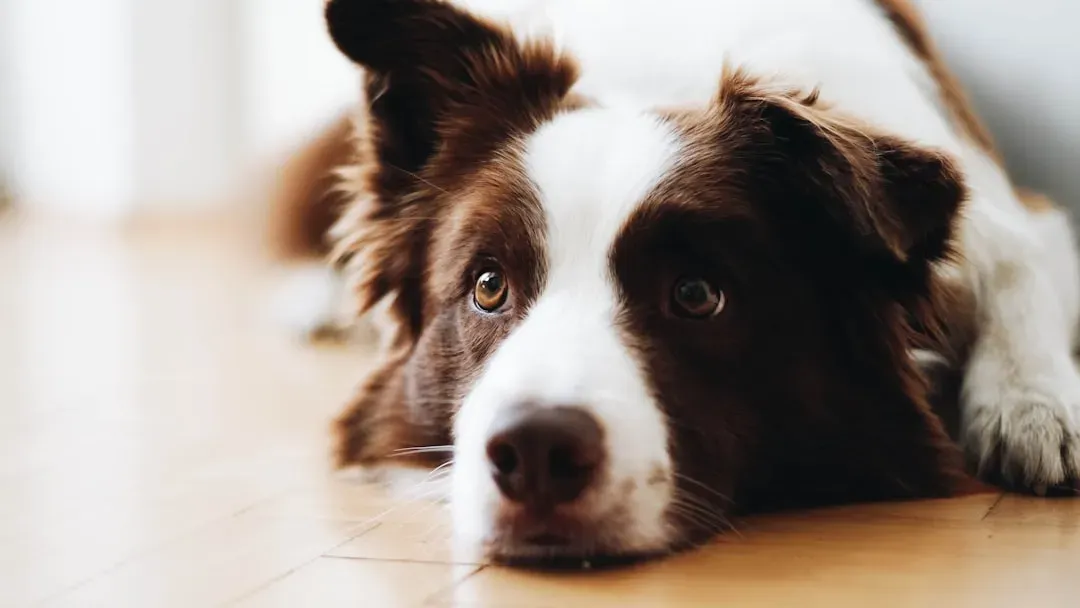
When you stand in front of a full bowl that a grieving dog refuses to touch, you are seeing loyalty in its most painful form. This is not just a pet missing a favorite person in a casual way. This is a creature whose brain, heart, and daily life were all organized around one human being, and now that human is gone. The love that once brought so much joy has turned into a heavy absence that even food cannot quite compete with, at least not at first. It is heartbreaking, but it is also a reminder: to your dog, you are never “just” an owner.
At the same time, it is important not to romanticize their suffering. Loyalty does not mean a dog should waste away from grief while we stand by admiring their devotion. True respect for that love shows up in what you do next: comforting, adapting routines, seeking veterinary care, and giving them time and patience to find their way back to eating, playing, and trusting life again. When you help a grieving dog through that journey, you are honoring the bond they lost and building a new one that says their story is not over. In the end, that may be the most loyal thing you can do in return.
In the quiet moments when a dog turns away from a meal they once devoured, you are witnessing how deep the connection between humans and dogs really goes. Their refusal to eat is not a mystery, but a mix of grief, stress, and shattered routine that would probably feel familiar if you could step fully into their mind. It hurts to see, but it also reveals just how much your presence has always mattered. Knowing that, how will you choose to show up for the dogs who would follow you to the end of the world – and wait for you even after you are gone?