
If someone told you there was a place where time almost stops, you’d probably picture deep space or some sci‑fi lab, not a lake you can stand beside on a road trip. Yet that’s exactly what Lake Superior quietly offers: an underwater graveyard where hundreds of ships rest in a cold, dark stillness that slows decay to a crawl. Their wooden beams, iron bolts, and sometimes even cargo and personal items remain eerily well preserved, as if the lake refused to let them go.
When I first read about this so‑called graveyard zone, I imagined a macabre museum curated by nature – no tickets, no glass cases, just silence, cold, and darkness. The idea that around three hundred and fifty wrecks lie scattered beneath Superior’s waves feels almost unreal, especially because you can drive right past the shoreline with no clue of what is below your feet. The science of why these wrecks remain intact is fascinating, but the human stories locked inside them are what make this lake feel less like a body of water and more like a memory vault.
The Great Lake That Behaves More Like an Inland Ocean
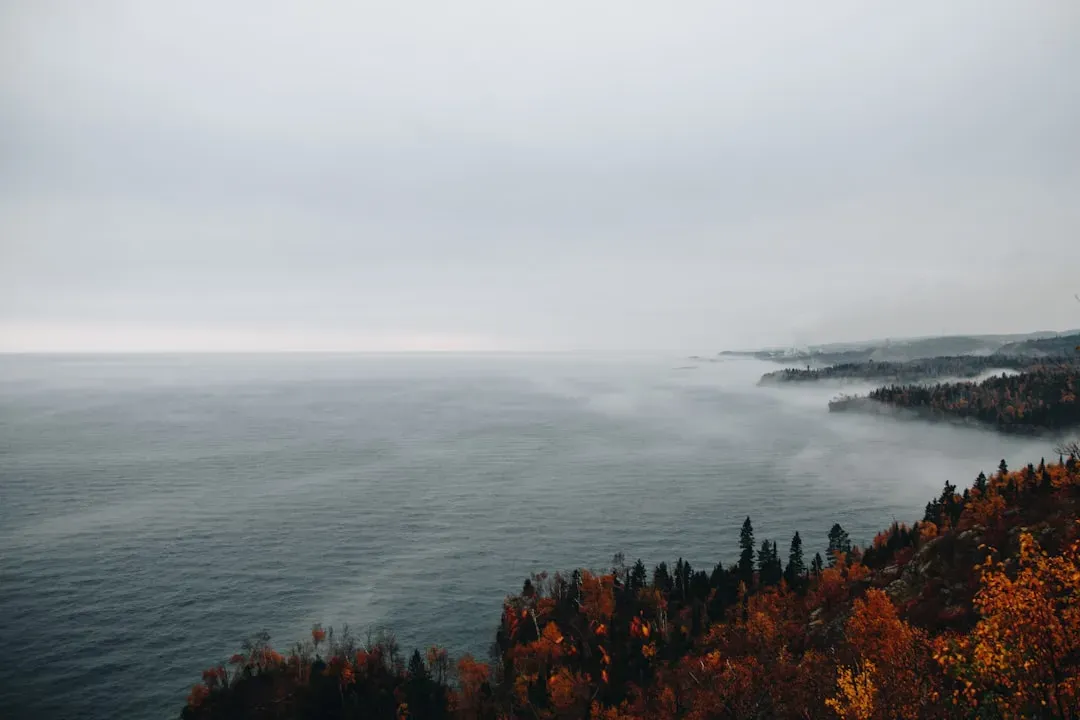
Lake Superior looks like a lake on a map, but up close it feels like the edge of an inland sea. It is the largest freshwater lake on Earth by surface area and holds an enormous share of the planet’s liquid freshwater, which means storms have room to build monstrous waves and winds can whip up the water into long, deadly fetches. Sailors who worked this lake did not think of it as a gentle inland waterway; they saw it as a cold, unpredictable ocean that just happened to be made of freshwater instead of salt.
That scale matters when you start asking why so many ships never made it back to port. The longer the open reach of water, the more energy storms can build into waves that batter hulls, snap masts, and drive even well‑built vessels onto reefs or shoals. Combine that with sudden weather shifts, limited forecasting in the 1800s and early 1900s, and treacherous coastlines, and you get a setting where one bad decision or one unlucky gust could mean disaster. Superior is not cruel, but it is utterly indifferent, and that indifference shows in the number of ships it has swallowed.
Why Decomposition Nearly Stops in Lake Superior’s Depths
The idea that decomposition “stops completely” is a bit dramatic, but in the deep, cold parts of Lake Superior, it slows so much that to us it looks almost frozen in time. The water can hover just above freezing year‑round at depth, and cold temperatures drastically slow down the bacteria and fungi that normally chew through wood, textiles, and even metal. Think of it like putting leftovers in a freezer instead of leaving them on the counter; decay still exists, but it crawls instead of races.
On top of the cold, Superior’s deeper layers are dark and often low in oxygen, especially in isolated pockets and near the lakebed where wrecks settle. Many of the organisms that would normally feast on a wooden hull or a sailor’s boots either cannot survive in those conditions or work so slowly that the structure remains intact for decades or even more than a century. That combination of cold, darkness, and relatively low biological activity turns the lake’s depths into a natural preservation chamber, creating the eerie impression that time has taken a long pause.
The Science Behind the ‘Graveyard Zone’ Myth and Reality
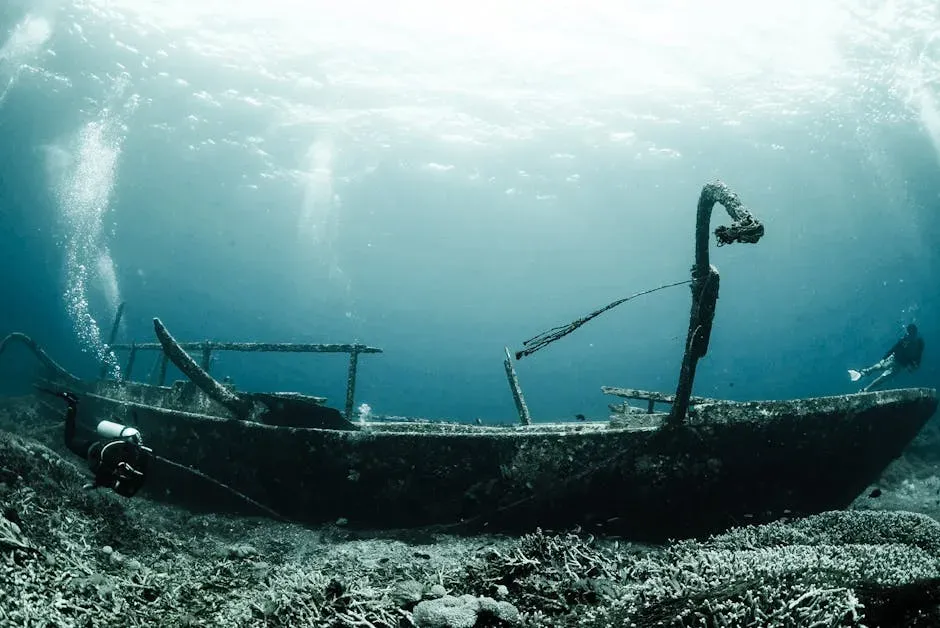
The phrase “graveyard zone” sounds like a horror movie tagline, but there is a real scientific foundation beneath the drama. Oceanographers and limnologists – scientists who study lakes – have long known that deep, cold water bodies can preserve shipwrecks far better than shallow, warm, well‑oxygenated ones. In Lake Superior, particularly deep basins and steep drop‑offs create areas where wrecks slide down and settle into stable cold layers that do not mix much with warmer surface water in summer.
These depth zones are not magical, and they are not perfectly defined borders on a map, but they are consistent enough that researchers and divers know where to look. Over time, patterns emerged: certain stretches of shoreline and underwater contours collect wrecks like a gutter collects leaves, especially along major historic shipping routes. When people talk about a graveyard zone, they are really describing these deep accumulation areas where the environment conspires to preserve tragedy, turning scattered accidents into a concentrated archive.
How Around 350 Shipwrecks Ended Up on the Lakebed
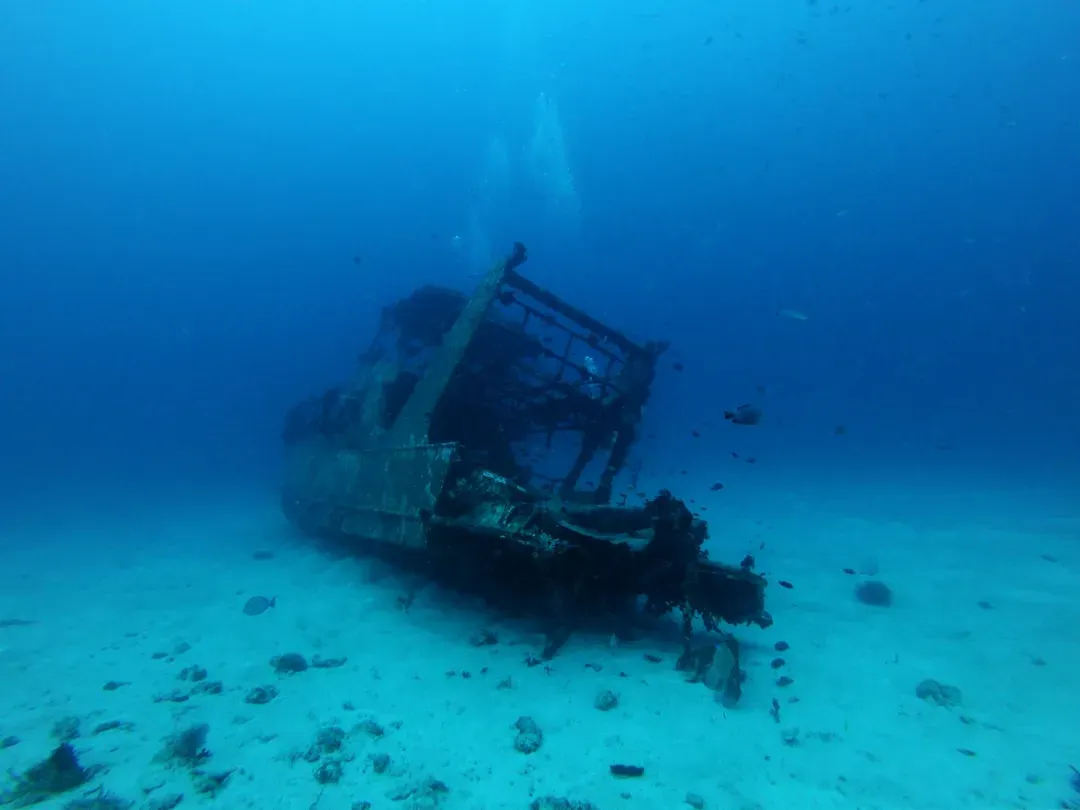
Those roughly three hundred and fifty wrecks did not appear out of nowhere; they are the visible scars of more than a century of intense commercial use. From the mid‑1800s onward, Lake Superior became a conveyor belt for iron ore, grain, lumber, and other cargo feeding the rapidly industrializing United States and Canada. Ships were pushed hard, schedules were tight, and captains often had strong incentives to sail late in the season, even when ice and storms were already knocking on the door.
Each wreck has its own chain of decisions and bad luck: overloaded holds, incomplete weather reports, navigational errors in fog, catastrophic structural failures, or collisions in busy shipping lanes. In an era before modern radar, satellite data, and GPS, a sudden snow squall or unexpected gale could transform a routine trip into a desperate fight for survival. When you imagine that happening hundreds of times over decades, the number of lost ships stops feeling exaggerated and starts feeling grimly logical. The graveyard at the bottom of Superior is not a mystery; it is the inevitable bill for a long period of high‑risk, high‑reward shipping.
What Divers and Sonar Reveal About Preserved Wrecks
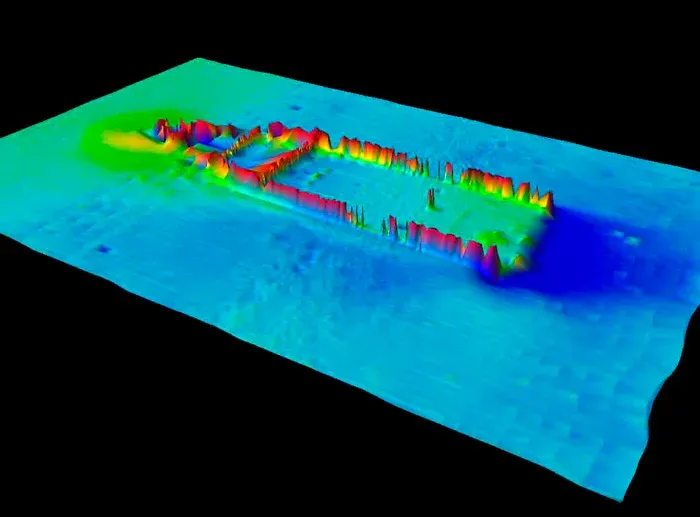
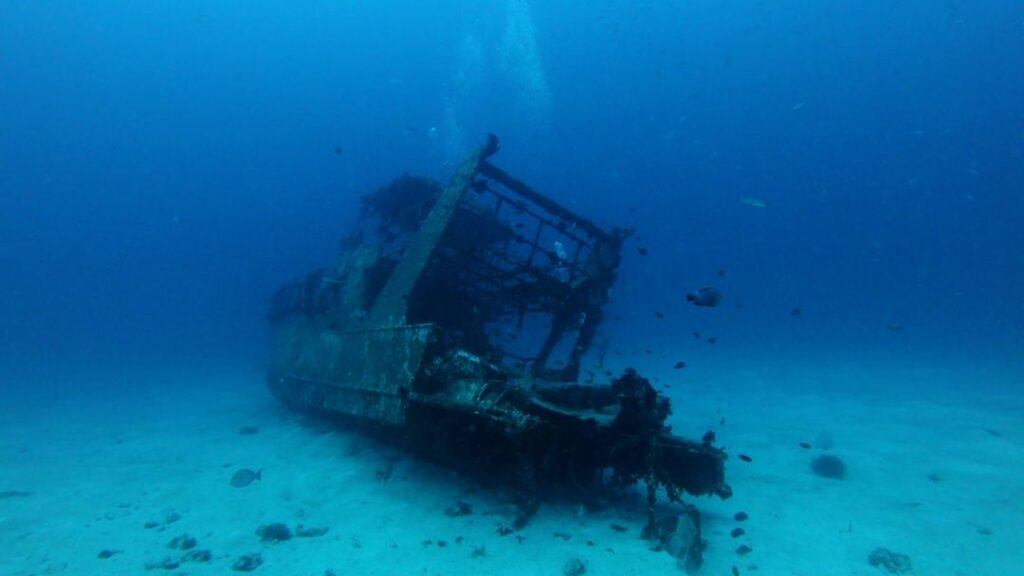
In the past, most of these wrecks were simply rumors and local legends, but modern technology has been steadily turning stories into confirmed sites. Side‑scan sonar, remotely operated vehicles, and technical diving have revealed intact hulls, recognizable deck structures, and artifacts that look almost disturbingly fresh. Divers describe wooden masts still standing upright, railings intact, and details like anchors, winches, and sometimes even dishes or tools resting exactly where crew members left them in their final minutes.
What is striking is not just what survives, but how sharply it contrasts with warmer waters where shipwrecks quickly collapse into scattered debris and ambiguous lumps. In Superior’s depths, these vessels can look like staged film sets frozen mid‑scene. For historians and archaeologists, that level of preservation is a gift because it allows detailed reconstruction of how ships were built, modified, and ultimately failed. For everyone else, the images carry a quiet emotional punch – a reminder that what we think of as “the past” can be just one cold, dark dive away.
The Human Stories Locked Inside the Lake’s Time Capsule
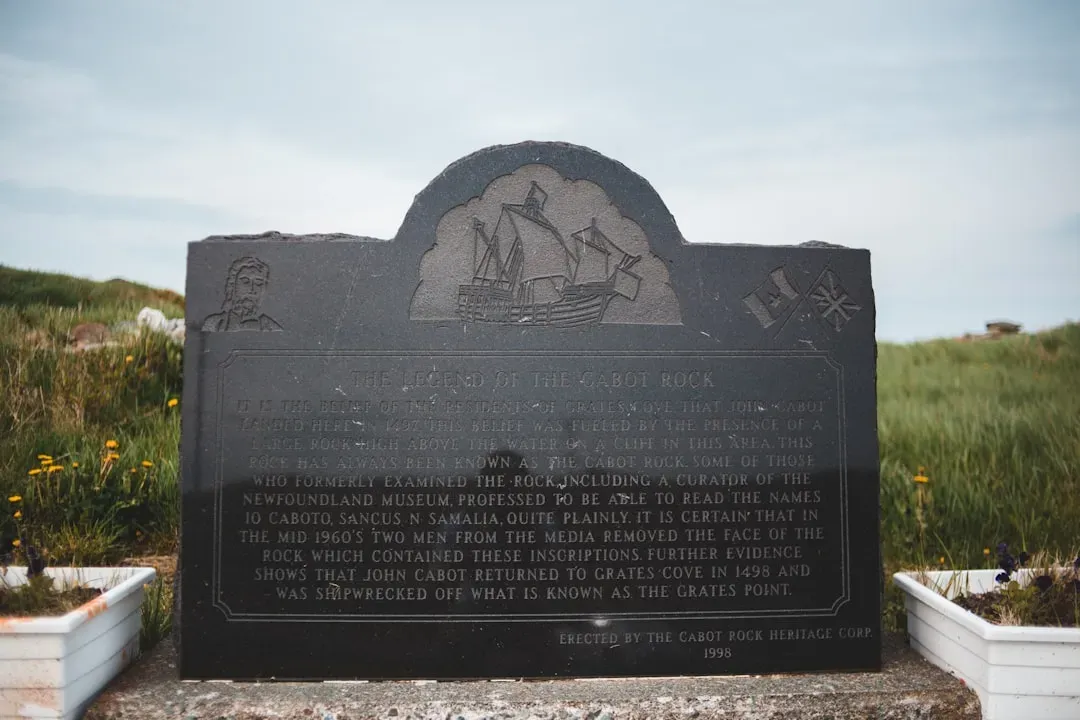
It is easy to get caught up in the technology and the haunting photos and forget that every ship down there was once full of people with everyday worries and small, ordinary hopes. Some were experienced sailors who had crossed Superior dozens of times; others were new crew members or passengers who might have been seeing the lake for the first time. Their lives ended not in a distant war or on some remote ocean, but almost in sight of land, under waves that now lap gently at tourist beaches and hiking trails.
For families and communities around the Great Lakes, these wrecks are not just historical curiosities; they are part of a living memory that reaches forward through generations. When you stand on a foggy shoreline or listen to wind pushing water against rock, it is hard not to imagine the last moments aboard one of those lost ships. That is why memorials, local museums, and commemorative events matter so much here: they pull the narrative away from abstract numbers and back toward individual human experiences, which is where it belongs. The graveyard zone is not just a scientific phenomenon; it is also a mass grave that commands a certain humility.
Should We Disturb the Graveyard or Let It Rest?
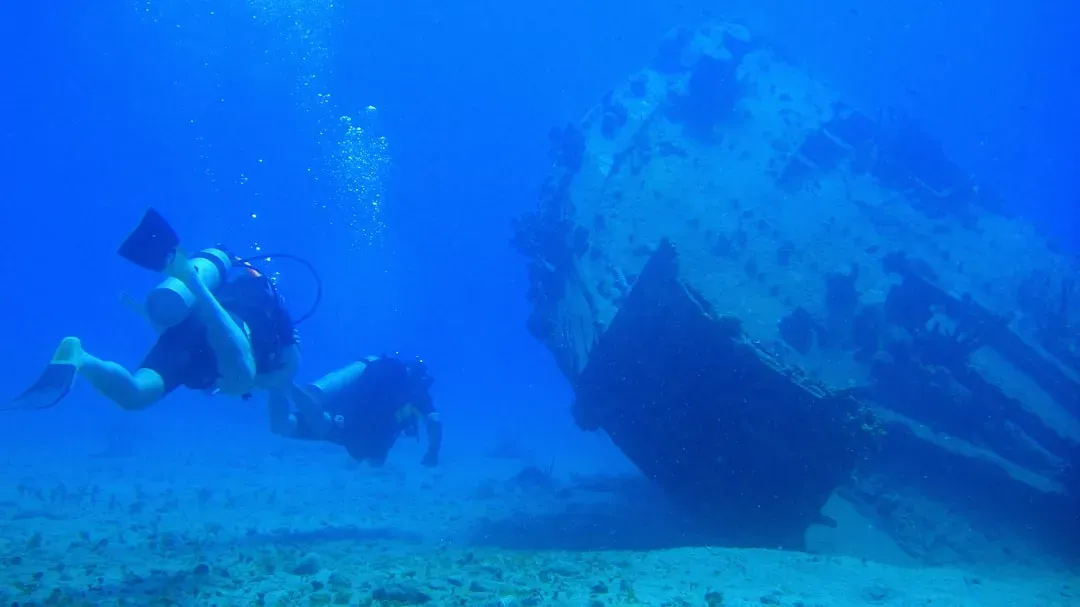
Here is where things get contentious, and honestly, I think they should. On one side, there is a strong argument for exploration and documentation: these wrecks are historical resources that can teach us about technology, labor, trade, safety regulation, and how societies respond to risk. Leaving them completely unstudied would mean letting a vast, unique archive slowly fade, even if that fading takes far longer than it would elsewhere. Responsible archaeology, detailed mapping, and careful photography can honor the dead by making sure their stories are not lost.
On the other hand, there is a serious ethical question about treating these sites like attractions or checklists for thrill‑seeking divers. Many people, including descendants of lost crew, see these wrecks as underwater graves that deserve the same respect as any cemetery. Personally, I lean toward a middle ground: rigorous protection of wrecks from looting and casual interference, coupled with supervised research and limited, respectful access. The lake’s natural preservation is doing most of the work already; our job is to avoid turning a solemn archive into a playground. In the end, Lake Superior’s graveyard zone forces us to ask what kind of relationship we want with the dead who still share our waters.
Conclusion: A Lake That Refuses to Forget
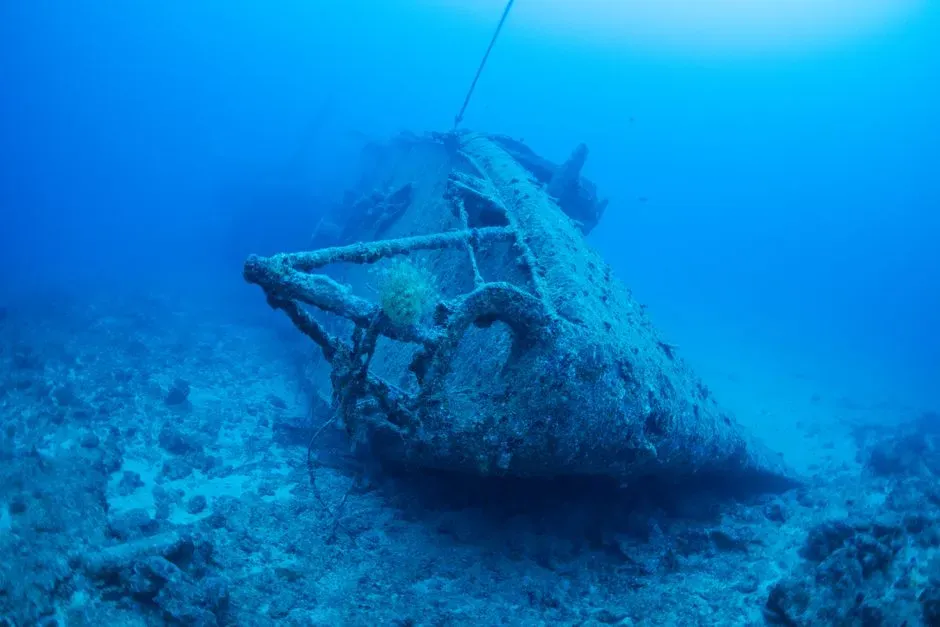
The more you learn about Lake Superior’s hidden graveyard, the harder it becomes to see it as just a scenic backdrop for selfies or road trips. This is not a tidy, sentimental story about shipwrecks as romantic ruins; it is a blunt reminder of how industrial ambition, imperfect knowledge, and raw natural power can collide. The lake’s extreme cold and deep, quiet basins have turned accidents into a kind of long‑term memory, preserving hulls and artifacts long after everyone who knew the victims personally has died. In a world obsessed with constant updates and short attention spans, there is something almost defiant about a place that simply refuses to forget.
My opinion is that we should treat this graveyard zone as both a warning and a gift. It warns us about what happens when we push against nature’s limits without fully understanding the risks, and it gifts us with rare, almost undiluted glimpses into the past. If we approach it with curiosity, respect, and a bit of humility, Lake Superior can keep teaching us for generations, quietly holding its stories in the cold dark. Standing on its shore, knowing what lies beneath, you cannot help but wonder: how many other places in the world are still keeping such astonishing secrets from us?