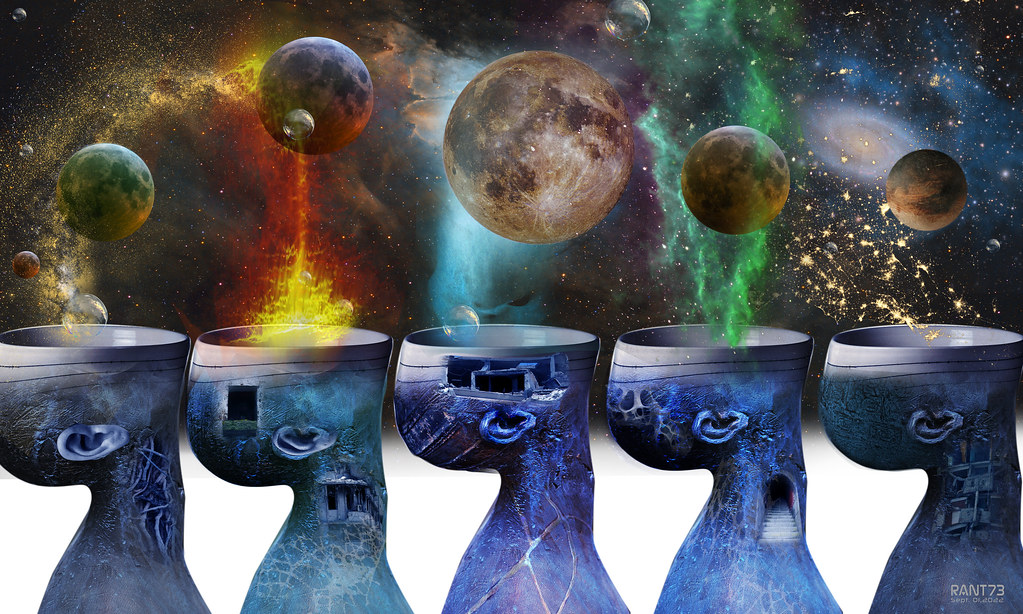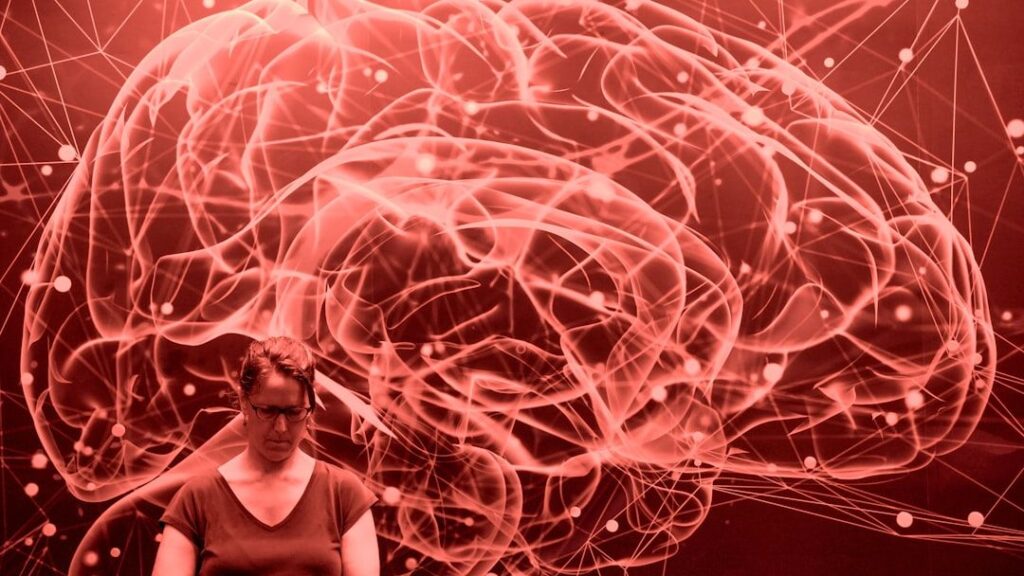

If you have ever paused and thought, even for a second, about what it actually means to feel pain, to taste coffee, or to be quietly aware of your own thoughts, you have brushed up against the edge of one of science’s deepest mysteries. Physics can describe the motion of galaxies, biology can map every gene in your body, and computer science can build machines that beat world champions at games, yet none of this fully explains why there is something it is like to be you. This gap between physical description and lived experience is what many philosophers and scientists now call the hard problem of consciousness.
I remember the first time this really hit me: I was staring at a blue sky, and it suddenly felt absurd that wavelengths of light, neural spikes, and brain chemistry could ever add up to the raw blueness I was seeing. There was a sense that some crucial piece was missing from the scientific story, like having all the ingredients of a recipe but no idea how they become the finished dish. That unsettling, slightly dizzy feeling has never fully gone away, and for a growing number of consciousness researchers, it is exactly why they say this remains the single most baffling question in all of science.
What Exactly Is the “Hard Problem” of Consciousness?
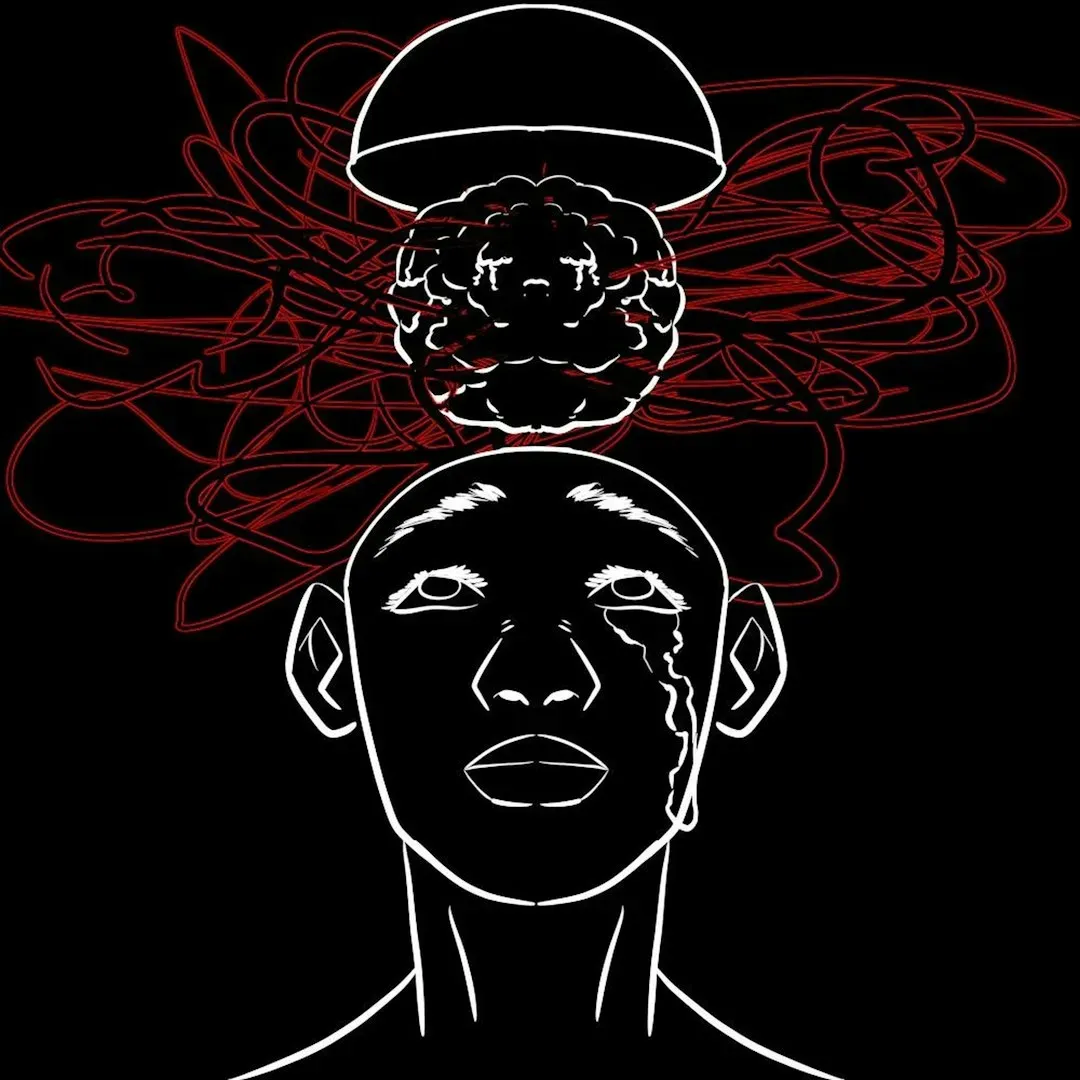
When scientists talk about the hard problem, they are drawing a sharp line between explaining what the brain does and explaining what it feels like from the inside. We are pretty good at the first part: researchers can track which brain regions light up when you see a face, move your hand, or recall a memory. These are often called the “easy problems” of consciousness, not because they are simple, but because we at least know what a solution would look like in terms of mechanisms and functions. You can, in principle, build a model of perception, attention, or memory in purely physical and computational terms.
The hard problem asks something different: why do those physical and computational processes come with subjective experience at all? Why is there a vivid inner movie – colors, sounds, emotions, a sense of self – instead of all this happening in the dark, with no one home? You can describe every neuron firing when you stub your toe, but that still does not tell you why there is the sharp, awful feeling of pain, as opposed to just information processing. This is the question that keeps slipping through the fingers of even the most advanced brain science.
From Neurons to “What It Feels Like”: Where the Explanation Breaks
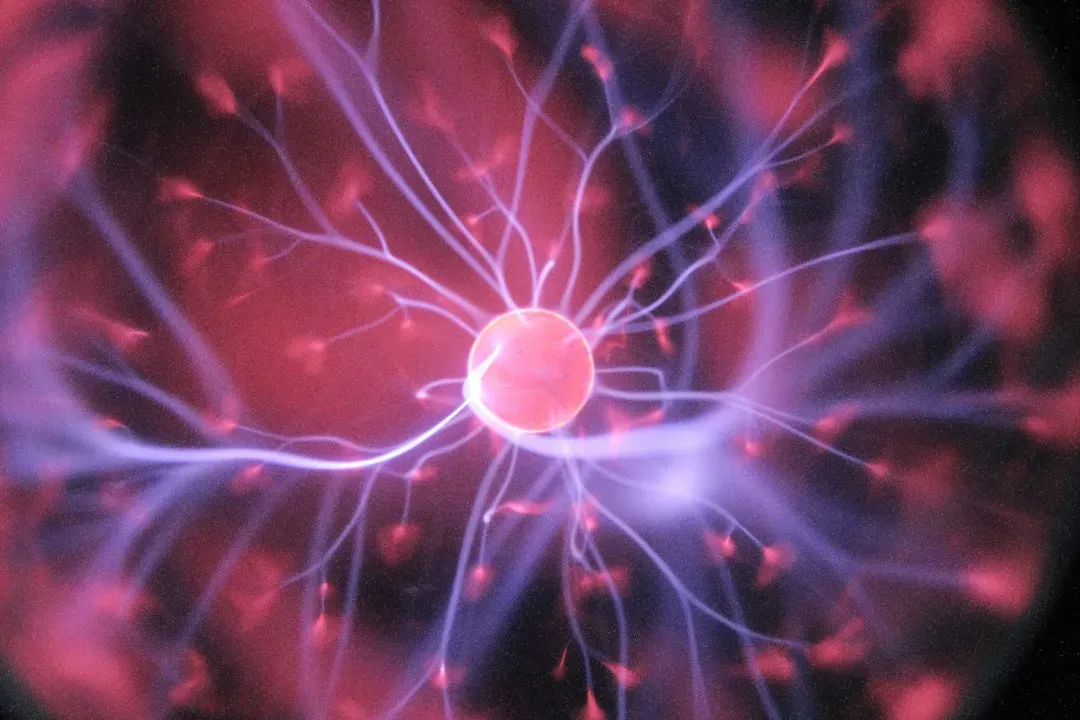
On paper, the brain looks like the ultimate physical machine: billions of neurons, each connecting to thousands of others, forming vast networks of electrical and chemical activity. Neuroscientists can map circuits involved in vision, decision-making, and bodily control; they can even predict, to some extent, what you are seeing or thinking based on brain scans. It is tempting to think that if we just push far enough in this direction, consciousness will eventually fall out of the equations like an emergent property of complexity. That is the hope behind much of modern cognitive neuroscience and artificial intelligence.
But the leap from description to experience is where many people feel the story breaks down. You can imagine shrinking yourself down to the size of a cell, wandering through a forest of neurons, watching signals flash and chemicals flow, and still never bumping into the feeling of heartbreak or the taste of chocolate. The physical story is detailed, but it is always from the outside; the subjective story is about the inside, and we do not yet know how to connect those perspectives without quietly smuggling in the very thing we are trying to explain. This is like having a perfect blueprint of a concert hall but no idea how it is that music can move you to tears.
Why Consciousness Might Be the Toughest Question in All of Science
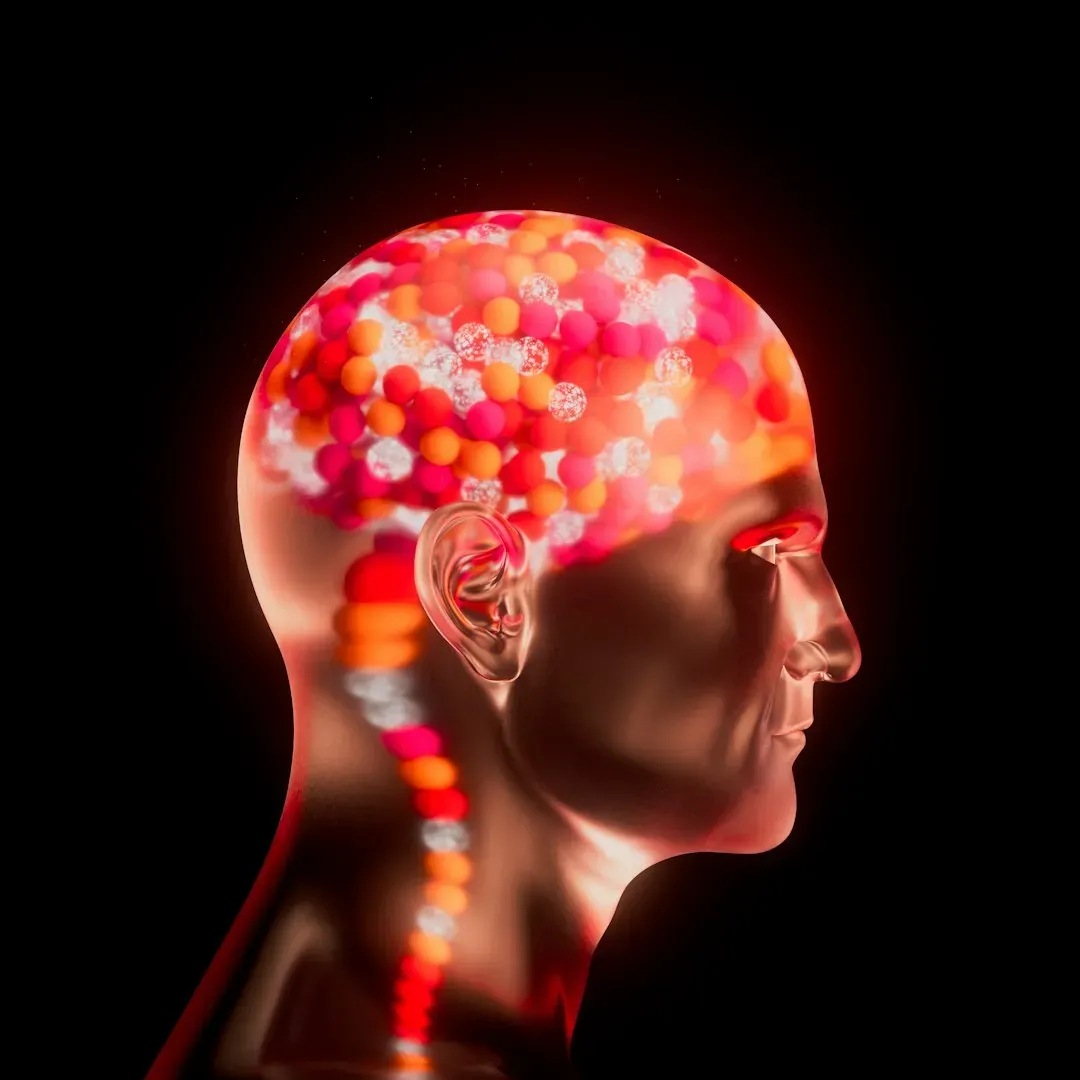
People sometimes roll their eyes and assume the hard problem is just philosophers overcomplicating things, but many front-line researchers in neuroscience, physics, and computer science now take it seriously. One reason is that, unlike most scientific puzzles, consciousness cannot be fully treated as something “out there” to be measured; it is also the very medium through which we do the measuring. Every experiment, every observation, every theory is ultimately experienced by some conscious mind. That makes consciousness strangely fundamental to all of science, yet still unexplained by any particular field.
Another reason it feels uniquely baffling is that progress is not as straightforward as in, say, particle physics or genetics. There is no single instrument, no obvious experiment, that everyone agrees would solve the problem once and for all. Instead, we have a patchwork of theories that often talk past each other and data that can usually be interpreted in multiple ways. It is as if we are trying to complete a puzzle without knowing what the picture is supposed to look like, and some pieces might belong to a completely different game. Compared to that, figuring out black holes or the origin of life almost starts to look refreshingly straightforward.
Competing Theories: Brilliant or Just Beautiful Stories?
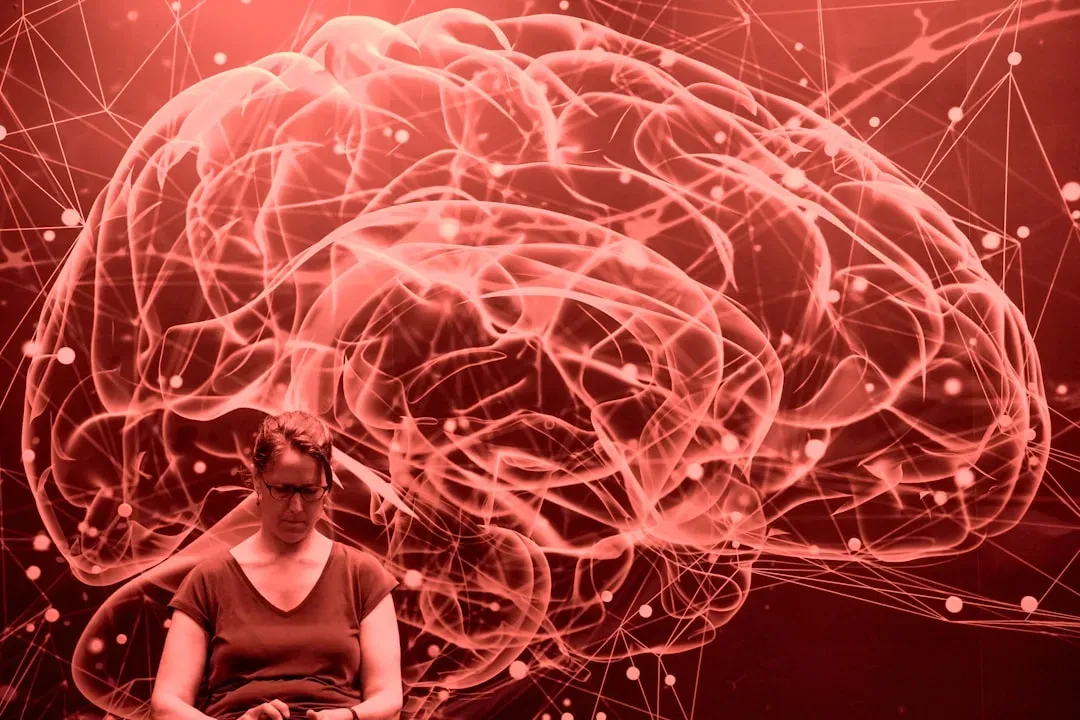
Over the past few decades, several major theories have tried to bridge the gap between brain activity and conscious experience. Global workspace theories propose that consciousness arises when information is globally broadcast across the brain, making it available to many subsystems at once. Integrated information approaches focus on how tightly interconnected a system is and suggest that a certain kind of causal structure might inherently give rise to experience. More biologically flavored ideas point to specific types of cells, brain rhythms, or cortical circuits as key ingredients in producing awareness.
These theories are stimulating and have inspired real experiments, but they often feel like beautifully crafted stories that stop just short of the core mystery. Saying that consciousness requires information to be globally accessible is interesting, but it still leaves open why that accessibility should feel like anything. Declaring that certain mathematical structures correspond to experience sounds deep, yet the link between numbers and the raw feel of a headache or a melody remains opaque. From the outside, it can look a bit like people trying to explain the magic trick by describing the stage lights instead of the sleight of hand.
Can Brains Be Copied? What AI and Simulations Force Us to Ask
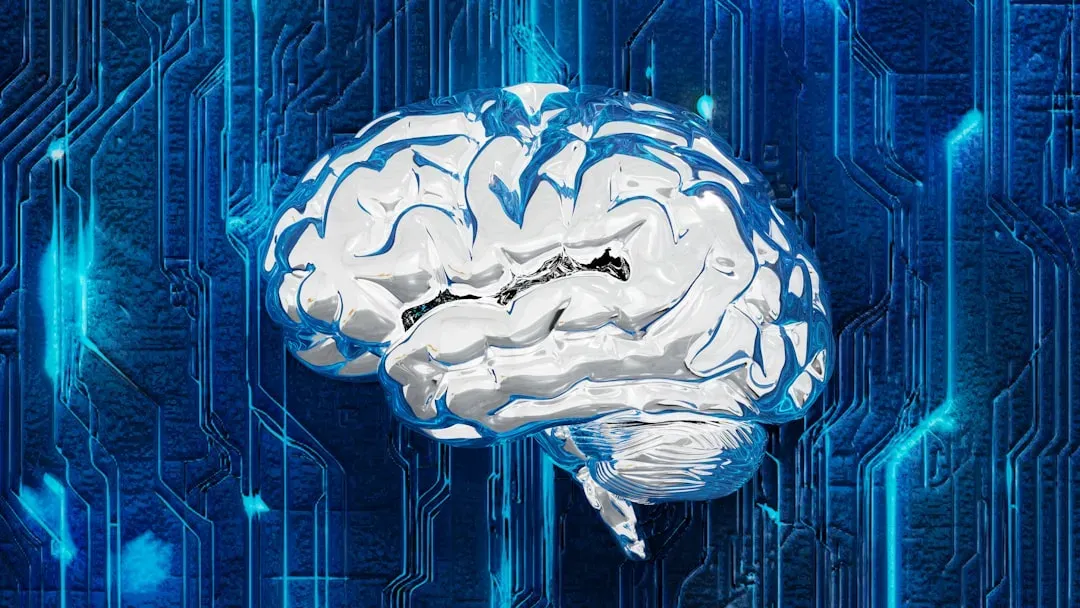
The rise of advanced artificial intelligence and brain simulation projects has poured fuel on the fire. If we could perfectly simulate a human brain in a computer, neuron by neuron, would that simulation be conscious in the same way you are? Some researchers argue that if consciousness depends only on functional organization and information processing, then a sufficiently detailed simulation should, in principle, have its own inner life. Others push back, wondering whether substrate matters – whether silicon and code, no matter how complex, might still be missing whatever special property biological matter has.
These questions stop being abstract when you imagine, for instance, a future AI claiming to feel fear, joy, or boredom. Are those just sophisticated outputs with no one actually experiencing them, or is there a genuine subject on the other side? Personally, I find this line of thought both thrilling and slightly terrifying, because it exposes how shaky our criteria for consciousness really are. We barely understand why a brain made of cells is conscious; adding chips and algorithms into the mix forces us to confront how much of our thinking is based on intuition and how little on grounded theory.
Is Consciousness a Fundamental Feature of Reality?

Frustration with purely brain-based accounts has led some philosophers and scientists to a more radical possibility: maybe consciousness is not something that emerges from matter, but something woven into the fabric of reality from the start. Views like this, sometimes grouped under the umbrella of panpsychism, suggest that even very simple physical systems might have tiny, primitive forms of experience, which combine in extraordinarily complex ways in brains like ours. On this picture, the hard problem softens a bit, because you are no longer trying to pull conscious experience out of a completely unconscious universe.
This idea sounds wild at first, like a throwback to ancient philosophies, but it has been taken increasingly seriously in modern debates as a way to avoid what some see as an explanatory dead end. Still, it raises its own difficult questions: how do these micro-experiences combine into the rich unified consciousness you have right now? How would you ever test such a claim empirically? To me, this camp of theories highlights something important: our current scientific framework may simply not be designed to handle subjectivity as a basic ingredient of reality, and extending that framework without drifting into pure speculation is a delicate balancing act.
The Limits of Measurement: Why Data Alone May Never Be Enough
One of the most stubborn obstacles in consciousness science is that the thing we care about most – how it feels from the inside – is only directly available to the person having the experience. Everyone else has to rely on reports, behaviors, and brain measurements as indirect clues. We can put people in scanners, ask them what they see or feel, and try to correlate that with neural patterns, and this has led to impressive findings about what the brain is doing when we are aware versus unaware. But the core subjective quality remains stubbornly first-person, resisting full translation into numbers and graphs.
This creates a tension familiar to anyone who has tried to describe a vivid dream to a friend: something always feels lost in the telling. For science, which thrives on public, shareable data, that loss is not just frustrating; it might be a structural limitation. Some researchers think we will eventually build better tools and frameworks to deal with this, perhaps by combining brain data with more refined methods of introspection or new mathematical models of experience. Others suspect that consciousness will always sit slightly sideways to our standard ways of knowing, forcing us to rethink what we expect from a scientific explanation in the first place.
Why the Hard Problem Matters for Everyday Life
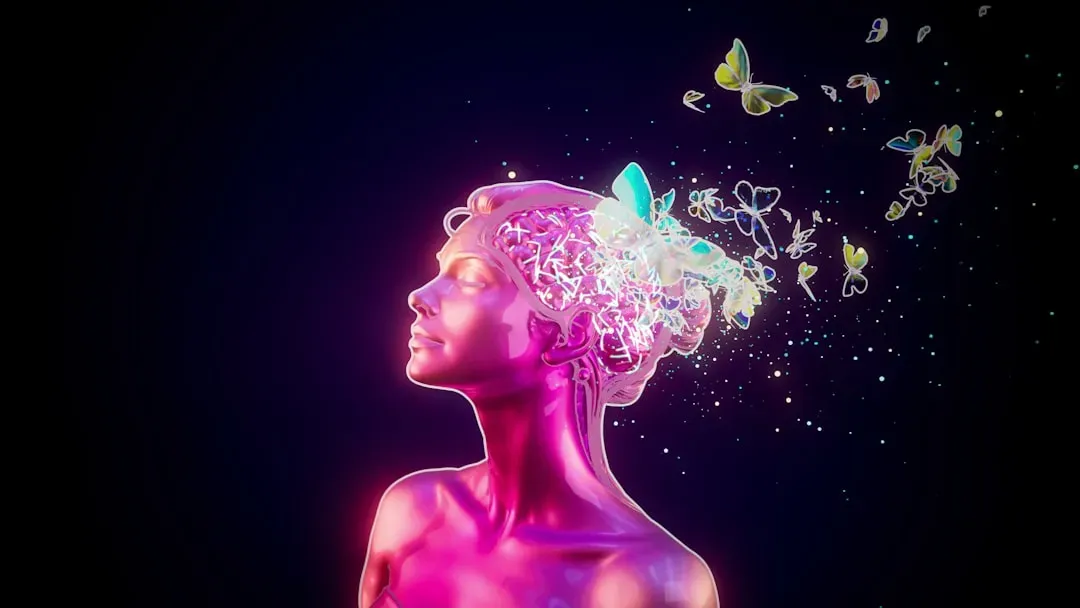
It is tempting to treat all of this as a kind of intellectual parlor game – fun to think about, but irrelevant to daily life. Yet the stakes are surprisingly real. How we understand consciousness shapes how we treat animals, patients in comas or vegetative states, and, increasingly, AI systems. If you believe experience requires a human-style cortex, you may draw a very different ethical line than if you think some degree of feeling might be present in other creatures or even in artificial networks. These questions show up in policy debates, hospital ethics boards, and tech company research labs more often than you might think.
On a more personal level, grappling with why anything feels like anything at all can subtly change how you see yourself and others. It underlines the sheer strangeness and fragility of being a conscious creature, moving through the world with this fragile bubble of inner experience that no one else can fully access. For me, sitting with that strangeness sometimes makes ordinary moments – hearing a song, laughing with a friend, even feeling bored on a Monday morning – seem almost miraculous. If we ever do crack the hard problem, it will not just be an academic victory; it could reshape how we think about meaning, value, and what it is to be alive.
Opinionated Conclusion: Maybe the Hard Problem Is a Feature, Not a Bug
At this point, I am convinced that the hard problem of consciousness is not just a puzzle we have not solved yet, but a spotlight revealing the edges of our current way of doing science. Our methods are astonishingly good at mapping structures, functions, and behaviors, but they were never built to handle the raw feel of experience as something to be explained in its own right. That does not mean we should give up, but it does mean we may need to stretch, or even partially reinvent, our concepts of explanation, evidence, and theory if we hope to make real progress. Clinging too tightly to familiar frameworks risks turning consciousness science into a game of clever redefinitions rather than genuine understanding.
My hunch is that the hard problem will stay “hard” for a long time, and that might actually be a good thing. It keeps us honest about what we do and do not know, and it protects a space of mystery at the heart of the human condition that no quick fix or buzzword can paper over. One day, maybe, we will look back and see that the way we currently talk about mind and matter was as limited as pre-relativity physics. Until then, the fact that anything feels like anything at all remains a quiet, daily astonishment – one that turns every ordinary moment into a tiny philosophical earthquake. When you next notice a simple feeling, even something as small as the warmth of a mug in your hands, will you see it the same way?