
If you come alive when the rest of the world is winding down, you’ve probably been called lazy, undisciplined, or just “not a morning person.” But what if your late-night spark isn’t a personal flaw at all, and instead is a very old survival feature built into your brain? Modern neuroscience and sleep research are starting to suggest something quietly radical: for a subset of people, being a night owl might be an echo of a deep ancestral rhythm, wired long before alarm clocks, office jobs, or even farming existed.
That idea grabbed me the first time I read about it, partly because it made my own midnight bursts of clarity feel a lot less like a character defect and more like a story my body was trying to tell me. Think of it this way: while today’s culture rewards those who cheerfully hit the gym at sunrise, our ancestors lived in small bands where it was dangerous if everyone slept deeply at the same time. In that world, having a few people wired to be more awake and sharp at night could literally mean the difference between life and death. So if you feel most alive when the sun goes down, you might just be playing an ancient role in a very modern world.
The Ancient Night Watch Theory: Why Some Brains Stay Awake
One of the most compelling ideas in sleep science is sometimes called the “sentinel” or “night watch” hypothesis. Imagine a small hunter-gatherer group sleeping around a fire out in the open; if everyone drops into deep sleep at the same time, the group becomes an easy target for predators or rival humans. Having at least one or two people naturally more alert at odd hours would help keep the group safer, even without anyone consciously volunteering for the job. From an evolutionary perspective, that mixed timing of sleep and wakefulness across the group can be a smart survival strategy rather than a bug in the system.
Modern studies of small-scale societies and sleep patterns hint that this staggered coverage still happens spontaneously when people live without strict artificial schedules. Different individuals fall asleep and wake up at slightly different times, so there’s rarely a moment when absolutely everyone is deeply asleep. People who are wired to feel more awake later in the evening may simply be inheriting that ancient role of night-time lookout, just in an age where the biggest threat after midnight is probably an email notification instead of a predator creeping through the dark.
Chronotypes: The Science Behind Night Owls and Early Birds
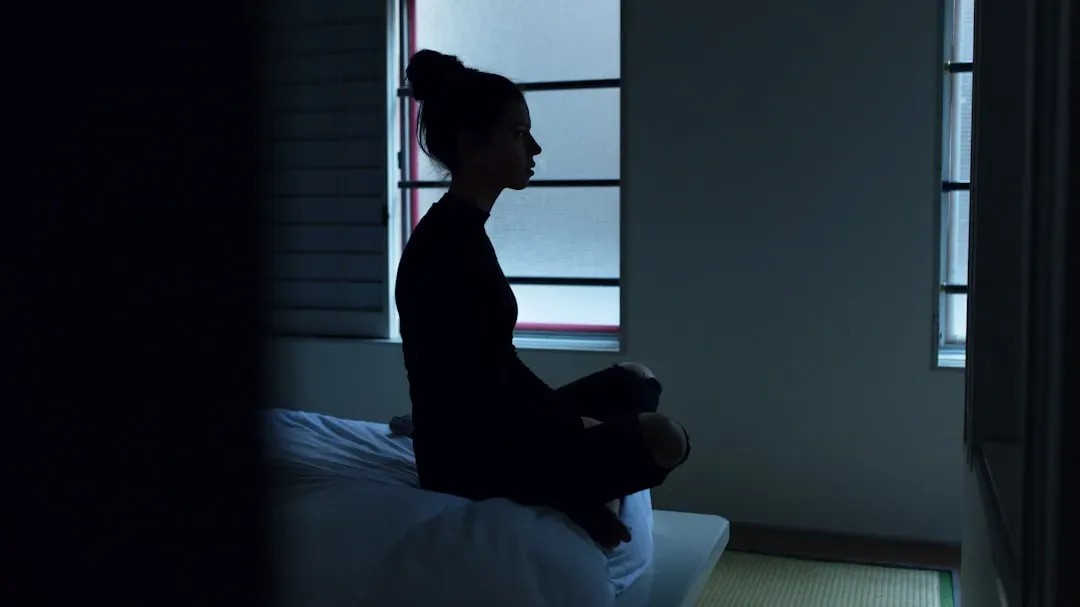
In sleep research, the term “chronotype” is used to describe where you fall on the spectrum from early bird to night owl. It’s not just about preference or habit; it’s a measurable pattern of when your body naturally tends to feel sleepy, alert, and at its cognitive best. Some people’s internal clocks encourage them to wake easily with sunrise, while others reach their mental peak later in the day or into the evening. These patterns are shaped by a mix of genetics, age, hormones, and light exposure, and they tend to remain relatively stable over long periods.
Night owls – often called “evening types” in research – show consistent differences compared to morning types in things like body temperature cycles, hormone timing, and even performance on mental tasks at different hours. Their brains really do seem to get more “switched on” later, while morning types peak earlier and wind down sooner. This makes it misleading to frame one type as objectively better than the other. Instead, it’s more accurate to see chronotypes as diversified settings in our species-level clock, with late types potentially reflecting that older, pre-agricultural pattern where not everyone was wired to follow the rising and setting sun in the exact same way.
The Brain’s Internal Clock and Why Night Feels So Good
Deep inside your brain, in a small region called the suprachiasmatic nucleus, sits your master circadian clock – a kind of biological timekeeper that syncs roughly to the 24-hour day. This clock responds strongly to light, especially morning light, and helps coordinate when hormones rise and fall, when body temperature changes, and when you feel sleepy or alert. For night owls, this entire rhythm tends to run later: melatonin, the hormone that signals “night mode,” starts flowing later, and the internal temperature peak shifts to a later time in the day.
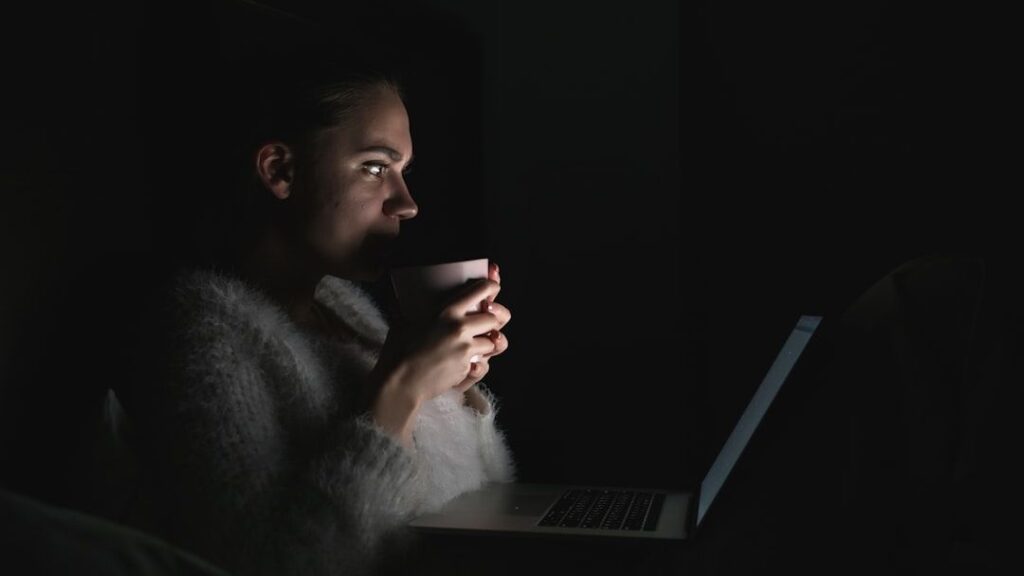
When that delayed rhythm lines up with a quiet, dimly lit evening environment, many late types describe a feeling of mental clarity and emotional ease that’s hard to replicate at any other time. The noise of the day drops away, distractions fade, and the brain’s natural alertness window finally opens. If you’ve ever felt like your real day “starts” around 9 or 10 p.m., that sensation may simply be your brain aligning with its preferred circadian schedule. In that sense, feeling most alive at night can be less about rebellion and more about your inner clock going, this is my prime time.
Genetics, Evolution, and the Night Owl Advantage
Genetic studies on sleep timing have found that certain variations in clock-related genes are associated with being more of a night owl or more of a morning person. These genes help determine how quickly your internal clock runs and how sensitive it is to environmental cues like light. While the exact details are still being untangled, it’s clear that chronotype has a substantial inherited component, not just a lifestyle-based one. In other words, if you fight sleep until after midnight and your parents did too, that’s likely more than coincidence.
From an evolutionary angle, it makes sense that our species would keep a range of sleep timings in the population. In unpredictable conditions, a group where everyone had the same schedule would be more vulnerable than a group where some people naturally stayed up later and others naturally woke earlier. Having a spread of chronotypes creates a built-in, around-the-clock coverage. Night owls could have helped guard the campfire, tend to the sick, or respond quickly to unexpected threats or opportunities that appeared after dark. So that brain that wakes up at 11 p.m. might not be faulty at all – it might be optimized for a world with no electric lights and very real dangers in the night.
How Agriculture and Modern Work Broke the Old Rhythm
The pre-agricultural world revolved around changing seasons, moving with herds, and responding to the environment more flexibly. When humans started farming, daily life settled into a more rigid dawn-to-dusk rhythm: animals needed feeding at sunrise, fields demanded early labor, and community life began to center on daylight hours. Over time, this early schedule hardened into a cultural ideal, where being up with the sun became equated with being productive, reliable, and virtuous. People who naturally woke later started to be seen as out of step, even if their underlying biology had not changed.
Fast forward to now, and many workplaces and schools still expect a standardized morning start, regardless of individual chronotype. That expectation pulls night owls into chronic misalignment with their own clocks, a mismatch researchers sometimes call “social jet lag.” It’s similar to flying several time zones every week without ever quite adjusting. If your brain is ancestrally tuned to a flexible or later-night schedule, being forced into a rigid early routine can feel not just exhausting, but deeply unnatural. I remember working a job with 6 a.m. starts and feeling like I was walking underwater for half the morning, even when I went to bed early; my body just never believed that time of day was meant for serious thinking.
Health, Mood, and Creativity: The Double-Edged Sword of Late Nights
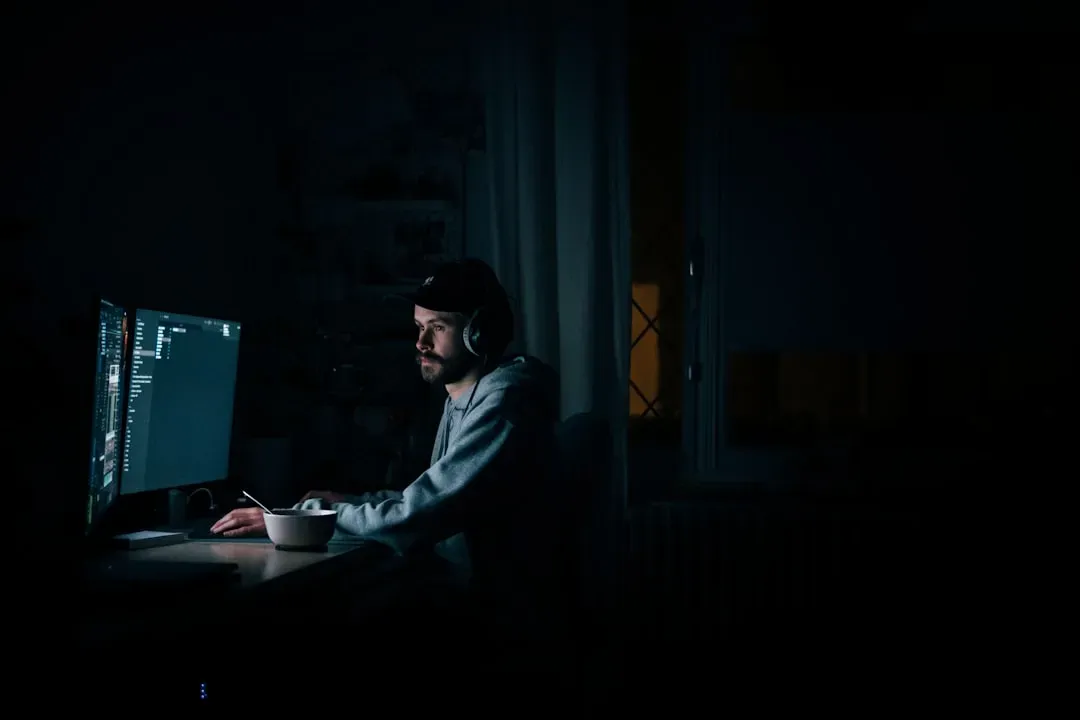
Research on night owls tells a complicated story. On the one hand, when forced into early schedules, late types are more likely to report sleep deprivation, low mood, and higher stress. They can accumulate a significant sleep debt just by trying to keep up with morning-centric expectations. Some studies connect strong evening types, especially in very early-start societies, with higher risks for certain mental health challenges, possibly because they are perpetually fighting their own biology. In that light, the problem is not the night-oriented brain itself, but a world that rarely makes room for it.
On the other hand, when night owls can align their lives with their natural rhythms, interesting strengths tend to show up. Many report greater bursts of creativity, divergent thinking, and problem-solving in the late evening, when their alertness peaks and interruptions fall away. Artists, programmers, writers, and gamers often talk about a kind of tunnel vision focus that only appears after the sun sets. It’s not that night automatically makes you more creative, but if your internal clock is set to shine in those hours, forcing yourself into a 5 a.m. club might actually dim some of your best ideas instead of unlocking them.
Living in a Daytime World with a Nighttime Brain
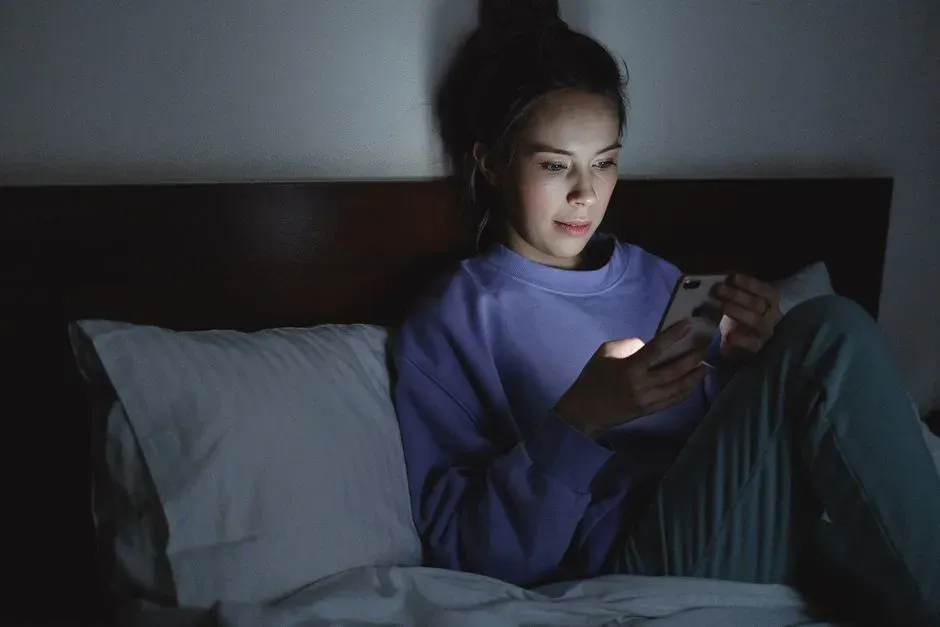
If you suspect your brain is closer to that ancient, night-wired pattern, the challenge is learning to live in a mostly daytime world without wrecking your health. One practical step is to anchor your sleep schedule as consistently as real life allows, even if it’s shifted later than what others consider ideal. Your body tends to function better with a stable rhythm than with constant flip-flopping between early and late nights. Paying attention to light also matters a lot: minimize harsh screens right before bed, and let your eyes see natural light when you do wake up, even if that’s not at sunrise.
It can also help to negotiate your life around your natural high-performance window where possible. If you do your clearest thinking around 9 p.m., maybe that’s when you plan deep work, personal projects, or creative hobbies, and you avoid scheduling draining tasks first thing in the morning when your brain is still booting up. Culturally, I think we’re overdue for a shift from moralizing early rising to recognizing that human brains come in different time flavors. Some people are wired to greet the sunrise; others are wired to guard the dark. Both roles mattered in our past, and both deserve respect in the present.
Rethinking Night Owls: An Opinionated Closing Thought
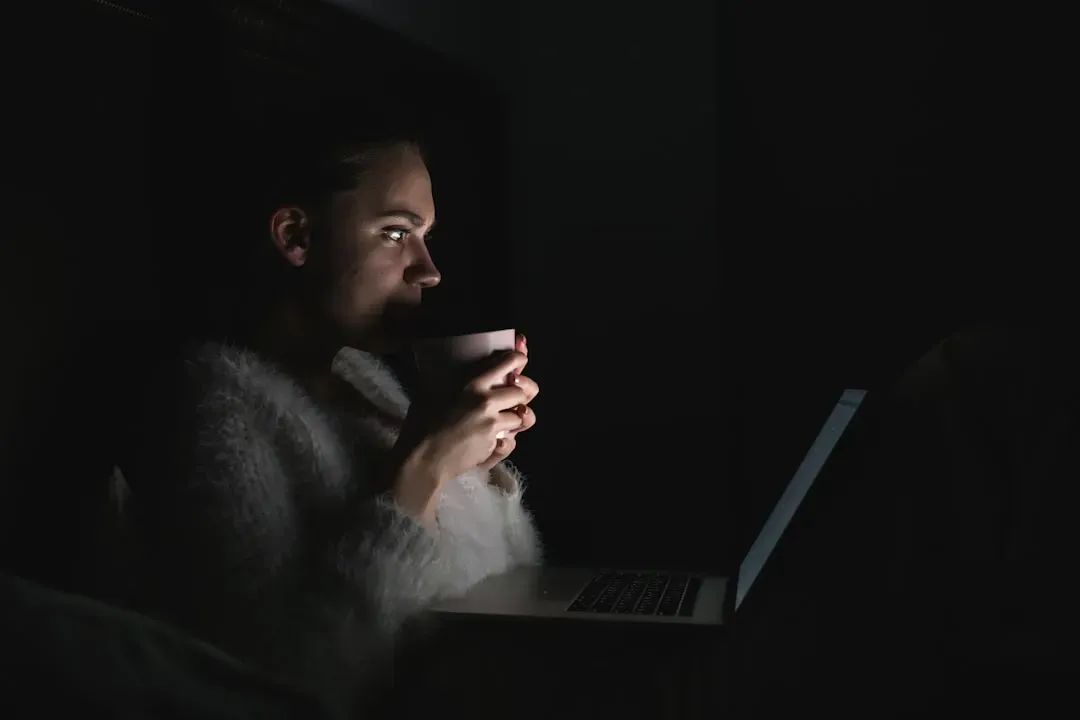
To me, the most striking thing about the science of chronotypes and ancestral sleep patterns is how stubbornly we keep trying to stuff everyone into one narrow schedule. We celebrate early risers as if they’re morally superior, while quietly pathologizing people whose brains just hit their stride a few hours later. When you look at the evidence that late sleep timing can be a stable, partly genetic pattern with deep evolutionary roots, that judgment starts to feel not only unfair, but unscientific. If night owls are the descendants of people who kept our ancestors safe by the fire, then calling them lazy is a bit like scolding a smoke alarm for being loud.
I think we should start treating night-oriented brains less like problems to be fixed and more like time specialists trying to survive in a one-size-fits-all world. That does not mean glorifying sleep deprivation or ignoring the health risks of staying up all night and waking up early; protecting your sleep still matters more than winning some late-night productivity contest. But if you feel most alive at night and you’re able to structure your life so you still get enough rest, maybe the goal isn’t to force yourself into a 5 a.m. mold. Maybe it’s to honor the ancient wiring that makes you different and carve out a life that works with your internal clock instead of constantly fighting it. If our ancestors could thrive with a mix of night watchers and early risers, why shouldn’t we?