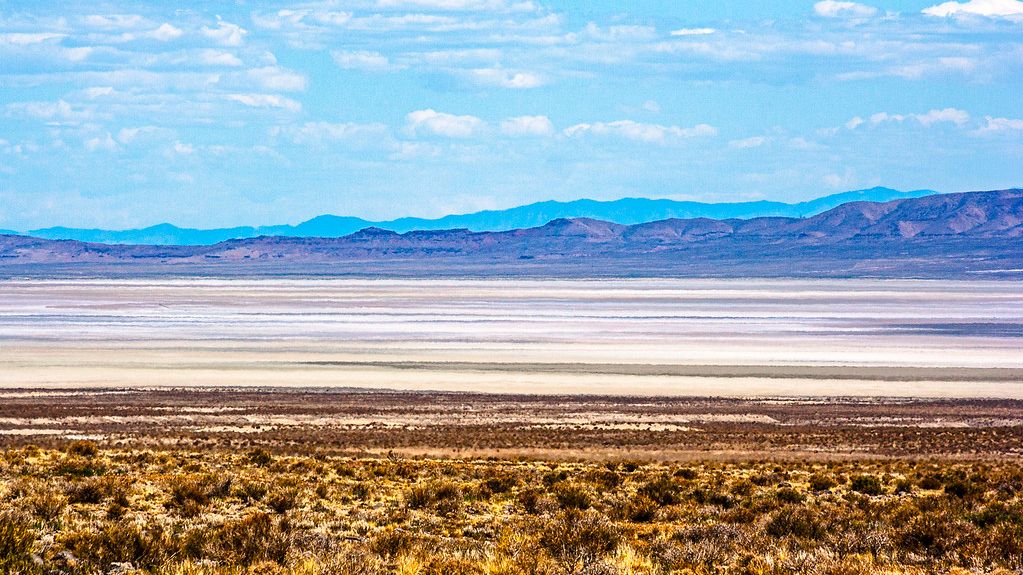

If you live anywhere along Utah’s Wasatch Front, the idea that your air could one day resemble scenes from the Aral Sea or Owens Lake might sound dramatic. But scientists staring down the shrinking Great Salt Lake are using language that is uncomfortably close to that. Right now, the main thing standing between millions of people and regular blasts of toxic, metal-laced dust is a fragile, fractured skin of salt stretched across the exposed lakebed. It looks solid. It is anything but.
What makes this story even more unnerving is how ordinary the causes are: everyday water use, irrigation, development, and a warming climate. None of that feels like sci‑fi apocalypse material as you turn on the tap or drive past a hay field. Yet those daily choices are slowly peeling back the lake’s water cover, exposing sediments infused with decades of pollution. The salt crust that remains is like a coat of paint over lead‑contaminated drywall: as long as it stays intact, you can pretend things are fine. Once it cracks and starts to flake, the danger becomes very real, very fast.
The Great Salt Lake’s Vanishing Shield
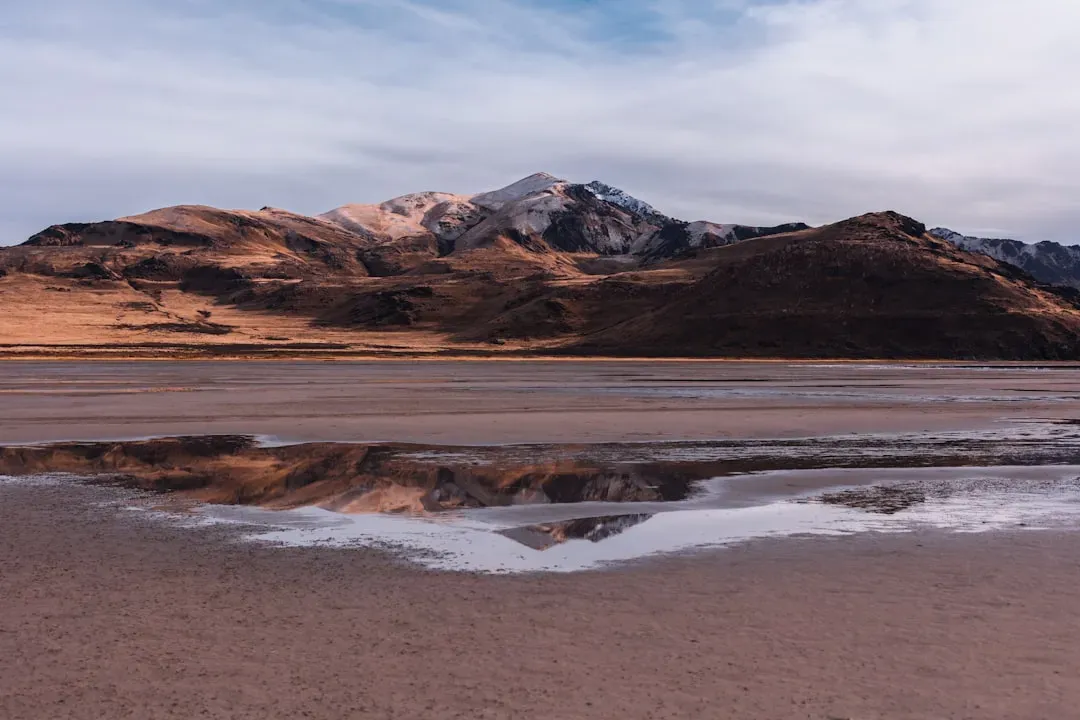
Scientists describe the Great Salt Lake as a terminal basin, essentially the last stop for water and whatever it carries. For more than a century and a half, the lake has quietly absorbed runoff from cities, mines, farms, and industrial sites, trapping heavy metals and other contaminants in its sediments instead of flushing them to the ocean. As long as those sediments stayed underwater, the system worked like a grim but effective storage locker. The lake’s shimmering surface hid a complicated chemical history beneath.
Over the last few decades, though, Utah has been drawing more water out of the rivers that feed the lake, while climate change has pushed temperatures higher and snowpack lower. That double punch has driven the Great Salt Lake to historic lows, exposing hundreds of square miles of former lakebed. Researchers now warn that if water levels linger near those lows, huge swaths of playa could become persistent dust sources. The salt crust that currently caps much of this exposed area is basically the last layer of armor between a toxic archive in the sediments and the air that two million people breathe.
What This “Delicate Salt Crust” Actually Is
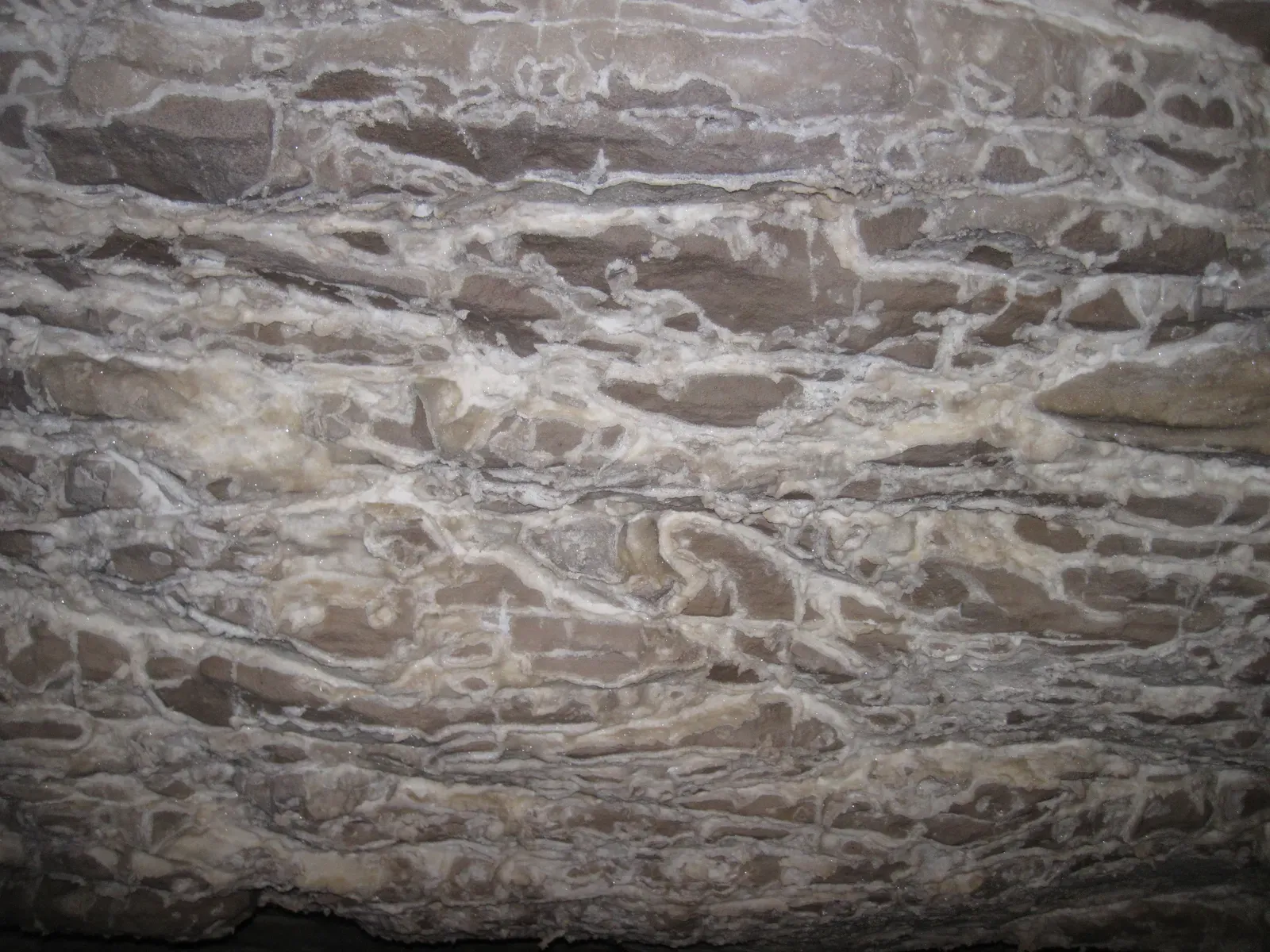
When people hear “crust,” they often picture a thick, rock‑hard slab like a concrete pad. In reality, the Great Salt Lake’s surface crust is usually a few centimeters to maybe a few inches thick, composed of evaporated salts that cement loose particles together. It forms when shallow water evaporates, leaving behind layers of halite and other minerals that fuse into a brittle skin. In calm, wet periods, this crust can be surprisingly smooth and continuous, even strong enough to walk or drive on in places, which makes it easy to overestimate how durable it really is.
The trouble is that this crust depends on a delicate balance of moisture, salinity, and mechanical disturbance. A single season of intense drying, vehicle traffic, or even repeated freeze‑thaw cycles can fracture it into plates and chips. Once it’s broken, the underlying fine sediments – often rich in clays and toxic elements – are no longer locked in place. From that point on, it only takes the right wind gusts to loft those particles into the air as dust. In scientific reports, you see dry, technical phrases like “surface crust dynamics” and “erodible playa,” but what they are really describing is whether this thin salty rind can keep doing its job before it shatters under the changes we are forcing on it.
From Salt Skin to Toxic Dust: How the Lakebed Breaks Apart
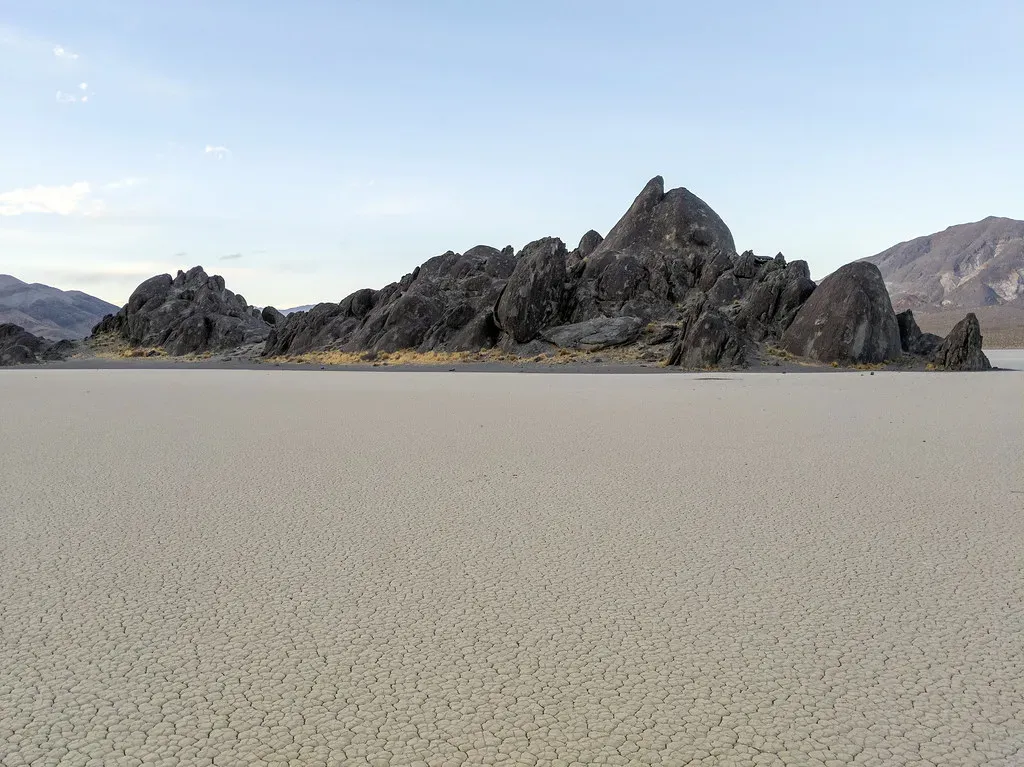
To turn a stable lakebed into a dust source, you need two basic ingredients: exposed, fine‑grained sediment and enough wind energy to lift it. The salt crust is the gatekeeper that controls access to that sediment. When it stays solid, the wind mostly just slides over it, like blowing across a tiled floor. When the crust cracks, curls at the edges, or is punctured by tire tracks or groundwater seeps, the wind begins to pry loose flakes and grains. Over time, those patches expand into “hot spots” where actual dust plumes start to originate.
Scientists have used instruments like PI‑SWERL – essentially portable wind tunnels – to measure how much dust can be emitted from different crust conditions on the Great Salt Lake playa. Their tests show what you might guess intuitively: intact crusts release relatively little material, while disturbed or degraded surfaces can pump out far more dust under the same wind speeds. This is why heavy recreation, construction, and even well‑intentioned access roads in exposed bays can backfire. Every rut and scar in that crust is a small doorway for the wind to reach the toxic archive underneath. Once those doors open across tens of thousands of acres, it stops being a local nuisance and starts looking like a regional air‑quality crisis in slow motion.
What’s Hiding in the Dust: Metals, Salts, and Mystery Risks
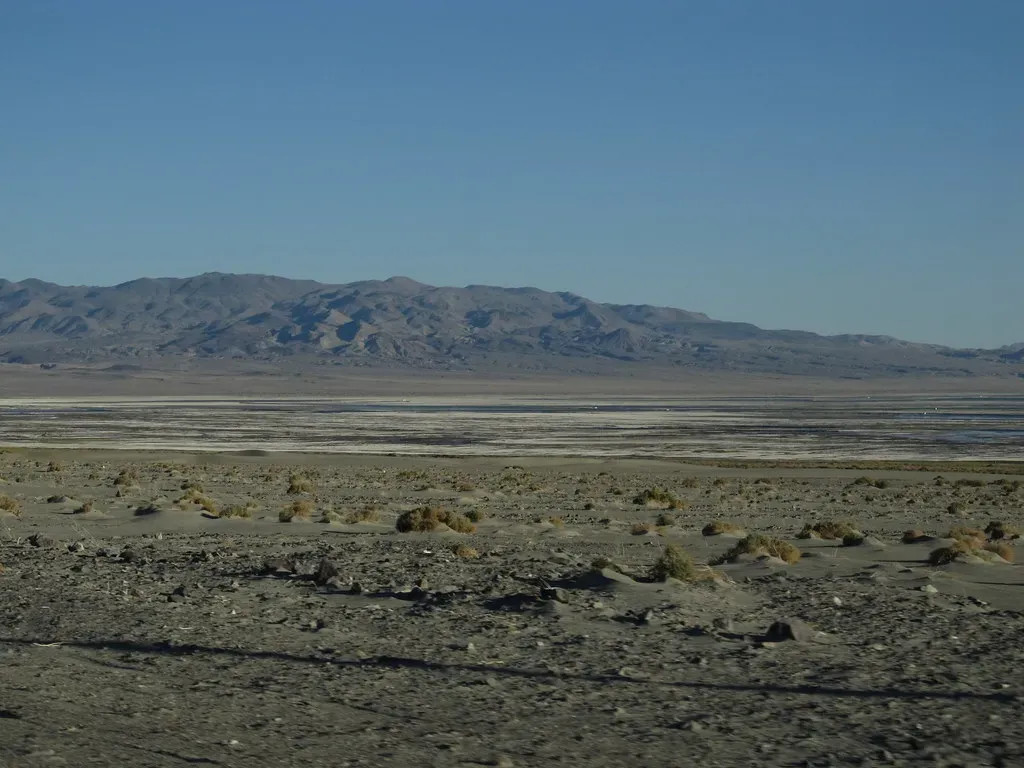
If this were just ordinary dirt, the story would still be about erosion and visibility, but it would be far less alarming. Instead, multiple studies of Great Salt Lake sediments and dust have found elevated levels of metals and metalloids such as arsenic, lead, copper, and other industrially linked elements. That makes sense once you remember what the lake has been doing for generations: collecting the chemical leftovers of mining, smelting, agriculture, wastewater discharge, and urban runoff. The pollutants do not vanish; they settle and concentrate in the mud at the bottom of the basin, a little more each year.
Laboratory work with dust collected from exposed lakebed has shown that these particles can trigger strong inflammatory responses in lung cells and animal models, even before you factor in the long‑term cancer and cardiovascular risks associated with chronic arsenic or metal exposure. More recent research has started looking beyond just inhalation to other pathways, such as dust settling onto crops and being ingested through food. At this point, scientists are quite honest that the health science is still emerging; there are data gaps, and nobody has a neat chart of future cancer cases. But when you combine what is known about these contaminants with the sheer scale of exposed playa, treating this as a speculative or niche problem feels reckless at best.
Health, Money, and the Human Cost of Breathing a Lake
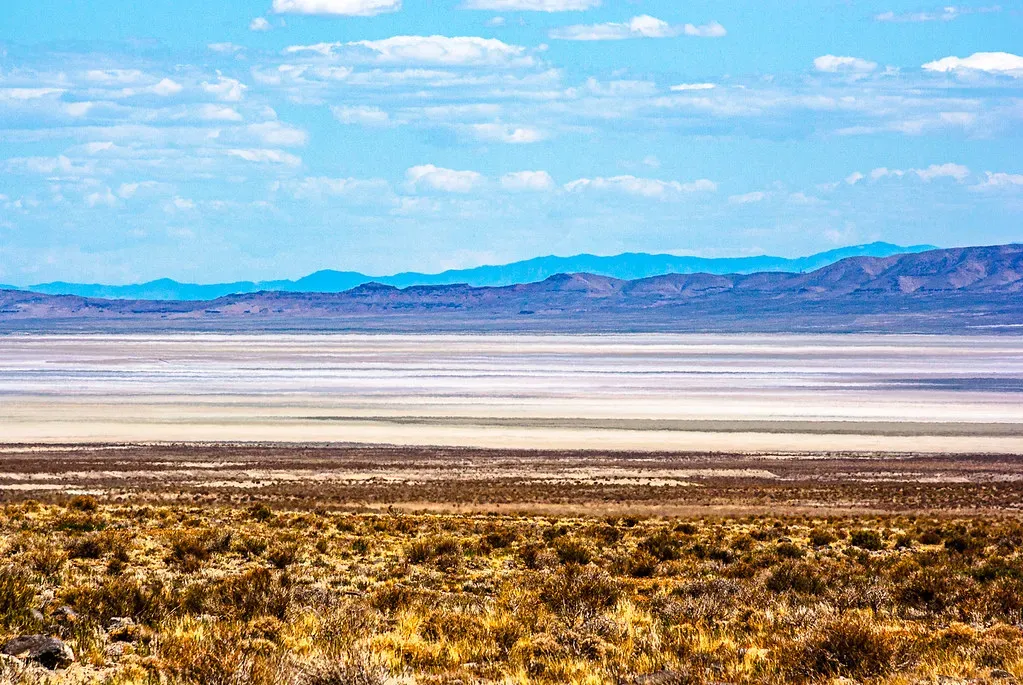
Dust episodes in northern Utah are already a familiar part of life, especially during wind events that drag in particles from dry lakebeds and deserts in the region. What worries researchers is the idea of adding a persistent, toxic dust engine right next to the state’s largest population corridor. Fine particles small enough to slip deep into the lungs are associated with higher rates of asthma attacks, heart disease, strokes, and premature death, even when they are not laced with extra metals. Layer in a cocktail of arsenic and other elements, and the potential for long‑term health consequences becomes hard to ignore, particularly for children, the elderly, and people with existing respiratory or cardiovascular conditions.
Economists looking at the Great Salt Lake dust issue have begun to tally up what it would cost to let the lake continue to decline and then try to manage the fallout. Preliminary estimates suggest that dust mitigation alone – things like engineered crusts, shallow flooding systems, vegetation projects, and other control measures – could run into the billions of dollars over a couple of decades if water levels stay near record lows. That does not even count the medical bills, lost productivity, depressed property values, or the hit to Utah’s famed outdoor and ski industries if the region becomes synonymous with toxic dust storms. From a purely financial standpoint, it is striking – and honestly infuriating – how much more expensive “fix it later” looks compared with simply keeping more water in the lake now.
Can the Crust Be Saved – or Rebuilt – Without More Water?
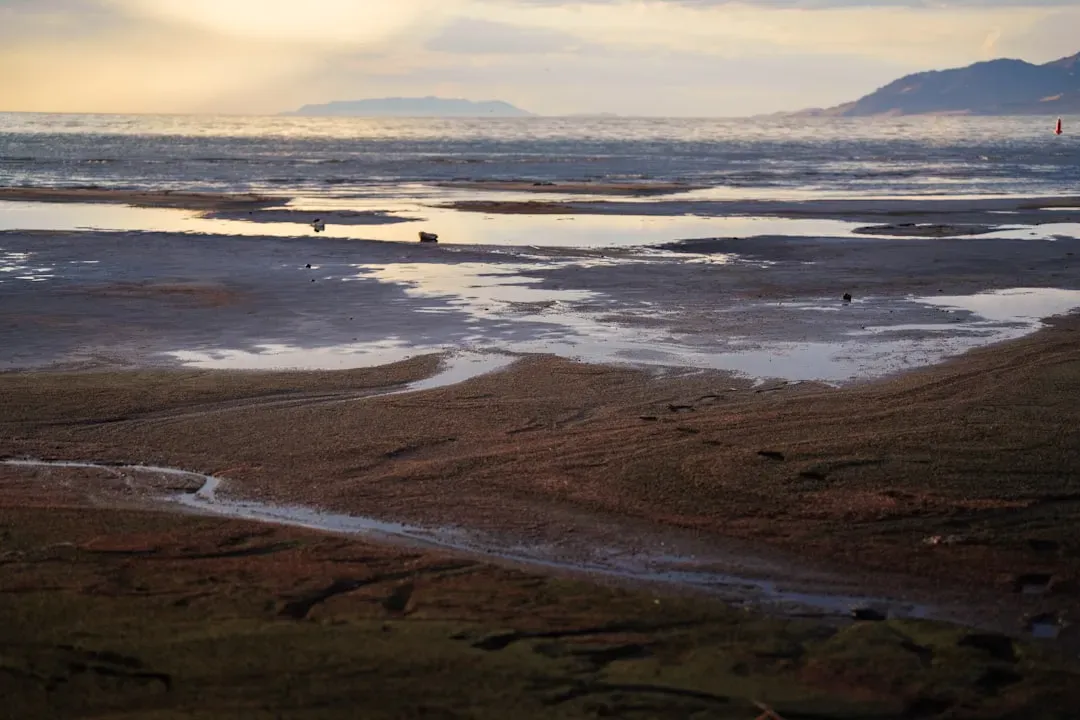
In theory, there are technical fixes that could help stabilize some portions of the exposed lakebed, at least temporarily. Engineers have floated ideas like building berms around the worst dust hot spots so they can be periodically reflooded with salty water, encouraging new crust formation. Others have suggested spreading gravel or installing roughness elements to break the wind and hold surface materials in place, approaches that have been used at former lakebeds such as Owens Lake in California. These tactics might protect specific areas or buy time in strategic zones, and they are worth exploring where people and ecosystems are most vulnerable.
But the uncomfortable reality is that none of these measures scale cleanly to the size of the Great Salt Lake without staggering costs and ecological trade‑offs. Artificially manipulating salinity and water distribution to prop up crusts could further strain already stressed brine shrimp, brine fly, and bird habitats. Covering huge areas in gravel or other materials would be enormously expensive and might simply shift problems elsewhere. Most researchers who work directly on lake dust and hydrology land on a blunt conclusion: without substantially more water flowing into the lake, even the cleverest engineering will be piecemeal, temporary, and ultimately inadequate. The crust is not a substitute for a healthy lake; at best, it is a failing stopgap.
Why This Comes Down to Water Policy and Political Nerve
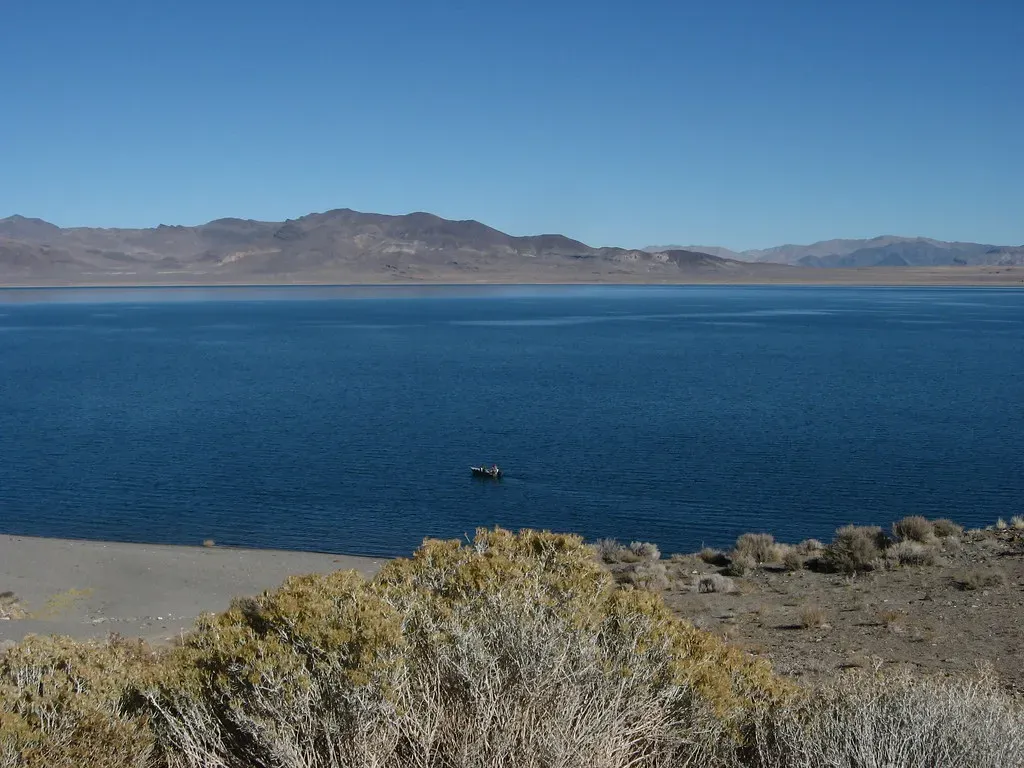
It is tempting to frame the salt‑crust story as a quirky natural science problem, something for geologists and atmospheric chemists to puzzle over while the rest of us look on. In truth, what happens to that delicate crust is mainly a function of human decisions about water rights, agriculture, urban growth, and climate policy. A huge share of Utah’s water is still diverted to low‑value, water‑hungry crops that are shipped out of state, while cities sprawl into arid landscapes under the comforting illusion that tomorrow’s snow will always refill the reservoirs. Every diverted stream, every extra field of alfalfa, every year of weak conservation targets makes it harder for the lake to rise to levels that would keep its sediments safely submerged.
That is what makes the current approach – small legislative tweaks, incremental conservation programs, scattered pilot projects – feel wildly out of sync with the scale of the risk. The science on the lake’s trajectory and the fragility of its salt crust is no longer a niche conversation in academic journals; it has spilled into public health, economics, and basic questions about whether northern Utah wants to remain livable for future generations. In my view, pretending that modest, slow‑motion reforms are enough is not realism, it is denial. The choice is coming down to something brutally simple: either Utah rewrites its relationship with water now, or it waits to negotiate with wind, dust, and disease later – and that is a negotiation the region is almost certain to lose.
Conclusion: A Crust Is Not a Plan
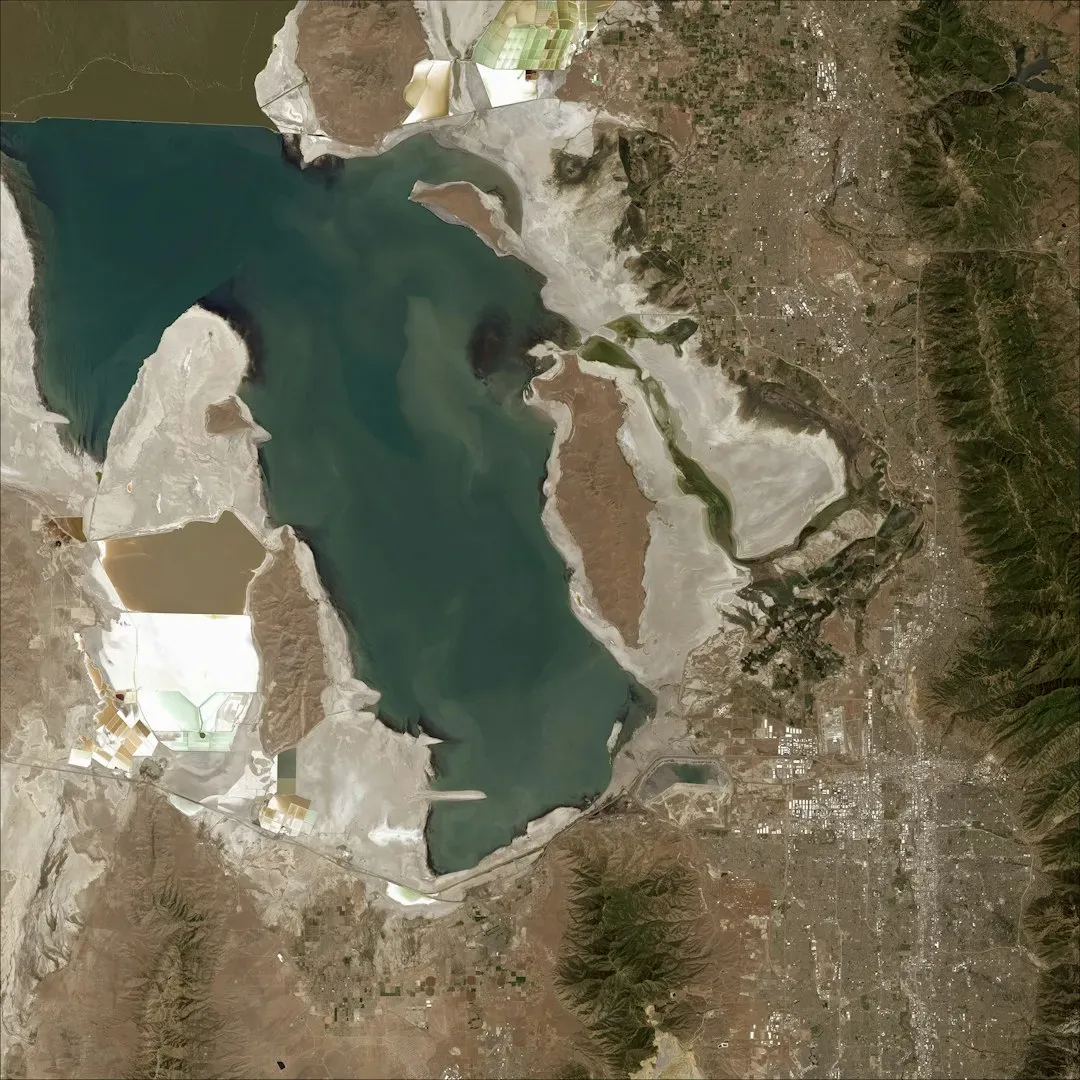
When I first started really following the Great Salt Lake, I honestly thought talk of “toxic dust clouds” sounded overblown, the kind of phrase that makes for scary headlines but little else. The more I read the research and talked with people who actually measure this stuff on the ground, the more that skepticism gave way to something closer to dread. The idea that the health of an entire region could hinge on a flaky layer of salt feels like a plot from a dark environmental novel, yet here we are, watching that layer crack in real time while arguing over marginal conservation gains.
In the end, banking Utah’s future on a delicate salt crust is like trusting a frayed seatbelt at highway speed: you might get lucky for a while, but luck is not a strategy. The science is not perfect, but it is clear enough to act on, and waiting for decades of definitive health statistics before doing the obvious work of keeping more water in the lake would be, frankly, grossly irresponsible. The most rational, moral, and even economically conservative choice is to treat the crust as the emergency alarm it really is – not as a comfortable excuse to delay hard decisions. The question is whether Utah’s leaders and residents are willing to move before the wind makes the next move for them.