Imagine this: your heart stops, doctors call the time of death, your loved ones begin to grieve… but inside your skull, something is still happening. For years, you probably assumed death was like a light switch: on, then off. Now, studies from intensive care units and brain-monitoring labs suggest that, for a brief window after your heart flatlines, your brain and your conscious experience might not simply vanish in an instant.
You live in a strange moment in history where death is no longer just a philosophical question but a measurable neurological event. Researchers are recording brain waves at the edge of life, capturing data from people whose hearts have stopped for minutes, sometimes longer, and then been revived. What they are seeing is messy, fascinating, and a little unsettling: your consciousness may fade in layers, not in a single blink. Those 11 minutes after you die might be more active, and more mysterious, than you ever imagined.
The First 30 Seconds: When Your Heart Stops but Your Brain Knows
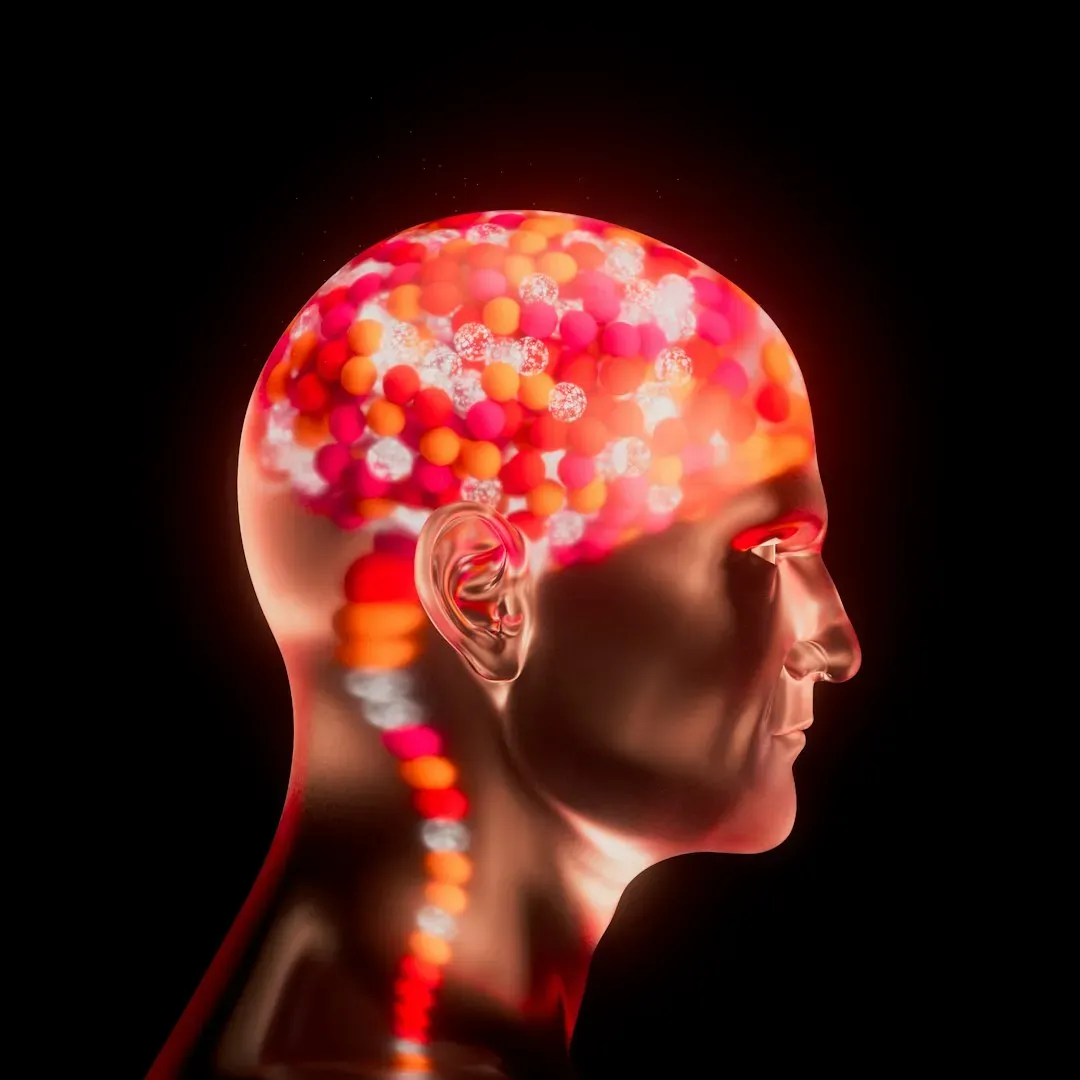
When your heart first stops beating, you do not instantly lose everything that makes you “you.” In those first seconds, your brain is still packed with oxygen and glucose that were circulating just moments before. Electrical signals are still firing along familiar pathways, like city lights that remain on after the power plant suddenly shuts down. You might not be able to move, speak, or breathe, but neurologically, you are not yet a blank screen.
Studies from cardiac arrest patients show that some people can later describe events that happened after they technically had no pulse: sounds, fragments of conversations, even the sensation of leaving their own body. You can think of this early window as a chaotic overlap between life and death, where your consciousness might still be flickering even as your body has failed. In this fragile period, the systems that normally keep your awareness grounded in your body are breaking down, but they do not all fail at the same instant.
Minute 1–2: A Sudden Surge of Brain Activity
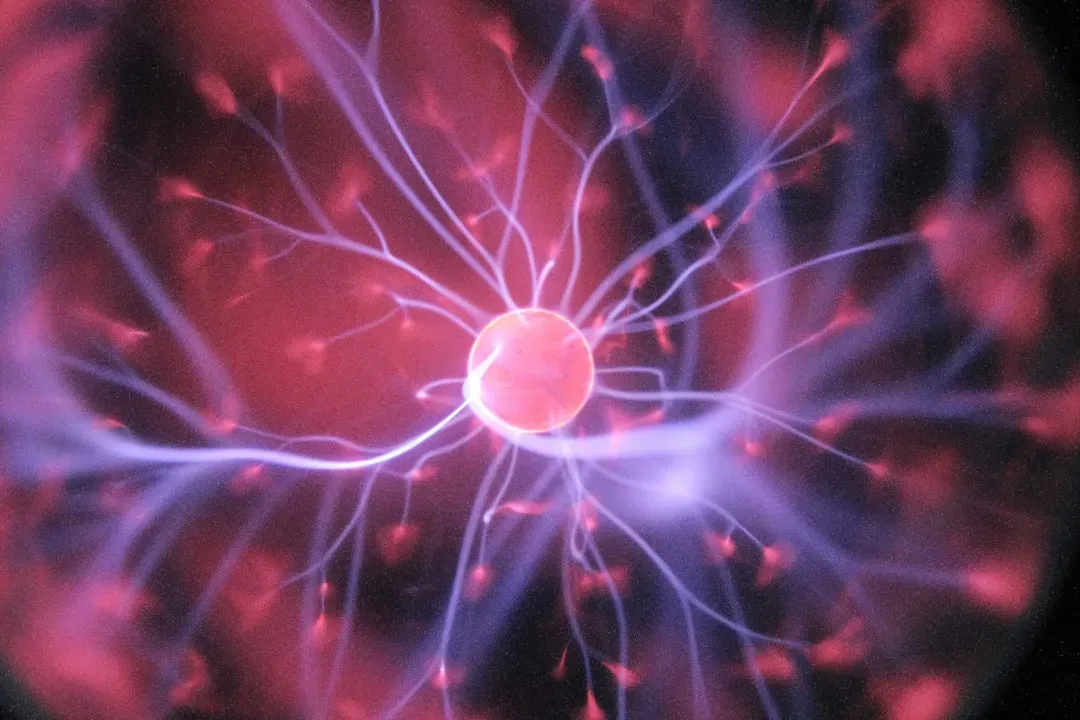
What really shocked neurologists in recent years is that your brain may not just fade quietly; in some cases, it actually spikes. In animals, and in a handful of monitored human cases, researchers have seen a burst of organized brain activity shortly after the heart stops. Instead of a slow, gentle dimming, certain brain regions light up in powerful, synchronized patterns, including areas linked to memory, vision, and internal awareness. It is as if your brain is trying one last time to make sense of what is happening.
If you were experiencing this from the inside, you might not feel “normal,” but it could resemble an extremely intense, dreamlike state. People who have survived cardiac arrest sometimes talk about vivid scenes, a sense of moving through a tunnel, or feeling flooded with meaningful memories. You can imagine this surge as your brain’s final, desperate orchestra performance: every section comes in at once, playing louder and faster, before the music abruptly cuts out.
Minute 3–5: Consciousness Dissolves into Fragments
As the minutes pass without blood flow, the chemistry inside your brain shifts from crisis mode into real damage. Neurons that have been firing frantically begin to fail as they run out of fuel and can no longer maintain their delicate balance of electrical charge. If you had any lingering sense of “self” in those first moments, it likely becomes broken and disjointed now, like a radio signal filled with static. Awareness, if it still exists at all, would be more like scattered flashes than a coherent story.
From the outside, doctors watching brain wave monitors would start to see a downturn: less organized activity, slower patterns, and eventually the flattening that signals a nonfunctional cortex. From your perspective, this might feel like slipping out of a dream you cannot quite remember, or like trying to hold onto a thought that keeps dissolving the moment you reach for it. You are not flipping from on to off; you are unraveling, fiber by fiber, until there is nothing left to hold the idea of “you” together.
Minute 6–8: The Borderland Between Reversibility and Forever
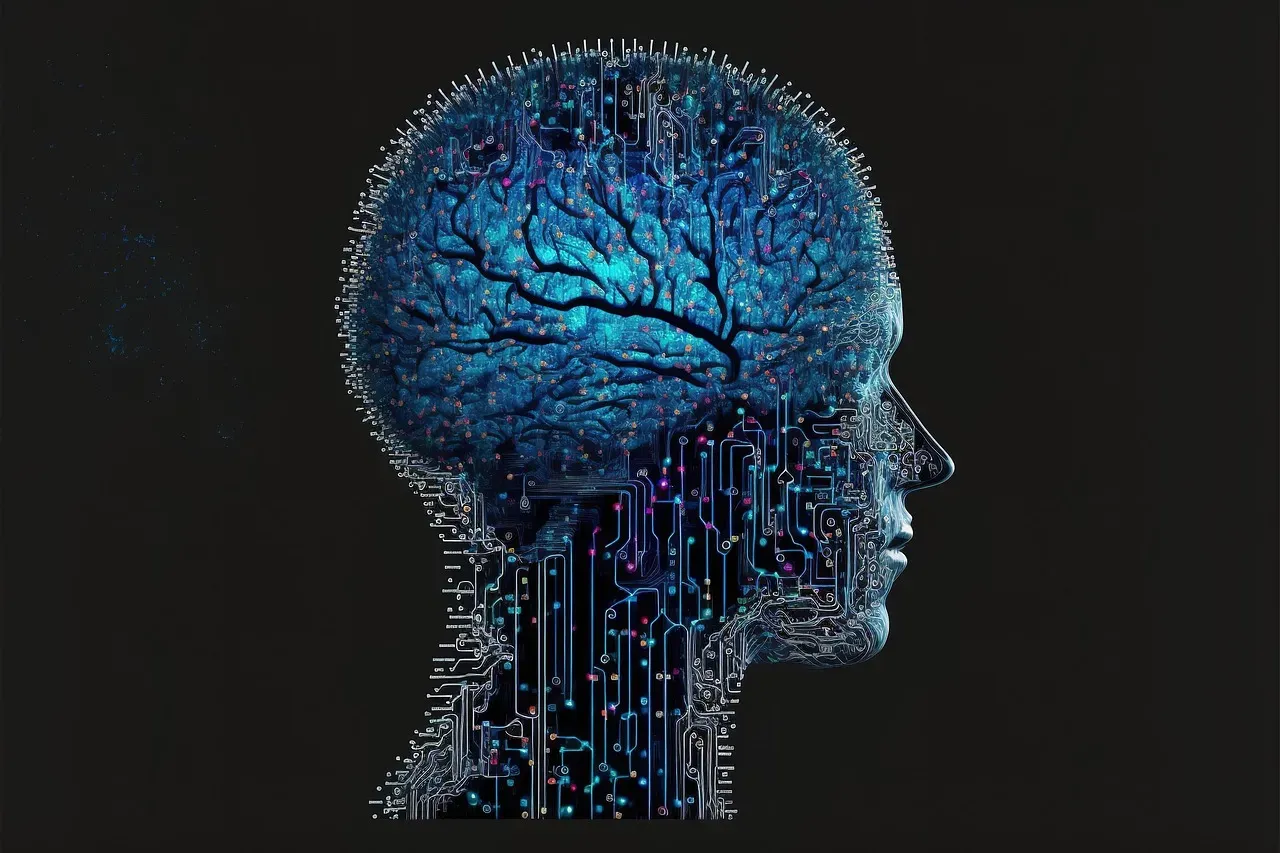
During this middle stretch, your brain is crossing a critical threshold. Modern medicine has shown that after several minutes without oxygen, parts of the brain can still recover if circulation is restored quickly and expertly. Cooling the body, performing high-quality CPR, and using advanced machines can sometimes pull someone back from what would have been permanent death only a generation ago. That means that, in these minutes, you are hovering in a gray zone: your consciousness is collapsing, but it might still be salvageable under the right conditions.
If doctors manage to restart your heart here, you might wake up later with fragmented memories, strange sensations, or no recollection at all. Neurologically, it is a coin toss whether the key networks that support your awareness can reboot intact. If no one intervenes, though, chemical chaos spreads, swelling and damage move through the tissue, and the architecture that once held your personality, your memories, and your inner voice becomes increasingly unsalvageable. You are standing, in a sense, at the border checkpoint between revivable brain and irreversible loss.
Minute 9–11: The Final Electrical Silence
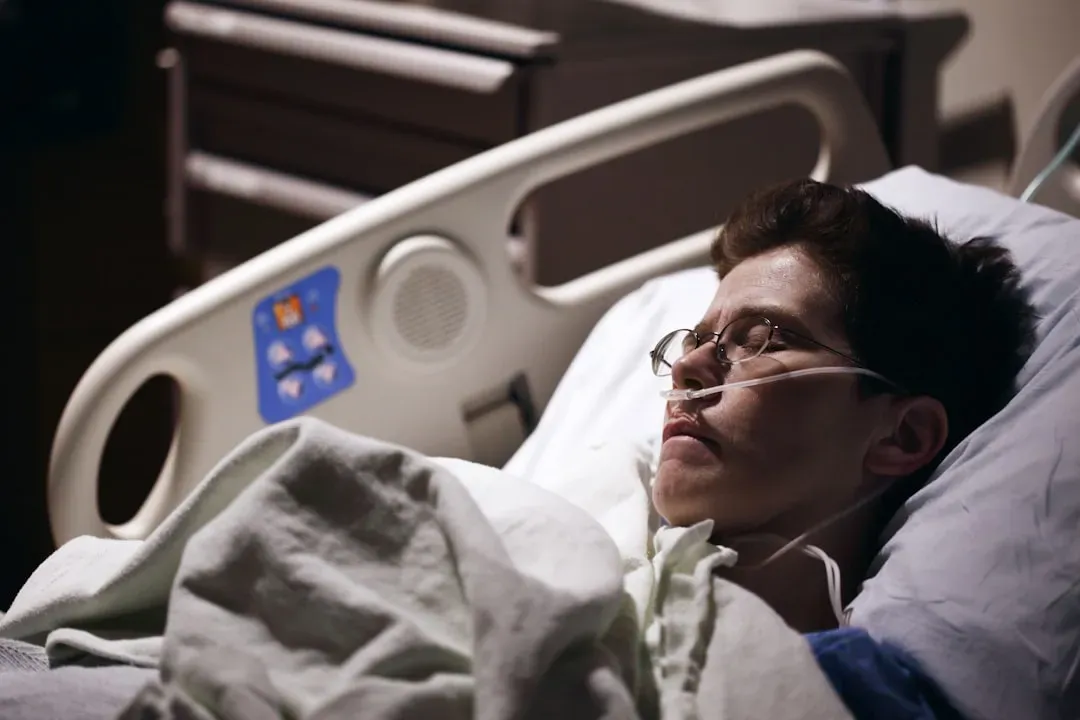
By around the ten-minute mark without blood flow, the picture grows stark. Most of the neurons in your cortex, the outer layer that lets you think, reason, remember, and feel like a coherent self, can no longer function in any meaningful way. On an EEG, the electrical trace that once danced with complex rhythms is now flat or nearly so. Even if some isolated cells still fire here and there, the coordinated patterns that consciousness depends on have dissolved. The orchestra is gone; at best, a few instruments are playing broken notes alone in the dark.
At this point, your experience – if any – would not resemble ordinary awareness. From what neurologists understand, the networks that bind sensations, memories, and a sense of “I am” into a single stream need large-scale synchronization, and that synchronization is breaking apart rapidly. The 11-minute mark is not a magical cutoff, but it is a reasonable symbol for when your brain’s ability to support anything like the consciousness you know has essentially ended. What remains is biology, not experience: cells undergoing damage, molecules drifting, structure decaying.
Why Some People Report Vivid Experiences After “Clinical Death”
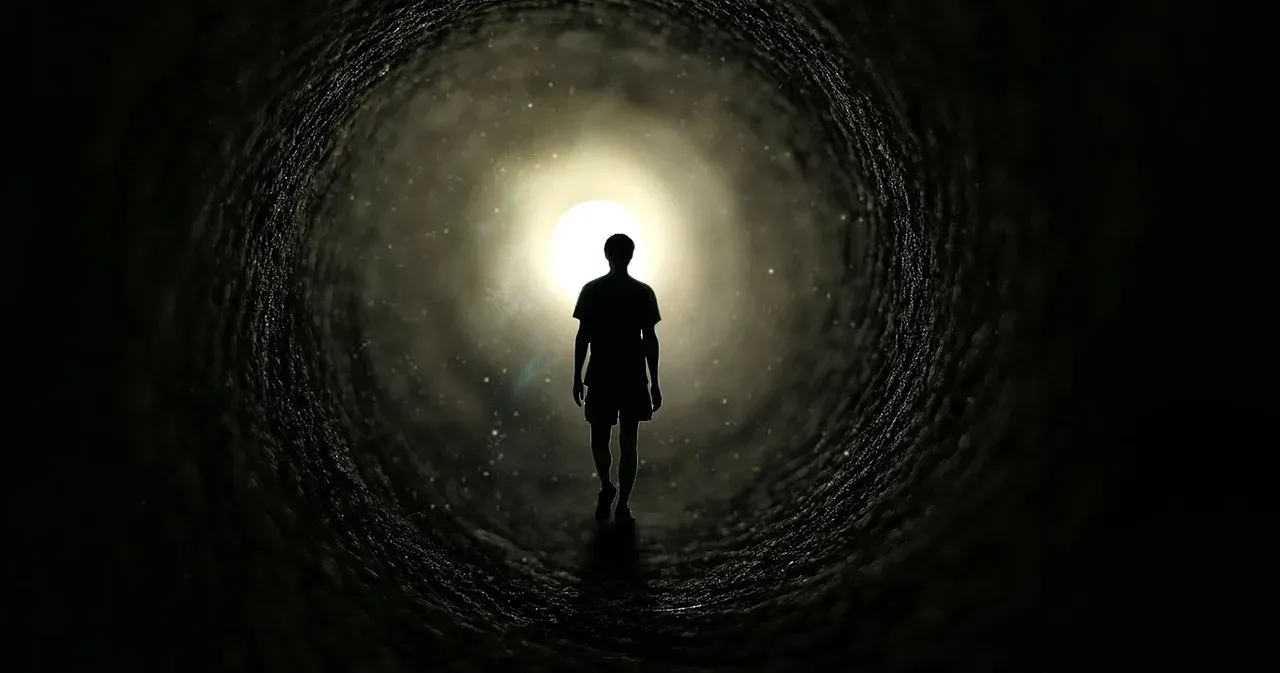
Here is where things get really strange for you as a person trying to make sense of all this. People whose hearts have stopped for minutes, even longer, sometimes come back describing detailed experiences: meeting deceased relatives, seeing bright landscapes, reviewing their lives in astonishing clarity. On paper, they were clinically dead – no pulse, sometimes no measurable brain activity – yet they bring back memories that feel more real to them than waking life. Neurologists do not agree on exactly how to explain this, but there are a few grounded possibilities.
One idea is that these experiences actually occur during the periods when some brain activity still lingers or surges, even if monitors do not capture every nuance. Another possibility is that your brain fills in gaps around the times you are losing and regaining consciousness, stitching together a story from fragments of perception, emotion, and memory. If you have ever woken from anesthesia or a deep sleep feeling like your dream lasted hours when only a few minutes passed, you already know how unreliable your internal clock can be. In those minutes around death, your brain may be doing something similar, only cranked up to an extreme.
What the New Data Can – and Cannot – Tell You About an “Afterlife”
It is tempting to look at these brain recordings and stories from revived patients and declare them proof of something beyond death. But if you want to stay honest with yourself, you have to draw a careful line between what the data shows and what you are hoping it means. Right now, the evidence tells you that brain activity can continue for minutes after the heart stops, that this activity can be surprisingly organized, and that people sometimes report powerful experiences they associate with leaving their body or entering another realm. What it does not tell you is whether anything about your consciousness survives once your brain is truly gone.
Neurologists can measure blood flow, electrical signals, and patterns that correlate with awareness, but they cannot follow “you” past the point where your brain tissue is irreversibly destroyed. Once the networks are permanently offline, science has nothing left to observe. That gap is where philosophy, spirituality, and personal belief step in. You might see these findings as supporting the idea that something deeper continues, or you might see them as showing how amazingly your dying brain can generate meaningful experiences right up to the edge of oblivion. The data illuminates the hallway leading to the door; what, if anything, lies beyond it remains wide open to interpretation.
How Knowing This Changes the Way You Think About Living and Dying
When you realize that death is not just a single instant but a short, complicated process, it can change how you look at your own life. Instead of imagining a sharp cut from existence to nonexistence, you begin to see a gradual unwinding, a final chapter where your brain is still trying to write meaning into your last moments. That idea can be unsettling, but it can also be strangely comforting: even at the end, your mind may be doing what it has always done – telling a story, reaching for connection, pulling your life into some kind of pattern.
On a practical level, this knowledge might shape how you think about resuscitation, organ donation, and end-of-life care. You may feel more motivated to talk with your loved ones about what you want if your heart stops, and how far to go in trying to bring you back. You might also find yourself a little less afraid of the exact instant of death, knowing that your consciousness probably does not just slam into a brick wall. It may instead slip through a brief, complex twilight, where your last sensations and thoughts are still unfolding, however briefly, before they finally let go.
Conclusion: The 11 Minutes That Redefine Your Idea of Death
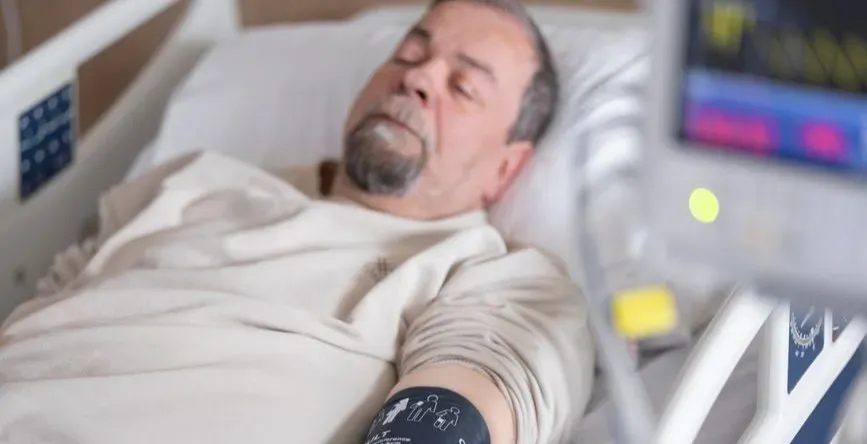
If you zoom out and look at the whole picture, those 11 minutes after your heart stops are a small slice of time, but they upend the simple story you were probably told about death. Your consciousness does not appear to shut off like a light switch; it more likely fades, flares, fragments, and finally dissolves as your brain’s delicate machinery runs out of fuel. New neurological data shows you a death that is dynamic, electrically active, and sometimes full of intense inner experience, even when the body has already been declared gone.
You still do not know what, if anything, exists beyond the point where your brain is irreversibly destroyed, and for now, that mystery remains intact. But you do know this: in your final minutes, your brain is not just a passive victim; it is an active, struggling storyteller, possibly giving you one last surge of meaning before the curtain falls. Maybe the real question for you is not only what happens in those 11 minutes after you die, but how you choose to live in the years, days, and seconds before they ever arrive – what kind of final story do you want your brain to have the chance to tell?