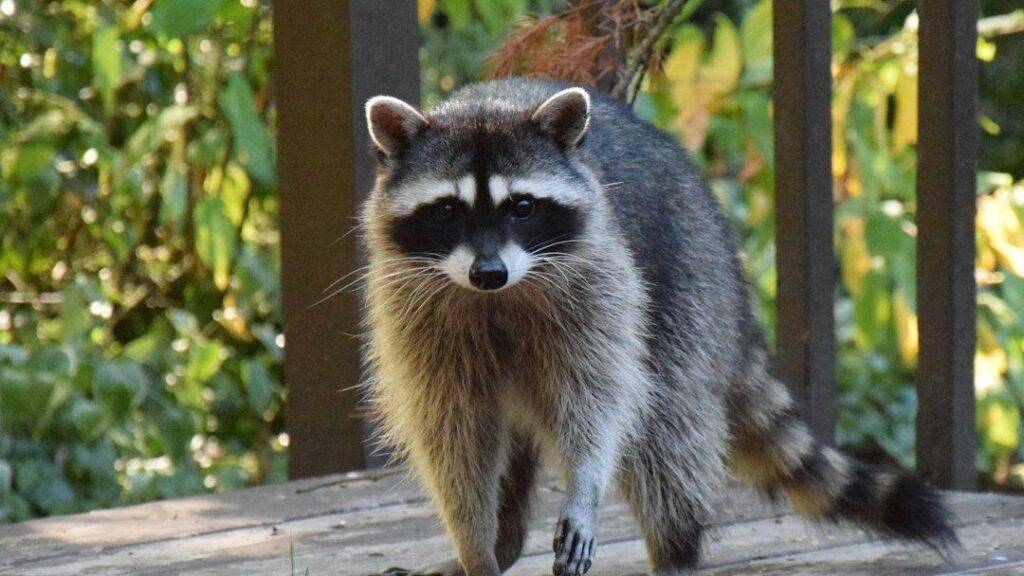

Raccoons look like they’re wearing tiny bandit masks for a reason: in many ways, they are the burglars of the urban animal world. Cute from a distance and chaos in a fur coat up close, these animals have quietly learned how to turn our cities into their own all‑you‑can‑eat buffet. If you have ever heard strange scratching at night, found your trash mysteriously shredded, or spotted glowing eyes staring back at you from a roof gutter, you are getting a small taste of how well raccoons have adapted to life beside us.
What makes it truly unsettling is that this isn’t just a “more raccoons than usual” situation. City raccoons are getting smarter, bolder, and more numerous in many areas, and they are learning from each other at a speed that surprises scientists. Once you see how perfectly designed they are for urban life, it becomes a lot harder to shrug them off as harmless backyard critters. Let’s dig into the uncomfortable truth about why they are thriving right under our noses.
1. Raccoons Are Shockingly Smart Problem‑Solvers
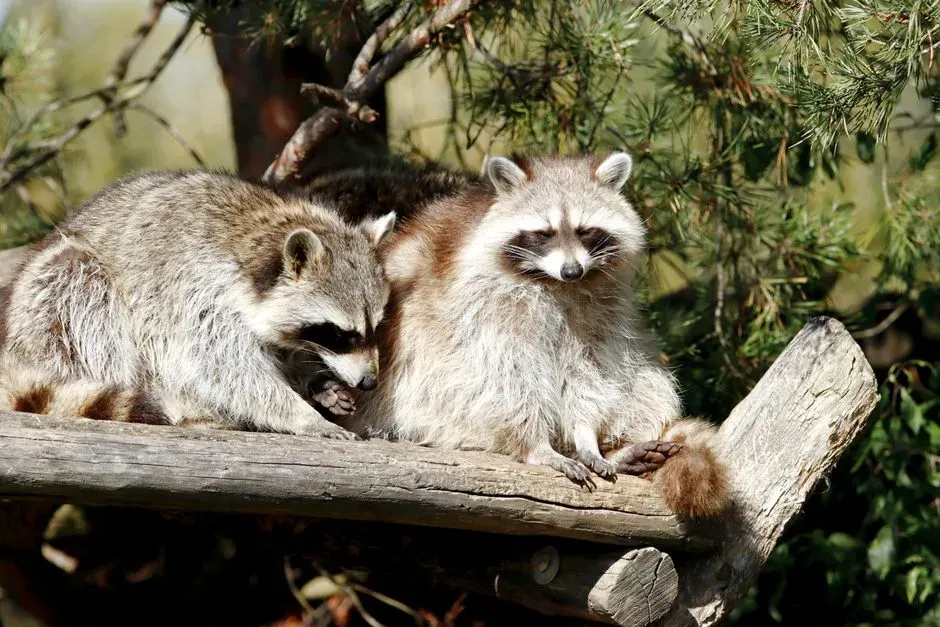
Almost nobody realizes that raccoons sit in a similar cognitive neighborhood as dogs and some primates when it comes to problem‑solving. In lab tests, raccoons have been shown to remember solutions to complex tasks for years, and they can figure out latches, levers, and containers that would stump many pets. When you watch a raccoon methodically test a trash can lid or a door like a tiny furry engineer, it becomes clear this is not just instinct but flexible thinking.
In cities, that intelligence becomes a superpower. Raccoons learn quickly which houses put out food waste, which dumpsters are easiest to open, and which routes help them avoid traffic and people. They share successful strategies indirectly, because young raccoons shadow their mothers and copy what they do. Over time, this turns whole neighborhoods into training grounds, with each generation starting just a little smarter about how to exploit the urban environment than the last.
2. Their Dexterous “Hands” Work Like Tiny Lock‑Picking Tools
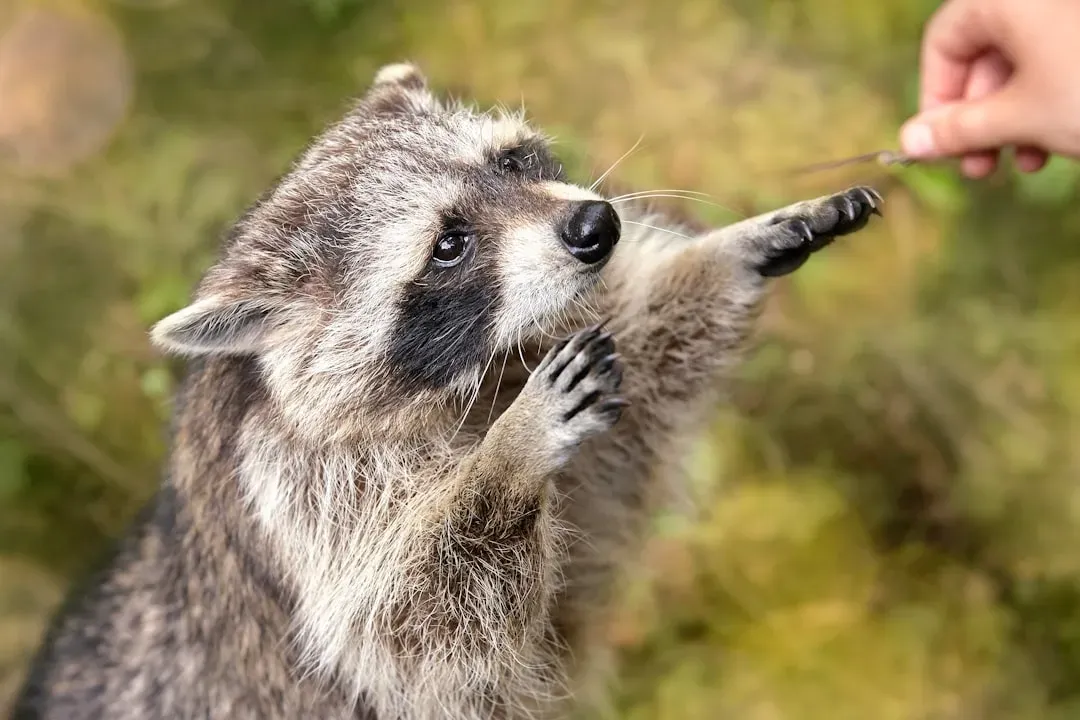
If you have ever seen a raccoon up close, the most unsettling thing is not the mask, it is the hands. Raccoons have incredibly sensitive, flexible front paws, with long fingers that function a lot like human hands. They can feel tiny differences in texture, manipulate small objects, and even turn knobs or flip latches. To a raccoon, a supposedly “animal‑proof” bin is just an interesting puzzle to explore, not a barrier.
Urban hardware was never designed with raccoons in mind, and they take full advantage of that oversight. They pry open roof vents, rip shingles, unzip tents, and can even slide open unsecured windows or patio doors if they find a grip. I once watched a raccoon in a city park carefully twist the cap off a peanut butter jar someone had dropped, and it honestly felt like watching a toddler at work. When wild animals develop this level of manual skill, human spaces stop being off‑limits and start becoming easy targets.
3. They Treat Trash Night Like a Free Buffet
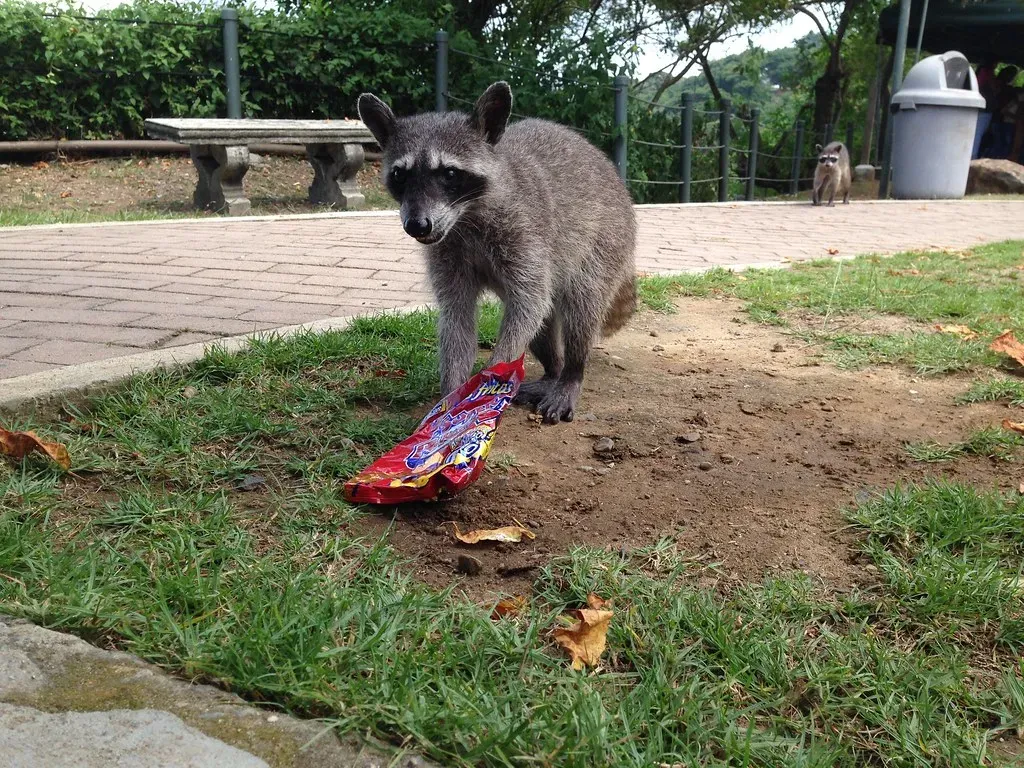
From a raccoon’s perspective, cities are unimaginable luxury: mountains of calorie‑dense food, delivered to the curb on a predictable schedule. Human garbage is full of fat, sugar, and protein, exactly what a small omnivore needs to thrive and reproduce. Instead of spending hours foraging for scattered insects, fruit, and small animals, urban raccoons can feast on pizza crusts, fried chicken bones, pet food, and leftovers we barely think about.
This constant food supply does more than just keep them full; it fuels larger litters and higher survival rates for young raccoons. When food is easy, females can invest more energy into reproduction and raising offspring, and juveniles are less likely to starve during tough seasons. The result is a population that can rebound quickly, even if some animals are killed by cars, disease, or control efforts. It is a textbook example of how our wastefulness creates perfect conditions for opportunistic wildlife to explode in numbers.
4. They Reproduce Quickly and Adapt Their Family Life to Cities
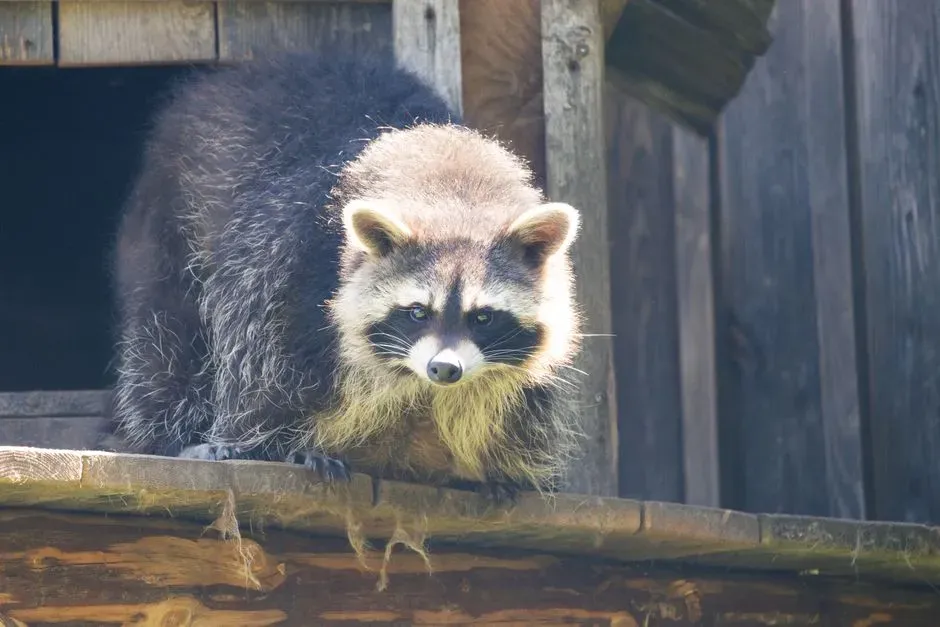
Raccoons do not have litters as large as rats, but in urban settings they reproduce more successfully than many people realize. A typical litter might include several kits, and in food‑rich city environments, more of those young survive to adulthood. Females can begin breeding relatively early in life, and as long as there is shelter and trash, there is little pressure to keep numbers down. This turns quiet neighborhoods into invisible nurseries every spring.
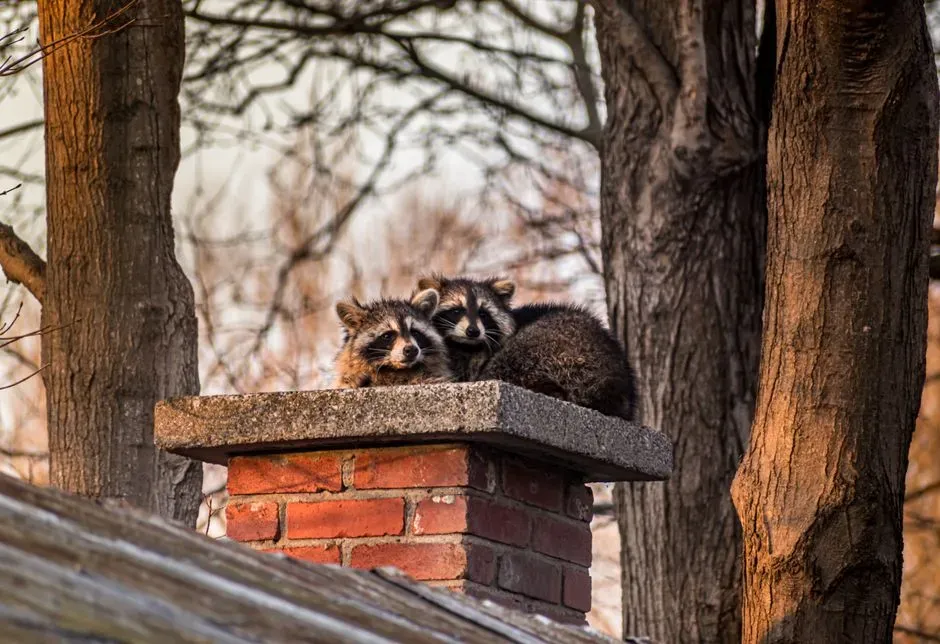
What makes this even more disturbing is how flexibly raccoons adapt their denning behavior. Instead of hollow trees, they take over attic spaces, abandoned buildings, sheds, chimneys, and even storm drains. I have heard from people who discovered entire raccoon families living above their bedroom ceiling, leaving behind damage and a strong musky odor. When the animals raising their young in your infrastructure are clever, bold, and well‑fed, it becomes a lot harder to pretend they are just passing through.
5. They Are Mostly Nocturnal, So You Rarely See the Full Invasion
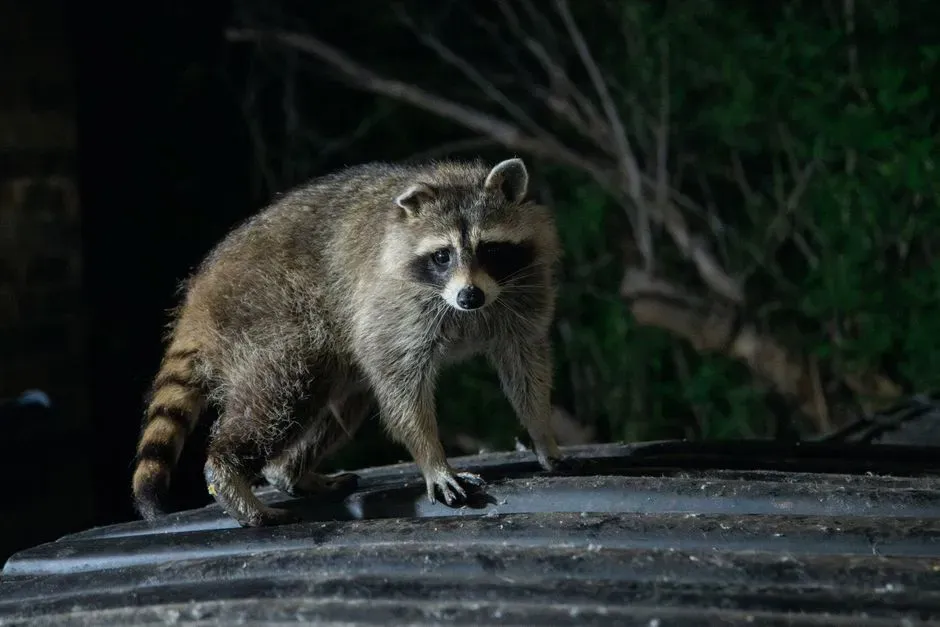
Raccoons are naturally most active at night, which lets them raid our spaces while we sleep. This timing gives them a huge advantage: they avoid most humans, navigate quieter streets, and enjoy uninterrupted access to garbage areas and yards. By the time morning commuters step outside, the raccoons are already hidden in trees, crawl spaces, and rooflines, leaving only scattered trash as evidence.
This nocturnal schedule is part of why people underestimate how many raccoons are actually around them. You might see one occasionally on your security camera and assume there are just a few in the area, but in reality, there could be many individuals using overlapping routes and dens. City lights also blur the line between day and night, and some raccoons are becoming more comfortable moving at dusk or even in daylight. The more they learn that humans are not a serious threat, the more that invisible night‑time population will spill into the hours when we are awake.
6. Urban Raccoons Are Bolder and Less Afraid of Humans
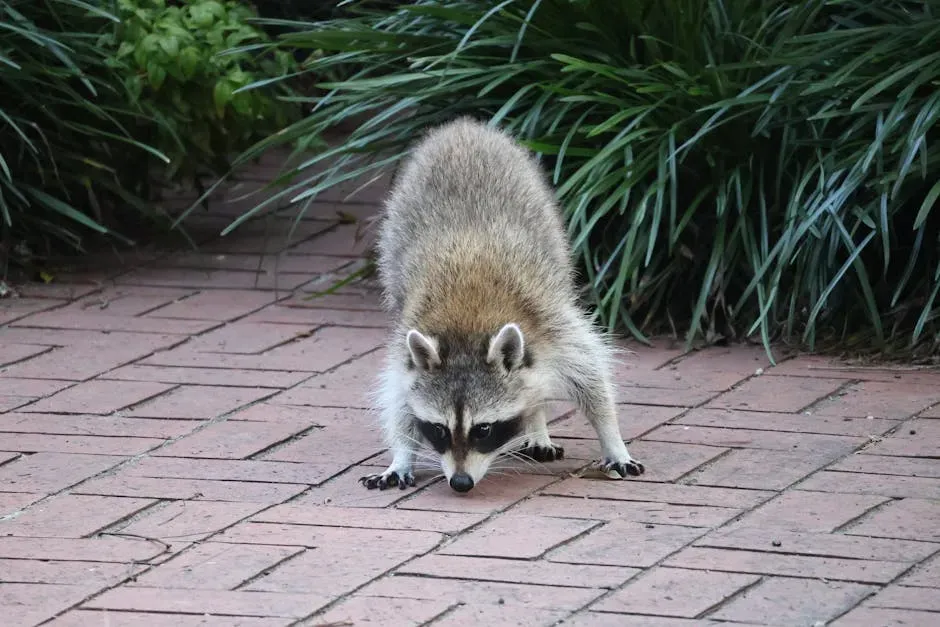
Wild raccoons in remote forests tend to be wary and quick to flee, but city raccoons play by different rules. Generations of living around people, traffic, and noise have selected for individuals that are comfortable operating near us. They raid bird feeders while people sit a few feet away, stare down homeowners when shooed, and calmly walk along fences or sidewalks as if they belong there. Fear, which normally protects wildlife from dangerous encounters, is slowly being edited out of certain urban populations.
This loss of fear might sound cute until you see what it looks like up close. Videos of raccoons brazenly entering pet doors, hanging out on balconies, or crowding around outdoor diners are more unsettling when you remember they are still wild animals with sharp teeth and claws. Bold animals are far more likely to challenge pets, push deeper into homes, and cause damage when confronted. As raccoons become more confident, the boundary between “outside wildlife” and “inside our lives” starts to crumble.
7. They Can Carry Diseases That Spread in Dense Urban Settings
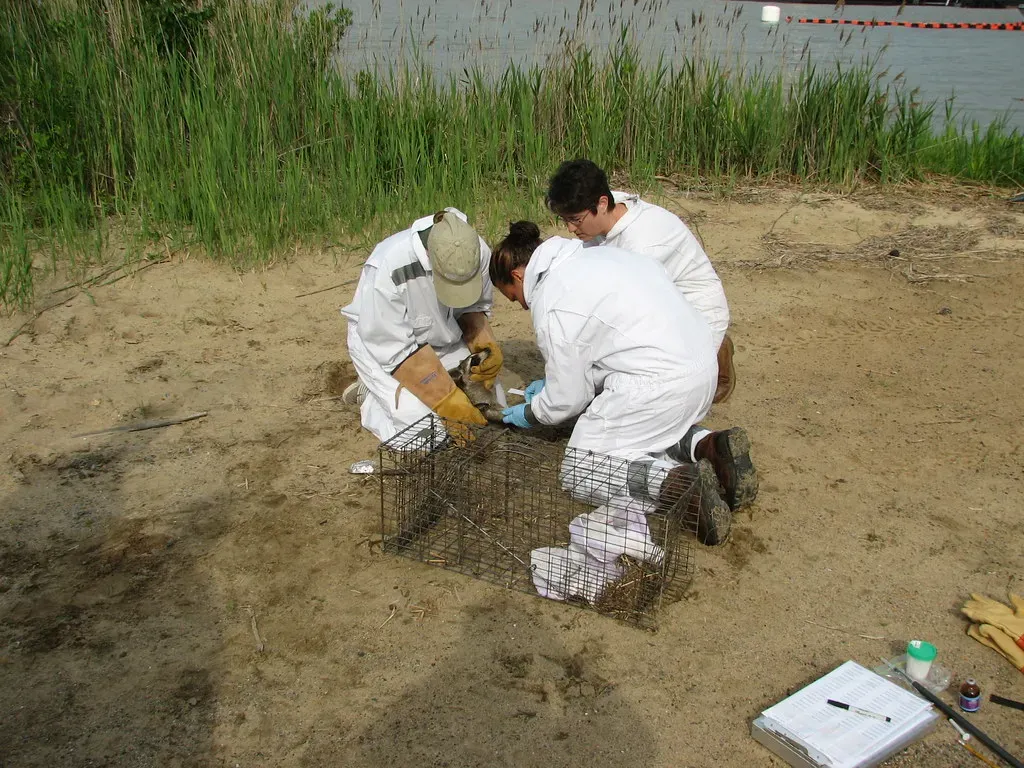
Behind the cartoonish appearance, raccoons are potential carriers of several diseases that matter in cities. They can harbor parasites and pathogens that affect both humans and pets, especially when their droppings accumulate in attics, crawl spaces, or shared outdoor areas. Because raccoons often defecate in the same spots repeatedly, known as latrines, those areas can become concentrated sources of contamination. Curious children, pets, or even adults cleaning up without proper protection can end up exposed without realizing the risk.
Urban environments amplify this problem because so many raccoons are sharing relatively small territories. They come into contact with stray cats and dogs, backyard pets, and other wildlife using the same food and water sources. This creates a network where disease can move quietly from species to species. We tend to think of cities as barriers to nature‑borne diseases, but raccoons are a reminder that the wild does not stop at the edge of the suburb or the high‑rise complex.
8. They Are Masters at Finding and Exploiting Shelter
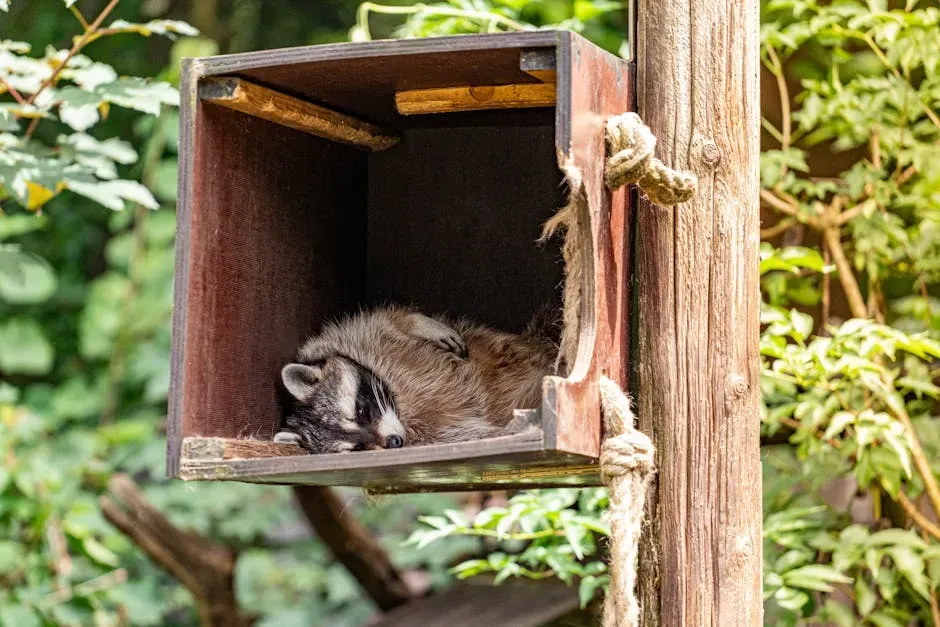
Raccoons are not just good at finding food; they are unnervingly skilled at finding places to live in human structures. Roof voids, wall cavities, soffits, chimneys, vents, and even the gaps under solar panels all look like prime real estate to a raccoon. Once inside, they shred insulation for nesting material, chew wiring, and leave behind droppings and urine that can soak into wood and drywall. Many people only discover an infestation once they hear thumping overhead or notice stains on their ceiling.
On top of individual homes, raccoons use a whole range of urban structures as temporary shelters. Storm drains, culverts, abandoned cars, construction sites, and storage yards all provide cover during the day. With so many options, traditional wildlife control methods that focus on a single hiding spot barely dent the bigger problem. When a city is full of holes and hideouts, raccoons do not just pass through; they set up complex, overlapping networks of dens.
9. They Learn From Each Other and Pass On Urban Survival Skills
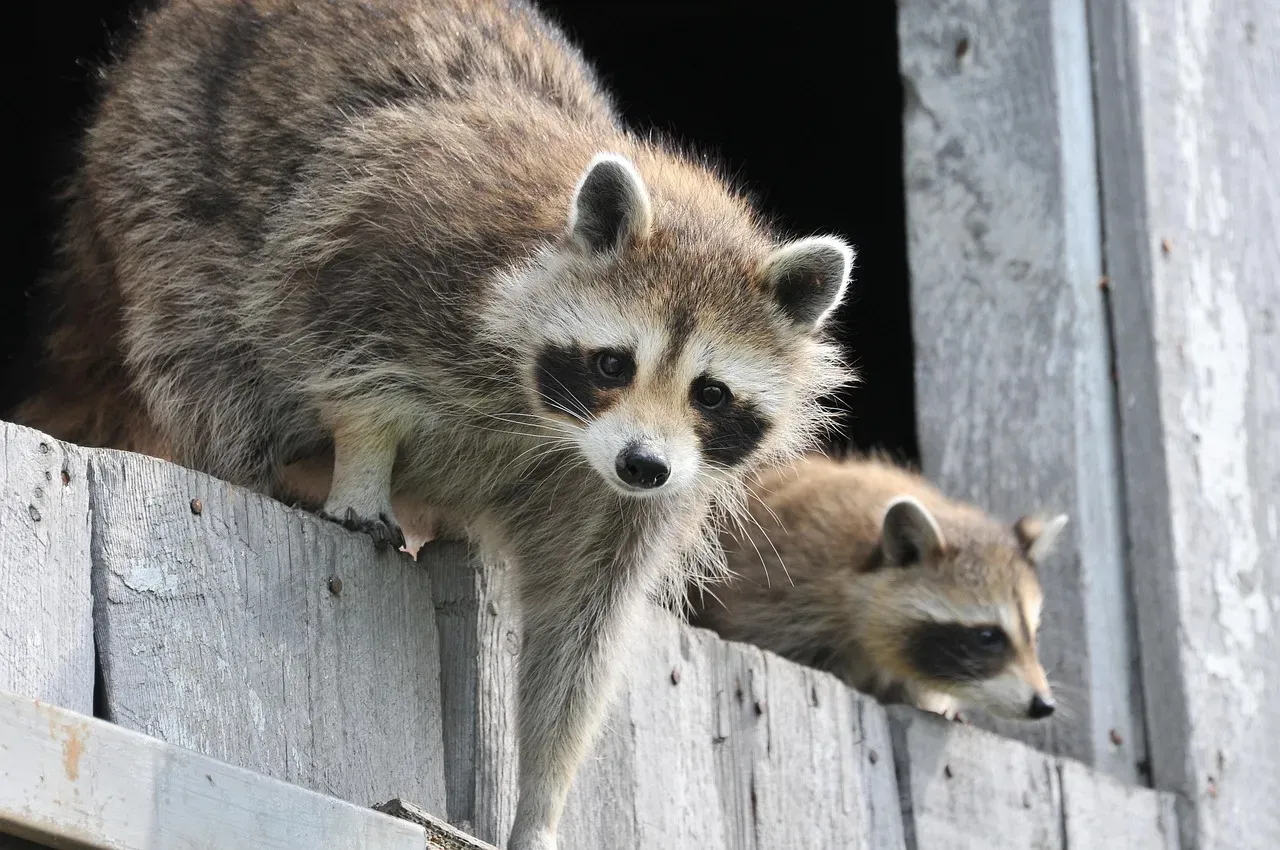
One of the most chilling aspects of raccoon behavior is how effectively they learn socially. Young raccoons follow their mothers closely, copying how they search for food, open containers, and navigate the built environment. A single clever individual that figures out how to bypass a new style of trash bin or maneuver through a tricky fence can set the stage for a whole line of descendants to inherit that trick. Over time, this leads to local “cultures” of raccoons specialized in particular urban techniques.
Researchers observing urban raccoons have noted how quickly new behaviors spread once they offer a clear advantage. If one raccoon discovers that a certain restaurant alley or apartment complex offers nightly food, others soon appear. In my own neighborhood, it felt like the entire raccoon population suddenly learned how to tip specific bins within a single season. That kind of collective learning means we are not just dealing with isolated animals, but with flexible, evolving communities adapting in real time.
10. Traditional Wildlife Control Measures Barely Slow Them Down
Homeowners and cities often respond to raccoon problems with simple fixes: sturdier lids, motion‑activated lights, or one‑time trapping campaigns. While these can help temporarily, raccoons tend to treat them as obstacles to test rather than permanent barriers. A design that works for a few weeks may eventually be defeated by a more persistent or innovative animal. Because there is constant pressure from surrounding populations, removing a few individuals just creates empty space for others to fill.
On a city‑wide scale, this creates a frustrating pattern: short bursts of control followed by a slow climb back to previous numbers. Raccoons are generalists, meaning they can adjust to new foods, new shelters, and new challenges without needing a specific habitat. As long as we keep producing waste, leaving gaps in our buildings, and maintaining green spaces like parks and gardens, they have everything they need. Calling pest control can feel like bailing water from a boat without fixing the leak.
11. Urban Design Accidentally Caters to Raccoons’ Needs
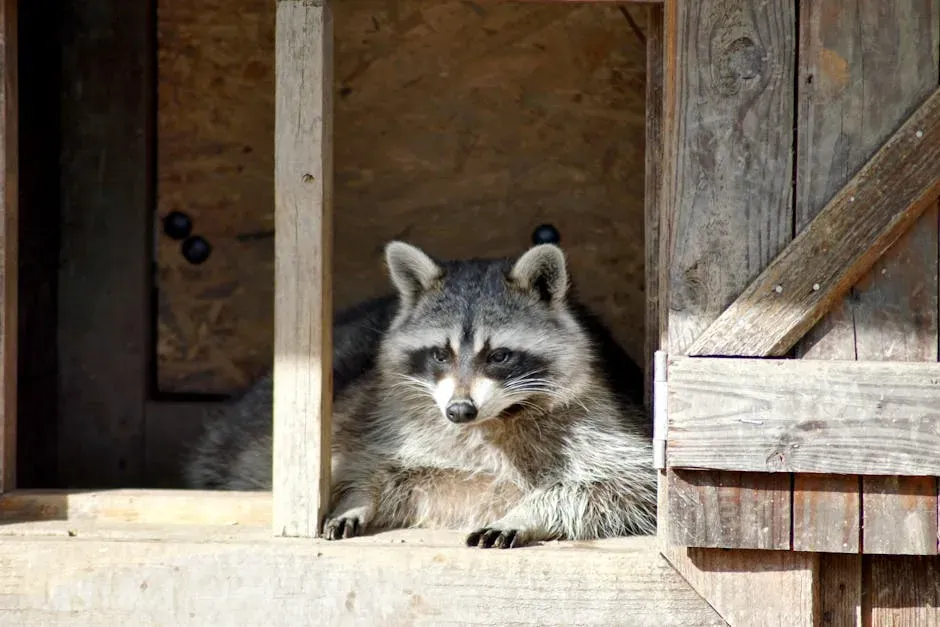
The way modern cities are built practically rolls out a red carpet for raccoons. We create well‑watered lawns and gardens that attract insects and small animals, plant fruiting trees and shrubs, and add decorative ponds or fountains that provide fresh water. Streetlights and human activity keep predators like large owls or coyotes at lower densities in many areas, giving raccoons a relative safety buffer. In effect, we have designed comfortable, resource‑rich raccoon habitats without even realizing it.
Even infrastructure meant for humans can double as wildlife superhighways. Fences act as secure travel routes, power lines and roofs become elevated pathways above the danger of cars, and storm systems offer hidden corridors beneath the streets. Every time a city adds a new layer of complexity, raccoons find another niche to occupy. It is disturbing to realize that the same features that make neighborhoods appealing to people often make them perfect for masked invaders as well.
12. Climate Change and Milder Winters Give Them a Boost
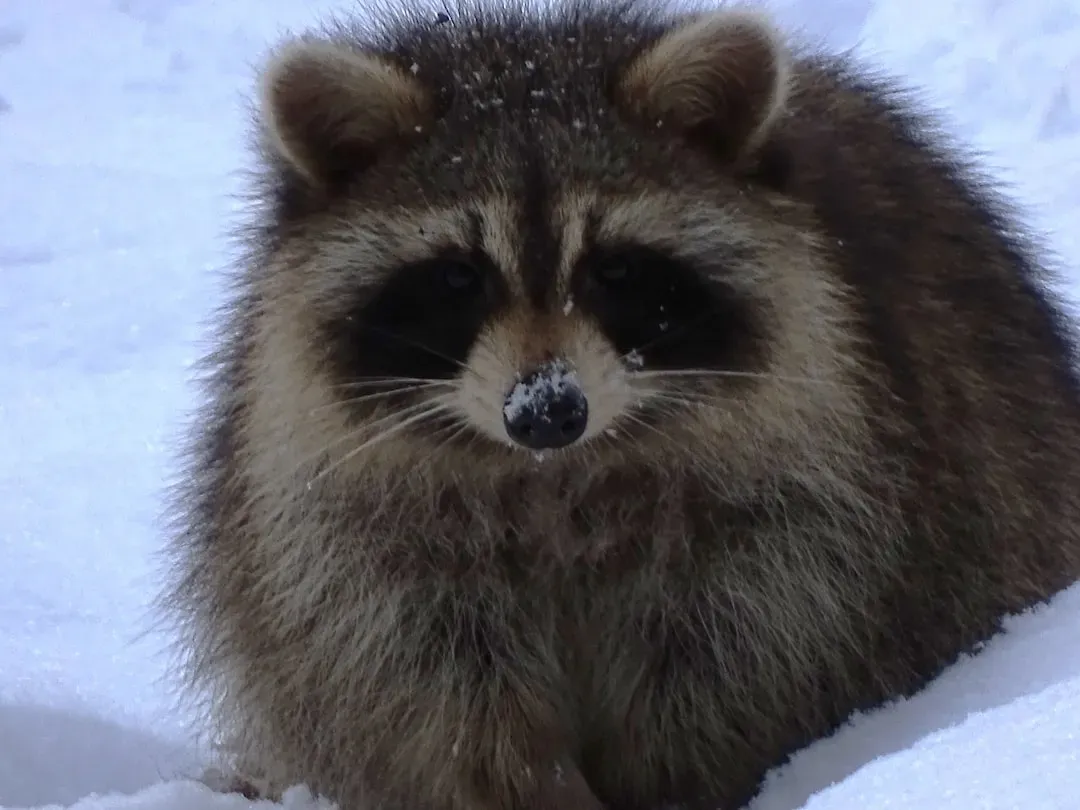
As winters in many regions become milder and shorter, raccoons get another unfair advantage. Harsh cold used to be a natural limiter, killing off weaker individuals and making food scarcer. Now, in many cities, raccoons can stay active longer, access trash year‑round, and face fewer periods of real scarcity. Warmer conditions also mean that young raccoons may have a better chance of surviving their first winter, nudging population numbers upward over time.
Urban heat islands, where cities stay noticeably warmer than surrounding rural areas, amplify this effect. Pavement, buildings, and heat from vehicles all help keep nighttime temperatures higher, turning cities into winter refuges for adaptable animals. Seen from this angle, raccoons are not just tagging along for the ride; they are direct beneficiaries of the way we are altering the climate and the landscape. The more we turn our environments into artificial, always‑on systems, the more we empower species that can ride those changes successfully.
13. Human Behavior Keeps Rewarding Their Most Invasive Traits
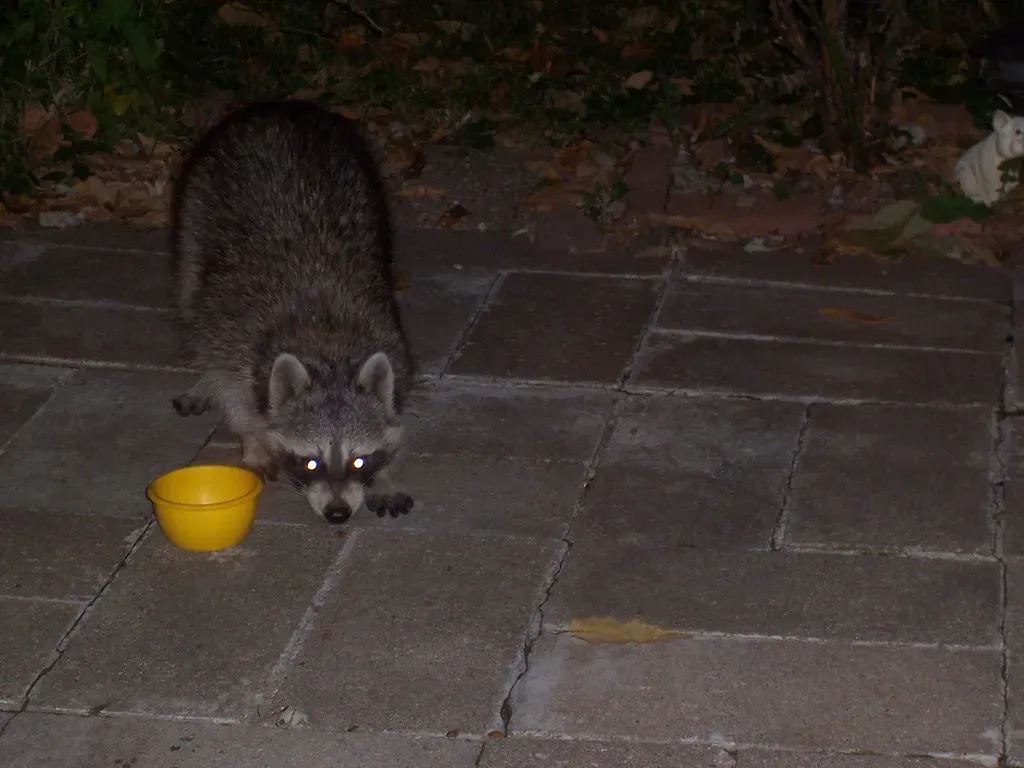
In the end, the most disturbing fact is that raccoons are not taking over cities by accident; we are quietly training them to. Every overflowing trash can, every unsecured pet food bowl, every kindly person who leaves out scraps because the animals look hungry sends the same message: keep coming back. We punish the shy raccoons by making food scarce in quiet areas and reward the bold ones who push closer to our homes and restaurants. Over time, the population shifts toward exactly the traits that frustrate us the most.
Our inconsistent reactions make things worse. We marvel at cute raccoon videos online, tolerate or even encourage their presence in some contexts, then react with anger or fear when they cause real damage. That mixed signal is almost designed to favor adaptable, fearless animals that can navigate chaos. If we keep acting this way, urban raccoons will continue to become more numerous, more confident, and more deeply embedded in the fabric of city life.
Conclusion: The Masked Future We Are Quietly Choosing
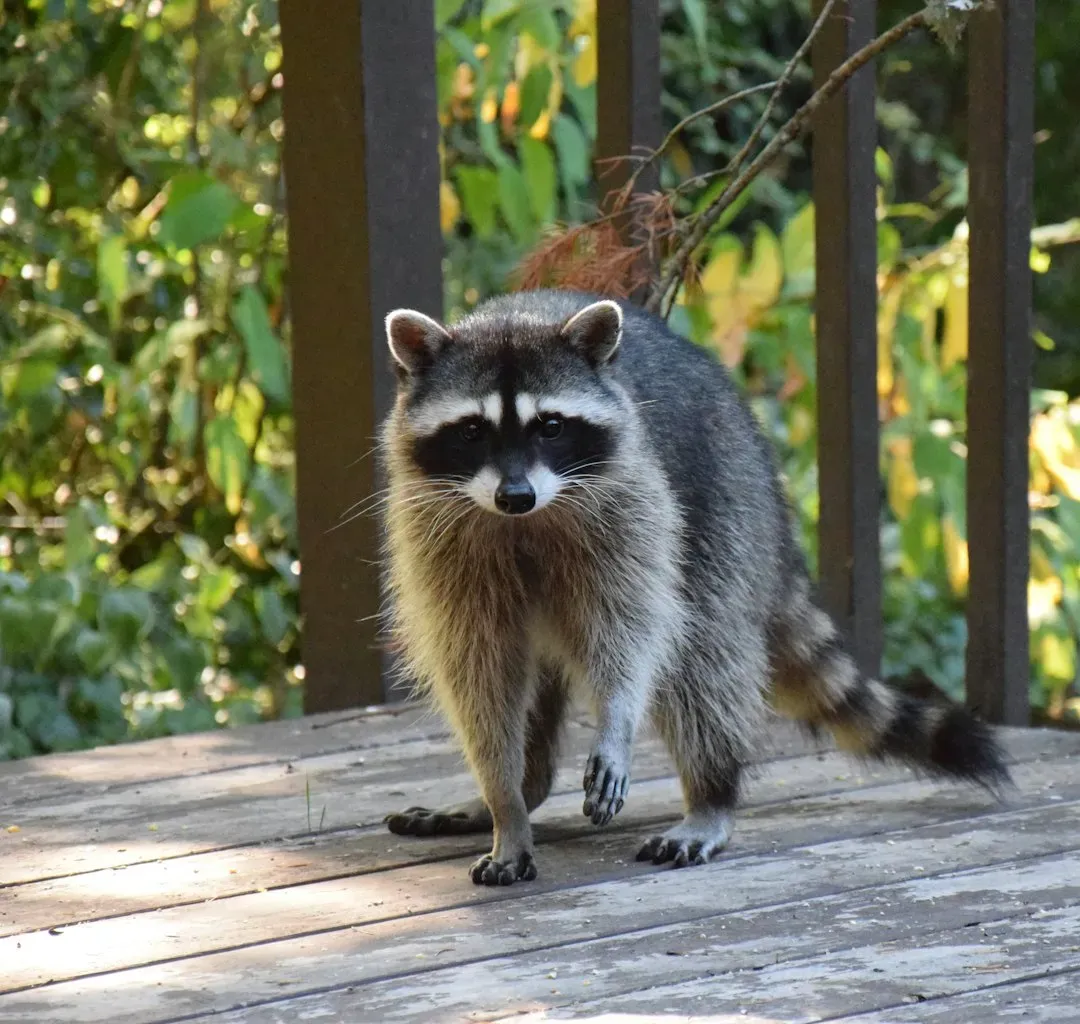
Raccoons are not villains in a story; they are brutally honest mirrors of the cities we have built and the habits we refuse to change. Their rise is a direct consequence of our waste, our design choices, and our reluctance to see ourselves as part of an ecosystem instead of separate from it. Personally, I find them fascinating and slightly terrifying at the same time: they are the clever neighbors we accidentally invited in and now cannot quite evict. Ignoring them or treating them as a quirky side note is, in my view, a mistake.
If we want fewer raccoons tearing up roofs and dominating back alleys, the answer is not just more traps, but smarter cities and more disciplined behavior from us. That means boring, unglamorous steps: securing waste, redesigning infrastructure, and accepting that living with wildlife requires responsibility, not just amusement. The uncomfortable truth is that every trash night is a vote for what kind of urban wildlife we want to see thriving. So the real question is not whether raccoons are taking over our cities, but whether we are willing to stop helping them do it – what would you honestly choose if it meant changing your own habits?