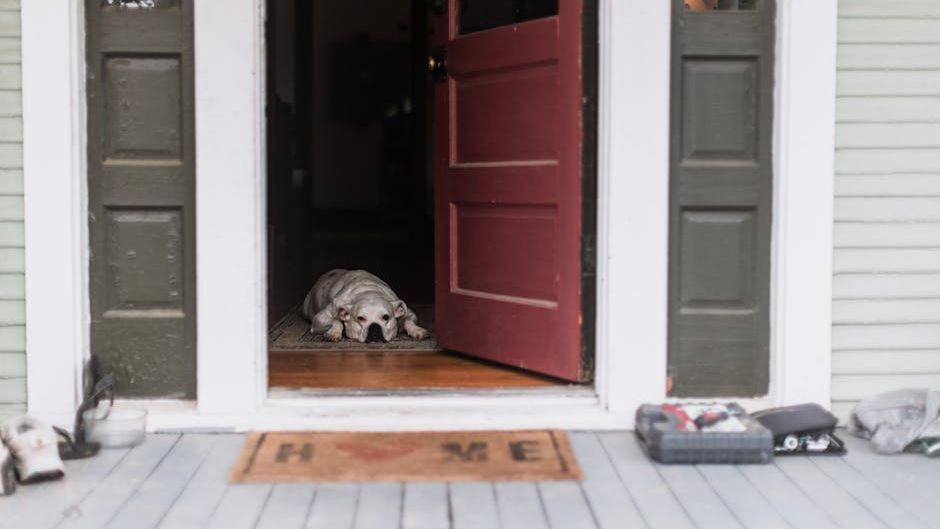

If you’ve ever been convinced your dog somehow knows you’re home before the key even hits the lock, you’re not imagining it. Pet owners trade stories about dogs waiting at the door, grabbing a favorite toy, or performing a full-body wiggle routine exactly when their person comes back. For a long time, it sounded like cute coincidence or wishful thinking. Now, a mix of animal behavior research, canine cognition studies, and a better understanding of dog senses is giving us a clearer – though still evolving – picture of what really happens in those final few seconds.
What scientists are finding is not magic or telepathy, but something far more impressive: a finely tuned combination of smell, sound, memory, habit, and deep emotional bonding. The truth is, your dog has been tracking you all along, and those last 30 seconds are the climax of a quiet, ongoing detective story. Let’s unpack what is actually going on in that tiny window of time, what we know for sure, what is still educated guesswork, and why the answer is both more ordinary and more beautiful than it sounds.
The Scent Countdown: How Your Smell Reaches Them Before You Do
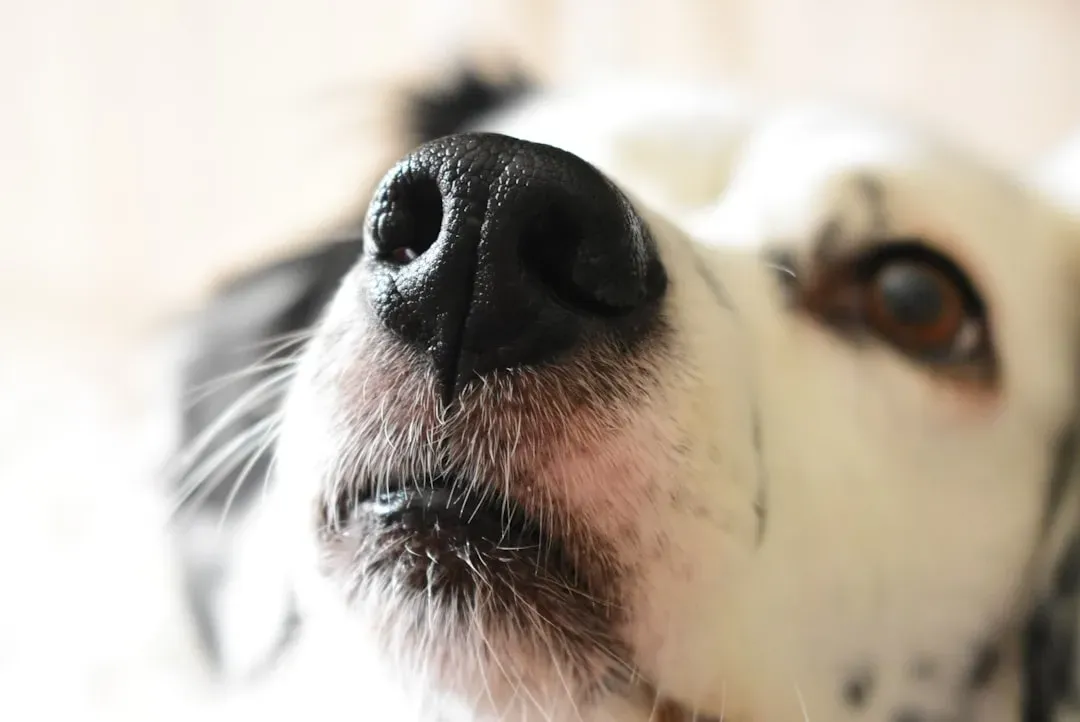
One of the most powerful clues your dog uses happens long before you open the door: your scent drifting in from outside. Dogs live in a world dominated by smell, and research over the last decade has repeatedly confirmed that dogs can recognize familiar humans – including their owners – by scent alone. In those final 30 seconds, tiny air currents under the door, through cracks, or from stairwells and hallways can carry your unique odor signature straight to your dog’s nose, essentially acting like a personal “you’re almost here” notification.
Think of it like the smell of popcorn wafting from a kitchen before you see the bowl; your brain knows what’s coming based on the scent. For a dog, multiply that sensitivity many, many times over. As your scent intensifies, your dog’s brain links it with the emotional memory of you coming home. That’s likely when they lift their head, pause what they’re doing, and shift into a kind of alert, anticipatory mode – ears up, nose working, body tense but hopeful. From the outside, it looks like they just “knew” you were at the door. Inside their head, chemistry and memory are quietly firing in sync.
The Sound Track: Footsteps, Keys, Elevators, and Cars as Early Warning Systems
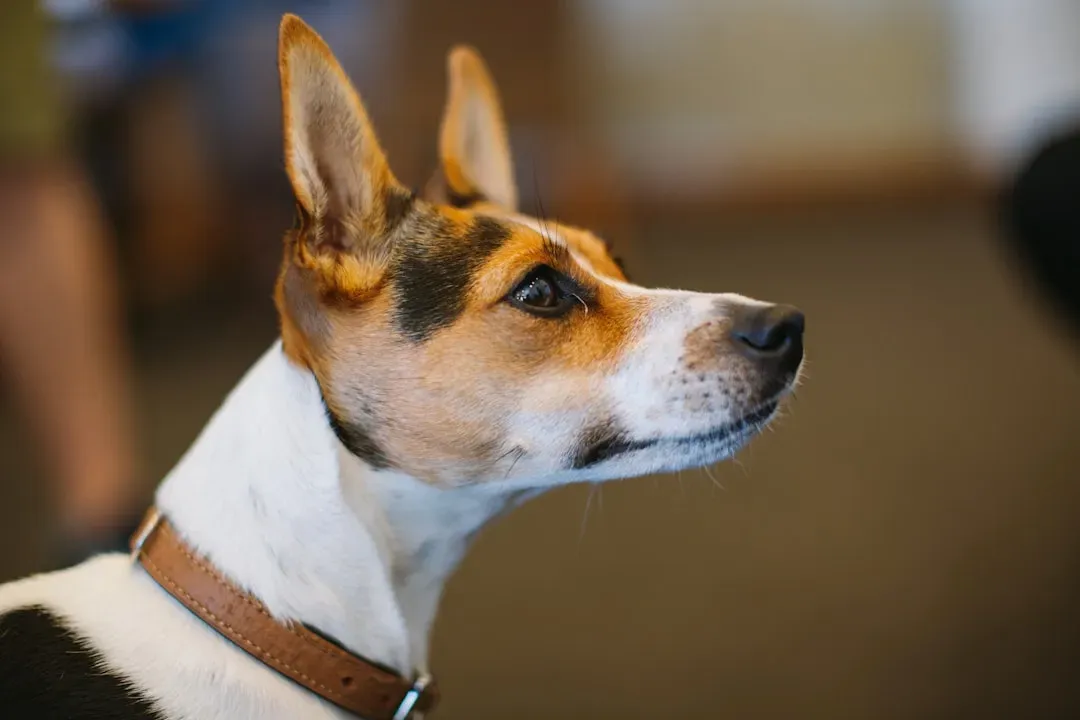
Scent might be the main actor, but sound is the co-star. Dogs learn the tiny, specific noises that predict your arrival: the rhythm of your footsteps on the stairs, the sound of your car engine, the rattle of your keys, even the ding of your elevator or the creak of your front gate. Studies on canine learning and conditioning show that dogs are incredibly fast at associating consistent sounds with specific outcomes, especially when those outcomes are emotionally important – like you coming home.
In the last 30 seconds before you walk in, there’s often an auditory chain: the garage door, then the car door, then footsteps, then keys at the lock. To you, it’s background noise. To your dog, it’s a countdown sequence they’ve heard hundreds or thousands of times. By the time your key touches the door, your dog has already connected all the sound dots. That’s when you see the classic reactions: ears swiveling, head tilting, a rush to the door, or an excited hop off the couch as if they just hit the jackpot.
Remembering Your Routine: Dogs, Time, and Daily Habits
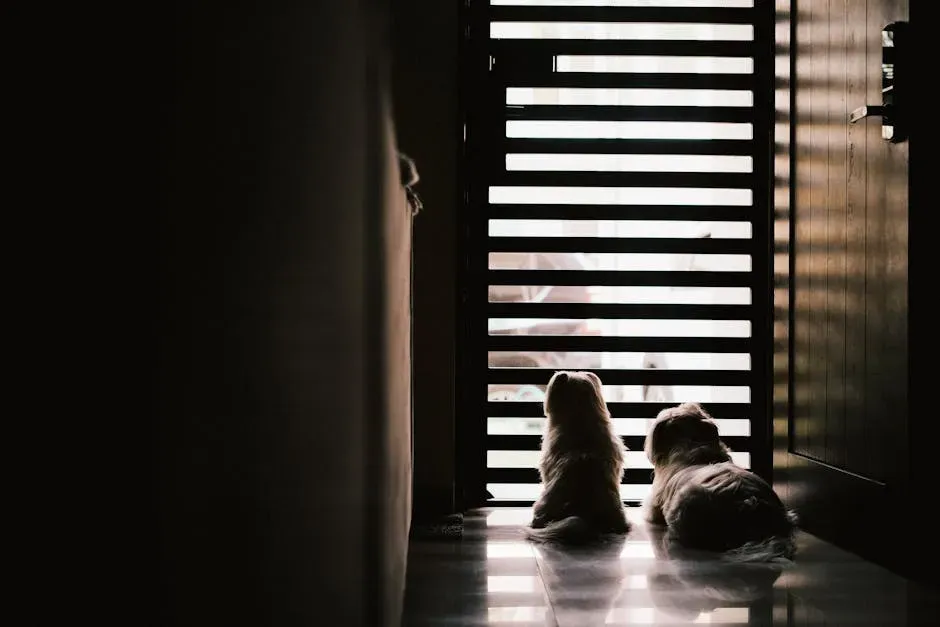
One of the more fascinating threads in current dog research is how they perceive time. While scientists are still debating exactly how it works, there is growing evidence that dogs use a mix of internal rhythms, environmental cues, and daily patterns to anticipate events. They might not read a clock, but they do seem to know when “it usually feels like the time my human comes home.” In many homes, feeding schedules, light changes, neighborhood noise, and even the movement of smells in the house all line up in a predictable way as the day goes on.
So in that 30-second window, your dog’s anticipation is not starting from scratch. It’s built on hours of gradual expectation, like a slow burn that peaks when enough familiar signals stack up. Maybe the sun is at a similar angle, the neighborhood is quieting, or the last TV show you play before work has long ended. When you combine these ongoing cues with the first whiff of your scent or the sound of your car, your dog’s brain likely moves from “maybe soon” to “they’re here.” The last half-minute is less a surprise and more of a long-awaited payoff.
From Calm to Frenzy: The Emotional Surge Right Before You Appear
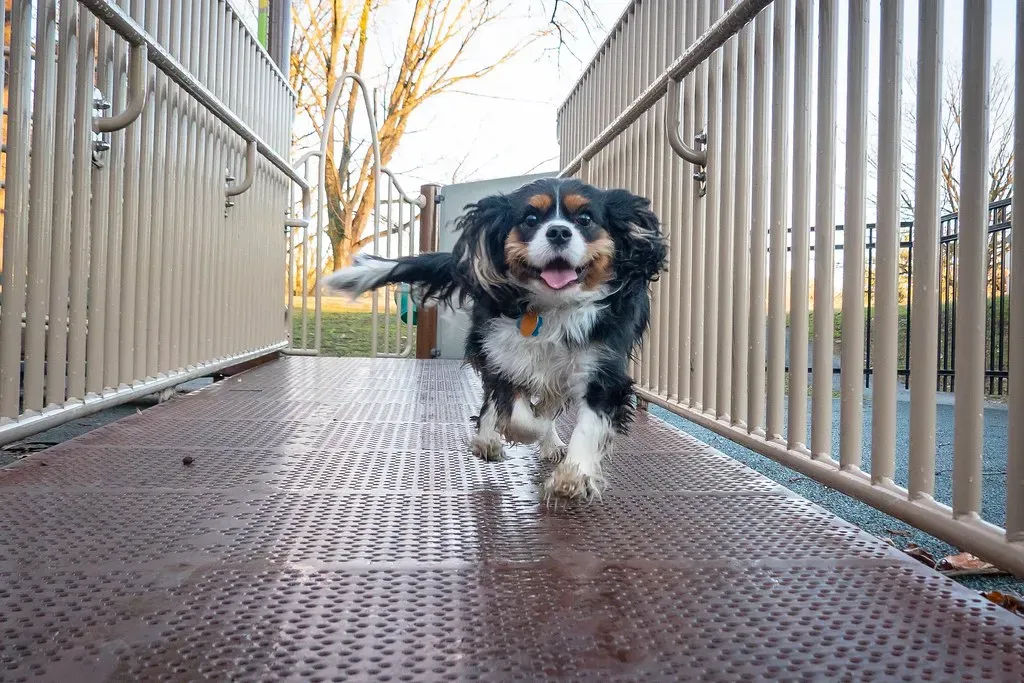
Emotionally, that half-minute or so before you walk in might be one of the strongest moments of your dog’s day. Dogs form deep attachments to their humans, and research into the dog–human bond has shown that both species can experience measurable shifts in stress and comfort hormones when reunited. As your dog registers that you are literally seconds away, their body likely starts ramping up: heart rate increases, muscles tense, breathing speeds up, and stress linked to your absence begins to flip into excited anticipation.
That’s why some dogs seem to go from peaceful nap to wild zoomies in the blink of an eye. They are experiencing a sharp emotional pivot. You might see frantic tail wagging, spinning in circles, or even a quick run around the house grabbing toys. It’s not just dramatic; it is probably physically regulating for them, dispersing that burst of emotional energy before it tips over into overwhelming anxiety or arousal. In a way, those last 30 seconds are their emotional warm-up for seeing the person who matters most.
The Door Ritual: Pacing, Sitting, Spinning, or Grabbing a Toy
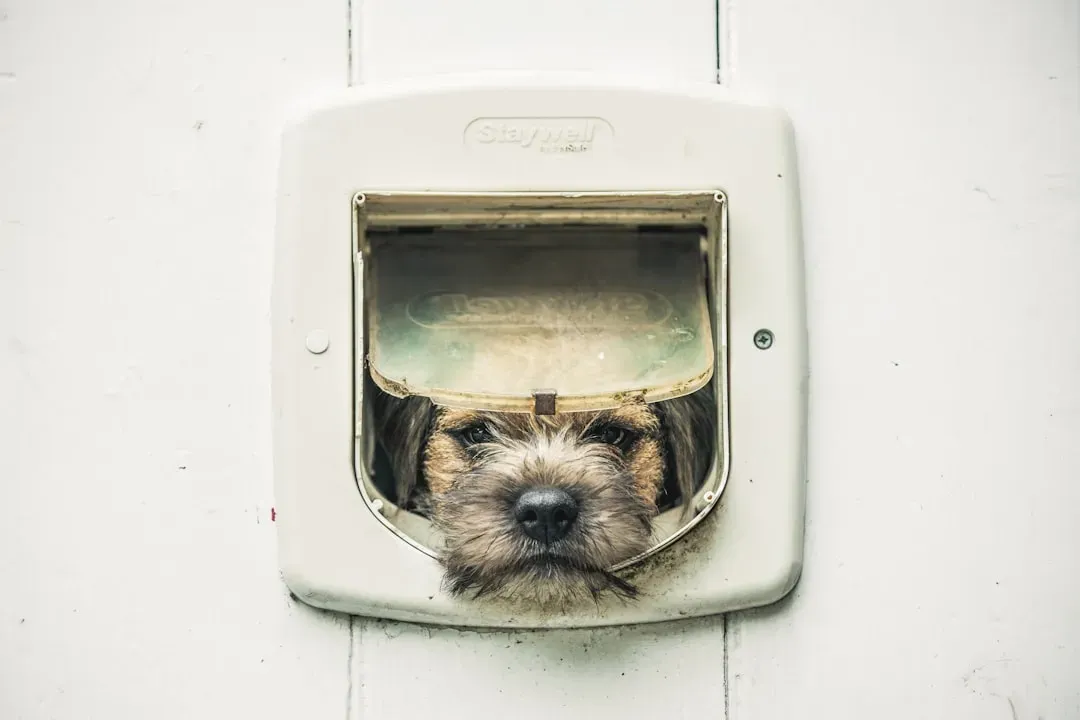
Many dogs develop a personal “homecoming ritual,” and the last half-minute is where that script plays out. Some dogs plant themselves directly in front of the door, sitting like a statue, eyes locked and body taut. Others pace the hallway, trot in circles, or even sprint to find their favorite toy to present, as if greeting you with a gift. These patterns tend to repeat day after day, suggesting learned habits anchored to that specific moment of your return.
From a behavioral standpoint, these rituals are a cocktail of instinct, reinforcement, and personality. If jumping into your arms or bringing a toy consistently earns attention, affection, or play, your dog’s brain logs that as a winning strategy. Over time, the behavior can creep earlier and earlier into your arrival window, until it fills those last 30 seconds entirely. It might look random, but it is often a refined, highly rewarded routine – they’ve simply become experts at welcoming you back in the way that feels best to them.
The Watchdog Check: Is It Really You?
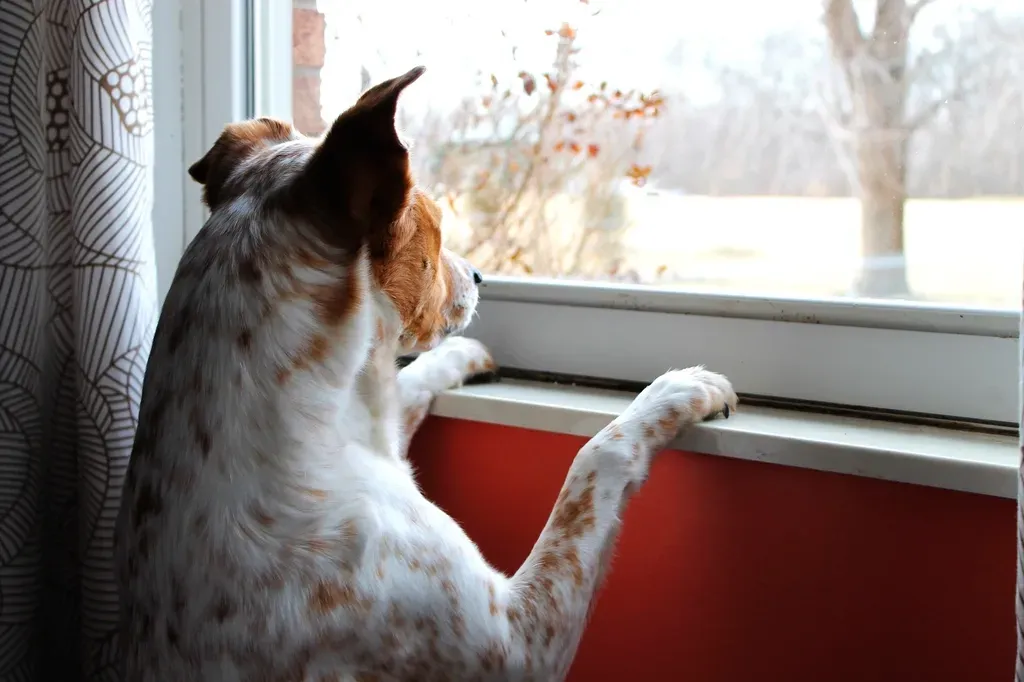
Here’s a twist people often overlook: in those final 30 seconds, your dog might not just be excited – they might be briefly suspicious. For many dogs, the door is where friend and stranger collide, and early studies on canine cognition suggest they use a combination of scent, sound, and past experience to distinguish familiar from unfamiliar visitors. When your first sounds reach them, your dog may slip into a quick “security mode,” listening and sniffing for subtle clues that it is you and not a random intruder.
This is why some dogs bark for a second or two, then instantly switch to wiggles when you step inside. In those last 30 seconds, they might be toggling between mild alert and growing recognition. They tilt their head, listen harder, sniff the air, and then the realization lands. The shift from watchdog to joyful greeter can happen in a heartbeat. That little pause between an alert bark and a full-body wag is your dog completing a mini identity check: the data came in, and you passed.
When Your Dog Seems Unbothered: The Quiet Anticipators
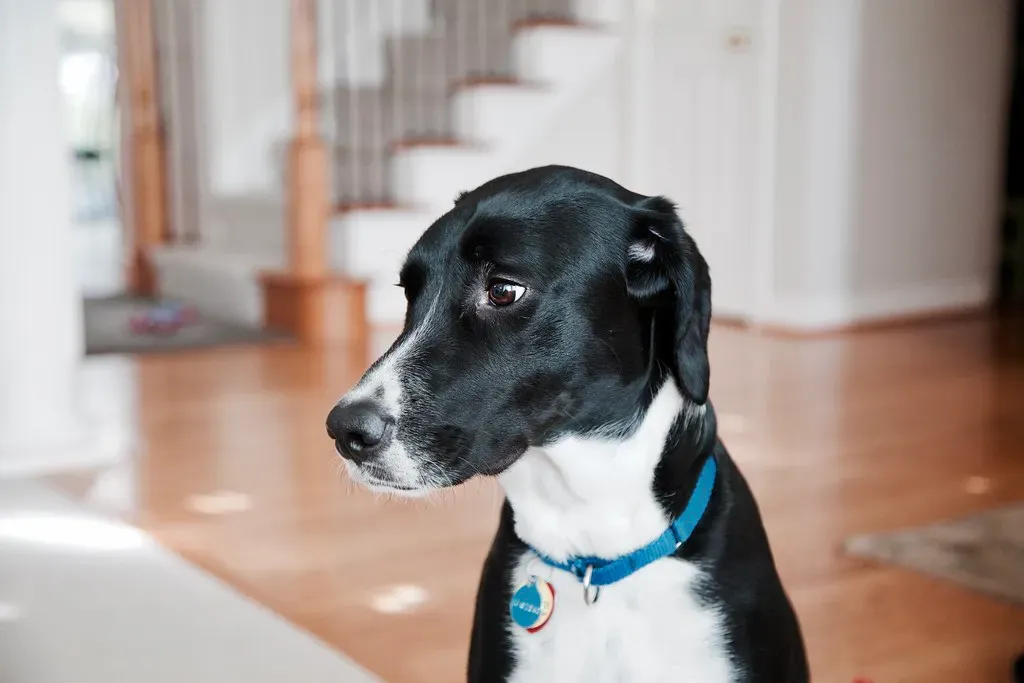
Not every dog sprints to the door or explodes with joy before you come in, and that calm reaction can be just as interesting. Some dogs stay on the couch, barely lifting their head until you appear in front of them. Others simply wag their tail gently or give a slow blink as if to say they knew all along you’d come back. Temperament, age, health, and past experiences all shape how obviously a dog expresses its anticipation and affection.
That doesn’t mean nothing is happening in those last 30 seconds. A laid-back dog might simply tune in mentally rather than physically: ears perk slightly, eyes track the door, breathing changes almost imperceptibly. They could still be processing the same scent and sound cues but expressing the emotional shift in a quieter way. The absence of high-energy greeting behavior does not equal the absence of attachment; it may just be a different style of relationship or a dog whose personality leans more toward chill roommate than overexcited groupie.
Myths vs. Reality: Do Dogs Really “Know” the Exact Moment You’ll Arrive?
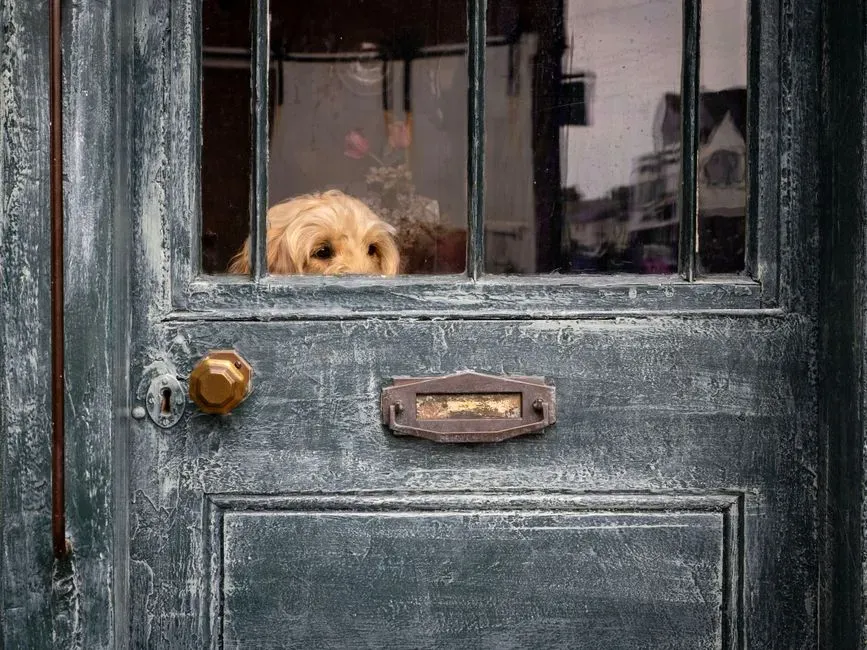
It’s tempting to believe dogs have a sixth sense that tells them the exact second you’ll show up, and plenty of stories online seem to support that idea. But when researchers pick apart these anecdotes, the more grounded explanation usually comes back to predictable cues, repeated patterns, and the extreme sensitivity of dog senses. Dogs are very good at turning subtle hints into solid expectations, and we humans are very good at noticing only the most dramatic, memorable alignments – like the dog at the door right as we walk in.
I’ll be honest: even knowing the science, I still get a little emotional when I come home and see my own dog already standing there, tail thudding so hard against the wall it sounds like someone knocking back. Intellectually, I know he probably heard my car and smelled me coming before I got to the door. But emotionally, it still feels like he was just waiting for me, and me alone. Maybe that’s the real magic here – not that dogs defy science, but that the science only deepens how special their everyday loyalty feels.
Conclusion: The Last 30 Seconds That Say Everything About Your Bond
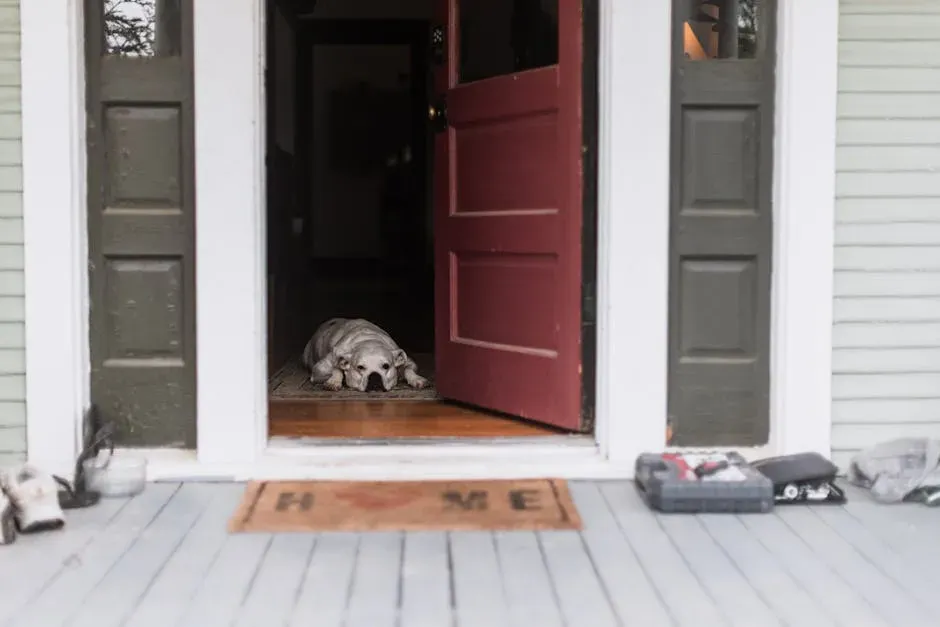
So what is your dog really doing in the 30 seconds before you walk through the door? They’re running a silent checklist: scent intensity, sound patterns, daily routine, emotional memory, and maybe a quick security scan, all layered into one intensely focused moment. Whether your dog is pacing, spinning, barking once and then squealing with joy, or simply looking up from the couch with soft eyes, that tiny window of time is where science and love intersect. The more we learn, the clearer it becomes that their behavior is not random at all – it is a deeply learned, deeply felt response to your place in their world.
If anything, the science makes me more opinionated about this whole topic: we should take those 30 seconds seriously. They show just how much attention our dogs pay to us, even when we’re gone, and how finely tuned they are to our comings and goings. Maybe the best thing we can do is meet that energy halfway – arrive fully present, put the phone down for a minute, and honor the fact that your return is often the highlight of their day. Next time you turn the key, you might wonder: while I was just coming home, what kind of quiet, devoted countdown was my dog living through for me?