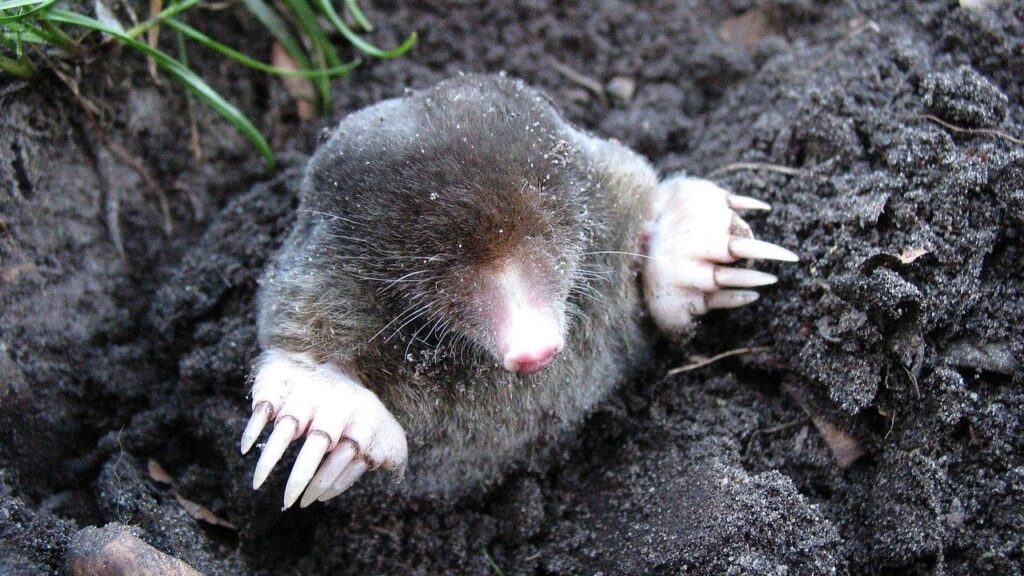

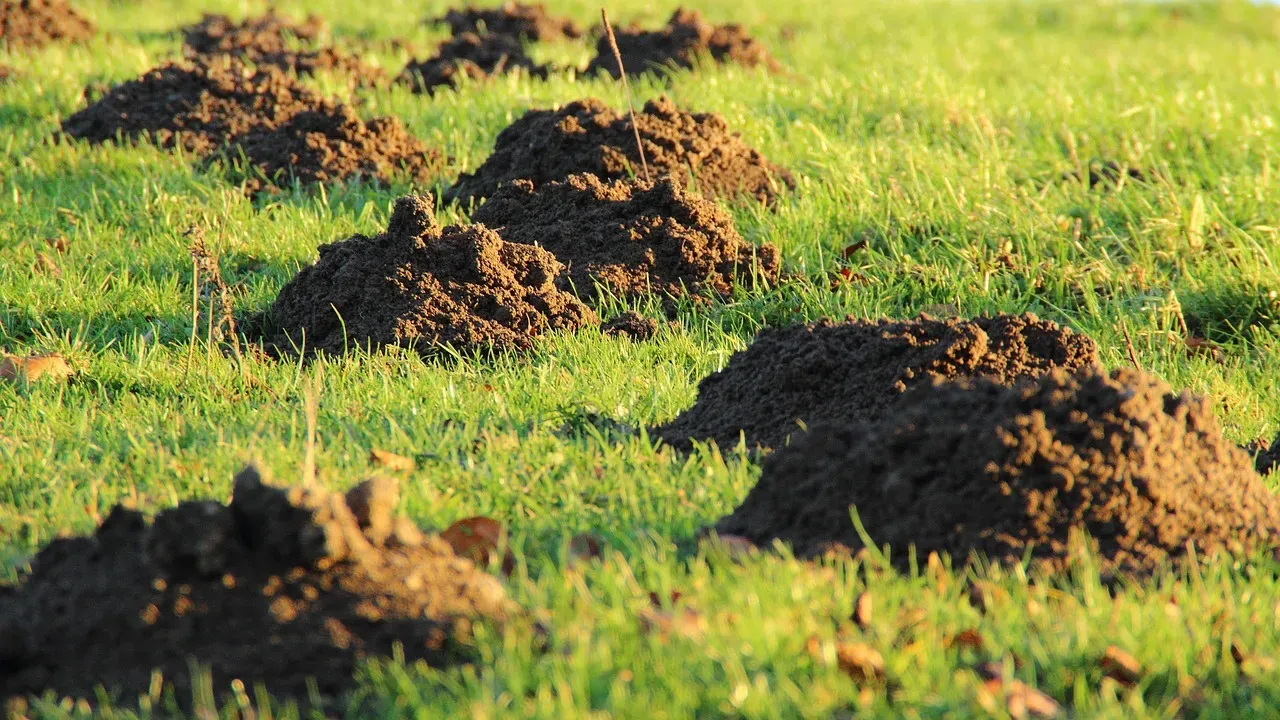
If you have ever woken up to fresh, lumpy ridges snaking across your lawn overnight, it almost feels like something mythical happened while you slept. In a way, it did: a small, near-blind digging specialist turned your yard into a subway map, powered by muscle, instinct, and some seriously weird biology. Moles look soft and harmless on the surface, but underneath that plush fur is a digging machine that lives and dies by the quality of its tunnels.
Once you understand how a mole is built, those sudden eruptions of soil start to make sense, and maybe even feel a bit impressive. Their underground world is dark, cramped, and dangerous, yet moles move through it with the ease of a swimmer in open water. These ten strange facts pull back the soil, so to speak, and show how evolution has turned moles into tiny, relentless engineers of the underworld.
1. Their “Hands” Are Basically Living Shovels
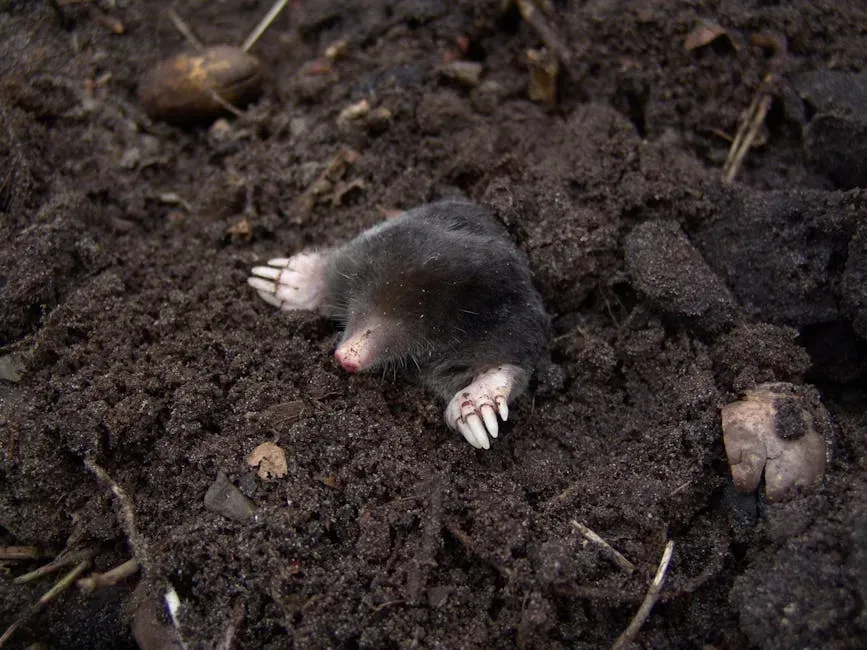
One of the strangest things about moles is their front limbs: they are not just paws, they are power tools. The bones in their forelimbs are short, thick, and splayed outward, almost like a pair of snow shovels strapped to their chest, and this unusual shape lets them push soil out to the sides with every stroke. Inside those chunky limbs, the muscles are oversized for such a small animal, giving them a grip and push that feels wildly out of proportion to their body weight.
To picture it, imagine trying to row a boat using dinner plates instead of oars; it looks awkward, but it can move a lot of water fast. That is essentially what a mole does with soil, scooping and flinging it aside as it “swims” through the ground. This shovel-like design is why they can expand existing tunnels quickly or carve new routes in soil that would stop many other small mammals. Their tunnels are not random either; those powerful forelimbs allow them to adjust direction fast, creating loops and side branches that help them navigate around roots or rocks.
2. They Can Move Forward And Backward Almost Equally Well
You and I are very much forward-only creatures, but a mole does not really care which direction is “front” in a tunnel. Their body is shaped like a thick, flexible cylinder with short limbs, so there is almost nothing to snag or catch on narrow soil walls. Because their fur lies flat and can shift direction easily, they can slide backward through their tunnels nearly as smoothly as they go forward, which is handy when a predator shows up or a tunnel segment collapses.
Think of them like a furry train that can suddenly throw itself into reverse without losing speed. This bidirectional mobility helps them patrol their tunnel networks efficiently, checking different stretches for food without needing to turn around in tight spaces. It also lets them repair cave-ins quickly, backing into damaged sections and pushing loose soil out of the way. That odd simplicity of body shape – no obvious neck, no long tail, no exposed ears – turns a mole into a little plug that can shoot through soil in whichever direction survival demands.
3. They “Swim” Through Soil Using A Breaststroke
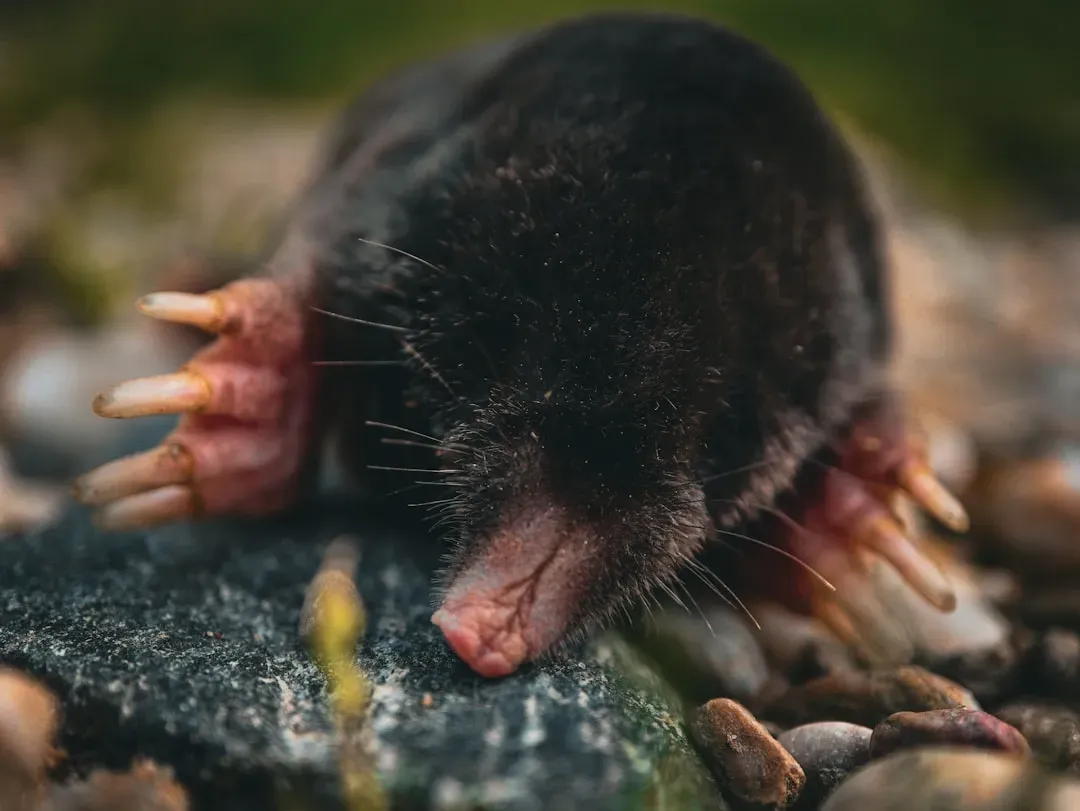
When you picture an animal digging, you might imagine frantic scratching, but moles use a motion that looks a lot like a swimmer doing breaststroke. They press their front limbs forward and outward, then sweep them back in a powerful arc that pushes soil to the sides, compressing the tunnel walls as they go. Over time, those repeated strokes tamp the soil into firm, smooth walls that are less likely to crumble, turning a raw gap in the dirt into a stable passageway.
This swimming analogy is not just cute; it really describes how they move, especially in softer ground. In looser soil, each stroke lets them advance surprisingly fast, sometimes covering many body lengths in just a minute or two. They do not just carve holes; they sculpt corridors, shaping the tunnel so it stays open and usable for days, weeks, or even longer. The result is an underground highway system that feels more like a carefully built hallway than a random gap in the ground.
4. Their Blood Is Built For Low-Oxygen Tunnels
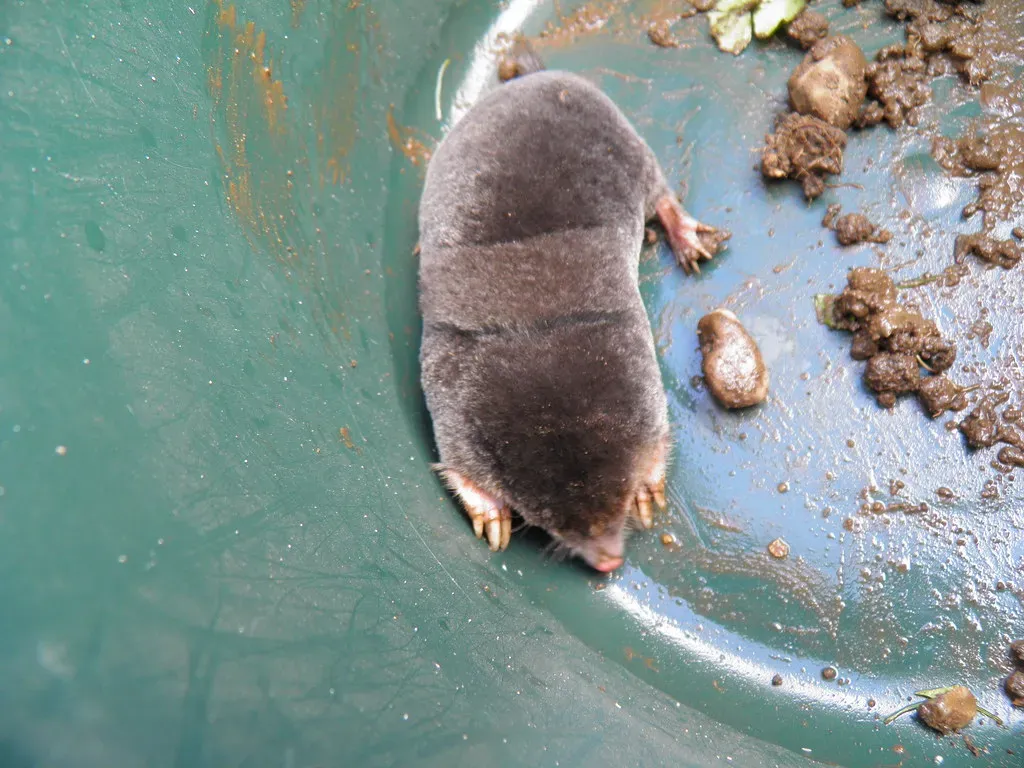
Underground tunnels can be rough places to breathe, with less air exchange and pockets of low oxygen, but moles are wired for that challenge. The blood of many mole species carries more oxygen per unit than that of similar-sized surface mammals, thanks to specialized hemoglobin that hangs onto oxygen more effectively. This means that even when the air in a tunnel is a bit stale, their tissues still get what they need to keep those digging muscles firing.
If you or I tried to work intensely in poorly ventilated conditions, we would be gasping and dizzy in no time, but a mole just keeps going. Think of it like having a more efficient fuel system in a race car; they can run hot for longer without stalling out. This adaptation lets them dig for extended periods without needing to surface frequently for fresh air, which is safer and more energy efficient. The strange reality is that what would feel like a suffocating crawlspace to us is simply “home office” air quality for a mole.
5. They Have Tiny Eyes But Surprisingly Sharp Senses
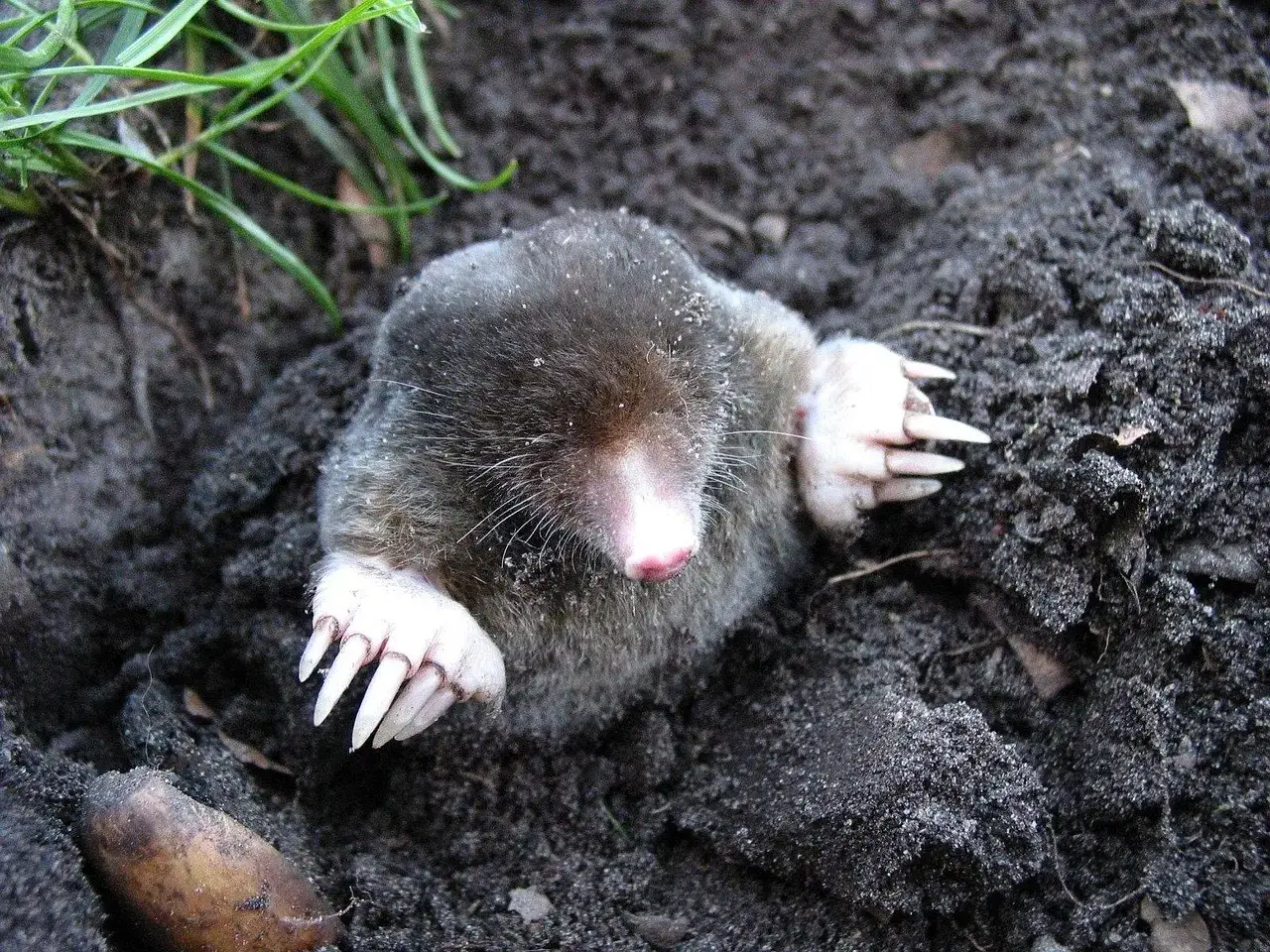
Moles are often described as blind, but that is not quite right; most species can detect light and dark, even if they do not see sharp images. Their eyes are small and often hidden under fur or skin, but they are just good enough to tell whether they are safely underground or dangerously exposed at the surface. What really matters, though, is how much they rely on other senses – touch, smell, and even subtle vibrations – to move and hunt in their tunnels.
Their snouts are highly sensitive, packed with nerve endings that can detect tiny movements, and some species have special tactile structures that act like built-in radar for the ground. To imagine what this is like, think of walking through a dark hallway, not by seeing, but by feeling changes in air and floor with every step. For a mole, the walls, floor, and even the faint motion of a worm become part of a constant sensory map. This is one reason their tunnels can be so efficiently laid out: they are “reading” the underground environment with senses we barely use.
6. Their Tunnels Are Both Hunting Traps And Highways
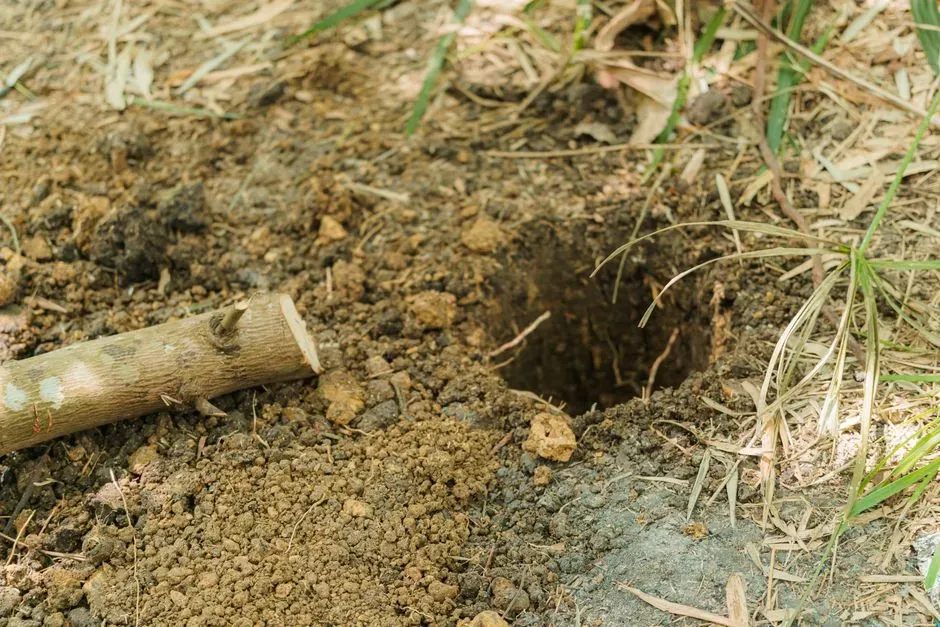
A weird but brilliant fact is that moles do not just dig tunnels; they turn them into conveyor belts of food. Many earthworms and insects blunder into these underground passages as they move through the soil, and once they do, the tunnel guides them right toward the mole’s patrol routes. Moles often run along their main tunnels repeatedly, almost like someone walking a fence line, checking for new intruders to snatch up and eat.
This turns the entire tunnel system into a living trap, where the architecture itself does half the hunting work. Some moles go even further, biting worms in a way that paralyzes but does not immediately kill them, then storing them in underground “pantries” for later. It is a bit unsettling to imagine a chamber full of immobilized worms, but from the mole’s perspective, this is just responsible meal planning. The more extensive and well-placed the tunnels, the more efficient that trap network becomes, which explains why they put so much energy into digging them.
7. They Can Dig New Tunnels Shockingly Fast
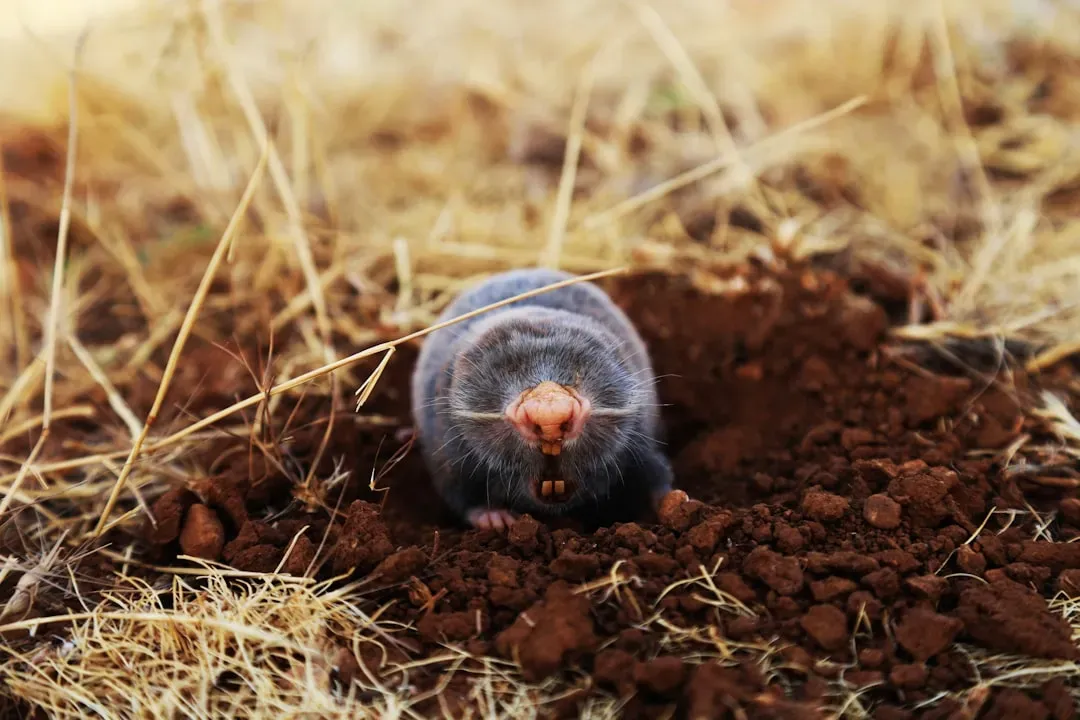
If you have ever wondered how a little animal can rearrange your lawn overnight, the answer is: they are just that fast. Some small moles can dig through soft, moist soil at a rate comparable to a person slowly walking, which sounds impossible until you remember those massive forelimbs and efficient movements. In favorable conditions, they can extend a tunnel network by several meters in a short time, especially when following a rich vein of earthworms or insect larvae.
From the surface, this looks like chaos appearing out of nowhere, but there is usually a logic to where they focus their efforts. They tend to follow areas where the soil holds moisture, because that is where their prey is most abundant, and those zones often run like invisible rivers beneath lawns and garden beds. Once they find a productive spot, they rapidly branch off side tunnels to fully exploit the area, leaving a pattern of raised ridges and mounds that can feel like a personal insult to your landscaping. In reality, it is just a hungry engineer racing the clock to build a better hunting ground.
8. Their Fur Works Like A Reversible Coat
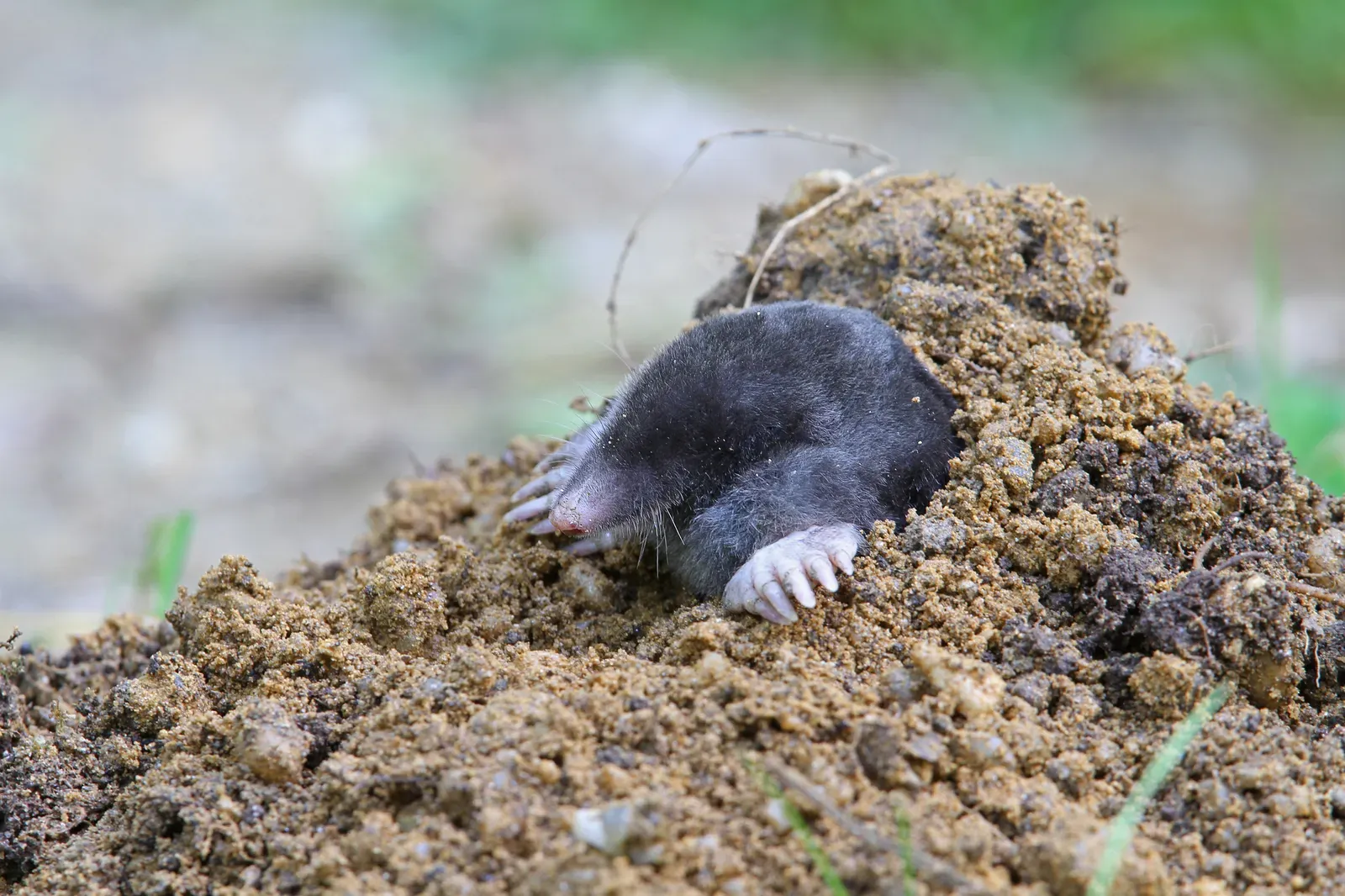
Most mammals have fur that lies in one clear direction, usually toward the tail, but moles play by different rules. Their fur is short, plush, and can bend easily in multiple directions, which means it does not snag as they move forward or backward through tight tunnels. It is almost like they are wearing a coat made of tiny, flexible straws that can tilt whichever way the soil presses them.
This reversible fur might sound like a small detail, but underground it is a big deal. Snagged or resistant fur would slow them down and waste energy with every move, but instead they slide through the soil with minimal drag. It also helps keep their skin protected from grit and sharp particles, which could easily cause infections in such a dirty environment. If you have ever tried crawling under a low, rough surface and felt your clothes catch on everything, you have lived the opposite of a mole’s experience.
9. They Rearrange Soil Structure Without Realizing It

Homeowners often see mole tunnels as pure damage, but from a soil perspective, they are weirdly productive workers. As they dig, they mix different soil layers, bringing deeper material closer to the surface and loosening compacted zones. This constant churning can improve drainage in some areas and create new pockets where plant roots and microorganisms can thrive, even if the surface looks a bit messy for a while.
Of course, they do not dig with any ecological intention; they are just chasing food and shelter. Yet their tunneling can sometimes act like a crude, natural version of aeration, puncturing hard ground that would otherwise resist water and roots. In wild habitats, this activity can contribute to a more dynamic, living soil system, supporting plants and other animals indirectly. It is a strange twist that the same behavior that ruins a manicured lawn can quietly benefit an untamed patch of ground just a few meters away.
10. They Live Short, Intense Lives Built Around Those Tunnels
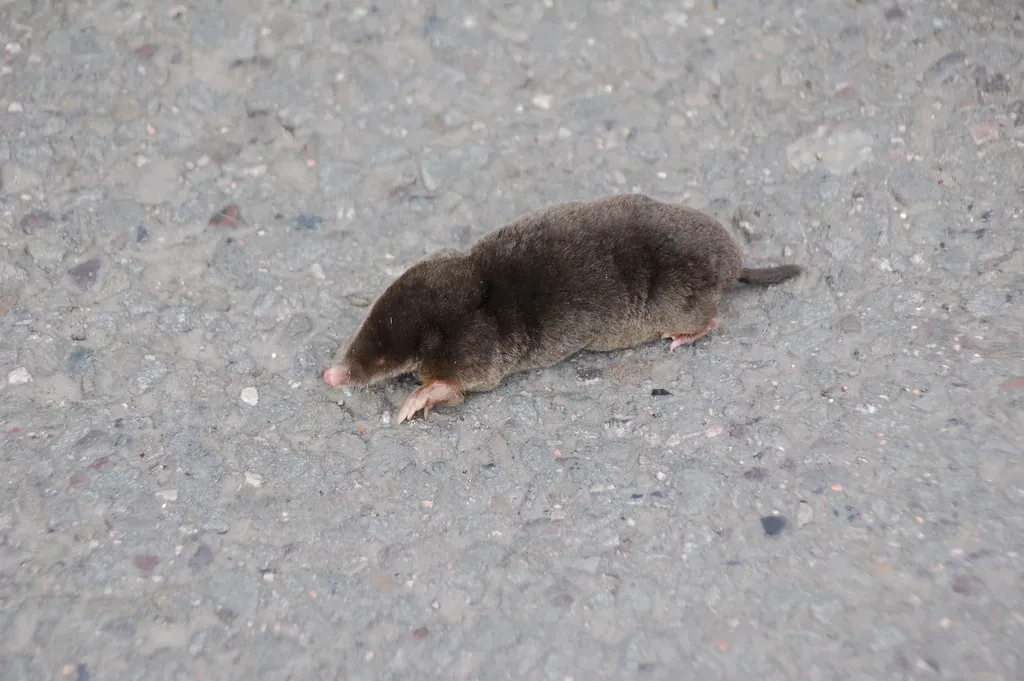
For all their engineering talent, moles do not get very long lives by human standards; many only live a few years in the wild. That short timeline makes their frantic digging feel even more intense, because almost everything they do is about maintaining and defending their tunnel systems. Those tunnels are hunting grounds, safe zones, travel routes, and even social boundaries, since many moles prefer to keep their own territories underground.
I find it oddly moving that an animal can pour so much energy into a hidden world most of us only notice when it inconveniences us. From their perspective, the surface is risky, exposed, and almost irrelevant compared with the complex maze below. Their entire existence is a kind of underground sprint: dig, hunt, rest, defend, repeat, until the soil claims them back. Next time you see a fresh mound, it might be worth pausing before you get annoyed and remembering that, under your feet, a whole miniature life is being lived in the dark.
Conclusion: The Underground Architects We Love To Hate
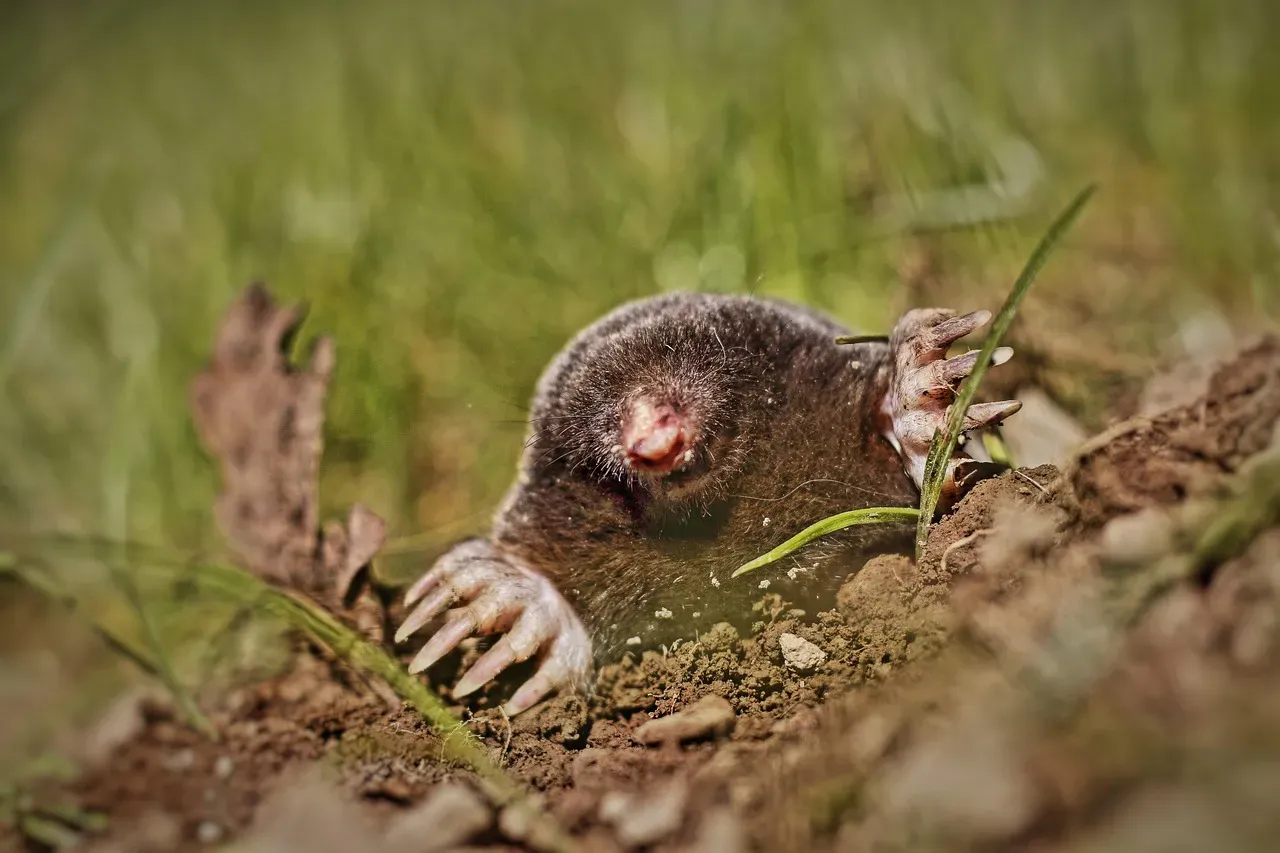
The more I learn about moles, the harder it is to see them as just lawn-wrecking pests, even though I have absolutely cursed at a molehill or two in my own yard. Their underground tunnels are not random vandalism; they are the visible side effect of a body and brain tuned with almost obsessive precision to life below ground. From their shovel-like hands and reversible fur to oxygen-smart blood and trap-like tunnel systems, every strange fact about them points back to one truth: these animals exist to dig.
That does not mean you have to be thrilled when they turn your perfect grass into a bumpy mess, but it does mean they deserve a bit of respect as underground architects. They are not out to annoy us; they are just sprinting through a short, intense life, following instincts shaped over millions of years beneath the surface. Personally, I think seeing a molehill now feels a bit like spotting the tip of an iceberg, hinting at a whole hidden world below that we almost never get to see. Knowing what you know now, will you look at those mysterious ridges in your yard with the same frustration – or a little more grudging awe?