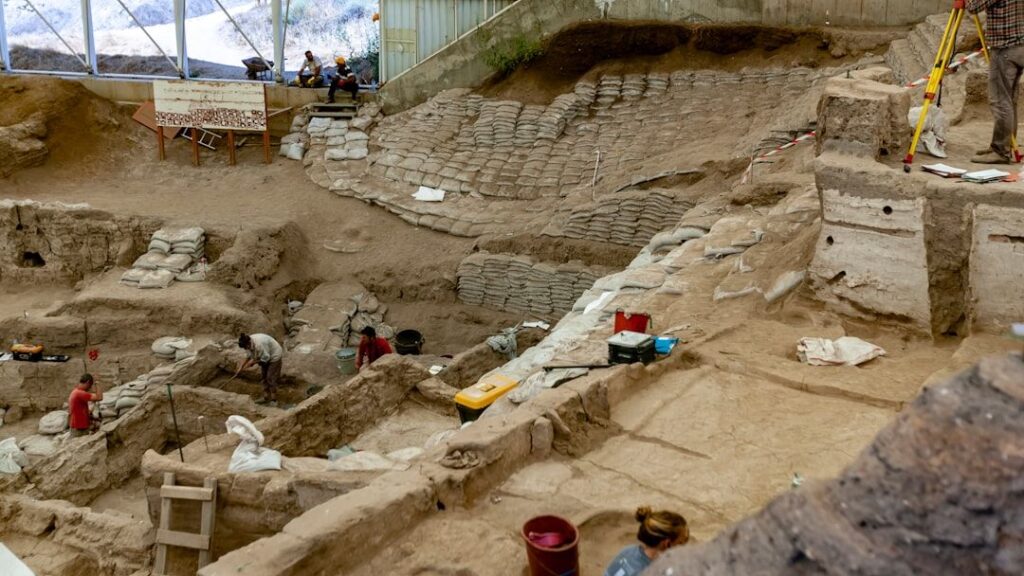

Every so often, archaeology drops a bombshell on the table and then, instead of telling the world everything, the arguments start quietly in conference rooms, review boards, and late-night email threads. Most people only see the neat headline or the museum label; they never witness the messy part where experts fight over dating methods, secret excavation notes, professional reputations, and sometimes even national pride. If you have ever wondered why some discoveries seem to vanish for years and then suddenly reappear with a totally different story, this is the world you are peeking into.
What follows is not a list of crystal‑clear answers but of fault lines: those discoveries that split scholars, triggered embargoes, fueled whisper campaigns, and forced everyone to ask what we really know about the past. Some of these finds turned out to be genuine game‑changers, others look shakier as time goes on, and a few may never be fully resolved. But they all share one thing: at some point, people in charge chose to argue in private rather than admit, in public, that the past had just become a lot more complicated.
The Dead Sea Scrolls And The Long Silence
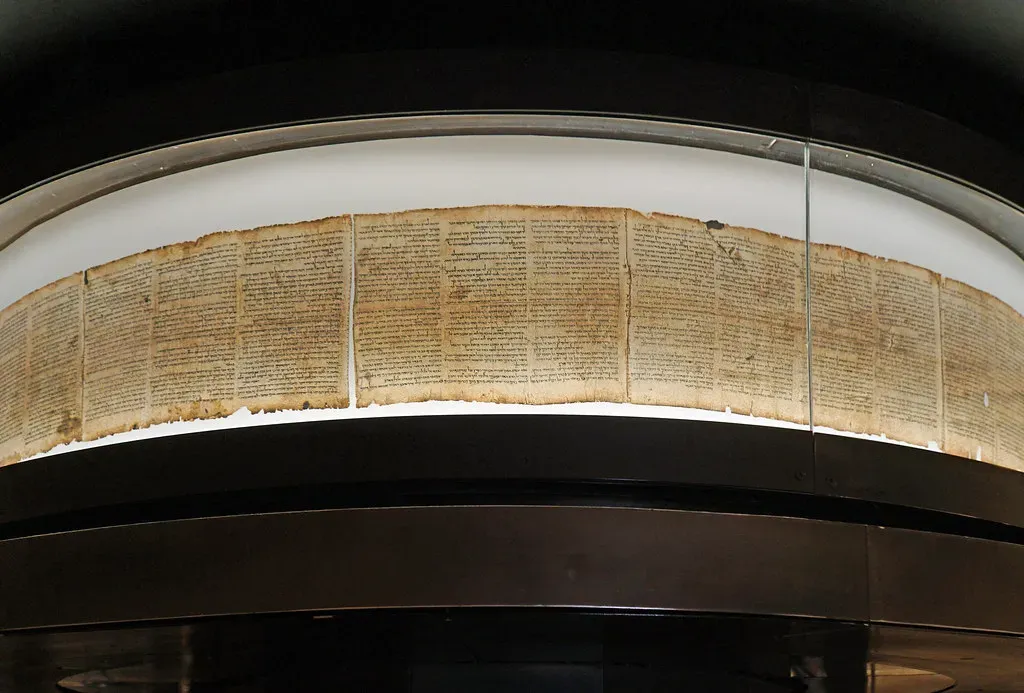
Imagine unrolling a two‑thousand‑year‑old scroll and realizing it changes how we see the Bible, Judaism, and early Christianity all at once. That is essentially what happened with the Dead Sea Scrolls, discovered in caves near Qumran starting in the late 1940s, and then slowly trickling into scholarly hands. Behind the scenes, though, access to the scrolls was tightly controlled for decades by a small team, and this created simmering anger in the wider academic community that could not get close to the raw material. The secrecy was often justified as “protecting” fragile texts, but many researchers suspected it was just as much about guarding prestige and managing the interpretation.
Inside closed seminars and restricted reading rooms, fierce debates broke out over who wrote the scrolls, how they related to the Hebrew Bible, and whether they hinted at early Christian ideas before Christianity technically existed. Some scholars pushed interpretations that linked particular texts directly to the historical Jesus or to specific sects, while others fought back, warning that the evidence was far too thin for such claims. Over time, as more photographs and editions were finally released and digital projects opened access, many of the more dramatic private arguments softened in public, but the episode remains a cautionary tale of how control over data can shape what the world is allowed to believe.
The Turin Shroud And The Battle Over Faith And Fibers
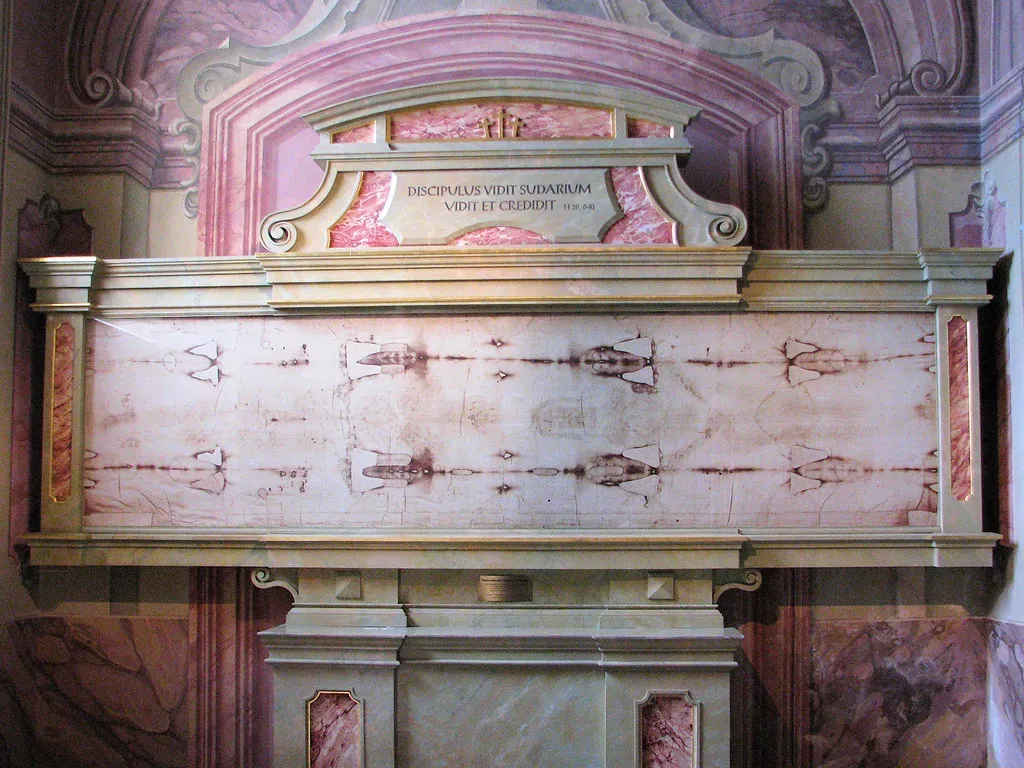
Few artifacts have sat more awkwardly at the crossroads of belief and laboratory testing than the Shroud of Turin. For some, it is a sacred relic bearing the image of Jesus himself; for others, it is a brilliant medieval forgery burned into cloth by unknown techniques. When radiocarbon dating in the late 1980s suggested the cloth dated to the Middle Ages, many scientists thought the case was closed, but behind closed doors in church offices and specialized labs the story was far from over. Questions about sampling methods, contamination, and even internal lab protocols kept resurfacing and were often discussed privately long before cautious public statements appeared.
Part of what made the debates so intense was that everyone knew any new result would instantly become a weapon in a cultural war rather than just another data point. Some researchers argued for additional tests on different parts of the cloth, believing the original sample might come from a rewoven or repaired area; others flatly rejected reopening the issue, worried it would invite endless controversy. In confidential meetings, committees had to decide not just what the data showed, but whether releasing more technical details would clarify things or simply fan the flames. The result is a strange stalemate in which the shroud is endlessly analyzed in fringe corners and popular media while many mainstream experts quietly keep their distance.
Göbekli Tepe And The Sudden Rewrite Of Prehistory
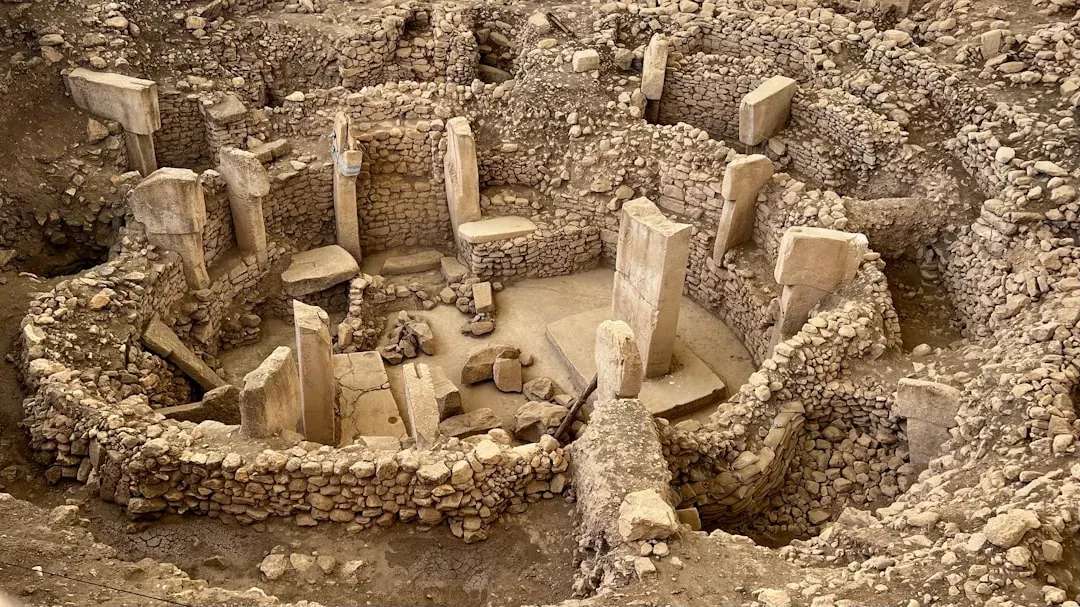
When Göbekli Tepe in southeastern Türkiye first hit the international radar, it looked like a harmless curiosity: a prehistoric site with big stone pillars decorated with animals. Then the dating results came in, and the implications hit like a truck. These megalithic structures seemed to predate agriculture and settled village life, flipping the old logic that farming led to temples, not the other way around. Within specialist circles, this triggered intense, sometimes uncomfortable conversations about whether the standard story of “civilization” was far too simple.
In closed workshops and project meetings, archaeologists argued over whether the dating was really as solid as claimed, whether earlier layers were being over‑interpreted, and how much ritual complexity could be inferred from carved stones alone. Some researchers loved the idea of Göbekli Tepe as a radical reset button, while others warned against turning it into a magical origin point for religion or social hierarchy. There were also quieter politics around who got excavation permits, who controlled the narrative in major publications, and which rival sites might suddenly seem less special by comparison. The public saw headlines about the world’s oldest temple; the real tug‑of‑war over what that meant played out mostly in invitation‑only rooms.
The Piltdown Man Hoax And The Embarrassed Establishment
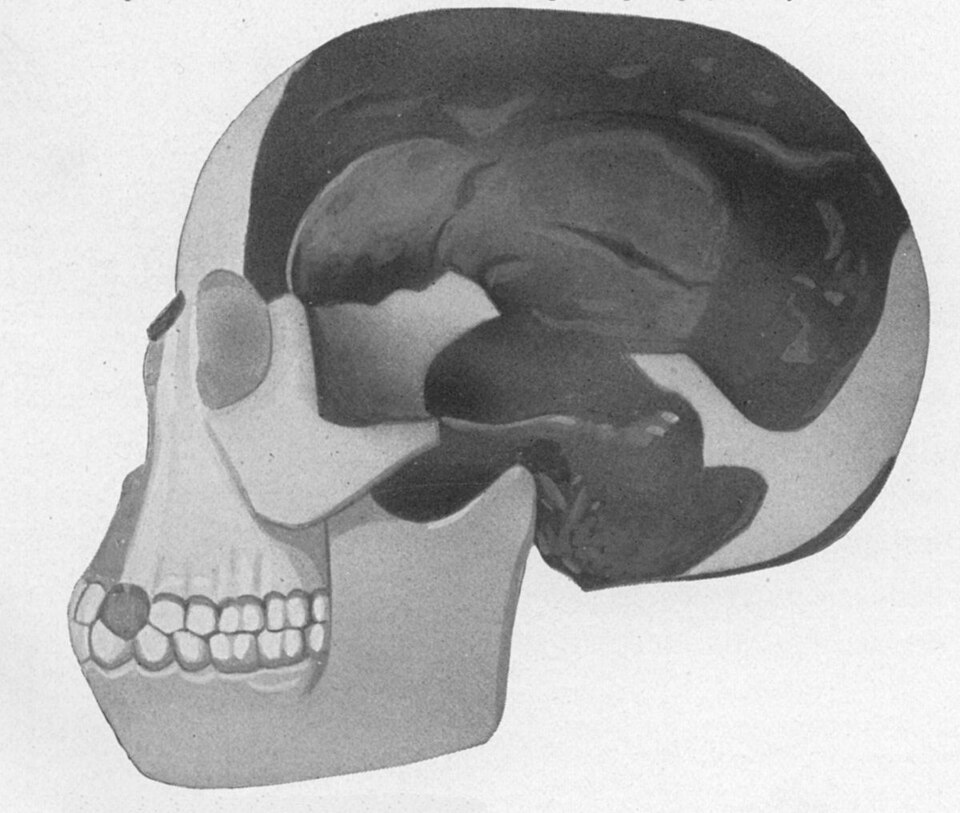
Piltdown Man is the nightmare scenario every scientist secretly dreads: backing the wrong horse in front of the entire world. Announced in England in the early twentieth century as a crucial “missing link” in human evolution, the fossils neatly fit what many British scientists wanted human origins to look like. For years, dissenting voices were softened or brushed aside in official publications, while doubts were passed around more bluntly in private letters and side conversations at conferences. No one wanted to be the person publicly accusing prestigious colleagues of either incompetence or fraud without ironclad proof.
As methods improved and new hominin fossils appeared elsewhere, the Piltdown material looked stranger and stranger, but the real unravelling happened largely behind the scenes. Quiet re-examinations, hushed lab tests, and cautious internal reports eventually made it impossible to ignore that the specimen was a composite fake made from human and orangutan bones. Once the hoax was officially exposed, everyone rushed to emphasize how relieved they were, but the most honest reflections came later, admitting that nationalism, professional deference, and fear of controversy had kept serious objections out of the spotlight for far too long. Piltdown became less a story about a clever forger and more a warning about the dangers of closed‑door groupthink.
The Antikythera Mechanism And The Limits Of Ancient Tech
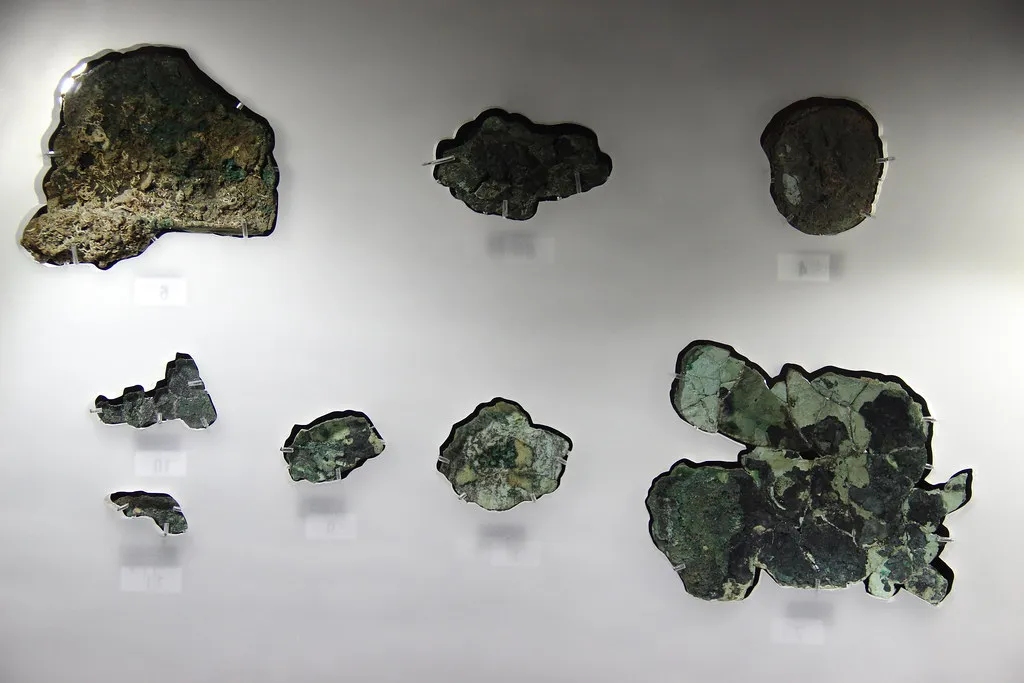
The Antikythera mechanism, fished out of a Roman‑era shipwreck off Greece in the early twentieth century, looked at first like a corroded lump of bronze. Only later did X‑rays and painstaking reconstruction reveal an intricate gear system that functioned like a mechanical computer for tracking the motions of the heavens. That alone was astonishing, but the really heated discussions happened in small technical workshops where specialists tried to agree how precise it truly was and what that implied about lost ancient engineering traditions. Some argued that such a device proved a level of mechanical sophistication far beyond what textbooks allowed for that period.
Behind closed doors, you had physicists, classicists, and engineers arguing over tooth counts, missing gears, and whether certain dials implied predictive eclipse cycles or just decorative ambitions. There were also disagreements about how representative the device was: was it one genius’ experimental showpiece, or the tip of a much larger iceberg of undiscovered devices? Funding bodies and museum boards quietly had to decide whether to pour resources into similar underwater surveys, betting that more such finds might be out there. To the public, the mechanism is a cool curiosity that pops up in documentaries; within the field, it has been a slow, sometimes fractious negotiation over how far we are willing to stretch our picture of ancient scientific capability.
The Kennewick Man Remains And Cultural Ownership
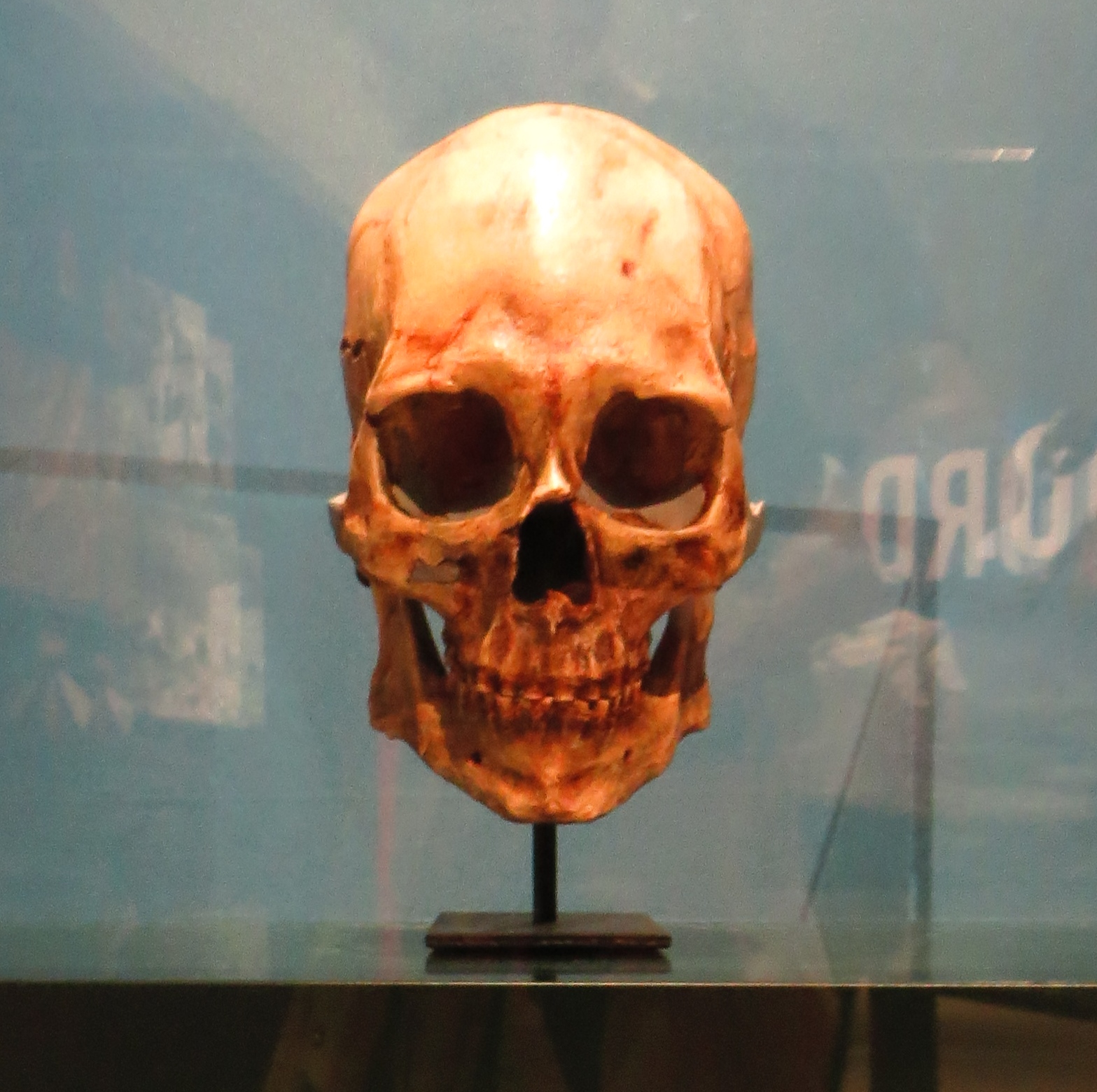
In the mid‑1990s, human remains found near Kennewick, Washington set off one of the most emotionally charged archaeological disputes in recent memory. Initial analyses framed the skeleton in ways that some took to suggest a distant origin rather than clear ties to modern Native American tribes, and that language shaped early legal and scientific reactions. What the public mostly saw were courtroom battles and press conferences, but a lot of the fiercest debates really happened in closed meetings between tribal representatives, government agencies, and academic committees wrestling with ethics, law, and identity.
In those non‑public rooms, people argued over how to interpret scientific uncertainty, what “affiliation” actually meant, and who had the right to decide the fate of ancestral remains. Some scientists pushed for extended study, warning that reburying the skeleton would mean losing unique information about early populations in North America. Tribal leaders, on the other hand, emphasized long‑standing connections to the land and the spiritual obligations they felt toward the dead, arguing that speculative research value did not override cultural responsibilities. Eventually, advances in genetic analysis shifted the technical conversation and supported affiliation with Native communities, leading to reburial, but the bruises from the behind‑the‑scenes confrontations still influence how similar cases are approached today.
The Vinland Map And The Temptation Of Being First
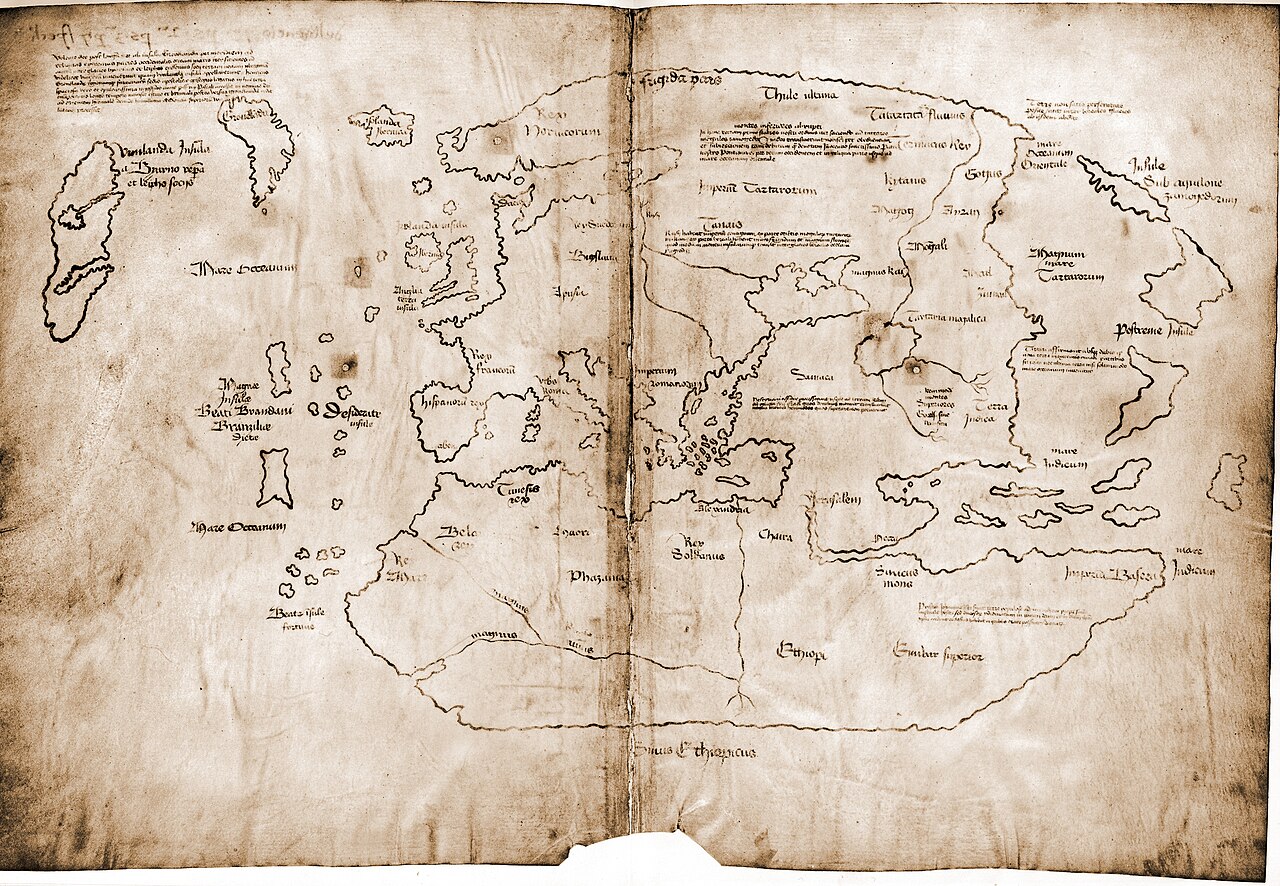
The Vinland Map burst into public view in the 1960s as a supposed medieval chart showing part of North America, apparently confirming that Norse explorers reached the continent long before Columbus. The idea was alluring, especially to institutions eager to host a “first map of America,” but the scholarly reaction was anything but united. From the start, some specialists doubted the ink composition and stylistic features, but early doubts were often couched in careful language or shared in private memos rather than shouted from the rooftops. No one wanted to be wrong about a document that, if genuine, would be one of the century’s star artifacts.
Over the years, a string of chemical and historical analyses increasingly suggested the map was a modern forgery, yet the process of actually admitting that publicly moved at a glacial pace. Internal reports, lab disagreements, and institutional pride all played a role in delaying decisive statements; museums are not keen to announce that a prized object might be fake. In closed‑door debates, curators and scientists had to decide whether to foreground the doubts or keep emphasizing the possibilities. Eventually, the weight of evidence pushed the consensus toward forgery, but the long reluctance to say so bluntly reveals how prestige and the desire to have a world‑famous object can warp the normal rhythms of academic skepticism.
Nebra Sky Disc And The Question Of Context
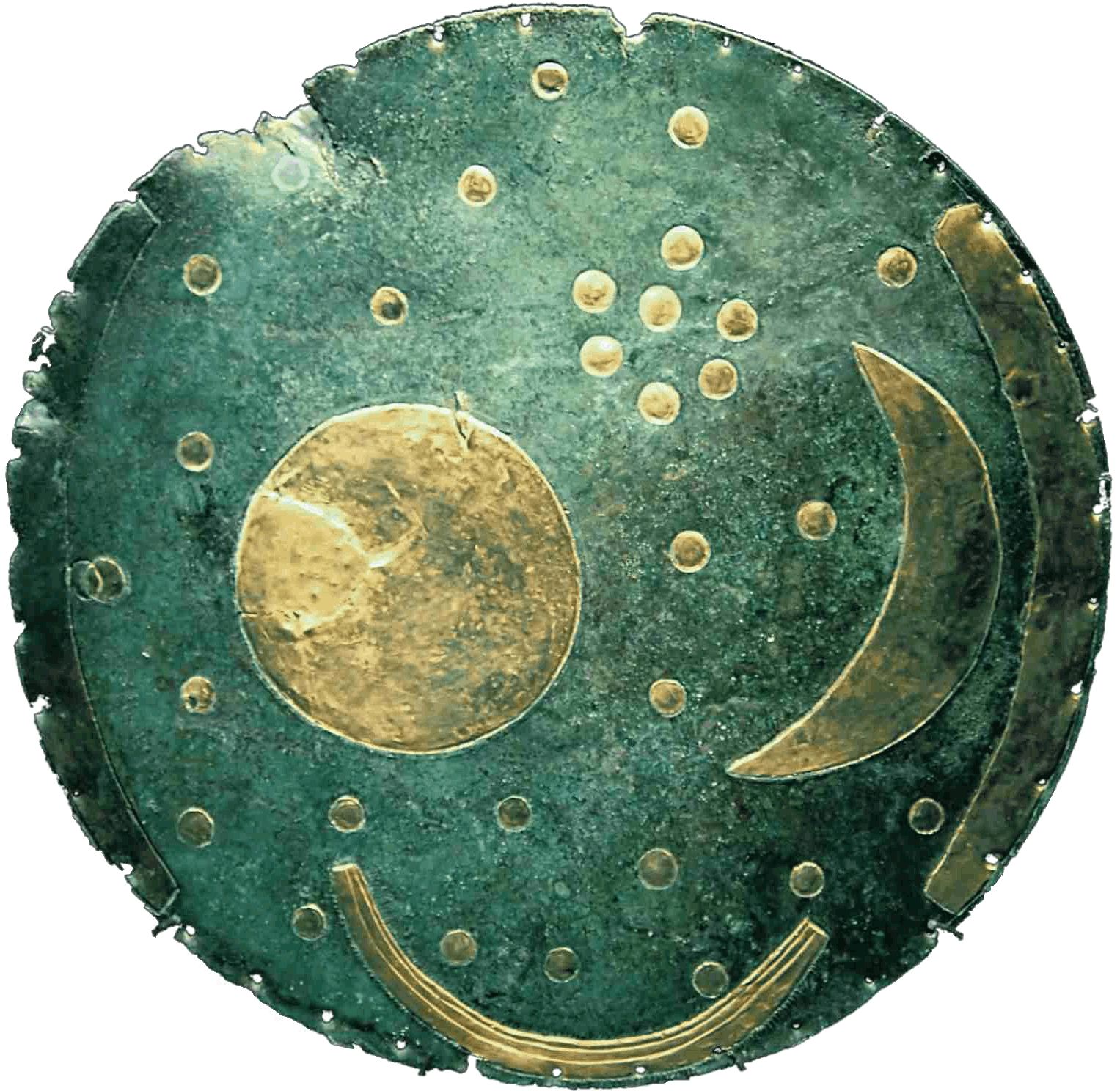
The Nebra Sky Disc from Germany, a bronze plate inlaid with gold symbols that appear to depict a night sky, looks more like something out of a fantasy novel than a Bronze Age hoard. That visual drama made it instantly iconic, but it also magnified the stakes of getting its story right. The disc was found under shady circumstances by looters and only later recovered by authorities, which meant its archaeological context was patchy from day one. In specialist circles, this ignited heated conversations about how much you can trust a narrative built on partial, secondhand excavation details, even when later controlled digs try to reconstruct the context.
Behind the scenes, some archaeologists embraced the disc as evidence for sophisticated prehistoric sky knowledge and long‑distance cultural connections, while others worried that the initial illicit recovery compromised every subsequent claim. Lab tests on metals and corrosion patterns, stylistic comparisons, and even microscopic wear analysis all became battlegrounds for arguing either for or against its proposed age and significance. Funding committees and heritage offices had to make decisions about displays, UNESCO‑style branding, and tourism campaigns while experts still disagreed sharply. The disc is now widely promoted as a key Bronze Age artifact, but under the polished museum lighting, the unresolved backstage arguments about context never fully disappear.
Ancient DNA From Elite Tombs And The Genetics Of Power

Over the last couple of decades, advances in ancient DNA have allowed scientists to pull genetic data from royal tombs, elite burials, and mass graves once thought scientifically untouchable. On paper, that sounds purely exciting, but in reality it has sparked some of the most intense behind‑the‑scenes debates in modern archaeology. When results hint that a ruling dynasty might not share close biological ties with the local population, or that a famous tomb is not related to the line long assumed, the implications can be politically explosive. Committees in charge of national heritage have sometimes quietly slowed or blocked publication while they weighed how such findings might disrupt cherished narratives.
Inside restricted meetings, you will hear arguments not only about contamination controls and statistical models, but about what it means to link identity to DNA in the first place. Some researchers are enthusiastic about using genetics to test old historical claims; others worry it can be misused to justify modern ethnic or nationalist agendas. There have also been disputes about who gets samples from very high‑profile burials, with concerns that a small circle of labs might monopolize the data and frame the story. To the broader public, ancient DNA is often presented as a clean, objective truth; in reality, every dataset comes with a trail of difficult conversations over what should be sequenced, who should analyze it, and how loudly the results should be shouted.
The Baalbek Megaliths And The Shadow Of Pseudoarchaeology
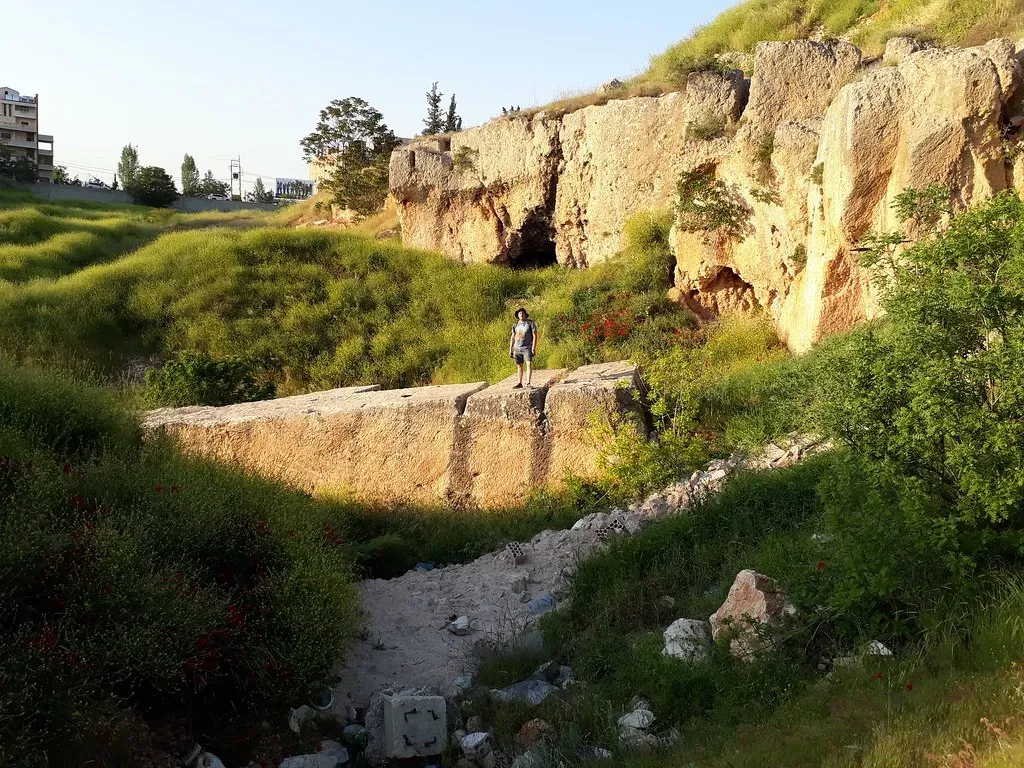
The massive stone blocks at Baalbek in Lebanon, some weighing hundreds of tons, have long fascinated visitors and fueled wild ideas about lost technologies or even non‑human builders. Serious archaeologists roll their eyes at the more extreme claims, but that does not mean there are no real debates. In technical workshops and excavation planning sessions, experts quietly argue over practical engineering questions: what sort of ramps, levers, or workforce organization would realistically be needed to move stones of that scale with ancient tools? Disagreements over the most plausible scenarios can get surprisingly heated, especially when someone’s favored model is challenged by new measurements or structural analyses.
There is also a more strategic kind of behind‑closed‑doors discussion: how much to publicly engage with sensationalist narratives that attribute Baalbek to aliens or lost super‑civilizations. Some scholars argue that staying silent leaves the field open to speculation, while others believe that debating fringe claims in public just lends them visibility they do not deserve. Heritage officials, caught in the middle, have to decide what kind of signage, tours, and outreach to support, knowing that mystery sells tickets but can also erode trust in serious research. In my view, Baalbek illustrates a bigger tension in archaeology right now: the struggle to keep explanations grounded and human while acknowledging that the sheer ambition of some ancient projects still takes your breath away.
Conclusion: Why The Real Drama Stays Offstage
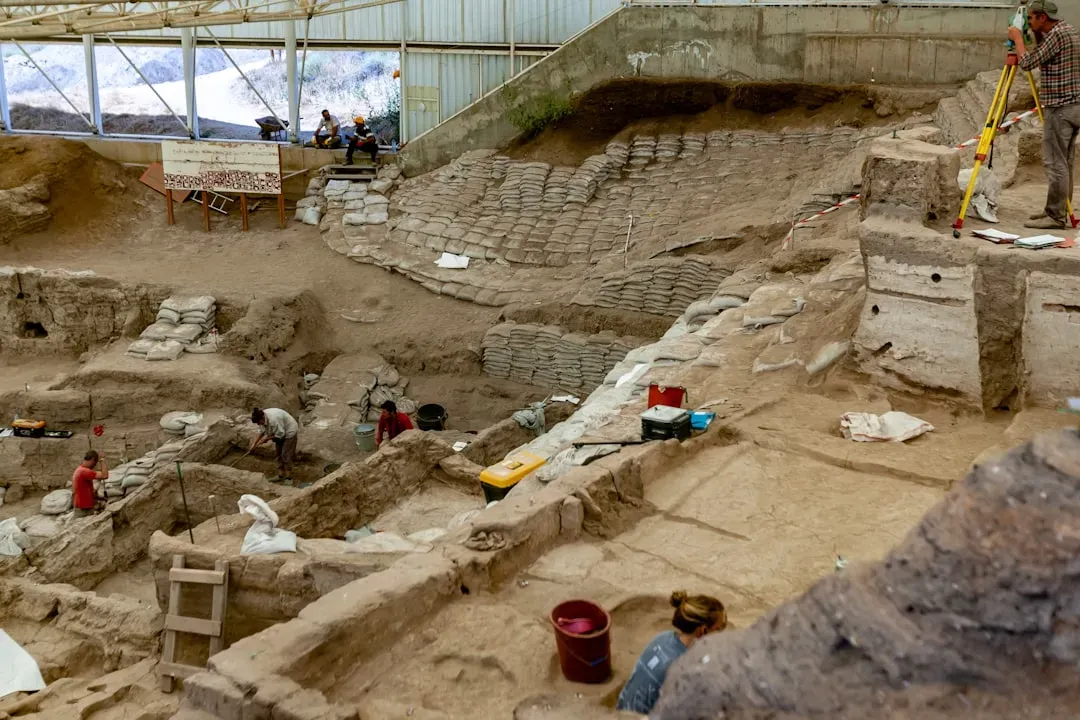
What ties all these cases together is not a single conspiracy but a pattern of very human instincts: protect your reputation, defend your favorite theory, avoid upsetting powerful institutions, and try not to hand easy ammunition to bad‑faith critics. From my perspective, archaeology is at its weakest when it lets those instincts dictate who gets access, how fast uncomfortable data are released, or how honestly uncertainty is discussed. Closed‑door debates are not inherently bad; in fact, you want experts to hammer at each other’s ideas before making bold public claims. The problem starts when that private process never quite makes it into the open and the story presented to the public is smoother, simpler, and more confident than the evidence really allows.
At the same time, these controversies are precisely what make the field so alive: the slow humiliation of Piltdown, the dizzying possibilities of Göbekli Tepe, the ethical reckoning sparked by Kennewick, the quiet shock of ancient DNA showing how messy human histories really are. If anything, I think we should demand more transparency about the arguments, the false starts, and the political pressures that swirl around big discoveries, not less. The past is not a tidy museum exhibit; it is an ongoing negotiation between bones, artifacts, and the people who interpret them, with all their biases and blind spots. Knowing that, which part of the story will you pay more attention to next time: the polished headline, or the murmurs from the room where the real fight is happening?