Yellowstone has always had a kind of mythical status in the public imagination – a sleeping giant that could, in theory, change the planet in a matter of days. So when people hear that its behavior has shifted, it instantly triggers a mix of fascination and dread. The truth is more nuanced and, in many ways, more interesting than the doomsday headlines: Yellowstone is restless, but restlessness is actually its normal state.
What has really changed in recent years is not that Yellowstone is suddenly “about to blow,” but that scientists are detecting subtle shifts in its patterns with better instruments and richer data. Think of it less like a monster waking up and more like finally getting high‑definition audio on a soundtrack that has always been playing in the background. In that sharper soundscape, three warning signs stand out: earthquake swarms, ground deformation, and changes in hydrothermal and gas activity. None of them mean an imminent super-eruption on their own, but together they form a kind of dashboard that volcanologists watch with almost obsessive attention.
Yellowstone’s “New” Pattern: Restless, But Not Reckless
Here’s the first surprising truth: Yellowstone has never been quiet. The caldera breathes, the ground subtly rises and falls, and small quakes are constantly rattling beneath the surface. What has changed over the last couple of decades is the pattern and tempo of this restlessness. Periods of uplift and subsidence have become more clearly defined, earthquake swarms sometimes cluster in new areas, and some thermal features shift from dormant to active more abruptly than older records suggest. Part of that is natural variability in a complex magmatic system; part of it is that our instruments are finally good enough to notice the difference.
Scientists are cautious about calling this a “new” pattern because Yellowstone’s geologic memory stretches over hundreds of thousands of years, while our modern measurements cover only a few decades. Still, when GPS stations show the ground moving centimeters over a season, or when activity migrates from one sector of the caldera to another, that gets attention. From my perspective, the most important shift is not that Yellowstone is more dangerous today, but that we’re finally treating it like the intricate, living system it is, instead of a simple on‑off volcano that is either “dormant” or “erupting.” That mental reset alone changes how we interpret every twitch and tremor.
Warning Sign #1: Earthquake Swarms – The Constant Murmur Beneath Your Feet
If Yellowstone had a heartbeat, it would be its earthquakes. The region experiences hundreds to thousands of small quakes in a typical year, most too weak for visitors to feel. What makes scientists sit up straighter are earthquake swarms – clusters of many small quakes in a localized area over days or weeks. These swarms can occur without any eruption, and historically, they often have. They usually reflect fluids and gases moving through cracks and faults, or small adjustments in the crust as magma slowly shifts at depth.
When people hear “swarm,” they often imagine a countdown clock to disaster, but that’s usually not how it works. Yellowstone has had large swarms in the past that came and went without any surface eruption at all. The real concern comes if the character of the swarms suddenly changes: quakes getting shallower, stronger, and more frequent in a tight area, especially if they line up with other warning signs like ground bulging and changing gas emissions. I sometimes think of it like noise in an apartment building; a few bumps and thuds are normal, but if the floorboards above you start creaking in a steady rhythm and you smell smoke, that’s when you go check what’s going on.
Warning Sign #2: Ground Deformation – The Caldera’s Slow, Uneasy Breathing
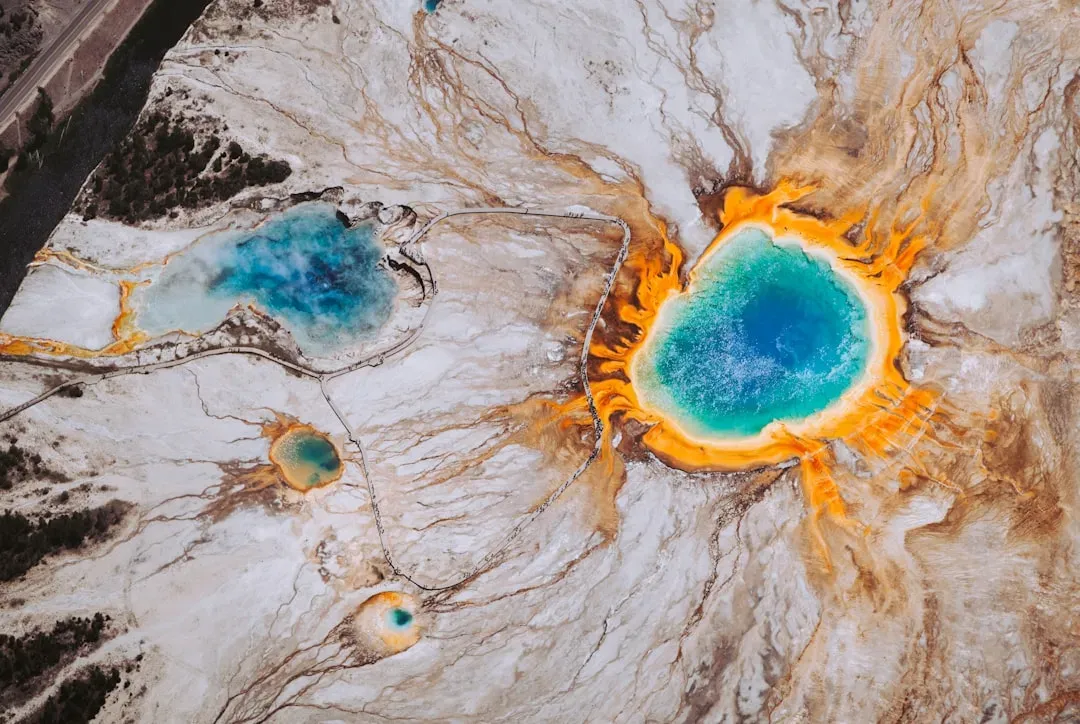
Yellowstone’s surface literally rises and falls over time, like a giant stone lung. Sensitive GPS and satellite radar measurements have revealed periods where some parts of the caldera have risen several centimeters over a year, followed by slower subsidence. These changes are usually caused by shifts in underground magma bodies or pressurized hydrothermal fluids. A bit of uplift by itself is not alarming; in a volcanic system this big, it is practically expected. What matters is how fast it happens, how widespread it is, and whether it coincides with other changes.
When uplift accelerates or focuses in an unusual area, it suggests that something is changing in the plumbing system: magma intruding into a different pocket, or a reservoir of hot fluids pressurizing more than usual. Scientists map these movements over time to build a kind of 3D time‑lapse of Yellowstone’s interior. Personally, I find this deformation data one of the most compelling arguments against the dramatic movie version of an eruption. Instead of a sudden, surprise catastrophe, the caldera tends to telegraph its moods slowly, in centimeters and millimeters, long before anything explosive happens at the surface.
Warning Sign #3: Hydrothermal Changes and Gas Emissions – The Volcano’s Voice
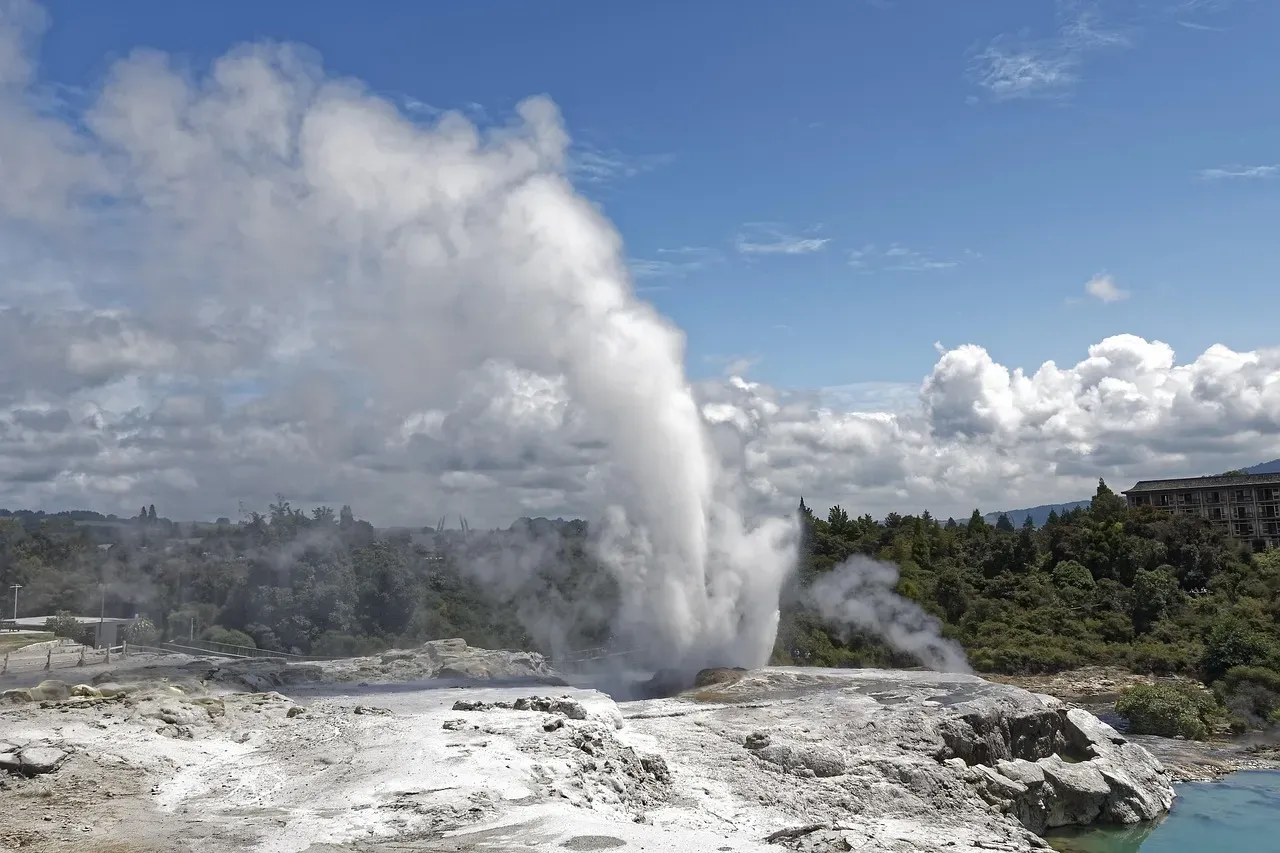
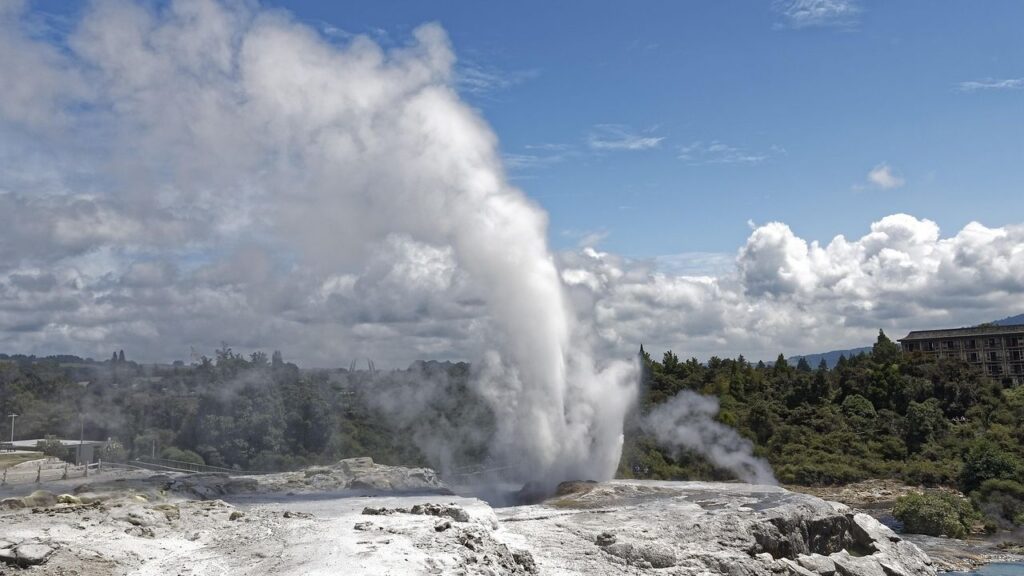
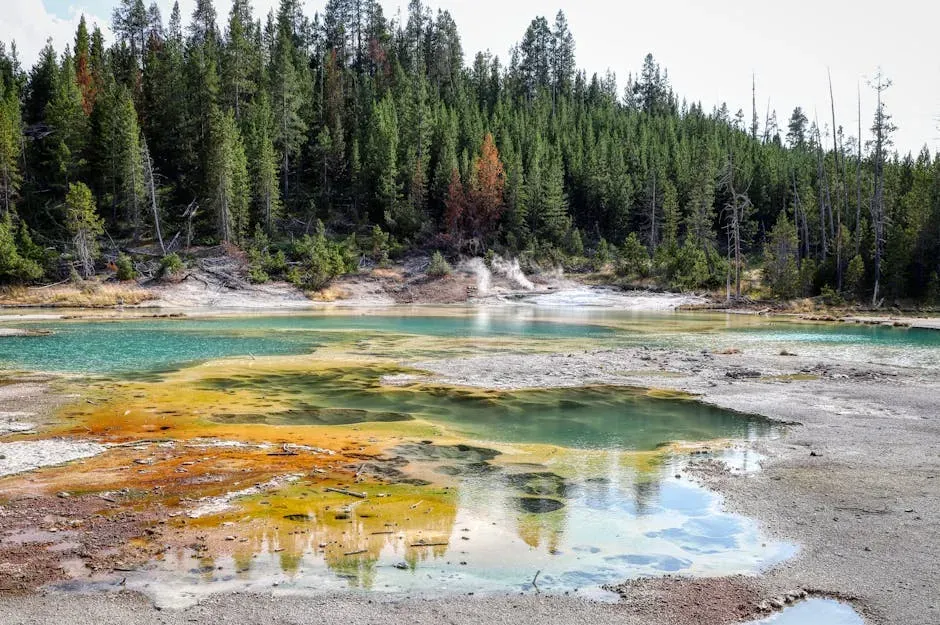
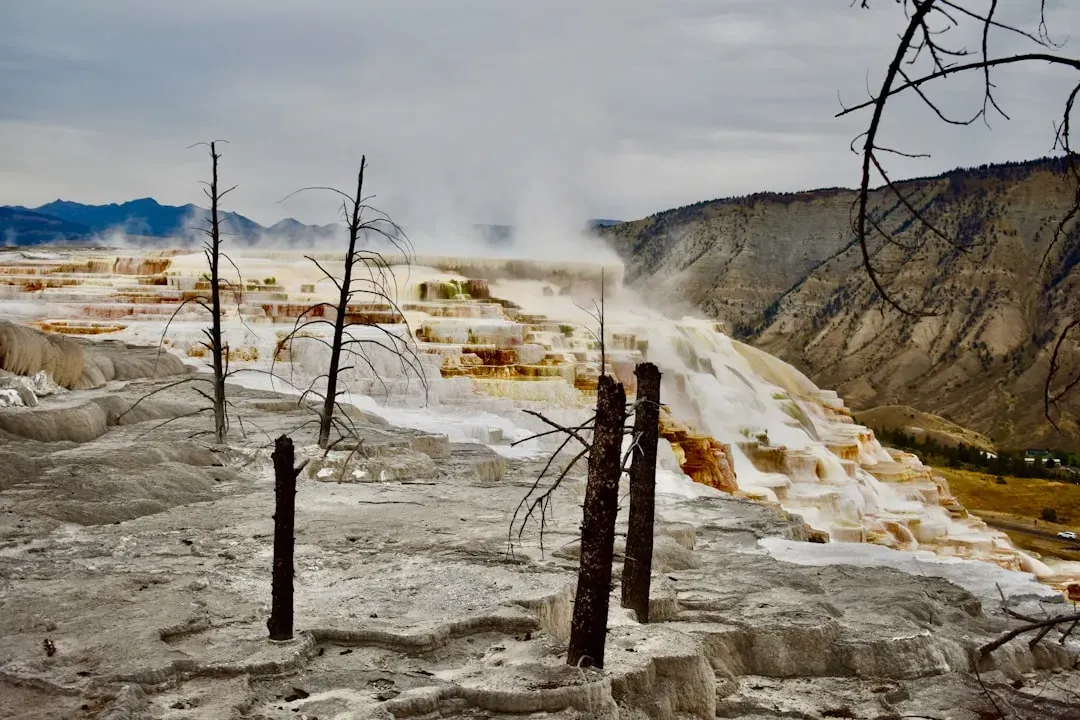
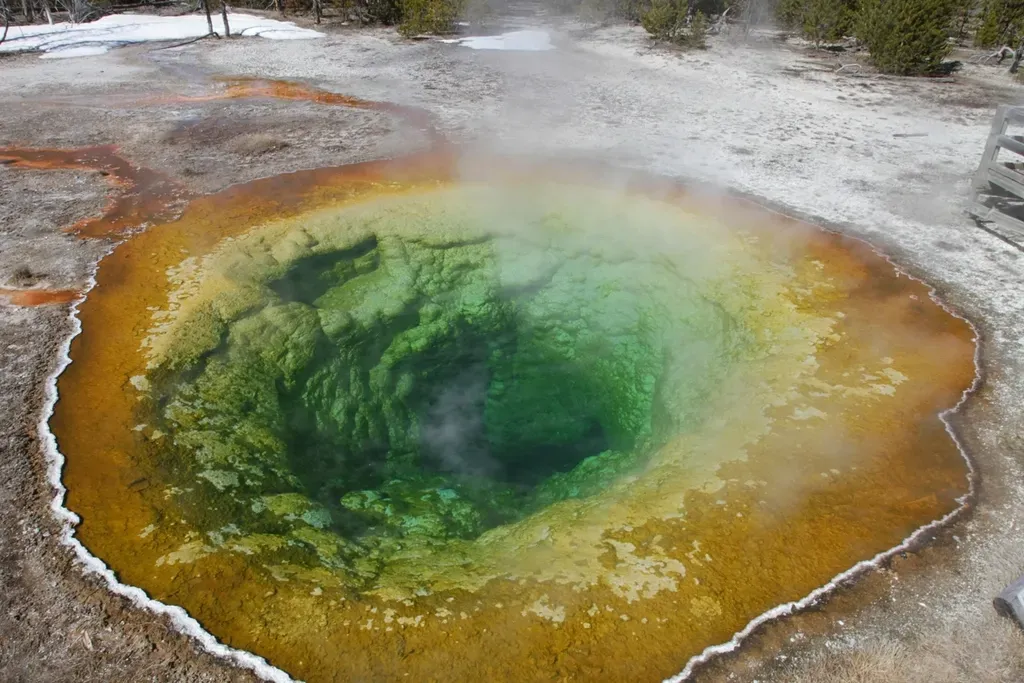
Geysers, hot springs, mud pots, and fumaroles are Yellowstone’s way of talking. Changes in their behavior can be subtle or spectacular: a dormant geyser suddenly roaring back to life, a spring shifting color as its chemistry changes, or a new fumarole venting steam where the ground was quiet before. These shifts often reflect changes in the flow of hot water and steam, or blockages opening and closing within the hydrothermal system. They do not automatically mean magma is on the move toward the surface, but they are crucial clues about how pressure and heat are being redistributed underground.
On top of that visible drama, there’s an invisible one: gases like carbon dioxide and sulfur compounds seeping from the ground. Scientists track how much gas is released, and in what ratios, because gas chemistry can reveal whether the source is mostly shallow hydrothermal activity or deeper magmatic processes. I think of these gases as the volcano’s breath pattern; a sudden, sustained shift toward more magmatic signatures, paired with stronger swarms and rapid uplift, would be taken very seriously. On their own, though, even dramatic changes in individual geysers are usually local quirks, more a reminder that the system is alive than a sign that it is about to explode.
Why “Supervolcano Panic” Gets the Science Backwards
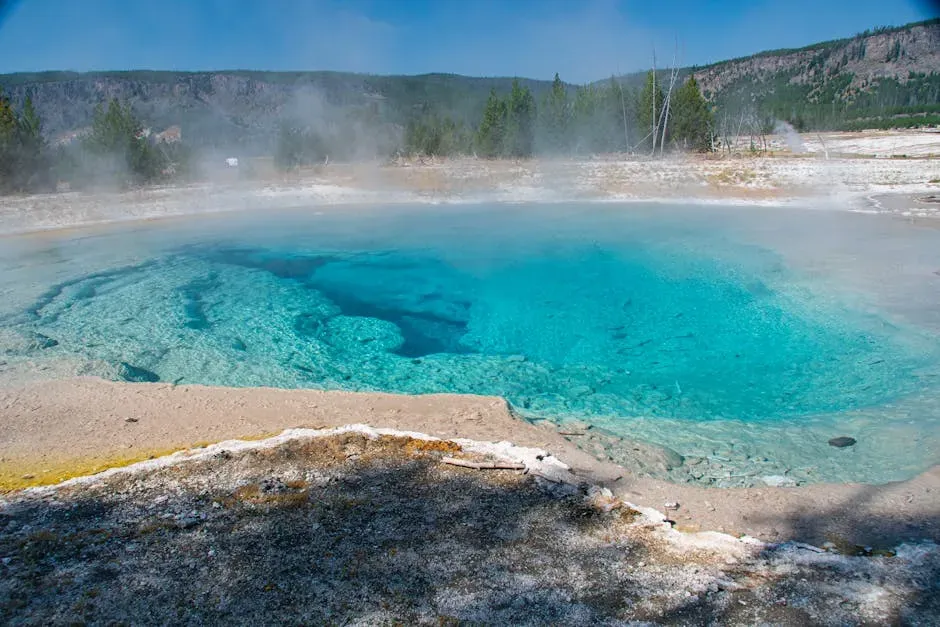
Yellowstone has been cast as a global villain in countless documentaries, clickbait videos, and disaster movies, and that constant drumbeat of doom has warped how people interpret every scientific update. When a new study mentions changing patterns, uplift, or swarms, it is easy to assume the worst. In reality, the timescale of true super-eruptions is almost unimaginably long, and the last one at Yellowstone was many hundreds of thousands of years ago. Smaller eruptions – or no eruptions at all, just hydrothermal changes – are far more likely in any human lifetime than a world‑ending event.
From my point of view, the real risk is not that scientists are missing some secret countdown, but that public fear drowns out more measured conversations about realistic hazards. Yellowstone can absolutely produce dangerous local eruptions or hydrothermal explosions, and ash from even a modest eruption would disrupt air travel and nearby communities. That deserves serious planning and funding. But jumping straight to apocalyptic scenarios every time the ground moves a little not only misleads people, it erodes trust in the experts who are actually watching the data day in and day out.
How Scientists Are Really Watching Yellowstone – And Why That Should Reassure You
Yellowstone is now one of the most heavily instrumented volcanic systems on Earth. Networks of seismometers, GPS receivers, gas sensors, temperature loggers, and satellite observations feed a steady stream of data to scientists who specialize in exactly this kind of restless caldera. They do not look at any one signal in isolation; instead, they monitor the combination of earthquake activity, ground deformation, gas chemistry, and hydrothermal changes over time. If an eruption of any serious size were brewing, the odds are high that multiple warning signs would ramp up together over weeks to months, not hours.
From what we know in 2026, the pattern shifts in Yellowstone are fascinating scientifically but not cause for panic. The caldera is active, dynamic, and occasionally dramatic, but nothing in the current data screams imminent catastrophe. Personally, I find that oddly comforting: the more we learn, the more Yellowstone looks like a complex system that gives us clues rather than a trapdoor that suddenly opens beneath our feet. If anything, the bigger challenge is making sure that monitoring networks stay funded and updated, so that future changes in those three warning signs are caught early and interpreted clearly.
Opinionated Conclusion: A Restless Giant, Not a Loaded Gun
When people ask whether Yellowstone’s changing pattern means we are “due” for a super-eruption, I think the question misses the point. Volcanoes are not overdue library books; they do not erupt on a human schedule. The best evidence we have says that Yellowstone is a restless but relatively stable system at the moment, with its three key warning signs – swarms, deformation, and gas or hydrothermal changes – flickering within the range of historical behavior. That does not mean nothing will ever happen; it means the next big chapter is unlikely to be the cinematic, end‑of‑the‑world blast that online rumors keep promising.
If anything, our obsession with super-eruptions distracts from more practical conversations we should be having about local hazards, infrastructure, and science funding. I think we should respect Yellowstone the way you respect the ocean: never underestimate its power, but do not treat every wave like an impending tsunami. The real story unfolding right now is not one of inevitable doom, but of scientists learning to read a complex, shifting pattern in ever finer detail. Maybe the more honest question to sit with is not “Will Yellowstone destroy us?” but “Are we willing to listen carefully enough to understand what it is actually telling us?”