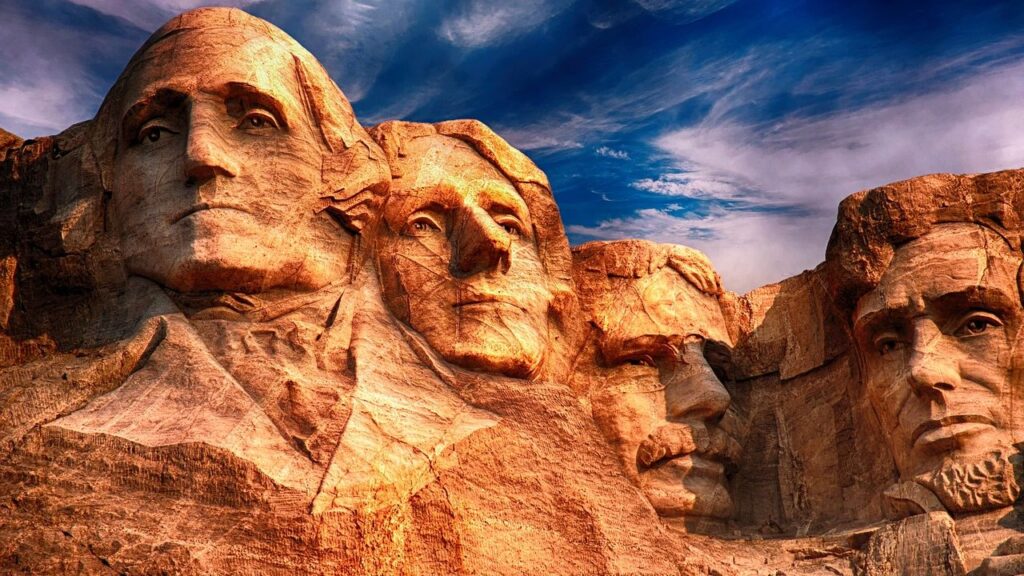
You probably grew up thinking of Mount Rushmore as this unshakeable icon carved into forever itself. Four granite faces staring out over South Dakota, frozen in time, like they could outlast everything from politics to climate change. But here’s the uncomfortable truth: even this monument to permanence is slowly, relentlessly coming apart, and the process is already well under way.
That doesn’t mean the presidents are about to crumble tomorrow, but it does mean we’ve crossed a line we rarely talk about. The rock is moving, the cracks are widening, the water is doing what water always does. Engineers and geologists are hustling to slow things down, but in the long run, they’re not in charge. Nature is. Once you really sit with that, Mount Rushmore stops feeling like a symbol of control and starts looking more like a time-lapse of our own limits.
The Granite Giant With a Built‑In Expiration Date
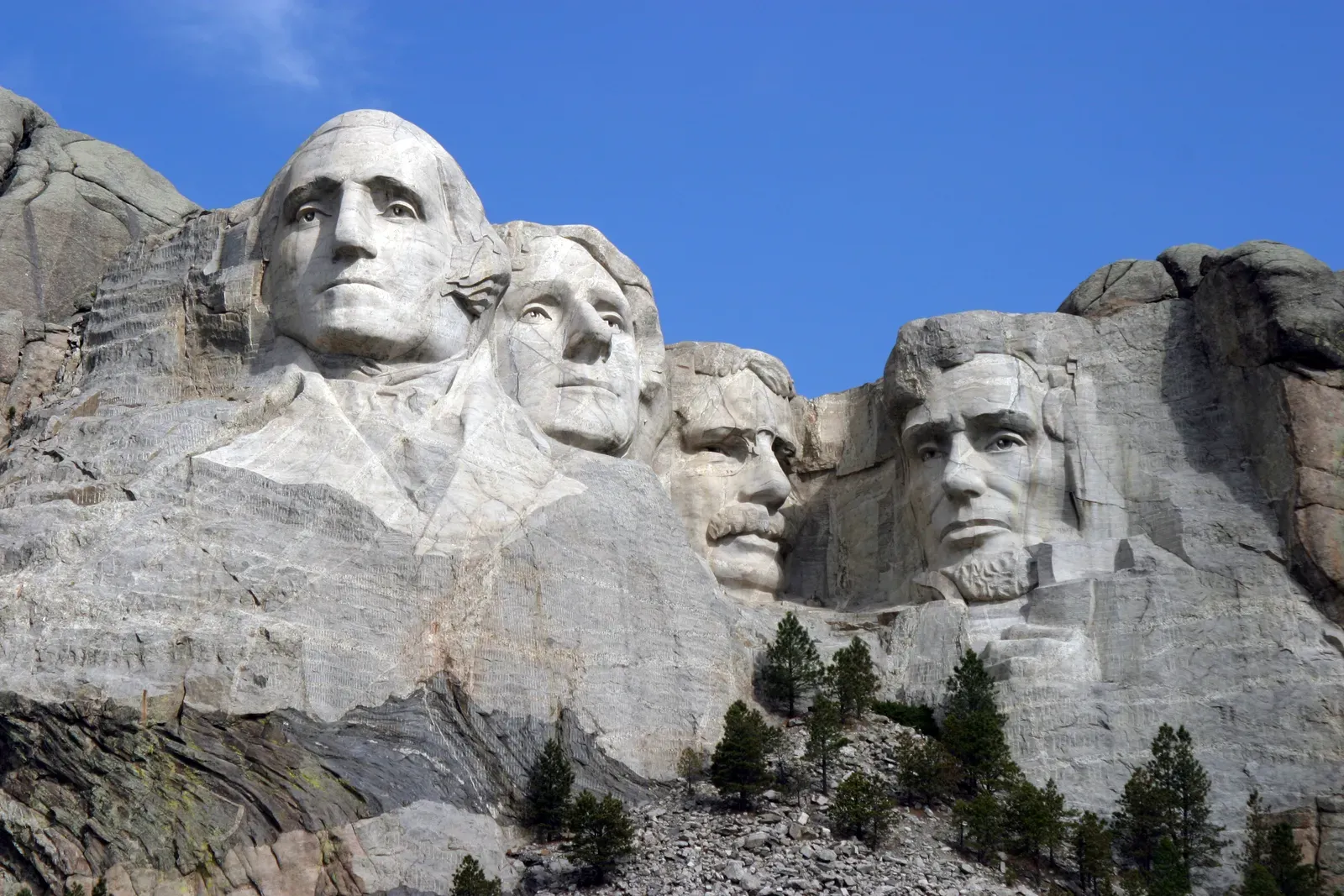
It sounds almost ridiculous at first: granite, one of the hardest common rocks on Earth, is supposed to be the stuff you choose when you want something to last. That’s exactly why Mount Rushmore was carved into a granite outcrop in the Black Hills in the first place. The idea was that these faces would stare out for thousands of years, shrugging off storms, snow, and summer heat with barely a scratch. For a long time, that assumption sat in the background, unquestioned, like a comforting myth.
But granite is not invincible; it’s just stubborn. It has joints, fractures, and mineral grains that all respond to temperature, water, and chemistry in different ways. Over decades of close monitoring, scientists have learned that the rock beneath the presidents is actively changing, even if the shifts are tiny from year to year. Think of it less as a stone photograph and more as a slow-motion sculpture being re-carved by the elements whether we like it or not. The expiration date is not tomorrow, but it’s not never, either.
How Rock Actually Falls Apart: The Science of Erosion and Weathering
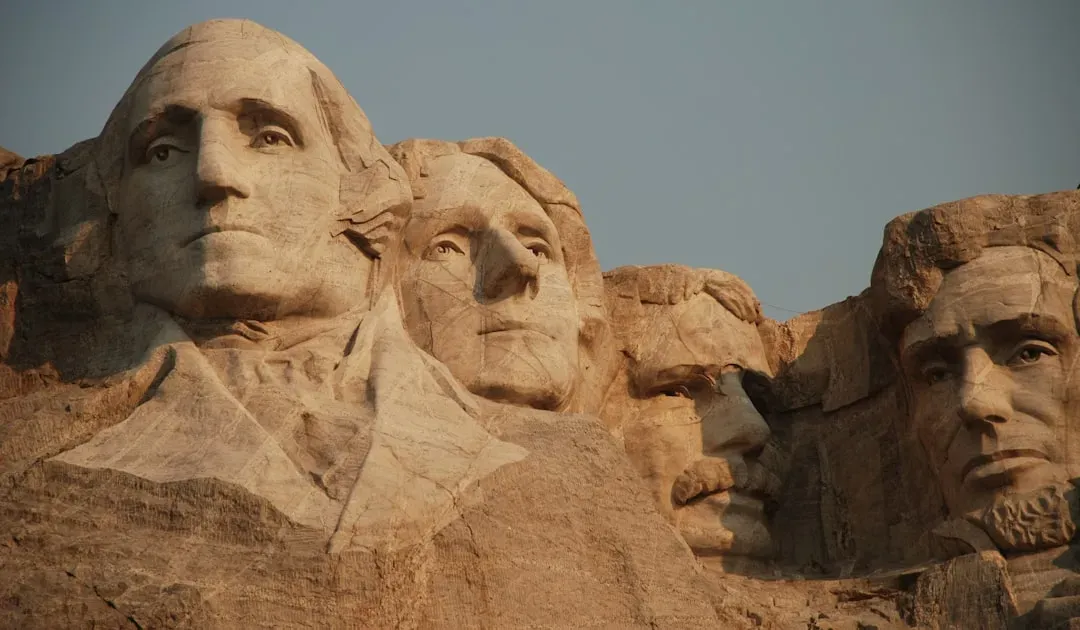
From a distance, erosion sounds simple: rock gets worn down. Up close, it’s a whole messy team sport of physics and chemistry. On Mount Rushmore, water seeps into hairline fractures, then freezes in winter, expanding just enough to wedge the cracks open a bit more. Over and over, season after season, those freeze–thaw cycles pry grains apart like a tiny chisel driven by the weather. Add gravity, and eventually little pieces of rock loosen and flake away from the surface.
At the same time, the minerals inside the granite are reacting chemically with air and water. Feldspar can slowly break down into clay-like material, and iron-bearing minerals can oxidize, weakening the surrounding structure. None of this looks dramatic in the moment; you would not notice it on a vacation selfie. But when scientists compare precise laser scans and measurements over the years, the pattern is clear: this is not a static monument, it is an active geological surface slowly shifting, cracking, and shedding material.
Cracks, Sensors, and Scans: What Monitoring Is Really Telling Us
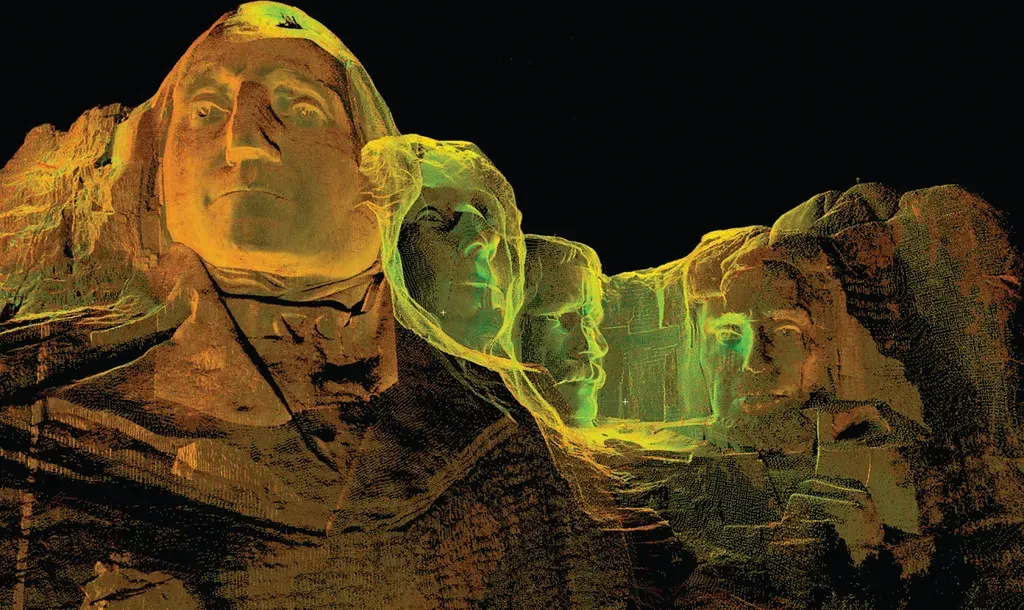
One of the most surprising things about Mount Rushmore is how closely it is watched. Engineers and geologists have installed anchors, bolts, and sealants in major fractures, and they regularly inspect and map the surface. Over time, they have used tools like high-resolution 3D scanning, photogrammetry, and ground-based measurements to track even tiny changes. What they are seeing is that certain areas are more vulnerable than once believed, especially where natural joints in the rock intersect carved features like noses, brows, and hairlines.
These measurements suggest that some zones are loosening faster than earlier back-of-the-envelope expectations assumed. You can think of it like watching cracks in an old building: at first you hope they are cosmetic, but when they continue to change, you accept that the structure is still moving. The data does not point to imminent collapse, but it does undermine the comforting fantasy that “solid granite” means essentially frozen in time. Mount Rushmore is not falling down, but it is, undeniably, a living engineering problem rather than a finished, permanent object.
Climate Change: Turning Up the Volume on Natural Processes
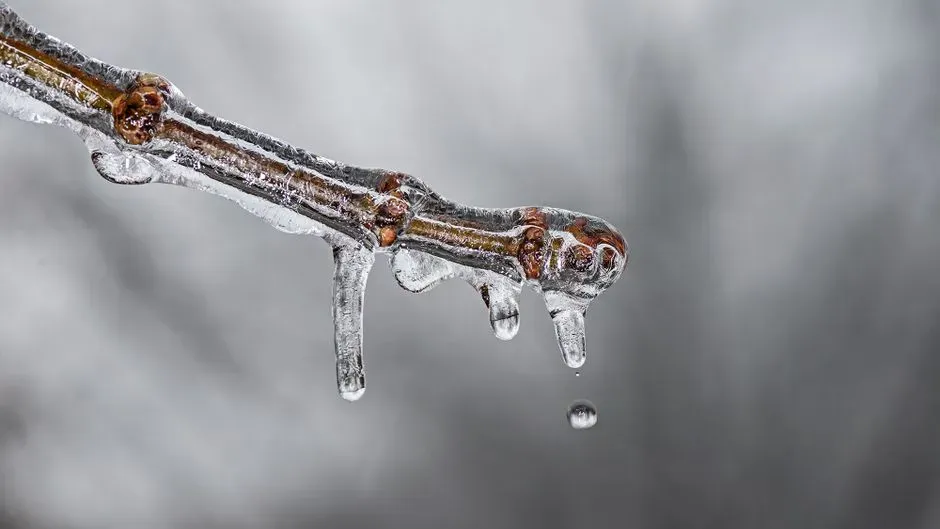
Mount Rushmore was always destined to erode, but the climate around it is shifting the rules of the game. Warmer average temperatures can mean more frequent freeze–thaw cycles right around the freezing point, which is exactly the range that wreaks the most havoc on cracks filled with water. Heavier downpours can drive more water into existing fractures, and changing snowpack patterns shift how moisture sits on and around the cliff. Each of those small changes acts like turning the dial up on weathering processes that were already in motion.
There is also the broader reality that climate extremes can stress infrastructure in ways designers did not originally anticipate. A rock face that was expected to face one rhythm of seasons is now meeting a slightly different beat. It would be misleading to say climate change alone is “destroying” Mount Rushmore, but it is fair to say it can accelerate the breakdown, even if only subtly, over decades. In that sense, the monument has become an unintended climate witness: not just to history carved into stone, but to a planet whose new normal is still unfolding.
Can Engineers Save the Faces? Why “Forever” Is Off the Table
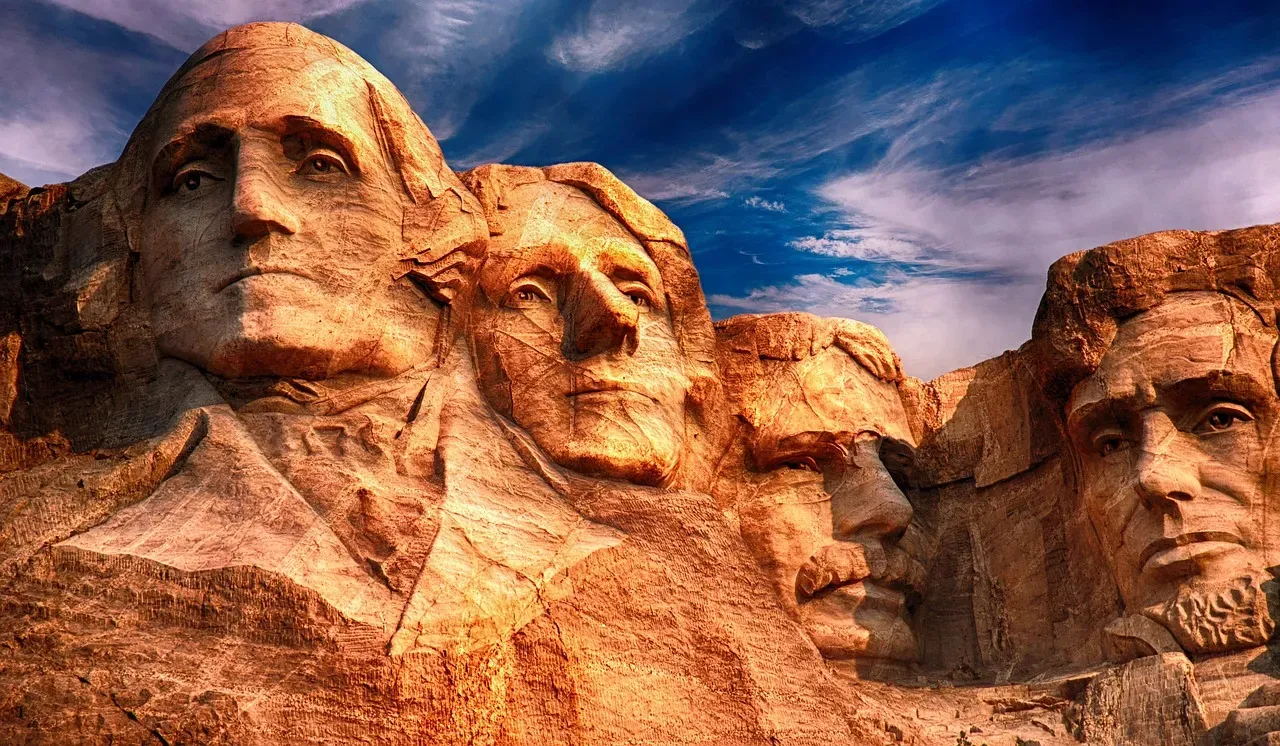
To be clear, people are not just standing by and watching Mount Rushmore peel away into dust. Workers regularly seal cracks, repair grout, and maintain drainage to keep water from collecting where it does the most damage. Stainless steel pins and anchors help hold unstable blocks in place, and inspections aim to spot trouble before it becomes dangerous rockfall. In the short to medium term, these efforts really do matter; they buy time and preserve detail that would otherwise be lost sooner.
But here’s the uncomfortable limit: all of this is mitigation, not mastery. You can slow down water, but you cannot outlaw gravity or ban winter. Every sealant eventually ages, every anchor has a lifespan, and every intervention needs human labor, funding, and political will. The rock face is hundreds of feet across and exposed to the full force of the elements; it’s not a small statue you can move indoors. Engineers can likely keep the monument recognizable for a long time, maybe centuries, but the idea that it can be locked in at some perfect state forever is more fantasy than fact.
Tourism, Safety, and the Risk We Pretend Isn’t There
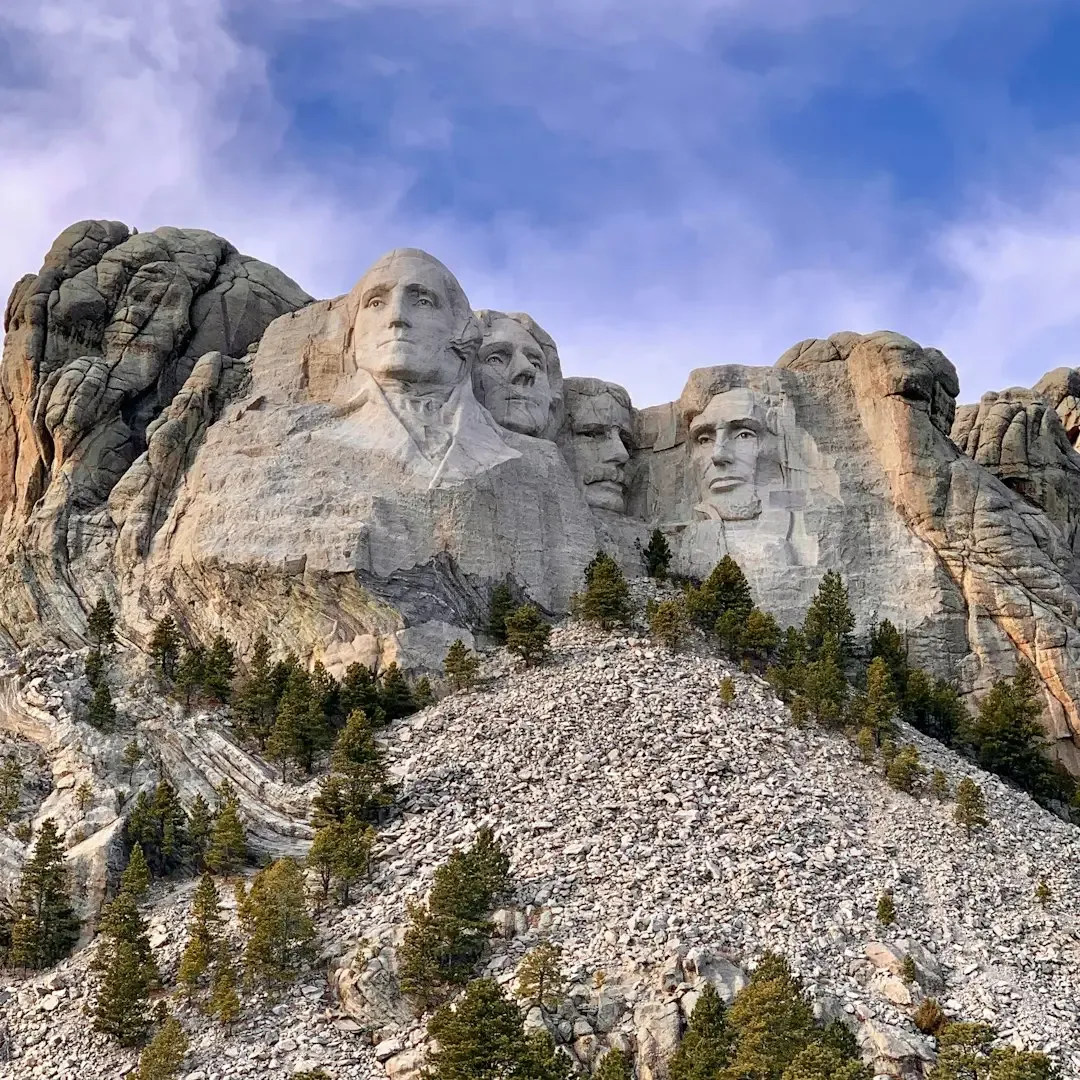
Millions of people visit Mount Rushmore in a typical year, standing under or near an immense cliff where natural rockfall is always a possibility. Managers do their best to reduce those risks through inspections, controlled maintenance, and restricted access to the steepest zones, but you can never drive the risk to zero. Over time, as erosion loosens sections and small pieces fall, decision makers might have to rethink viewing distances, protective structures, or which areas remain open to the public.
There is also a quiet tension between preserving the visitor experience and acknowledging what the science shows. People come for a feeling of awe, stability, and national pride, not for a lecture on stress fractures and freeze–thaw cycles. Yet ignoring the hazard does not make it disappear. In a sense, tourism is built on a shared agreement not to think too hard about the fact that the same gravity holding us to the ground is also tugging on every weakened block of granite above our heads.
The Symbolic Gut Punch: A “Forever” Monument That Clearly Isn’t
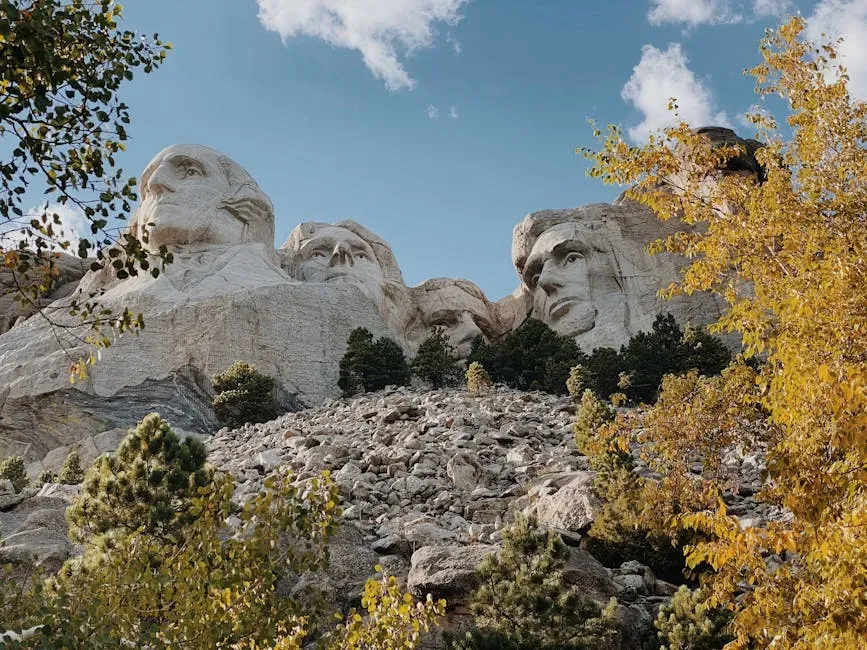
Mount Rushmore has always been wrapped up in big ideas: permanence, power, national identity, the illusion that some stories can be carved so deeply they never change. Learning that the monument is eroding faster than earlier expectations is not just a geological update; it is a psychological jolt. It undercuts a story many people want to believe, that we can fix certain things in stone and exempt them from time. When you picture tiny shifts and flakes of rock falling away, it starts to feel less like a monument and more like a countdown.
There is also something strangely honest in that realization. The presidents on the mountain themselves oversaw a country that has constantly changed, fought, fractured, and re-stitched itself. Their stone faces slowly softening over centuries might say more about the true nature of history than a perfectly preserved façade ever could. In that sense, the erosion is not just a threat; it is a reminder that even our biggest, boldest attempts to lock in a version of ourselves are always provisional. Time gets the last edit.
What Happens After the Faces Fade? Imagining the Long View
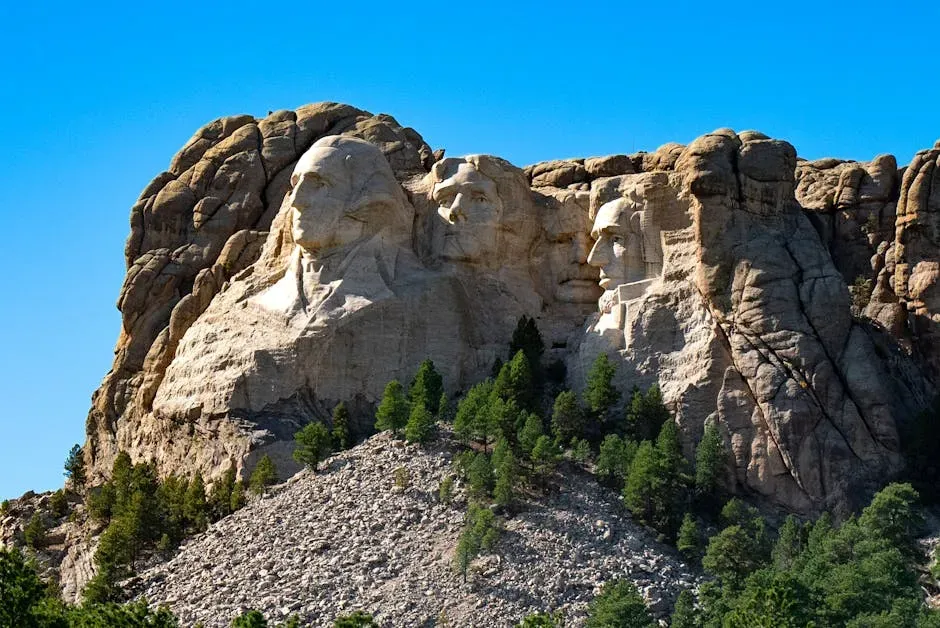
If you stretch your imagination out beyond human lifetimes, the endgame is not hard to picture. Eventually, features blur, details soften, and the sharp lines of eyes, noses, and lips become rounded shapes. At some far-off point, future visitors might stand in front of the cliff and struggle to see the presidents at all, the way we now squint at ancient carvings and ruins that once looked crisp to the people who built them. The mountain will still be there, but the specific human story carved into it will be harder and harder to read without old photos and models.
In that distant future, our attempts to “save” Mount Rushmore will look a bit like bandages on a patient we were never going to keep alive forever, only comfortable and recognizable for a while. That is not a failure; it is just how geology and time work. The real question is how we feel about that. Are we willing to accept that some of our most iconic monuments are, by design, temporary performances on a planetary stage that will keep going long after we are gone?
Opinionated Conclusion: Letting Go of the Illusion of Control
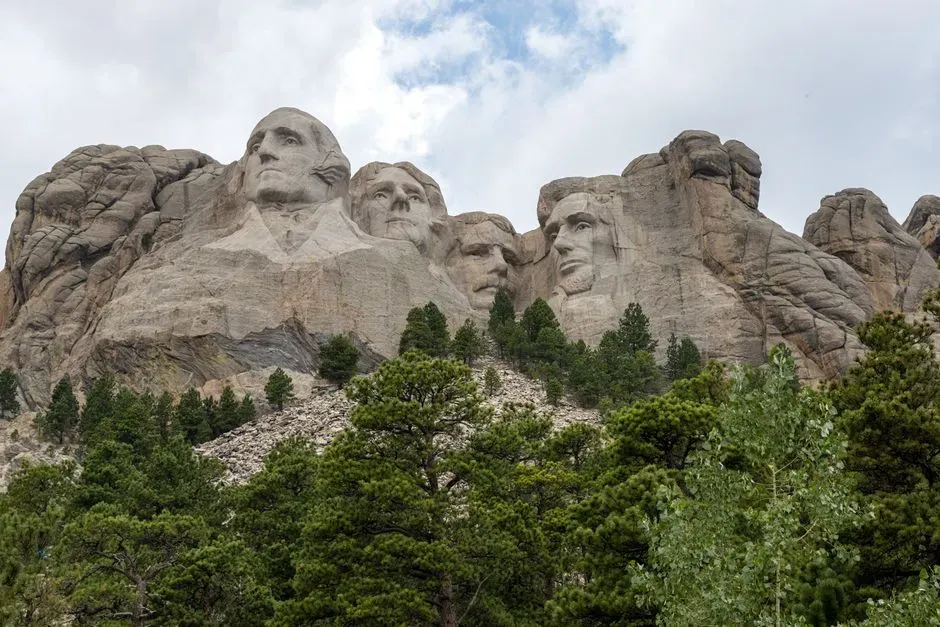
There is a blunt truth sitting behind all the measurements and maintenance reports: Mount Rushmore is eroding, it is probably eroding faster than the original dreamers hoped, and no team of experts can freeze it in place forever. We can patch, pin, and monitor, but in the end we are negotiating with physics, not writing the contract. Personally, I think that is both sobering and oddly liberating. It forces us to admit that even our grandest stone gestures are just that – gestures, not guarantees.
Maybe the real mistake is not that Mount Rushmore is wearing down, but that we ever believed it could stand outside the rules that govern everything else. Instead of clinging to a fantasy of eternal granite presidents, we could treat the monument as what it really is: a remarkable, temporary moment in the life of a mountain and a country. The faces will fade, the rock will win, and that does not erase the meaning people attached to it in the time it existed. In a way, that makes the visit more precious, not less – if you see it, you are catching a frame in a film that will not loop forever. Knowing that, how could you look at those stone faces the same way again?