
Imagine your heart has stopped, doctors have called the time of death, and yet deep inside your skull, something is still happening. Tiny bursts of electrical activity, strange waves rippling across the brain, and – if you listen to the people who came back – vivid experiences of light, presence, and overwhelming peace. It sounds like the stuff of science fiction, but over the last decade, scientists have actually started to record what the brain does in those fragile moments .
What they are seeing is both unsettling and oddly comforting. Instead of a simple lights-out scenario, the dying brain sometimes shows a last, intense flare of organized activity. This does not prove heaven, nor does it reduce everything to mere circuitry. It drops us somewhere in between: a place where biology, consciousness, and mystery collide. And honestly, that in-between space is where things get really interesting.
The Shocking Discovery: The Brain Does Not Switch Off Instantly
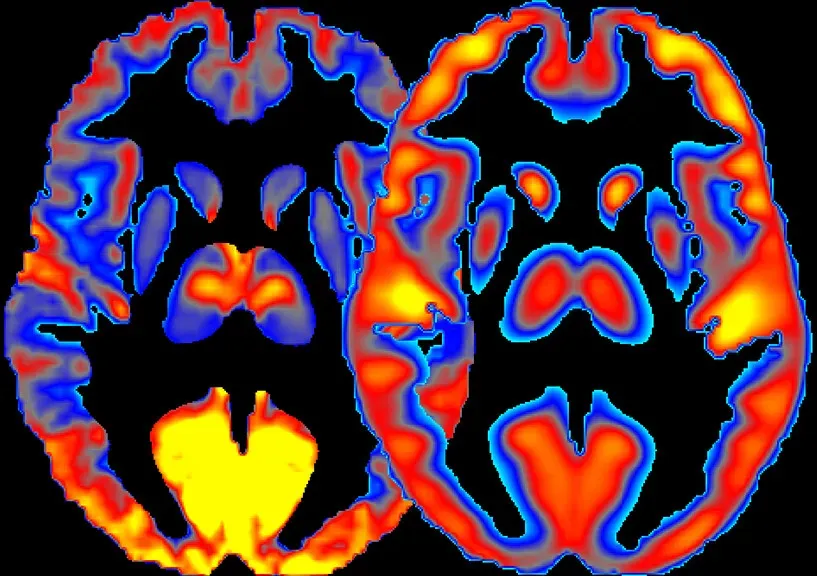
For a long time, people assumed death was like flipping a switch: the heart stops, blood stops flowing, and the brain goes dark almost immediately. But modern monitoring equipment in intensive care units and operating rooms has blown that idea apart. In some patients whose hearts have already stopped, researchers have picked up measurable brain activity for minutes, and in rare cases longer, after the official moment of clinical death. That means that for a short while, the brain is not simply dead; it is in a strange in‑between state.
This window is small, but it matters. Clinical death is defined by the absence of a heartbeat and breathing, but biological processes do not all shut down at once. Some brain cells continue to function, others fire off frantic signals as oxygen levels plunge, and certain networks appear to stay coherent longer than anyone expected. To me, that seriously challenges our old mental image of a hard line between “alive” and “dead,” making it look more like a gradient than a brick wall.
Bursts, Surges, and Gamma Waves: What Researchers Actually See

When scientists hook up dying patients or animals to EEG monitors, they do not just see random noise. In some cases, they detect sudden surges of high-frequency brain waves – especially in gamma ranges that, in living brains, are linked with attention, memory, and conscious awareness. Instead of drifting quietly into silence, the dying brain sometimes ramps up into a final, intense storm of activity, almost like a last fireworks show before everything fades.
Those bursts are not seen in every case, and they do not last long, but their structure is what fascinates researchers. Patterns that resemble coordinated activity between different brain regions appear briefly, as if the brain is desperately trying to maintain some form of integrated function even as its energy supply collapses. You could think of it like a city in a blackout where, for a short time, backup generators flicker on in a few key buildings before the grid fails for good.
Near-Death Experiences and the Dying Brain: Is There a Connection?
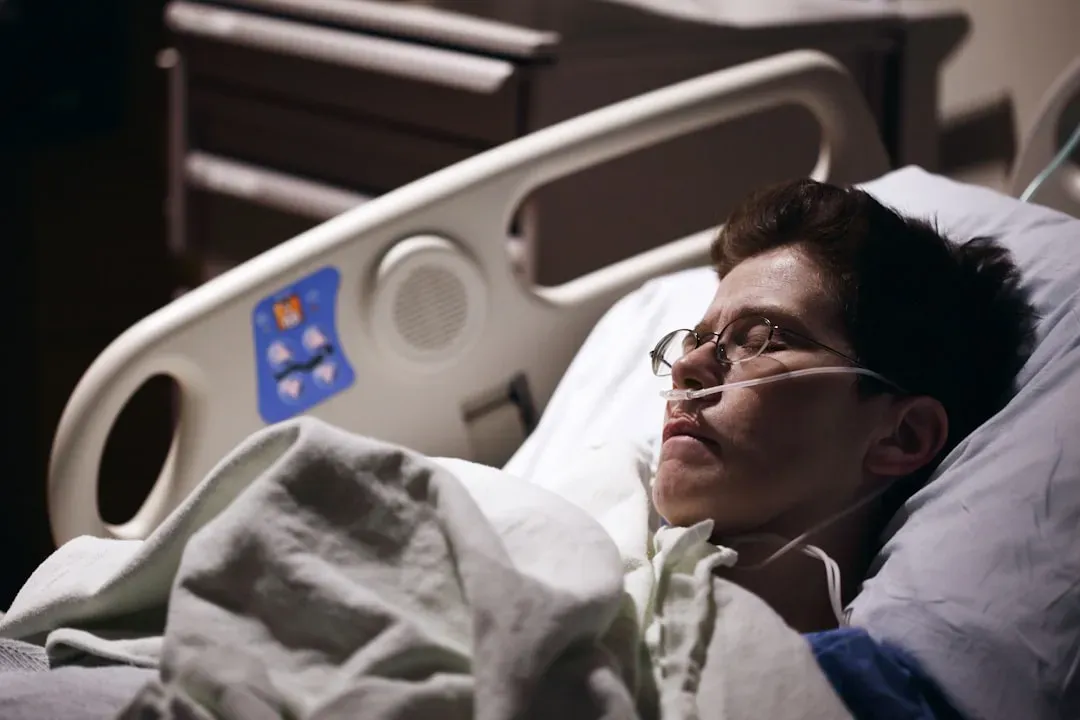
Then there are the stories. People whose hearts stopped during surgery or after cardiac arrest sometimes report incredibly vivid experiences when they are resuscitated: feeling outside their bodies, moving through a tunnel, sensing a presence, reviewing their lives all at once. For years, these were mostly treated as purely spiritual or purely psychological, depending on who you asked. Now that we have real-time data showing intense brain activity around the time of clinical death, many scientists are asking whether these brain surges might underpin at least some of those experiences.
To be clear, the data does not “disprove” spiritual interpretations, but it offers a plausible biological pathway. If the brain launches into high-powered activity as oxygen drops and systems fail, it would not be surprising for perception to become distorted, time to feel stretched, and internal imagery to feel more real than reality. In my view, the most honest position is that the physiology and the subjective experiences are deeply intertwined, and we are just beginning to learn how they line up rather than having simple, one-sided answers.
Clinical Death vs. Biological Death: The Critical Distinction
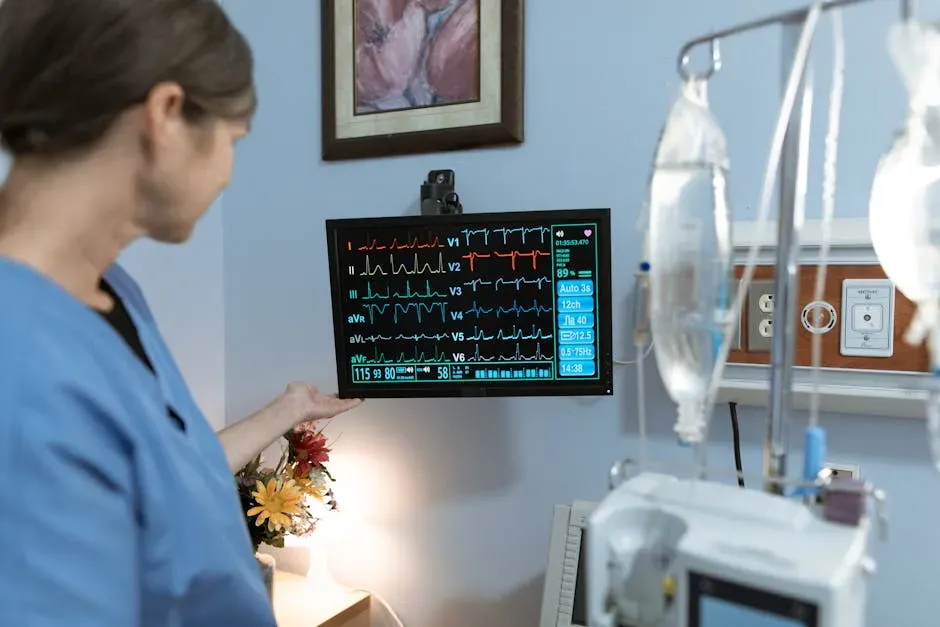
One key reason this whole topic is confusing is that we casually use the word “death” for what is really a multi-stage process. Clinical death usually means the heart has stopped and there is no detectable pulse or breathing. Biological death, on the other hand, is when cells and tissues have been without oxygen for long enough that they cannot recover. The brain is especially sensitive, but even there, not every neuron dies the instant the heart stops. There is a vulnerable, reversible phase before damage becomes permanent.
That gray zone is where most of the intriguing brain activity is being observed. It is also the space where resuscitation is still possible: CPR, defibrillation, and advanced life support can sometimes restart the heart and restore circulation before widespread irreversible damage sets in. From that perspective, those bursts of brain activity are not just philosophical curiosities; they are clues about how much time we really have to bring someone back and what might be happening in their mind while we try.
Animal Experiments: What Rodent Brains Reveal About the Final Moments
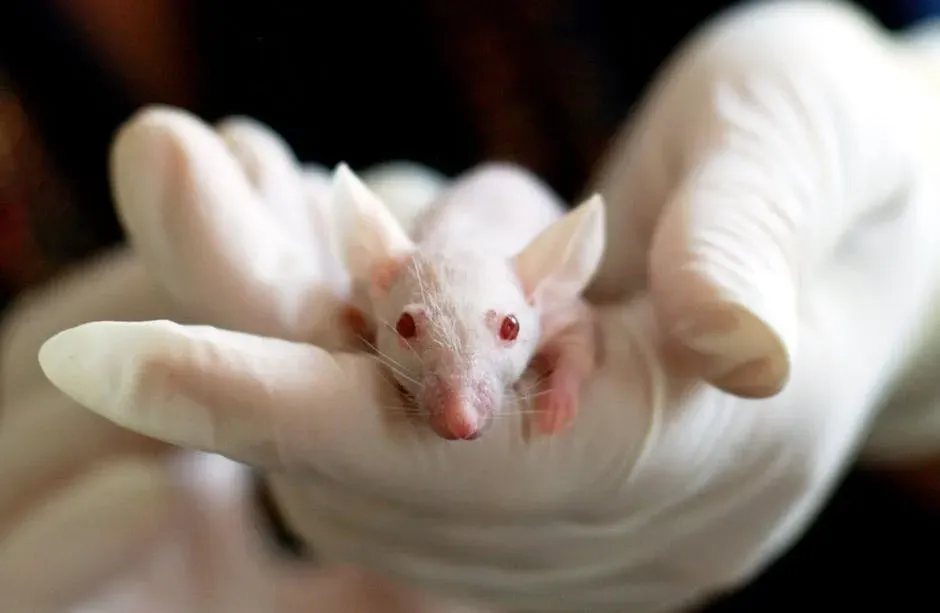
Because human data is limited and ethically tricky to obtain, a lot of what we know comes from animal studies, especially in rodents. In carefully controlled experiments where researchers can monitor brain activity from the very moment of stopped circulation, scientists have seen a surprisingly organized cascade. Right after cardiac arrest, certain brain rhythms spike, including high-frequency waves associated with sensory processing and integration in living animals, before everything slowly collapses into silence.
These findings suggest that the machinery of consciousness does not simply unplug the instant the heart stops. Instead, it seems to go through a brief but intense phase of hyperactivity, possibly as networks lose their usual balance and inhibitory brakes. Of course, a rat’s subjective experience – if there is one at that point – is completely inaccessible to us. Still, the basic biology of neurons and networks is similar enough that these animal data offer a compelling model for what might be going on inside a dying human brain.
Do These Brain Surges Mean Consciousness Continues After Death?
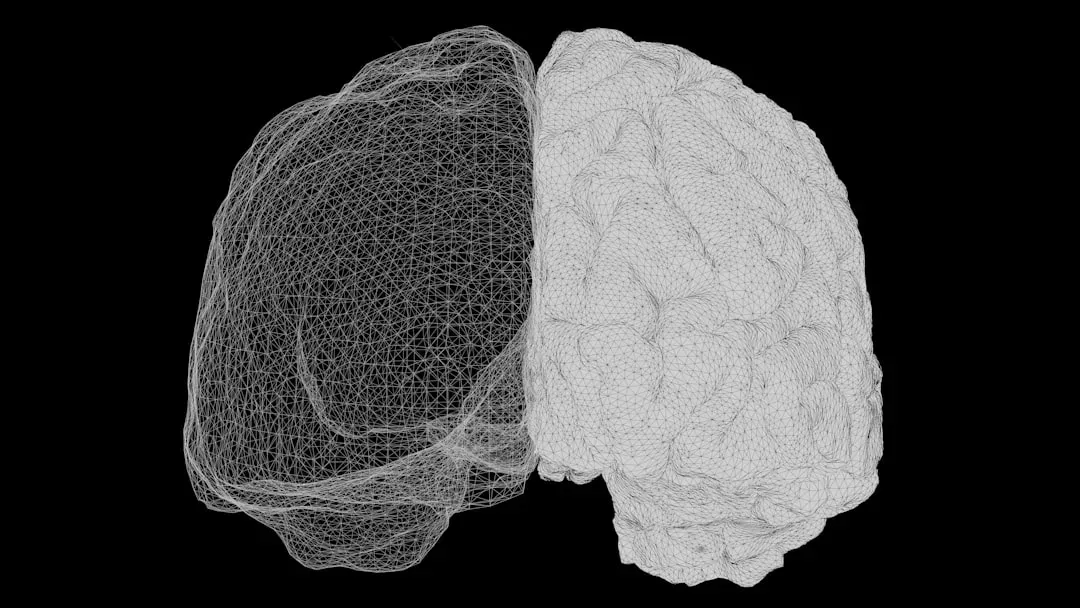
This is the question everyone wants to jump to: if brain activity continues , does that mean consciousness does too? The honest scientific answer, as of now, is that we do not know. Brain waves and neural firing patterns are necessary for consciousness as we understand it, but not every pattern of activity is a conscious state. A brain in a seizure or under deep anesthesia can show strong activity without normal awareness, so we have to be cautious about reading too much into raw signals.
That said, some of the patterns seen near the time of death do look suspiciously like the coordinated, high-frequency activity associated with conscious processing in healthy brains. To me, that makes it plausible – though not proven – that brief windows of awareness, or at least intense internal experience, could persist after the heart has stopped. It is a controversial idea, and I think it is healthier to sit with that uncertainty than to force everything into a neat story, either purely material or purely mystical.
Why This Research Matters for Medicine, Ethics, and Even Organ Donation
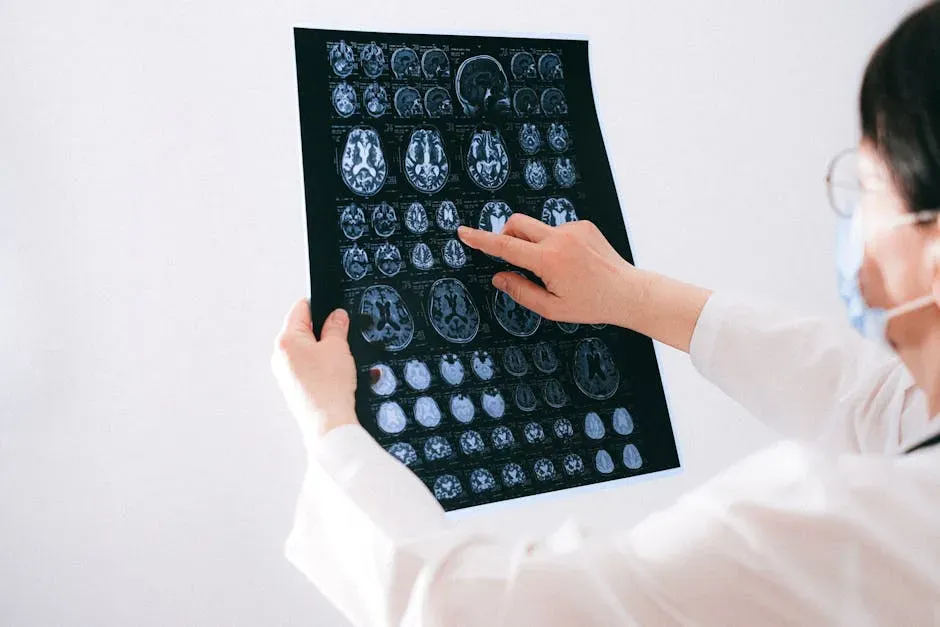
All of this is not just abstract brain geekery; it has real-world consequences. If the brain remains active for minutes , that could affect how we think about the timing of end-of-life decisions, the comfort of patients, and even how we manage sedation in critical care. It also brushes up against organ donation practices, which depend on clear definitions of when someone has died and will not return, even if support machines are involved. The more we learn about that borderland, the more we may need to refine how we talk about it and how we act.
There is also a psychological and cultural dimension. Knowing that the brain does something more complex than simply shutting off might change how families imagine a loved one’s final moments. Some may find it comforting to think of a last burst of integration, others may worry about possible suffering. That is why I think it is crucial to keep the conversation nuanced: emphasize that evidence for distress is limited, that pain perception depends on many factors, and that palliative care is very focused on minimizing discomfort. This is not a horror story; it is a developing understanding.
What the Dying Brain Teaches Us About Life: An Opinionated Take
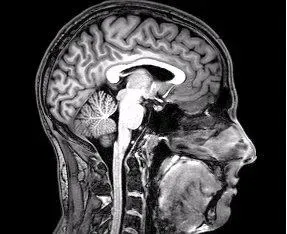
Personally, I think the most profound part of this research is not about death at all, but about what it reveals about life. The fact that the brain fights to maintain order and connection even as the body fails says something strangely noble about our biology. Instead of a machine that just powers down, it behaves more like a stubborn orchestra trying to keep playing through a blackout, instruments out of tune but still reaching for coherence. That image sticks with me far more than any sterile clinical definition.
I do not believe these findings neatly prove anyone’s favorite worldview, and I am suspicious of anyone who claims they do. What they give us is a humbling reminder that consciousness is more resilient, more mysterious, and more tied to the edge of survival than we used to think. To me, that makes life feel a bit more precious and death a bit less like an abrupt void. The brain’s last flicker is not a promise of an afterlife, but it is a powerful hint that our inner world does not surrender easily. And that leaves me wondering: if the brain’s final act is this intricate, how much more is going on in every ordinary moment we casually take for granted?