
Needing a fan to fall asleep sounds like such a small, harmless quirk… until you realize how fiercely some people defend it. No fan? No sleep. No breeze, no soft hum, and it can feel almost like your body refuses to shut down. If that sounds like you, it may feel weirdly intense for something as ordinary as a household appliance, and that intensity is exactly what makes it interesting.
There is a growing curiosity among sleep scientists and therapists about why certain sensory conditions become absolutely non‑negotiable for some sleepers. The idea that your brain might be using that fan as a sort of shield, a protector against sounds, thoughts, or memories you are not fully aware of, is both unsettling and strangely reassuring. It suggests you are not “dramatic” or “overly sensitive”; you might simply be running a very old survival program. Let’s unpack what that really means, without fearmongering and without pretending we know more than the evidence actually shows.
The Strange Comfort of a Spinning Blade
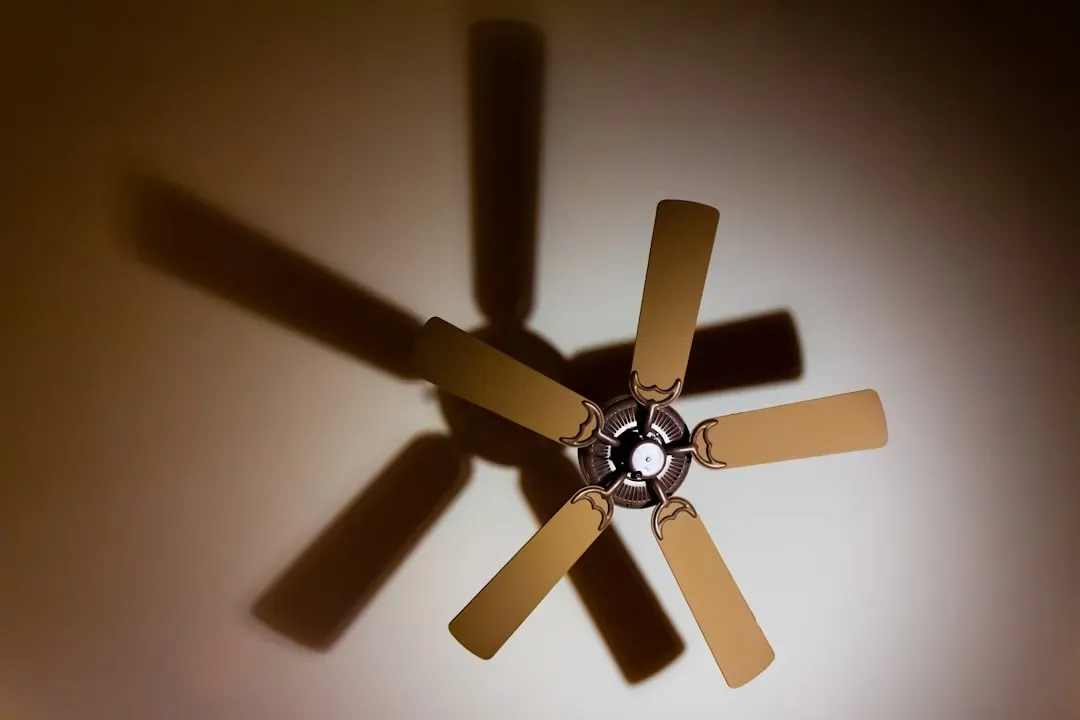
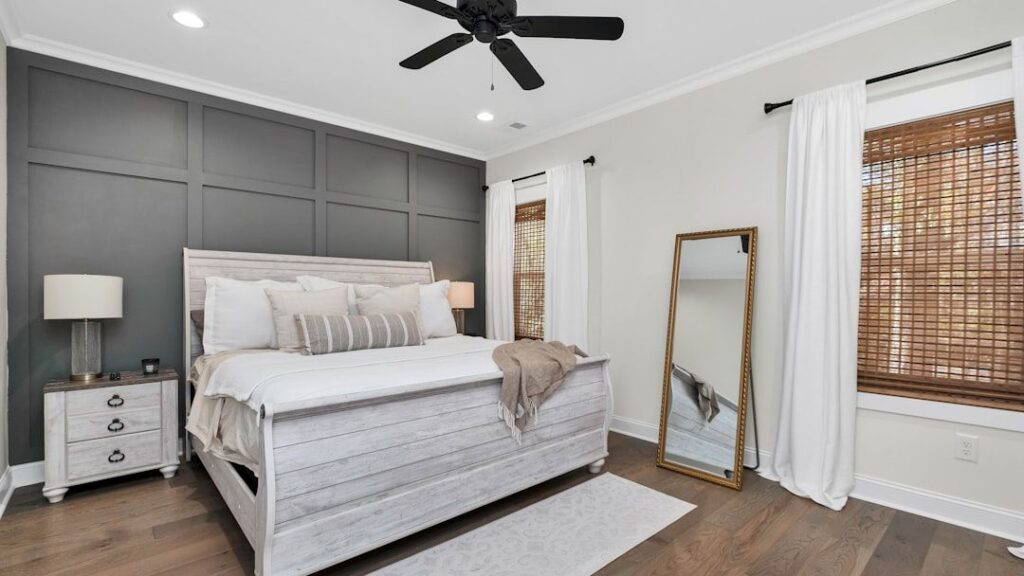
It is surprising how many adults cannot sleep unless a fan is humming somewhere in the room, even if they are not particularly hot. For them, the comfort is not just about temperature; it is about the whole sensory package: the moving air, the gentle vibration, the constant sound that never quite stops or changes suddenly. Turn the fan off and the silence can feel loud, as if the room becomes too sharp, too exposed, too real. I have heard more than one person say it feels like sleeping without a blanket, even if the blanket is still there.
This powerful sense of “I need this or I cannot rest” tells us the fan is no longer just an object. It has become a cue of safety, a ritual, and a kind of psychological anchor. Your nervous system learns: fan on means the world is manageable, predictable, less threatening. Over time that association can become almost automatic, the way a particular song can transport you back to a specific summer. You might not even remember when the habit started, but your body behaves as if the fan is part of the basic conditions for survival-level rest.
White Noise, Hypervigilance, and the Brain on Guard Duty
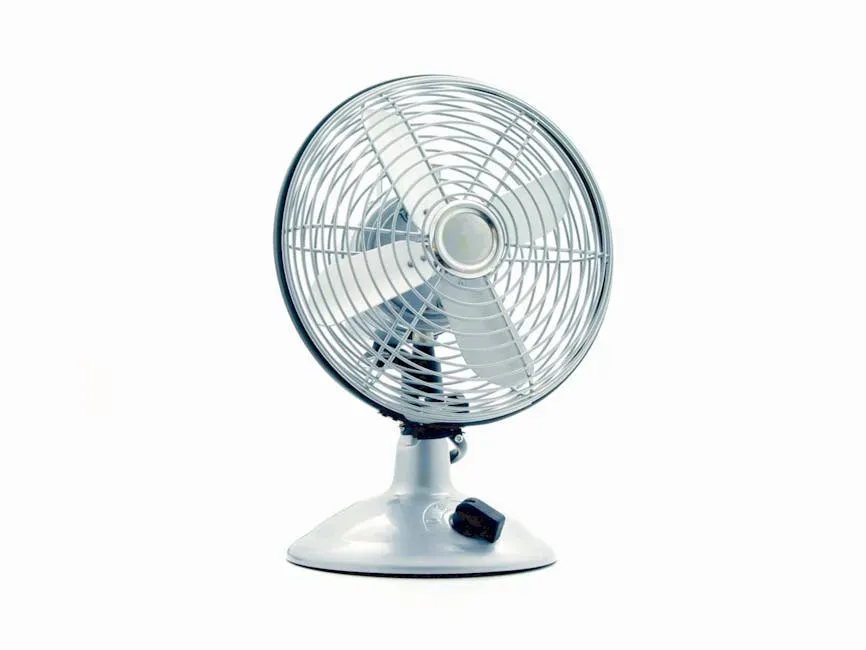
From a scientific angle, one of the simplest explanations is white noise. Fans create a steady, continuous sound that masks tiny environmental noises: a door creaking, a car passing, a neighbor’s TV, a phone notification. People with sensitive nervous systems or anxiety often stay slightly on alert for such sudden shifts, even while trying to sleep. A consistent sound smooths out that landscape so the brain is less likely to jerk awake at every micro-disturbance. In that sense, the fan is like a sound blanket for your brain.
Hypervigilance, a state where the brain is constantly scanning for potential threats, is common in people who have lived through unsafe or unpredictable environments. Even if life is more stable now, the nervous system may keep the old habit of staying ready. For those brains, silence is not peaceful; it is suspicious. A fan can provide enough sensory activity to convince the brain that it knows what is going on, that nothing is sneaking up in the quiet. You might consciously think you are just “used to the noise,” but at a deeper level, your brain might be using it as a way to lower its guard just enough to let you drift off.
When Comfort Becomes a Coping Strategy for Old Stress
Here is where things get more personal and a bit more psychological. Humans are remarkably good at building coping strategies that do not look like coping strategies at all. A childhood bedroom in a noisy house, parents arguing late into the night, a thin wall next to a busy street, or even a bad memory tied to nighttime silence can all teach the nervous system that “noisy, steady background = safer.” You might never consciously connect the dots, especially if those memories are blurred, dismissed, or buried by time.
Over the years, the original stressor can fade from awareness, while the habit remains locked in place. The brain remembers the pattern even when you no longer remember the story. Needing the fan then is less about loving the sound and more about avoiding the internal agitation that shows up without it. That does not necessarily mean you carry some dramatic trauma; our brains can create protection routines in response to far more subtle but persistent pressures. Still, it fits the idea that your brain is trying to protect you from something you no longer fully notice.
Sleep, Safety Signals, and the Threat of the Dark
Sleep is one of the most vulnerable things we do. To fall asleep, the brain has to downshift from “guard mode” into a more open, unprotected state. Evolution wired us to only truly relax when environmental signals suggest safety: familiar surroundings, predictable sounds, the presence of trusted people, or even consistent smells. In modern life, a fan can unintentionally step into that role of a safety signal. It becomes proof that the conditions are “the same as last night,” that nothing major has changed since the last time you slept and survived.
If the dark once carried a sense of dread, whether from scary childhood nights or periods of adult stress, your brain may have learned that silence plus darkness equals danger. Add a fan, and the darkness is no longer empty; it is filled with a gentle, controllable sound. This does not mean you are weak or broken. It means your brain took its job – keeping you alive – very seriously, and is now reluctant to let go of a tool that seems to work, even if the original danger is long gone.
Are Buried Memories Really Hiding Behind the Hum?
This is the part where we need to be very careful: the idea that your fan dependency comes from hidden trauma or repressed memories sounds dramatic, but the evidence is mixed and often oversimplified in pop psychology. There is solid support for the notion that early experiences shape later sleep patterns, especially in people who grew up in chaotic or unsafe environments. However, jumping straight to “You must have a repressed memory” is not only speculative, it can be harmful and misleading. Many people rely on white noise simply because their brains prefer sensory stability, not because something terrible happened.
What we can say is that for some individuals, especially those with a history of anxiety, night terrors, or post-traumatic stress, a fan can function like emotional armor. It helps keep intrusive thoughts, flashbacks, or unsettling images at bay by occupying just enough mental bandwidth. The brain may be using the fan as a distraction and a buffer at the same time. That is a form of protection, but it does not automatically mean you have forgotten some specific event. Sometimes what your brain is protecting you from is less a single memory and more an overall feeling of vulnerability that you never fully processed.
The Physiology: Temperature, Airflow, and Why Your Body Likes It
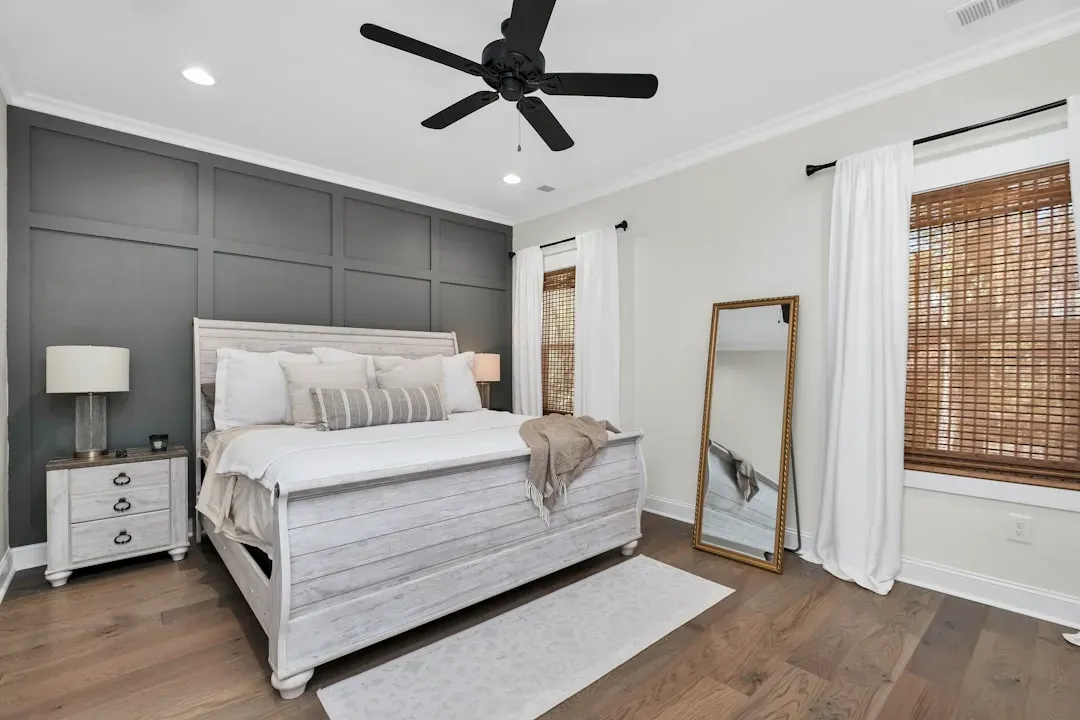
There is also a very down‑to‑earth side to all this: your body simply sleeps better within a certain temperature range. Slightly cooler environments help the body’s core temperature drop, which is one of the signals that it is time to sleep. A fan speeds up heat loss from the skin and helps with sweating, making it easier for your body to slide into that cooler state. For some people, this physical comfort is a huge part of why they feel calmer and safer; the brain links the bodily ease with emotional safety. In other words, the fan might be protecting you from overheating more than from old memories.
On top of that, airflow itself can feel reassuring. Moving air around the face and body can reduce the sense of being trapped or suffocated, especially in small or stuffy rooms. If you are someone who already leans a bit anxious or prone to overthinking, feeling physically smothered by a heavy, still atmosphere can amplify that discomfort. The gentle breeze from a fan can break that feeling, giving the body a quiet signal that “everything is flowing, nothing is stuck.” Again, what feels like a quirky preference might actually be a finely tuned response to subtle physical stressors.
When a Harmless Habit Starts to Run the Show
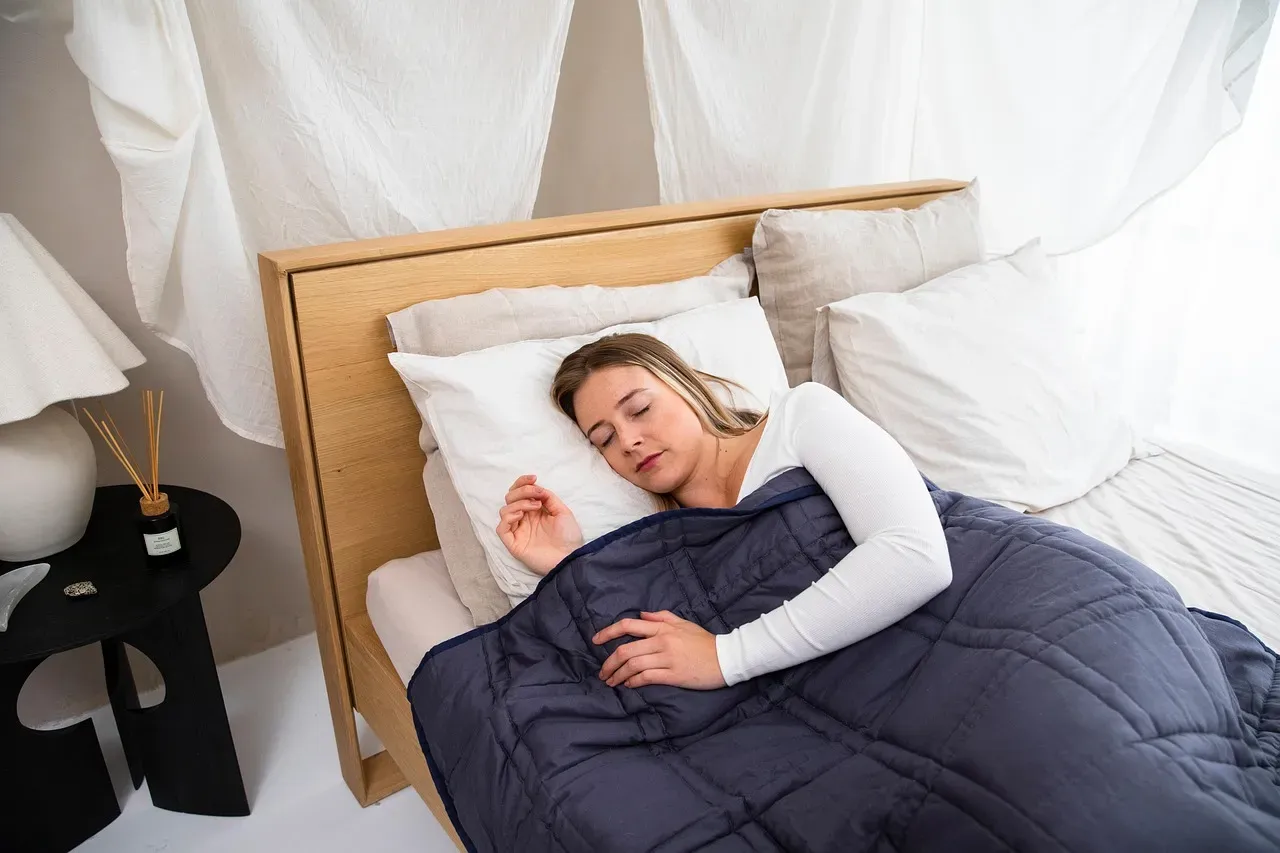
There is nothing inherently wrong with needing a fan to fall asleep. Many sleep experts actually recommend white noise, especially in noisy cities or shared households. The problem starts when your relationship with the fan begins to feel like desperation instead of preference. If you cannot sleep in hotels, at friends’ houses, or anywhere without your specific device, your world can shrink around that dependency. Your nervous system becomes less flexible, and that inflexibility itself can feed more anxiety. You are not just afraid of the dark anymore; you are afraid of a power outage.
This is where it helps to notice the emotional tone around the habit. Do you feel mildly annoyed when you cannot use a fan, or do you feel panicked and unsafe? Have there been times in your life when silence at night was associated with something unsettling, like arguments, loneliness, or overwhelming thoughts? Being honest with yourself about those questions is not about blaming the fan or blaming your past; it is about understanding how your brain stitched together its own user manual for “how to survive the night.” That awareness alone can be surprisingly freeing.
Gently Testing Life Without the Fan (If You Want To)

If you are curious whether your fan dependency is more about physiology, psychology, or both, you can experiment carefully without forcing yourself into misery. Start by swapping the fan for a white‑noise app or machine in a cooler, well‑ventilated room. That lets you keep the steady sound while separating it from the specific object. If you notice your body calming down just as much, you may be dealing mostly with a sound-based preference. If your anxiety spikes even with similar noise present, there might be deeper associations with the exact setup you are used to.
Over time, some people find they can gradually reduce the volume or move the fan farther away, giving the nervous system a chance to learn new safety cues. Others decide they like their fan and keep it, but with more awareness and less fear. Personally, I lean toward the “If it is not harming you, it can stay” side, while still being curious about what it might symbolize in your inner world. The point is not to prove you can sleep in a silent void; it is to know that you are choosing the fan, not being ruled by it. That shift – from compulsion to conscious choice – changes everything.
Conclusion: A Fan, a Shield, and a Nervous System Doing Its Best
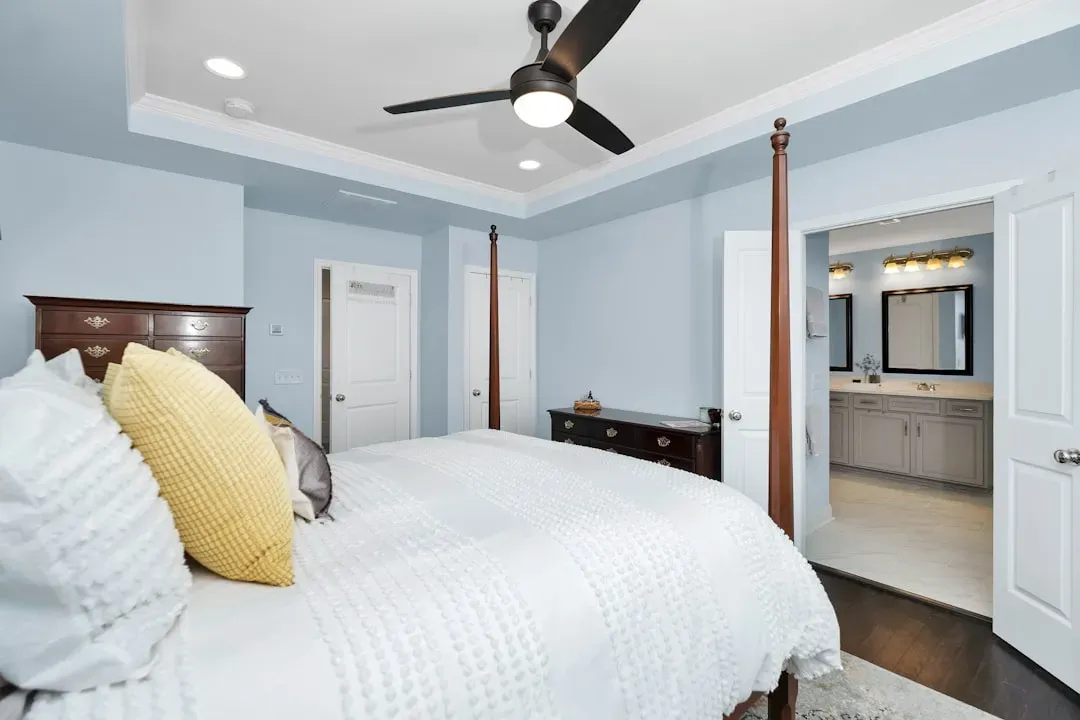
If you cannot sleep without a fan running, it is very possible your brain is protecting you – from sudden noises, from overheating, from anxious spirals, or from old learned fears that no longer match your current life. The fan might be a physical comfort, a psychological shield, or both at once. I think we do ourselves a disservice when we dismiss these rituals as mere quirks or mock them as weaknesses. They are often clever little survival strategies your nervous system built when it had fewer options and less power. That deserves respect, not shame.
At the same time, we also do not need to turn every habit into a dramatic diagnosis. You may never uncover a hidden memory tied to your need for noise, and that is okay. What matters more is noticing how strongly your body clings to certain conditions and asking, with real curiosity, what it might be trying to protect. From there, you can decide whether you want to gently renegotiate the terms or keep your fan as a trusted ally. Either way, the next time someone teases you about needing that steady hum, you can smile and think: maybe my brain just takes my safety more seriously than yours does – what do you think yours is doing while you sleep?