
There’s something strangely electric about being awake while the rest of the world goes quiet. If you’re the kind of person who comes alive at night, who feels more like yourself when the messages stop, the meetings end, and the sky turns dark, you might’ve wondered what’s wrong with you. But what if the answer is actually this: nothing is wrong with you at all. In fact, psychology suggests you might be doing deep emotional work that daytime life simply won’t let you touch.
I’ve noticed this pattern in my own life: the conversations I’m too busy or too guarded to have with myself at noon suddenly show up at 11:47 p.m. Memories, regrets, half-formed dreams, confusing relationships – they all seem to knock at the door at night. And instead of numbing out or running from them, some people sit with them. If that sounds like you, this article is for you. Let’s unpack why your love for late-night solitude might actually be a sign of emotional depth, not dysfunction.
The Hidden Psychology of the Night: Why Your Brain Feels Different After Dark

Have you ever noticed how your inner world feels more intense at night, almost like someone quietly turned up the emotional volume? There’s a real psychological reason for that. As external stimuli drop – fewer conversations, no work notifications, less noise – your attention naturally shifts inward. The brain, no longer preoccupied with constant decision-making and social navigation, finally has space to wander into deeper emotional territory. That wandering can look like overthinking on the surface, but often it is your mind trying to make sense of unresolved tension.
At the same time, your body’s natural rhythm is changing in the evening. Levels of melatonin begin to rise, and arousal from the day’s stress slowly dips, which can soften your defenses and make buried feelings more accessible. You may feel slightly more vulnerable, more reflective, maybe even a bit raw. For some people, that’s uncomfortable and they distract themselves to avoid it. For others, especially those who seek solitude at night, that vulnerable, slowed-down state is exactly the window where they finally feel safe enough to face what they’ve been carrying all day.
Why Some People Crave Solitude While Others Flee From It

Being alone at night is not just about being introverted or anti-social; it’s about what solitude represents. For many, being alone turns up the volume on thoughts and feelings they’d rather mute: anxiety, grief, shame, or uncertainty about where their life is headed. So they pack their days and evenings with noise – social media, constant messaging, endless scrolling – anything that keeps quiet from settling in. It’s not laziness or shallowness; it’s simply that unfiltered self-awareness can feel like too much for some people to handle on a regular basis.
But if you’re someone who actually seeks out that nighttime quiet, you may have developed a higher tolerance for emotional discomfort. You might not love the heaviness of certain thoughts, but you’d rather hear the truth of your inner world than drown it out. That says something powerful about your relationship with yourself. Instead of needing people around to distract you, you choose time alone to get honest, even when that honesty stings. In a culture that glorifies busyness and constant connection, choosing solitude is almost a rebellious act of emotional courage.
Night Owls and Emotional Depth: Not Just a Personality Quirk
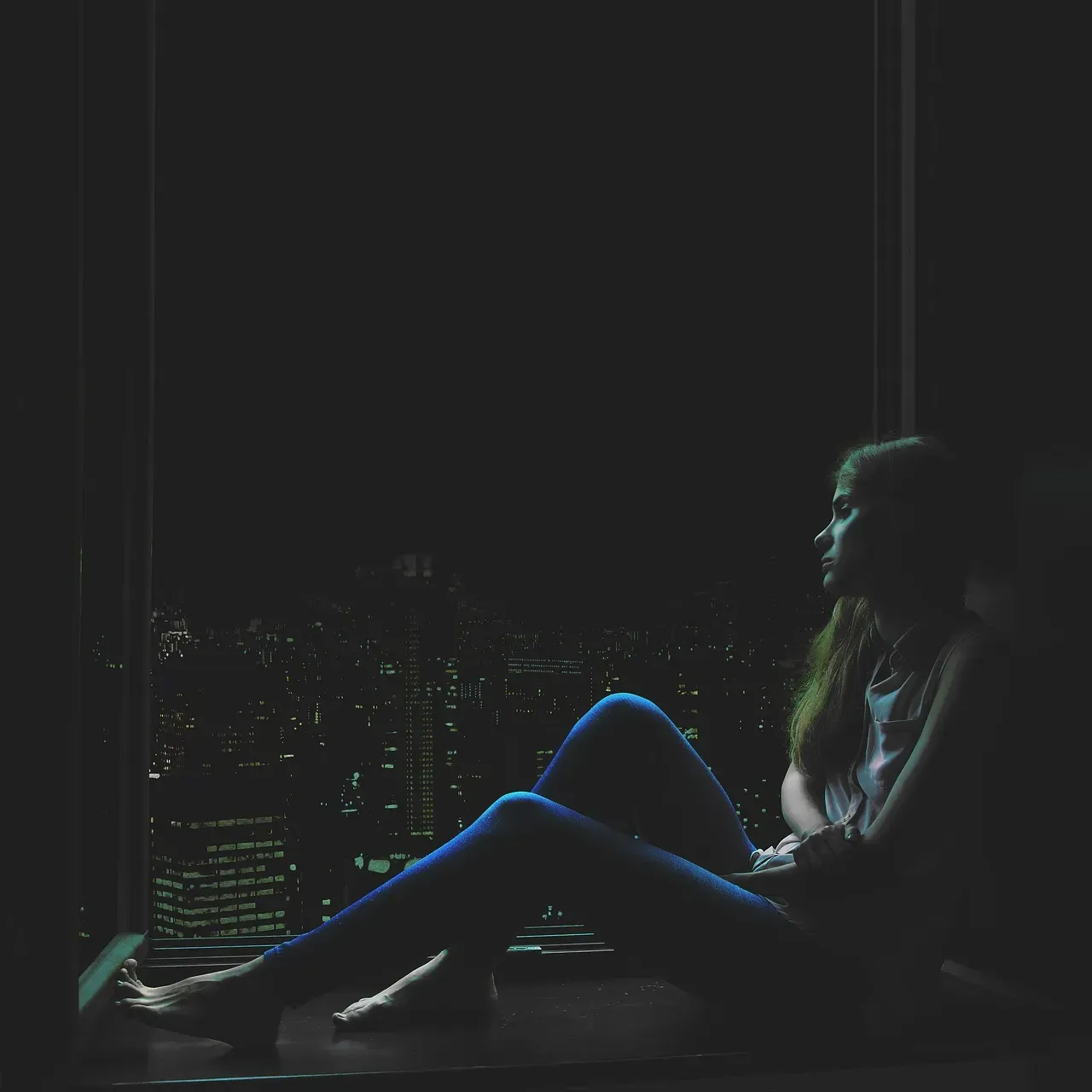
People often talk about being a night owl like it’s just a quirky sleep schedule, but for many it’s tied to a deeper emotional style. Night owls who cherish being alone are often more introspective, meaning they naturally turn inward, reflect on their experiences, and notice subtle shifts in mood and meaning. They might replay conversations, analyze what was left unsaid, and wonder why certain moments hit so hard. That inner replay isn’t just rumination; it can be a sophisticated way of processing and integrating emotional information.
There’s also a creative dimension at play. Many people find that their most original ideas, intense insights, or creative impulses come at night, when their mind feels freer from social expectations. In that quiet privacy, they can explore emotions like longing, jealousy, guilt, or desire without worrying about how they’ll be judged. That emotional richness can feed creativity, empathy, and self-awareness. So when someone says they love being alone at night, it might be less about avoiding people and more about protecting a sacred space where their emotional life can unfold at full depth.
The Emotions Daylight Pushes Aside: What You’re Really Sitting With at 1 A.M.

Daytime often demands a performance: the competent worker, the stable partner, the upbeat friend, the person who has it together. In that performance, a lot of emotions get shoved to the back row. Fear about the future, unresolved grief, anger you never expressed, disappointment with yourself, even secret hopes you’re scared to admit – these don’t always fit neatly into a busy Tuesday afternoon. So they wait. And night, especially when you’re alone, becomes the stage where they finally get to step into the light and ask to be heard.
When you find yourself lying awake thinking about an old relationship, a childhood wound, or a path you never took, you’re not being dramatic. You’re revisiting emotional files that never got fully processed. It can feel messy and uncomfortable, but it’s also honest. Many people spend their lives outrunning these feelings through overwork, constant stimulation, or relentless positivity. You, on the other hand, might be doing the quieter, more demanding work of actually acknowledging them – which is often the first real step toward healing.
Alone but Not Lonely: The Difference Most People Don’t Understand
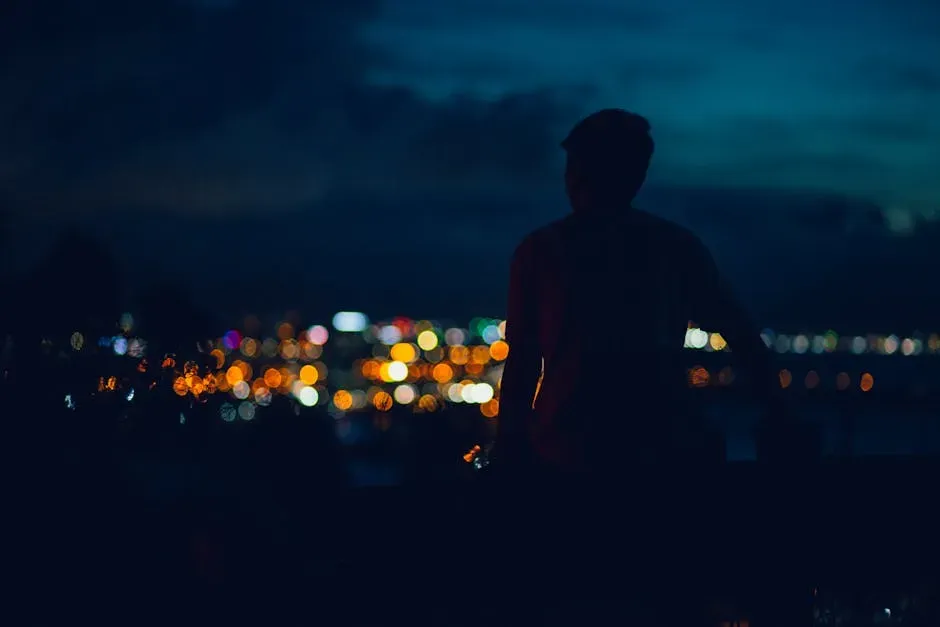
From the outside, someone sitting alone at night with no plans might look lonely, but that’s a lazy assumption. Loneliness is about feeling disconnected, unseen, and unwanted. Solitude, when chosen, is something completely different. It’s a conscious decision to spend time with your own thoughts, to give yourself space from the constant chatter of other people’s expectations. Many people who love late-night solitude actually feel more connected in those hours – not to others, but to themselves.
Of course, solitude can tip into loneliness if it’s coming from a place of isolation rather than choice. The key difference is how you feel during and after. If you leave your night feeling slightly lighter, clearer, or more aware of what you need, that’s healthy solitude. If you leave it feeling small, invisible, or rejected, that leans toward loneliness. The fact that you intentionally carve out this time suggests you know, at some level, that your inner life deserves attention. That’s not avoidance; that’s self-respect, even if most people don’t see it that way.
Late-Night Overthinking or Unfinished Emotional Business?
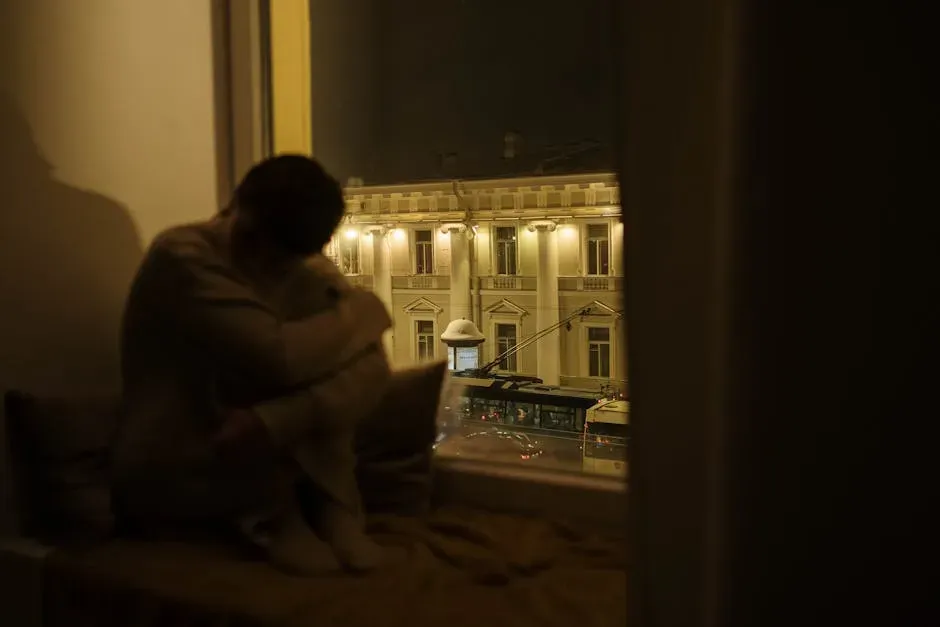
Many people label their nighttime mind as overthinking, like it’s just a glitch in the system. But often, what looks like looping thoughts is actually unfinished emotional business asking to be completed. You replay that awkward moment, not because you enjoy suffering, but because some part of you is trying to understand what it meant about you, about them, or about your boundaries. You think about that decision you regret because your mind is trying to update your internal story – who you were then versus who you want to be now.
When you sit in your room at night and your brain starts running what-if scenarios or analyzing old wounds, you’re not broken; you’re in a kind of unsupervised therapy session with yourself. The danger is when it turns into self-attack instead of self-inquiry. The opportunity is to gently ask: what is this thought trying to protect me from or teach me about? People who tolerate that discomfort long enough to ask that question are not just overthinkers; they are, in many cases, untrained but deeply committed emotional processors.
Trauma, Safety, and Why the Night Can Feel Like the Only Safe Time
For some people, especially those with past trauma or chronic stress, the night is not just quiet – it is the only time that feels remotely safe to let their guard down. During the day, they might be in survival mode: managing work, caring for others, navigating conflict, masking anxiety, or dealing with environments that feel unpredictable. It’s almost impossible to process deep emotions when you’re just trying to get through the next hour. Nighttime alone becomes the moment when external threats drop enough for the internal world to step forward.
This can explain why heavy memories or intense feelings surface at night, even if they feel inconvenient or overwhelming. The brain, sensing relative safety, brings stored material forward in hopes of making sense of it. If you find yourself extra emotional at night, it may not be that you’re unstable; it may be that this is the only time your system believes it can safely bring that material out. While that can feel exhausting, it’s also a sign of your mind trying, in its own clumsy way, to heal. You are not weak for feeling more at night; you might actually be incredibly resilient for surviving the day and still turning toward your emotional truth afterward.
Creativity, Imagination, and the Emotional Power of the Night
There’s a reason so many writers, artists, musicians, and deep thinkers swear by late-night hours. The same emotional openness that brings up difficult feelings can also unlock creativity and imagination. When the world quiets, your mind can free-associate more easily, connecting past experiences, present emotions, and future possibilities in surprising ways. That strange mix of vulnerability and freedom can become creative fuel, turning messy feelings into art, ideas, or insights that simply would not appear under fluorescent office lighting.
Even if you don’t see yourself as creative in the traditional sense, your nighttime solitude might still be where you design your life in your head – imagining different futures, playing out new versions of yourself, or crafting the story you want to live next. That’s a creative act too. Emotional processing is not separate from creativity; they constantly feed each other. When you sit alone with your thoughts at night, you are not just brooding. You may be quietly sketching out a new emotional blueprint for yourself, even if it takes time for those internal drafts to show up in your actual life.
How to Use Your Nighttime Solitude Without Letting It Use You

Loving solitude at night can be a gift, but it can also turn into a trap if you drift into self-punishment, endless comparison, or emotional spirals that leave you drained. The goal is not to shut down your late-night mind, but to give it structure. That might look like journaling for ten minutes to capture what you’re feeling, then deliberately shifting into something calming. It might mean asking yourself one gentle question each night, like what did I actually feel today that I didn’t admit out loud, instead of letting your mind run wild without direction.
It can also help to set soft emotional boundaries with yourself. If you notice that certain topics only spiral you deeper at 2 a.m., you can mentally bookmark them for therapy or daytime reflection instead of trying to solve your entire life before sunrise. Your late-night self is wise, but it is also tired and sometimes dramatic. Treat it like a friend who is allowed to vent, but not allowed to destroy you. When you bring that kind of compassion and structure to your nighttime solitude, it becomes less of a battlefield and more of a quiet, sacred workshop where real emotional growth happens.
Conclusion: Nighttime Loners Are Often Doing the Emotional Work Everyone Else Delays
If you prefer being alone at night, you are not strange, broken, or doomed to feel heavy forever. More often than not, you are the person willing to sit in the uncomfortable truth of your emotions rather than outsourcing them to constant noise and distraction. While the world praises those who wake up at dawn and hustle until dark, it rarely recognizes the quiet courage of the ones who stay up late, replaying, feeling, sorting, and slowly making sense of a life that does not always make sense. In my view, that willingness to meet yourself in the dark is not a flaw; it is a kind of emotional bravery that deserves respect.
Of course, there’s a balance to strike – sleep matters, your nervous system needs rest, and some thoughts truly can wait until morning. But the core pattern here is not something that needs to be fixed; it needs to be understood. People who seek solitude at night are often the ones carrying, unpacking, and slowly healing the emotions most others keep buried under daylight busyness. So the next time you find yourself awake, alone, and deep in thought while the world sleeps, maybe ask yourself this: are you lost in the dark, or are you simply one of the few willing to turn on the light there?