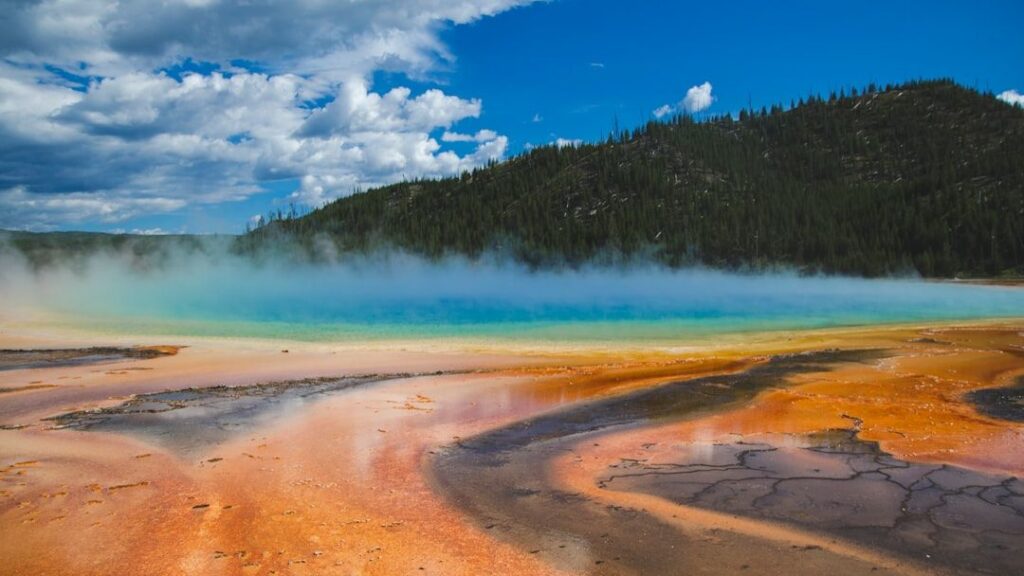
If you’ve ever stared at a map of the United States and felt a weird chill knowing a sleeping giant sits under Yellowstone, you’re not alone. The idea that a supervolcano is quietly breathing beneath one of America’s favorite national parks is both mesmerizing and unnerving. Most of the time, scientists reassure us that Yellowstone is not about to blow, that its activity is normal, that the word “supervolcano” sounds far scarier than the real risk most of us face.
But every now and then, Yellowstone does something that makes researchers lean in a little closer. Recently, three types of warning signs have sharpened scientific focus: subtle changes in earthquake swarms, shifting ground deformation patterns, and evolving gas emissions and hydrothermal behavior. None of these, on their own, mean an eruption is imminent – but together they paint a portrait of a restless system that demands respect, not panic. Think of it less like a ticking time bomb and more like a complex, living organism whose vital signs just got a bit more interesting.
Warning Sign #1: Earthquake Swarms That Refuse To Be Background Noise
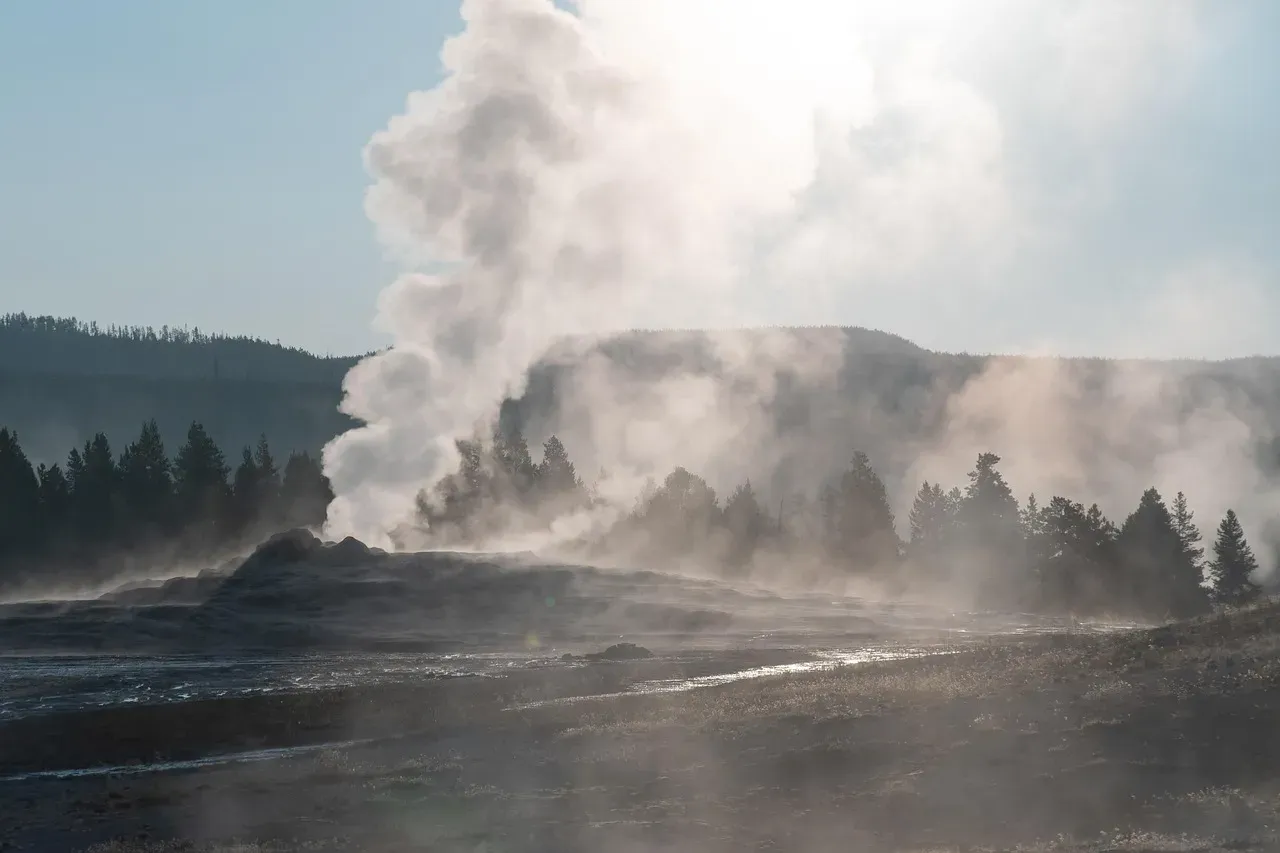
Here’s a wild thought: Yellowstone experiences hundreds to thousands of small earthquakes almost every year, and that’s considered normal. These quakes come in little “swarms,” clusters of tiny tremors that ripple through the crust and usually fade quietly into the background. For decades, scientists have treated most of these swarms as the volcano simply stretching its joints – annoying, perhaps, but not alarming. Recently, though, some swarms have been longer lasting, more tightly clustered, or oddly patterned enough to make seismologists dig deeper into what is really moving down there.
To be clear, we’re still talking about small quakes, usually too weak for visitors to feel. The concern is not that the magnitudes are suddenly skyrocketing, but that the patterns – the timing, spacing, and depth – can hint at changing pressure in the magmatic and hydrothermal systems. Imagine you live in an old house with creaky plumbing. You get used to certain noises at certain times, but if the pipes start rattling in new ways, you don’t assume the house is collapsing – yet you might call a plumber to inspect. Yellowstone’s earthquake swarms are that new rattle: not a red alert, but absolutely something scientists can’t ignore.
Warning Sign #2: Ground Uplift And Sinking That Looks Like A Slow, Giant Breath
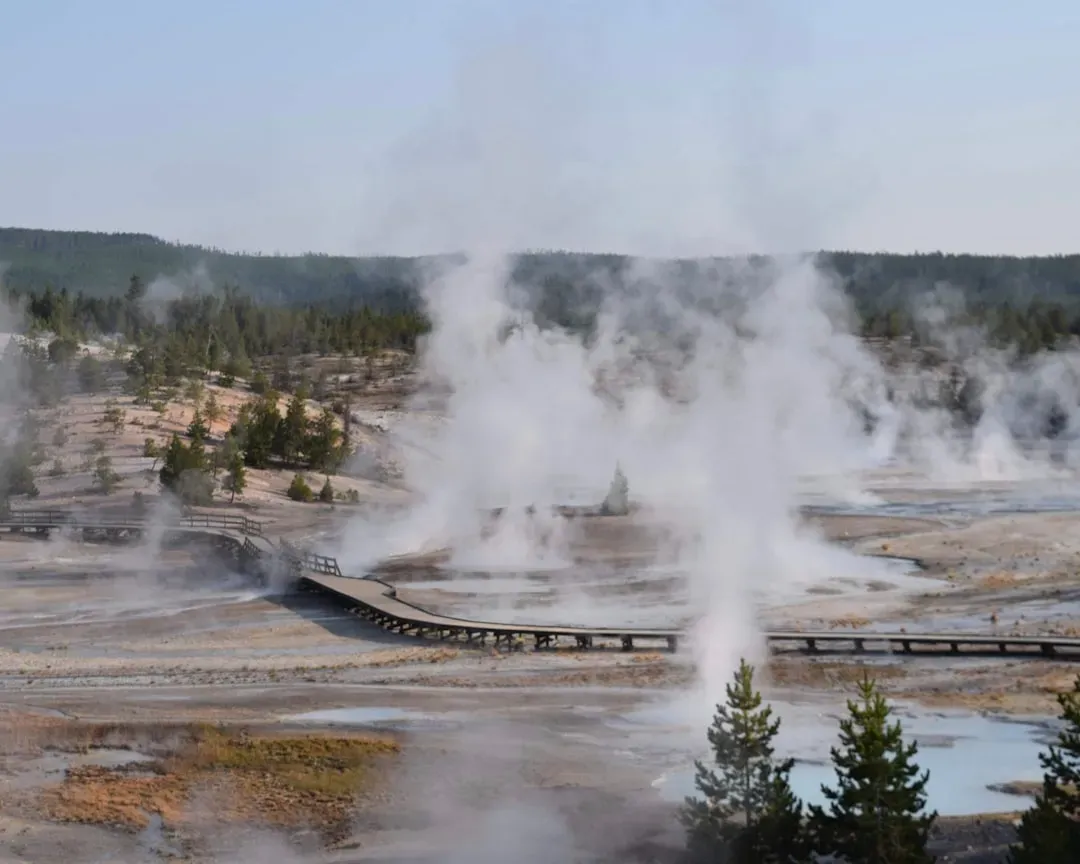
One of the eeriest things about Yellowstone is that the ground itself moves up and down by inches over years, as though the entire caldera is breathing. Using high-precision GPS and satellite radar, scientists have watched parts of Yellowstone rise and then slowly subside again, sometimes switching from uplift to subsidence without warning. These motions are usually driven by changes in fluids and magma at depth – water and gas shifting through cracks, or small intrusions of molten rock pressing upward and then relaxing. Lately, the patterns of uplift and sinking have been less predictable and more localized, suggesting that the plumbing system below is rearranging itself in ways that are still being deciphered.
Again, this does not mean magma is racing toward the surface in some Hollywood-style disaster scenario. If that were happening, we’d expect to see rapid, dramatic uplift over a short time, paired with intense seismic activity and other unmistakable changes. Instead, what we see is more like a slow, lumpy tide: some areas lifting slightly, others sinking, all at a pace that matters to scientists but would be invisible to the average hiker. The reason this qualifies as a warning sign is not because it forecasts an eruption on its own, but because changing deformation patterns can signal shifting pressures in the system – something that, in combination with other clues, researchers absolutely need to track.
Warning Sign #3: Shifts In Gas Emissions And Hydrothermal Activity
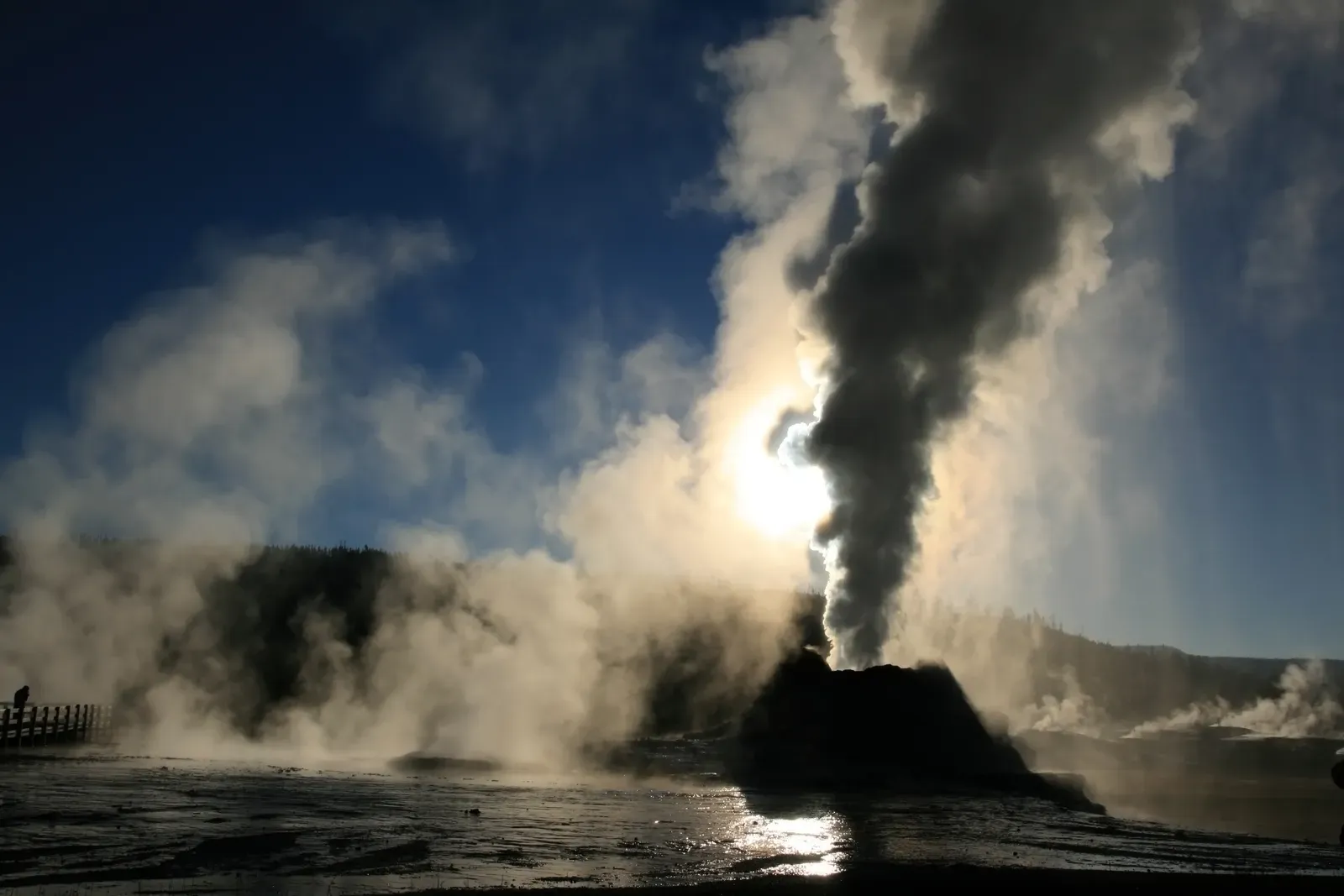
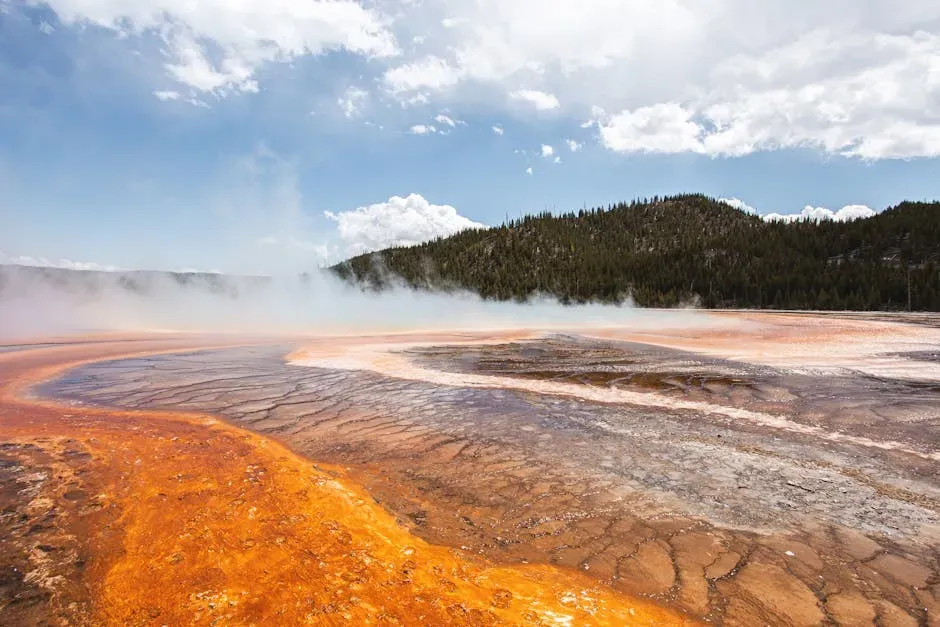
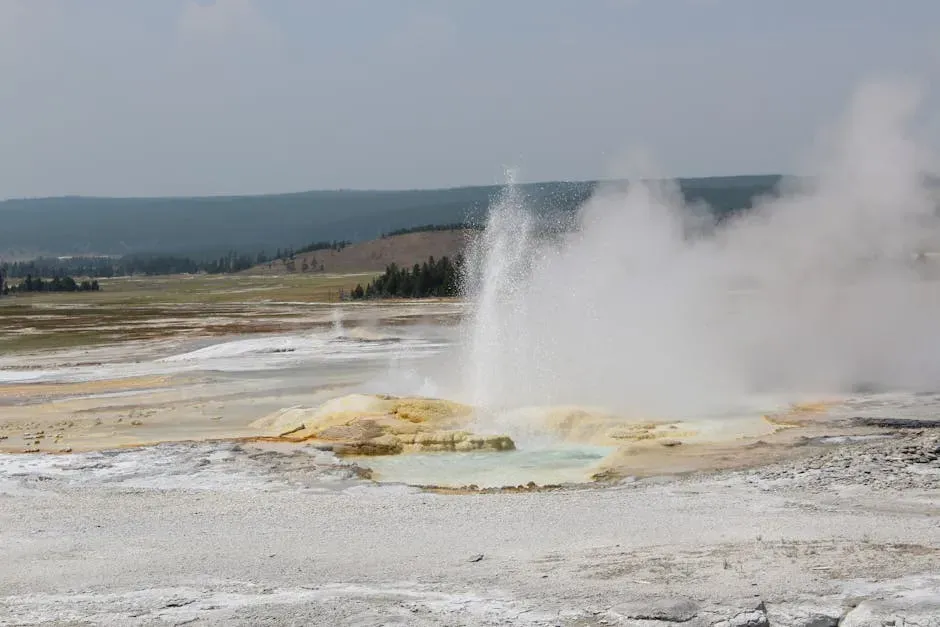
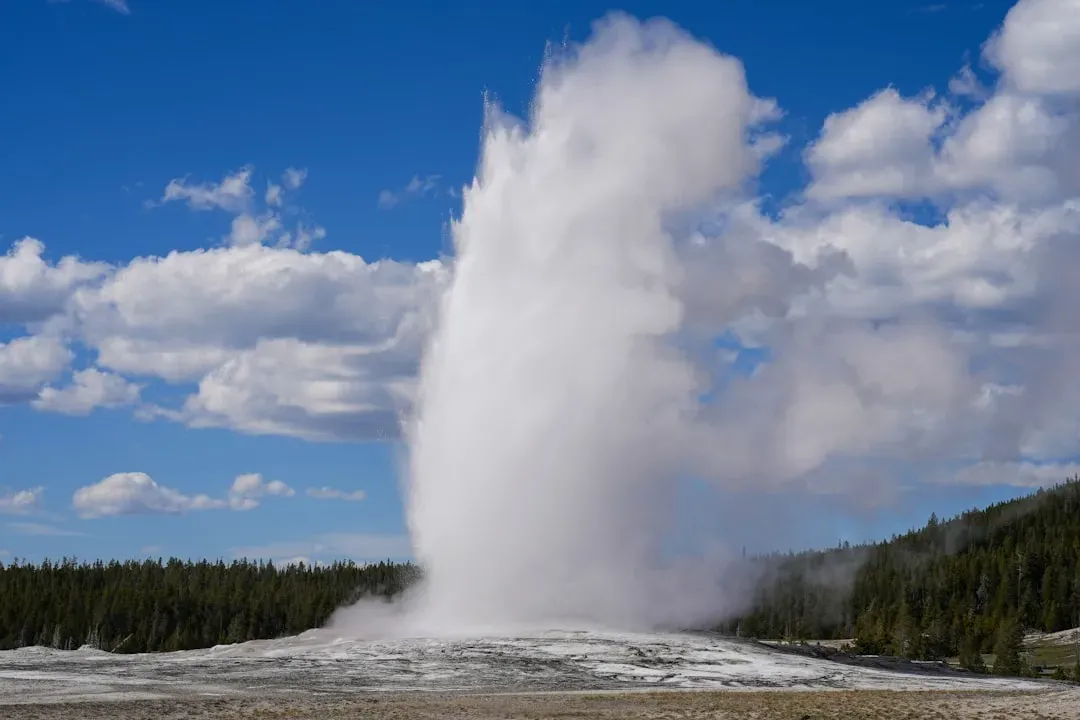
Yellowstone’s steaming vents, bubbling mudpots, and iconic geysers are not just tourist attractions; they are the volcano breathing out gases and heat from deep underground. Over time, the composition and rate of these gas emissions can change, especially levels of carbon dioxide and sulfur-bearing gases that rise from magma or hot fluids at depth. Scientists monitor these gases closely because subtle shifts can hint at changes in how magma is degassing or how hot fluids are moving through the crust. When those measurements drift away from long-term baselines, the community pays attention, even if the changes are modest rather than dramatic.
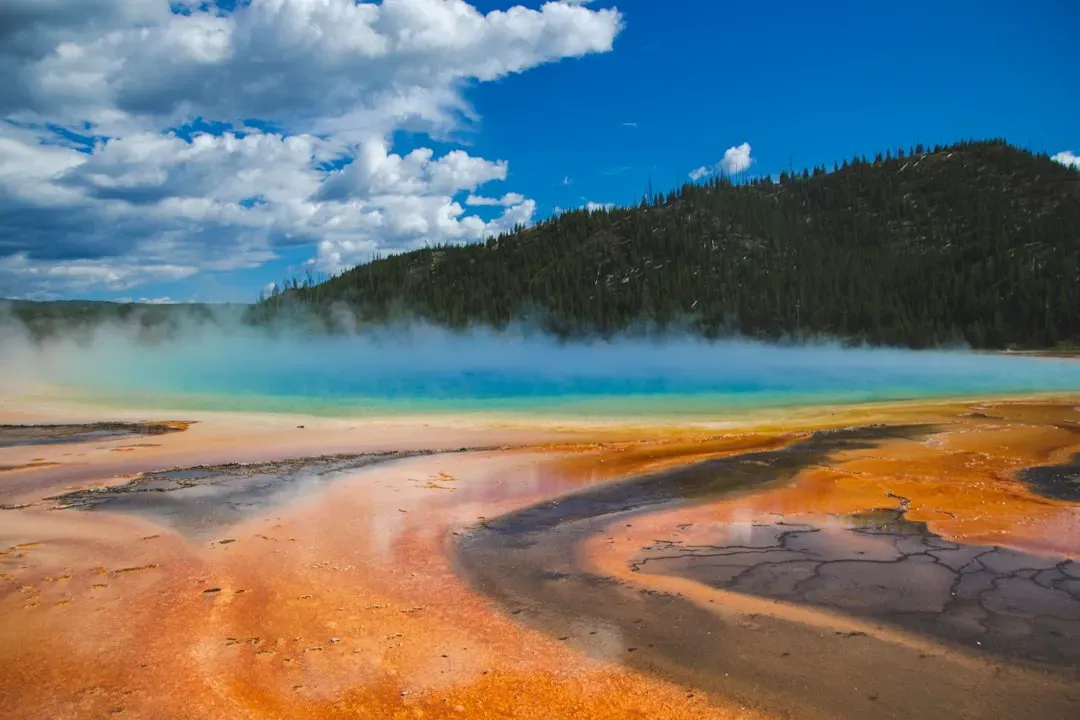
On the surface, people notice things like geysers that change their eruption intervals, hot springs that alter color or temperature, or new fumaroles that appear in previously quiet areas. Most of the time, these changes reflect shifting pathways in the shallow hydrothermal system – it’s like the underground pipes are being rerouted, forcing water and gas to find new exits. Still, when clusters of features change in the same general period that gas measurements and seismic patterns also shift, the story grows more compelling. No single vent tells the whole truth about Yellowstone, but when many of them start humming a slightly different tune, scientists have no choice but to listen more carefully.
Why These 3 Signs Matter More Together Than Alone
Each of these warning signs – earthquake swarms, ground deformation, and gas or hydrothermal changes – has shown up many times before without triggering a major eruption. If you took any one of them in isolation right now, the honest scientific answer would be that Yellowstone is active but not in crisis. What makes researchers especially alert today is the way these signals overlap in time and space. When the earth shakes a bit differently in the same general period that certain areas rise or sink and gas patterns shift, it starts to look less like random noise and more like an evolving system.
This is where volcanology resembles detective work more than doom-casting. Scientists are not just looking for one giant alarm bell; they’re piecing together a mosaic of small clues. The goal is not to terrify the public but to understand whether Yellowstone is simply adjusting its internal plumbing, storing energy in new ways, or entering a phase that, decades down the line, could materially change the hazard picture. My personal opinion is that we underestimate how valuable this kind of watchful vigilance is: we might never get a perfect prediction, but refining our understanding today is the only reason we might catch something truly dangerous tomorrow.
What A Real Yellowstone Emergency Would Actually Look Like
It’s tempting to see every tremor or geyser change as a sign that a supereruption is looming, but that’s not how real volcanic crises unfold. If Yellowstone were genuinely heading toward a major eruption, scientists would expect a cascade of unmistakable signals over a relatively short period: sustained and intense earthquake swarms at shallow depths, rapid and widespread uplift, dramatic changes in gas output, and noticeable shifts in thermal features across the region. It would not be a single odd week of quakes or one restless geyser – it would be an overwhelming pattern that even non-experts could recognize once it was explained.
Crucially, there are also many plausible outcomes that do not involve a civilization-ending catastrophe. Yellowstone could produce smaller lava flows or localized hydrothermal explosions without unleashing a continent-scale ash cloud. In fact, throughout its long history, it has erupted more often in these smaller, less apocalyptic ways than in the massive caldera-forming events that make headlines. The hard truth is that we live in a world where absolute certainty is impossible, but probability still matters: the odds that Yellowstone will experience another supereruption in our lifetimes remain low, while the chance that it will keep grumbling, hissing, and reshaping itself is almost guaranteed.
Living With A Supervolcano: How Worried Should We Really Be?
So where does that leave us – somewhere between denial and doomscrolling, I think. It’s easy to swing between two extremes: ignoring Yellowstone completely because big eruptions are rare, or obsessively treating every scientific update as a prelude to disaster. The healthier middle ground is to accept that we share a planet with powerful forces that do not operate on human schedules, while also recognizing that modern monitoring networks give us more insight and warning than any previous generation. In a sense, the fact that we’re even talking about changing swarms and gas emissions is a quiet victory of science.
Personally, I find Yellowstone less terrifying and more humbling. It reminds us that the ground beneath our feet is not as solid as we like to believe, and that our civilization is still just a recent chapter in a much older geological story. The three warning signs scientists are watching right now do not justify panic, but they absolutely justify attention, funding, and honest public communication. If anything, the real danger is not that Yellowstone might surprise us, but that we might stop listening because the news feels repetitive. The volcano will keep talking regardless; the question is whether we choose to keep hearing it.
Opinionated Conclusion: A Restless Giant We Must Respect, Not Fear
Yellowstone’s latest behavior – a more interesting mix of earthquake swarms, ground movements, and gas or hydrothermal shifts – is not a prophecy of imminent doom, but it is a clear reminder that this is a living system, not a museum exhibit. In my view, the real mistake would be to treat these signs as either proof that nothing will ever happen or proof that the end is near. Both extremes are comforting in their own way, because they save us from sitting with uncertainty. But the truth is messier and more adult: Yellowstone is restless, and will probably stay that way, and our job is to keep learning from every twitch and sigh.
If we are wise, we’ll treat this moment not as a reason to panic, but as a push to invest more in monitoring, research, and clear public education. The supervolcano under Yellowstone may never unleash another truly giant eruption in any of our lifetimes, yet the knowledge we gain by tracking its warning signs could help protect people from other volcanoes around the world. Living with a giant under your feet is unsettling, yes – but it is also an invitation to grow up scientifically and culturally, to respect the forces that built our planet without surrendering to fear. When you think about Yellowstone now, do you picture a ticking bomb – or a powerful, ancient heart still beating beneath the surface?