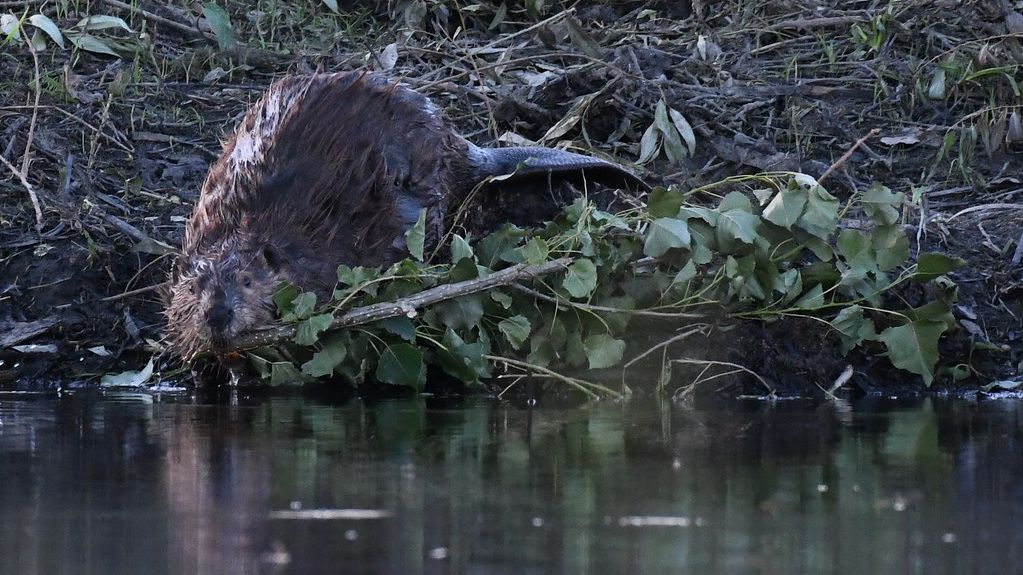
Imagine an animal that does engineering work on the scale of human infrastructure projects, yet weighs less than a kindergartner and works mostly at night. That is the beaver. These shy, buck-toothed rodents can turn a dry stream into a chain of glittering ponds, revive dying wetlands, and change the entire soundscape of a valley with nothing more than mud, sticks, and relentless stubbornness.
When I first walked through a forest that had been “renovated” by beavers, it felt like stepping into an alternate version of the same place. Trees were sculpted into strange pencil-shaped stumps, silent creeks had become noisy staircases of little waterfalls, and birds I had never seen there before were suddenly everywhere. Once you see how thoroughly beavers rearrange a landscape, it is hard not to start thinking of them as quiet, slightly chaotic civil engineers with a very strong vision.
1. Beavers Are Some of Nature’s Most Extreme Ecosystem Engineers
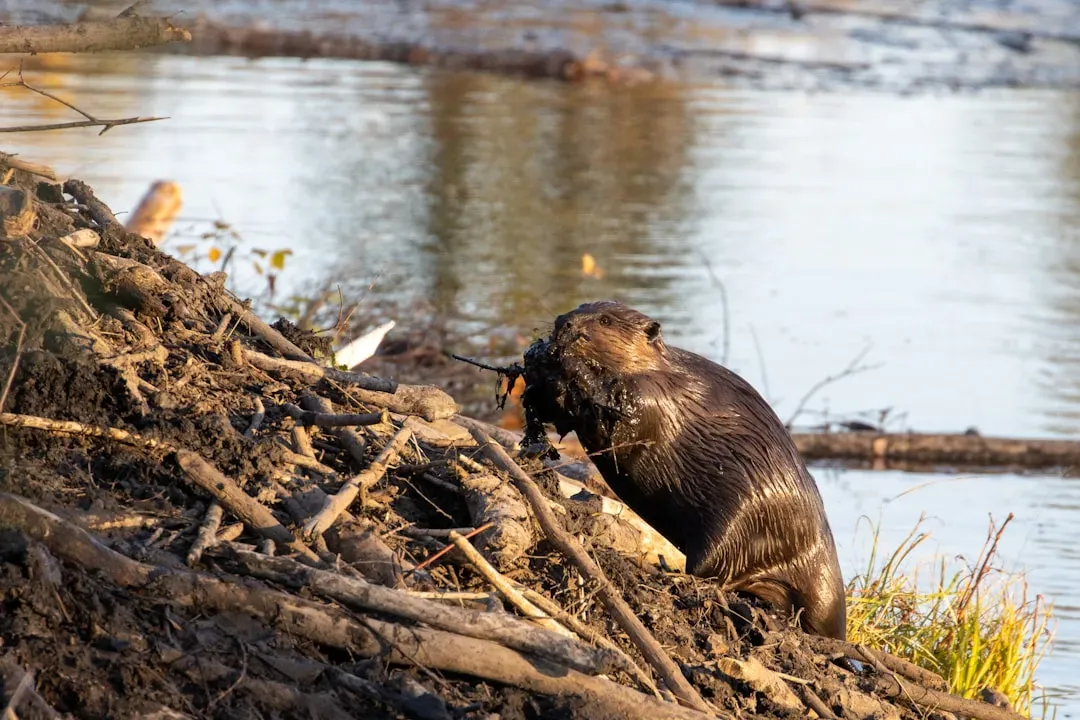
It is not an exaggeration to say that beavers can redraw maps. By building dams that back up water into ponds and wetlands, they change the local water table, the shape of shorelines, and even the way water flows underground. Ecologists call animals like this “ecosystem engineers” because their actions physically transform the habitats that countless other species rely on.
What makes beavers stand out is how deliberate their engineering looks. They do not just dig or graze; they create multi-step construction projects: dams, canals, lodges, and food caches all tied into one system. A stream that once rushed straight downhill suddenly becomes a series of pools and mini-rapids stepping slowly through the valley. In practical terms, one small family of beavers can turn a narrow, single-thread creek into a wide, complex wetland that supports frogs, insects, birds, fish, and mammals that simply were not there before.
2. Their Dams Store Water Like Natural, Self-Maintaining Reservoirs
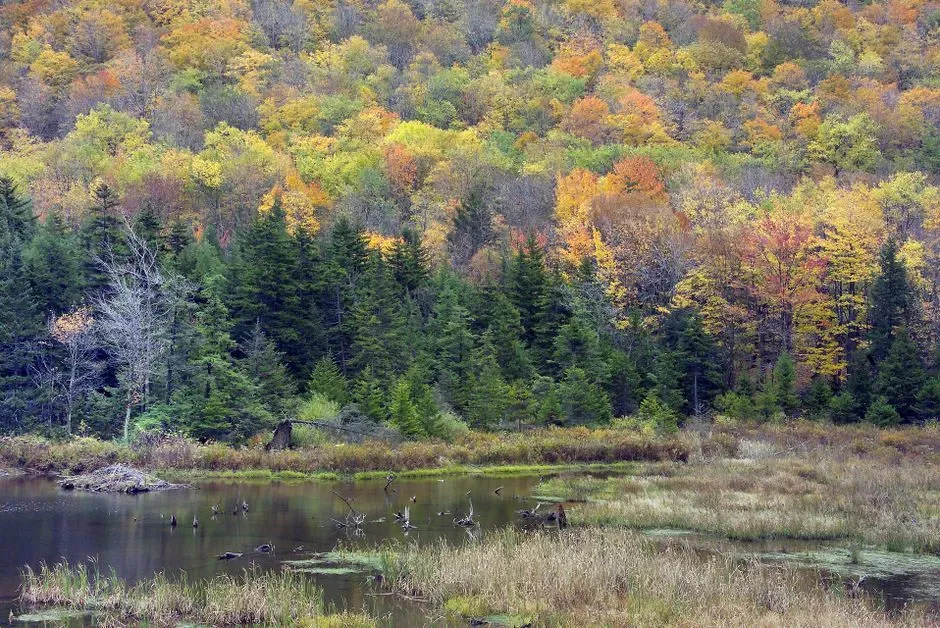
Beaver dams act a lot like small, leaky reservoirs that keep water on the landscape longer than it would naturally stay. Instead of rushing downstream in one quick burst after a storm, water spreads out, slows down, and seeps into the soil and groundwater. That stored water can then trickle back into streams in drier months, keeping creeks flowing later into summer and fall.
From the outside, a dam might look like a messy pile of branches and mud, but up close you can see careful layering and constant upkeep. Beavers patch leaks, raise the height during dry spells, and sometimes build secondary dams below the main one, creating a chain of ponds that functions like a series of small, adjustable reservoirs. In many places, these networks have helped stabilize water supplies for both wildlife and nearby human communities that depend on streams not running completely dry.
3. Beaver Wetlands Help Fight Droughts and Blunt Floods
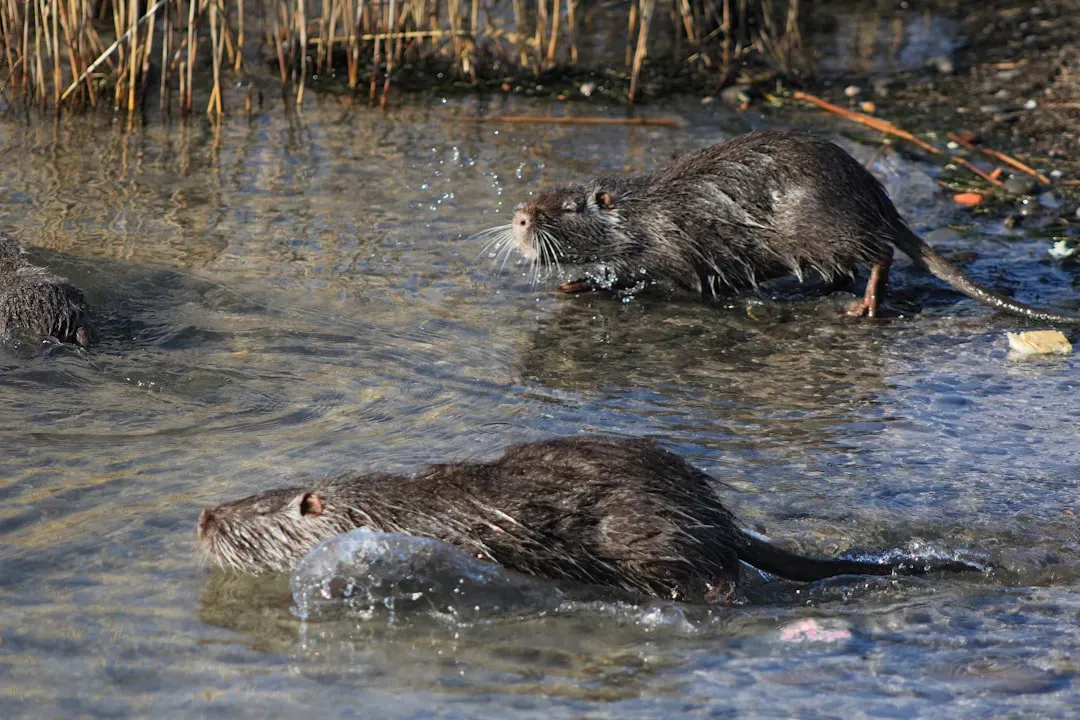
One surprising way beavers reshape landscapes is by smoothing out the extremes of wet and dry. During heavy rains or rapid snowmelt, beaver ponds absorb and slow down surges of water that would otherwise rush downstream as destructive floods. The water spreads outward into the floodplain, seeps into sediments, and gets temporarily stored in the wetland sponge that the beavers have created.
Then, when rains stop and streams usually shrink to a trickle, that same stored water moves back into channels more gradually. Researchers have found that streams with active beaver populations tend to hold onto water later into dry seasons, meaning refuges for fish, amphibians, and thirsty animals stick around when other creeks turn to rock and dust. It may feel strange to credit a rodent with climate resilience, but on the ground, that is exactly what is happening.
4. Their Work Creates Biodiversity Hotspots in Otherwise Ordinary Valleys
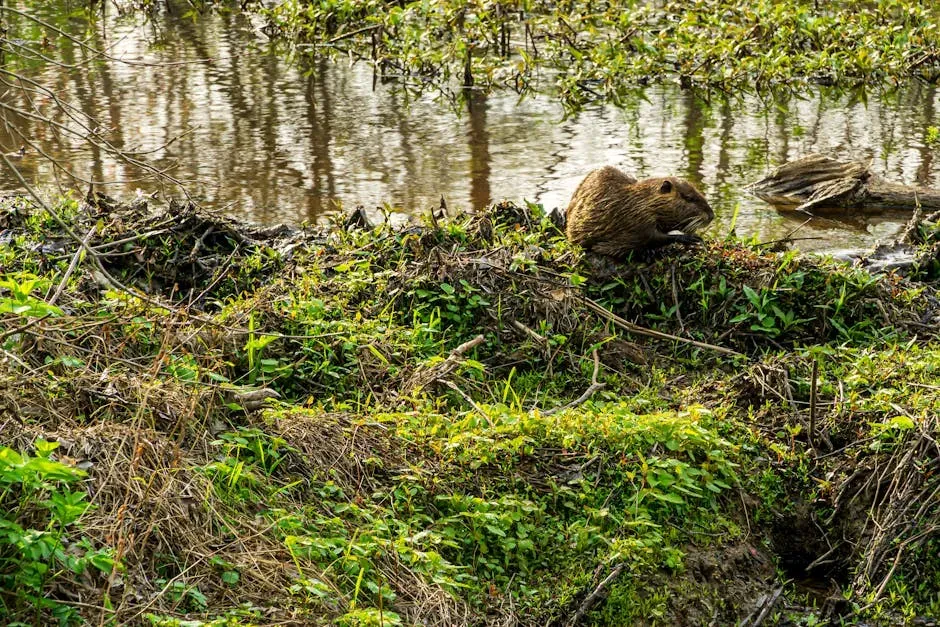
A bare, straightened stream channel is a bit like a deserted hallway: it gets you from point A to point B, but there is not much going on along the way. When beavers move in, they turn that hallway into a busy marketplace. Ponds and wetlands bring in aquatic insects, which attract fish, amphibians, and insect-eating birds. The new standing dead trees near ponds become nest sites for woodpeckers and owls, while the lush wet meadows feed deer, moose, and countless smaller herbivores.
The result is that beaver landscapes often have far more species packed into the same area than nearby places without beavers. You might see ducks paddling in the pond, dragonflies hovering over emergent plants, songbirds chattering from shrubs on the pond edge, and mink or otters hunting along the water’s edge. It is like watching a quiet suburb suddenly sprout cafes, gardens, and parks that draw in a whole new crowd of visitors, except here the city planners are covered in fur.
5. Beavers Literally Change How Rivers Flow and Meander
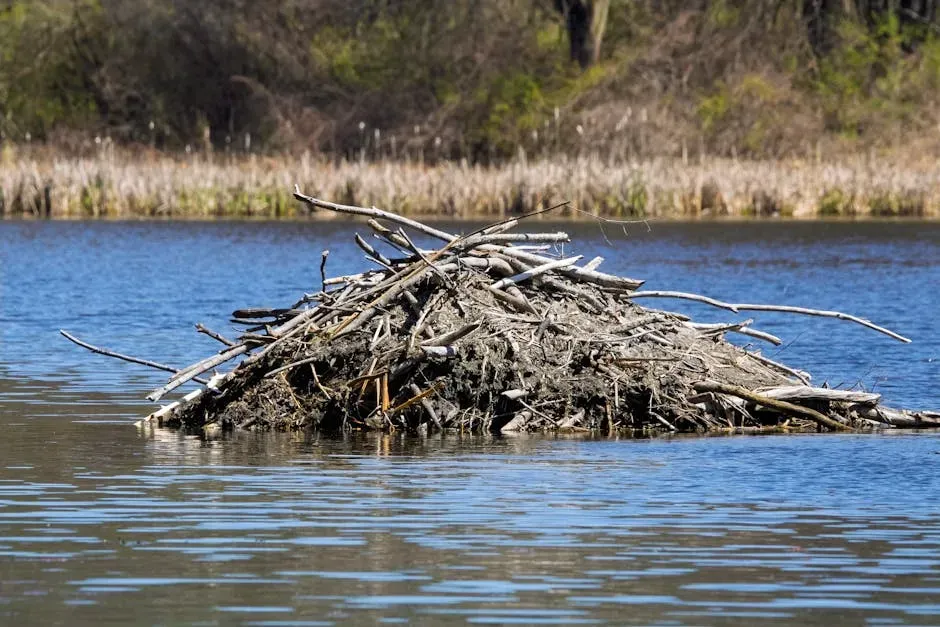
Over time, beaver dams can nudge entire streams into new courses. As water slows behind a dam, it drops the sediment it was carrying, filling in deeper channels and building new beds of mud and gravel. The water then spills sideways and starts exploring new paths across the floodplain, carving out side channels and backwaters that did not exist before. The river becomes more braided and complex instead of just one deep, fast chute.
This constant remodeling can be dramatic if you compare aerial images from before and after beavers colonize an area. Straight sections of creeks that once sliced through pastures or forests turn into tangled ribbons of ponds and side channels, with green vegetation spreading into places that used to be bare gravel or dry soil. To some landowners this can be inconvenient, but from a river’s perspective, it is a return to the more dynamic, messy pattern that existed before humans tried to pin streams into narrow, predictable paths.
6. Their Lodges and Canals Build Three-Dimensional Habitat
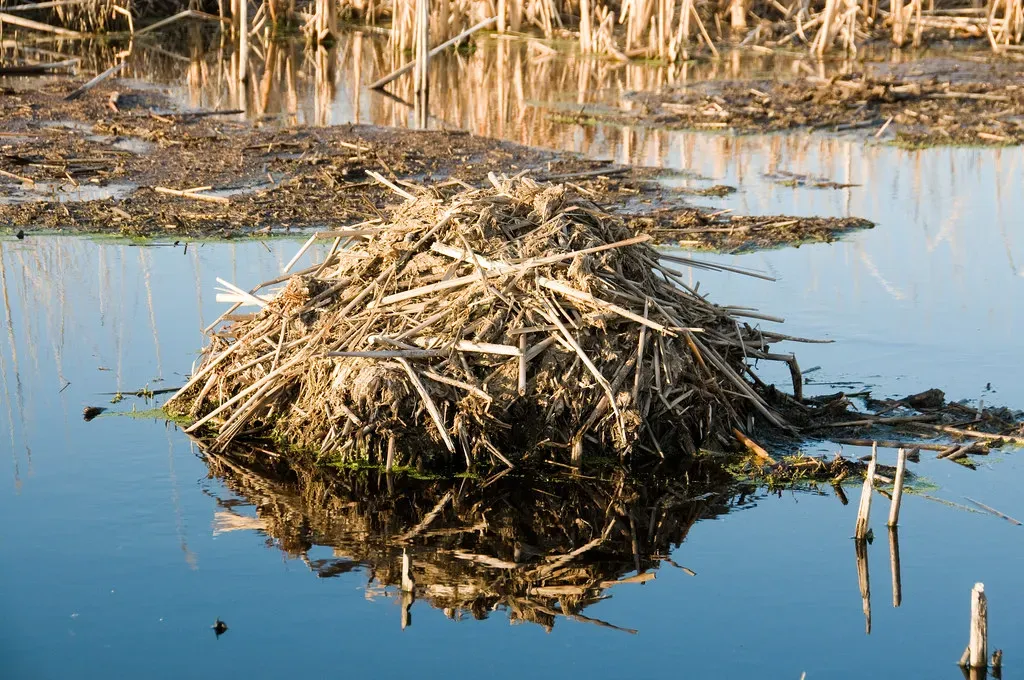
Beavers do not stop at dams. They also build lodges – fortified dome-shaped homes made of logs, sticks, and mud – and sometimes long, shallow canals that connect water to feeding areas. These extra structures add vertical and horizontal complexity to the landscape. Lodges rise above the pond surface, creating dry interior spaces for resting and raising kits, while also offering hiding places for fish and amphibians in the nooks and crannies below.
The canals are like secret passageways, allowing beavers to float branches and logs with minimal effort and maximum safety from predators. Along those canals, muddy banks get churned up, new plants take root, and small microhabitats form: shallow warm pools here, cooler deeper spots there. From a human point of view, it feels like watching someone add staircases and side rooms onto a simple one-story house, turning it into a complex, multi-level living space that suits far more species than the original flat floor plan.
7. Beavers Can Turn Degraded Farmland and Logged Areas Back into Wetlands
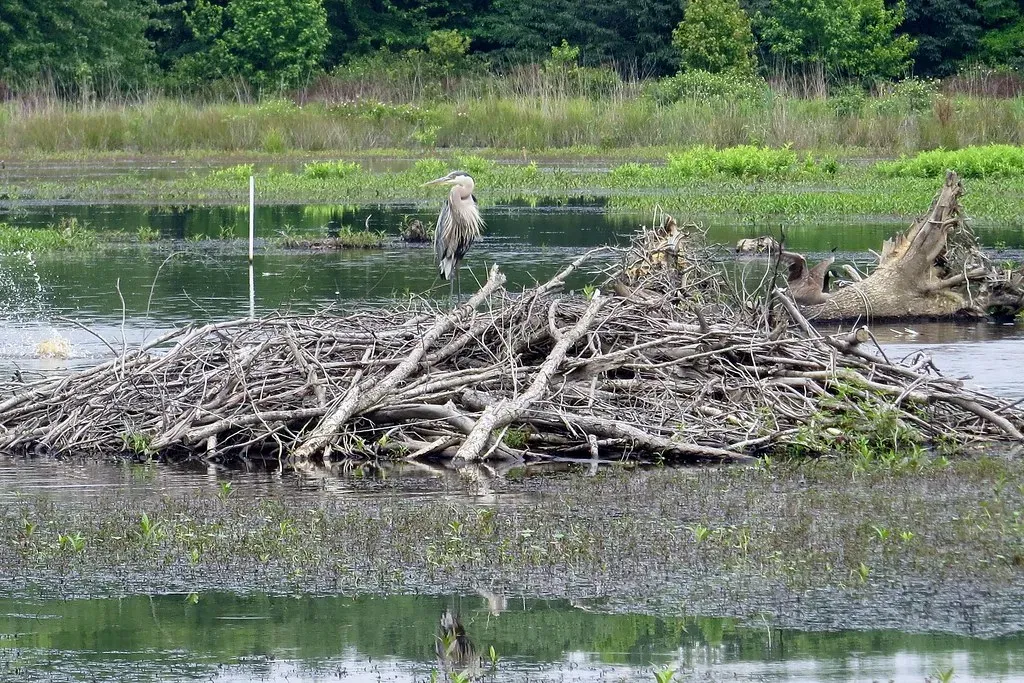
In many parts of North America and Europe, landscapes that were drained, overgrazed, or heavily logged have slowly slipped into ecological exhaustion: dry, eroding gullies, weed-covered fields, and seasonal streams that disappear for most of the year. When beavers are allowed to return to those same areas, the transformation can be startling. Their dams raise water levels, re-wet dried-out soils, and encourage the return of native wetland plants.
Over several years, what used to be marginal farmland or a tired logging road can morph into a chain of ponds and lush meadows. Willows, alders, cattails, and sedges colonize the new wet ground, attracting insects and birds that had been absent for decades. I have walked through former cow pastures where the only clue to their past life was an old fence post sticking up out of a thick stand of reeds, with a beaver-chewed log leaning against it like a quiet rebuttal to the idea that the land was “used up.”
8. Their Activities Can Cool Streams and Help Struggling Fish
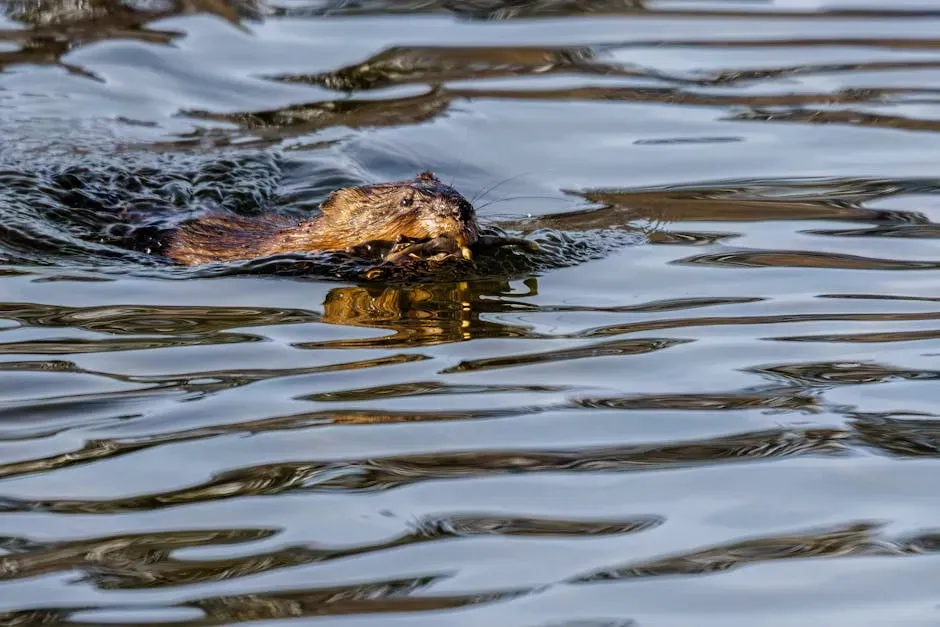
At first glance, it might seem like slowing down water in a pond would warm it up and harm cold-loving fish like trout and salmon. In reality, the picture is more nuanced, and in many cases beaver ponds end up helping fish populations. By spreading water out and raising the local water table, beaver wetlands can increase the amount of cool groundwater seeping into streams. That groundwater can form cold pockets and side channels that give fish somewhere to escape heat waves.
On top of that, the complex mix of deep pools, shallow riffles, and slow backwaters gives fish more options for feeding, hiding, and overwintering. Young fish in particular benefit from the slower, more sheltered waters of beaver-influenced streams, where they can find abundant food without constantly fighting strong currents. The relationship is not perfect everywhere, but the old idea that beavers are automatically bad for fish is being steadily replaced by a more accurate view: in many systems, beavers actually help fish get through hotter summers and flashier flows.
9. Beavers Lock Carbon in Wet Soils and Slow Down Wildfire Impacts
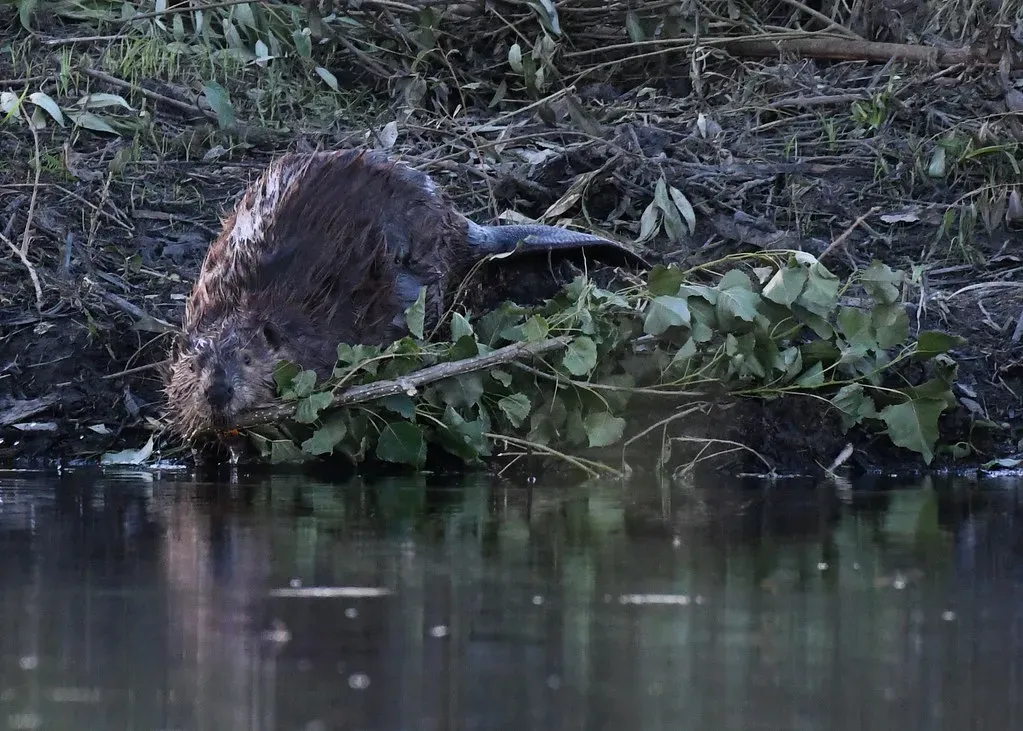
Wetlands created by beavers are not just rich in life; they are also powerful long-term storage systems for carbon. When plants in ponds and marshes die, they sink into low-oxygen, waterlogged soils, where decomposition is slower and more incomplete. Over years and decades, layers of organic matter build up, effectively locking away carbon that might otherwise have returned to the atmosphere. It is not as flashy as a new technology, but it quietly helps stabilize the climate.
Those same soggy areas can also act as natural fire breaks. During intense wildfire seasons, beaver wetlands often stay green and damp while surrounding hillsides burn, giving wildlife last-minute refuges and creating patches of unburned habitat that become seeds for recovery. Aerial photos from big fire years in North America have shown ribbons of beaver wetlands standing out as moist islands in charred landscapes. When you realize that this pattern repeats across thousands of small valleys, it becomes hard not to see beavers as underrated allies in a warming, fire-prone world.
10. Coexisting With Beavers Can Be Tricky – but the Payoff Is Huge
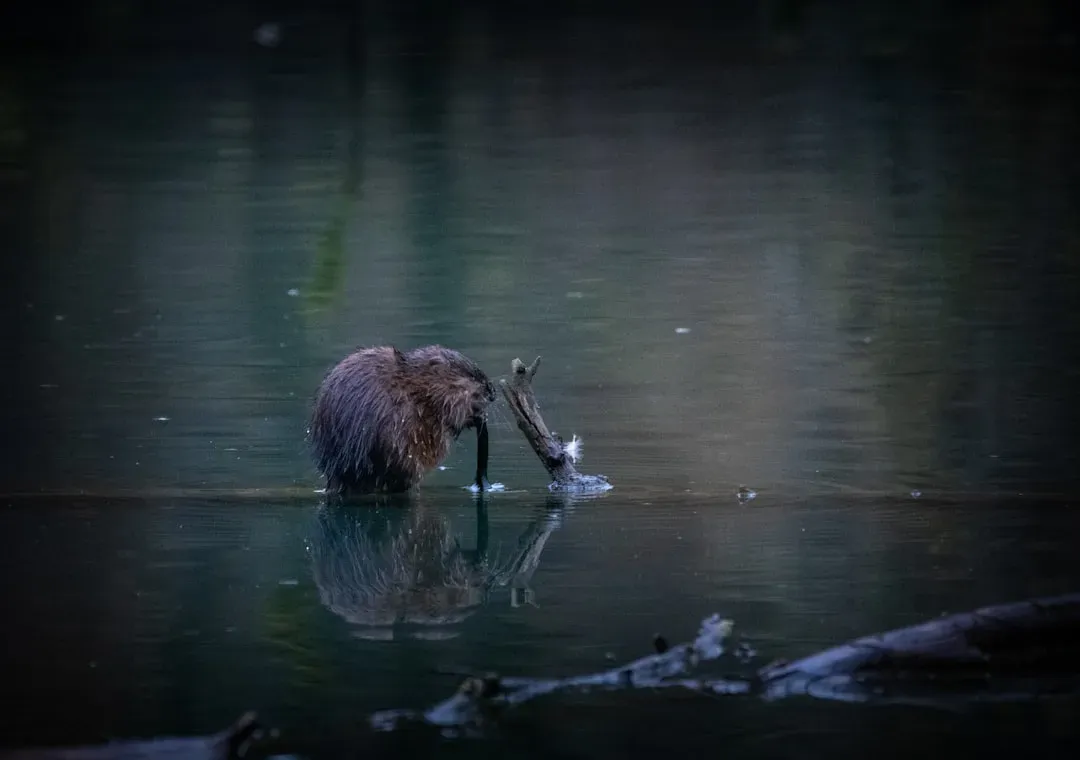
It would be dishonest to pretend that living alongside beavers is always simple. Their dams can flood roads, agricultural fields, or backyard lawns, and they can take down trees that people would rather keep standing. For landowners, the first sign of beavers is not always a magical new wetland; sometimes it is a culvert backed up with branches or a prized ornamental tree gnawed halfway through overnight.
But the story does not have to end with traps and conflict. Simple tools like flow devices (often called “beaver deceivers”) can keep water levels below problem thresholds without removing the animals. Protective wraps around tree trunks can save favorite shade trees while still letting beavers harvest others. In many places, communities are realizing that if they are willing to adapt a bit – raising a roadbed here, giving up a small patch of low field there – the long-term gains in water security, biodiversity, and resilience far outweigh the inconveniences. It is a trade that looks smarter with every hotter summer and more erratic storm season.
11. Beavers Remind Us That Big Change Often Comes From Small, Persistent Actions
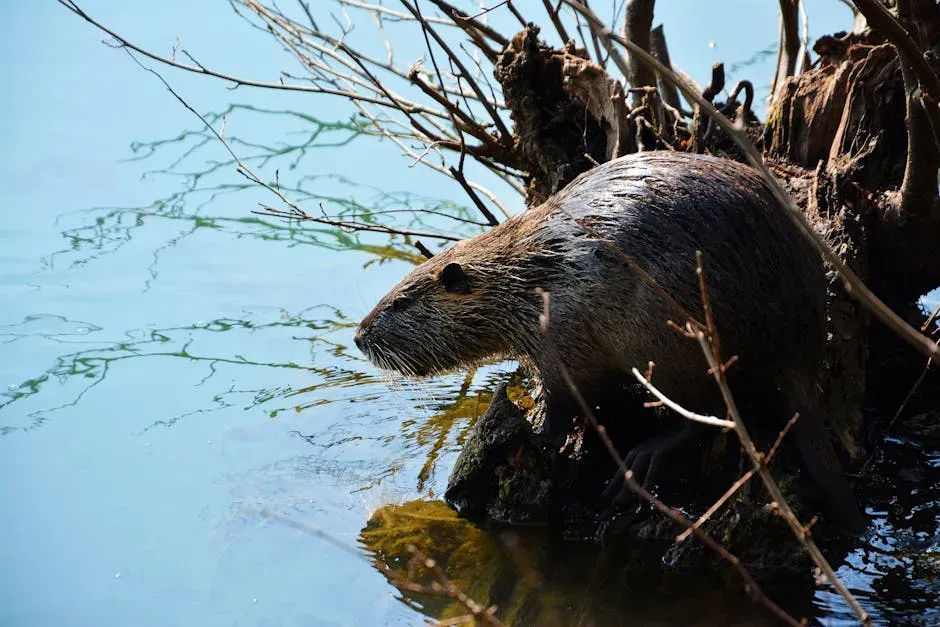
There is something almost comical about the idea that an animal with orange teeth and a flat tail can reshape entire landscapes, yet that is exactly what beavers do by repeating the same simple behaviors night after night. They bite, drag, stack, and plaster, driven more by instinct than by grand vision, and over years their small acts add up to ponds, forests, and floodplains that look nothing like what was there before. In a world obsessed with quick fixes and dramatic interventions, their slow, relentless approach feels both old-fashioned and quietly radical.
Personally, standing at the edge of a beaver pond has made me rethink what “powerful” really means in ecology. It is not always the biggest predator or the rarest species that has the deepest impact; sometimes it is the stubborn builder that simply will not stop rearranging sticks. Beavers will not solve every environmental problem, and there are places where they simply do not fit. But in many damaged valleys and tired creeks, letting them come back is one of the smartest, most humble decisions we can make. If a mid-sized rodent can help heal rivers with nothing more than teeth and time, what excuse do we really have for not rethinking how we shape the land ourselves?