You probably think of death as a single moment: one heartbeat, one breath, and then nothing. In reality, what happens to your body and your sense of self is more of a process than an instant, and science is only just starting to map that mysterious territory. When you ask what happens to your consciousness in the first 24 hours after you die, you’re stepping into one of the biggest questions humans have ever wrestled with, where biology, physics, psychology, and spirituality all collide.
There’s good news and bad news here. The bad news is that no one can follow your consciousness past a certain point and come back with lab-verified notes. The good news is that researchers have learned a surprising amount about what happens in your brain and body at the threshold of death and in the minutes and hours after. When you look at that evidence honestly, it does not give simple, comforting answers – but it does give you a clear, grounded picture of what we know, what we strongly suspect, and where the mystery honestly begins.
The Moment of Death: Why “Time of Death” Is Not the Whole Story
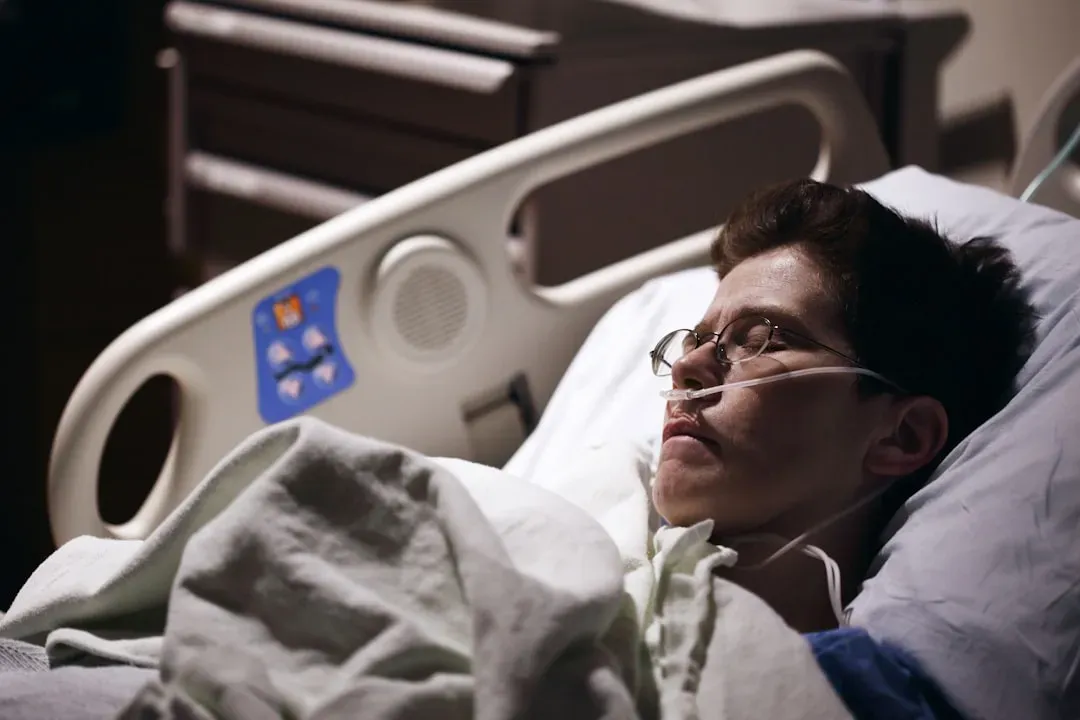
When a doctor writes a time of death on a chart, it looks final: a clean line between “you” and “not you.” But your body doesn’t switch off like a light; it powers down like a vast city losing electricity block by block. Your heart stops pumping, blood pressure crashes, your cells run out of oxygen, and the brain – the hungriest organ you have – starts to fail within seconds. Yet in those first moments, some parts of the brain may still be firing, and traces of organized activity can sometimes be detected after the heart has already gone silent.
From your perspective, if you could somehow “watch” this from the inside, you wouldn’t experience a crisp cut from alive to dead. Consciousness depends on networks of neurons talking to one another, not on one single switch. As blood flow drops, those networks fall apart, and your sense of self and the outside world likely fragments, fades, and then dissolves rather than abruptly blinking to black. That official time of death is really the point when your body has passed the line beyond which it can no longer restore normal function on its own, not the moment every last shred of activity disappears.
The Last Minutes of Consciousness: What You May Feel as the Brain Fails
In the final minutes before death, if you’re awake and aware, the experience often narrows instead of exploding into chaos. Many people report pain, shortness of breath, or confusion, but alongside that, there can be a surprising calm as the brain’s higher centers start to go offline. You might lose track of time, stop caring about details that used to matter desperately, or feel detached from what’s happening to your body, almost as if you’re watching it from across the room. This isn’t magic; it’s how a stressed brain can naturally protect you from overwhelming fear and pain.
As oxygen levels drop, your brain’s electrical patterns change rapidly. Areas that manage detailed thinking and self-reflection may fade first, while more primitive regions tied to emotion, memory fragments, and raw sensation might keep firing briefly. If you’ve ever been half-awake in a vivid dream, where reality and imagination blur, that gives you a rough metaphor for how your inner world could morph as you approach the edge: less logical, more symbolic, and not fully anchored to the physical scene around you.
Near-Death Experiences: A Glimpse of the Edge, Not Beyond It
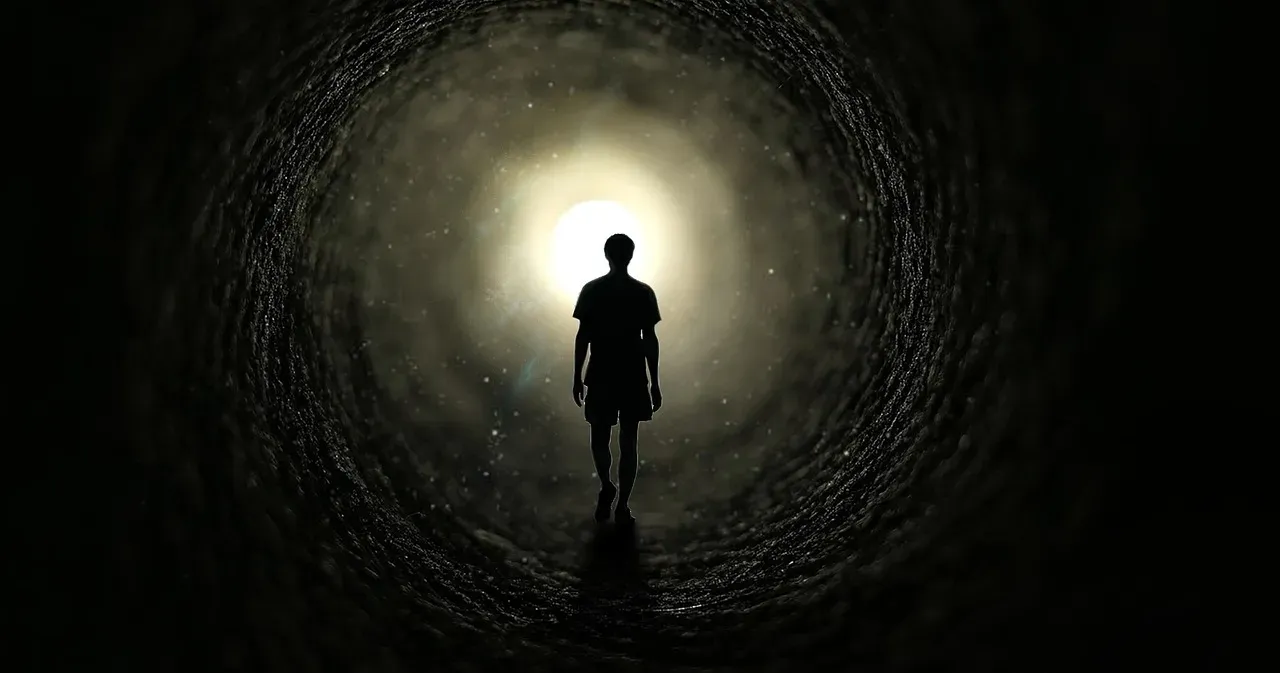
When people are resuscitated after cardiac arrest or severe trauma, many describe powerful near-death experiences: tunnels of light, overwhelming peace, life reviews, or encounters with loved ones. If you ever go through a close call like that, what you remember can feel more real than waking life. The key thing to understand is that these reports, as intense and meaningful as they are, come from brains that eventually came back online. They show you what your consciousness can do on the brink of death, not what it does once the brain is truly and permanently gone.
Scientifically, these experiences line up with what you’d expect from a brain under extreme stress: abnormal but organized activity in visual regions, altered time perception, and surges of certain chemicals that can produce sensations of unity, awe, and separation from the body. If your brain is shutting down and then briefly restarts, it may create a narrative from odd bursts of activity, weaving them into something coherent so your sense of self doesn’t dissolve. From the inside, it feels like you went somewhere; from the outside, it looks like your brain used its last energy to create one final, vivid story.
The First Minutes After Death: Residual Brain Activity and Fading Awareness
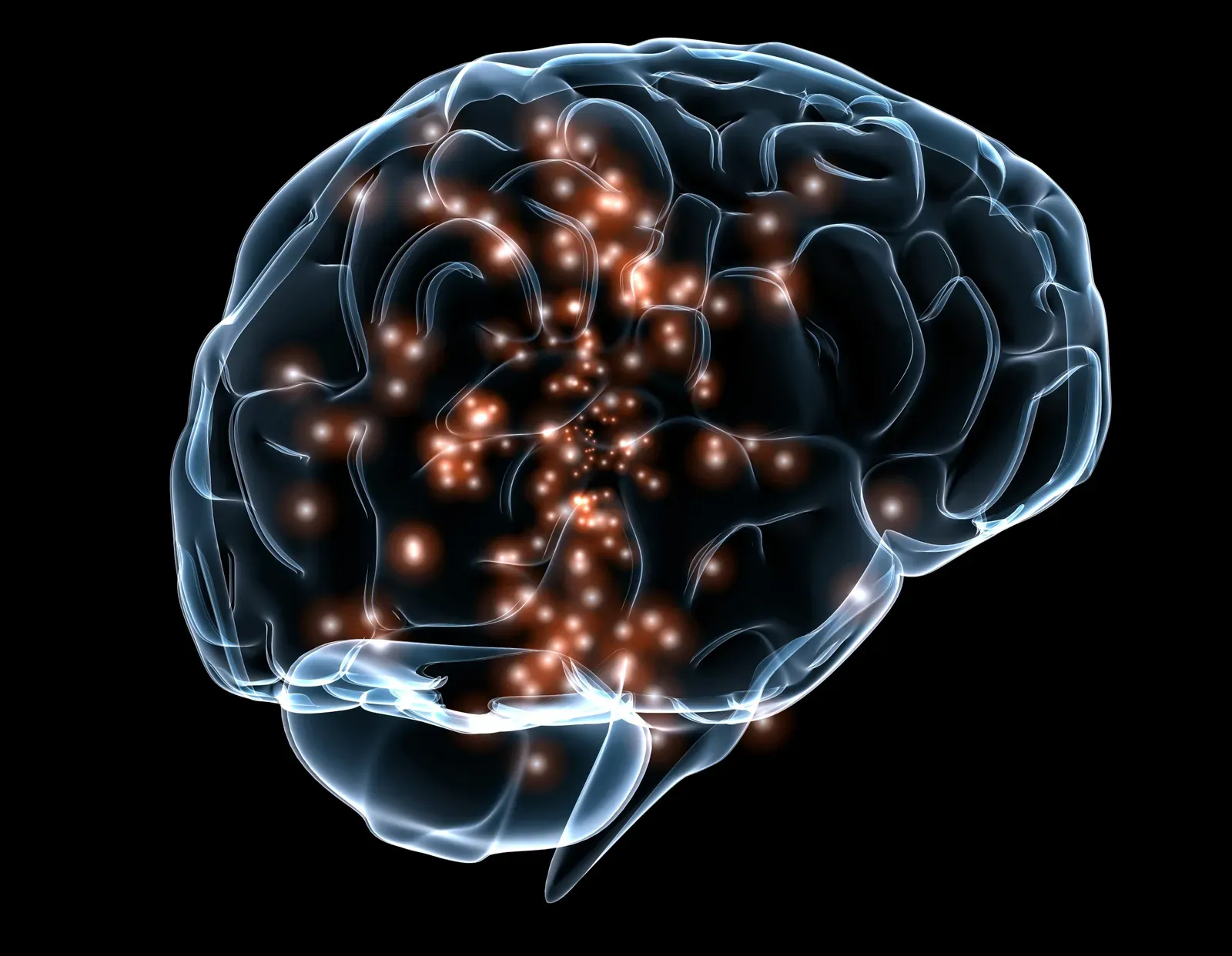
Once your heart has stopped and blood is no longer circulating, your brain loses its power source. Yet research suggests that for several seconds – and in some cases, possibly a few minutes – there can still be measurable electrical activity in parts of the brain. If doctors restart your heart quickly enough, you might wake up with memories from that gray zone, though they’re often fragmented dreams, odd sensations, or intense emotions rather than clear play-by-play memories of what was happening around your bed.
Could you, strictly speaking, still have some kind of flickering awareness during those early moments after your heart stops? It’s possible that brief, unstable states of consciousness persist while the brain’s networks disintegrate, but they’d likely be disorganized and dreamlike. Your sense of “I am here, in this body, in this room” depends on stable, integrated activity that cannot be sustained once oxygen is gone. In practical terms, your everyday kind of awareness – the you that worries about bills, relationships, or tomorrow – vanishes very quickly, even if tiny islands of cellular activity carry on a bit longer in the dark.
Hours After Death: Cells, Genes, and the Illusion of “Hidden Consciousness”
Here’s one of the most unsettling scientific findings: some of your cells and even certain genes can stay active for hours after you die. Immune cells can still move, muscle cells can still respond, and some genes even switch on as part of a last-ditch stress response. If you were to look only at that data, you might be tempted to think there’s some secret pocket of consciousness hanging on. But there’s a huge difference between individual cells doing their own slow-motion shutdown and the organized, synchronized activity needed for awareness.
Consciousness, as you experience it, depends on vast networks of neurons communicating quickly and in highly structured patterns. Once those networks break down and the brain starts to swell, degrade, and lose its delicate architecture, there is no known way for a unified, subjective “you” to keep operating. In the first few hours after death, you are more like a collapsing ecosystem than a dimmed but still-watching mind. Activity continues in parts, but there is no central observer left to experience any of it as thoughts or feelings.
Where Science Stops: The Hard Limits of Measuring Consciousness After Death
If you’re hoping science will eventually produce a brain scan of “the soul leaving the body,” you’re going to be disappointed. Instruments can pick up electrical signals, chemical shifts, and structural changes, but they can’t directly grab hold of subjective experience. Once you’re truly dead – no circulation, no brain function that can be restarted, no organized neural activity – there is nothing left for current technology to record or decode. From the standpoint of neuroscience, your consciousness ends when your brain can no longer support the complex patterns that created it in the first place.
This does not automatically settle religious or philosophical questions about an afterlife, but it does define the boundary of what science can honestly say. You can map the process of dying, chart the fading of brain activity, and correlate certain experiences with specific biological events. Beyond that, you move from evidence into belief. If you personally feel that something of you continues, that’s a spiritual or metaphysical stance, not a conclusion science can verify or refute. In the first 24 hours after your body dies, everything we can measure says that your subjective awareness has already vanished long before your tissues finish their slow, physical unraveling.
The 24-Hour Window: What Really Happens to “You” in That First Day
So, if you zoom out and look at the full 24 hours after death, the timeline is stark. In the first seconds to minutes after your heart stops, your consciousness dissolves as your brain loses oxygen and its networks fall apart. Over the next minutes to hours, residual electrical ripples, cellular activity, and genetic responses continue, but they no longer build anything like a unified inner world. By the time your body has cooled, your muscles have stiffened, and your cells have begun their chemical breakdown, the processes that once generated your thoughts, memories, and sense of self are long gone.
In other words, by the time your loved ones are making arrangements, sitting with your body, or beginning rituals that matter deeply to them, the “you” that worried, loved, feared, and hoped has already slipped out of reach from the perspective of biology. What remains is your physical form and the echo of you that lives in their memories, feelings, and stories. It may sound harsh, but there is also a kind of mercy in knowing that your consciousness does not linger trapped in a failing body for hours on end. The hard part of dying, subjectively, seems to be brief; the lengthy part is what your body and the people around you go through afterward.
Living with the Knowledge: How Understanding Death Can Change How You Live

Facing this science head-on can feel cold at first, almost like someone has turned off a comforting light. But if you lean into it, the picture can become strangely grounding. Knowing that your consciousness is fragile, temporary, and dependent on a living brain can make petty irritations shrink and real priorities stand out in sharp relief. You’re not a disembodied spectator; you’re a living process that is currently, miraculously, still running. That fact alone can make everyday moments – the feel of sunlight, the sound of someone laughing, even an ordinary cup of coffee – take on a quiet intensity.
Personally, whenever I think seriously about what happens in those 24 hours after death, I find myself paying more attention to what I’m doing in the 24 hours before tomorrow. You cannot control the exact way your consciousness will fade, but you can decide how you use it while you have it: what conversations you have, what you apologize for, what you notice, what you create. In a strange way, studying death is not really about death at all; it is about seeing your life clearly while you still have the ability to ask these questions and feel their weight.
Conclusion: The Mystery That Begins Where Measurement Ends
When you strip away wishful thinking and look at the best evidence, your consciousness appears to be a product of your living brain, and it unravels rapidly after your heart stops. In the first 24 hours after death, your cells and tissues go through a complex, fascinating shutdown, but the subjective “you” disappears in the first tiny slice of that window. Near-death experiences, gene activity after death, and lingering cellular motion can all look mysterious, yet none of them, so far, point to a continuing, measurable awareness beyond a non-functioning brain.
At the same time, that boundary where science falls silent is exactly where your personal beliefs come into play. You can choose to see death as a final curtain or as a doorway, but either way, the only consciousness you can be absolutely sure of is the one you have right now. Maybe the most honest response to the science of dying is not despair, but urgency: an invitation to live more awake, more present, and more deliberate while you still can. Knowing what you know now, how do you want to spend the rest of the time when you are unmistakably, vividly here?