You probably think of Yellowstone as a place of geysers, bison, and summer road trips. But tucked behind those boardwalks and overlooks is a backcountry so vast and unforgiving that when someone vanishes in it, they can simply…stay gone. No trace. No answers. Just a vehicle at a trailhead, a tent by a river, or a rumor of where they planned to go next.
As you read about these disappearances, you are really staring into the limits of what humans can control in wild country. Most of these cases are not conspiracies or campfire legends; they are tragedies that happened to real people with families, jobs, and plans. In many of them, rangers, volunteers, helicopters, and dogs scoured remote canyons and high ridges, then had to walk away with nothing. When you step into Yellowstone’s backcountry, this is the shadow that walks with you, whether you notice it or not.
1. Peter Louis Kastner: A Car at Hellroaring Trailhead and Then Nothing
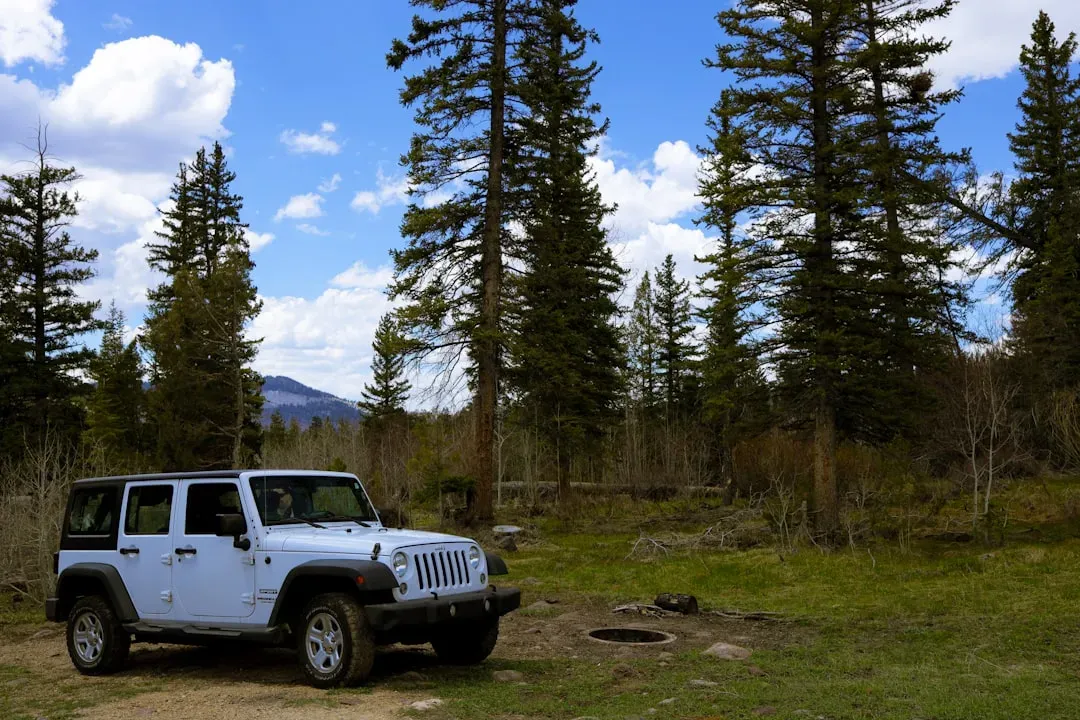
If you had turned into the Hellroaring Trailhead near Yellowstone’s northern boundary in early summer of 2010, you would have seen something that felt off right away: a rental car sitting alone for days in a busy season when vehicles rarely linger unnoticed. Rangers checked the plates and discovered it belonged to twenty‑five‑year‑old Peter Louis Kastner from Oklahoma, who had driven across several states to reach this remote corner of the park. He never obtained a backcountry permit, never checked in at a ranger station, and never returned to his car.
Imagine walking those same dusty trail miles knowing that after days of searching with helicopters, dog teams, and ground crews, not one solid clue ever surfaced to show where he went. You follow the path down toward the Yellowstone River, past side trails spidering into thick timber and steep draws, and you can feel how easy it would be to step off the route and simply disappear. In Peter’s case, investigators have never been able to say whether he got lost, was injured, or made a deliberate choice to vanish. The car still feels like a question left hanging at the edge of the forest, asking you how well you really understand where wild country ends and your own control begins.
2. Daniel Lynn Campbell: Into a Spring Snowstorm with His Dog
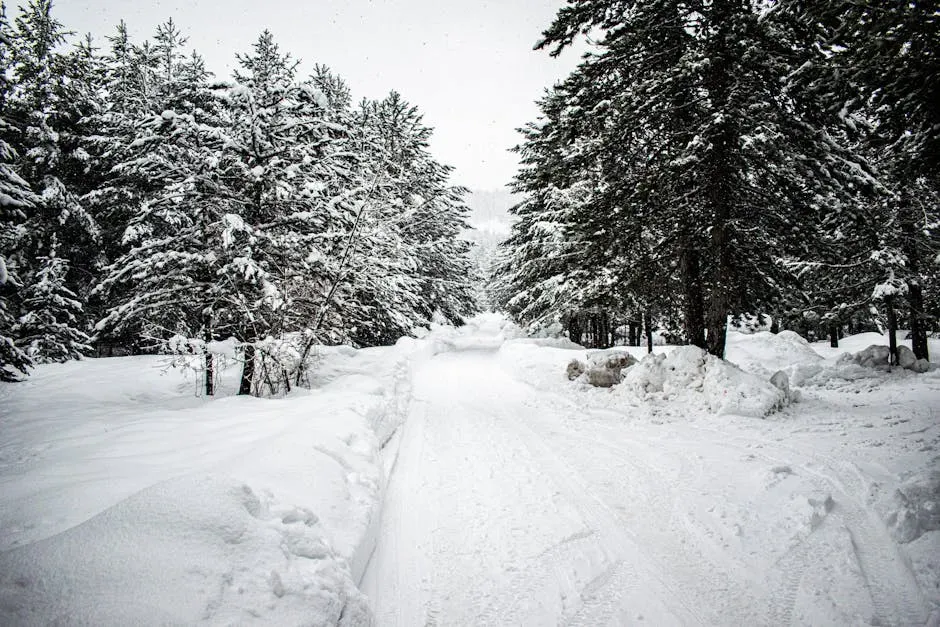
Picture getting dropped at a trailhead in early April, snow still lingering in the trees, your dog trotting excitedly at your side, and the plan being just a short two‑day backpack into the Yellowstone backcountry. That was the setup in 1991 for Daniel Lynn Campbell, a man from out of state who chose the Hellroaring Creek area as his destination. An acquaintance left him and his Australian shepherd at the trailhead, expecting to pick them up again after a simple out‑and‑back trip. No one imagined it would become one of Yellowstone’s enduring mysteries.
When Campbell didn’t return, a full‑scale search kicked off, with rangers and county authorities pushing into deep, unstable spring snow and rugged forested terrain. You can almost feel the fatigue of searchers punching through drifts, scanning avalanche chutes, and calling his name into the wind. After days of effort, no gear, no campsite, no remains, and not even a trace of his dog turned up. If you have ever relied on a clear route and a good forecast in the mountains, his story forces you to confront how quickly a late storm, a wrong turn, or an injury can erase you in a landscape this big.
3. A 2015 Backcountry Search at the Yellowstone–Hellroaring Confluence
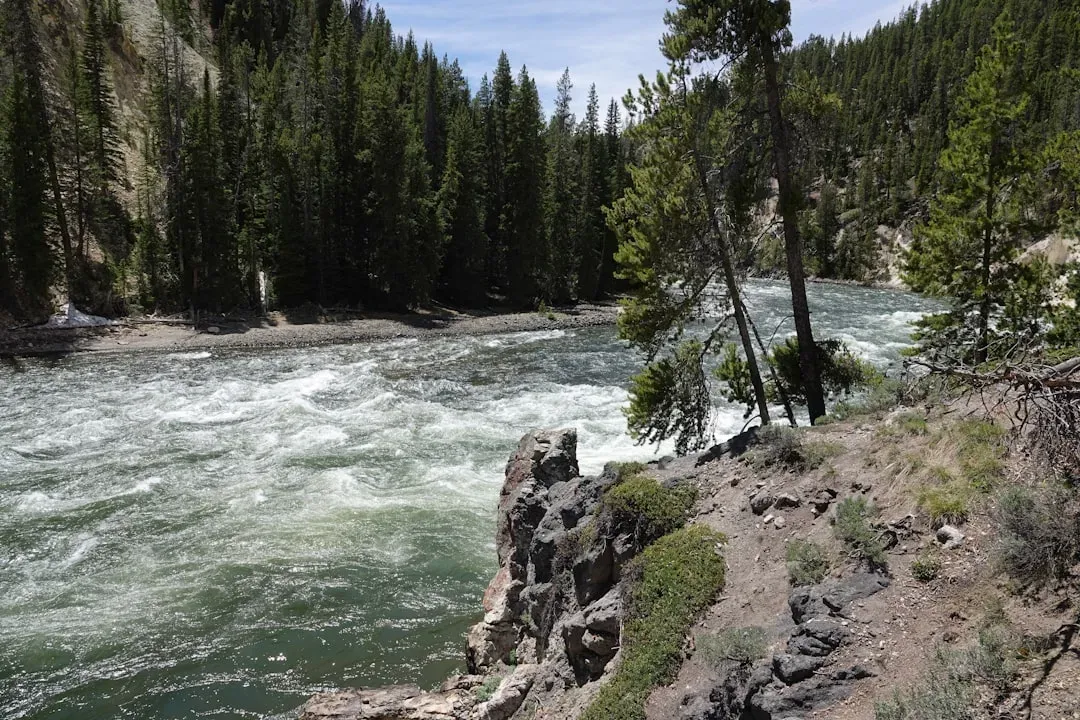
In the summer of 2015, a major incident flared up at a backcountry campsite known by a code that means nothing to most visitors but everything to rangers: 2H2, near the confluence of the Yellowstone River and Hellroaring Creek. If you had a map in your hands, you would trace your finger across a maze of side canyons, forested benches, and steep breaks down to the river – a place that looks beautiful from a distance but becomes confusing and punishing once you are in it. A missing‑person search in that terrain is a fight against time, weather, and exhaustion.
For you as a hiker, the striking detail is that even an officially designated campsite, one you access by marked trail and by permit, can become the center of a search where someone never turns back up. Crews used helicopters and coordinated ground teams to sweep the area, working the riverbanks, scanning slopes, and re‑checking likely travel corridors. Yet the case lingered without the clear resolution people hope for. When you step into that kind of country, you are reminded that a backcountry campsite is not a guarantee of safety; it is just a dot in the middle of a huge, indifferent map.
4. Kim Crumbo: A Legendary River Guide Lost in Shoshone Lake Country
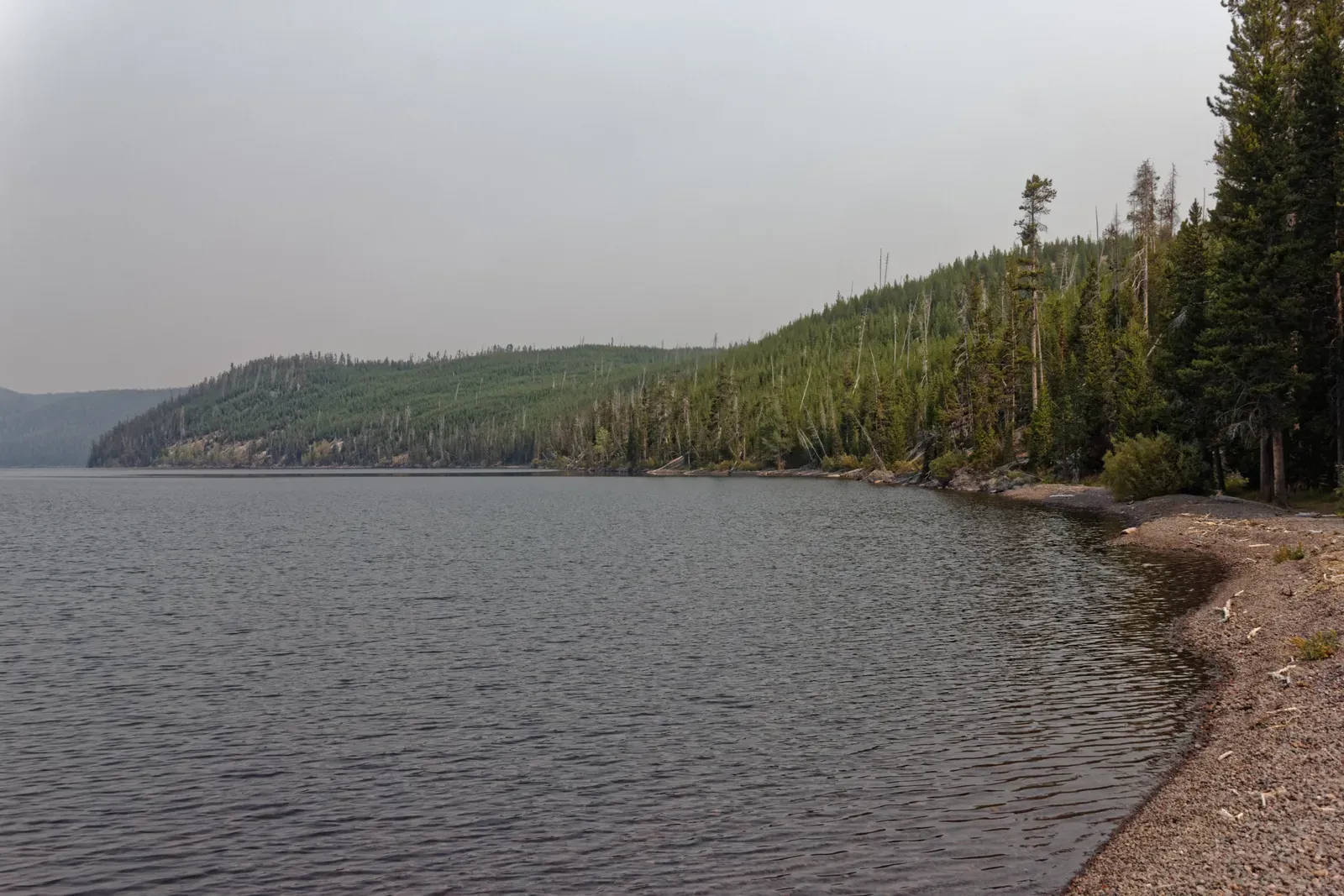
When you think about someone vanishing in the backcountry, you might imagine an inexperienced tourist, not a seasoned expert. That is why the disappearance of conservationist and veteran river guide Kim Crumbo in 2021 hits so hard. He and his brother set out to explore the remote Shoshone Lake area, a sprawling, high‑elevation lake ringed by dense forest and few easy exits. A later search found his brother deceased and their boat overturned, but no sign of Crumbo himself.
Even if you consider yourself a strong paddler or backcountry traveler, this case forces you to respect water and weather in a cold, high basin like Shoshone. Conditions can change quickly, and once you are in trouble in the middle of a big, frigid lake, you may have almost no margin for error. Extensive searches along the shoreline and in the surrounding backcountry failed to bring him home. For you, standing on the shore of a wild lake suddenly feels different when you realize that even people with decades of experience can vanish there without leaving a trace.
5. A Yellowstone Backcountry Traveler Whose Camp Was Found but Not His Trail
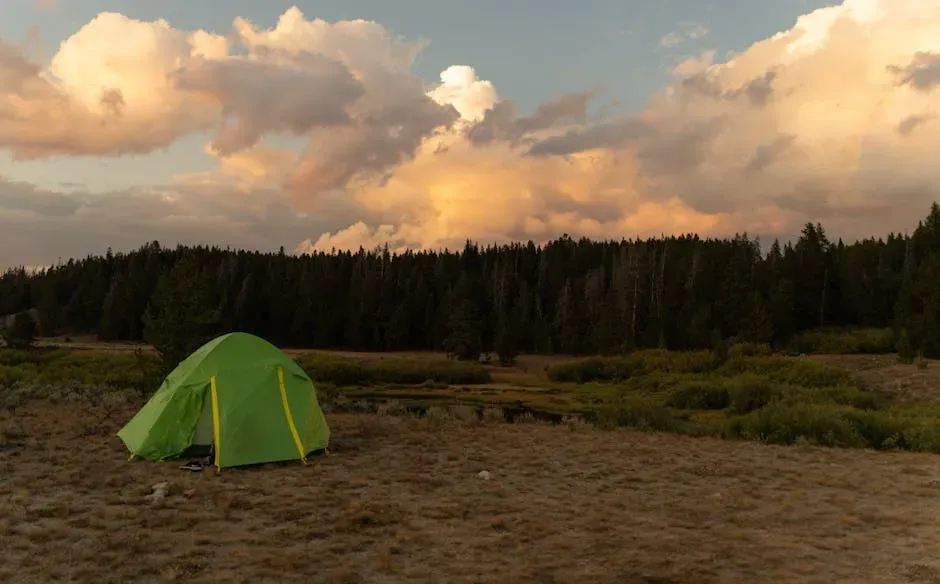
Not long ago, another search‑and‑rescue operation unfolded in a remote corner of Yellowstone, this time focused on a backcountry traveler whose camp and personal gear were located, but whose trail simply went cold. If you have ever set up a tent in fading light and felt that little bubble of security in your circle of nylon and gear, this kind of story rattles you. Rangers could see that he had been there, that he had built a temporary home in that rugged landscape, then departed and never made it back.
Search crews worked outward from that camp, combing drainages and ridgelines in a systematic grid. You can imagine yourself in their boots, following faint game trails, checking creek crossings, and scanning for any sign that a human passed that way. Yet sometimes the terrain wins. Steep side slopes, thick timber, and unstable ground can swallow footprints and evidence within hours, especially if storms or snow move in. For you as a future visitor, this kind of case is a quiet warning: leaving a well‑marked route in big country can turn a routine hike into something that nobody can fully retrace.
6. The Unknown Faces Behind Yellowstone’s Missing‑Person Statistics
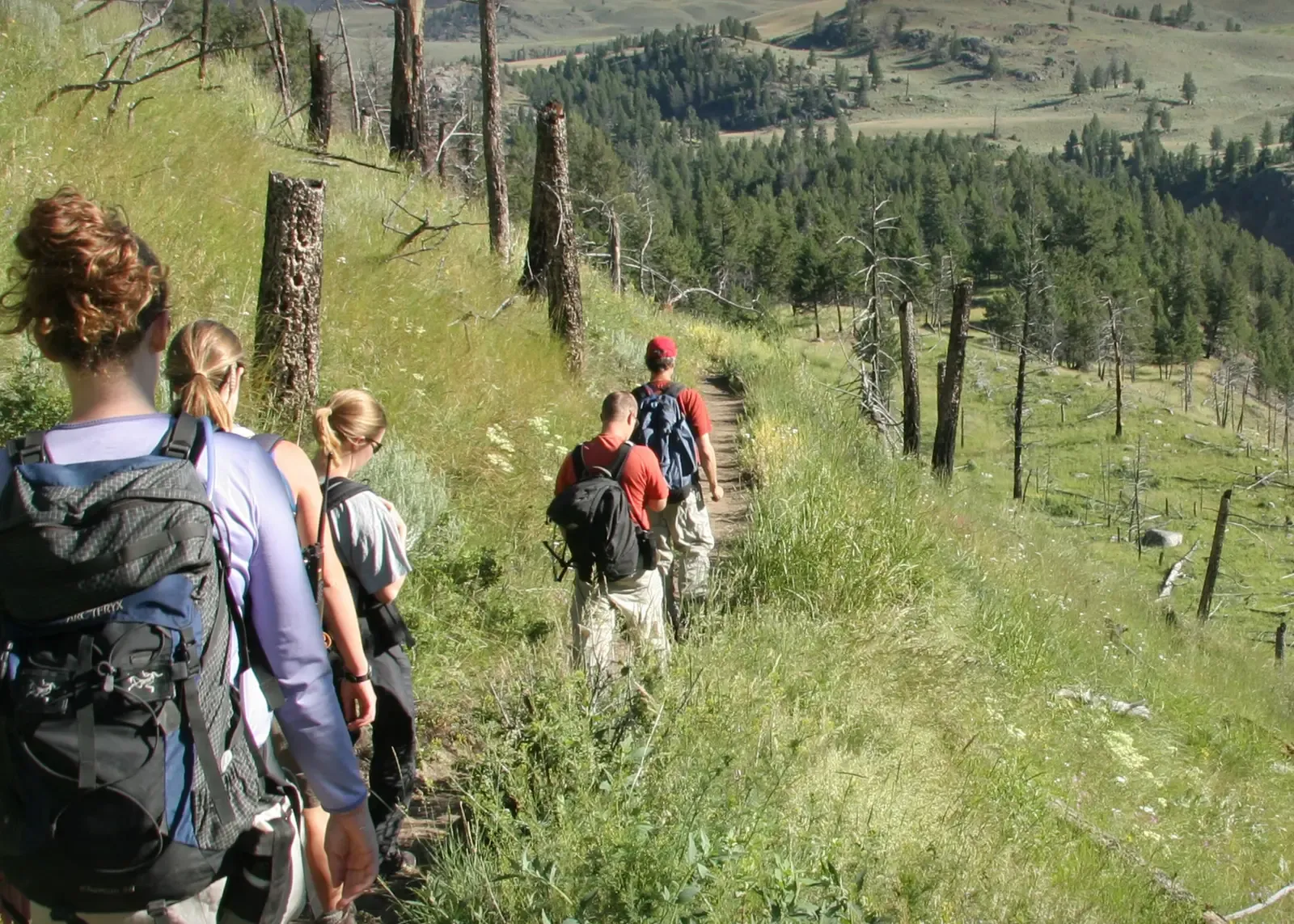
When you look beyond individual headlines, you discover that Yellowstone is one of several large parks with a small but haunting list of people who entered and never came out. Over more than a century, millions of visitors have explored the park safely, yet a tiny fraction simply vanish into the background of its mountains, rivers, and forests. Some disappear from roads or front‑country campgrounds, but a notable slice walk into the backcountry and are never seen again, despite major search efforts.
As a visitor, you rarely see the internal numbers that park staff and researchers track, but they tell you an important truth: going missing without a trace is rare, yet it absolutely happens. There is no neat pattern or single explanation. Weather, injury, drowning, falls, or voluntary disappearance can all play a role. The unsettling part for you is that in several cases there is no body, no gear, and no confirmed cause of death – just a last known location and a cold case file. Those missing faces remind you that wilderness safety is not only about bears and hot springs; it is about avoiding the kind of mistake that leaves nothing behind to find.
7. How Yellowstone’s Terrain Can Hide You Forever
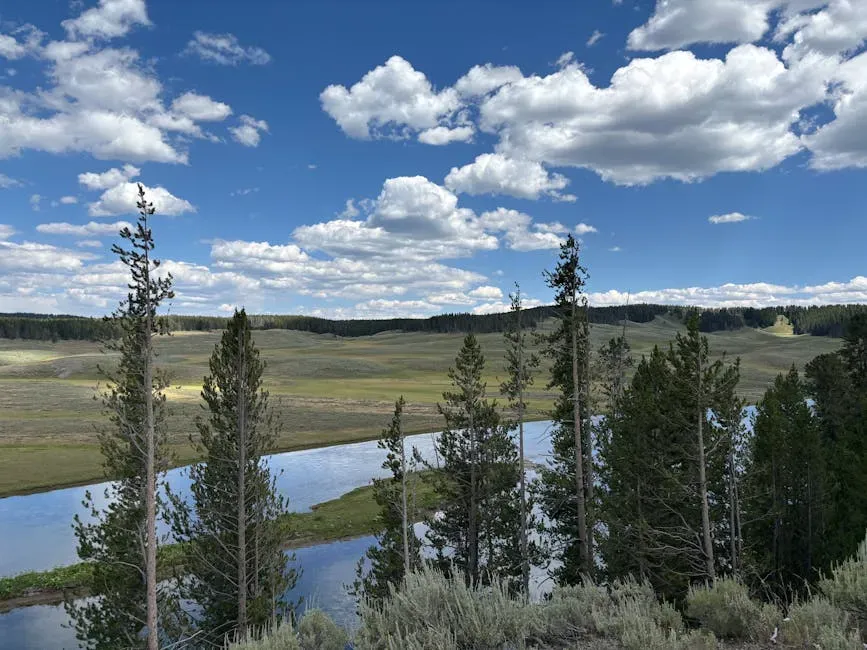
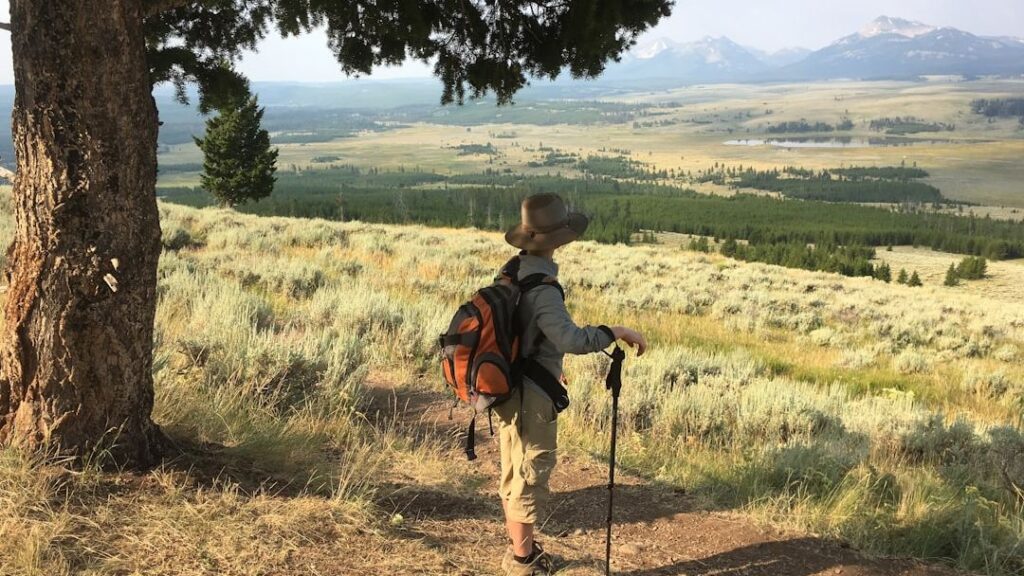
If you have only seen Yellowstone from the boardwalk at Old Faithful or the pullouts along the Grand Canyon of the Yellowstone, you might not realize just how easy it is to vanish there. Step off the main roads, and you enter a labyrinth of lodgepole forests that look identical for miles, broken by steep ravines, loose scree slopes, and marshy meadows that can trap you or force you into dangerous detours. In that environment, a simple wrong turn away from a marked trail can compound into total disorientation within an hour.
Now imagine searchers trying to find you in that same maze. Helicopters can only do so much, especially under cloud cover or in dense timber, and dog teams are limited by wind, moisture, and time. If you fall into a crevasse, get pinned in deadfall, or are carried downstream in flood conditions, your body may be concealed in places that rarely see human footprints. When you read about people who walked into Yellowstone’s backcountry and never appeared again, you are really bumping up against the fact that nature has thousands of ways to erase physical evidence, while you have only a handful of ways to survive.
8. The Brutal Math of Search and Rescue in Yellowstone
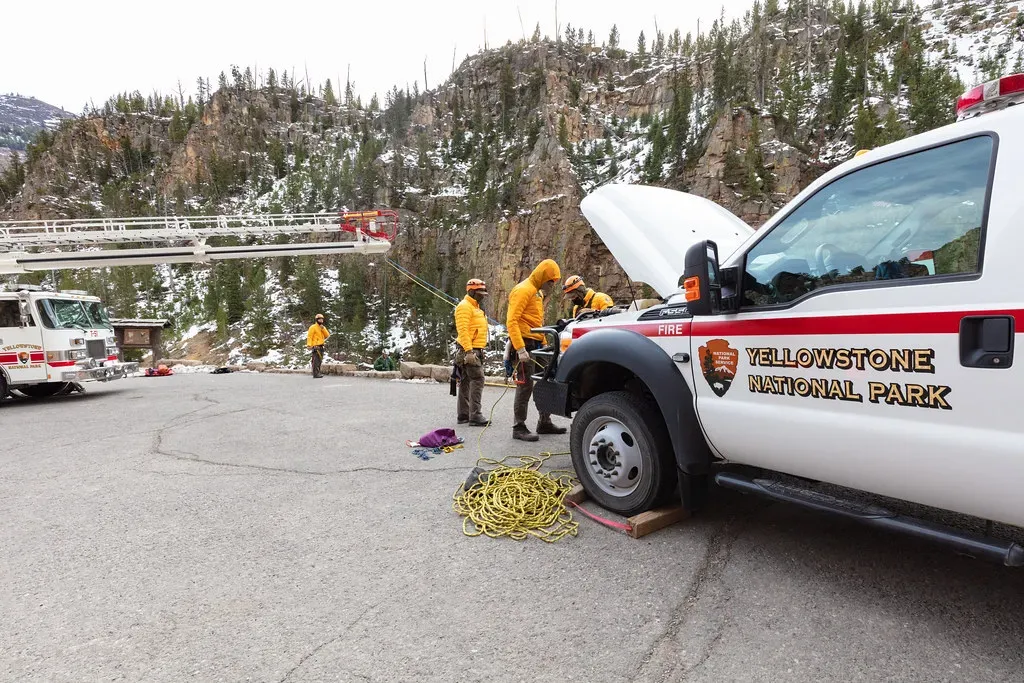
You probably picture search‑and‑rescue teams as almost unstoppable: helicopters, GPS, radios, and trained dog teams working nonstop until someone is found. In Yellowstone, those tools are real, but they collide with harsh math. The park covers millions of acres, and even when rangers know roughly where someone went missing, the area to search can be huge once you account for ridges, drainages, and the distance a struggling person can travel in panic. The longer you are out, the wider that circle grows.
From your perspective as a potential backcountry traveler, it helps to realize that even a large, well‑coordinated search is a race against time, weather, and human limits. Rescuers get tired, storms roll in, daylight fades, and safety rules cap how long teams can stay out in hazardous conditions. In several Yellowstone cases, searches involving dozens or even hundreds of people were eventually scaled back or suspended because there were simply no clues to follow. When you read those outcomes, it hits you that the decision to press a little farther off‑trail or skip basic gear is really a bet that rescuers will be able to overcome all that math on your behalf – and sometimes, they cannot.
9. Why Records Are Sparse and Theories Grow Wild
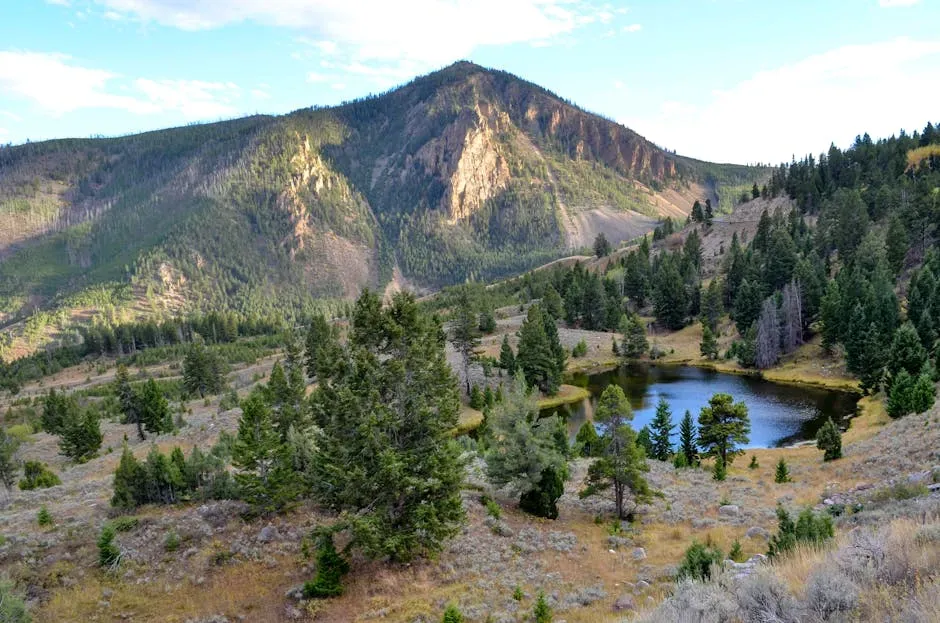
One detail that will probably frustrate you as you look into Yellowstone disappearances is how sparse and inconsistent the public data can be. Different agencies track missing‑person cases in different ways, and historically the national park system has not maintained a single, transparent list of everyone who has vanished on its lands. Some cases are handled locally, some get folded into state‑level databases, and others land in national systems that are not easy for the public to search. From your side of the screen, what you see are partial lists and scattered news reports.
This lack of clean, centralized information leaves a vacuum that conspiracy theories rush to fill. You have probably come across online claims about strange patterns or supernatural explanations tied to Yellowstone, often without names, dates, or verifiable sources. When you compare those stories with documented searches and official statements, the picture is a lot more mundane and a lot more tragic: people get lost, fall, drown, or choose to disappear, and sometimes their remains are never recovered. For you, the challenge is to stay curious but grounded, recognizing that the real mystery lies mostly in what rugged terrain and time can do, not in secret forces at work.
10. What These Cases Really Say About Your Own Risk
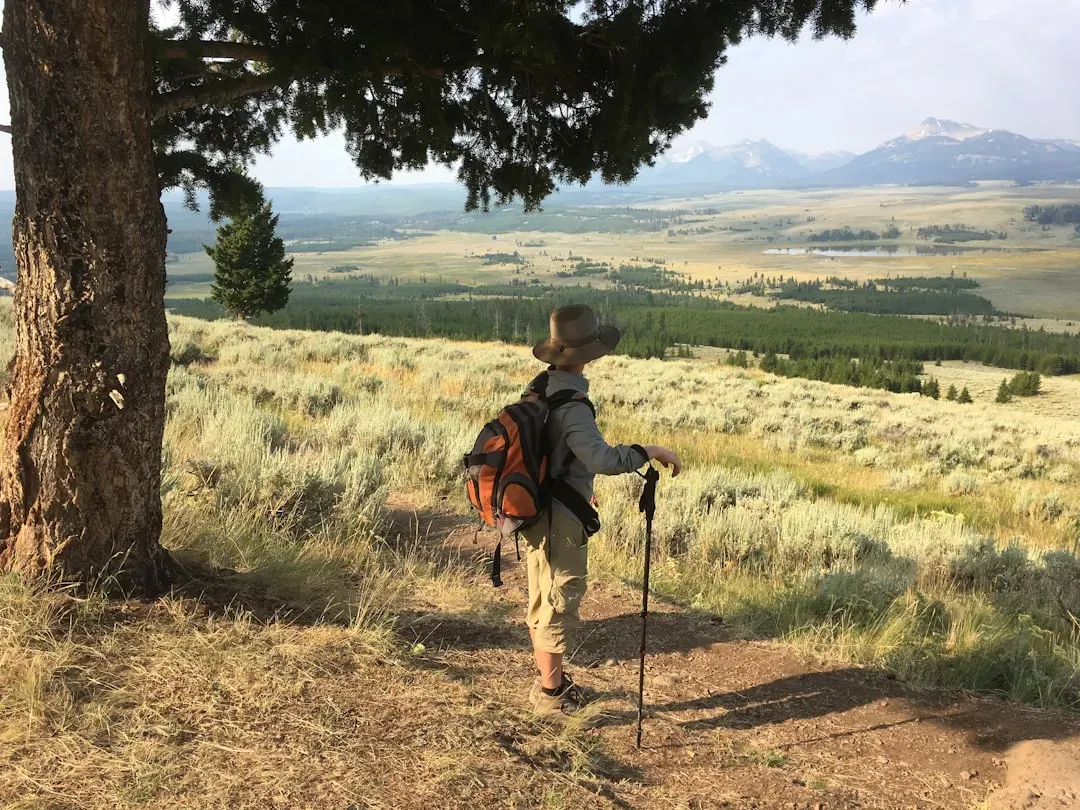
Reading about people who vanished in Yellowstone’s backcountry, you might feel a jolt of fear and wonder whether setting foot on a trail is reckless. When researchers and safety analysts look at the big picture, though, they consistently find that the overall risk of dying or disappearing in a national park is incredibly low compared to everyday hazards like driving. Millions of people camp, hike, and backpack in Yellowstone every decade without incident. From a purely statistical standpoint, your odds of a safe trip are overwhelmingly in your favor if you use basic common sense.
Still, these rare, unresolved disappearances push you to take the park more seriously. They show you what happens at the edges of probability, where a few bad decisions stack up in exactly the wrong order. If you head into the backcountry alone without telling anyone, ignore the forecast, wander off‑trail in complex terrain, or push forward when you are already tired and disoriented, you are quietly moving yourself closer to those outliers. The lesson for you is not to stay home; it is to treat the landscape as a real partner in the trip, one that can turn on you if you assume it will always give you a second chance.
11. How You Can Avoid Becoming a Yellowstone Mystery
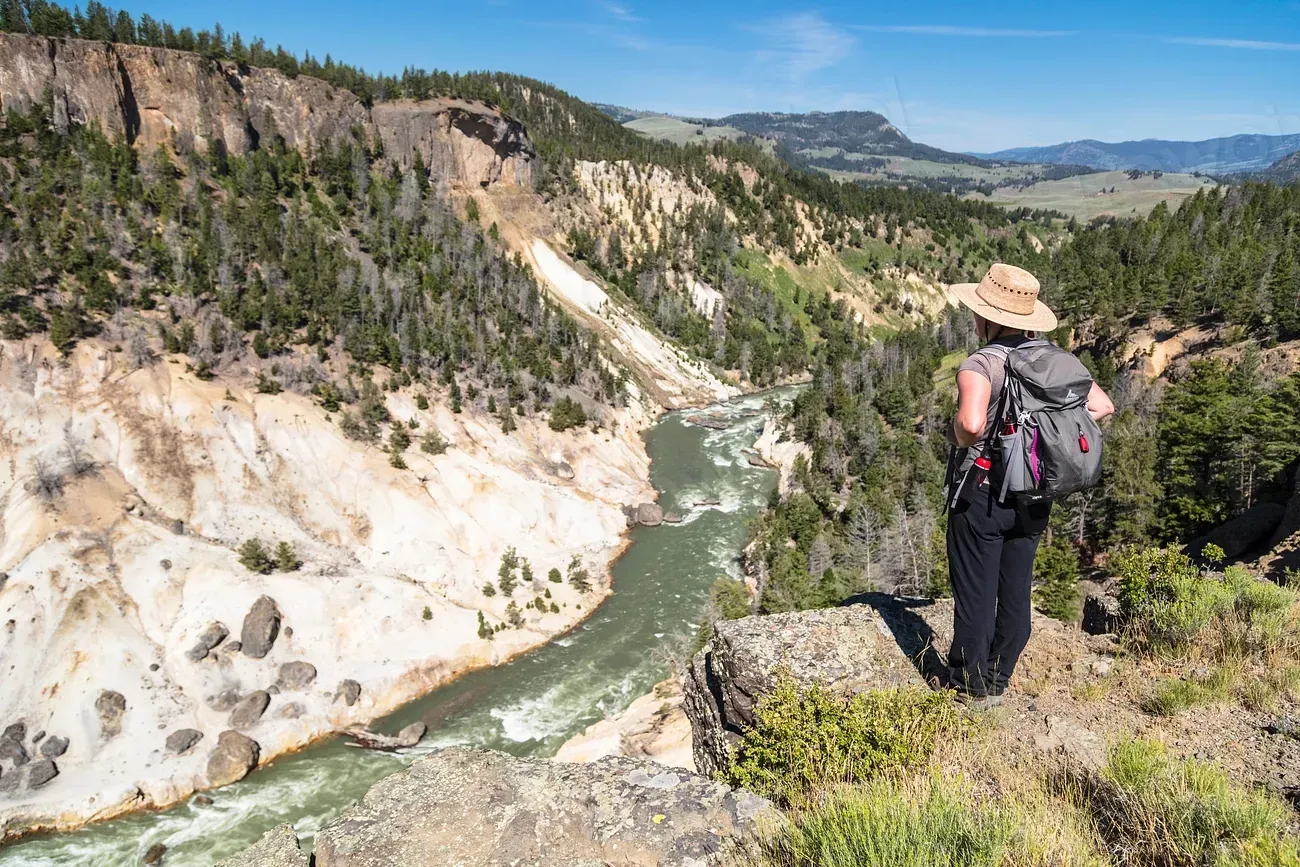
When you imagine yourself on a Yellowstone backcountry trip, you probably focus on gear lists, scenic campsites, and wildlife sightings. If you shift your mindset just a bit, you can also picture what you would need to do so that, if something goes wrong, rescuers have a fighting chance to bring you home. That starts with basic moves: filing an honest itinerary, getting the proper permit, checking in with rangers about current conditions, and telling someone you trust exactly where you are going and when you will be back. Those simple steps create a breadcrumb trail before you ever lace up your boots.
Once you are out there, your habits matter just as much. Staying on marked and maintained trails in complex terrain dramatically improves your odds of being found if you get hurt or lost. Carrying a map, compass, and some form of emergency signaling device, like a satellite messenger, keeps you from depending solely on cell service that often does not exist. Turning back when weather, fatigue, or gut instinct tells you to can feel disappointing in the moment, but that choice might be the line between a scary story you tell later and a cold case someone else has to read about. You are not powerless in wilderness; you just have to treat safety as part of the adventure instead of an afterthought.
12. Living with the Unanswered Questions
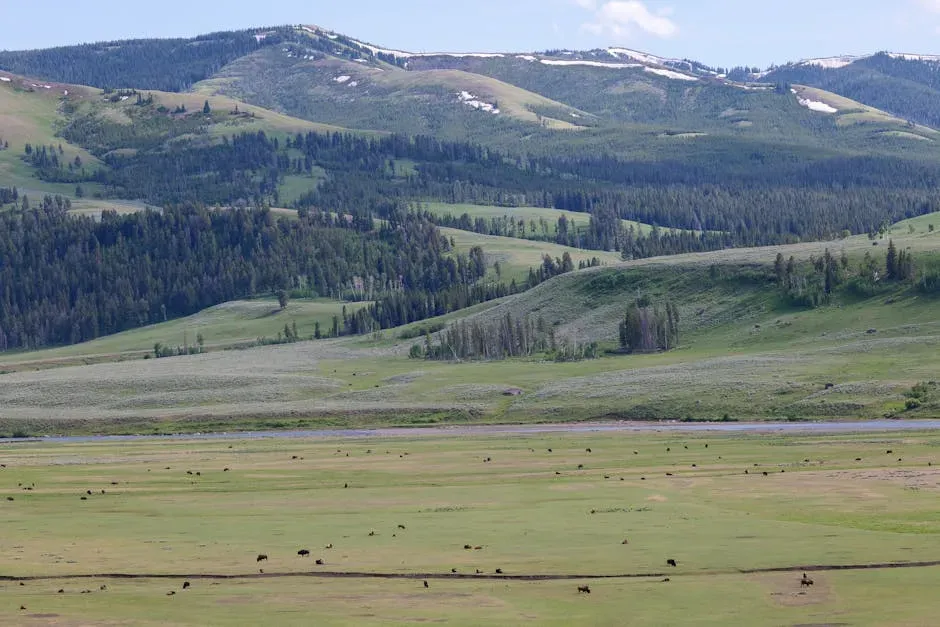
For every person who walked into Yellowstone’s backcountry and was never seen again, there is a circle of family and friends left with a permanent question mark. As you read about these cases, it is easy to focus on the strange details or haunting lack of evidence, but behind each name is someone who waited by the phone, checked their mailbox for official letters, and replayed the last conversation over and over. The human cost of an unresolved disappearance is not just the loss itself; it is the fact that there is never a clear place to put your grief down.
When you stand at a Yellowstone trailhead and tighten your pack straps, you are stepping into a landscape that has given countless people joy and a tiny number of families this kind of pain. Holding both truths at once is uncomfortable but important. The park is neither a death trap nor a theme park; it is a wild place that rewards respect and punishes carelessness. As you head back to your own life, maybe the most honest takeaway is this: every time you enter big country, you are writing a story whose ending is not guaranteed. Are you willing to do what it takes to make sure you are the one who gets to tell it later?