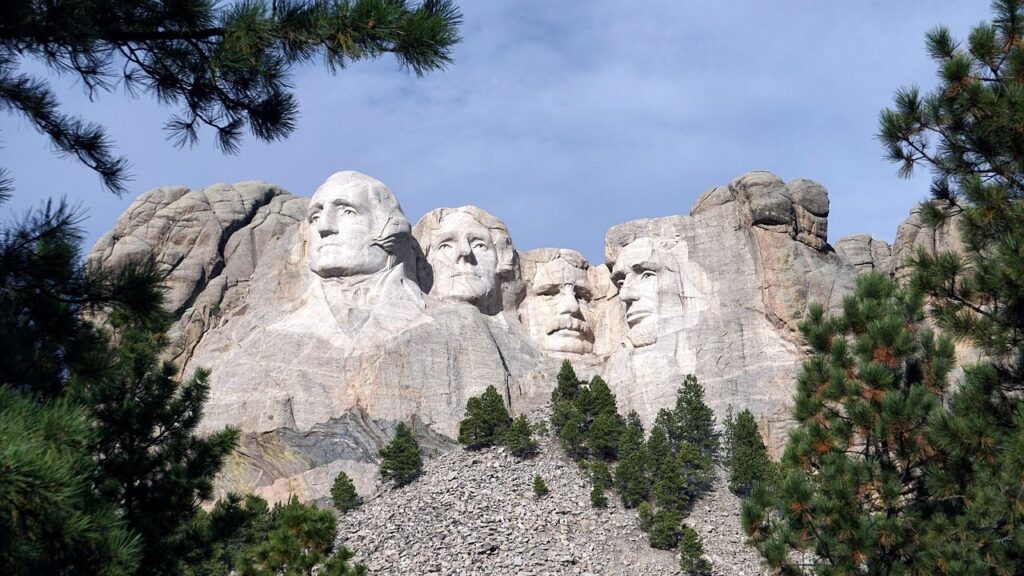
You stand at the viewing platform, craning your neck to take in those four massive faces, and you think you’re seeing all there is to Mount Rushmore. But you’re not. High above you, tucked out of sight behind Abraham Lincoln’s sculpted head, the mountain is literally hollowed out. Inside that granite is a hidden chamber that most visitors never even hear about, let alone see.
That idea alone feels like something from a mystery movie: a secret room carved into one of the most famous monuments in the United States, sealed off from the public and built to outlast you, your kids, and probably your entire civilization. You might expect military tech, gold, or some shadowy conspiracy waiting in the dark. The truth is stranger in a quieter way – and in some respects, much more interesting, because it tells you how a single sculptor tried to speak directly to people thousands of years in the future.
The Hidden Hall You’re Not Allowed to Visit
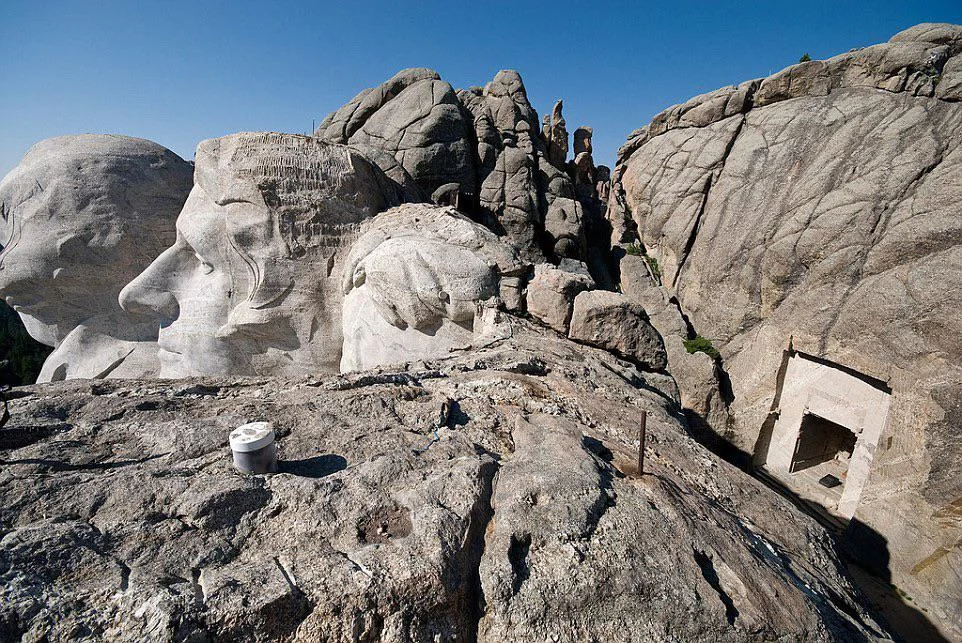
If you could somehow slip behind the neat, postcard-perfect view of Mount Rushmore and hike into the rough granite ravine behind the carvings, you’d eventually come to something that looks very out of place in a natural cliff: a rectangular doorway cut straight into the rock. That opening leads into a man‑made tunnel about seventy feet long, bored directly into the mountain behind Lincoln’s head. It’s not visible from the main tourist areas, and there’s no sign on the trail pointing you toward it, which is why almost everyone walks away never knowing it exists. ([nps.gov](https://www.nps.gov/moru/learn/historyculture/hall-of-records.htm?utm_source=openai))
This tunnel is the beginning of what was supposed to be the Hall of Records, a secret interior room that was meant to be the intellectual heart of the monument. You’re not allowed up there; the area is off‑limits for safety and preservation reasons, and it’s closely managed by the National Park Service. That inaccessibility is what feeds a lot of the rumors you hear online – secret bases, hidden caches, wild conspiracies – but the real story behind that blocked‑off doorway is both better documented and, in some ways, more haunting than any thriller plot.
The Sculptor’s Wildly Ambitious Original Plan
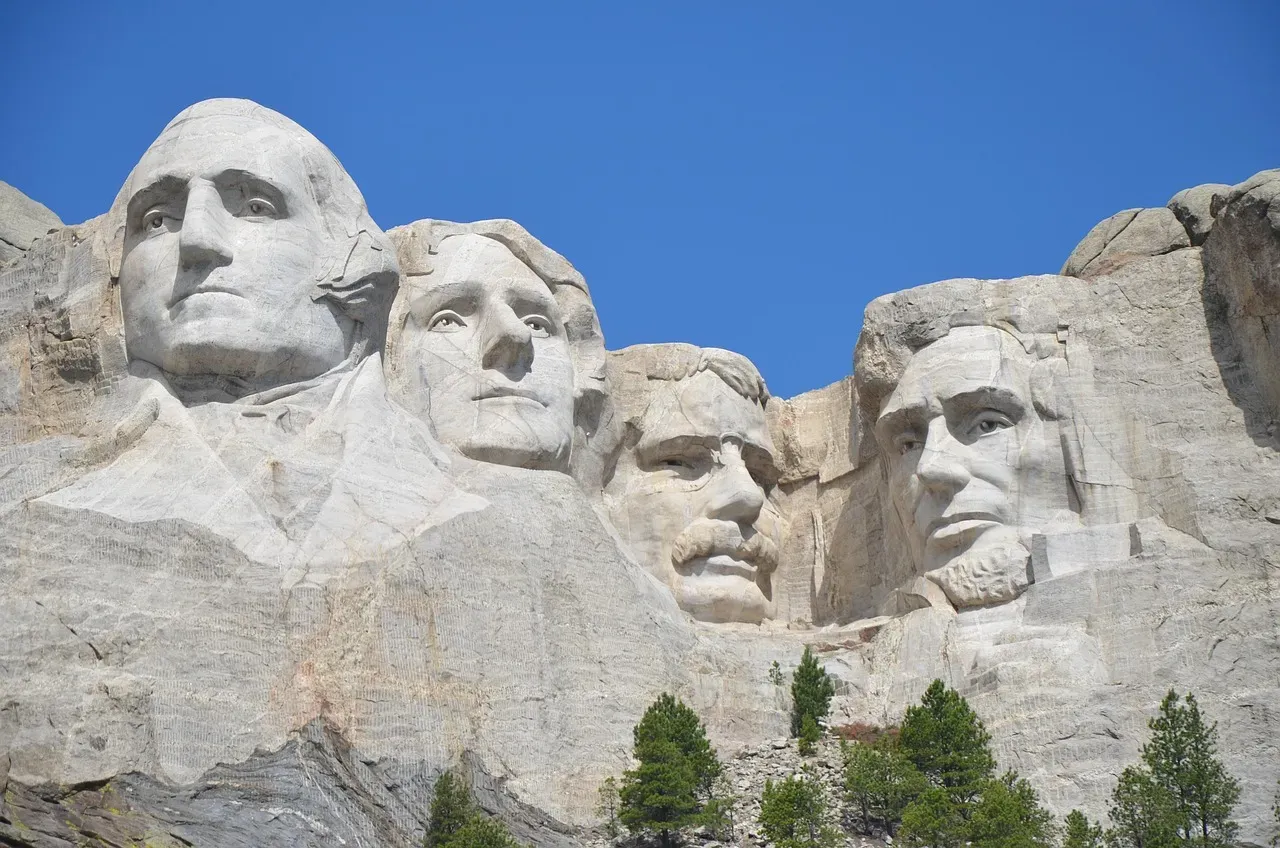
When you picture Mount Rushmore, you probably assume the four faces were always the full vision. They weren’t. The sculptor, Gutzon Borglum, originally dreamed on a much bigger scale. He wanted a grand stone staircase, roughly eight hundred feet long, climbing up the mountain from his studio to a monumental entrance set in the canyon wall behind the presidents. Inside, he pictured a huge room – about as wide and long as a small basketball court – carved out of solid granite. ([nps.gov](https://www.nps.gov/moru/learn/historyculture/hall-of-records.htm?utm_source=openai))
In that hall, Borglum imagined a kind of stone library of the United States: walls inscribed with the country’s story, niches filled with glass and bronze cabinets holding the founding documents, and carefully curated artifacts meant to summarize what the nation had tried to be. He was thinking less like a sculptor and more like someone sending a time capsule into deep time, obsessed with the idea that, one day, future people or even entirely different civilizations might stumble on this mountain and wonder who carved it and why. To him, the faces were just the invitation; the Hall of Records was supposed to be the explanation.
Why the Grand “Secret Chamber” Was Never Finished
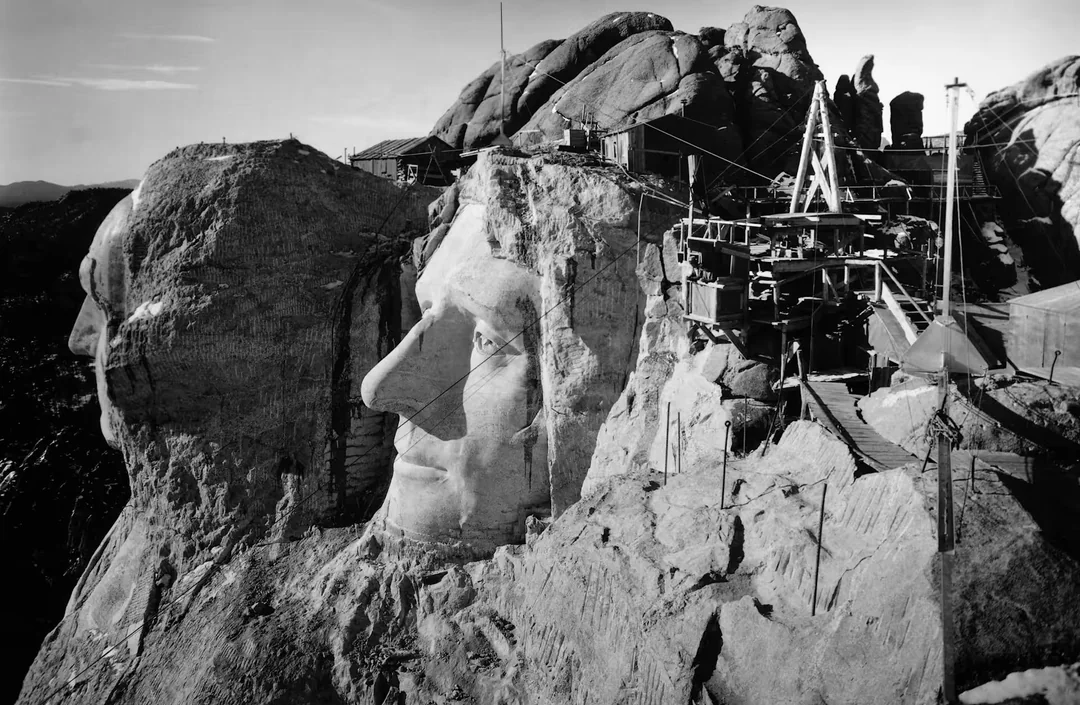
If the plan was that important, you might wonder why you’re only hearing about a short tunnel instead of walking into a vast underground hall today. The short version is that reality hit hard. Carving four colossal faces out of a granite mountain was already a massive engineering and financial challenge, and it dragged on for years. As the project moved into the late 1930s, funding tightened, the granite proved more stubborn than expected, and national priorities began shifting toward the looming Second World War. ([history.com](https://www.history.com/articles/mount-rushmores-secret-chamber?utm_source=openai))
Congress eventually told Borglum to focus his limited time and money on the visible sculpture instead of the hidden hall. Crews managed to blast and carve the entrance tunnel high in the ravine behind Lincoln’s head, but they never expanded it into the vast chamber he imagined. When Borglum died in 1941, work effectively stopped, and shortly afterward the federal government declared the monument “finished” at the four faces-only stage you see today. What you’re left with is a literal dead‑end inside the mountain – a fragment of an outsized dream frozen in raw stone.
So What’s Actually Inside That Chamber Today?
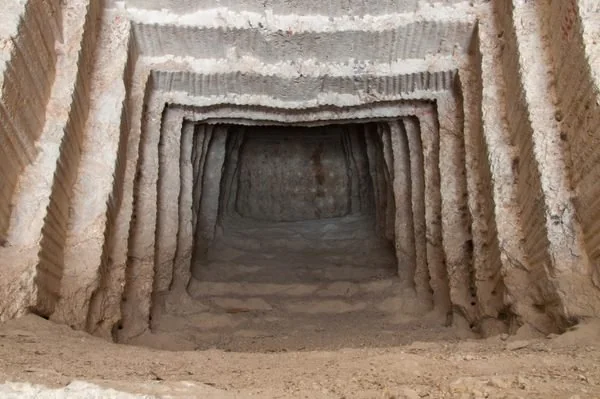
Here’s where the story turns from unfinished dream to quiet reality. For decades after the carving stopped, that tunnel behind Lincoln’s head just sat there: rough, unused, and mostly ignored. Then, in the late twentieth century, people picked up Borglum’s time‑capsule idea and decided to make at least part of it real. Instead of finishing a huge decorated hall, they chose a more practical, symbolic version: a small vault placed within the entrance area of the tunnel, designed to survive long after current records on paper, film, or servers crumble away. ([nps.gov](https://www.nps.gov/moru/learn/historyculture/hall-of-records.htm?utm_source=openai))
Inside that vault, protected in a teakwood box within a robust container, you’d find sixteen porcelain enamel panels. Those panels tell the story of Mount Rushmore itself – how and why it was carved, who the presidents are, what they were chosen to represent, and a brief history of the United States up to the modern era. Some panels explain the principles of the country’s government and list key documents and events, so that if someone a very long time from now stumbles across the monument with no other context, they’re not just guessing. You may have heard legends about the actual Constitution or Declaration being stored in there; they’re not. What you really have is more like a durable, stone‑age‑proof info packet about the monument and the nation that built it. ([britannica.com](https://www.britannica.com/one-good-fact/what-is-hiding-behind-lincolns-head-on-mount-rushmore?utm_source=openai))
Myths, Conspiracies, and What You Can Safely Ignore
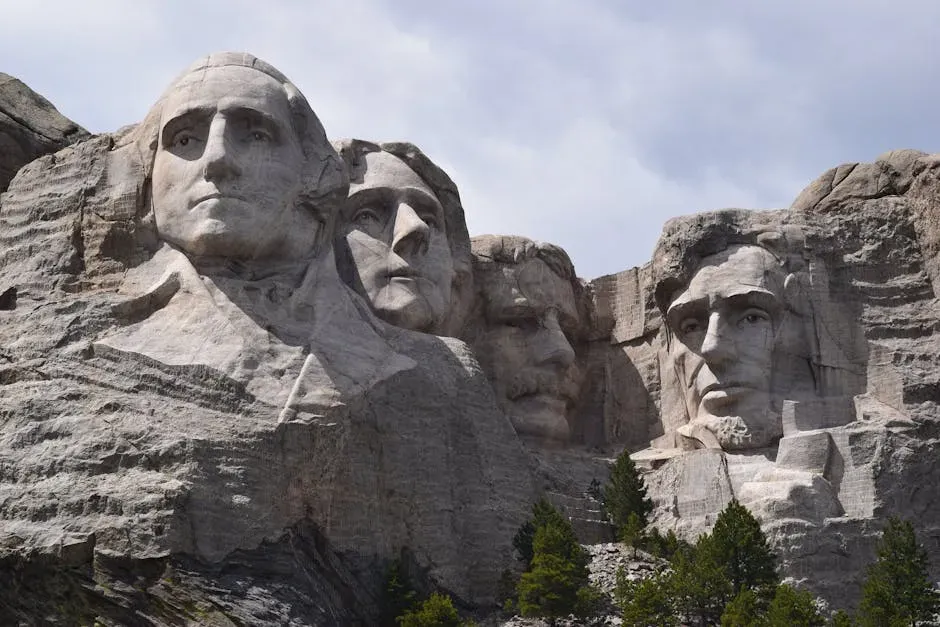
If you start searching online about Mount Rushmore’s hidden chamber, you quickly tumble into a rabbit hole. You’ll see people insisting that the tunnel hides secret military installations, deep bunkers, or troves of classified files. Others spin stories about buried treasure, mystical relics, or esoteric societies using the hall for rituals. A lot of those tales lean on the simple fact that the public can’t go inside, then layer fiction on top of a very small amount of truth. It’s the same energy that turns any locked door into a magnet for conspiracy. ([historyfacts.com](https://historyfacts.com/us-history/fact/theres-a-tunnel-hidden-behind-lincolns-head-on-mount-rushmore/?utm_source=openai))
When you compare those claims with what’s actually documented by the National Park Service, historians, and engineering studies, the picture is much less dramatic but far more solid. You’re dealing with a seventy‑foot entrance tunnel, an installed vault with informational panels, and not much else. There’s no credible evidence of deep multi‑level underground bases honeycombing the mountain, and the dimensions simply do not support the more extreme narratives. That might feel less thrilling if you’re chasing movie‑style secrets, but it’s oddly reassuring: the true “mystery” here isn’t about hidden weapons or treasures, it’s about one artist’s attempt to talk across centuries, and the small, real steps taken to honor that intention. ([nps.gov](https://www.nps.gov/moru/learn/historyculture/hall-of-records.htm?utm_source=openai))
What This Secret Room Really Says About You and the Future
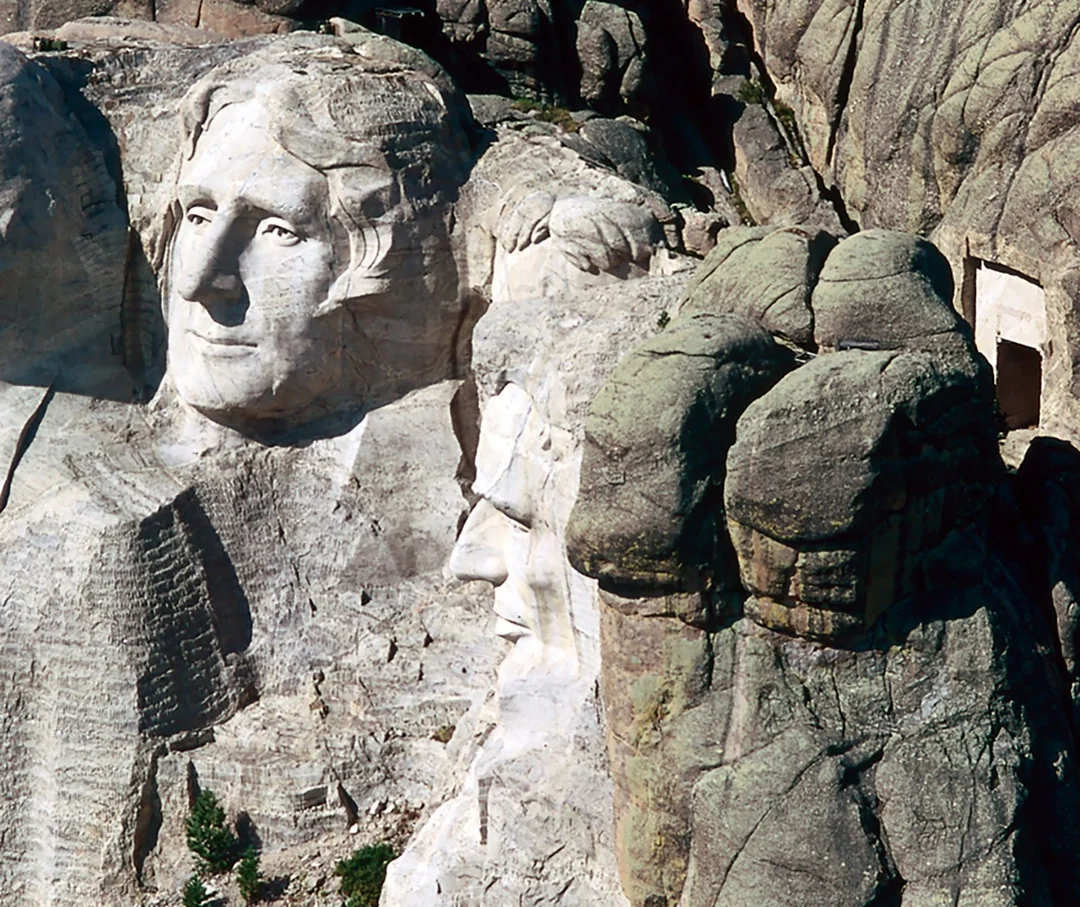
When you hear “secret chamber,” your first instinct is to imagine what’s being hidden from you. But if you look closely at what is actually inside the Hall of Records tunnel, you realize it’s not aimed at you at all – it’s aimed at someone far in the future. The panels are written and designed as if the people reading them might have no idea who George Washington or Abraham Lincoln were, or even what the United States was. In a strange way, you’re the one eavesdropping on a conversation meant for another audience entirely. ([nps.gov](https://www.nps.gov/moru/learn/historyculture/hall-of-records.htm?utm_source=openai))
That raises a quietly powerful question: if you had the chance to hide a message inside a mountain, what would you choose to say about your time on Earth? Would you highlight your technology, your art, your failures, your ideals? The Hall of Records leans hard into the idea that what really matters is the story you tell about your values – liberty, democracy, and the messy, incomplete attempt to live up to them. You may never see that chamber in person, but just knowing it exists can change how you look at the four faces carved into the cliff. They stop being just massive portraits and start to feel like the cover of a book with a message tucked quietly inside, waiting for somebody else to open it.
Visiting Mount Rushmore When You Know What’s Hidden
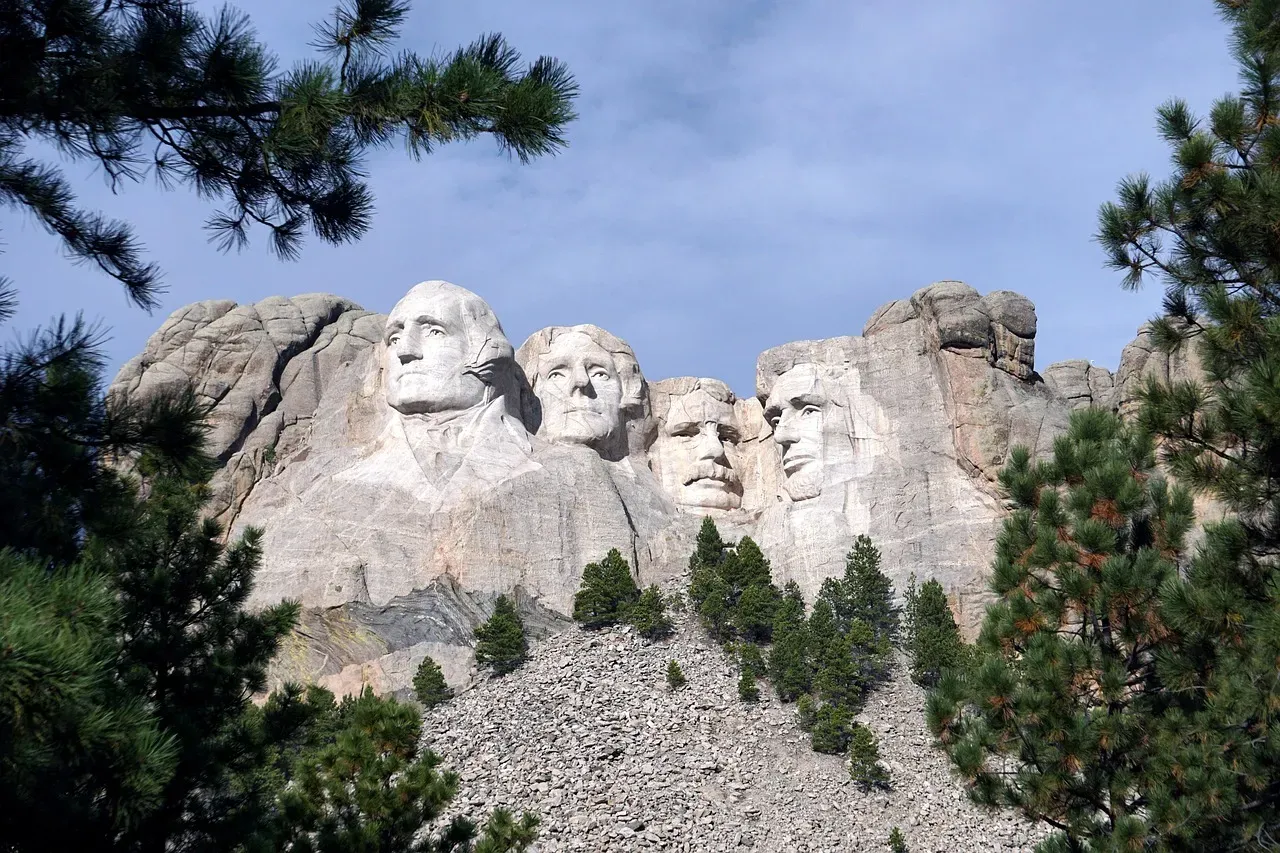
The next time you visit Mount Rushmore – or even just see a photo of it – you can mentally zoom out from the usual tourist experience. As you stand on the main terrace, you’re surrounded by crowds snapping pictures, flags waving, and the standard park displays. But now you know that high behind Lincoln’s head, out of sight and out of reach, there’s a narrow canyon and a concealed doorway leading to a small but carefully prepared repository. That mental image alone makes the whole monument feel layered, like a story with a secret chapter you’re suddenly aware of. ([nps.gov](https://www.nps.gov/moru/learn/historyculture/hall-of-records.htm?utm_source=openai))
Even though you can’t go up to that doorway, you can still connect with the idea behind it. When you walk through the sculptor’s studio or read the exhibits, you’re basically doing what the hidden panels are designed to help future visitors do: understanding how and why this huge carving exists. In an era where everything seems to live on servers and disappear with the wrong update or outage, there’s something oddly comforting in knowing that, inside a granite mountain in South Dakota, a handful of durable panels are quietly waiting, telling a story meant to outlast almost everything else you own.
Conclusion: A Monument with a Quiet Secret
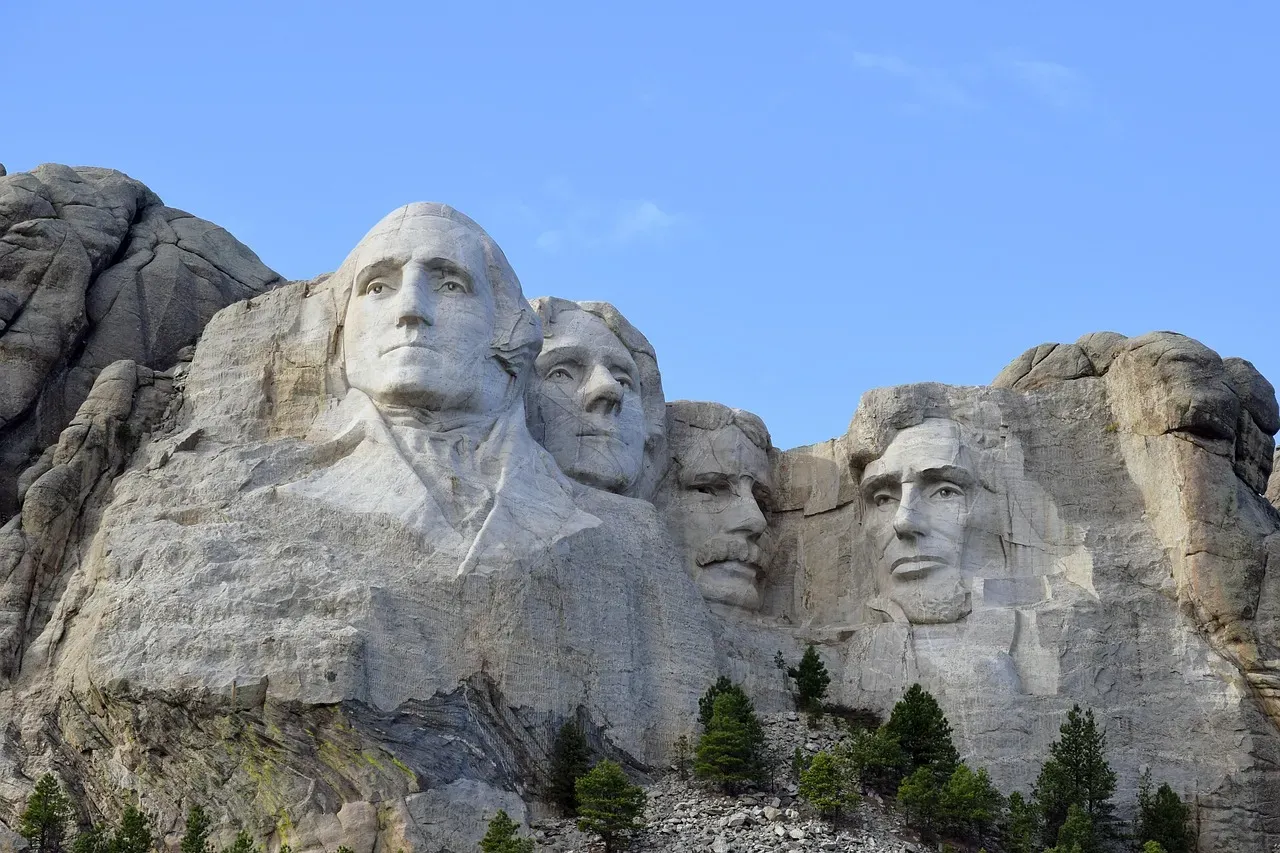
So yes, Mount Rushmore really is hiding a secret chamber – but it’s not the kind of secret that fuels spy novels or heist movies. It began as an ambitious dream of a vast underground hall and ended up as a short tunnel with a sealed vault, holding enamel panels that try to explain a nation to strangers who might live in a very different world. That shift from grand fantasy to modest reality makes the chamber more human, not less: it shows you the gap between what people imagine and what they can actually build with the time and resources they have.
When you look at the monument now, you can see two layers at once: the public faces that everyone recognizes, and the hidden story carved just out of view, quietly protecting a message for whoever comes next. In a way, you’re part of that story too, simply by knowing it exists and passing it along. The mountain may be stone, but its most interesting secret is really about memory, meaning, and the hope that someone, someday, will still be listening. If you were the one uncovering that chamber centuries from now, what would you think this place was trying to say to you?