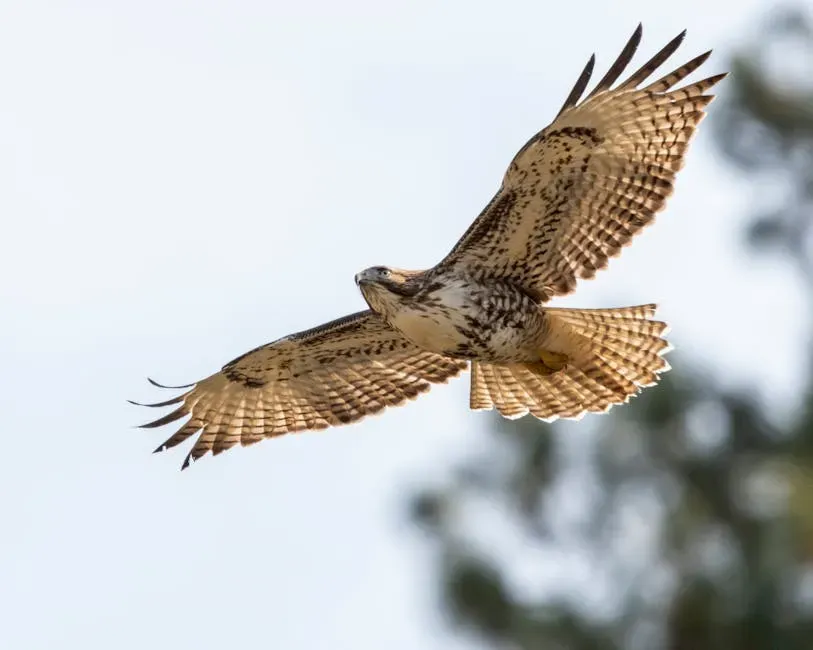

If you live in North America, there’s a good chance a red-tailed hawk has watched you long before you ever noticed it. These birds are not rare wilderness ghosts; they’re right over the strip mall parking lot, the highway overpass, the soccer field. Once you learn what to look and listen for, it can feel almost shocking how many of them have been silently sharing your everyday world.
I still remember the first time I realized the “small eagle” circling above my apartment complex was actually a red-tailed hawk riding the air like it owned the sky. After that, I started seeing them everywhere: on light poles, on trees behind grocery stores, even over busy downtown streets. The more I learned, the more I felt like I’d been missing a secret layer of the neighborhood all along. Those hidden lives above us are full of drama, science, and strange little surprises – twelve of which you’re about to meet.
1. They Are Probably The Most Familiar Hawk You’ve Never Really Noticed
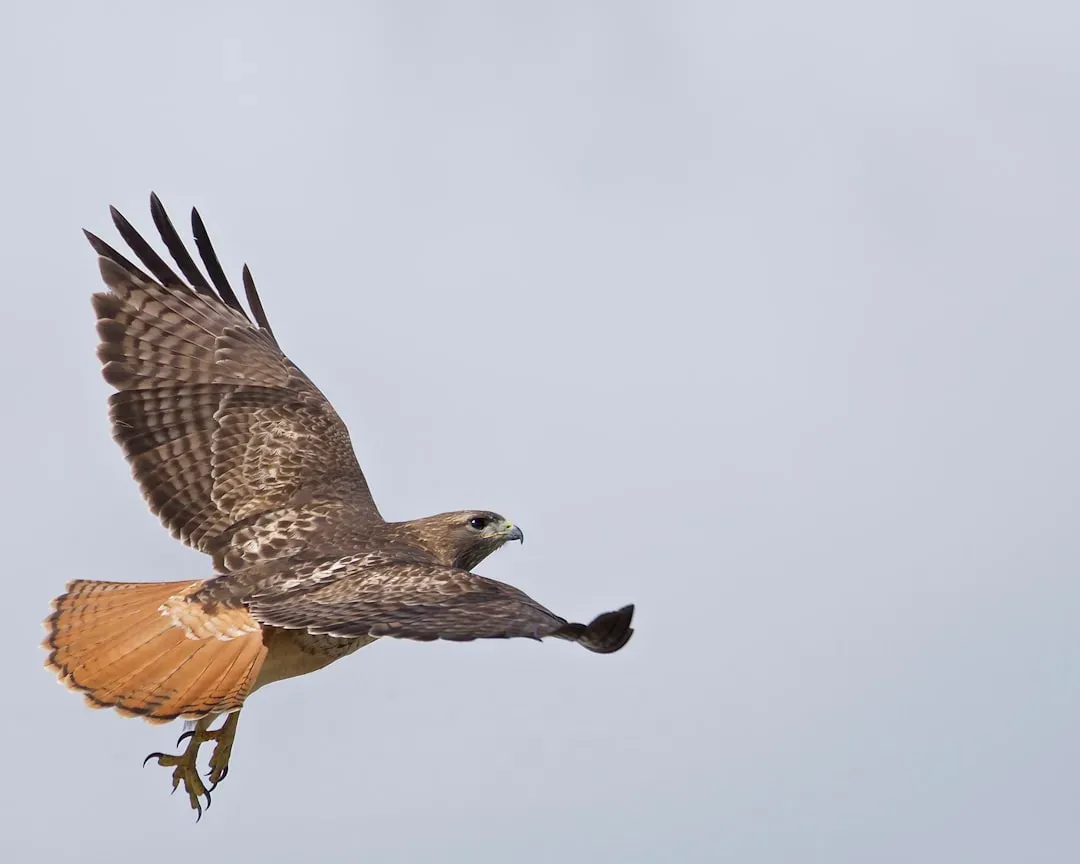
Red-tailed hawks are one of the most widespread and common raptors in North America, yet many people assume they are eagles or “just some big bird.” They live everywhere from wilderness plains to city centers, but their ability to blend into the background of daily life makes them easy to overlook. Once you know that a chunky, broad-winged bird on a utility pole is likely a red-tail, your neighborhood suddenly looks much more alive.
They favor open areas with scattered trees, which perfectly describes many suburbs and roadside corridors. That means the roads you commute along are basically hawk highways, lined with perches and hunting opportunities. Next time you stop at a light, glance up at the nearest lamp post: there’s a decent chance a red-tail is sitting there, calmly surveying a world that barely knows it is being watched.
2. Their Famous “Movie Eagle Screech” Is Usually A Red-Tailed Hawk
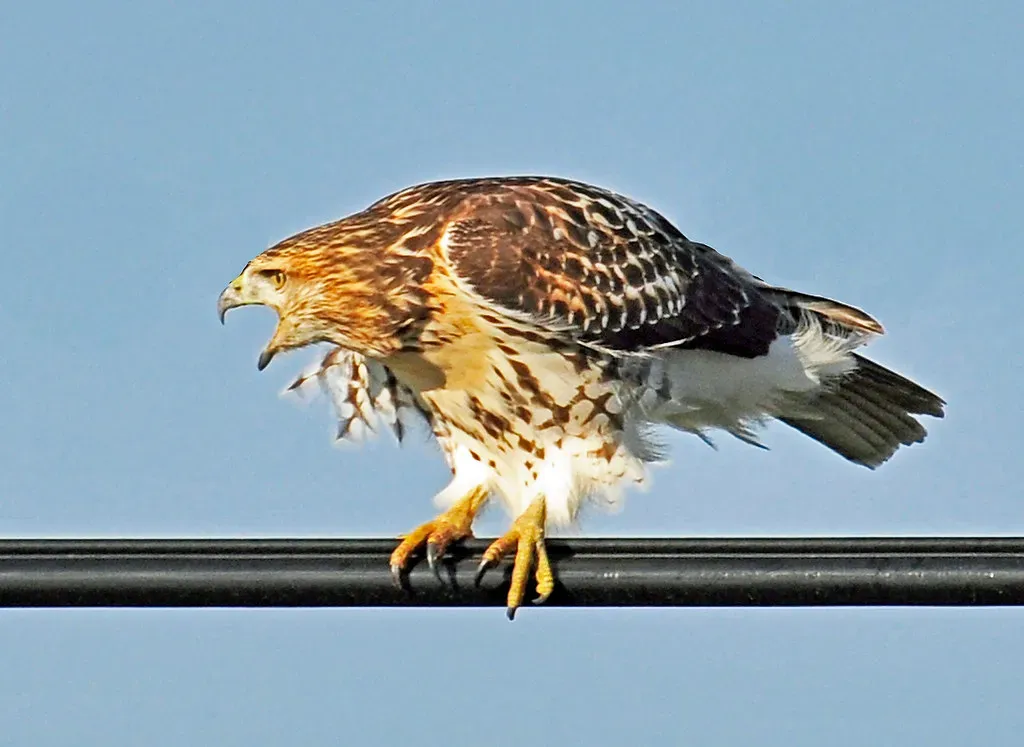
That dramatic, hair-raising raptor scream used in countless movies and TV shows to represent a bald eagle? In many cases, sound designers actually use the call of a red-tailed hawk. Bald eagles have a thinner, more chirpy call that many people find anticlimactic for dramatic scenes. The red-tail’s descending, raspy scream simply sounds more “epic” to our ears, so Hollywood borrows it.
This means that every time you hear that wild cry over a mountain scene or a superhero shot, you’re listening to the voice of a bird that might be perched above a freeway near you. In real life, that call can carry a surprisingly long distance, especially on a quiet morning. Once you recognize it, you’ll start picking out that same sound echoing over schoolyards, parks, and even stadium parking lots.
3. They Use Highway Edges And Mowed Lawns Like Giant Buffet Lines
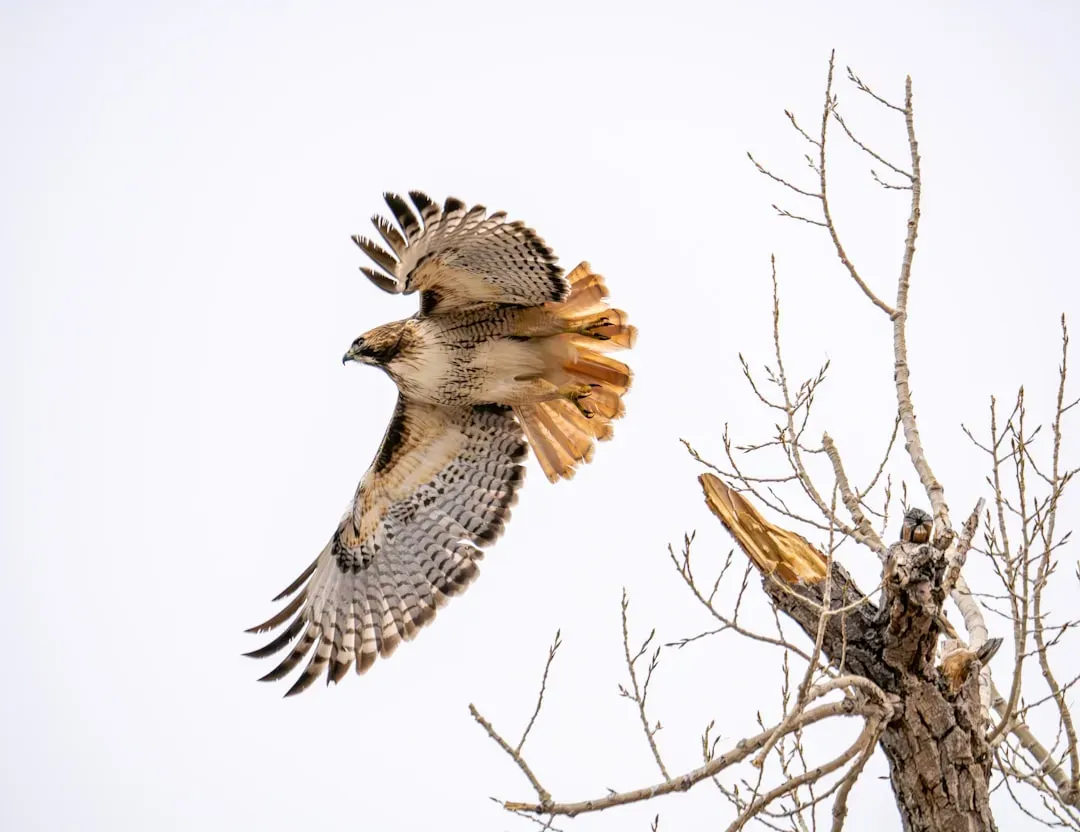
Red-tailed hawks are opportunistic hunters, and our human infrastructure quietly works in their favor. Short grass along roadsides, fields, golf courses, and neighborhood lawns makes it easier for them to spot rodents, rabbits, and even the occasional squirrel. To a hawk, a strip of mowed grass is not just landscaping – it’s a well-lit dining room with the table already set.
This is why you so often see them on fence posts, phone poles, and light fixtures along highways. From those elevated perches, they can scan for the slightest movement. When they spot something, they drop off the perch, glide low, and strike with impressive precision. While we complain about mowing the yard again, they are silently hoping we keep that grass short so the local mouse population has nowhere to hide.
4. They Build Massive Stick Nests In Places You’d Never Think To Look
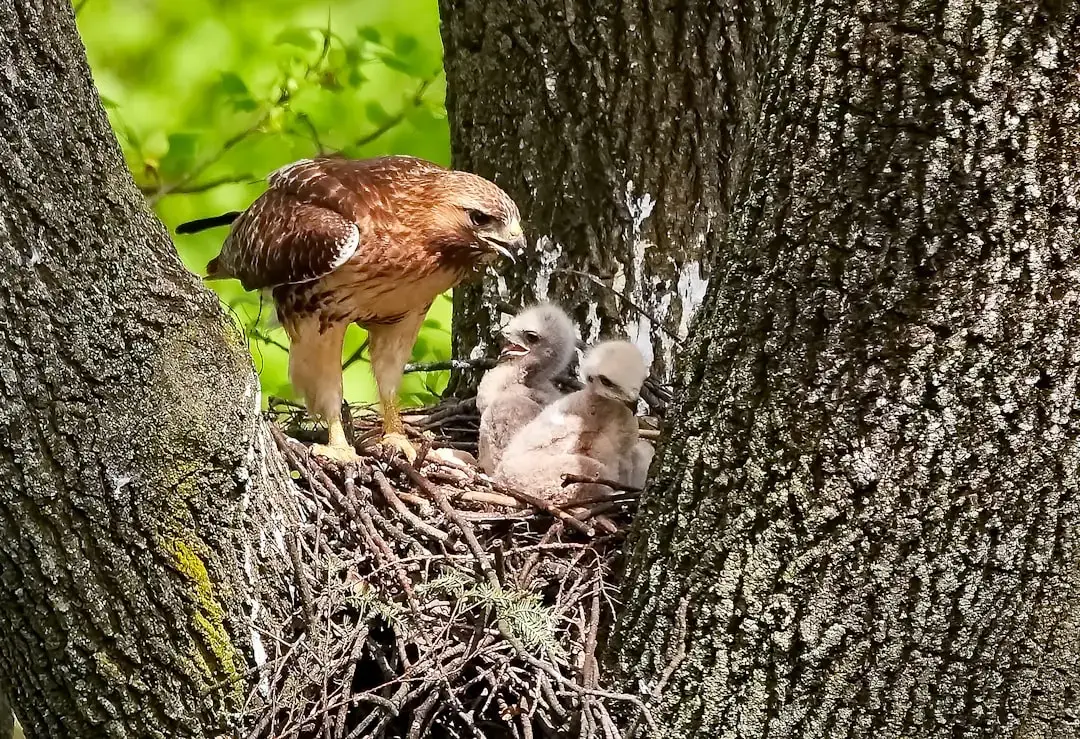
Red-tailed hawks are serious architects, weaving large stick nests that can be used year after year and grow bigger over time. In wild areas, you’d find them in tall trees overlooking open spaces, but in neighborhoods and cities, they improvise. They’ll nest on stadium lights, building ledges, tall billboards, or even in the metal framework of cell towers, as long as they have a good view and a sturdy base.
To the casual observer, those nests can look like random clumps of sticks snagged in branches or girders. But if you watch carefully during spring, you might see one of the adults bringing fresh twigs, bark, or greenery. There’s something strangely moving about realizing that an ordinary traffic intersection has, forty feet above it, a well-cared-for family home where two hawks are raising the next generation.
5. They Come In A Surprisingly Wide Range Of Colors And Patterns
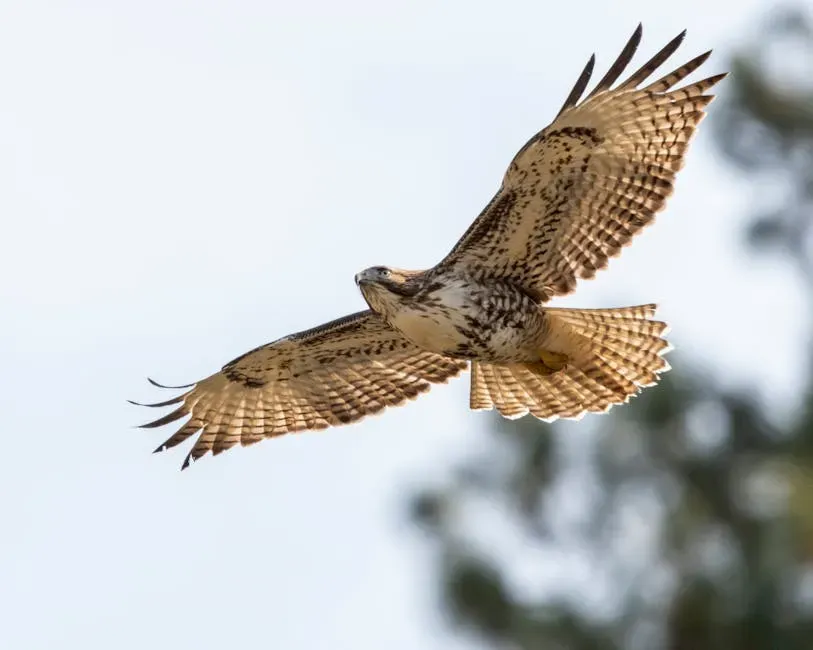
Many people assume all red-tailed hawks look the same: brown on top, pale below, red tail. The reality is much messier and much more interesting. Red-tails are highly variable, with birds ranging from very pale to almost chocolate dark, and with all sorts of speckles, streaks, and mottled patterns in between. Some populations are known for especially dark “morphs,” while others show almost ghostly light birds.
This variation can make them confusing even for experienced birders, but it also makes them one of the most fun hawks to really study. If you start paying attention to patterns – like the dark “belly band” across the lower chest or the pale underside of the wings – you’ll notice that each local bird is almost like a fingerprint. Your neighborhood is not just home to “a hawk,” but to individuals you can start to recognize on sight.
6. Young Red-Tailed Hawks Do Not Have Red Tails At All
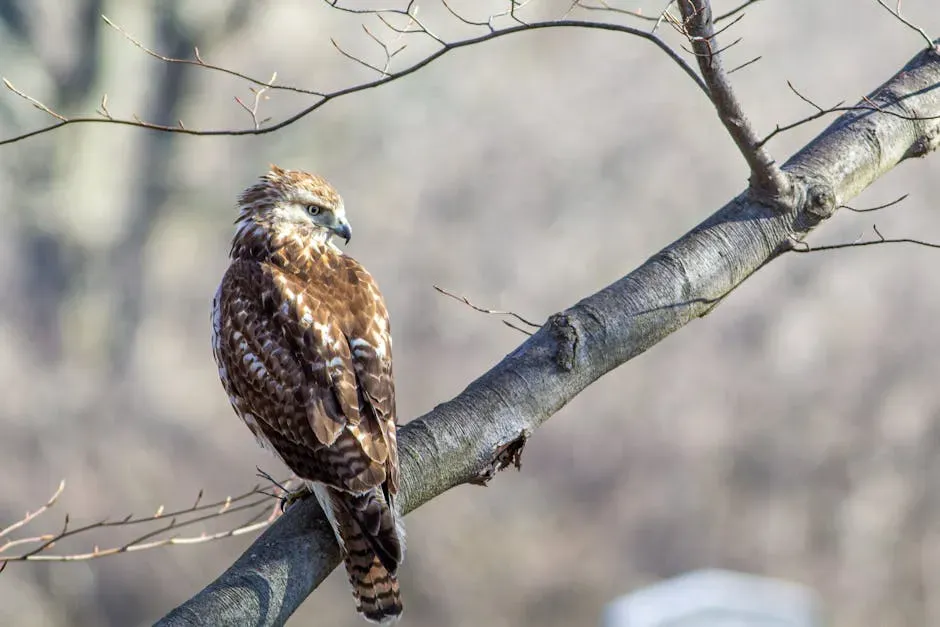
Here’s a twist that surprises a lot of people: juvenile red-tailed hawks do not actually have red tails. Young birds start out with brown, finely banded tails, and it takes them about a year or more to develop that famous rusty-red color. So if you see a stocky, broad-winged hawk with a streaky chest and a plain brown tail, it might still be a red-tail, just a teenager in its “awkward phase.”
This can make field identification an interesting puzzle, especially in areas where multiple hawk species overlap. But once you know that the name is a promise of adulthood, not a guarantee of how every bird looks, their life story feels more real. You can spot a young bird begging from a parent or clumsily trying to hunt and know you’re watching the future ruler of those skies before it grows into the classic red-tailed look.
7. They Ride Invisible Highways In The Sky Called Thermals
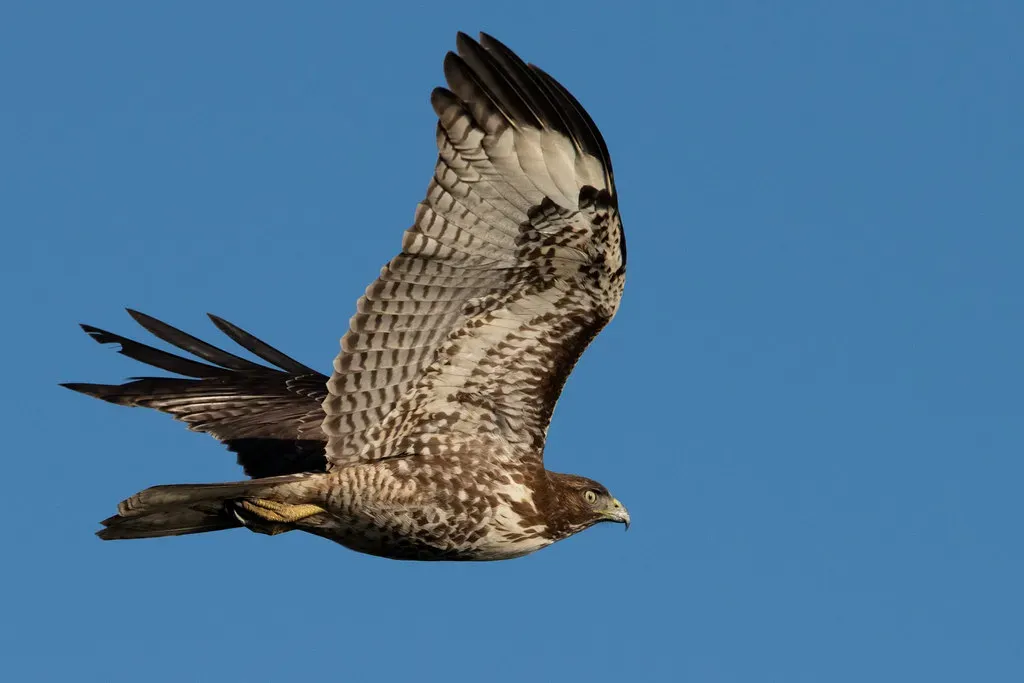
If you’ve ever seen a red-tailed hawk circling higher and higher without flapping, you’ve witnessed some very smart physics. They exploit rising columns of warm air called thermals, which form over parking lots, roads, and open fields as the sun heats the ground. By stepping into one of these invisible elevators, they can soar with minimal effort, spiraling up and then gliding far across the landscape.
To me, this is one of the most magical things about watching them above a neighborhood. While we are stuck in traffic on actual highways, they’re calmly using sky highways we cannot see, saving energy and scanning a huge area for food. Once you start looking for circling birds on warm days around midday, you realize how much aerial traffic is quietly above you while you’re just grabbing groceries.
8. Their Eyes Are Built For Detail At Distances We Can Barely Imagine
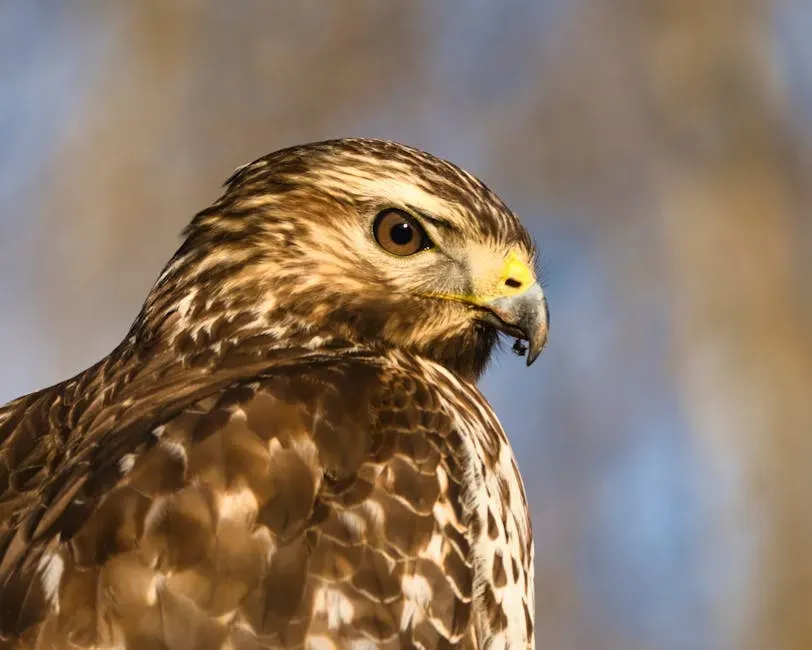
Red-tailed hawks have vision that puts our eyes to shame. They can see details at distances where we would just see a blur, allowing them to spot the subtle movement of a mouse in the grass from high above. Their eyes are packed with specialized cells that detect fine contrast and motion, and they can track small, fast-moving targets with a level of focus most of us never experience.
There’s also evidence that many raptors see into parts of the ultraviolet spectrum, which may help them detect traces like rodent urine trails that reflect differently from the surrounding ground. Imagine walking through your neighborhood and being able to see not just the things themselves, but a faint map of where their prey has been. That’s the kind of extra information a red-tail gets simply by looking around.
9. They Have Surprisingly Complex Family Lives (And Fierce Neighborhood Loyalty)
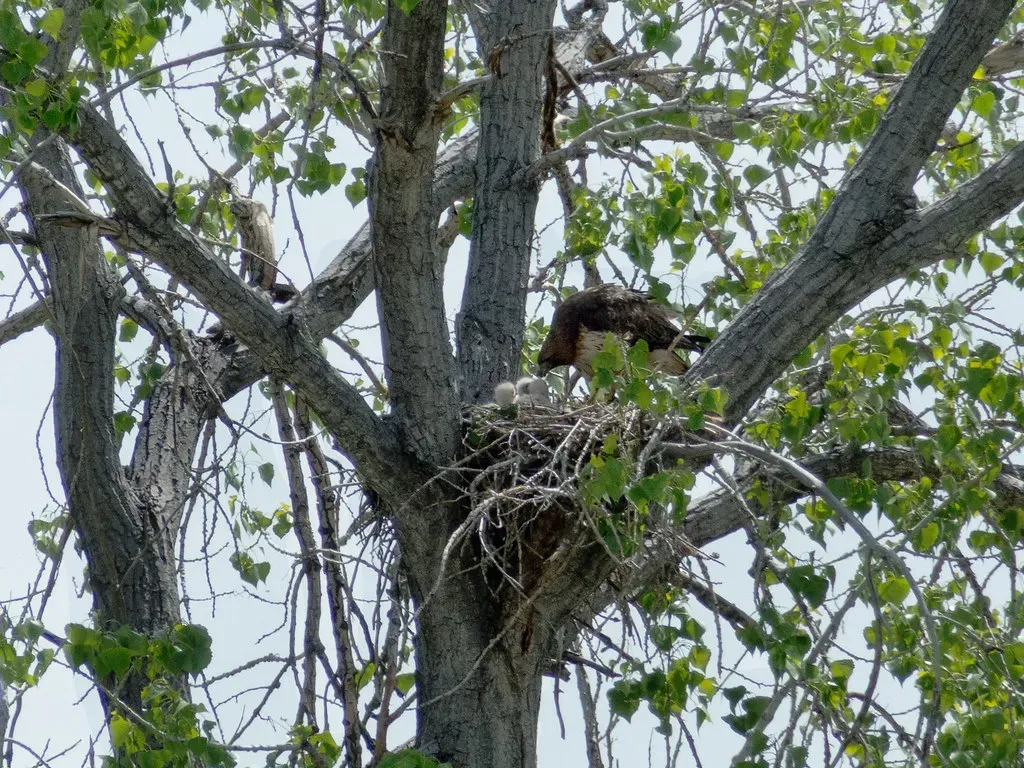
Red-tailed hawks generally form long-term pair bonds, and in some cases, pairs stay together for many years, returning to the same territory and even the same nest. To them, your neighborhood is not just a hunting area; it is defended real estate, with invisible borders they patrol and protect. Other hawks that cross those lines can expect a loud and sometimes violent response.
Watching a pair over several seasons can feel like following a long-running series above your street. You might see both adults repairing the nest, taking turns incubating eggs, and later delivering food to noisy, begging chicks. When the young finally fledge and awkwardly hop-fly between trees or buildings, the parents still feed and coach them for weeks. Your “local” hawks are more like multiyear residents than passing visitors.
10. They Help Quietly Control Rodents, Even In City Blocks
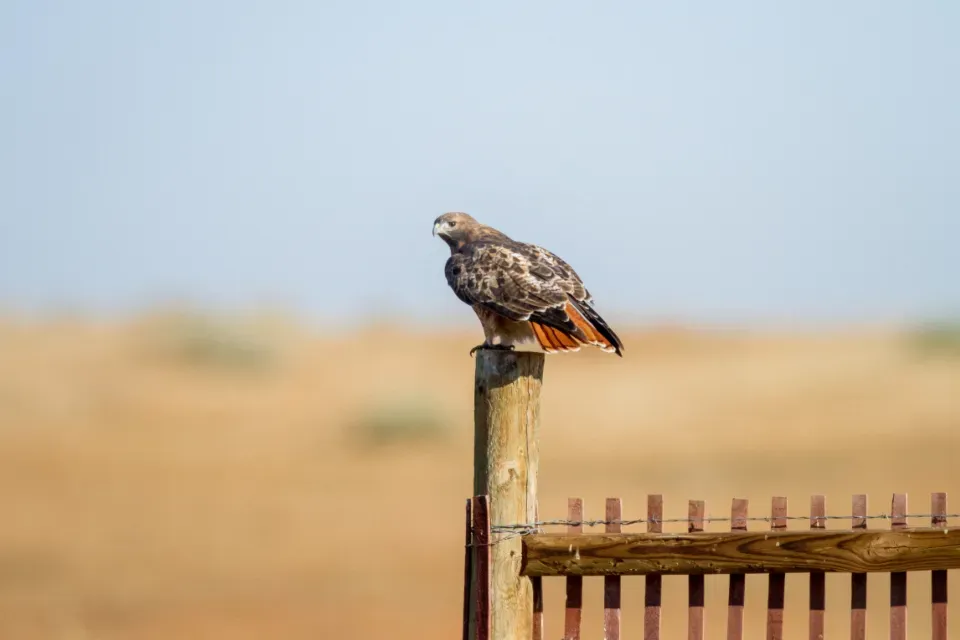
Red-tailed hawks are primarily hunters of small mammals, especially rodents like mice, voles, and rats. In a typical neighborhood or city edge, those animals can thrive on spilled food, unsecured trash, bird feeders, and the general mess of human life. A resident pair of hawks acts like a natural pest control service, picking off exposed rodents and keeping their numbers from exploding even further.
This does not mean hawks erase all problems, and it is important not to romanticize them as magic solutions. But their constant, daily hunting pressure makes a difference, and they do it without chemicals, traps, or noise. The next time someone grumbles about “rats in the alley,” it is worth remembering there may already be a quiet partner in the fight circling overhead, doing its work for free.
11. They Are Surprisingly Tough Survivors Of Human Chaos
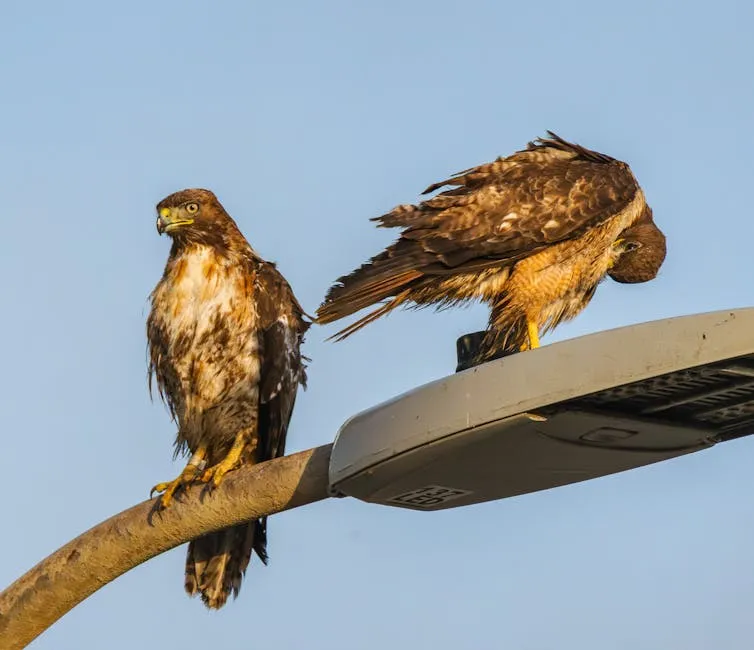
Despite cars, buildings, wires, and pollution, red-tailed hawks have adapted impressively well to the modern world. They use our structures for perches and nests, our cleared spaces for hunting, and even our noise as cover while they approach prey. In many regions, their populations have remained stable or even increased, which is honestly remarkable given how challenging urban and suburban landscapes can be for wildlife.
That said, they still face real dangers from vehicle collisions, rodent poisons, habitat loss, and power lines. I think this mix of resilience and vulnerability is part of what makes them so compelling. They are both tough and fragile – capable of riding thermals above a six-lane highway and yet brought down by something as mundane as a poisoned rat or a badly placed wire. Seeing one overhead is a reminder that wildness is stubborn, but not invincible.
12. You Can Learn To Spot “Your” Red-Tails And Follow Their Stories
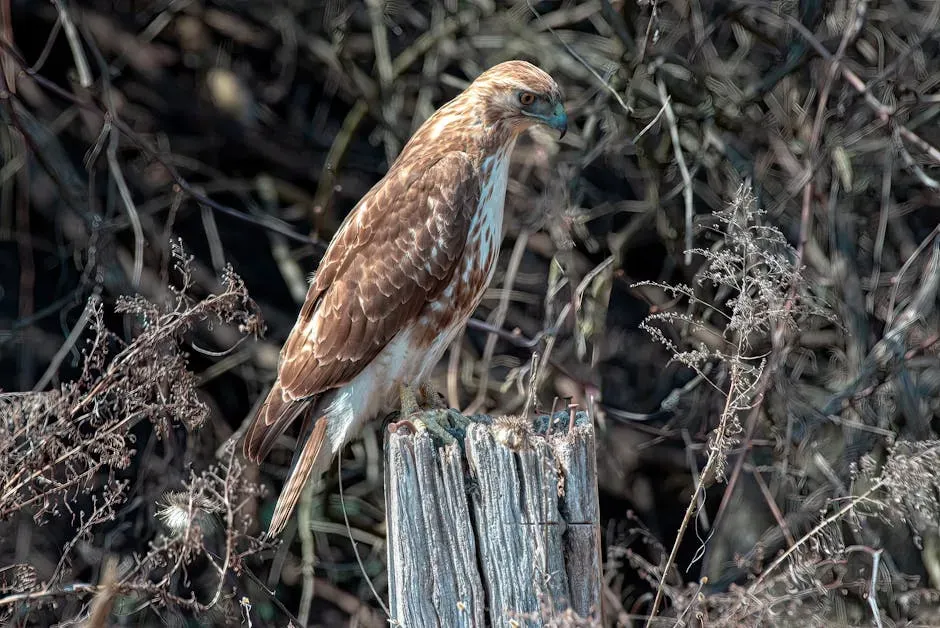
Once you start paying attention, you may notice the same hawks using the same perches and flight paths over and over. Maybe it is the bird that sits on the tall light at the grocery store, or the pair that calls from the stand of trees near the school. With time, you can recognize individuals by subtle differences in plumage, tail pattern, or even posture, and suddenly your sky is not generic – it is populated by characters.
I think this is where red-tailed hawks really change how a neighborhood feels. When you can say, “There’s the hawk that nests by the park,” you are not just living in a human map of streets and buildings anymore. You are sharing space with long-lived, sharp-eyed neighbors whose lives weave through your own, mostly unseen but very real. That sense of shared place is strangely grounding in a world that often feels disconnected.
Conclusion: The Wild Neighbors We Deserve To Notice
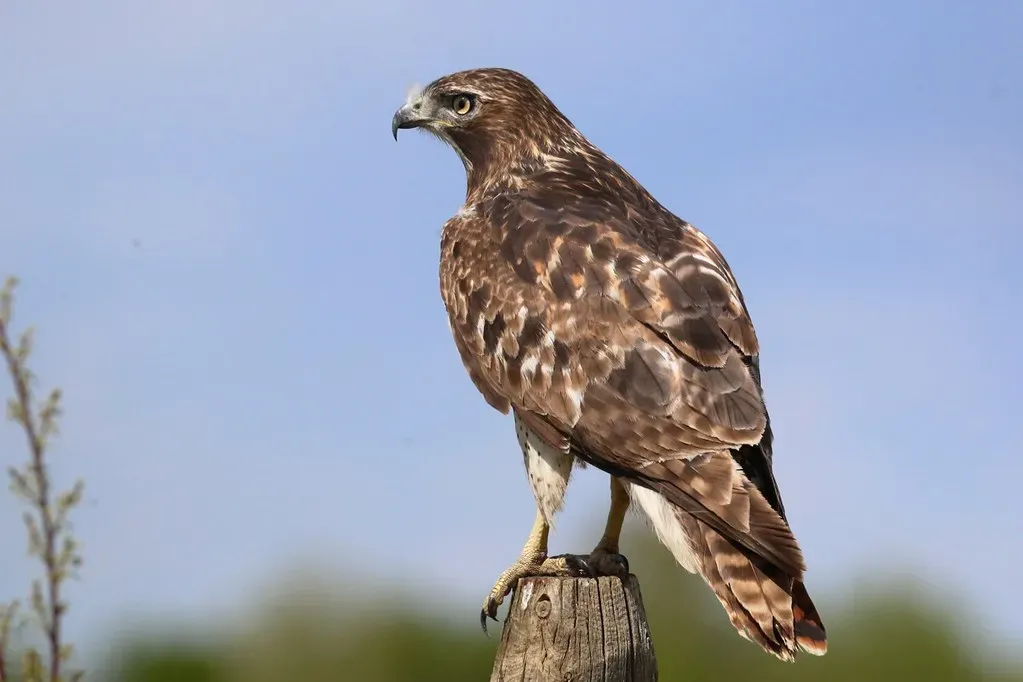
Red-tailed hawks are not rare miracles reserved for remote forests; they are everyday miracles hiding in plain sight. In my view, ignoring them is a bit like living under a famous painting and never bothering to look up. They hunt over our roads, raise families above our parking lots, and turn our boring commutes into potential wildlife safaris – if we are willing to pay attention.
In a time when it is easy to feel cut off from nature, red-tails quietly prove that the wild never really left; it just moved onto our light poles and adapted to our noise. If anything, we owe them the respect of awareness, a promise to make choices that harm them less, and the simple courtesy of looking up once in a while. The next time you step outside, will you glance at your phone – or will you check the sky and see who has been watching you all along?