
If you grew up in the United States, chances are you heard way more about bald eagles and grizzly bears than about one of the strangest little mammals in our forests: flying squirrels. The funny thing is, these animals are not some rare jungle oddity from the other side of the planet. They glide through American backyards, national parks, and suburbs at night, almost like a secret nighttime version of the more familiar tree squirrel.
Once I saw one glide across a campsite in the Appalachians and, honestly, it felt more like watching a low-budget superhero movie than observing wildlife. Most people never get that moment because flying squirrels do their best work while we’re asleep. The result is a creature that is everywhere and almost unknown. The more scientists study them, the more it becomes clear: flying squirrels are weirder, smarter, and more important to our forests than most of us ever imagined.
1. They Don’t Actually Fly – They Glide Like Living Wingsuits
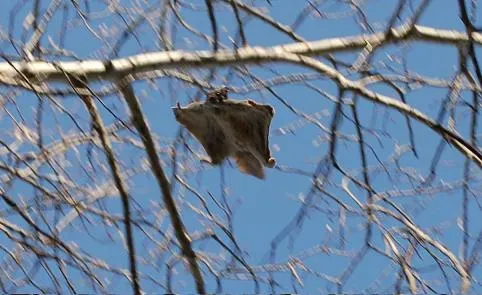
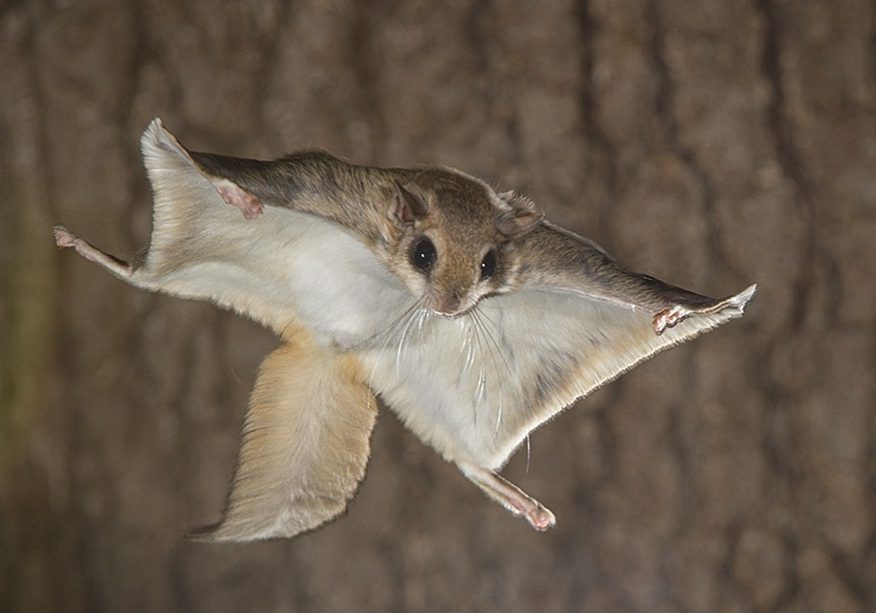
Let’s get the obvious shocker out of the way: flying squirrels cannot truly fly. They do something arguably cooler. Instead of flapping wings, they stretch out a loose flap of skin between their front and back legs, turning their whole body into a living parachute. When they leap from a tree, that skin – called the patagium – catches the air and lets them glide for surprising distances, sometimes as far as a small city lot.
Their gliding is not just a random fall, either. They can steer, brake, and even curve around obstacles. They adjust the tension of the membrane, move their limbs, and use their long, flat tails as rudders and stabilizers. It’s basically the same principle as a human in a wingsuit, just built in by evolution instead of stitched together from synthetic fabric. When you see the comparison, it really feels like humans copied them, not the other way around.
2. North America Has Several Species – And They’re Not All Alike
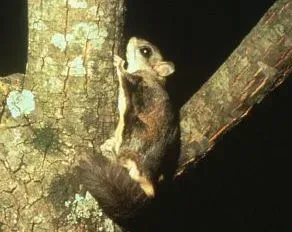
Most Americans vaguely assume “the flying squirrel” is one single quirky species, but North America actually has several, with subtle but important differences. The most widespread are the northern and southern flying squirrels, which overlap in parts of the eastern United States but favor different kinds of forests and climates. In some western regions, there are distinct species tied to conifer forests and mountain ecosystems.
These species differ in size, fur color, and even diet details, yet they all share the same basic gliding setup. In some areas, their ranges meet and they can even hybridize, which has created headaches and debates for scientists trying to keep their family tree straight. For an animal so many of us never see, their evolutionary story is surprisingly complicated, more like a messy extended family than a neat, single character.
3. Their Big “Cute” Eyes Are Night-Vision Gear
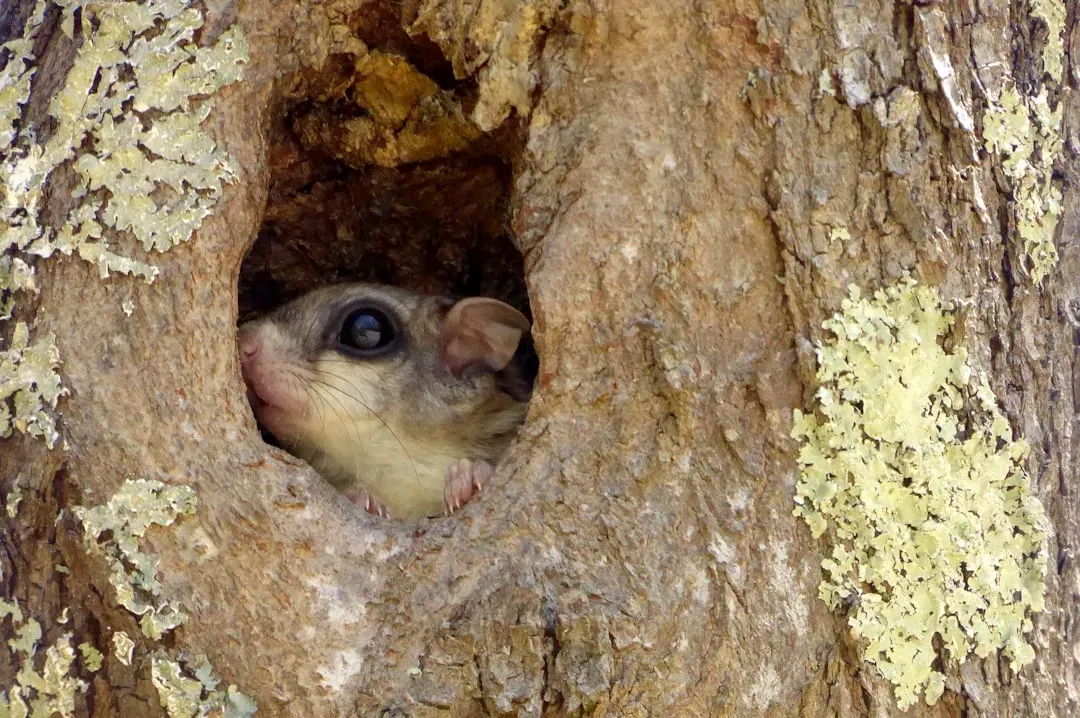
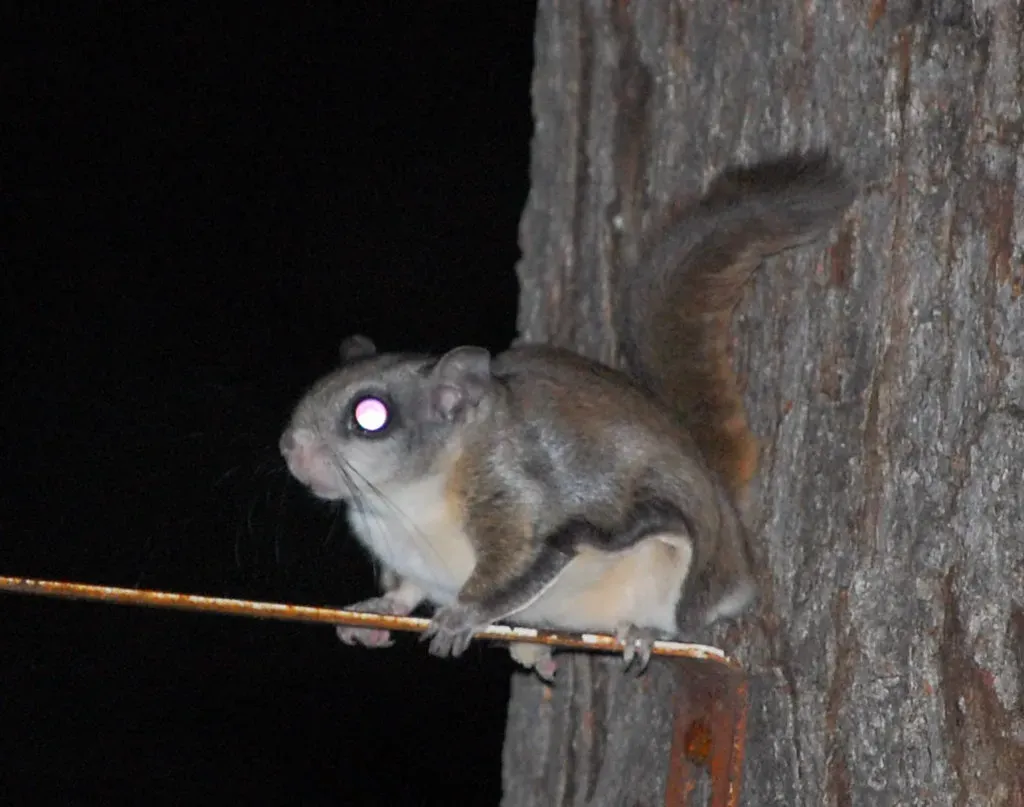
If you look at a flying squirrel up close, the first thing you notice is the eyes – huge, dark, and almost cartoon-level adorable. Those oversized eyes are not just for charm; they’re serious equipment for a strictly nighttime lifestyle. Larger eyes mean more light gathering, which helps them see in the dim glow of moonlight and starlight where a daytime squirrel would be basically blind.
This night vision combo lets them navigate branches, judge gliding distances, and detect predators in conditions that would feel like a blackout to us. It is part of why most Americans never notice flying squirrels: they simply live on a different schedule. You can think of them as the night shift of the squirrel world, fully adapted to work the hours most of us avoid.
4. They Can Glide Farther Than You’d Expect From Something So Small
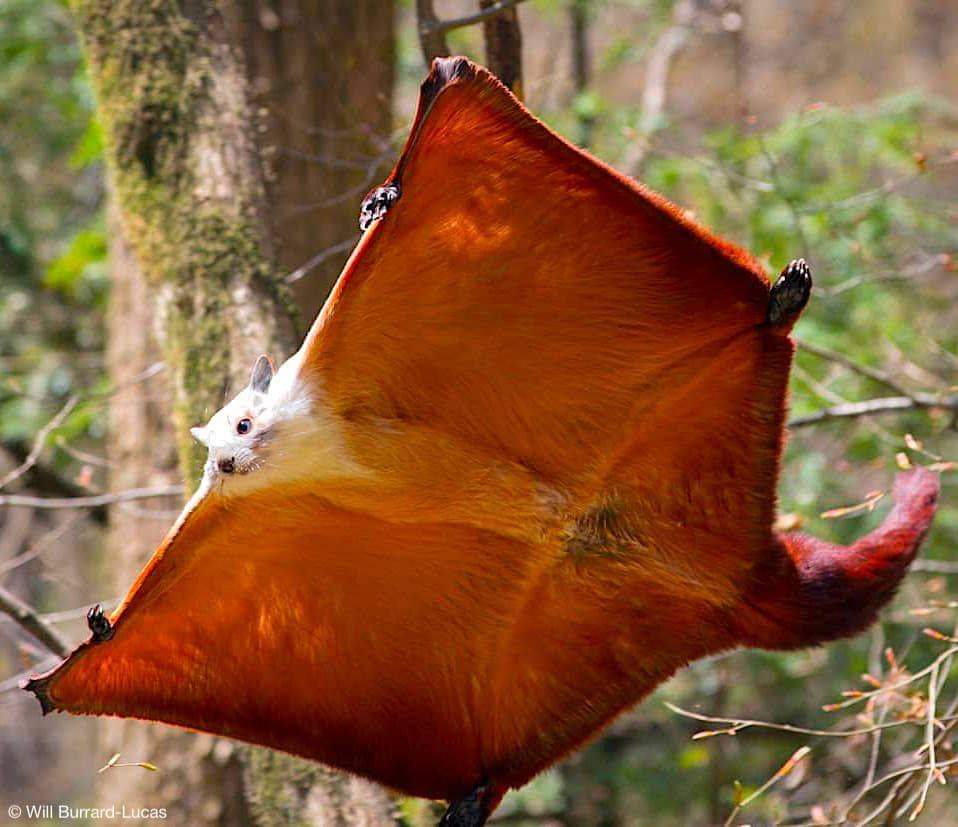
When most people picture a small mammal “flying,” they imagine a clumsy hop from one short tree to the next. Flying squirrels are in a whole different league. Under good conditions, they can cover distances on the order of half a football field or more in a single glide, using height and momentum like tiny, fuzzy pilots. For an animal that could literally sit in your hand, that’s astonishing range.
They launch themselves from high perches, spread their patagium, and angle their bodies to control descent. By changing their arm and leg positions and using their tail as a control surface, they can curve around tree trunks and weave through branches. When they land, they tend to angle upward at the last moment, grabbing the bark with their claws like a silent, velcro-like landing. It looks graceful, but underneath it is pure physics and precise muscle control.
5. They Steer With Their Tails Like Tiny Aerial Athletes
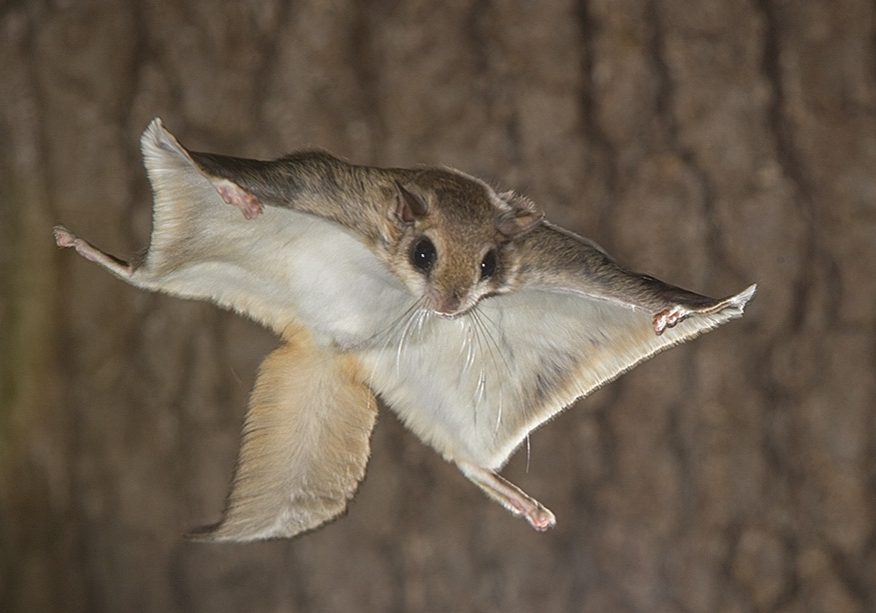
The tail of a flying squirrel looks fluffy and decorative at first glance, but it’s a key part of their gliding system. Instead of just hanging there, the tail works as a stabilizer and rudder, helping fine-tune their direction and balance midair. A slight twist can shift their path, much like how the tail surfaces on a plane make tiny adjustments that keep the whole craft stable.
During a glide, their tail also helps keep their body from spinning or pitching too far forward. When they get close to landing, they can tilt it just enough to lift the front of their body and slow down. If you think of a gymnast doing a jump and using their arms for balance, that is very similar to how the tail works for a flying squirrel – only their “gymnastics” happen thirty feet above the ground in the dark.
6. They Are Quiet, Social Night Owls (Not Loners)
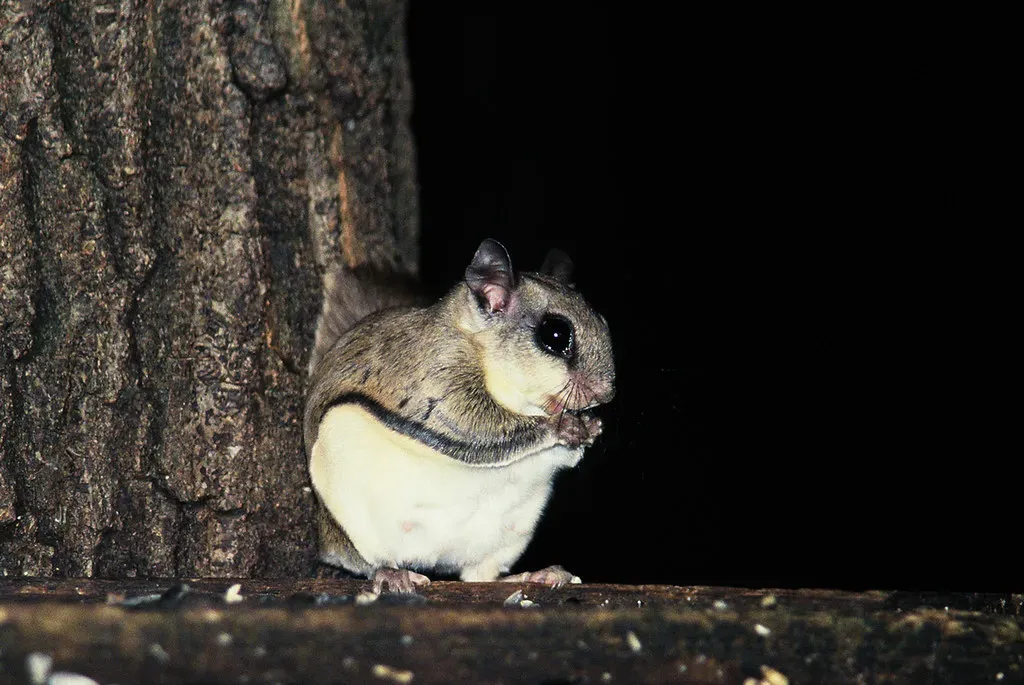
Because we rarely see them, it is easy to imagine flying squirrels as solitary, mysterious creatures gliding around alone in the dark. In reality, many species are surprisingly social, especially in colder regions. They often share tree cavities or nest boxes with several other individuals, huddling together to keep warm and reduce heat loss, which is a serious concern for small mammals.
They also communicate with each other using chirps and other high-pitched vocalizations that can be hard for us to hear. Some species use scents and body language to coordinate, especially around nesting and food sources. Instead of picturing one lone squirrel gliding silently through a black forest, it’s more accurate to imagine a hidden nighttime neighborhood, where relatives and neighbors share space, warmth, and information.
7. They Play a Hidden But Huge Role in Forest Health
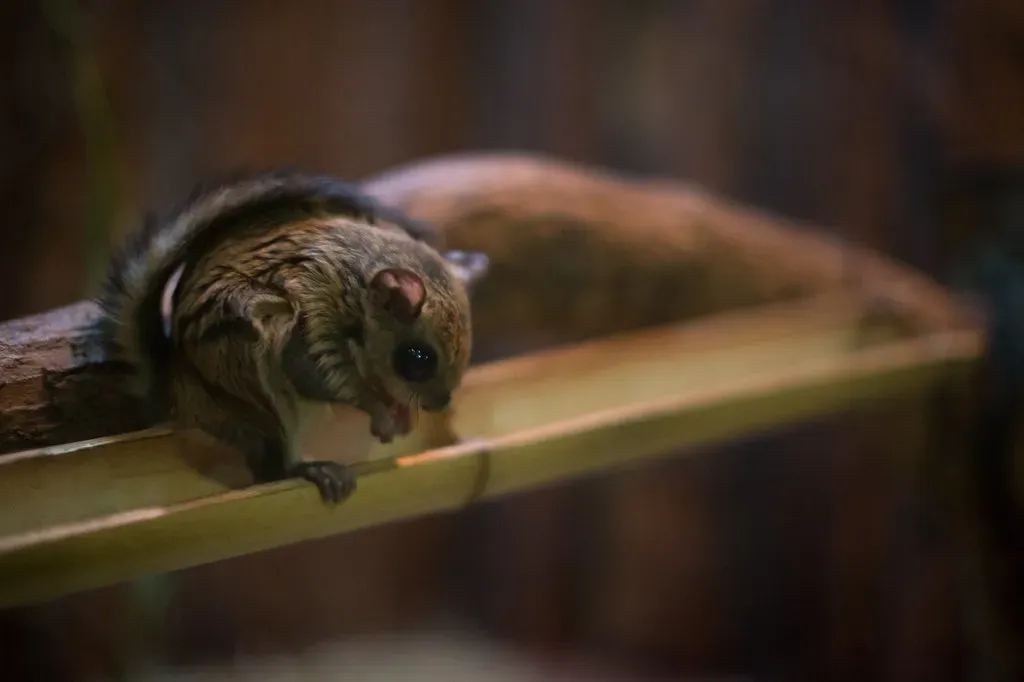
One of the most underappreciated facts about flying squirrels is their role in spreading fungi, especially truffle-like underground species. While other animals may casually nibble fungi, flying squirrels rely on them heavily, digging them up and eating them regularly. When they move through the forest and leave droppings, they spread spores that help these fungi colonize new areas.
This matters because many trees form tight partnerships with those fungi on their roots, sharing nutrients and improving growth and resilience. In a very real way, flying squirrels act as middlemen, keeping the forest’s underground support network connected. Without them, certain types of fungi and, in turn, some trees might struggle to spread as effectively. They’re like accidental gardeners for the forest, doing essential work while just trying to find dinner.
8. They Use Nest Boxes And Old Woodpecker Holes Like Real Estate Pros
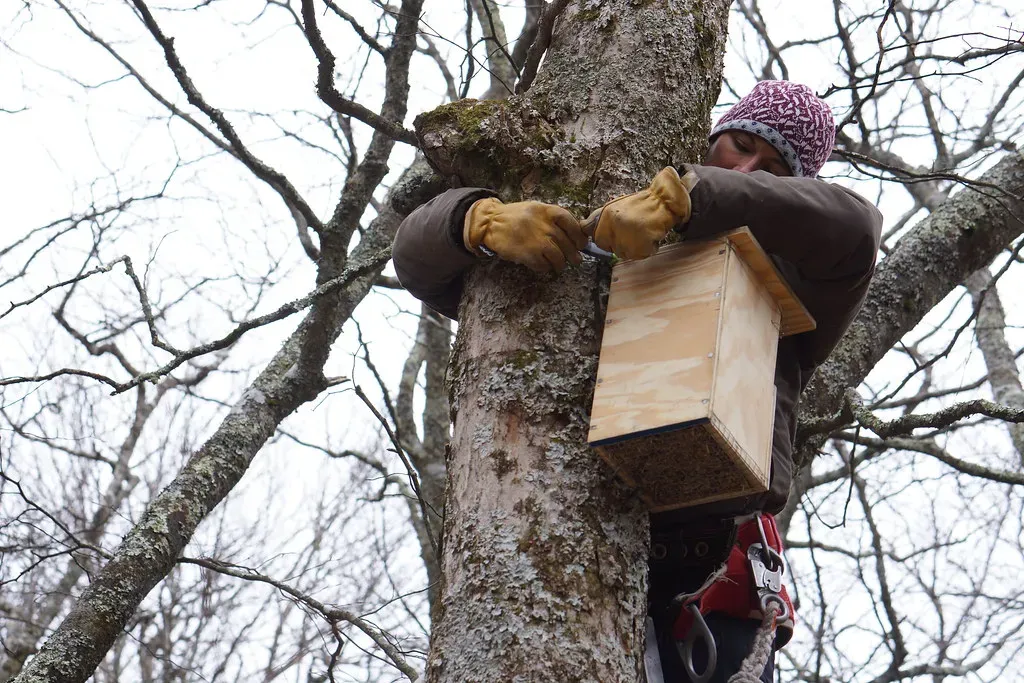
Flying squirrels are clever about housing. Instead of building open, leafy nests like some daytime squirrels, they prefer enclosed spaces such as tree cavities and old woodpecker holes. These hideouts offer protection from predators, insulation from cold, and a stable base from which to launch glides. In managed forests or suburban areas where natural cavities are scarce, they’ll readily move into nest boxes put up for birds or for them specifically.
They often maintain multiple nesting sites within their home range and may switch between them, almost like having a network of safe houses. This flexibility helps them deal with disturbances, predators, or changes in food sources. If you put up a well-designed nest box in good habitat, there’s a decent chance you’ll eventually attract flying squirrels without even realizing it, especially if you only check during the day.
9. Some Populations Glow Under UV Light – And We Still Don’t Really Know Why
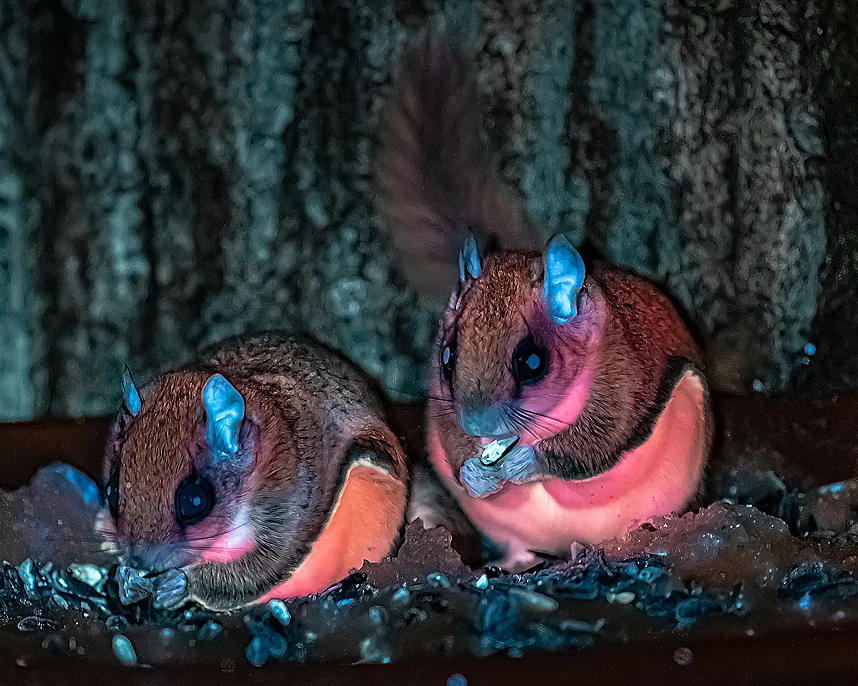
One of the most mind-bending discoveries of the last few years is that some flying squirrels appear to fluoresce pink under ultraviolet light. When illuminated with UV, their fur reflects a bright, unexpected color that you would never guess from seeing them in daylight. This trait shocked researchers because it had simply gone unnoticed for a long time, hidden in wavelengths our eyes do not naturally pick up.
The reasons for this fluorescence are still being studied. It might play a role in communication between squirrels, help them blend in with certain backgrounds, or be just a quirky side effect of other pigments or structural features in their fur. Either way, the fact that such a striking feature went undiscovered for so long is a humbling reminder: even common animals in our own country can still surprise us in ways that feel almost sci‑fi.
10. They Face Real Threats From Habitat Loss And Cats

Flying squirrels may seem agile and well-equipped to avoid danger, but they are not immune to human impacts. When large patches of mature forest are cut down, fragmented, or degraded, the continuous canopy they rely on for gliding gets broken up. Fewer tall trees and fewer cavities mean fewer safe routes and nesting sites, especially for species that prefer old-growth or specific forest types.
On top of that, outdoor cats and some other predators take a real toll, particularly near neighborhoods and cabins where artificial light and edges change their environment. Most Americans never even realize these animals are present, let alone that their yards might be death traps for them. It is easy to forget that a creature can be both very capable in its natural setting and surprisingly vulnerable once we start redesigning its world around our own needs.
11. Most Americans Will Never See One – But You Can Tilt The Odds
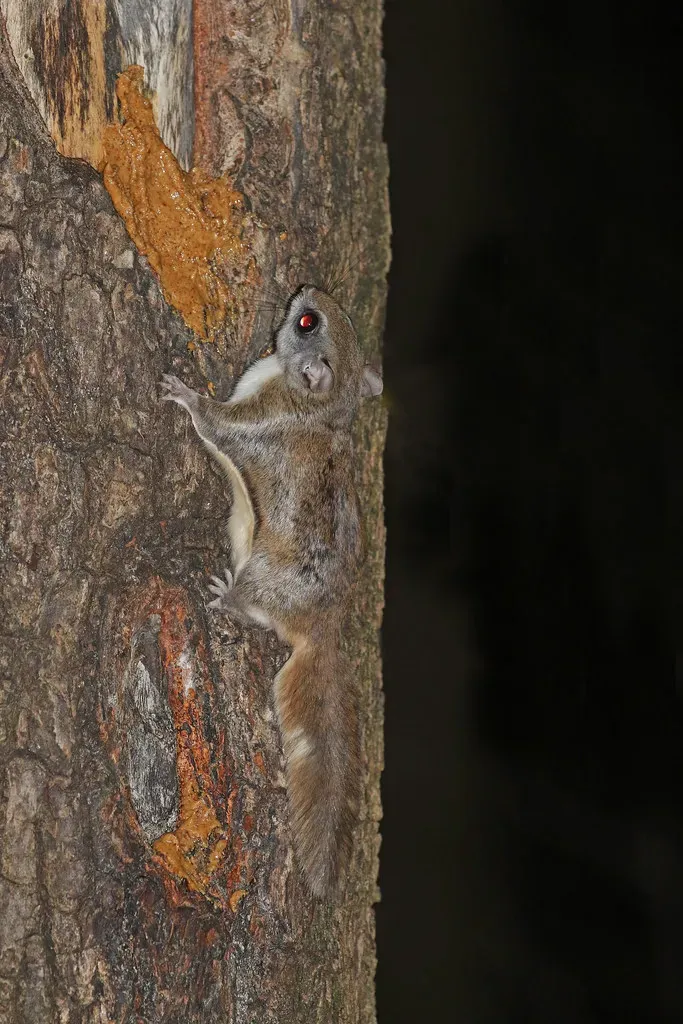
Despite living in the same states and even the same towns, most people in the United States will go their whole lives without knowingly seeing a flying squirrel in the wild. Their nocturnal habits, silent gliding, and preference for treetops keep them almost invisible. Add in the fact that we rarely wander around with flashlights pointed into the canopy at midnight, and it’s no surprise they feel mythical to many.
Yet with some effort, your chances go way up. Setting up a red-filtered light, putting out wildlife-friendly cameras, or installing nest boxes near mature trees can all help reveal who’s visiting your backyard at night. Even just knowing they might be there changes how you feel when you walk through a dark stand of trees. Instead of empty space, you start imagining hidden wingsuits of fur drifting between trunks above your head.
Conclusion: The Secret Superheroes In Our Trees
Flying squirrels are one of those animals that completely rewrite your mental picture of the forest once you know they exist. They are not just cute side characters; they are nighttime gliders, fungal gardeners, social nest-sharers, and quiet indicators of how healthy our forests really are. In my view, it’s a bit of a failure of our nature education that most Americans can name exotic savanna animals but have no idea there might be glowing, gliding mammals right outside their windows.
If anything, flying squirrels prove that you do not need to travel halfway around the world to find wildlife that feels magical or strange. You just need to look up at a different time of day and care enough to pay attention. Maybe the most surprising fact of all is not that they glide or glow, but that we have managed to ignore them for this long. Next time you walk past a dark stand of trees at night, will you picture an empty sky – or imagine a tiny shadow silently sailing from branch to branch above you?