
There is something quietly unsettling about standing in a national park. One moment you feel tiny and blessed under a cathedral of trees; the next you realize how fast a person could simply walk into the forest and never be seen again. When someone vanishes out there, with no storm, no predator evidence, no logical trail, it hits a nerve that ordinary city crime never does. It suggests that either we are missing obvious explanations or that our control over the natural world is much thinner than we like to believe.
In this article, we’ll walk through fifteen real cases of people who disappeared in or around national parks and similar wild areas under circumstances that many investigators and families have described as bizarre, deeply unlikely, or seemingly impossible. Some involve experienced outdoorsmen who simply stepped away from a group and were gone. Others center on children who somehow covered distances that trained searchers struggle to manage. None of these stories prove anything paranormal; in fact, most likely have mundane explanations we just have not fully uncovered. But when you look at the details, it is hard not to feel a chill and ask yourself: how can someone vanish so completely in a place that belongs to all of us?
1. Dennis Martin – The Boy Who Vanished on Father’s Day in the Smokies
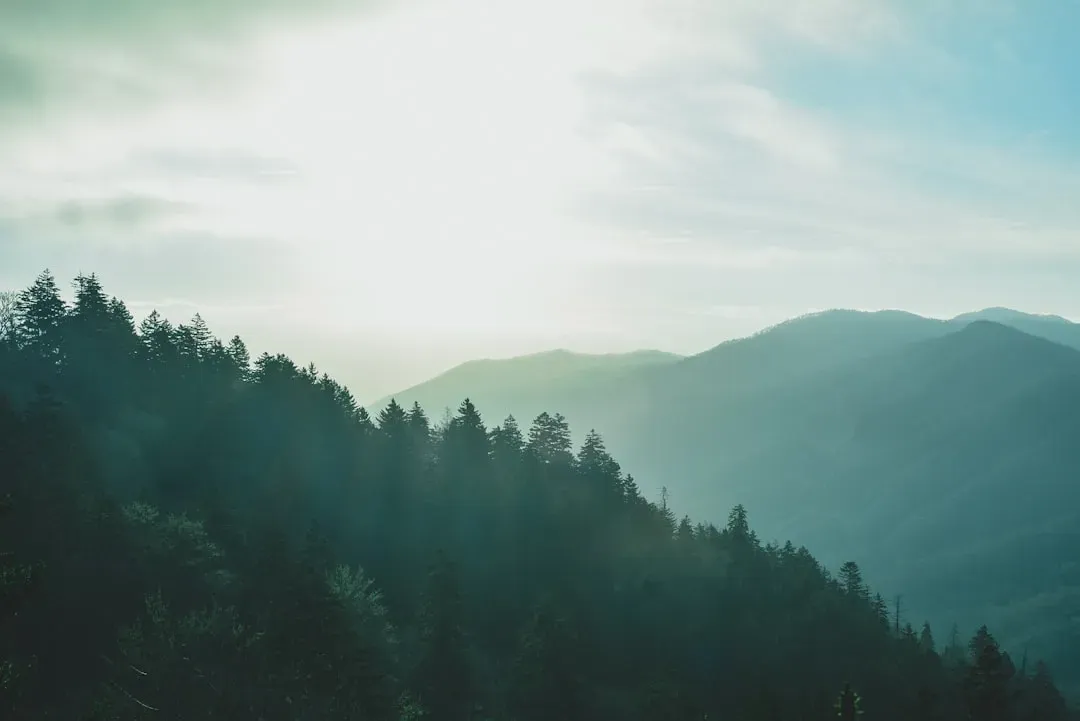
In June 1969, six‑year‑old Dennis Martin disappeared in Great Smoky Mountains National Park during a family camping trip, and the details still bother seasoned search‑and‑rescue professionals. He was playing a harmless hide‑and‑seek style game with other children near Spence Field, just a short dash from the adults, when he stepped behind some bushes and never emerged. There was no reported scream, no sign of a fall, no obvious cliff or river right where he vanished, and visibility in the meadow was actually decent. Within hours, one of the largest search efforts in the park’s history was underway, with trackers, helicopters, and even Green Berets combing the area.
Despite that huge response and days of searching, not a single conclusive trace of Dennis was ever found. People who have bushwhacked that terrain point out that a small child could certainly be injured and hidden by brush, yet the level of effort involved makes the total lack of evidence feel off. There were later, unconfirmed reports from nearby visitors who claimed they saw an oddly dressed figure carrying something over his shoulder around the same time, which only fueled speculation. Personally, I think this case shows the brutal reality that even a few seconds of distraction in the woods can be catastrophic, but the utter absence of physical clues is what keeps this disappearance hovering in that unsettling “almost impossible” category.
2. The Strange Case of the Cowden Family in Oregon’s Siskiyou Mountains
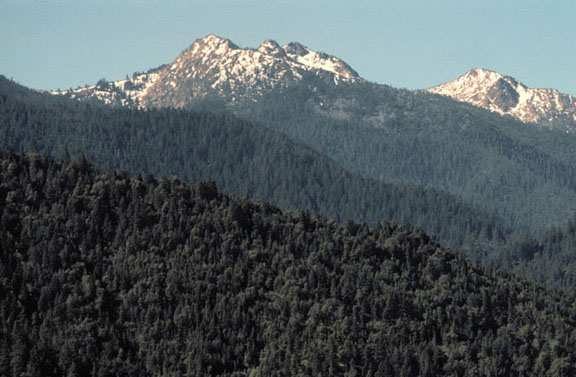
The 1974 disappearance of the Cowden family near what is now Rogue River–Siskiyou National Forest is often mentioned not as a single lost hiker, but as an entire family unit seemingly plucked from a pleasant campsite. Richard and Belinda Cowden, along with their two young children, had been camping over Labor Day weekend, their camp neatly arranged near a creek. When the family failed to show up at a planned dinner with relatives, searchers found the campsite abandoned but eerily normal: food still out, a carton of milk on the picnic table, the family truck, and their belongings left behind as if they had stepped away for just a moment.
Months later, their remains were discovered in rugged terrain a few miles away, and the death scene raised more questions than it answered. Investigators leaned toward foul play, yet there were no clear signs of a robbery gone wrong, and no one noticed a struggle at a campground that was not truly isolated. The sense of impossibility here comes from the timing and logistics: how do you subdue and move an entire family in daylight near a camp without drawing attention, and why leave the vehicle and supplies that might act as a lure or witness trail? To me, the case illustrates how fragile our feeling of safety is in public lands; a place you might pick for wholesome family memories can, in rare instances, become the setting for something far darker.
3. The Unresolved Disappearance of Theodosia “Theo” Lynn Krumpen in Yosemite
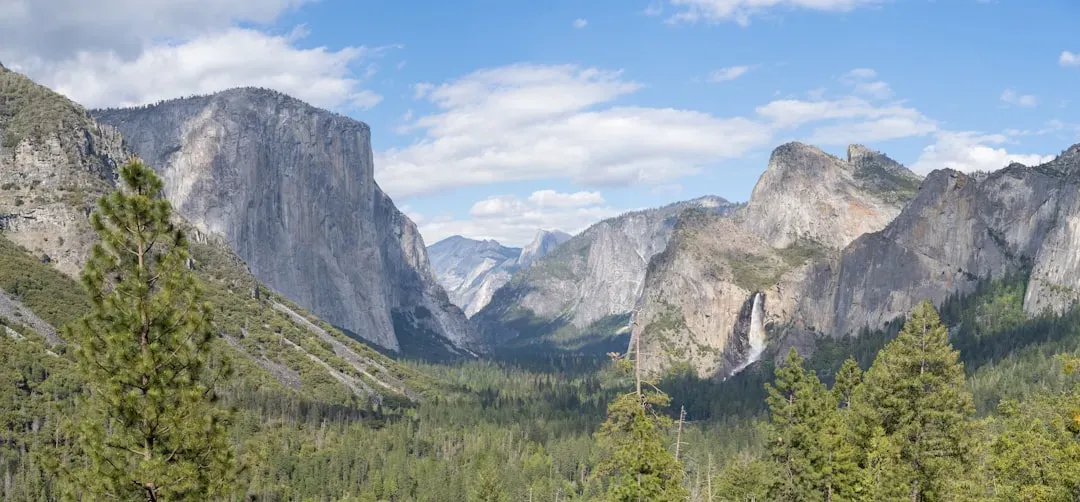
Yosemite National Park is famous for its granite walls and waterfalls, but it also has a long history of missing hikers who never turn up, among them Theodosia “Theo” Krumpen, who vanished in the 1980s while backpacking. Theo was not a reckless tourist; she was relatively experienced and had a plan, gear, and a known route. When she failed to meet her ride, search teams retraced her expected path, checking popular trails and likely side paths, but despite multiple searches and follow‑up sweeps, no body, clothing, or gear have been discovered that could be conclusively linked to her. In a park as heavily visited as Yosemite, that lingering emptiness feels strange.
People sometimes imagine that you could simply walk off‑trail and instantly be unreachable, but modern searches combine grid sweeps, dogs, and aerial views to cover ground methodically. Of course, there are cliffs, talus fields, and rivers that can hide remains for years, yet even then, hikers routinely stumble on old gear or bones in those areas. The fact that Theo’s case remains a total blank makes it one of those puzzles that quietly gnaws at rangers and volunteers. My own opinion is that Yosemite’s scale is still vastly underestimated by casual visitors; you can be within sight of postcard‑famous granite and at the same time be in a labyrinth that can swallow a person without leaving much behind.
4. The Mysterious Disappearance of Amy Wroe Bechtel in Wyoming’s Mountains
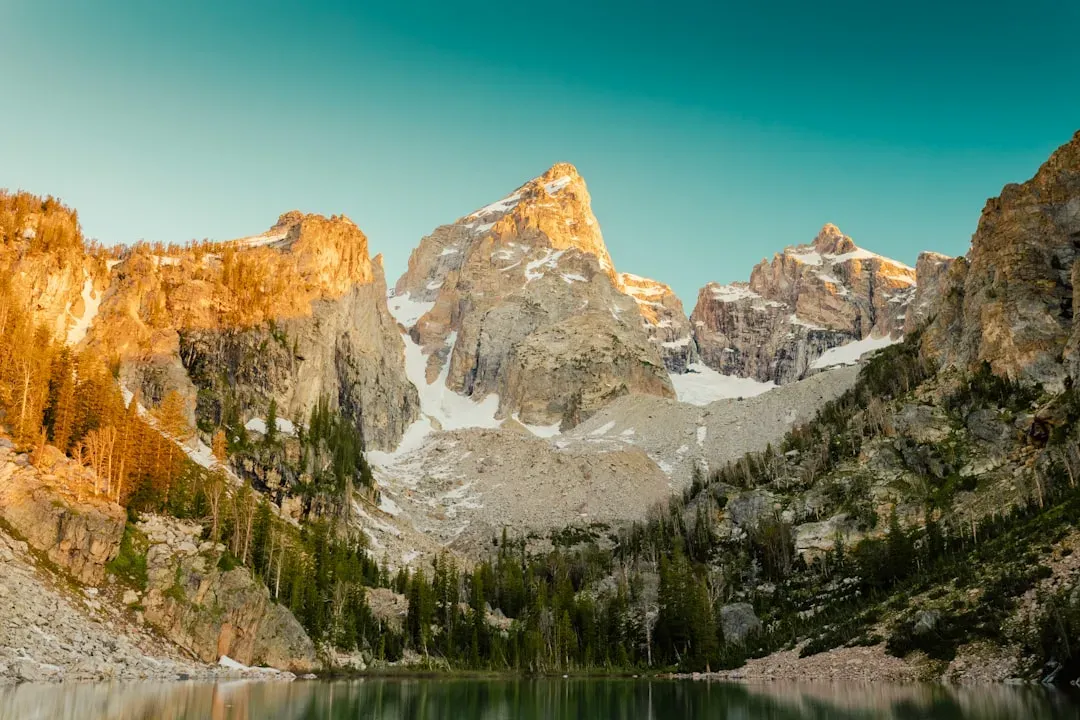
In 1997, Amy Wroe Bechtel went for a run on roads near the Shoshone National Forest and never returned, in a case that often gets grouped with baffling wilderness vanishings because of the terrain and lack of evidence. Amy was a competitive runner, young, fit, and familiar with the outdoors around Lander, Wyoming. Her car was later found parked near a forest road, but the area where she likely ran is a matrix of gravel roads, steep drainages, and wooded slopes. Extensive searches by foot, horse, and helicopter turned up essentially nothing definitive. Roads in that region are used by locals, climbers, and tourists, which means both benign and threatening strangers are a possibility.
There has long been debate over whether Amy’s disappearance is more likely a crime or an accident in rough country, and honestly, both are plausible. What amplifies the sense of impossibility is the way she seems to have vanished between distinct human spaces: a vehicle parked on a road, a house she planned to return to, and a town where people knew her. It feels like there should be witnesses, tire tracks, or personal items marking some kind of transition. I sometimes think cases like Amy’s are scarier than classic “lost in the woods” stories, because they sit on that ambiguous line between nature and human danger, and decades later we still cannot say which side claimed her.
5. The Vanishing of Dr. James McGrogan in Colorado’s Vail Area
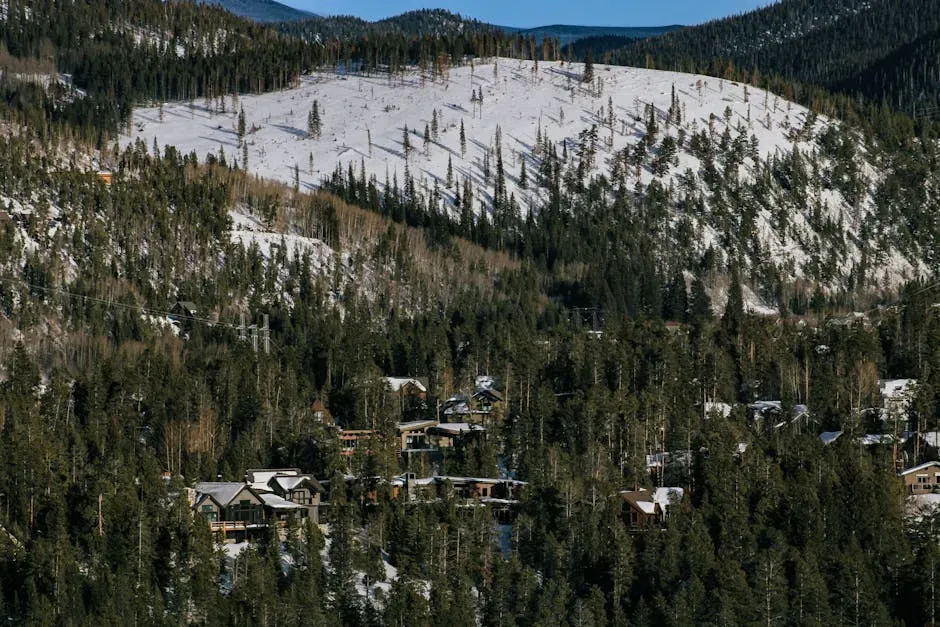
In 2014, Dr. James McGrogan, an experienced backcountry enthusiast, was splitboarding with friends in the Colorado high country near the town of Vail when he went ahead on the trail and apparently just disappeared. The group expected to regroup at a junction or hut, but McGrogan was not there, and a major search was launched. Rescue teams found no obvious sign of him along the intended route, despite tracked snow and a relatively defined corridor. It was only later, after the official search had been scaled back, that his body was discovered in a location that raised eyebrows: at the bottom of a frozen waterfall in a drainage that was extremely difficult to reach from his last known position.
The strange part is not only that he ended up far off the planned route, but also the timing and physical effort it would have taken to get there. For him to reach that site in the window after he left his friends would require significant changes in direction and terrain choices, almost like he had intentionally abandoned the logical path. There were injuries consistent with a fall, which supports an accident, yet how and why he diverged so dramatically remains unknown. To me, this case reflects how easy it is, even for experienced people, to make one or two disoriented decisions in snow country and end up somewhere searchers do not expect, making the outcome feel nearly impossible until you map the terrain in brutal detail.
6. The Puzzling Disappearance of Young Hiker Jared Negrete in California
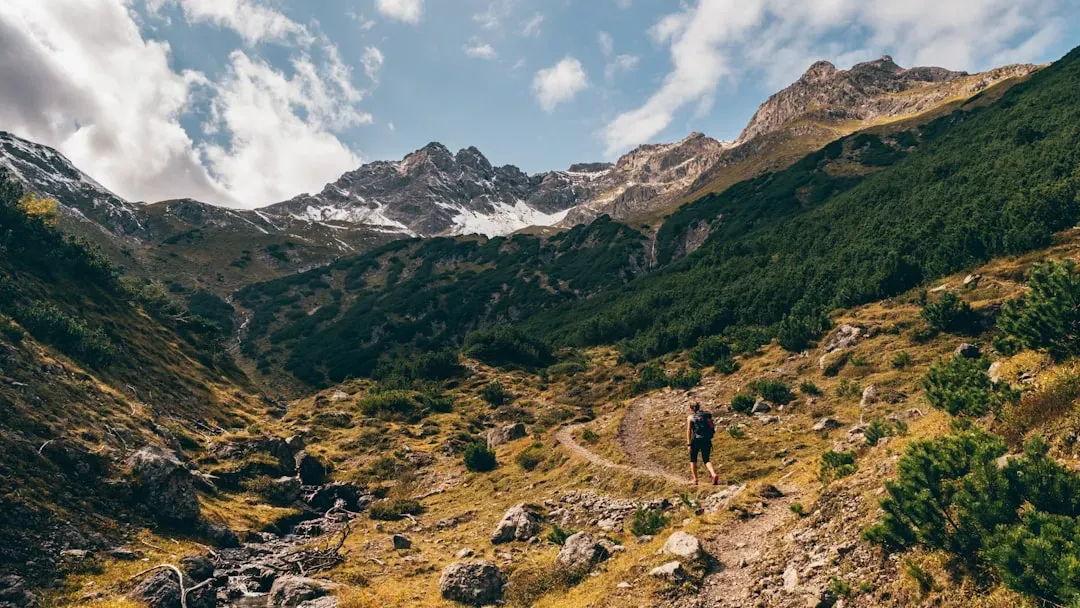
Back in 1991, twelve‑year‑old Jared Negrete disappeared while on a Boy Scout hike in the San Bernardino National Forest, and his case has become one of those haunting cautionary tales leaders mention on every group outing. According to reports, Jared lagged behind during a steep ascent toward a mountain peak and was told to wait by the trail until the group returned. When they came back down, he was gone. What followed was a huge search that lasted days, with helicopters, dogs, and hundreds of volunteers. They found some items possibly linked to Jared, including boot prints and a discarded snack wrapper, but never the boy himself.
On a modern map, the search area seems hemmed in by roads and other human activity, which makes it feel like he should have been found. That sense of impossibility grows when you remember he was a relatively small kid, unlikely to cover extreme distances through dense terrain. The logical explanation is that he became disoriented, moved downhill into steeper country, and perhaps succumbed to exposure, yet the fact that the landscape has been hiked, hunted, and patrolled over decades without anyone stumbling across clear evidence is deeply unsettling. Personally, whenever I see organized youth trips in the mountains, I think about Jared and how a single miscommunication or assumption about where someone will stay put can echo for a lifetime.
7. The Odd Case of Park Ranger Randy Morgenson in Kings Canyon
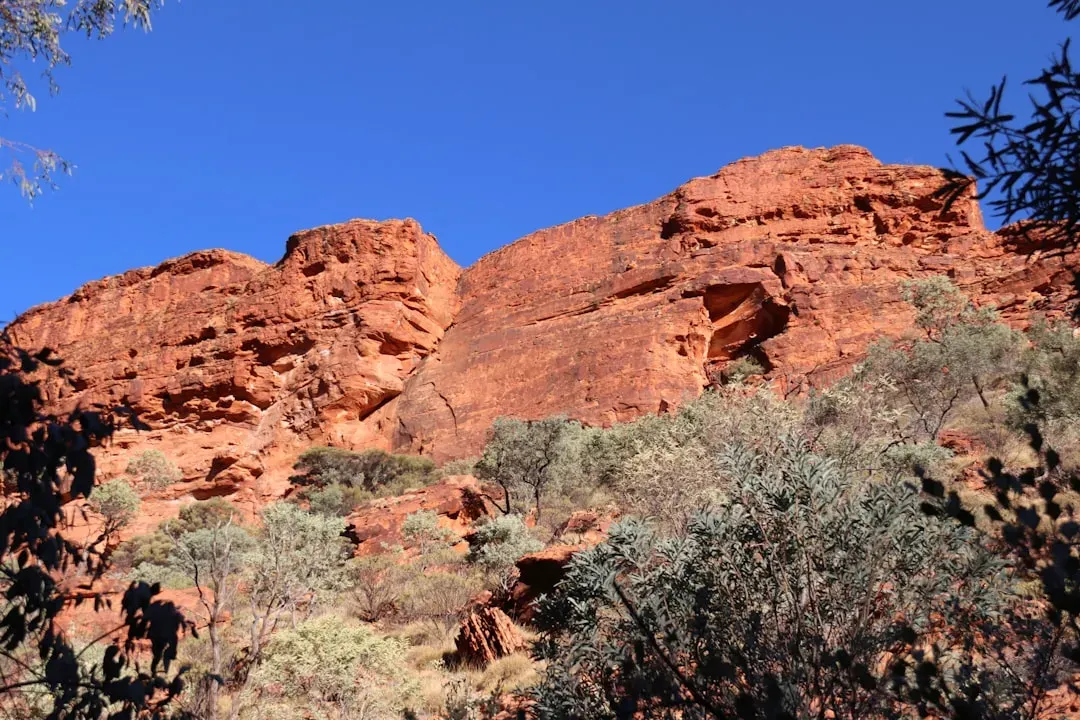
When career backcountry ranger Randy Morgenson vanished in 1996 in California’s Kings Canyon National Park, many fellow rangers felt like the wilderness itself had just swallowed one of its guardians. Morgenson knew the High Sierra as well as anyone, having patrolled it for decades on foot and by horse. When he failed to check in as expected, searchers realized they were looking for one of their own, someone intimately familiar with the danger of swift rivers, steep passes, and summer storms. The search spanned weeks over some of the most rugged terrain in the lower forty‑eight states, but at first there was no sign of him at all.
Eventually, his body was found below a waterfall in a remote drainage, and the working theory became that he had slipped while trying to cross or inspect the stream. That explanation is straightforward, but park colleagues still pointed out how rare it was for a ranger of his experience to make such a fatal misstep alone without leaving clearer traces. The line between an understandable accident and something that feels “impossible” can be thin; in Morgenson’s case, it is the contrast between his deep knowledge of the landscape and the simple, deadly mistake that probably killed him. I find his story a humbling reminder that the wilderness does not care how many seasons you’ve survived there; it only takes one wrong step in the wrong place.
8. The Disappearance of Veteran Hiker Geraldine “Gerry” Largay on the Appalachian Trail
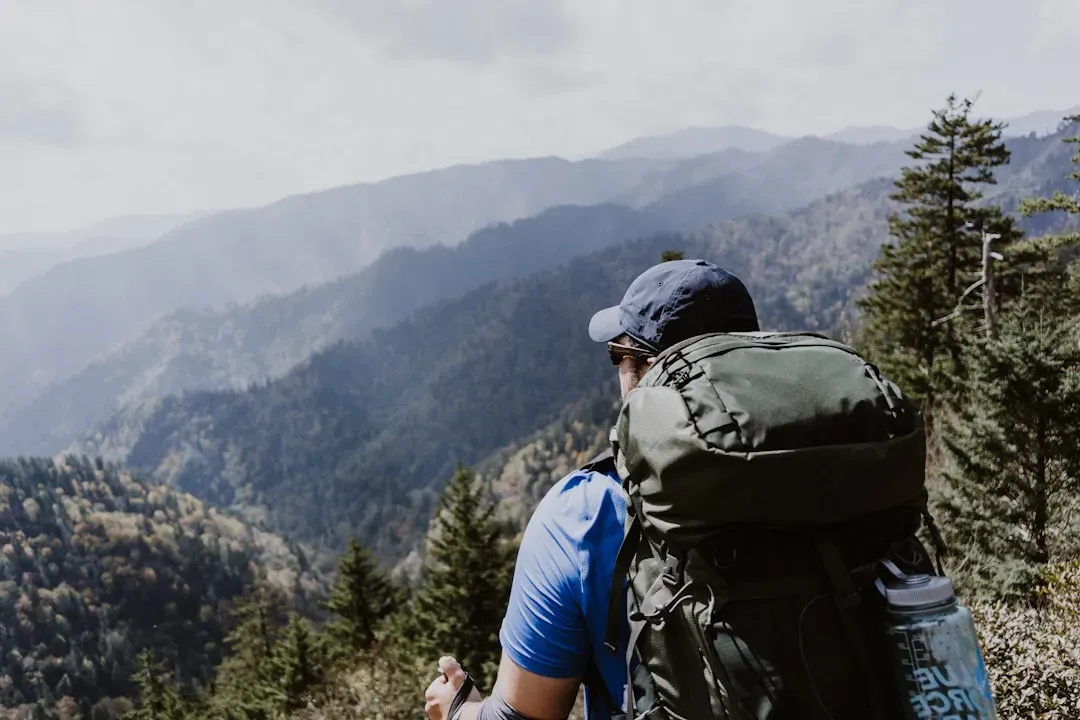
Although not inside a national park proper, the 2013 disappearance of Appalachian Trail hiker Geraldine “Gerry” Largay in Maine, near lands managed in coordination with federal agencies, is often discussed alongside national park mysteries for its eerie details. Gerry was hiking a well‑traveled section of trail, texting with family when she had coverage, and staying in shelters used by many others. When she failed to reach a pre‑arranged meeting point, an extensive search began. For years, many hikers passed through that same general area with no idea that her remains lay not all that far from the trail, hidden in dense forest.
When her campsite and remains were finally found by a surveyor, investigators discovered that she had attempted to send messages describing being lost and having moved off the trail to use the bathroom. In her case, the “impossible” feeling comes from how close she apparently was to human traffic and yet how thoroughly the thick Maine woods concealed her. Her story hits me hard because it shows that vanishing does not always require a cliff, a criminal, or a storm; sometimes it just takes a wrong turn, a dead cell phone, and understory so dense that searchers can walk within shouting distance and never see you. It is both tragically ordinary and deeply haunting, and it has changed the way many experienced hikers treat navigation, even on seemingly obvious paths.
9. The Disturbing Vanishings Near Crater Lake National Park
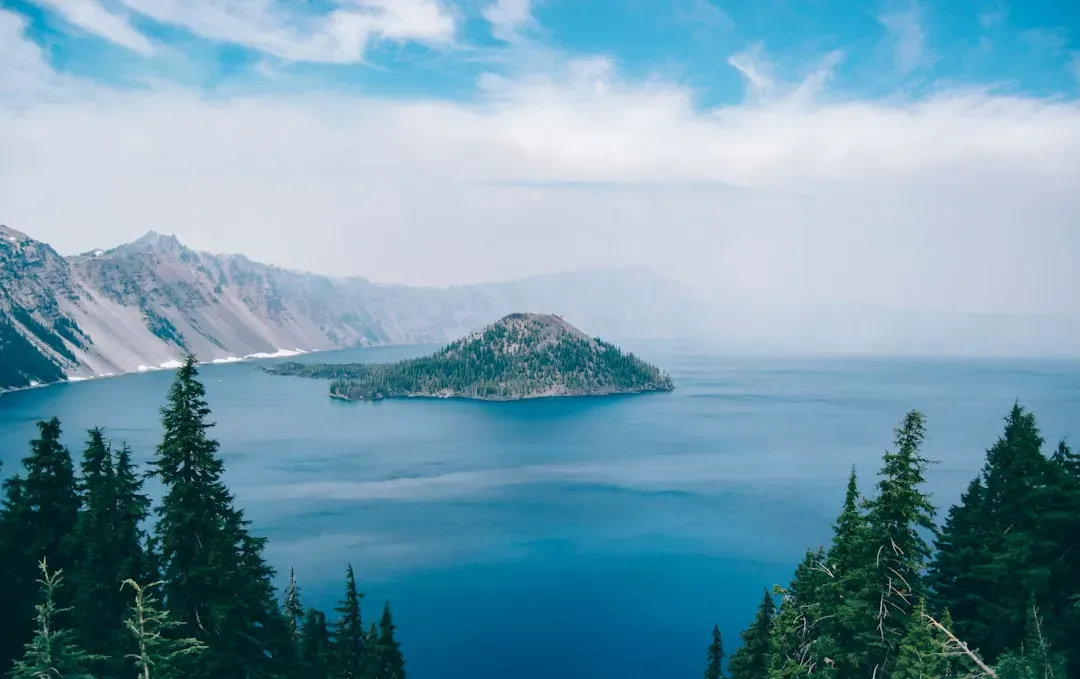
Crater Lake National Park in Oregon has a reputation for beauty and a quieter reputation among rangers and locals for strange accidents and disappearances around its rim and forests. Over the decades, several individuals have gone missing in or near the park under circumstances that feel particularly abrupt, such as cars found abandoned in parking lots while their owners are never located. In some of these cases, weather and steep volcanic terrain offer plausible explanations: a slip on snow near a cornice, a fall into trees where a body is hard to spot from the air. Still, the pattern of uncompleted hikes, unclaimed vehicles, and missing people adds an unnerving layer to the park’s otherwise serene postcard image.
Unlike some highly publicized cases, many of these Crater Lake disappearances do not have dramatic backstories; they involve ordinary visitors from different walks of life. That ordinariness actually makes them more disturbing, because it is easy to imagine yourself in their shoes, stepping out to enjoy a view and trusting the guardrails, then perhaps walking just a little farther than you should. In my view, the sense of impossibility here is really about how quickly conditions can flip: fog rolls in, snow covers old tracks, and suddenly a simple misstep becomes invisible to everyone but the person who made it. Crater Lake reminds me that even in heavily managed parks, we are still guests on a landscape that predates every safety sign.
10. The Unfinished Story of Hiker Kris Fowler on the Pacific Crest Trail
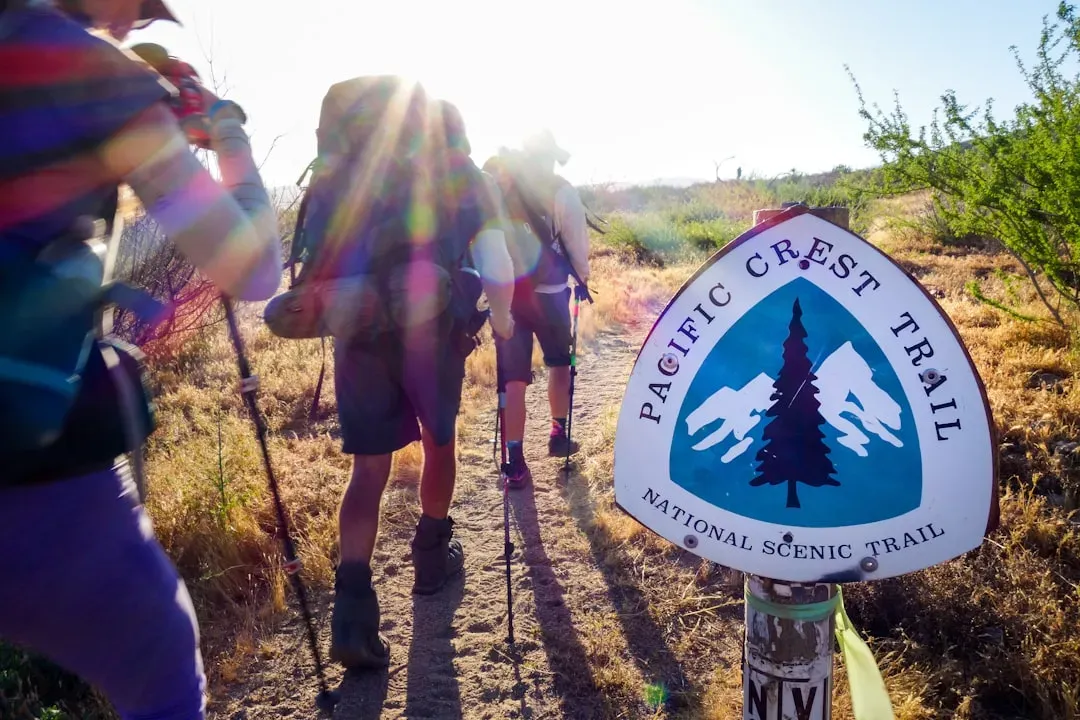
In 2016, thru‑hiker Kris Fowler disappeared while hiking the Pacific Crest Trail in Washington State, in an area that includes national forest lands often experienced similarly to national parks. He was last seen near remote roads and trail junctions as bad weather was moving in, and his intended route would have taken him through mountainous terrain with fall snow. Search teams and later volunteer efforts did extensive work trying to reconstruct his choices using sightings, photos, and weather patterns, yet no confirmed trace of his gear or remains has been located. For a thru‑hiker with a well‑documented journey and social media trail, that blank ending feels painfully abrupt.
The Pacific Crest Trail community has debated theories ranging from a fall into a hidden ravine to hypothermia in a whiteout, both of which are tragically plausible in late‑season conditions. What adds an “impossible” vibe is the combination of a relatively narrow corridor, modern communication, and the absence of the usual clues like dropped items or partial remains. Personally, I think Kris’s case exposes how our confidence in GPS, online tracking, and crowdsourced awareness can give us an illusion of control that the wilderness does not recognize. Even in the era of constant updates and satellite imagery, a single hiker can still step around a bend in a storm and slip into a place where no one ever thinks to look.
11. The Eerie Case of Hiker Jenny Gray in the North Cascades
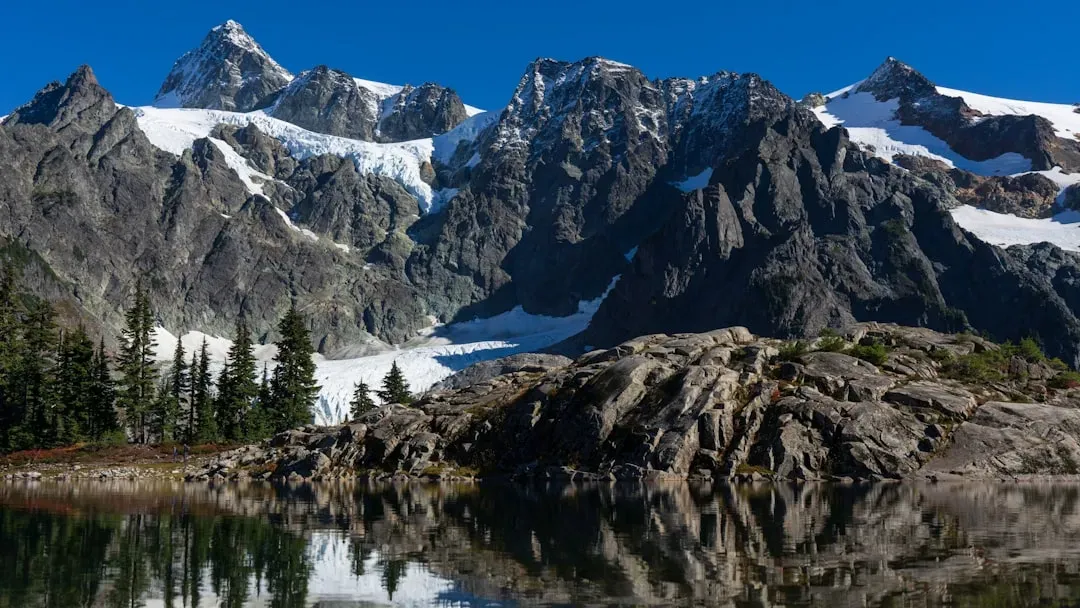
The North Cascades region of Washington, including North Cascades National Park and surrounding wilderness, has seen several mystifying disappearances, and among them is the case of a solo hiker often summarized under the name Jenny Gray in discussions of baffling backcountry vanishings. She reportedly set out on a planned route, left travel details with others, and was familiar with standard precautions. Yet somewhere between trailheads, she stopped leaving signs of her passage. When she did not return on schedule, a search began that leveraged ground teams, dog units, and aerial reconnaissance, all of which struggled against steep, heavily forested slopes and sudden weather shifts.
What makes this kind of case feel nearly impossible is the modern expectation that solo hikers who do everything “right” should at least leave a solid breadcrumb trail behind. The Pacific Northwest’s combination of dense vegetation, cliff bands, creeks, and snowfields can erase those breadcrumbs in hours, leaving searchers to work off weak patterns and hunches. From my perspective, Jenny’s story captures a hard truth: the idea of the well‑prepared, careful hiker as somehow immune to vanishing is more comforting myth than reality. In the right patch of terrain, with the wrong twist of the ankle or wrong turn at a foggy junction, preparation narrows the odds but never eliminates them.
12. The Vanishing of Experienced Climber Matt Greene in the Sierra Nevada
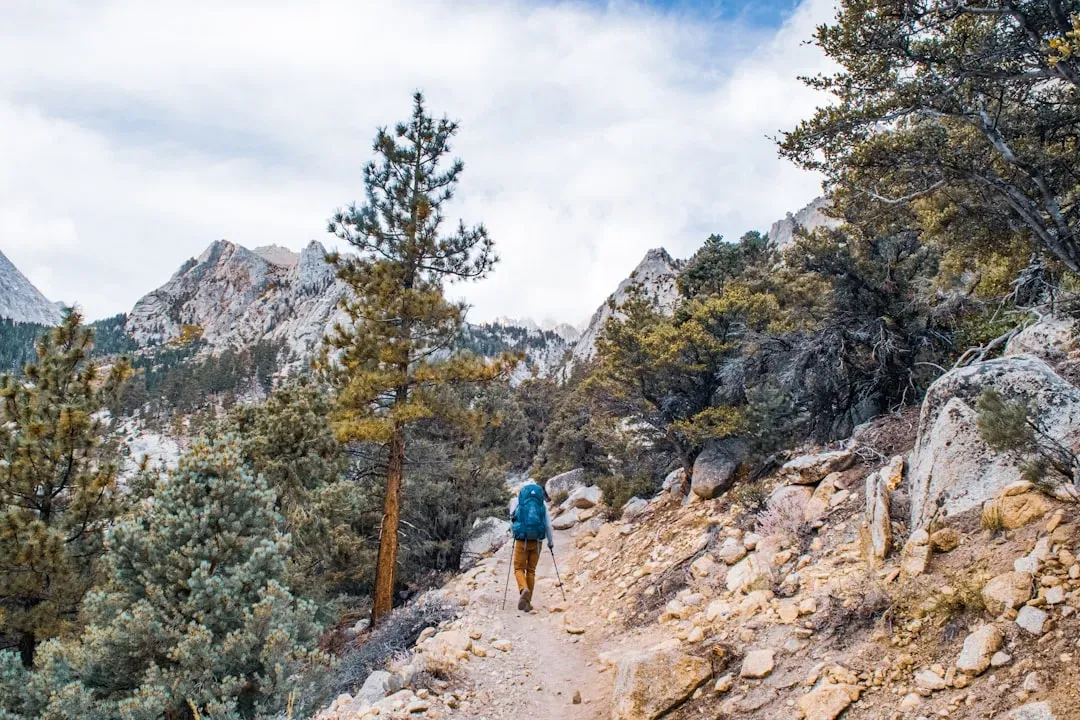
Although not strictly inside a national park boundary, the 2013 disappearance of climber and outdoorsman Matt Greene near Mammoth Lakes, close to Yosemite and other federal lands, is often mentioned in wilderness mystery circles. Greene’s car and campsite were found, but he was gone, and his plans involved a mix of local climbing and solo exploring. Authorities and volunteers scoured trails, crags, and nearby peaks, checked with other climbers, and followed up on possible sightings. Still, no confirmed trace of him has surfaced, despite the area’s popularity and the fact that outdoor communities tend to share news rapidly.
The sense of impossibility stems partly from Greene’s experience level and partly from the number of people who move through that region each season. You would expect a piece of gear, a rope, or some other clue to emerge over time, especially with snowmelt revealing what winter hides. Instead, his story ends with a question mark, which many find deeply frustrating. From my admittedly opinionated vantage point, Greene’s case underlines that “experienced” does not mean “invincible” and that the Sierra still has countless hidden ledges and gullies where a single error can turn a person into a long‑term mystery, even with a steady flow of hikers and climbers all around.
13. The Disappearance of Park Visitor Morgan Heimer in the Grand Canyon
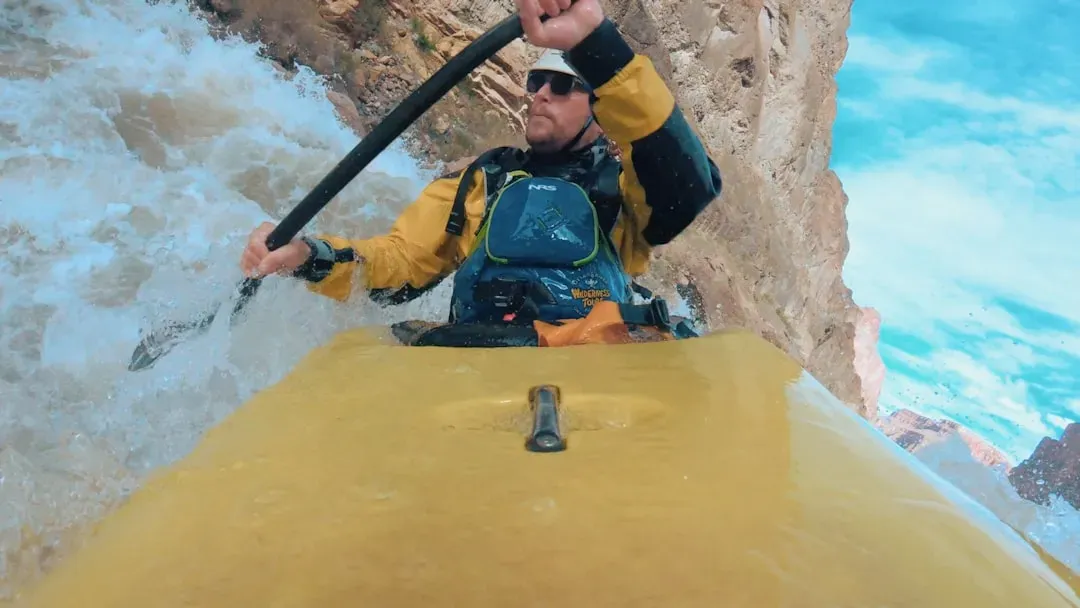
In 2015, twenty‑two‑year‑old Morgan Heimer disappeared during a commercial rafting trip in Grand Canyon National Park, and his case is a stark reminder that even guided adventures carry serious risk. Heimer, working as a guide trainee, was last seen near the river at a stop along the trip. Witnesses described him wearing standard gear and not appearing distressed. Within a very short window of time, he simply was not there anymore. An intensive multi‑day search of the immediate area and stretches of the Colorado River downstream turned up no trace, which is hard to reconcile with the controlled context of a commercial expedition.
The Grand Canyon’s sheer walls, rapids, and side canyons create many places where a person can be swept away or hidden, but the exact way Heimer vanished among colleagues and clients has never been fully resolved. There is a raw unfairness in the idea that you can be surrounded by other people, in one of the most closely supervised environments in the park system, and still disappear as completely as someone who walked alone into a remote forest. Personally, I think this case shows how much we underestimate the river itself; in a canyon that deep, with hydraulics that powerful, the Colorado can erase evidence in ways that leave families and rescuers feeling like they are dealing with something almost supernatural, even though it is all physics and water.
14. The Vanishing of Hiker Paul Fugate in Chiricahua National Monument
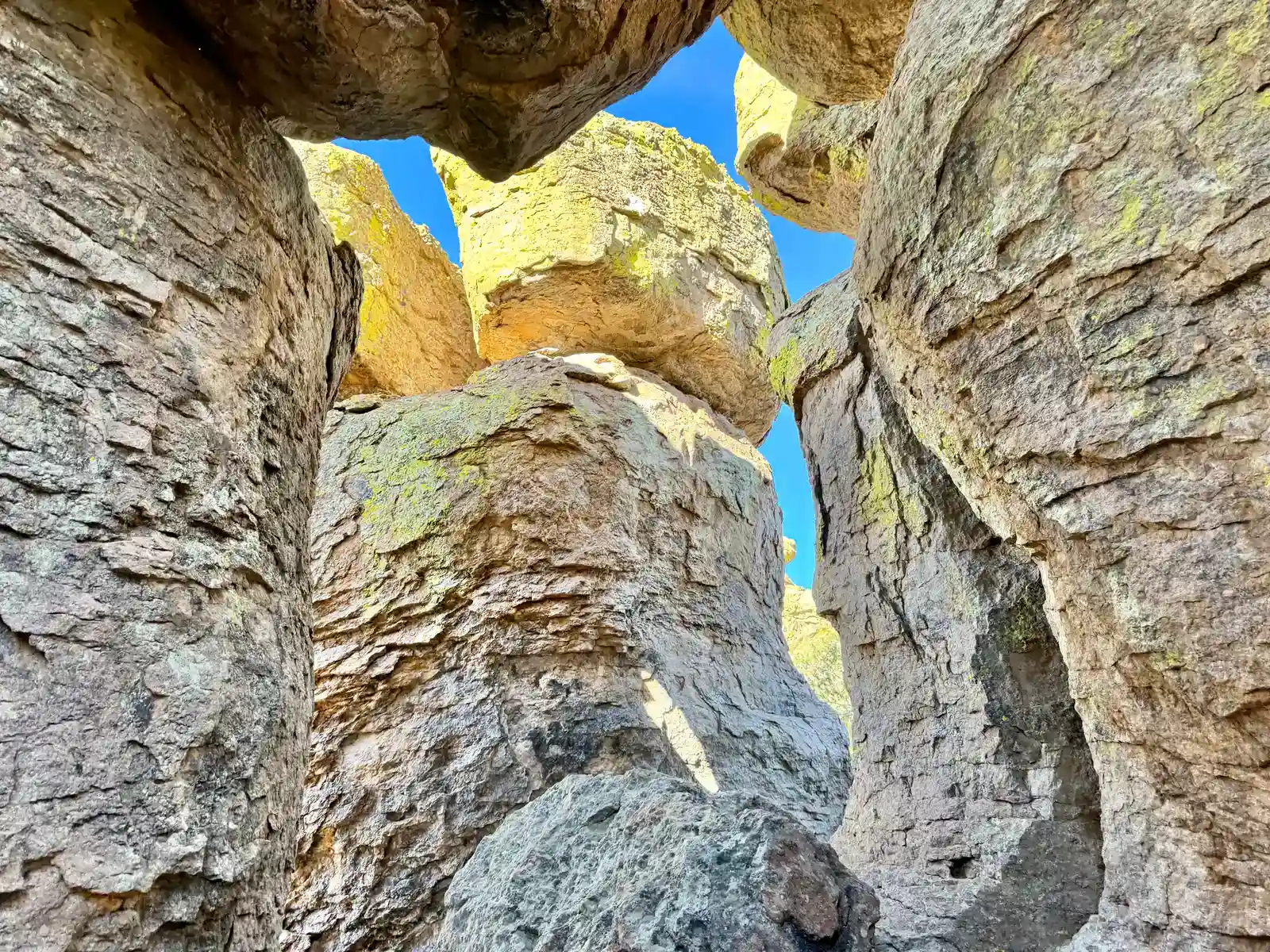
In 1980, park ranger Paul Fugate disappeared from Chiricahua National Monument in Arizona, a unit managed by the National Park Service, during what was supposed to be a routine workday. He told colleagues he was heading out on patrol and walked down a trail in uniform. He never came back. Unlike some lost hiker cases, Fugate’s vanishing involved an employee familiar with the trails, wildlife, and potential risks, as well as clear starting information about where and when he set out. Early searches covered the obvious routes and canyons, but there was no sign of an accident, struggle, or remains.
Over the years, theories have ranged from voluntary disappearance to foul play, and federal authorities have treated it as a potential crime. Yet the lack of concrete evidence leaves the door cracked for every kind of speculation, including unlikely scenarios. What sets this apart, in my mind, is the way a person can disappear not as a tourist, but as part of the professional machinery meant to keep visitors safe. It challenges the comforting narrative that the rangers are somehow shielded from the same unpredictable risks that can claim any of us in these landscapes. Fugate’s unresolved fate is a quiet reminder that the badge does not grant immunity from the wilderness or from human danger.
15. The Unsettling Death and Disappearance Patterns in Rocky Mountain National Park
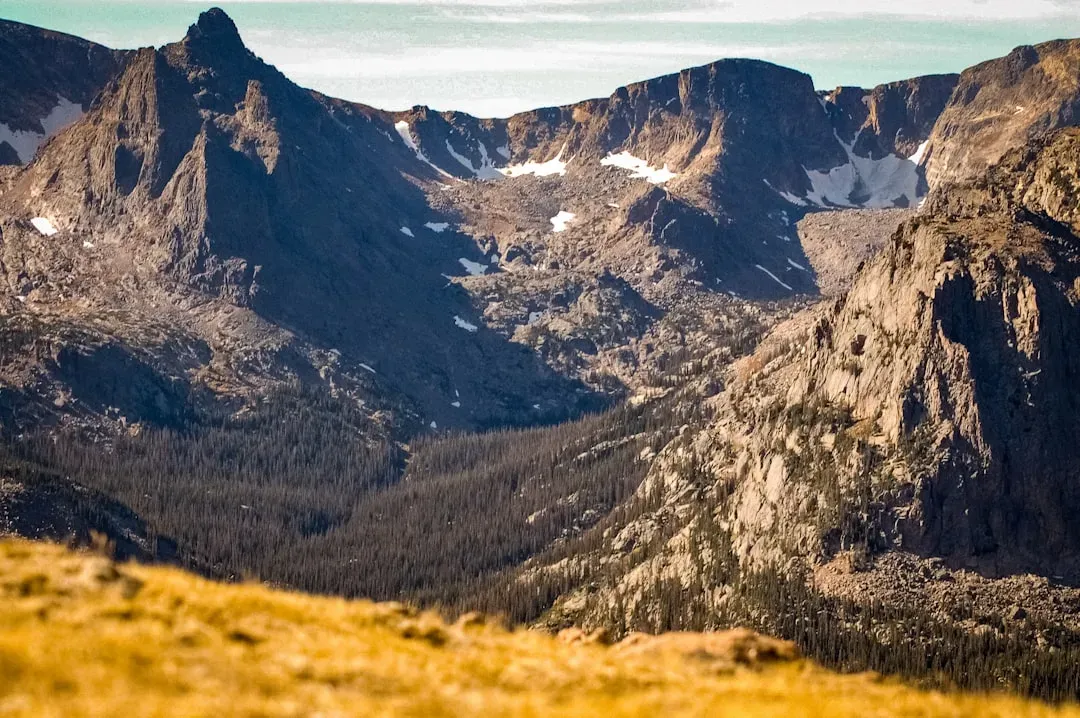
Rocky Mountain National Park in Colorado has seen its share of accidents, falls, and exposure cases, but mixed among them are disappearances that feel unnervingly abrupt, such as hikers who break from their group for a short side trip and never rejoin. In a few of these cases, later recoveries of remains have revealed that the person fell or succumbed to weather in surprisingly close proximity to heavily used trails. In others, the person simply has not been found, despite years of visitation in the same basins and on the same routes. When you look at the park map, with its web of switchbacks and overlooks, it is hard to imagine how someone can step off that grid and vanish, and yet it happens.
The high‑altitude environment of Rocky Mountain adds another layer of strangeness, because altitude illness, fatigue, and sudden storms can impair judgment in ways that lead to seemingly irrational choices. That can make people travel in directions that search planners consider unlikely, widening the gap between where teams look and where the missing person actually went. My personal take is that Rocky Mountain’s “impossible” disappearances are really a collision between human expectations and mountain reality. We assume that a national park is a curated, almost theme‑park version of nature, but these cases prove that once you step even a few yards outside the well‑trod path, you are back in the same wild world that has been humbling humans for centuries.
Conclusion: What These “Impossible” Disappearances Really Tell Us
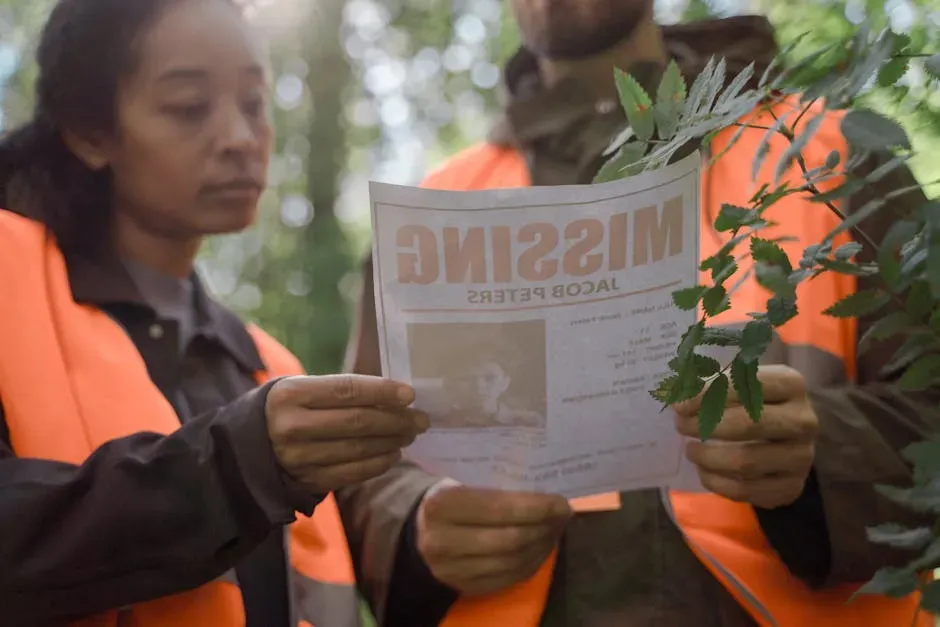
When you line up these fifteen stories, it is tempting to reach for extraordinary explanations. The patterns feel too weird: people vanishing in seconds, search teams missing clues, bodies turning up in places that make no intuitive sense. Yet the more I look at them, the more I think the real horror is not something supernatural hiding in the trees, but the brutal combination of human fallibility and unforgiving terrain. Mountains, rivers, forests, and deserts are not stage sets; they are complex systems where weather, topography, psychology, and chance intersect in ways we are still lousy at predicting. That collision produces outcomes that feel impossible only because we badly underestimate how quickly one small misstep can cascade into a situation beyond rescue.
At the same time, I think it would be dishonest to pretend that every question has an easy answer just waiting to be discovered. Some of these cases remain open after decades, even with modern tools, and that unresolved gap gnaws at families, rangers, and armchair detectives alike. My own opinion is that we should resist sensational fantasies but embrace the unsettling humility these disappearances demand. They tell us that our national parks are not just backdrops for selfies; they are places where the edges of our control and understanding are laid painfully bare. The next time you lace up your boots for a trail day, maybe the most respectful thing you can carry is not fear, but a deeper awareness that in the wild, certainty is the one thing that truly does not exist – what do you think these stories say more about, the wilderness itself, or us?