Picture this: your heart has stopped, your lungs are silent, the monitor shows a flat line… and yet, in those first minutes after clinical death, something is still happening inside your brain. That idea alone is unsettling and strangely comforting at the same time. For a long time, we treated death like a light switch: on, then off. But modern neuroscience is quietly revealing that it is more like a dimmer, fading in stages instead of snapping to black.
Over the last decade, doctors have revived people who were legally dead for more than a few minutes, only to hear them describe vivid experiences, clear memories from the operating room, and an eerie awareness of what was happening around their body. At the same time, lab studies on animals and human patients have picked up brief bursts of organized brain activity after the heart stops. Do we know exactly what your consciousness is doing at the ten‑minute mark? No, not in the way we know how a broken bone heals. But we do know enough to sketch a picture that is far stranger and more nuanced than most of us grew up believing.
What Actually Happens in the First Moments After You Die?
When doctors say someone is dead, they usually mean “clinical death”: the heart has stopped beating, blood is no longer circulating, and breathing has ceased. Within seconds, oxygen levels in the brain start to plummet, and neurons that are used to a constant, delicate balance begin to fail. You can think of it like a power outage hitting a busy city at rush hour: lights flicker, signals stop working, and everything that depends on precise timing begins to fall apart. This is the beginning of the end for normal conscious experience as we know it.
But that shutdown is not instant. In the first minute or two, there can still be electrical activity in the brain, and in some cases it can even spike in intensity before fading. Some studies in animals have shown a surge of synchronized brain waves shortly after cardiac arrest, as if the system makes one last attempt to coordinate itself before sliding into silence. In humans, doctors monitoring brain signals during cardiac arrest have occasionally seen organized patterns that suggest the brain is not just randomly firing, at least for a short window. So while the body may look lifeless, the brain is going through its own strange, chaotic last act.
Consciousness: Flickering, Fading, or Briefly Intensifying?
This is where things get both fascinating and slippery. Consciousness is not a thing we can pick up and measure like blood sugar; we only infer it from behavior, brain signals, and people’s reports after the fact. When someone’s heart stops and they later get resuscitated, a portion of them describe a striking sense of clarity, a feeling that their thoughts were more intense, not less. That clashes with the simple assumption that everything just goes dark the moment blood flow stops. It suggests that the early phase after clinical death may include a kind of altered, unstable awareness.
At the same time, we have to be honest about how uncertain this territory is. Our tools for measuring brain activity are crude, especially in an emergency room or intensive care unit. A person might report a memory from “when they were dead,” but tying that memory to a specific minute on a clock is extremely hard. Did it happen two minutes after the heart stopped, or twelve minutes later when the brain was being restarted? Right now, the most grounded position is this: consciousness does not abruptly vanish at the instant of clinical death, but we do not yet know exactly how long any meaningful awareness can persist, and it almost certainly varies from person to person and situation to situation.
What Do NDEs Really Tell Us About the 10-Minute Mark?

Near‑death experiences, or NDEs, are the stories you have probably heard: a tunnel, a bright light, a sense of leaving the body, feeling overwhelming peace, or watching medical staff work on you from above. Many people find these accounts deeply moving and persuasive. Others are skeptical and point out that a stressed, oxygen‑deprived brain is capable of very strange tricks. The truth is probably somewhere in between, and it matters for how we think about those first ten minutes after death.
From a scientific standpoint, NDEs prove at least one important thing: even in extreme crisis, when a person looks unconscious or even clinically dead, the brain can still be forming experiences that are vivid enough to be remembered later. That means your inner world might not match your outer appearance. However, NDEs do not give us a precise timeline. A person could have an entire immersive experience in a matter of seconds, the way a dream can feel long even though it happens during a brief burst of REM sleep. So while NDEs hint that consciousness might still be active within minutes of death, they cannot yet tell us exactly what is happening at that ten‑minute mark or whether anything like a continuous “you” is still there.
The Brain’s Last Electrical Storm: What the Scans Are Showing
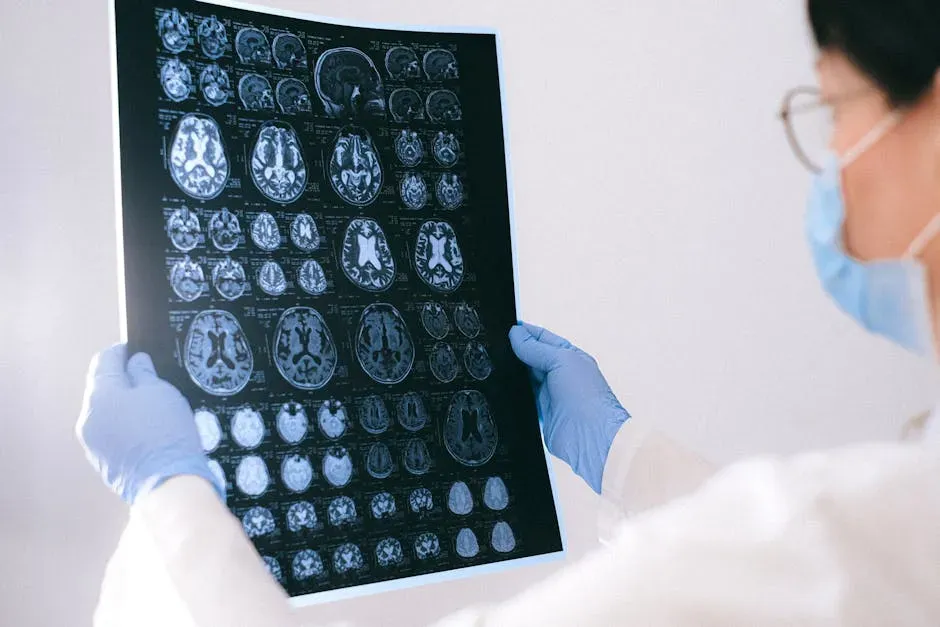
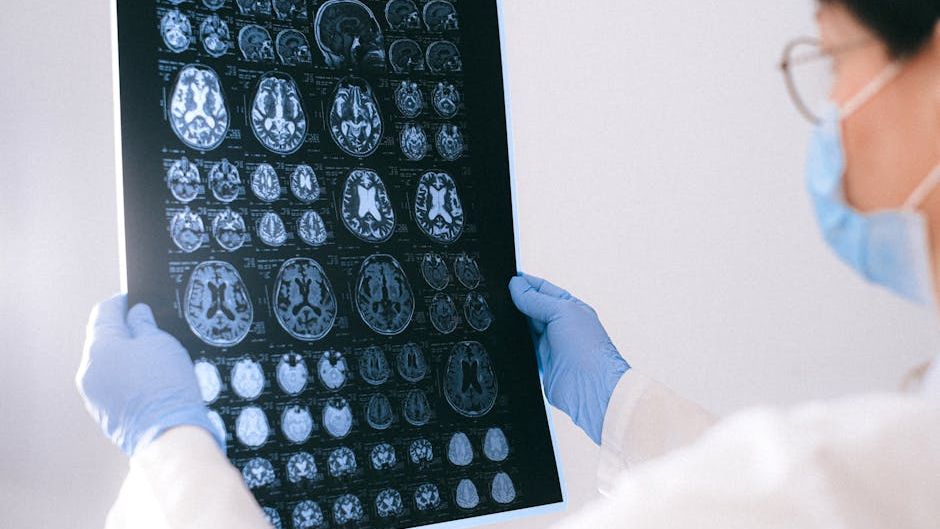
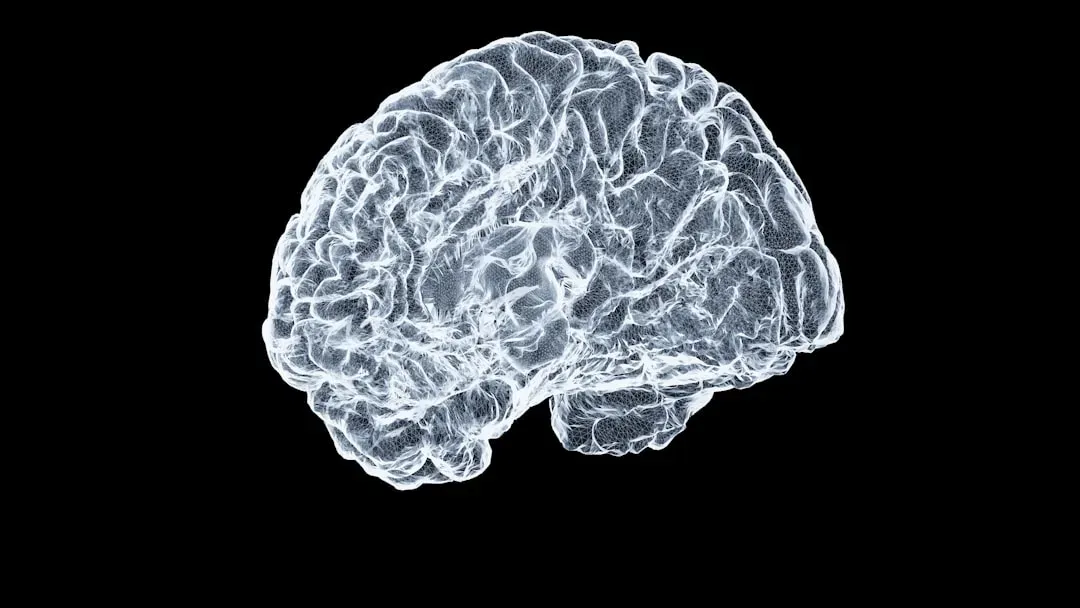
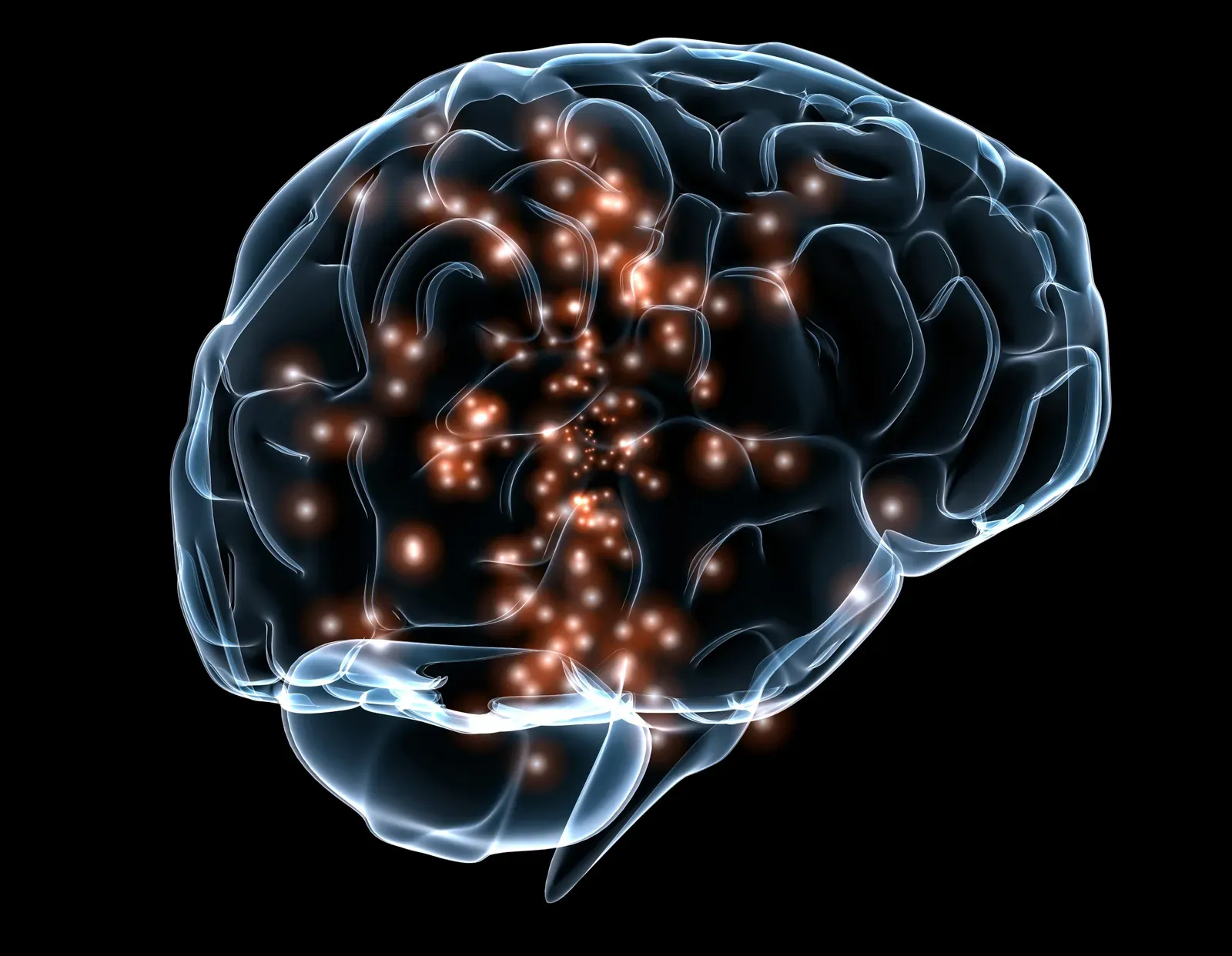
One of the most intriguing discoveries of recent years is that some dying brains do not simply grow quiet; they flare. Researchers observing animals have recorded a brief but powerful surge in organized brain activity shortly after the heart stops, involving patterns of waves that are usually linked to complex mental processing. In a few rare cases, intensive care units monitoring human patients have seen similar patterns around the time of death. It is as if the brain’s communication networks fire one last powerful volley before energy runs out, a final electrical storm on the way to silence.
What that storm feels like from the inside – if it is felt at all – is still an open question. Some scientists propose that this surge could underlie certain aspects of NDEs, like the sense of life review or heightened clarity, a last attempt by the brain to stabilize itself as oxygen disappears. Others caution that we might be reading too much into limited data, since these recordings are rare and often noisy. By ten minutes after the heart has stopped, most evidence suggests that the majority of this organized activity has faded, and widespread cell damage is setting in. The storm does not last long, but its existence hints that the journey out of consciousness is more complex than a simple fade to black.
Ten Minutes After Death: What Can We Say with Any Confidence?
So, what is your consciousness likely doing around ten minutes after you die? The most honest answer is that, for most people, any rich, organized conscious experience is probably gone by that point. Neurons are extremely sensitive to lack of oxygen, and significant damage can begin within a few minutes of cardiac arrest. By the ten‑minute mark, unless there has been rapid intervention, large portions of the brain’s networks are failing in ways that are difficult or impossible to reverse. From a mainstream medical perspective, the window for anything resembling normal awareness is short.
That said, we should not pretend the border is a clean line. There are documented cases where people have been resuscitated after surprisingly long periods of apparent death, sometimes in special conditions like extreme cold that slow down damage. In some of these cases, people report memories or experiences that do not fit neatly into our timelines. What seems likely is that consciousness does not suddenly drop to zero at a single instant; instead, it becomes unstable, fragmented, and eventually dissolves as more and more neural circuits fail. By ten minutes without circulation, whatever remains is probably far from the coherent “you” that is reading this sentence – but if there is a fade‑out rather than a hard stop, the exact moment of the end is frustratingly hard to pin down.
Could Consciousness Linger Beyond the Brain’s Point of No Return?
This is where the conversation often leaves the comfort zone of strict neuroscience and wanders into philosophy, spirituality, and personal belief. Some researchers and many ordinary people wonder whether consciousness might, in some sense, outlast the functioning brain. They point to NDEs, stories of awareness during resuscitation, or philosophical arguments that mind cannot be fully reduced to physical processes. The idea that “you” might briefly float free of your dying brain is emotionally powerful, and for some, deeply reassuring.
From a scientific standpoint, though, we have no solid evidence that consciousness exists independently of the brain. Every reliable study of mental states so far ties them tightly to brain activity. When the brain is damaged, consciousness changes; when the brain is heavily anesthetized, conscious experience disappears. So while it is reasonable to stay personally open‑minded, especially about questions that mean a lot to people facing death, it is also important not to overstate what we know. Ten minutes after death, the only thing we can measure with confidence is biological decline. Anything beyond that, at least for now, belongs more to belief than to data.
Why This Research Is Changing How We Think About Death Itself
Even with all the uncertainty, the emerging picture of a more gradual, layered process of dying matters in a very practical way. If the brain does not shut down instantly, then those early minutes after cardiac arrest are more valuable than we used to think. It gives medical teams a slightly wider window to attempt resuscitation, to cool the body, to restore circulation, and maybe save not just a life, but the intact person behind the eyes. It also raises thoughtful questions about how and when we declare someone “gone,” especially in situations involving organ donation or life support decisions.
On a personal level, knowing that the mind might still be struggling, flickering, or trying to make sense of things in those early minutes can change how we imagine our own deaths and those of people we love. It might make us more compassionate about creating calm, respectful environments at the end of life, or more intentional about what we say in those final moments at the bedside. For me, the most striking part is that even at the edge of nothingness, the brain appears to fight for order and meaning. There is something almost stubbornly human about that, a last reminder that our minds are wired to hold onto the world for as long as they possibly can.
So What Does All This Really Mean for “You” After You Die?

If you were hoping for a simple answer – your consciousness floats away, or everything instantly goes black – modern science does not quite deliver that. Instead, it offers a messier, more human story: when you die, your brain and your awareness go through a chaotic, brief transition. There may be moments of intense clarity, strange experiences, or nothing at all, depending on the circumstance. Within roughly ten minutes without intervention, your brain is usually too damaged to support anything like the continuous, self‑reflective “you” that is alive right now. That sounds harsh, but in a way, it is also honest and oddly grounding.
My own view, looking at the evidence, is that we should treat grand claims about consciousness after death with real skepticism, but also with humility about the limits of our tools. We are trying to map the very edge of experience using machines and methods that were mostly designed for healthy, living brains. For now, the safest bet is that whatever lingering activity exists ten minutes after death is not the kind of rich, ongoing inner life we associate with being a person. And yet, the idea that the brain does not simply switch off, that it stages a complex final act before the curtain falls, gives death a different texture – less like a door slamming shut, more like a slow fade of a song you have loved for years. In the end, maybe the more important question is not what happens to consciousness after those ten minutes, but how you choose to live in the millions of minutes you still have before that moment ever arrives.