
Some of the world’s most hauntingly beautiful ruins sit in places where, if we’re honest, most of us would be terrified to go. Think boiling volcanic slopes, narrow mountain ledges, remote deserts where the wind erases your footprints in minutes. These sites survive not just because their builders were skilled, but because the landscapes around them are so unforgiving that they act like a natural security system.
When I first started reading about these places, I caught myself thinking: would I really risk altitude sickness, flash floods, or active war zones just to see a broken wall of stone? And yet, the more you learn, the more that trade‑off starts to make sense. These ruins are like messages in a bottle flung far into dangerous seas; getting there is part of understanding what the message even means.
Machu Picchu: A City Balancing On The Edge Of The Andes
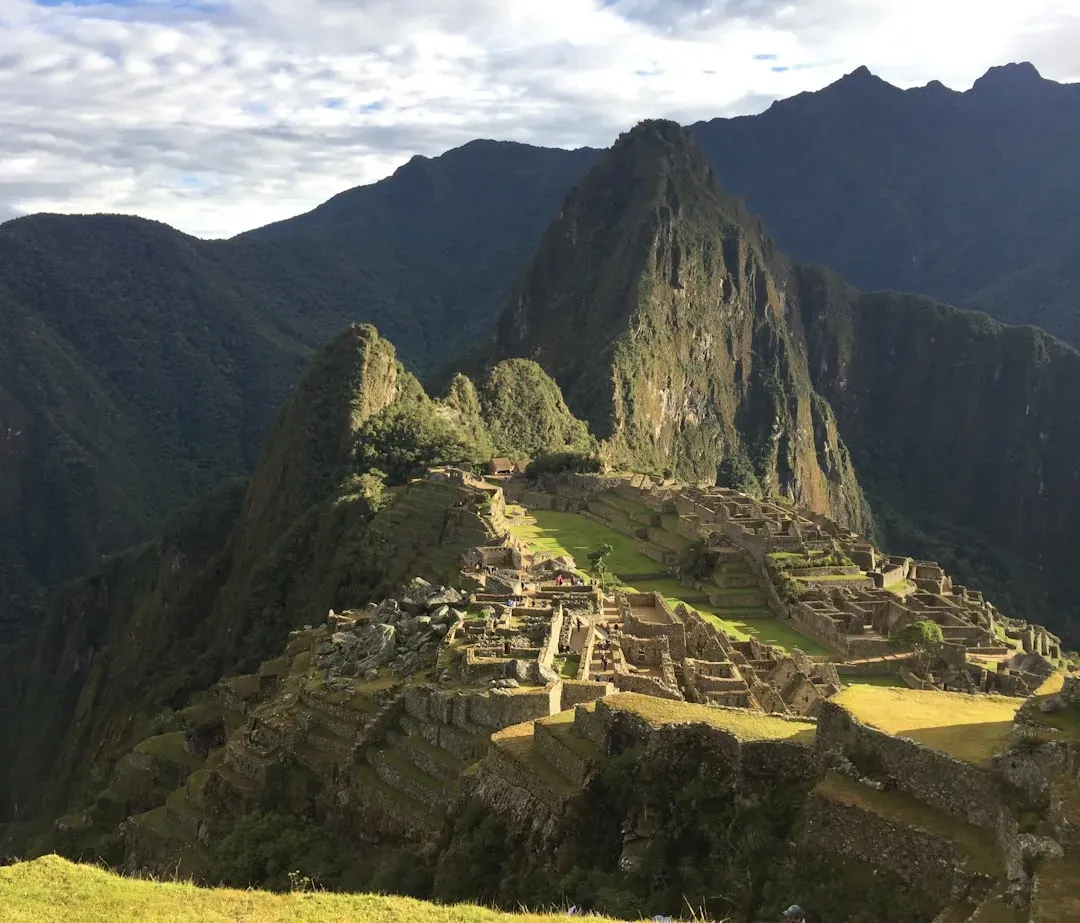
Perched on a narrow ridge almost 8,000 feet above sea level, Machu Picchu is dramatic not just because of its stonework but because of where it sits. Sheer drops plunge into the Urubamba River far below, and the whole site is surrounded by jagged green peaks that look more like the spine of a dragon than a comfortable place to build a city. The risk here is not some Hollywood-style death trap, but very real altitude sickness, treacherous trails, and slopes that can turn slick and muddy in sudden mountain downpours.
What fascinates me is how the Incas seemed to lean into the danger instead of avoiding it. They carved agricultural terraces into steep hillsides, built narrow stairways into cliff edges, and designed sophisticated drainage so that heavy rains would not wash the city away. Walking through those terraces today, you get the feeling that the city was deliberately placed where the sky feels uncomfortably close and the earth drops away without warning, as if power itself meant learning to live right where collapse was always one step away.
Petra: A Rose-Red City Guarded By Desert And Flash Floods
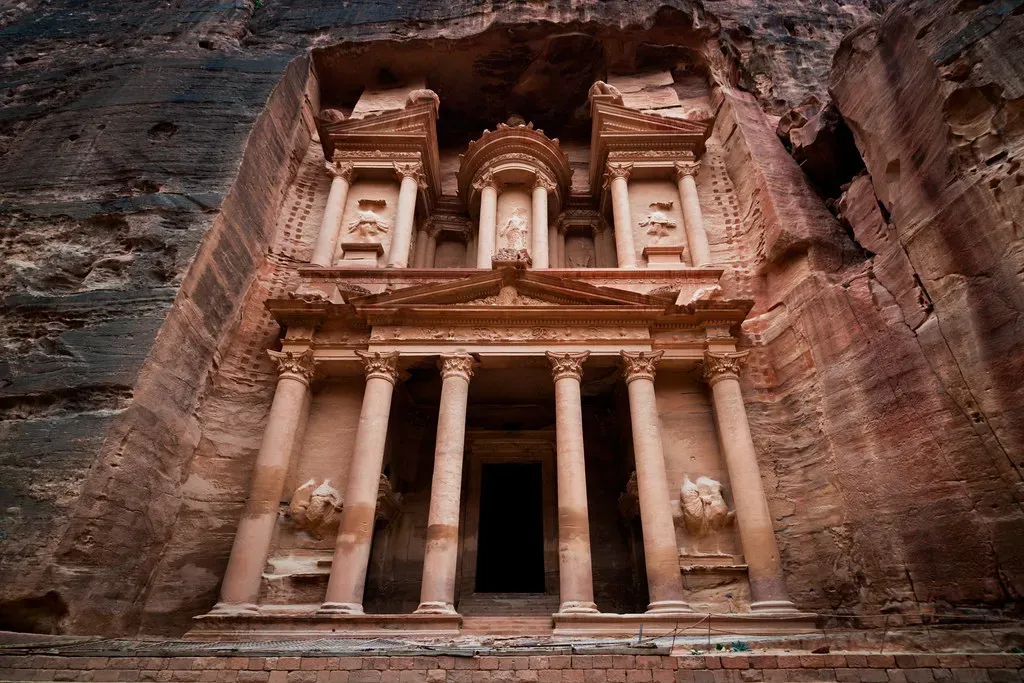
Petra in Jordan looks magical in photographs, all pink sandstone facades carved directly into cliffs. What pictures rarely show is how you get there: through a narrow gorge called the Siq, with rock walls towering above you on both sides. This beautiful rock corridor is also a geomorphologist’s nightmare, a place where sudden desert storms can send walls of water roaring through with very little warning. For ancient traders, that gorge was a combination of welcome shade and permanent risk.
The Nabataeans turned this harsh environment into an advantage, mastering water management in a place where rain might not fall for months. They carved hidden channels into the rock to trap every drop, while the surrounding desert and choking heat discouraged casual enemies. When you stand in front of the famous Treasury façade, you are also standing in a natural funnel where the landscape itself controls who can reach the city and who never makes it out of the sand and stone alive. It’s a reminder that their wealth depended not just on caravans and incense, but on knowing exactly how dangerous their desert home really was.
Cliff Palace At Mesa Verde: Homes On The Brink Of A Canyon
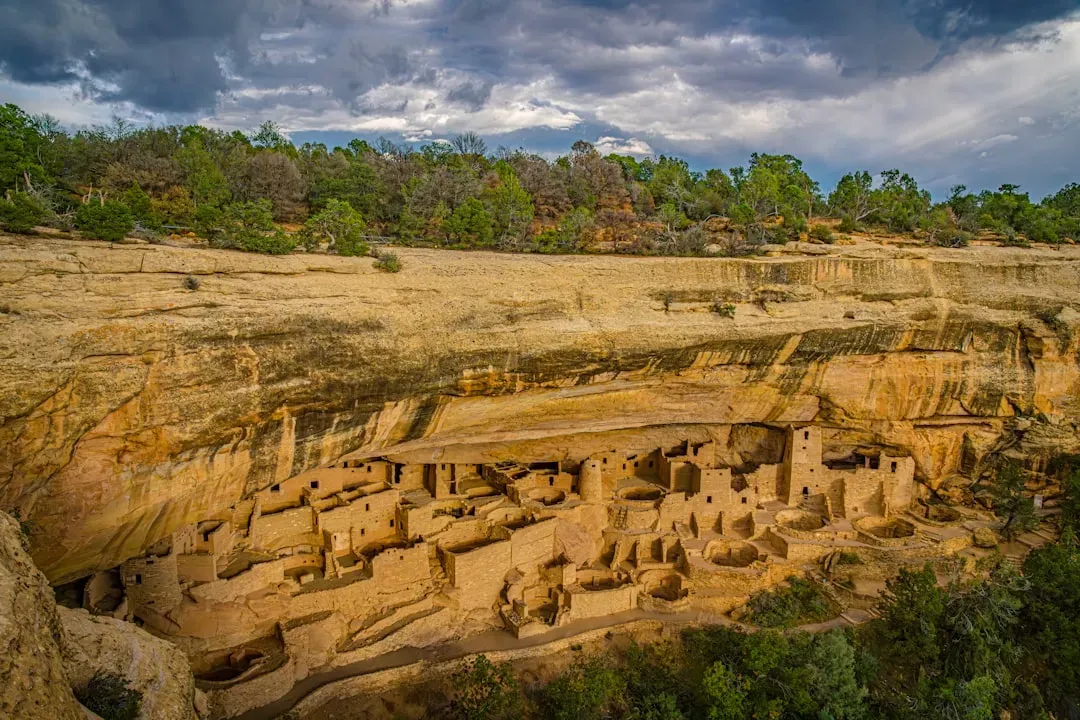
In the high desert of what is now Colorado, the Ancestral Puebloans built entire communities tucked under cliff overhangs hundreds of feet above steep canyon floors. Cliff Palace, the largest of these settlements, looks almost unreal: multi-story stone towers pressed against sandstone walls, reachable only by steep paths and ladders that would give even seasoned hikers a pause. The risk here is less about exotic threats and more about the quiet, everyday danger of gravity, loose rock, and dry lightning storms sweeping across the mesa tops.
I remember looking at a photo of those ladder routes and thinking that anyone scared of heights would not last a day there. But that was the point. Living beneath a rock overhang made the homes harder to attack, helped control temperature in blistering summers and freezing winters, and allowed residents to watch the canyon approaches like hawks. The same sheer drop that might make your stomach flip today once functioned as a fortress wall, turning an exposed cliff into a secure neighborhood in the middle of a harsh, arid landscape.
Derinkuyu: An Underground City Beneath An Unforgiving Plateau
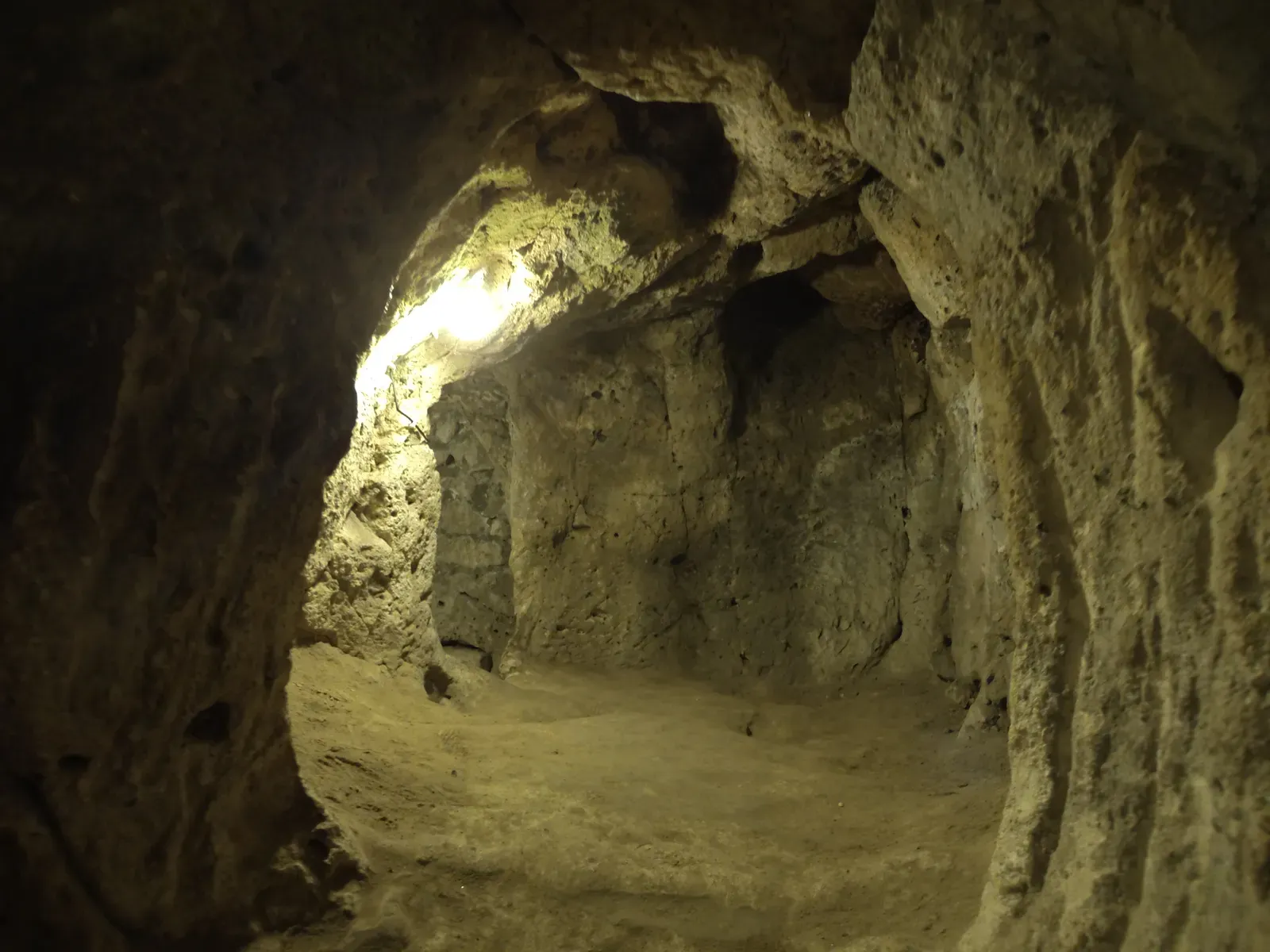
Deep below the volcanic plains of Cappadocia in central Türkiye, the Derinkuyu underground city descends level after level into the darkness. Carved into soft volcanic tuff, it once sheltered thousands of people, along with their animals and food supplies, in a labyrinth of tunnels, storage rooms, and ventilation shafts. The surface above is not the friendliest place: hot, dry summers, cold winters, and an open plateau historically vulnerable to invading armies and raiders.
Instead of fighting that vulnerability in the open, people here disappeared underground. Above ground, the landscape looks almost empty, with those famous fairy chimneys and eroded rock cones, but beneath your feet lies a complex defense system where giant stone doors could be rolled across narrow passages to seal off entire levels. The danger today is more about claustrophobia and disorientation than enemy soldiers, but the feeling remains the same: this is survival architecture born from living in a place where the safest direction was straight down.
Sigiriya: A Fortress Rising Out Of Jungle And Heat
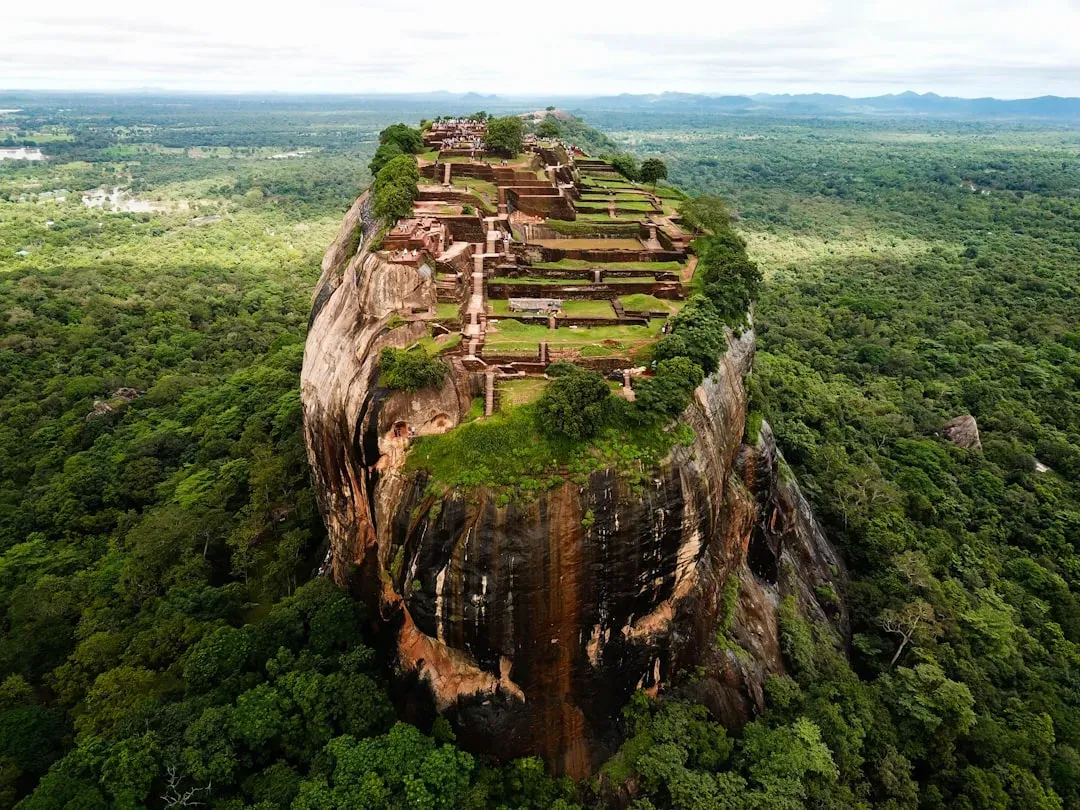
In the heart of Sri Lanka, the rock fortress of Sigiriya surges straight up from the surrounding lowland like a stone island in a green sea. Climbing to the top means tackling steep stairways attached to vertical rock faces, often with dizzying drops just beyond the handrails. Throw in intense tropical sun, heavy humidity, and occasional wasp nests that can get stirred up by crowds, and you start to realize that this is not a casual stroll up a hill.
The ancient builders chose this isolated rock specifically because it was hard to reach. From the summit, they could watch the flatlands and dense jungle in every direction, spotting threats long before they arrived. Even now, when you stand on top and feel the wind hitting you from all sides, it is clear how exposed and yet defensible this position is. The climb feels like a test, and in a way, that harshness is exactly what has preserved the site’s mystique for so long.
Chavín De Huántar: Ritual Tunnels In A Mountain Hazard Zone
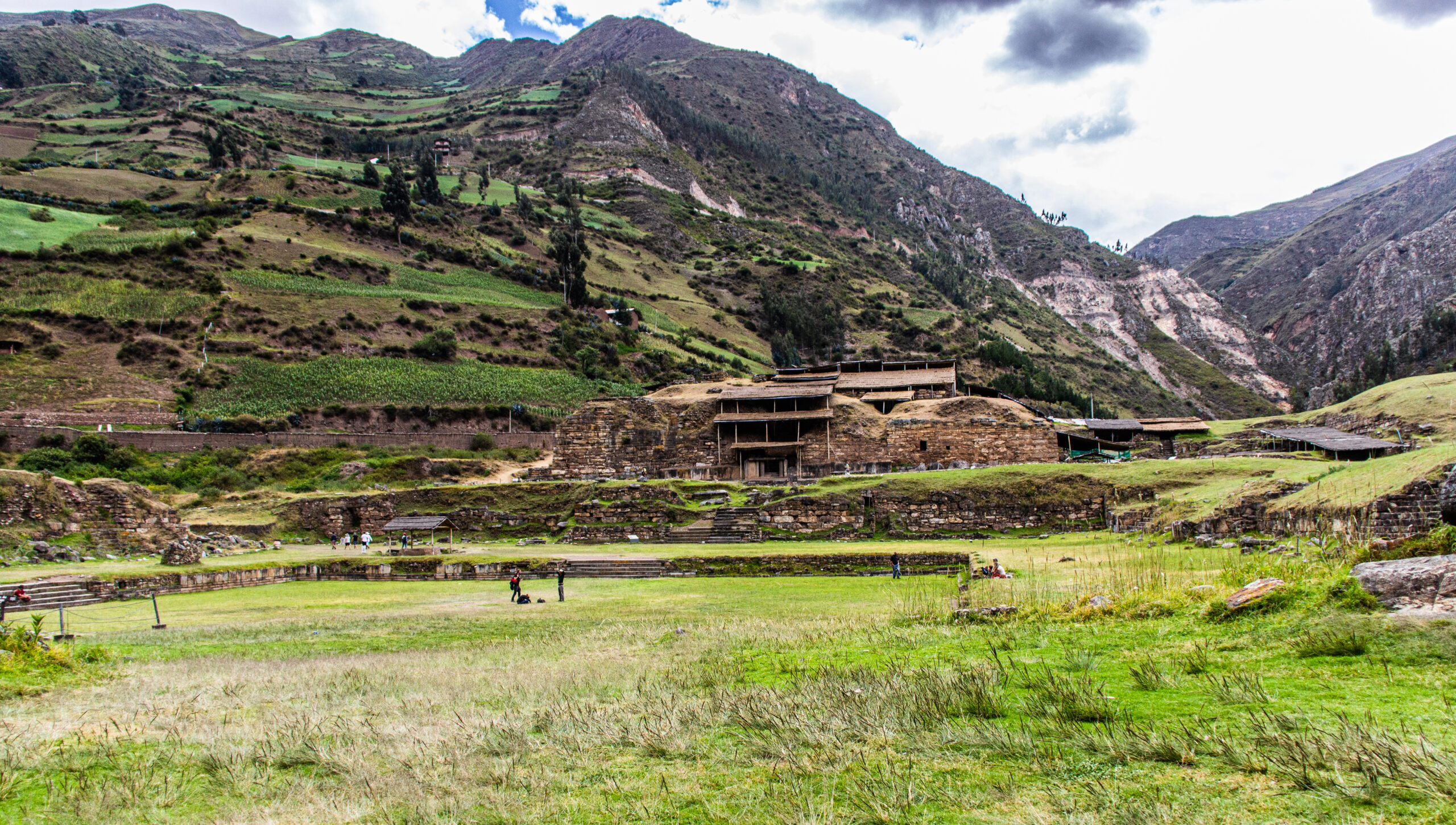
High in the Peruvian Andes, Chavín de Huántar sits at the meeting point of two rivers, in a valley surrounded by towering peaks prone to landslides and floods. The site’s most striking features are not grand open plazas but internal galleries and tunnels, a maze-like stone interior where water, sound, and darkness were carefully controlled. This is a landscape where tectonic forces and extreme weather constantly reshape the ground, and the builders responded with an architecture that feels almost like a negotiation with geology itself.
Archaeologists have pointed out that the temple’s drainage system and channels were engineered to handle sudden mountain downpours, turning dangerous water surges into part of the ritual experience. Imagine being inside a dark stone corridor while water roared through hidden ducts and the whole structure seemed to rumble with the force of the river. The same rivers that could wipe out careless settlements were channeled here into a controlled, frightening spectacle, blending spiritual power with raw environmental risk.
AlUla And Madain Salih: Tombs In A Scorching, Empty Desert
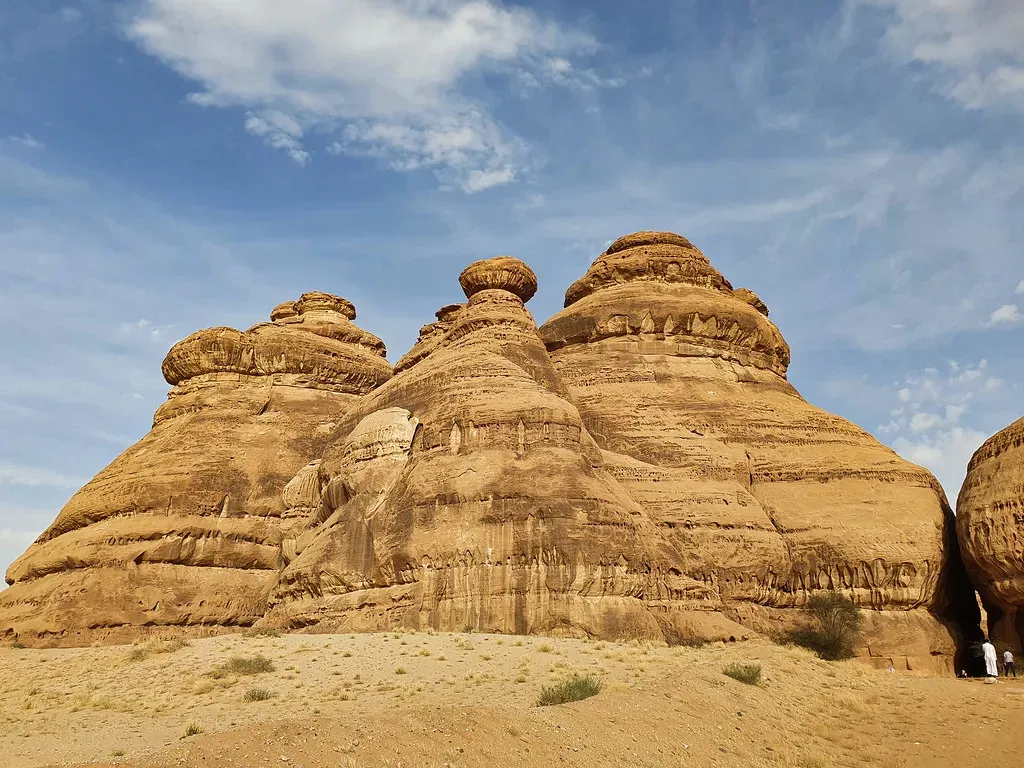
In northwestern Saudi Arabia, monumental rock-cut tombs at Madain Salih and around the AlUla region rise from golden cliffs and freestanding rock outcrops. The desert around them can be brutally hot, bone-dry, and at times whipped by sandstorms that erase tracks within hours. Historically, this was a crossroads for caravans, but also a place where traveling unprepared meant gambling with dehydration and exposure.
These tomb façades, related to the same Nabataean culture that built Petra, almost feel like mirages when you first see them against the sky. For ancient travelers, they would have announced both wealth and warning: here was a community that had learned to survive where water is a rare prize and distances are deceptive. Even today, despite better roads and modern logistics, those rock-hewn facades remind you that for most of history, this beautiful emptiness was as dangerous as any battlefield.
Nan Madol: A Stone City In A Treacherous Lagoon
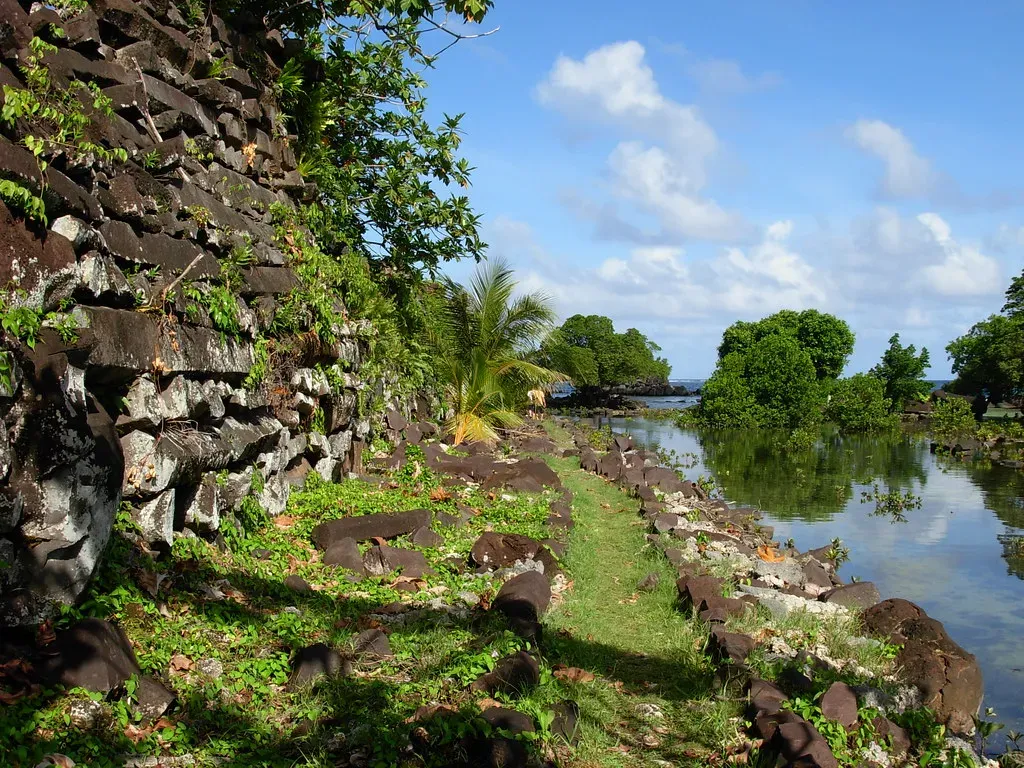
Off the coast of Pohnpei in Micronesia, Nan Madol sprawls across a series of artificial islets built on a coral reef in a shallow lagoon. Massive basalt columns were stacked to form walls and platforms, all in a place crisscrossed by tidal channels, strong currents, and sometimes violent tropical storms. Approaching by boat, visitors have to navigate shallow waters that can be unforgiving to anyone who misjudges a reef or an unexpected swell.
The decision to build a ceremonial and political center on the water, rather than on the more stable main island, seems almost stubborn at first glance. Yet that watery separation acted as both barrier and statement of power. The surrounding ocean is beautiful, but it can shift from calm to dangerous quickly, and the remains of canals and seawalls show a constant struggle to tame it. To me, Nan Madol feels like a compromise between wanting isolation and needing access, with the sea always holding the upper hand.
Great Zimbabwe: Stone Walls In A Landscape Of Drought And Uncertainty
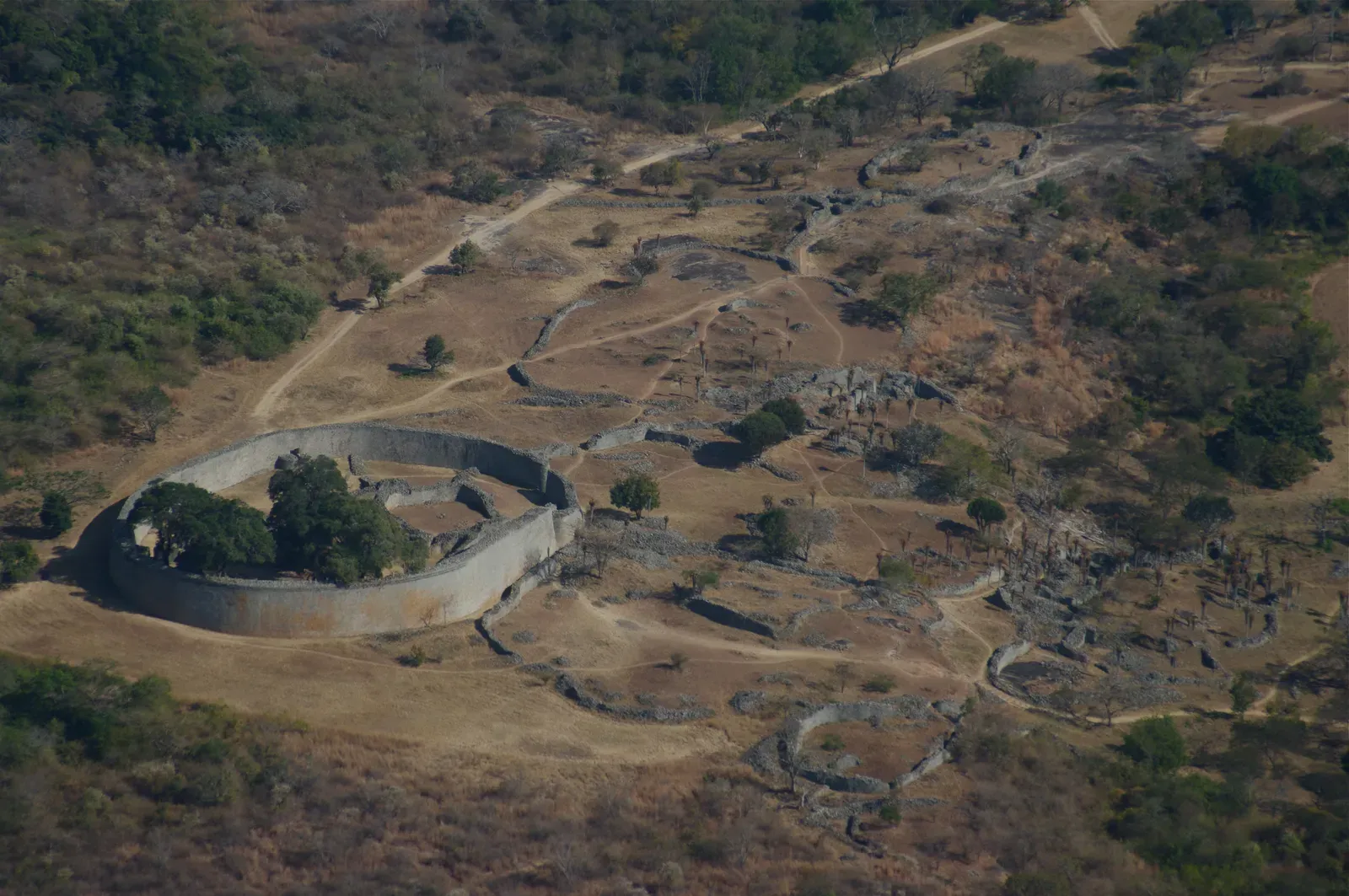
Great Zimbabwe, with its towering dry-stone enclosures and intricate walls, rose in a region of southern Africa where rainfall is famously unpredictable. Years of good rain could be followed by harsh droughts, and reliance on long-distance trade brought its own political risks. The environment here is not theatrically dangerous like active volcanoes or sheer cliffs, but its unpredictability can be just as lethal over time.
The builders responded by concentrating power and resources in a fortified center, creating massive enclosures and a hill complex that watched over the surrounding plains. The granite walls, built without mortar, seem almost to grow from the earth itself, echoing the rocky kopjes scattered across the landscape. Standing among those walls, you get the sense of a society trying to impose order on a land that refused to be tamed, where danger came not as a single dramatic event but as a slow tightening of hunger and scarcity.
Palmyra: A Desert Crossroads Exposed To War And Sand
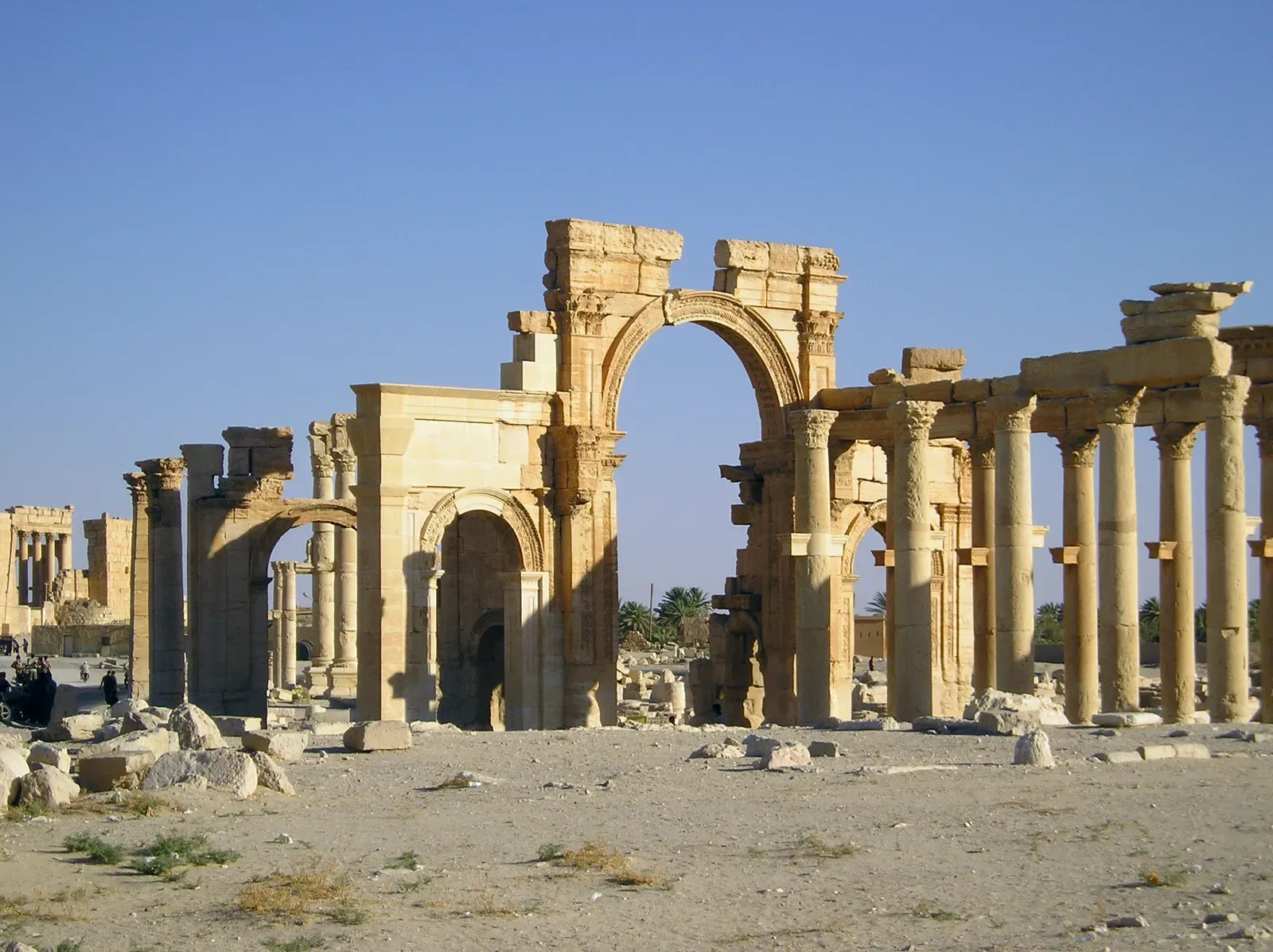
Palmyra in Syria was once a glittering caravan city, an oasis hub on trade routes linking the Mediterranean with Mesopotamia. It sits in the middle of a harsh desert where summer heat can be relentless, sandstorms can reduce visibility to almost nothing, and water has always been limited. The city’s colonnades and temples rose from a landscape that offered wealth to those who could manage desert travel, and ruin to those who misjudged it.
In more recent years, Palmyra’s danger has been painfully modern: the site has suffered war, occupation, and deliberate destruction, showing how fragile ancient places are when politics and conflict collide with already harsh environments. To me, Palmyra is a grim example of how a dangerous landscape does not always protect ruins; sometimes it traps them in zones that are hard to safeguard. The columns that survive feel caught between two forces, the timeless erosion of wind and sand and the very current violence of human decisions.
Conclusion: When The Landscape Becomes The Last Guardian
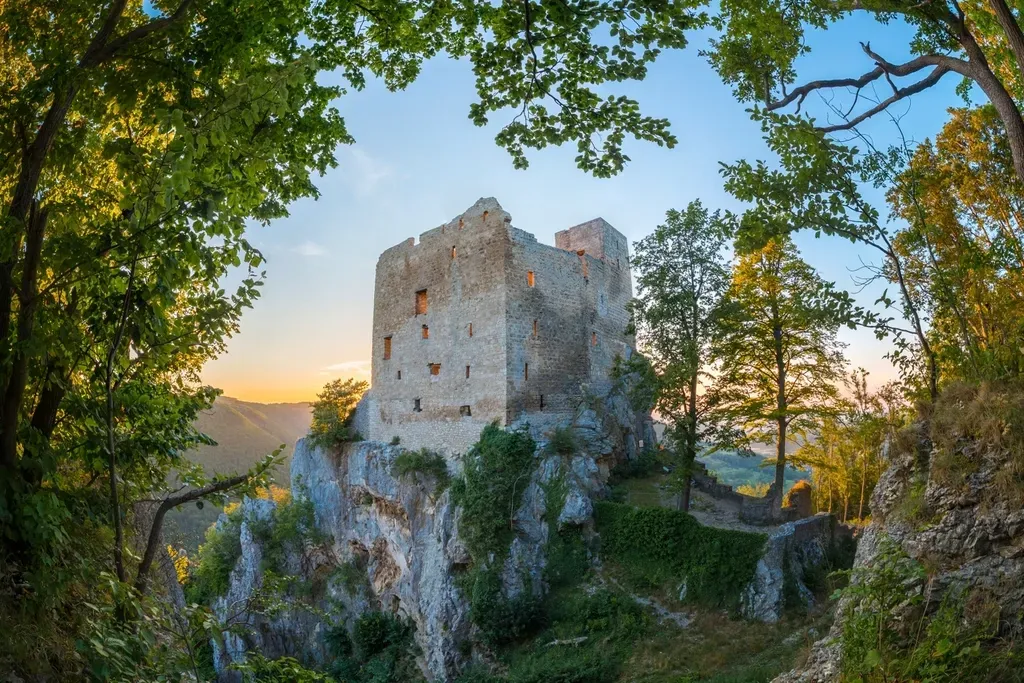
Looking across these ten sites, one pattern is hard to ignore: the most breathtaking ruins often survive not because humans cherished them, but because the surrounding land scared people away. Cliffs, deserts, volatile mountains, and remote seas all acted like reluctant guardians, making it expensive, risky, or simply inconvenient to loot and redevelop these places. That reality is uncomfortable if we like to think of ourselves as careful stewards of history; more often, we show up only when the worst dangers have already done the heavy lifting.
Personally, I think we romanticize these landscapes too little and fear them too much. Yes, they can kill, sometimes quickly and without mercy, but they also forced ancient societies to innovate, adapt, and think in ways that flat, safe ground never would. The real tragedy is that modern technology lets us reach these fragile sites more easily while doing nothing to soften our ability to damage them once we arrive. Maybe the question we should be asking is not how to conquer these dangerous environments, but how to be worthy guests in the last wild fortresses protecting our oldest stories. If you could visit only one of these harsh, beautiful places, which risk would you choose to stand face to face with the past?