
If you think Earth is predictable, geology is here to prove you wrong. Beneath our feet, forces older than humanity are quietly building mountains, ripping continents apart, and sometimes unleashing moments so bizarre and fleeting that almost no one ever sees them in person. These are not your everyday earthquakes and volcanoes; these are the strange, almost mythic events scientists dream of catching in the act.
What fascinates me most is how these rare phenomena make our usual sense of time feel ridiculous. We measure life in years and decades; the planet works in millions. When something geologic happens in a way that a human can actually watch with their own eyes, it feels like reality glitches for a moment. Let’s dive into ten of the rarest geological spectacles on Earth – events so unusual that most of us will only ever encounter them through stories, photos, and a bit of imagination.
1. Lava Lakes: Permanent Windows Into Earth’s Interior
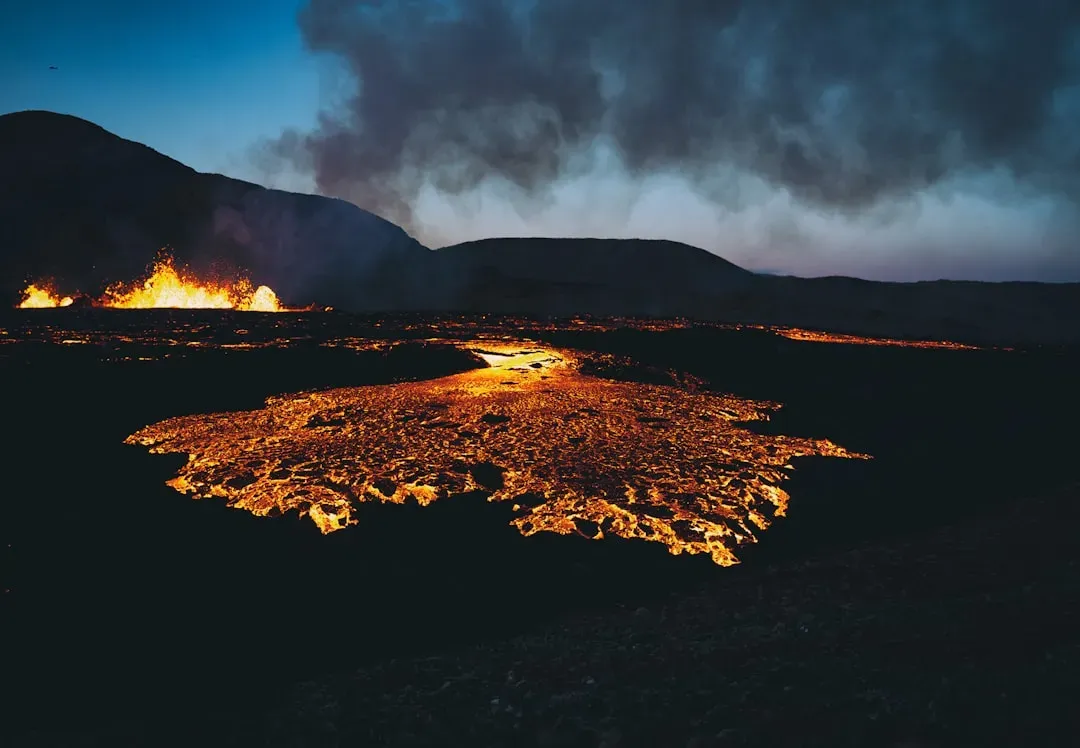
Imagine standing at the edge of a stadium-sized cauldron of glowing, churning rock that never completely cools. That is a lava lake: a rare kind of volcanic feature where molten lava persistently fills a crater and remains exposed at the surface for years, even decades. Only a handful of true lava lakes are known to exist at any given time on the planet, because they require a very delicate balance between magma supply, gas release, and cooling.
Most volcanoes erupt, solidify, and then close up again like a scab over a wound, but lava lakes stay open – like a window left cracked into the mantle’s heat machine. Their surfaces constantly crust over and break apart, forming shifting plates of dark rock that look eerily like a burning version of ocean sea ice. Watching one feels almost indecent, like seeing the Earth with its skin peeled back. Very few people ever get close enough to witness this, and honestly, that’s probably a good thing for their life expectancy.
2. Lightning in Volcanic Ash Clouds (Dirty Thunderstorms)
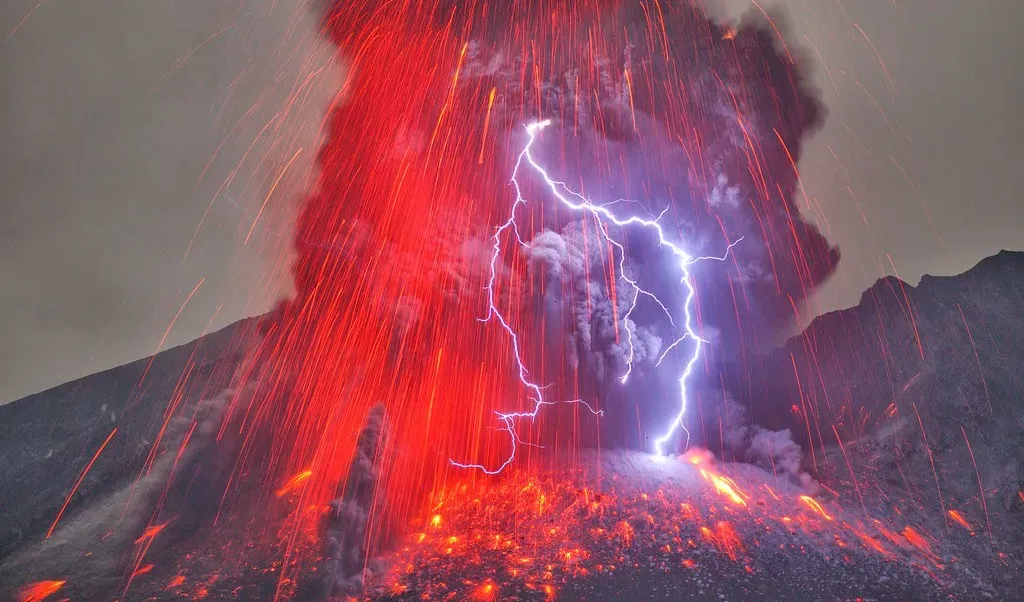
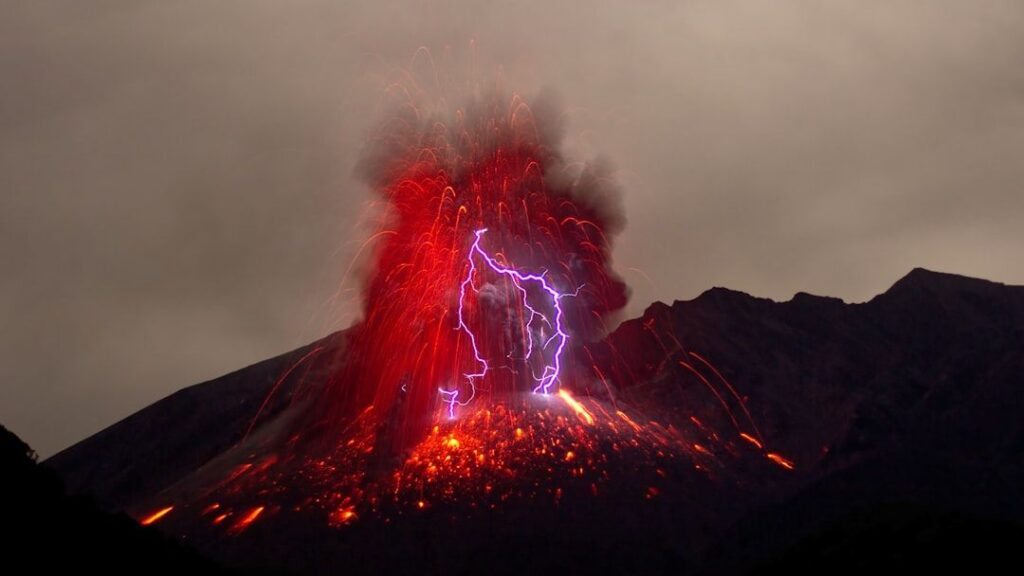
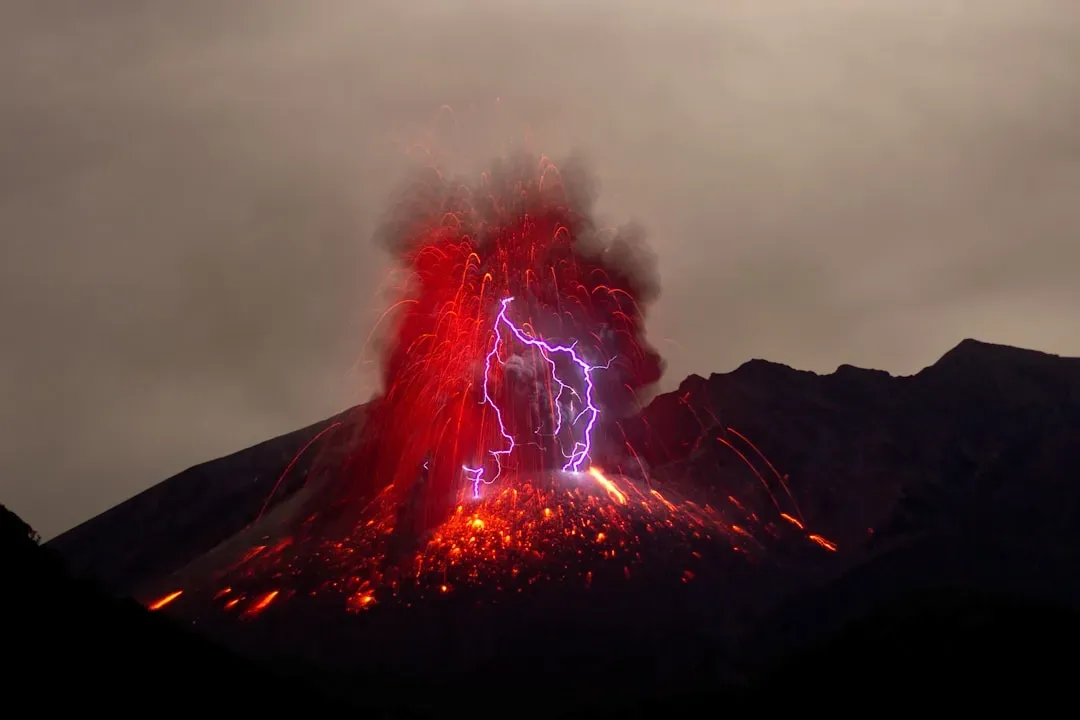
Volcanic eruptions are already dramatic, but sometimes the sky decides to turn the dial even further. During particularly explosive eruptions, towering ash clouds can generate their own lightning storms – an event often called a dirty thunderstorm. These bolts do not come from normal rain clouds but from the chaotic soup of ash, rock fragments, gas, and ice crystals colliding and building up electrical charge.
Seeing a volcano throwing incandescent lava into the air while lightning rips sideways through the ash column is almost surreal, like the world’s most intense heavy-metal album cover made real. Because truly massive eruptions that generate spectacular lightning are uncommon and often occur in remote regions, very few people ever see this in person. Photographs look so unreal that they are often mistaken for digital art, but the physics are straightforward: friction, charge separation, and a very angry column of ash turning the sky into a strobe light.
3. Super-eruptions: The Planet’s Most Extreme Volcanic Events
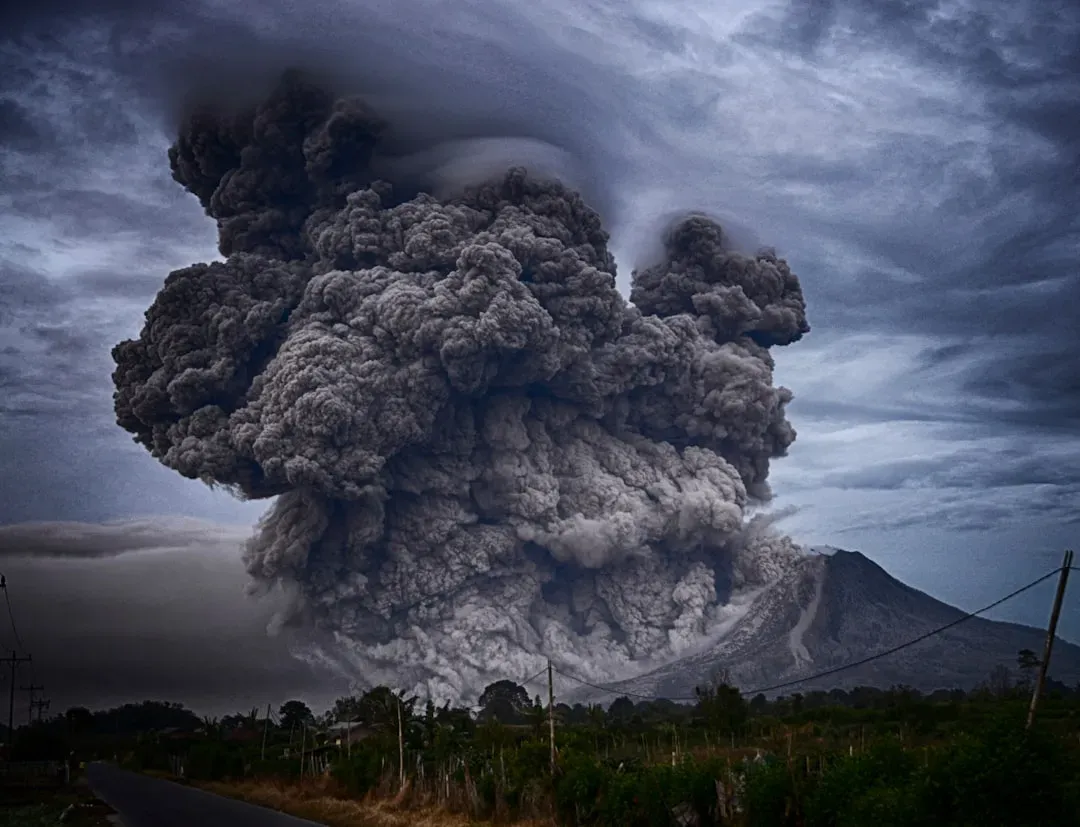
We use the word “super” too casually for things like burgers and movie sequels, but in geology, a super-eruption has a very precise and terrifying meaning. It refers to eruptions that eject hundreds to thousands of cubic kilometers of material – enough to blanket whole continents in ash and alter global climate for years. These events are unimaginably larger than anything recorded in human history; they sit at the extreme end of the volcanic scale, the kind of thing you hope remains purely academic.
The last known super-eruptions occurred long before modern societies, leaving behind giant calderas and thick layers of ash preserved in the rock record. To geologists, those layers are like crime scene tape marking where the planet briefly lost its temper in spectacular fashion. The odds of any individual human ever witnessing one are astronomically low over a single lifetime, and honestly, that is one geological spectacle we should all be perfectly happy never to see with our own eyes.
4. Glacial Outburst Floods: When Ice-Dammed Lakes Suddenly Explode
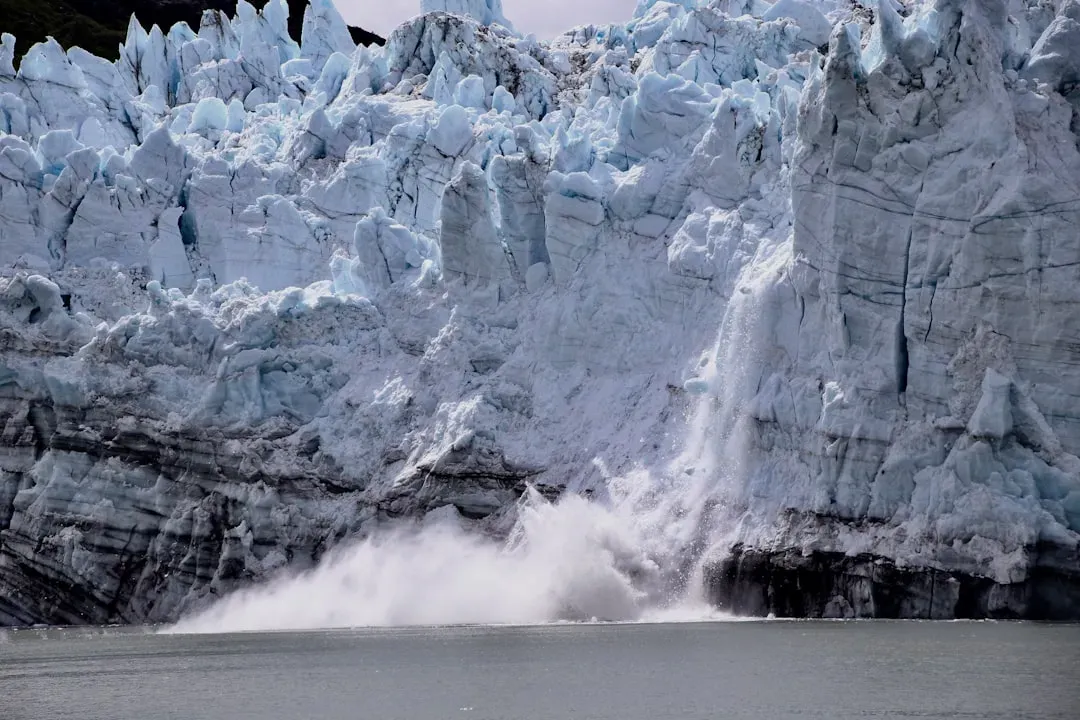
Some of the most violent floods on Earth do not come from rainstorms or hurricanes, but from the silent buildup of water behind walls of ice. These are glacial outburst floods, often called jökulhlaups in places like Iceland, where meltwater accumulates under or behind a glacier until the ice dam suddenly fails. When it does, enormous volumes of water burst out in a matter of hours or days, carving deep channels, moving boulders the size of houses, and reshaping entire valleys.
What makes these events so rare to witness is that they tend to happen in remote, harsh environments where very few people live, and their triggers can be subtle: a bit of extra melt, a shifting glacier, a small eruption under the ice. Yet the results are anything but subtle. In some regions, you can walk across landscapes that look oddly oversized – scoured bedrock, giant gravel bars, stranded boulders – and know a catastrophic flood once roared through, even if no human was there to watch. It feels like reading a thriller after the drama is already over.
5. Earthquake Lights: Ghostly Glows Before or During Seismic Events
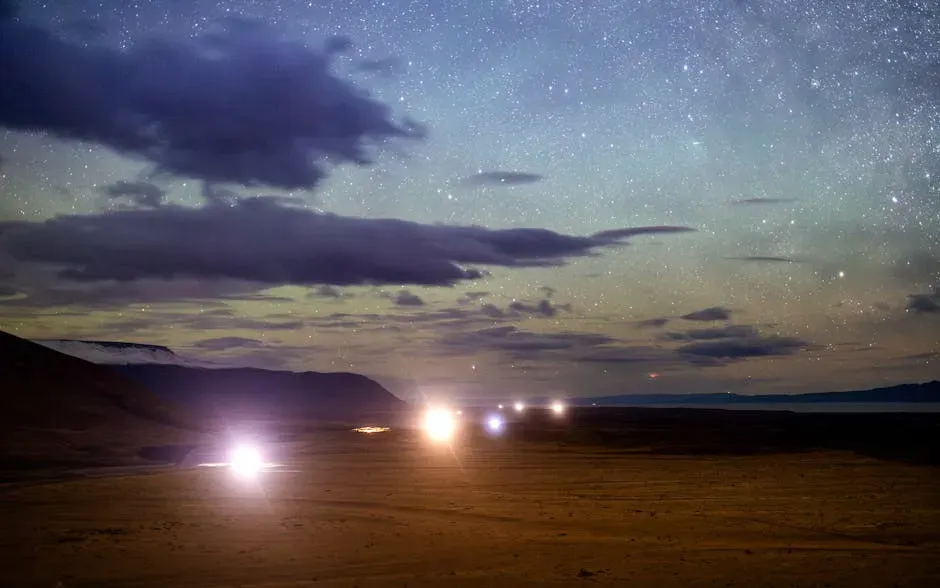
Every so often, people near a major earthquake report something straight out of folklore: strange flickering lights in the sky, glowing clouds, or luminous flashes at the horizon just before or during the shaking. These are known as earthquake lights, and while they were once dismissed as superstition or misremembered lightning, documented video and photographic evidence in recent decades pushed scientists to take them more seriously. They may be related to electrical charges generated when rocks are intensely stressed and fractured along fault zones.
Even if the mechanism is still being refined, what is clear is that these lights are extremely rare and highly localized. Many large earthquakes happen with no visible lights at all, and when they do appear, only a fraction of people in the area notice, usually for just a few seconds. There is something deeply unsettling about the idea of the sky giving a brief, ghostly warning that the ground is about to lurch. It blurs the line between hard geology and the eerie feeling that the planet itself is signaling its discomfort.
6. Carbonatite Eruptions: Volcanoes That Spew Molten “Soda-Rich” Rock
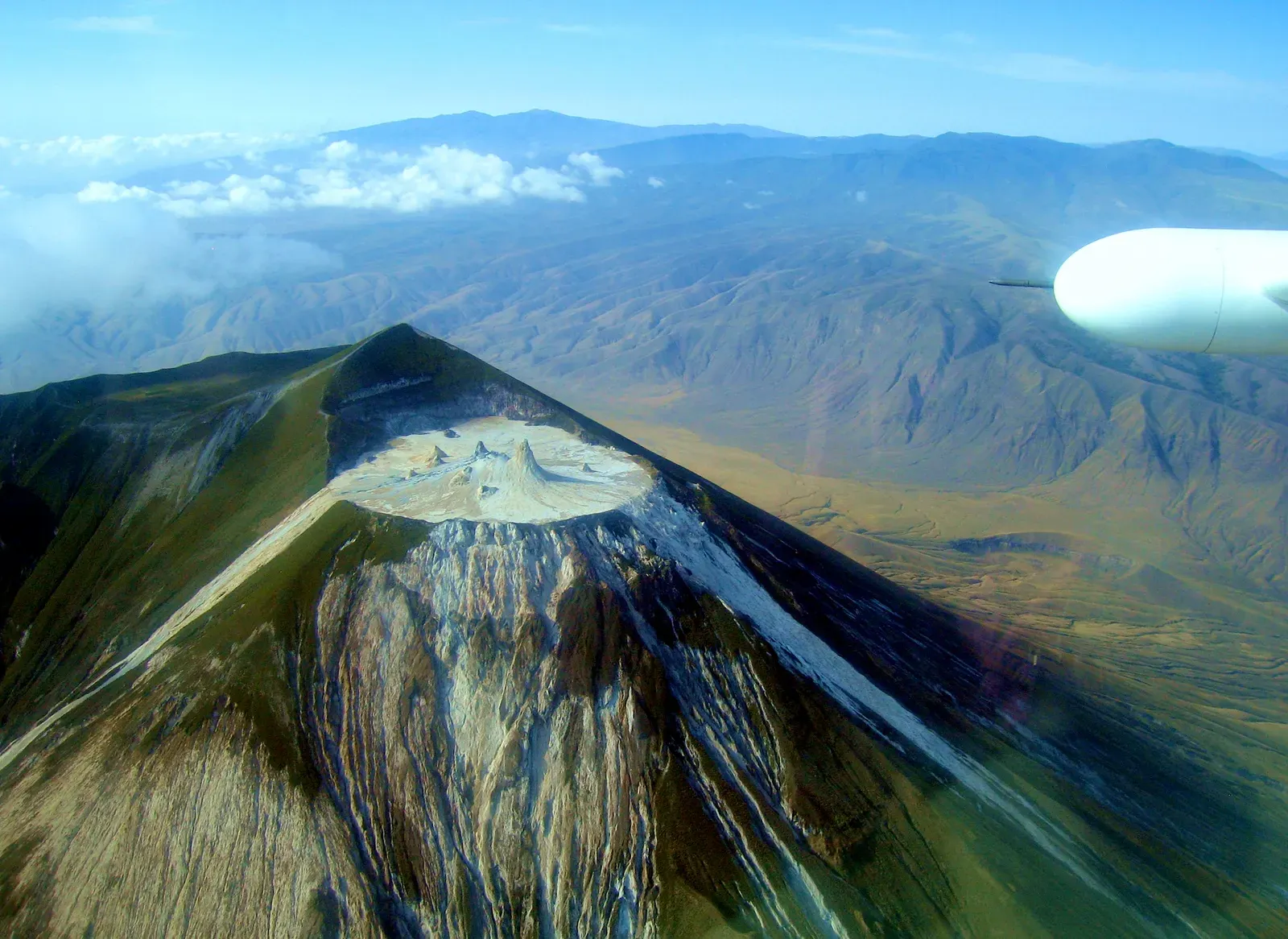
Most people, if they think of lava at all, picture the usual basaltic stuff: dark, runny, full of iron and magnesium. But there is an ultra-rare class of volcano that erupts carbonatite magma, which is rich in carbonates rather than the usual silicate minerals. This molten rock can behave almost like black, boiling syrup, and at relatively low temperatures compared to normal lava. Only one or two volcanoes on Earth are currently known to erupt carbonatite magma in the modern era, making this type of eruption one of the least-witnessed volcanic phenomena on the planet.
These eruptions are scientifically fascinating because they give a glimpse into strange corners of Earth’s mantle chemistry and the way carbon moves within the planet. They may also be linked to the formation of rare mineral deposits that are crucial for modern technologies. Standing near such a volcano, you would not see the classic glowing red rivers but something stranger and less familiar, almost like the Earth briefly decided to melt a piece of limestone instead of standard rock. It is the geological equivalent of finding out your very traditional friend has a wildly experimental side.
7. Brinicle Formation: Underwater “Ice Fingers of Death”
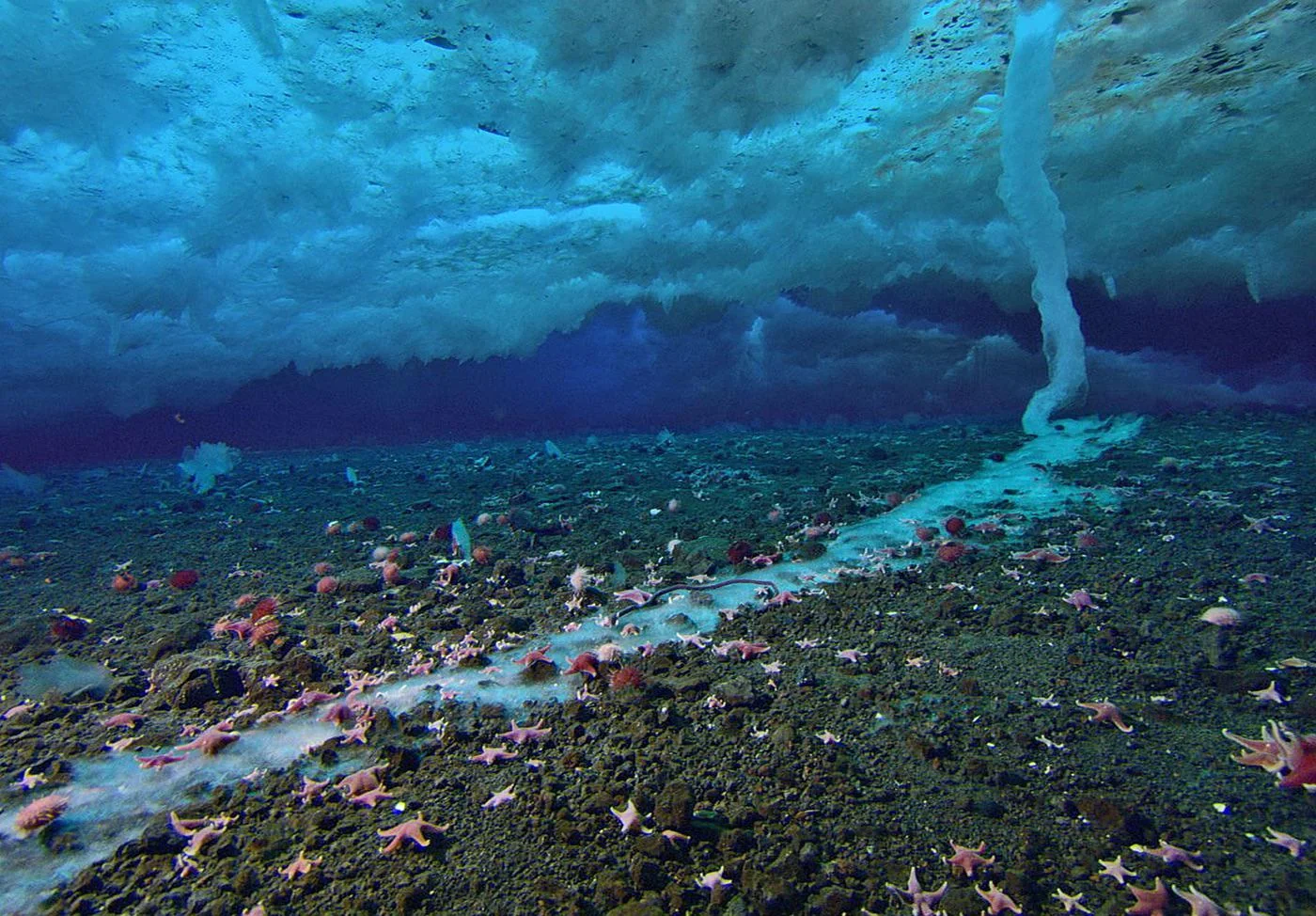
Far below the polar sea ice, a haunting structure can sometimes grow downward like an icicle in reverse: the brinicle, often nicknamed an ice finger of death. It forms when extremely cold, salty brine drains from forming sea ice and sinks into the relatively warmer ocean water below. As this brine stream descends, it freezes the surrounding water, building a hollow tube of ice that can extend all the way to the seafloor. Anything slow-moving on the bottom, like starfish or sea urchins, can be quickly encased and killed as the freezing front advances.
Brinicles are rarely seen because you need a perfect storm of conditions and the right kind of underwater camera crew to catch them in action. They occur in polar waters, under sea ice, in the dark, and often in remote areas where humans almost never go. Watching footage of one grow looks unreal, like a special effect from a science fiction movie. Yet it is simply physics playing out in salty water, a quiet reminder that geology and oceanography intersect in some of the strangest, least visited corners of our planet.
8. Desert Glass and Fulgurites: When Sand Turns to Stone in a Flash
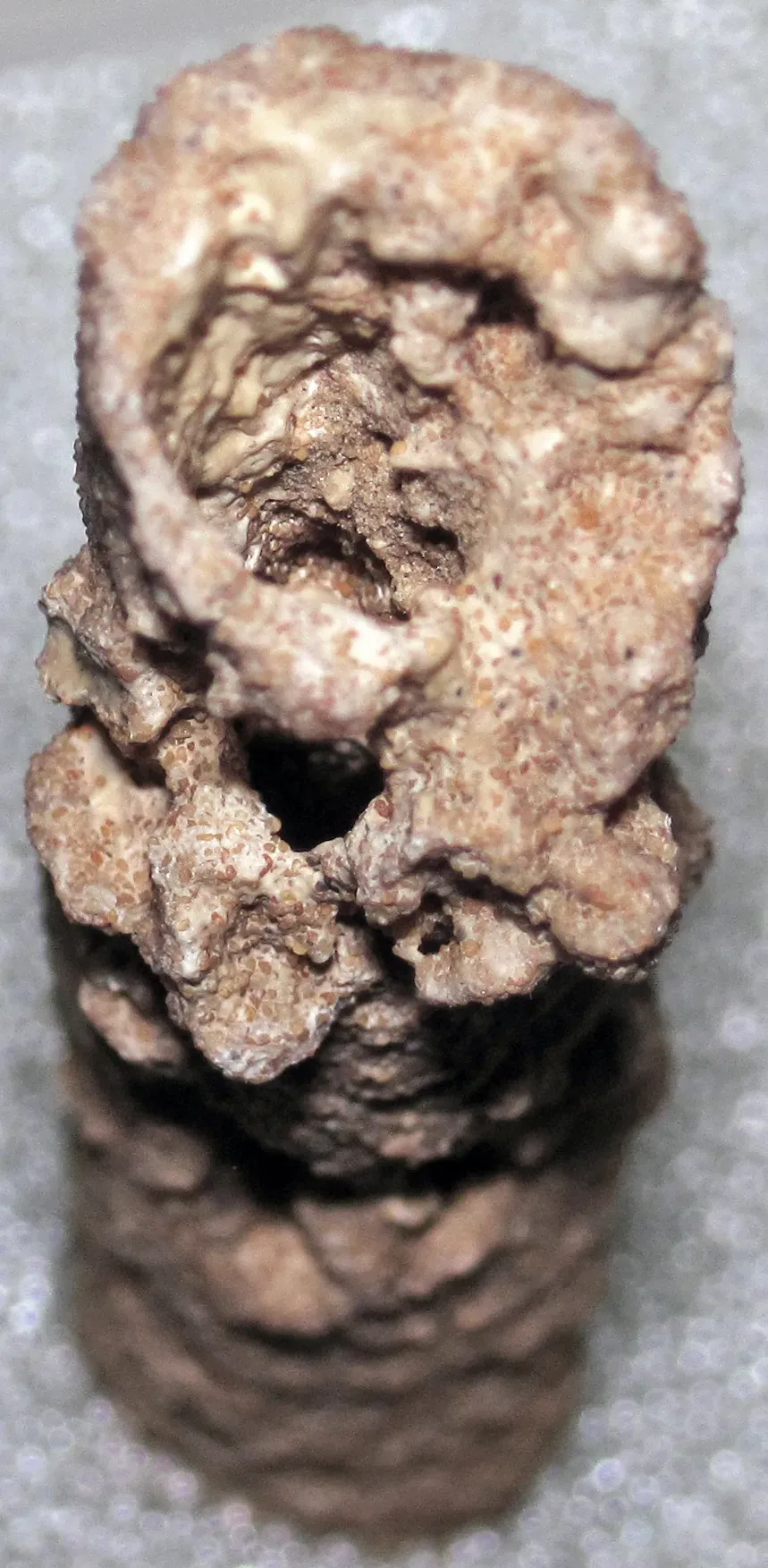
Most of the time, sand is about as boring and stable as Earth materials get. But under extreme heat, even sand transforms into something spectacular. In deserts or sandy regions, two incredibly rare processes can fuse grains together instantly: meteor impacts and lightning strikes. High-energy impacts can melt vast areas of sand into sheets of greenish or yellowish glass, while lightning can create fulgurites – hollow, branching glassy tubes that trace the path of the electric bolt through the ground.
Finding a fulgurite in the wild feels like stumbling across a frozen lightning bolt, a moment of raw energy captured forever in brittle glass. Desert impact glasses, on the other hand, hint at violent events in the distant past when something from space slammed into the planet with unimaginable force. Most people live their whole lives walking on pavement and soil, never realizing that, in a few scattered places, the very sand beneath us has been flash-cooked into glass by some of the most intense energies nature can produce.
9. Slow-slip Events: “Silent” Earthquakes That Creep Instead of Crack
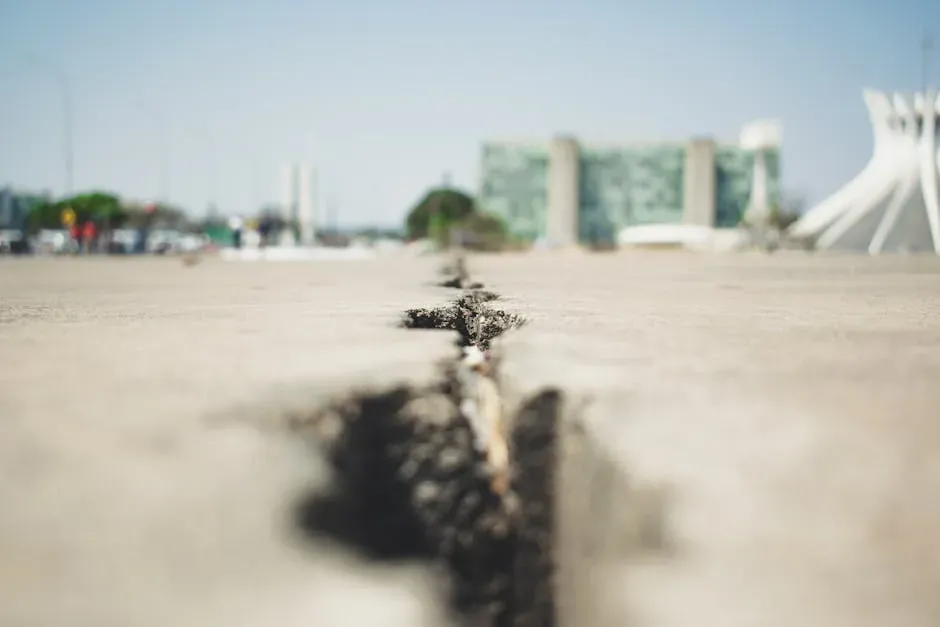
We are used to thinking of earthquakes as sudden, damaging jolts. But along some subduction zones, fault movement sometimes happens in slow motion over days or weeks in what geologists call slow-slip events. The same plates are moving, the same faults are slipping, but instead of jerking violently, they creep so gradually that no one on the surface feels a thing. These events release tectonic stress without the usual shaking, detected only by sensitive instruments that measure ground motion and tiny changes in gravity.
Because they are invisible and silent to everyday senses, slow-slip events are among the least directly experienced geological behaviors, even though they may be happening beneath people’s feet right now. They challenge the old idea that faults are either locked or suddenly breaking; instead, the Earth seems to use a spectrum of movement styles, some of which are essentially ghosts to human perception. In a way, they are a reminder that most of what the planet does never crosses into the narrow slice of reality we can actually feel without technology.
10. Catastrophic Rock and Ice Avalanches From Collapsing Peaks
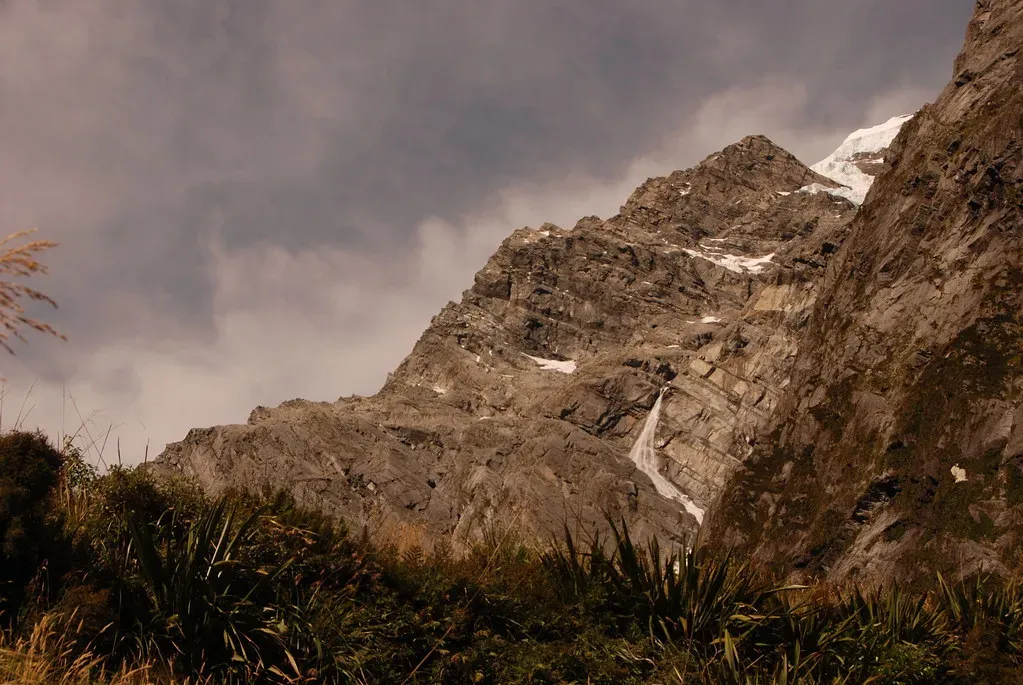
Mountains look timeless, but in geological terms they are constantly eroding, failing, and at times collapsing in spectacular fashion. Occasionally, parts of a peak or steep valley wall give way in a single catastrophic rock or ice avalanche, sending millions of cubic meters of material hurtling downslope at terrifying speeds. These events can cross entire valleys, ride up opposite slopes, and even generate destructive air blasts or landslide-generated waves in lakes and fjords.
Most high mountain regions are sparsely populated, and these failures are unpredictable on human time scales, so direct witnesses are exceedingly rare. What we see instead are the scars left behind: hummocky piles of debris, shattered forests, dammed rivers, and abruptly altered landscapes. Standing in one of these deposits, it is hard not to feel awe and unease; a place you can casually hike through in an afternoon was once swept clean by a roaring mass of rock and ice. It is a harsh reminder that gravity always wins in the long run, even against seemingly immortal peaks.
Conclusion: Rare Earth, Rare Moments
What ties all these phenomena together is not just their rarity, but how brutally they expose our tiny sense of time and control. We build cities, make plans, and scroll through social feeds while, deep below or far away, the planet occasionally performs acts that ignore our entire existence. Most of us will never stand beside a lava lake, watch volcanic lightning fork through an ash column, or see a brinicle descend in polar darkness – and that scarcity is part of what makes them so mesmerizing to learn about.
My biased take is that these rare events are not just curiosities for scientists; they are humbling reality checks that we badly need. They say, in their own wordless way, that Earth is not a backdrop to human life but a restless, evolving system we just happen to inhabit for a while. You do not have to witness a super-eruption or a glacial outburst flood to let that sink in; simply knowing they happen can shift how you see every mountain, coastline, and storm cloud. Next time you feel the ground solid beneath your feet, will you still think of it as stable – or as something quietly waiting for its next strange performance?