If you have ever lost yourself in a perfect moment and thought, “If I could stay here forever, this would be heaven,” you have already brushed against the core question of this article. What if heaven is not just a distant, fixed place in the sky, but something your own consciousness quietly builds, emotion by emotion, memory by memory, belief by belief? That idea sounds poetic, almost too soft for a hard reality, yet modern neuroscience, psychology, and philosophy all point to a startling fact: your experience of everything is constructed in your brain. That includes your worst nightmares, your everyday life, and possibly your most heavenly states.
When I first started thinking seriously about this, it hit me in a weirdly personal way. I realized that two people can stand in the same room, live through the same event, and walk away with two completely different emotional universes. One feels blessed; the other feels cursed. If that much difference already exists in everyday life, what does that mean for the way we imagine heaven, peace, or ultimate happiness? Let’s dig into what science, spirituality, and lived experience suggest about whether your consciousness really does construct its own heaven – and what that might mean for how you live today.
The Brain Already Builds Your Reality
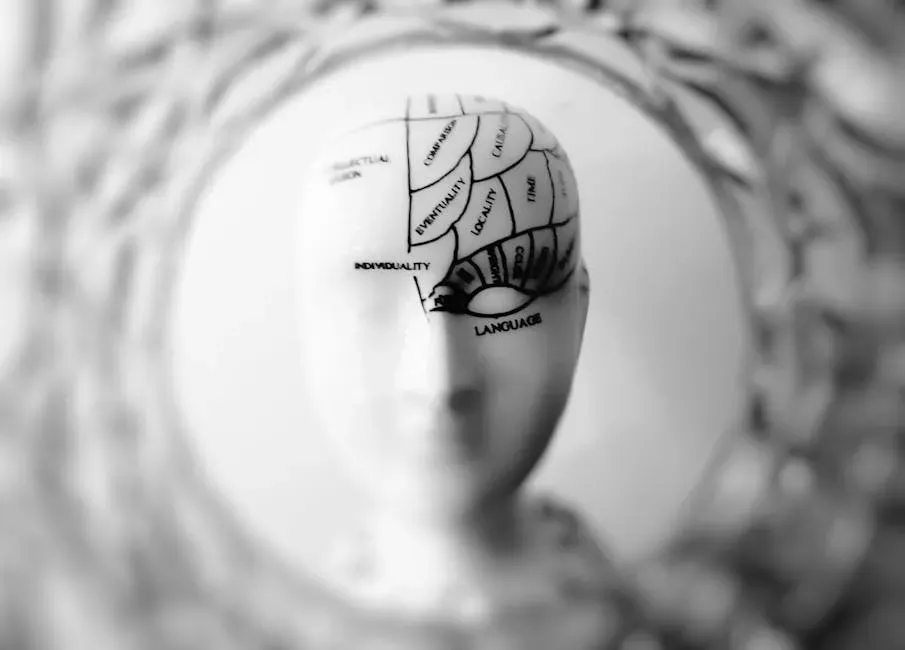
Here is the first shocking piece: your brain is not a camera; it is a storyteller. You do not passively receive reality; your brain actively constructs it from limited data, past experiences, expectations, and beliefs. Neuroscientists sometimes describe perception as a kind of controlled hallucination: your brain constantly predicts what is out there and then updates those predictions with incoming signals. That is why you can look at an optical illusion and swear you see something that simply is not there – your mind is filling in the gaps with its best guess.
This construction process does not stop at colors and shapes; it extends to meaning, emotion, and even your sense of self. One person sees a cloudy sky and feels calm, another sees the same sky and feels dread because it reminds them of a traumatic event. Same scene, different reality. If everyday life is this deeply shaped by your internal models, it is not a huge leap to imagine that any “heaven” you might experience – mystical, psychological, or even hypothetical after death – would also be filtered and colored through those same inner patterns. In other words, whatever heaven is, your brain would still be the lens.
Heaven As a Psychological State, Not Just a Place

Across cultures, people describe “heavenly” experiences that happen long before they die: a runner’s high that feels transcendent, a moment of overwhelming love while holding a newborn, a deep meditation session where the sense of separate self temporarily dissolves. None of these require a change of location; they are states of consciousness that feel spacious, peaceful, and almost sacred. Psychology and contemplative traditions often frame these states as shifts in attention and interpretation, not miracles that arrive from nowhere. Your mind drops its constant chatter, your fear circuits quiet down, and for a short time you inhabit a more open, less defensive state.
If we take those moments seriously, they suggest that “heaven” might be less about golden gates and more about the quality of awareness you bring to life. When you experience profound gratitude, connectedness, or awe, you are already stepping into a kind of inner heaven your mind is co-creating. That does not prove anything about an afterlife, of course. But it does show that your consciousness can access extraordinary peace and joy right here, through how it attends, interprets, and responds to experience. In that sense, your inner world is already a kind of workshop where versions of heaven and hell are being prototyped every day.
Near-Death Experiences: Glimpses of a Constructed Heaven?

Near-death experiences are often described with strikingly “heavenly” images: tunnels of light, overwhelming love, meetings with deceased loved ones, life reviews that feel cleansing rather than punishing. Some people take this as proof of a literal, external heaven; others see it as powerful evidence of the brain generating complex, comforting states under extreme stress. Certain theories suggest that when the brain is starved of oxygen or flooded with particular neurochemicals, it can trigger vivid visuals, changes in time perception, and intense feelings of peace or unity.
What matters here is not deciding who is right, but noticing the pattern: whatever is happening, the experience is being shaped by the person’s own cultural background, expectations, and beliefs. A child raised with specific religious imagery may see figures that match that tradition; someone more secular might describe abstract light or a feeling of cosmic oneness instead. This strongly hints that consciousness is not simply receiving some one-size-fits-all heavenly broadcast, but co-authoring the experience with its own prior concepts and emotional needs. If a heaven-like state emerges at the edge of life, it appears at least partly tailored by the mind that lives it.
The Role of Belief: Expectation As a Heavenly Architect

Beliefs are not just ideas you hold; they are filters that shape what you notice, how you interpret it, and how much suffering or relief you feel. Placebo research makes this painfully clear: when people sincerely believe they are receiving effective treatment, their brains can release real pain-relieving chemicals, even if the “treatment” is just a sugar pill. The expectation of healing helps construct a different internal reality. Now stretch that insight into the spiritual domain: if you deeply expect a loving, forgiving universe, you might experience more trust and comfort in daily life than someone convinced the universe is cold and hostile.
Over time, those expectations can become the blueprint for the kind of inner world you live in. If you believe you are fundamentally damned, you may carry an inner hell of shame and fear wherever you go, regardless of your external circumstances. If you believe that love, forgiveness, and growth are always possible, you might experience setbacks as painful but meaningful chapters instead of ultimate doom. In that sense, belief is like the architectural software of your consciousness, constantly rendering environments that feel more like heaven or more like hell, long before any afterlife is in question.
Neuroscience of Bliss: Chemicals, Circuits, and “Heavenly” Feelings
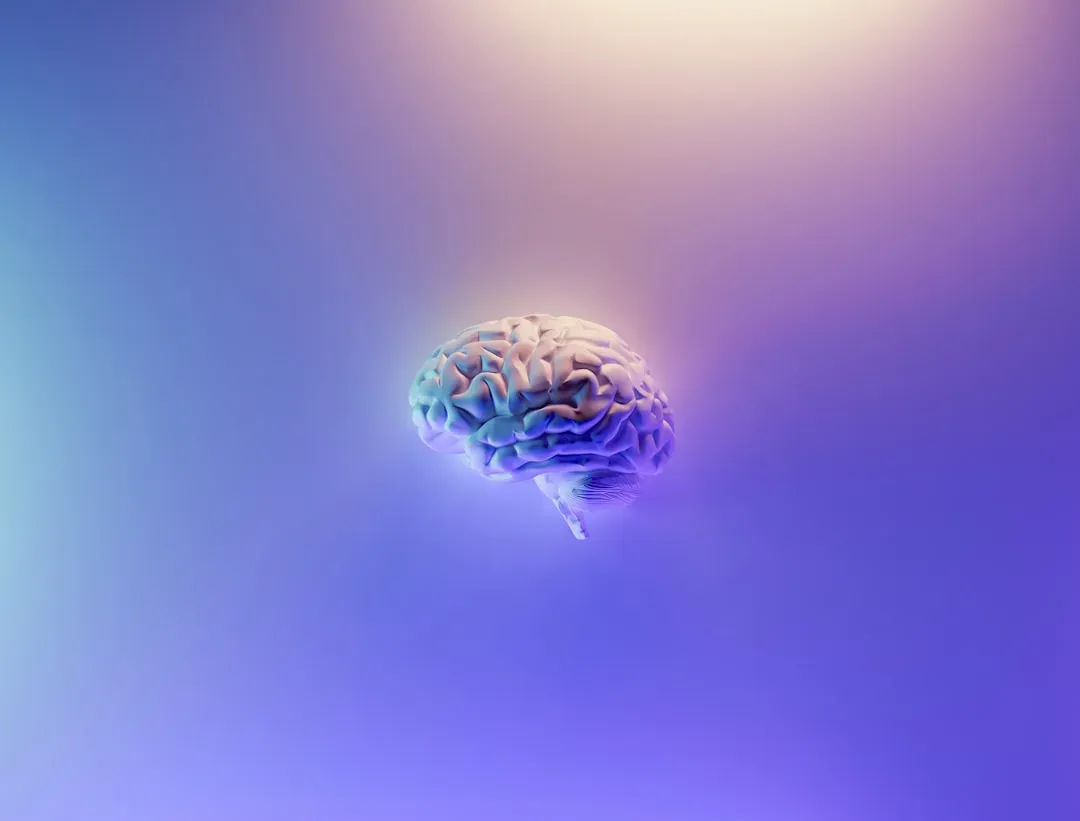
On a biological level, states that people describe as heavenly – deep peace, ecstatic joy, a sense of unity – are tightly linked to activity in specific brain networks and neurochemical shifts. Practices like meditation, certain forms of prayer, breathwork, and even psychedelic experiences have been shown to quiet the brain’s default mode network, which is heavily involved in self-referential thinking. When this network relaxes, people often report feeling less isolated and more connected to everything around them, a classic hallmark of mystical or “heavenly” experiences.
At the same time, changes in neurotransmitters like serotonin, dopamine, and endorphins can create feelings of warmth, safety, or euphoria. None of this reduces those experiences to “just chemicals” in any meaningful sense; your entire lived reality is always mediated by the brain and its chemistry. Instead, it suggests that what many traditions have called heavenly states are intimately tied to how your nervous system fires, synchronizes, and quiets itself. Your consciousness does not merely visit these states; it helps create and stabilize them through the choices you make, the practices you follow, and the environments you inhabit.
Heaven and Hell in Everyday Life: How You Construct Both

Even if you never think about the afterlife, you already know what it is like to wake up in a personal heaven or hell, depending on your mental state. On a day when you feel rested, safe, and connected, the world looks softer. Annoyances roll off your back; you notice beauty in small things; you feel like other people are basically on your side. On a day when you are anxious, exhausted, and angry, the same world looks harsh and threatening. A delayed text feels like rejection, a neutral comment sounds like criticism, a minor setback feels catastrophic.
This swing is not purely about external circumstances; it is powered by the lens of your consciousness. With practice – therapy, mindfulness, good relationships, healthier habits – that lens can become less distorted, less reactive, more grounded. You may still experience pain, grief, and fear, but they do not dominate the entire sky of your awareness. In that sense, you slowly shift the climate of your inner world from stormy chaos toward something more stable, kind, and livable. It might not be a storybook heaven, but it is a deeply meaningful, constructed peace that comes from the way you meet reality, not from escaping it.
Spiritual Traditions: Inner Kingdoms and Constructed Paradises

Many spiritual and contemplative traditions, when you look past their surface differences, point toward the idea of an inner “kingdom” or pure land that is as much psychological as it is metaphysical. They emphasize practices like compassion, forgiveness, attention training, and ethical living as ways of shaping the heart-mind. Over time, these practices tend to reduce fear and resentment while increasing empathy and a sense of connection. The “reward” often described is not only future salvation, but a present-moment experience of greater ease and clarity, like clearing out a cramped attic and finding sunlight streaming in.
From this angle, whether or not there is a literal heaven somewhere else, you are constantly training your consciousness to resonate with certain qualities. If your life is steeped in bitterness, cruelty, or indifference, your inner world gradually hardens. If you cultivate kindness, courage, and honesty, your inner world becomes more spacious and trustworthy. Many teachers have hinted that any heaven you might meet later would not feel foreign; it would harmonize with the patterns you have been rehearsing all along. In other words, you are not just waiting to see if you get into heaven; you are rehearsing how to be the kind of mind that could recognize and inhabit it.
So,

Here is my honest take: we do not have solid scientific proof that your mind builds a literal, post-death paradise that matches your expectations like a custom-made dream. The evidence just is not that clean or that simple, and anyone who speaks with total certainty about the afterlife is stepping beyond what we can really know. But we do have strong, converging evidence that your consciousness plays a massive role in shaping how you experience reality, including your most blissful, transcendent, or “heavenly” states. Your brain builds your world; your beliefs color it; your habits sculpt its climate.
So while I would not claim you can daydream your way into a guaranteed cosmic heaven, I think it is absolutely fair – and deeply practical – to say that you are constantly constructing versions of heaven and hell inside your own awareness. The way you think, love, forgive, pay attention, and make meaning can turn the same life circumstances into a cage or a garden. To me, that is a powerful, sobering, and strangely hopeful idea: even if you cannot control what ultimately happens after you die, you have real influence over the kind of inner world you live in before that moment comes. If consciousness is already capable of building so much heaven and hell right now, what kind are you choosing to build today?