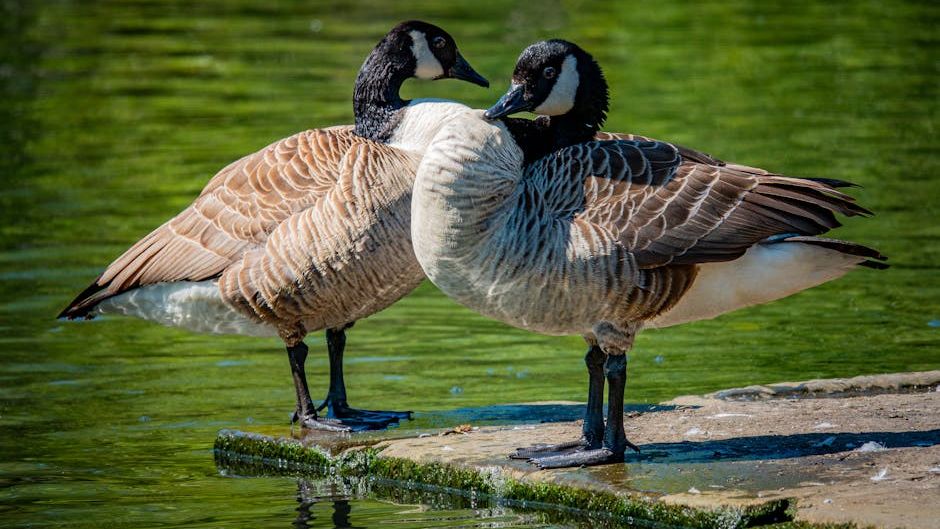

If you only think of geese as noisy birds that honk and chase people at the park, you’re massively underestimating them. Behind that attitude and those bright eyes, there’s a lot more brainpower than most people realize. Once you start looking closely at what geese actually do, you see patterns, planning, and social skills that feel surprisingly familiar.
As you go through these facts, you’ll notice something: geese are not just reacting to the world, they’re constantly making choices. From how they fly, to how they raise their young, to how they defend their flock, you can spot real problem‑solving and long‑term strategy. By the end, you may never look at that honking V‑shaped flock in the sky the same way again.
1. You’re Watching Advanced Teamwork When You See a V‑Shaped Flock
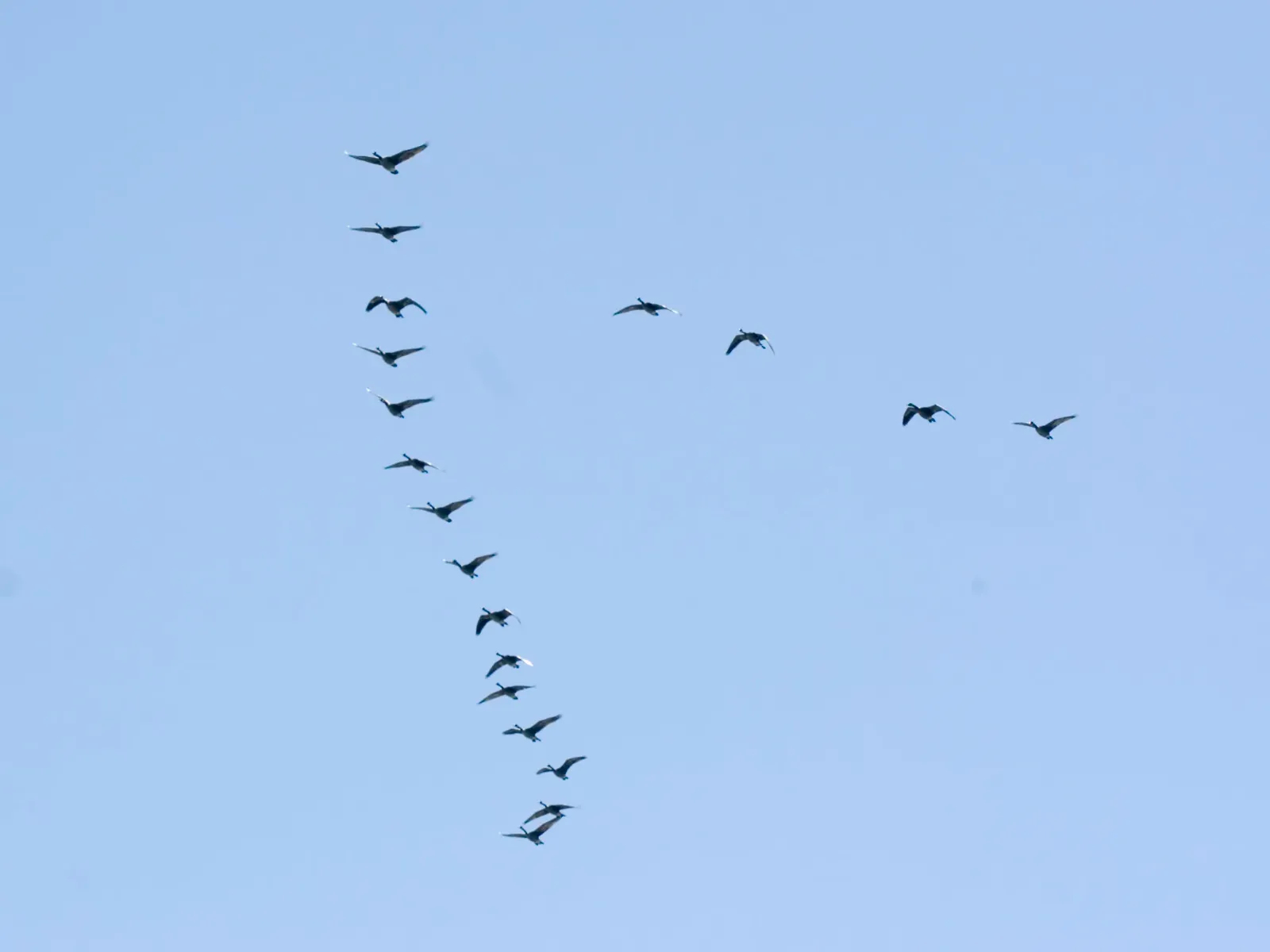
When you look up and see geese flying in a neat V, you’re not just seeing a pretty shape, you’re literally seeing physics and social intelligence in action. Each bird positions itself to ride the air currents created by the one in front, which reduces wind resistance and lets the whole group fly farther on the same amount of energy. You can think of it like cyclists drafting in a race; geese discovered that aerodynamic trick long before humans ever did the math.
What makes this so impressive is that the shape isn’t rigid or robotic. Birds shift positions, trade places, and adjust spacing to respond to wind and fatigue. Instead of each goose doing its own thing, the flock acts like a single flexible system, which means every bird has to pay attention, respond quickly, and cooperate. That level of coordinated movement gives you a window into how socially aware and mutually reliant these birds really are.
2. Geese Take Turns at the Hardest Job: Leading the Flock
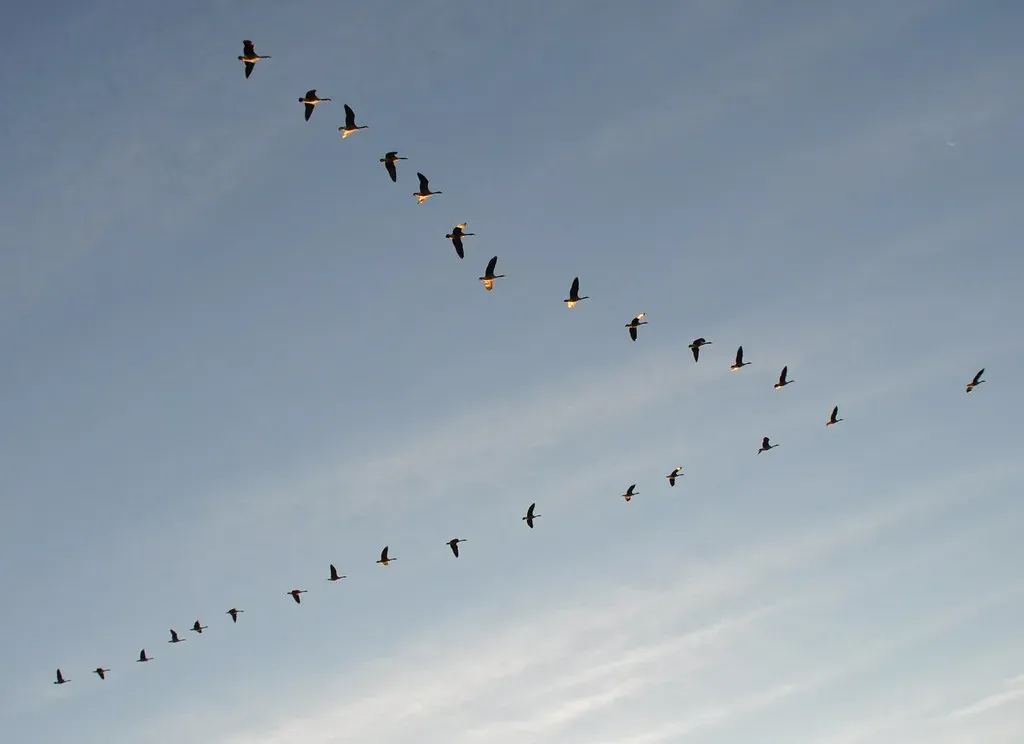
Flying at the front of the V is the toughest spot, because the lead goose breaks the wind for everyone else. If you watch a flock long enough, you’ll see the lead bird drop back and another goose slide up to take its place. You’re looking at a simple but powerful kind of shared leadership, where no single bird burns out by doing all the hard work. That’s not random chaos; that’s structured cooperation that benefits the whole group.
By rotating leaders, geese make long migrations more efficient and safer. The shifting of roles also shows you that these birds constantly monitor each other’s condition and respond when a leader is tired. Imagine if you and your friends were driving cross‑country and naturally rotated drivers without ever having to argue about whose turn it is. That’s essentially what geese are doing in the sky, trip after trip, year after year.
3. They Use Complex Vocal Signals to Coordinate and Comfort Each Other
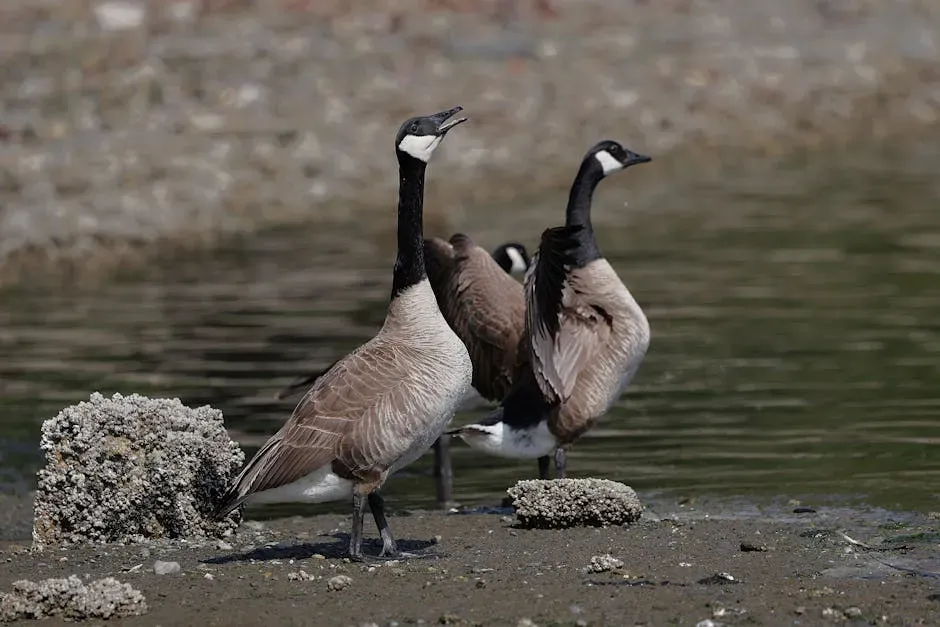
You might hear geese and just think “loud honking,” but to them, that noise is a rich communication system. Different calls can signal alarm, encourage the flock to keep moving, help family members find each other, or calm goslings. When you hear a chorus of calls while a flock flies overhead, you’re really listening to birds actively managing their group, almost like a team constantly talking on walkie‑talkies.
Geese also use these sounds to maintain their bonds. Parents call to their young and mates call to each other, and those familiar voices help geese recognize who belongs to their inner circle. If you’ve ever tried to find a friend’s voice in a noisy crowd, you already know the kind of mental work that takes. Geese do a version of that in the middle of wind, water, and wings, keeping track of who’s who through sound alone.
4. Geese Form Strong Pair Bonds and Lifelong Loyalty
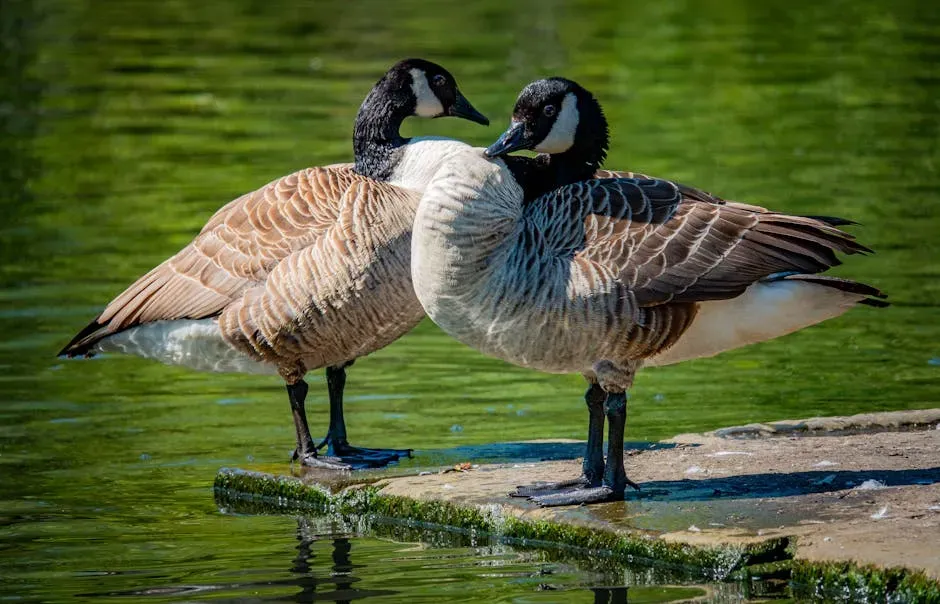
One of the most emotionally striking things you discover about geese is how devoted they are to their partners. Many species of geese form monogamous pairs that can last for many years, sometimes effectively for life. You’ll often see a mated pair traveling, feeding, and raising young together in a tight, coordinated partnership that doesn’t look accidental at all.
This loyalty extends to how they react when their partner or family is threatened. A goose will stand its ground with surprising bravery, not because it’s reckless, but because it’s deeply invested in protecting its mate and offspring. When you watch a goose refuse to back down from a much larger animal or a human, you’re not just seeing aggression, you’re seeing attachment and commitment driving behavior. It’s hard not to feel a little respect for that kind of dedication.
5. They’re Devoted Parents Who Actively Teach and Guard Their Young
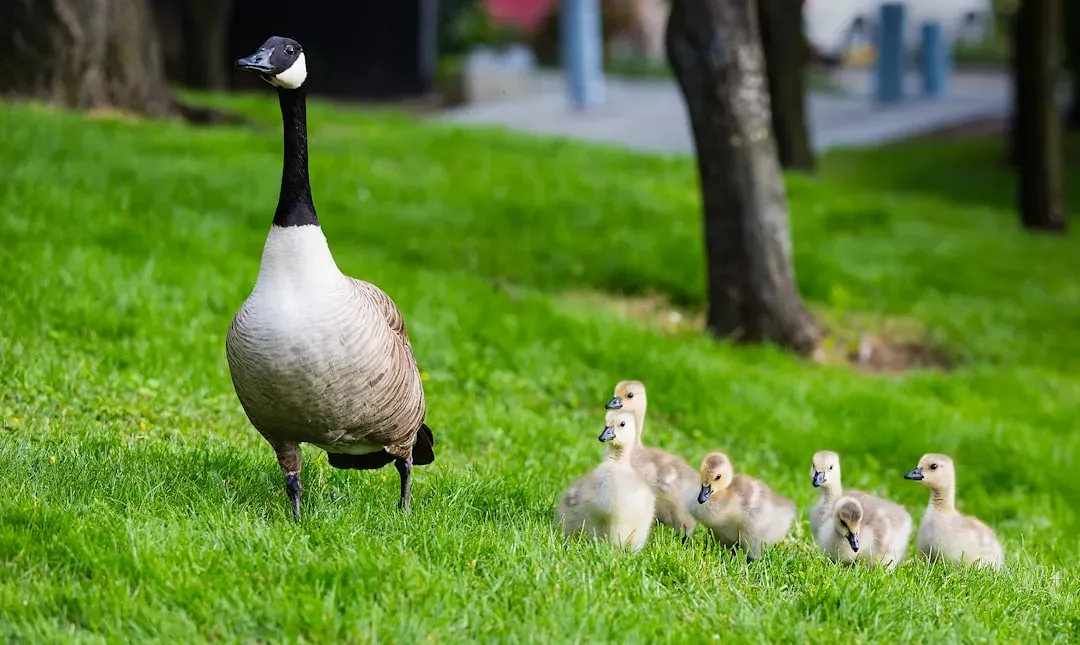
If you’ve ever watched a goose family crossing a path or swimming through a pond, you might notice how organized they are. Parents usually position themselves strategically, with one leading and another trailing the line of goslings, like bodyguards escorting a VIP group. They’re constantly scanning for threats and adjusting the formation, which shows you that they’re not just caring, they’re thinking tactically about safety.
Geese parents also guide their young to feeding areas, good resting spots, and safe routes, giving them a kind of crash course in how to survive. Goslings quickly learn to respond to specific calls and follow the parents’ movements, much like children following cues from adults. You can see learning, memory, and trust happening right in front of you, built through repetition and consistent protection.
6. Geese Remember Places, Routes, and Even People
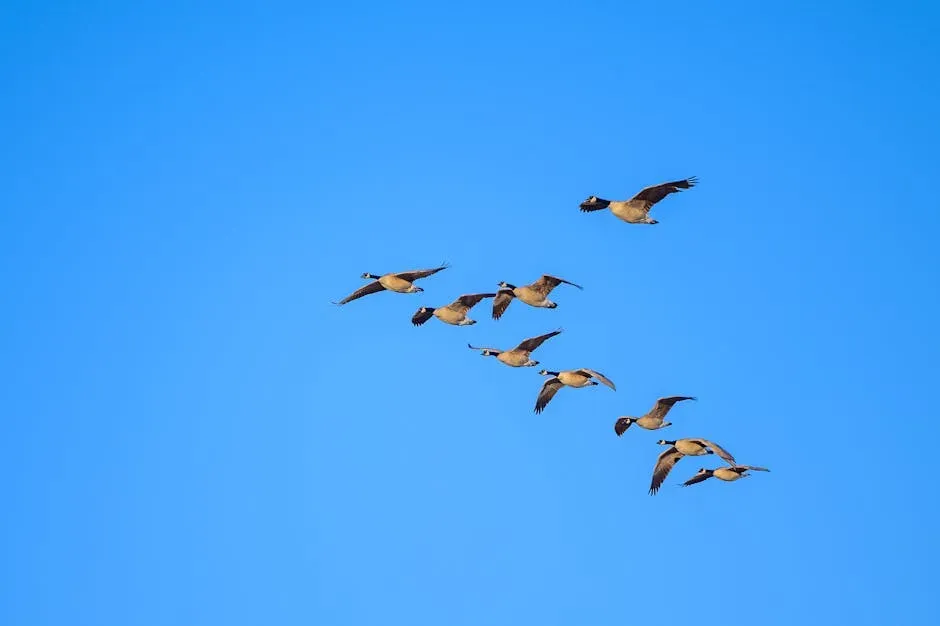
Geese are famous for their migrations, and those journeys depend on strong spatial memory. If you follow a population of geese over time, you’ll see that they return to the same breeding and wintering grounds year after year. To pull that off, they combine cues from the sun, stars, Earth’s magnetic field, and landmarks, but they also rely heavily on learned routes that older birds pass down. That learned knowledge is stored, recalled, and refined across their lifetimes.
You’ll also notice that geese can remember individual humans, especially if you interact with them regularly. If you feed them or disturb them repeatedly, they may respond differently to you than to strangers. This ability to distinguish between specific people and remember how you behaved in the past points toward a surprisingly nuanced memory. It’s not just instinct; it’s experience shaping future reactions.
7. They Recognize and Defend Social “Neighborhoods”
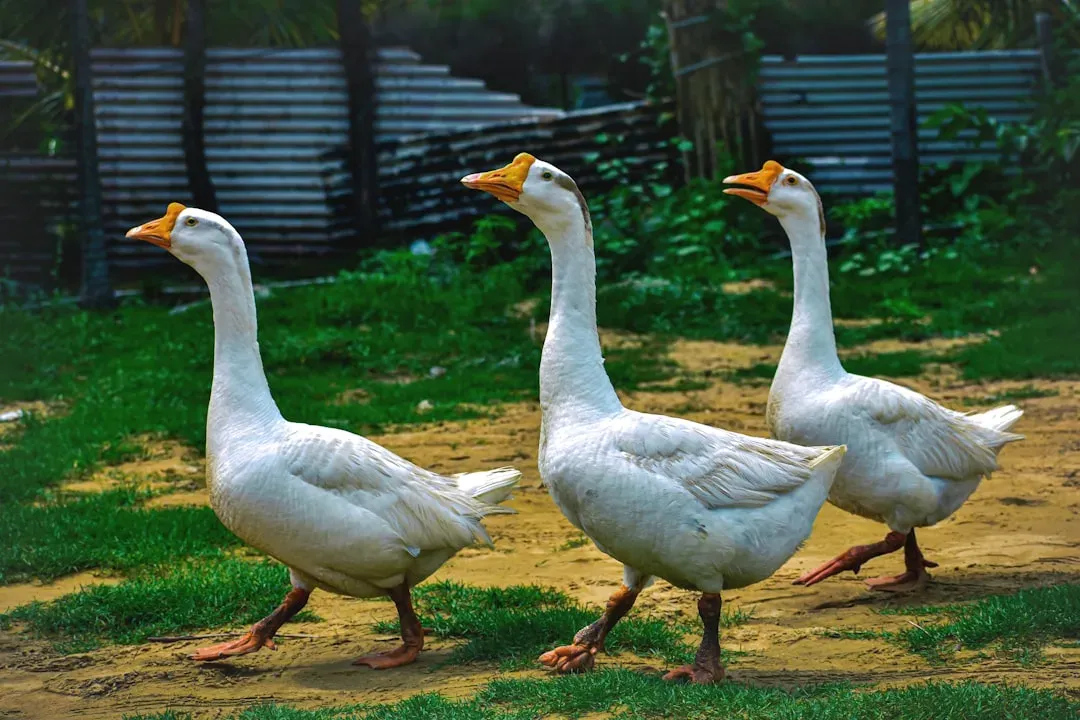
Geese don’t just wander randomly; they often establish territories or preferred spots near water, food, or nesting areas. When you see a goose aggressively chasing off another bird or even a person from “its” patch of grass, you’re watching territorial behavior that involves recognition of space and ownership. To do that consistently, a goose has to mentally map its surroundings and decide which intrusions cross the line.
Within these areas, you also see patterns of social hierarchy. Some individuals or pairs are more dominant and get the best spots, while others hang back. The way they choose when to stand firm, when to back off, and whom to challenge reflects an understanding of their own status in the group. That kind of social navigation takes more than reflexes; it takes awareness and memory of past interactions.
8. Geese Show Protective Sacrifice for Injured or Tired Flock Members
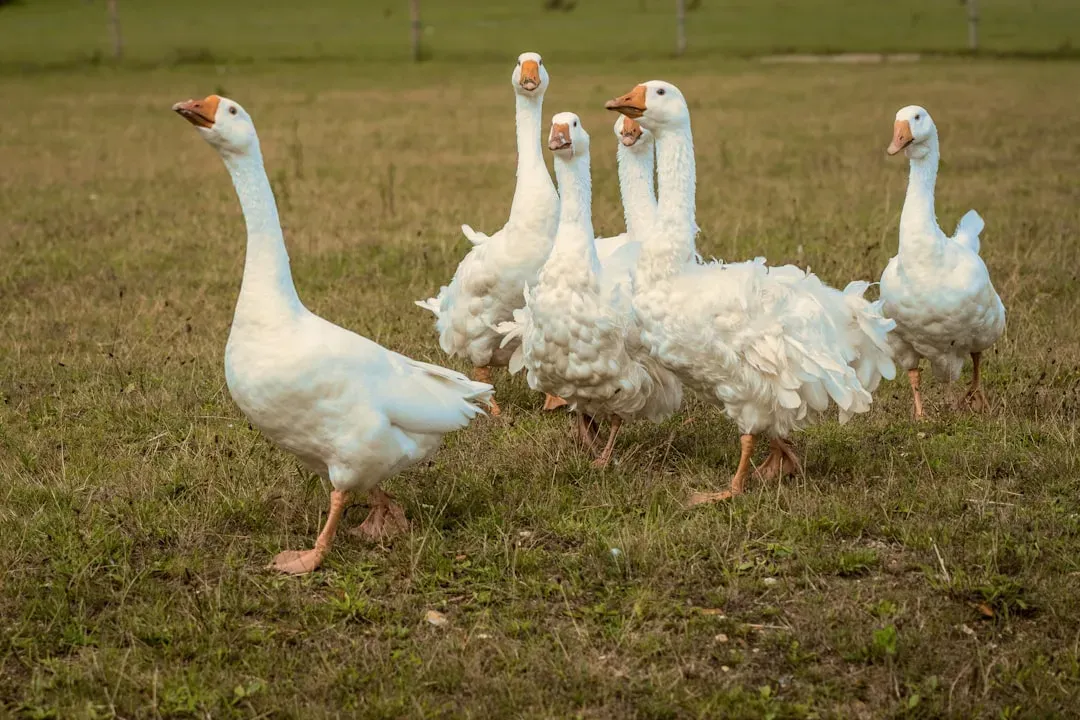
One of the most moving patterns you might notice is what happens when a goose is injured or exhausted. Instead of abandoning the weak bird, one or two other geese will sometimes break formation and stay behind with it. They’ll wait, rest, and sometimes call repeatedly until the injured bird can fly again or until they decide it’s time to move on. This willingness to slow down for a vulnerable member feels strikingly compassionate.
From a practical point of view, this behavior has risks: staying behind can mean more exposure to predators and more energy spent finding the flock again. Yet geese accept those risks, which tells you they operate with more than simple self‑preservation. You’re seeing a form of loyalty and group protection that hints at emotional depth, not just survival math written into their genes.
9. They Adapt Quickly to Human Environments and New Challenges
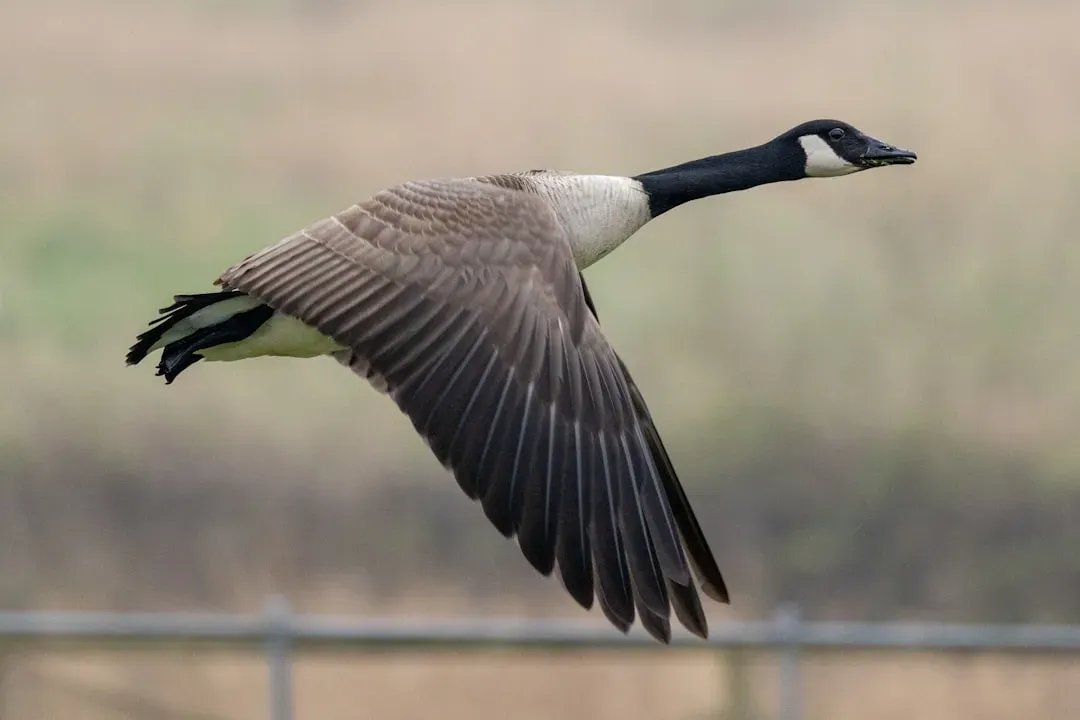
If you live near parks, golf courses, or suburban lakes, you’ve probably noticed that geese have become very comfortable sharing space with people. That adjustment didn’t happen by accident. Geese have learned to take advantage of short grass, artificial ponds, and even leftover food, turning human‑made landscapes into prime habitat. You’re watching a wild animal calmly rewrite its lifestyle around a completely new environment.
As situations change, geese tweak their behavior rather than simply failing. They shift their feeding times, change nesting spots, and alter how close they’re willing to come to people or pets. This flexibility is a key sign of intelligence because it shows they’re not locked into one rigid pattern. In a world that keeps changing, the ability to adapt is often what separates the truly smart survivors from the rest.
10. They Use Body Language as Much as Their Voices
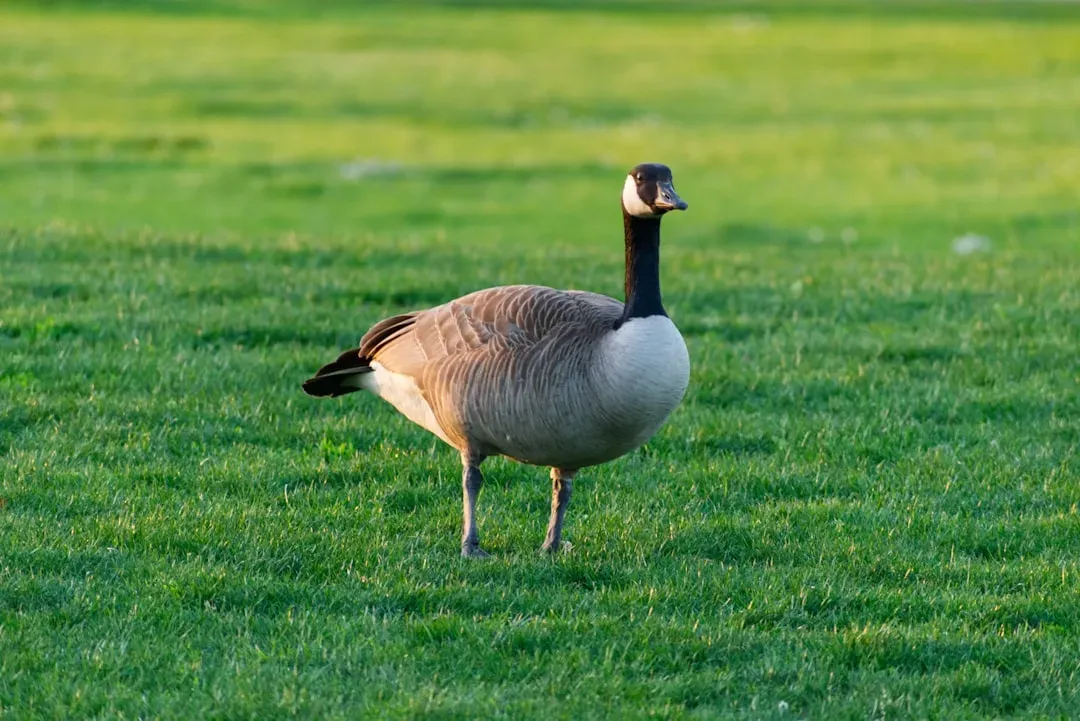
Geese do a lot of talking without making a sound. When you see a goose stretch its neck forward, spread its wings slightly, or lower its head and stare, you’re reading a kind of body language that other geese interpret instantly. Those subtle gestures can mean anything from mild irritation to a serious warning, and they help prevent unnecessary fights by sending clear signals ahead of time.
When you pay attention to these movements, you start to see how geese “read the room” around them. They constantly watch each other’s posture and react before things escalate. That kind of nonverbal communication demands attention, awareness, and quick judgment. It’s not just drama for your amusement; it’s a carefully tuned social code that keeps a crowded group functioning without constant chaos.
11. They Pass Knowledge Between Generations
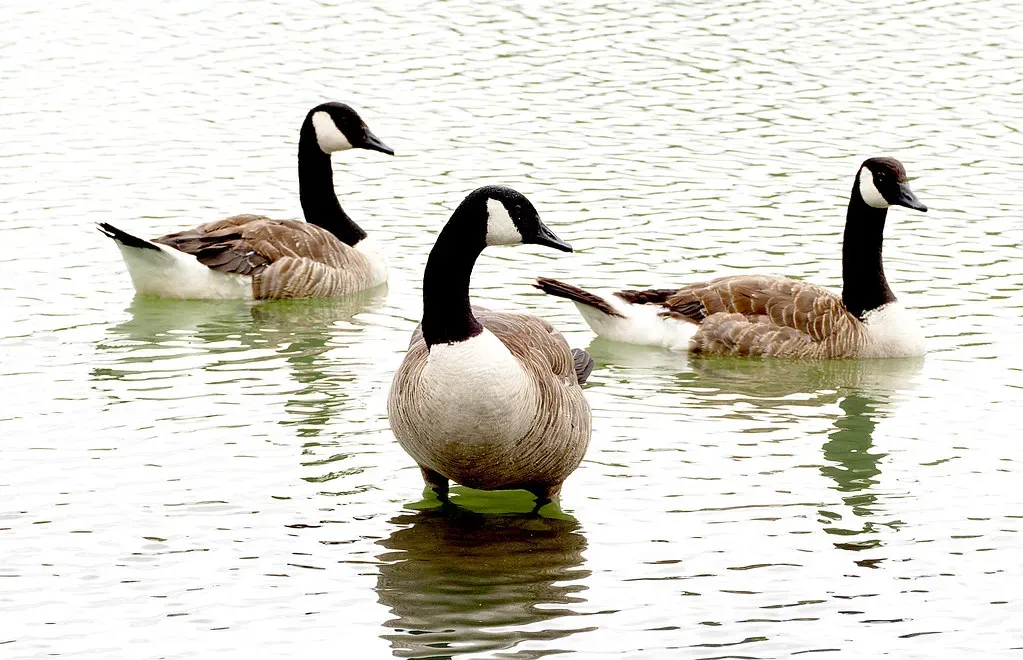
Perhaps the most powerful sign of goose intelligence is the way older birds help shape the behavior of younger ones. Adult geese do more than protect; they guide migration routes, demonstrate safe feeding areas, and model when to flee and when to stand their ground. You can think of this as a kind of informal schooling, where experience becomes a shared resource instead of staying locked in a single bird’s lifetime.
When you see generations of geese returning to the same lake or marsh at roughly the same times each year, you’re seeing traditions being carried forward. Those patterns don’t survive just through instinct; they rely on learning, teaching, and remembering. In that sense, geese operate more like a culture than a loose collection of random individuals, and you get to watch that quiet transmission of knowledge every time a parent leads a nervous line of goslings into the water.
Conclusion: Seeing Geese with New Eyes
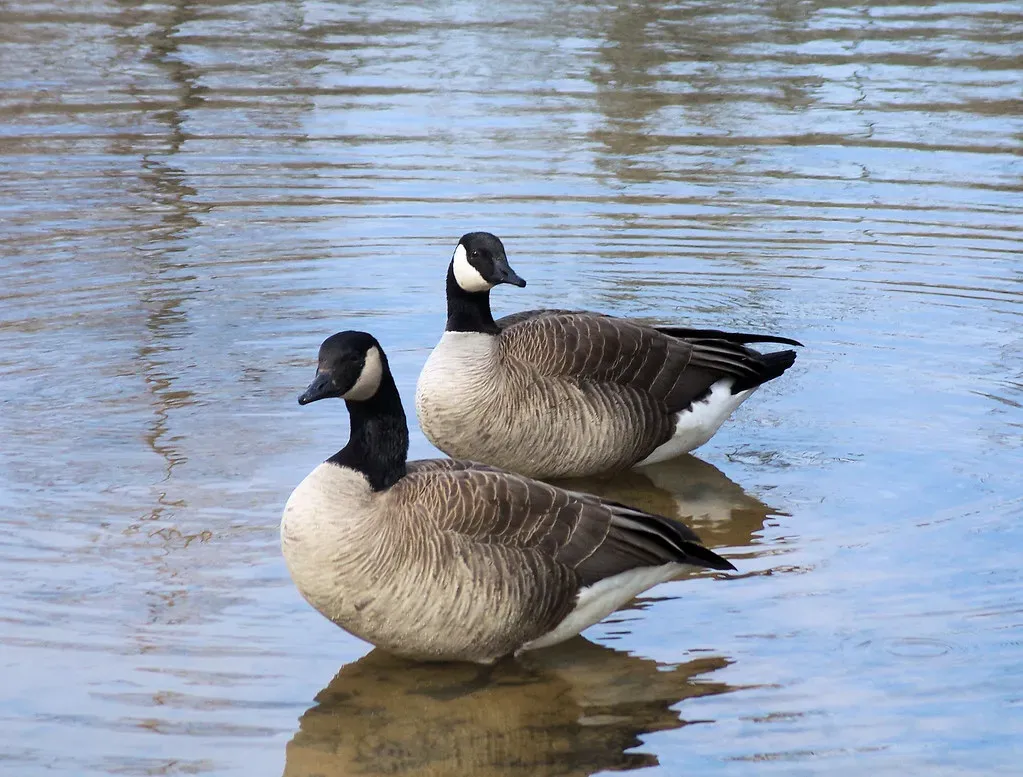
Once you look past the noise and the feathers, you start to see geese as thoughtful, social, and surprisingly strategic animals. They plan long journeys with shared leadership, defend their families with stubborn courage, and adapt to your world with impressive creativity. What looks like simple honking and flapping turns out to be a web of signals, roles, and decisions that holds their flocks together.
The next time you hear that familiar honk overhead or watch a family of geese crossing a path, you’ll know you’re not just looking at background wildlife. You’re watching a community at work, powered by memory, loyalty, and a kind of everyday intelligence that quietly rivals many of the creatures you’re used to calling smart. So now that you know what’s really going on in those V‑shaped flocks, what will you notice first the next time you see geese in the wild?