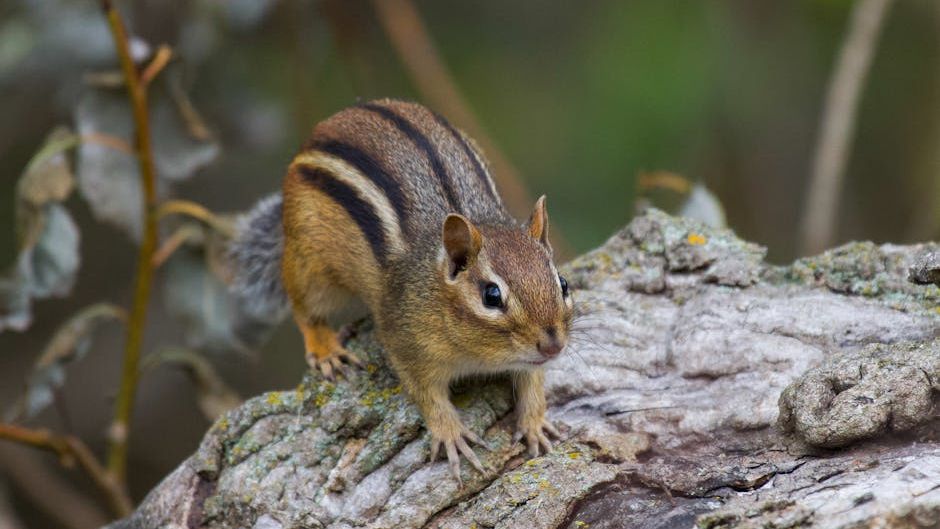

Chipmunks look like tiny, hyperactive squirrels that exist mostly to raid your bird feeder and vanish into thin air. But once you start paying attention, you realize you’re watching a small, high-intensity survival expert that lives on the edge every single day. You’re not just seeing a cute backyard visitor; you’re looking at a finely tuned little animal that has turned hoarding, tunneling, and dodging predators into an art form. As you read through these facts, you’ll start to notice details you probably ignored before: the way a chipmunk chooses where to dig, the patterns of its stripes, even the different sounds it makes when danger is near. By the time you get to the end, you won’t just think chipmunks are adorable; you’ll see them as tough, strategic, and surprisingly important little neighbors sharing your world.
1. You’re Looking at a Ground Squirrel in Disguise
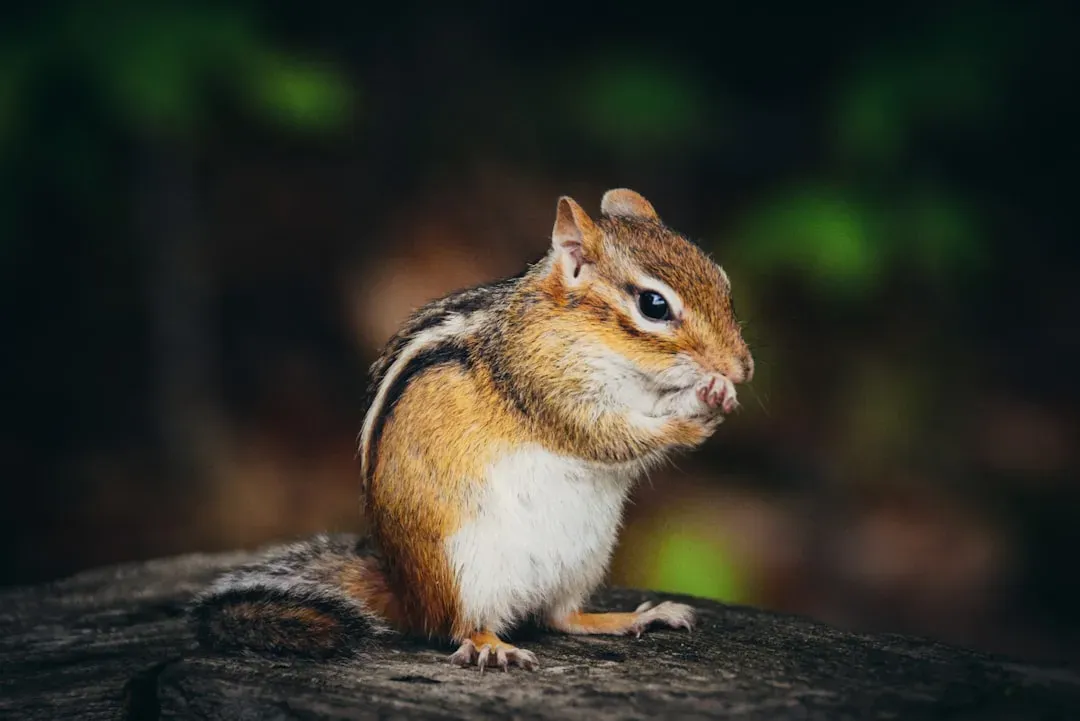
When you watch a chipmunk sprint across your yard, you probably lump it in mentally with tree squirrels. In reality, you’re looking at a ground squirrel, part of the same family as marmots and prairie dogs. That means this little animal is built for digging, storing food underground, and zipping between hidden tunnels instead of living high up in the canopy.
If you pay attention, you’ll notice its tail is not as big and fluffy as a gray squirrel’s, and it spends more time on and under the ground than in trees. Instead of gliding from branch to branch, it prefers darting from rock pile to log to burrow entrance, hugging cover like a tiny commando. Once you start seeing it as a ground squirrel, its whole lifestyle suddenly makes more sense: the tunnels, the hoarding, and the constant nervous scanning of the sky.
2. Those Cheek Pouches Are Serious Storage Gear
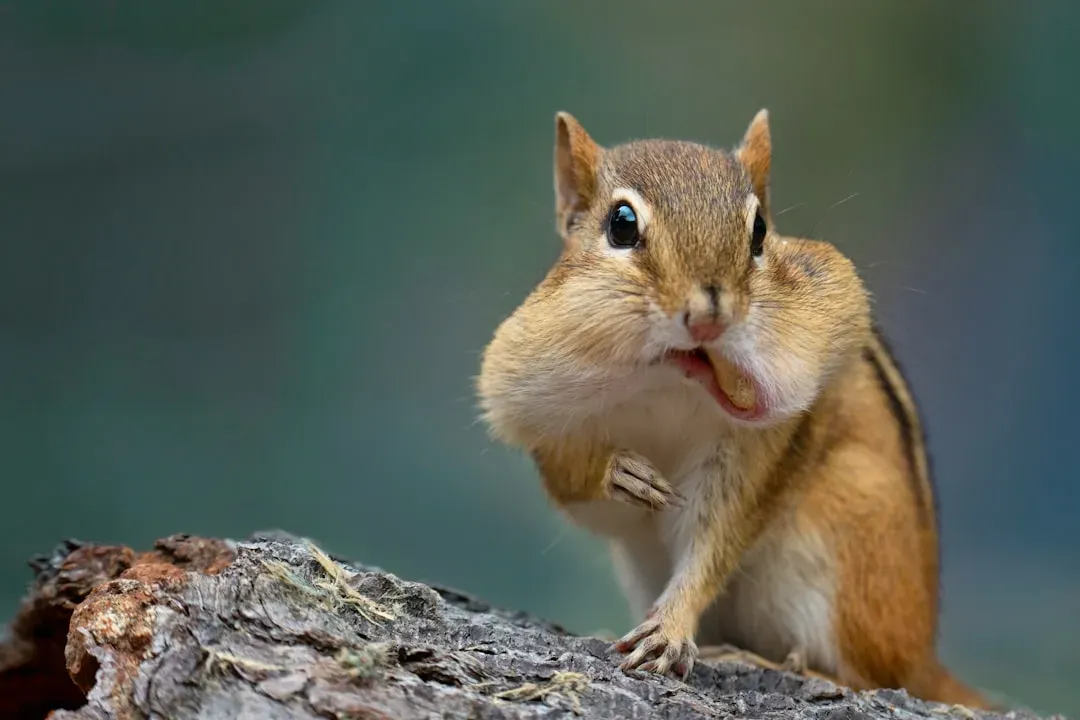
You already know chipmunks have big cheeks, but you might not realize just how extreme they are. The inside of each cheek is like a stretchable shopping bag that runs back along the jaw, capable of holding a stunning load of seeds and nuts. In some species, careful measurements suggest that the combined cheek pouches can hold several cubic centimeters of food, which translates to a truly ridiculous amount for such a tiny body.
Next time you watch a chipmunk at your feeder, imagine it doing rapid-fire grocery runs, shuttling mouthful after mouthful back to its underground pantry. The pouches stay relatively dry because they’re not designed for chewing; they’re built purely for transport. You’re not just seeing a cute stuffed face – you’re watching a specialist cargo carrier that treats every autumn day like a race against winter.
3. You’re Standing Above a Hidden Underground Fortress
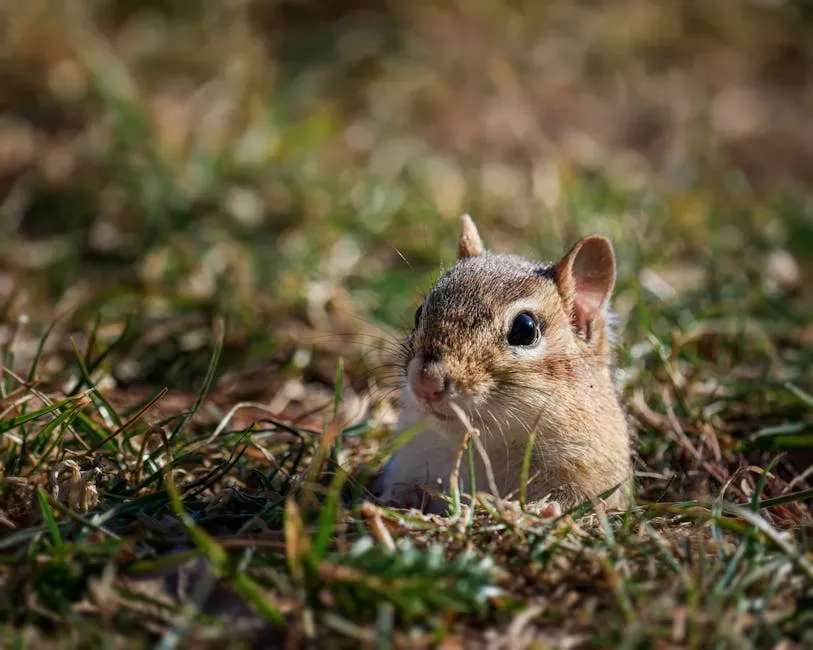
When you see a chipmunk disappear into a hole the size of a golf ball, it’s easy to assume there’s just a simple little tunnel underneath. In reality, you’re probably standing over a surprisingly complex burrow system. Wildlife biologists have documented chipmunk homes stretching more than ten feet long and several feet deep, with separate areas for nesting, food storage, and even emergency exits.
Inside, a chipmunk’s bedroom is often lined with dry leaves and grass, forming a cozy, insulated nest where it can curl up safely out of sight. Deeper chambers are stuffed with food, sometimes adding up to a hefty underground pantry of nuts and seeds. You can think of the whole layout like a tiny, hidden split-level house with closets, a pantry, side hallways, and back doors for quick escapes when predators get too close.
4. They Don’t Truly Hibernate the Way You Think
You might assume chipmunks vanish in winter because they’re sleeping from autumn all the way to spring. The truth is more complicated and, honestly, way more impressive. Many chipmunks enter a state called torpor rather than full hibernation, dropping their body temperature and slowing their metabolism for long stretches, but waking up periodically to eat from their stored food.
In other words, you can picture them as winter shut-ins who take extra-long naps in a chilly basement, getting up every so often to raid the pantry before going back to sleep. This strategy lets them avoid the energy cost of building huge fat reserves like some true hibernators. Instead, they rely on the food they spent the entire warm season collecting and hiding, turning their meticulous hoarding into a literal lifeline when snow covers the ground.
5. Your Backyard Chipmunk Might Be a Quiet Ecosystem Engineer
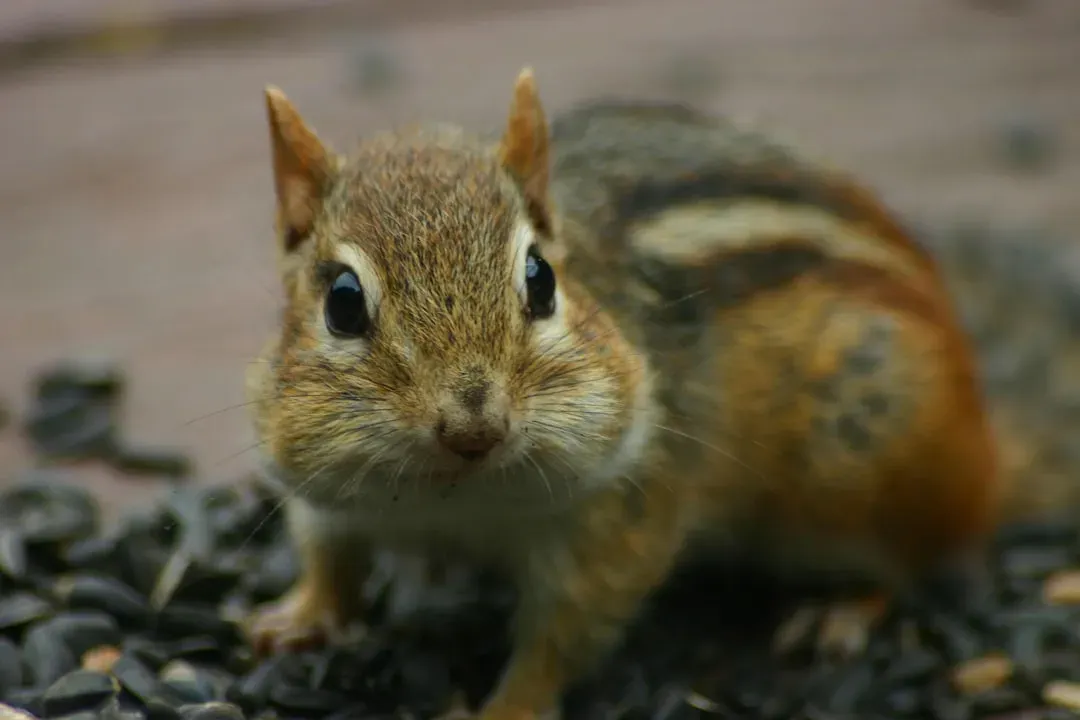
It’s easy to think a chipmunk’s obsession with seeds and nuts is just about survival, but it quietly does the forest a huge favor every time it goes shopping. When it stuffs its cheek pouches and hauls seeds underground, not every single one gets eaten. Some leftovers stay buried or get forgotten, and others get dropped along the way. Those abandoned seeds and spores can sprout into new plants, shrubs, and even trees.
Researchers studying chipmunks and other small rodents have found that this kind of scatter-hoarding helps spread forest trees and certain fungi, giving them new places to grow. When you zoom out, your little backyard chipmunk is basically acting like a pint-sized gardener, planting future oaks, beeches, and other plants without having any idea it’s doing it. You may think it’s just stealing birdseed, but it’s also helping to shape the plant life around you over time.
6. Their Alarm Calls Are More Sophisticated Than You Think
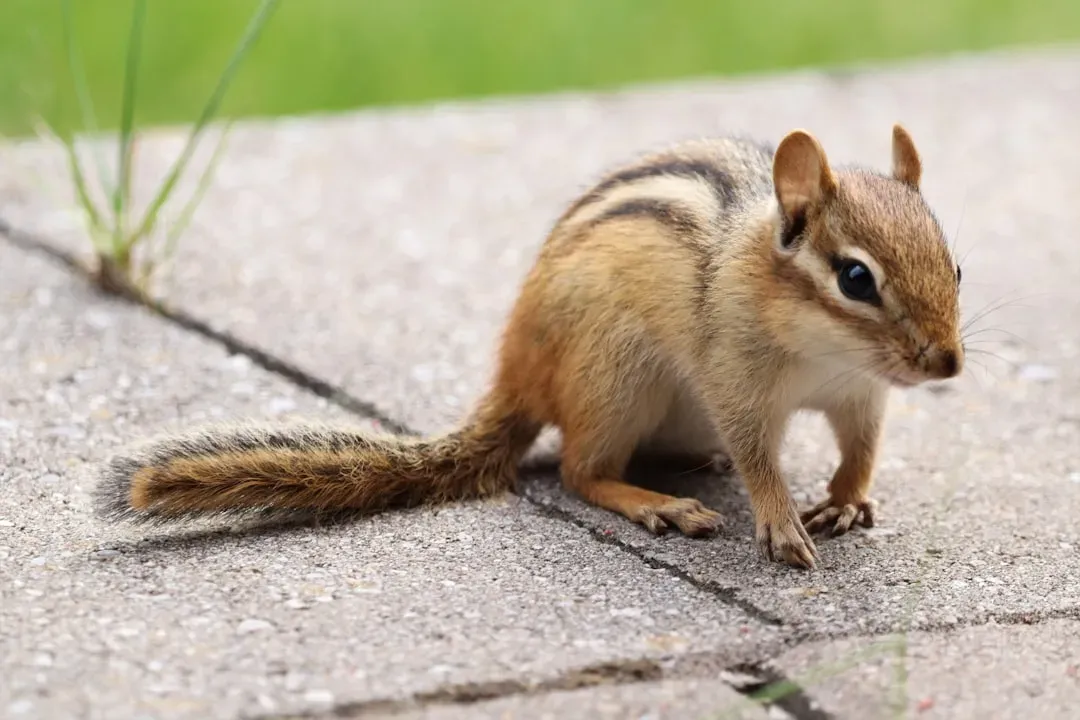
If you’ve ever heard a chipmunk suddenly start “chipping” or “clucking” nonstop, you were probably listening to a serious neighborhood warning system kicking in. Studies of chipmunk calls show that they can use different sounds depending on the type of predator they spot. One type of call is more often used when danger comes from above, like a hawk, while another type tends to come out when threats move along the ground.
To your ears it might just sound like random squeaking, but to other chipmunks it’s specific information: stay hidden under cover, or be on the lookout at ground level. When several chipmunks join in, it becomes a loud, coordinated chorus that lets predators know they’ve been exposed. The next time you hear that rapid, insistent chipping, you’ll know you’re listening to a real-time warning system broadcasting a live safety alert across the yard.
7. Chipmunks Are Fiercely Territorial Homebodies
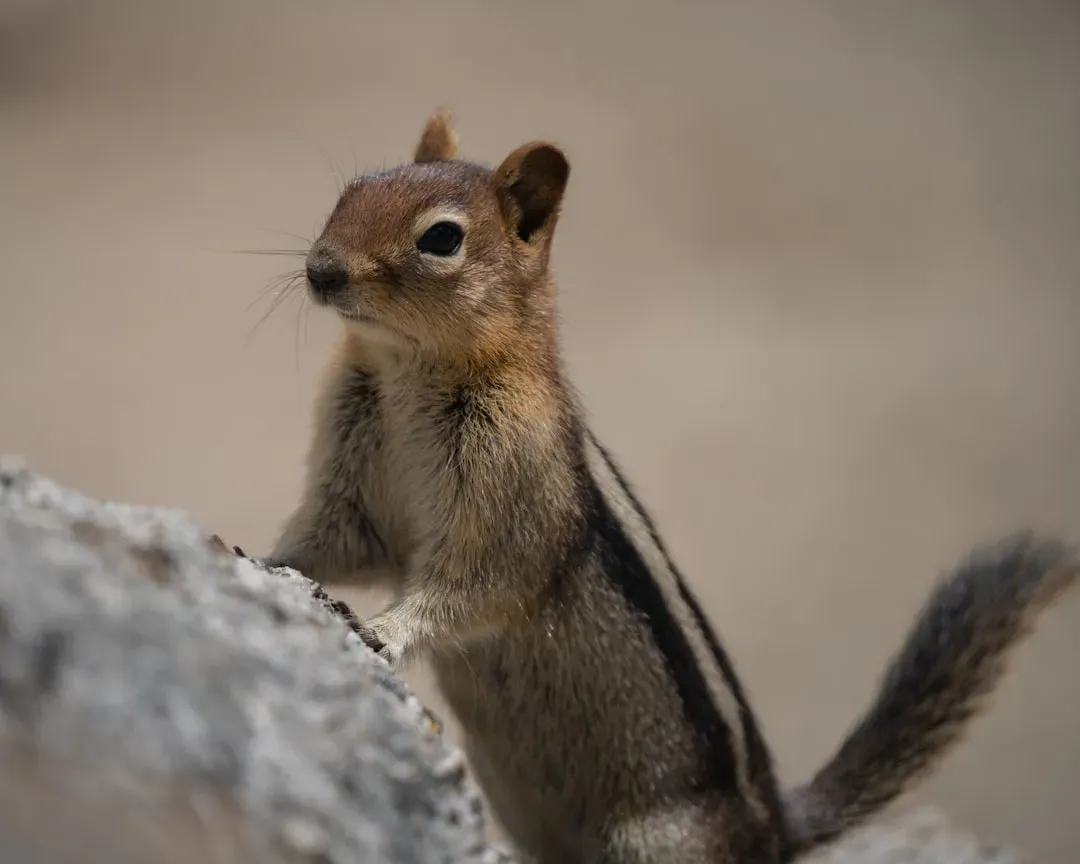
Even though you might see multiple chipmunks darting around the same general area, they are not exactly living in happy little communities. Each adult usually maintains its own territory, especially around its burrow entrance, and it takes that boundary seriously. Wildlife agencies note that chipmunks will chase, scold, and openly confront intruders, whether they are rival chipmunks or other small animals that wander too close.
You might notice two chipmunks suddenly spiraling around a yard ornament or log, stopping to face off with stiff tails and loud calls. That isn’t play; that’s a property dispute. Outside of the breeding season, they mostly prefer to live and eat alone, running into each other only at territory borders or when food is briefly abundant. So when you see one popping up from the same rock wall day after day, you’re looking at a dedicated homeowner defending its front door.
8. Their Stripes Are a Built-In ID Tag
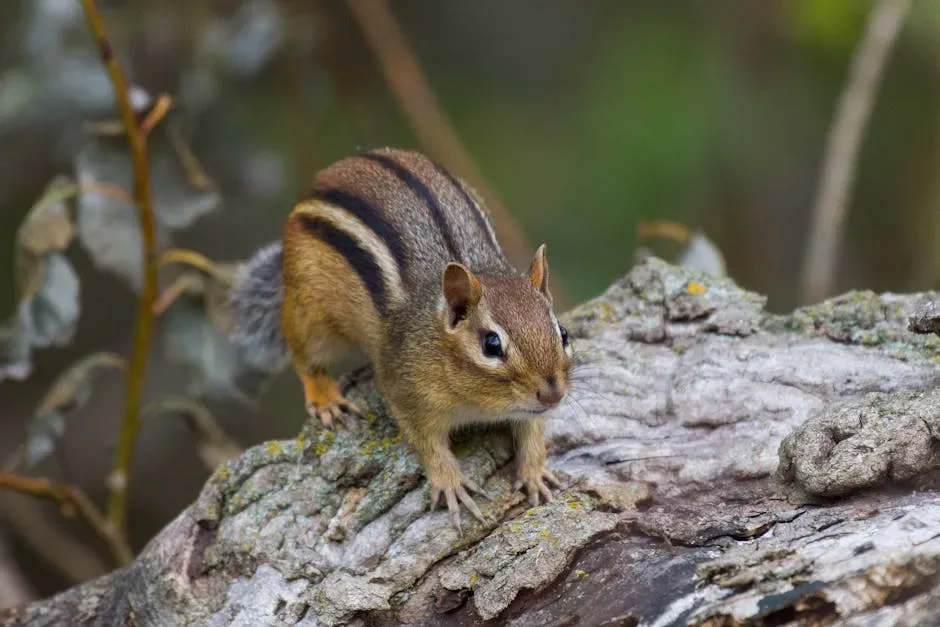
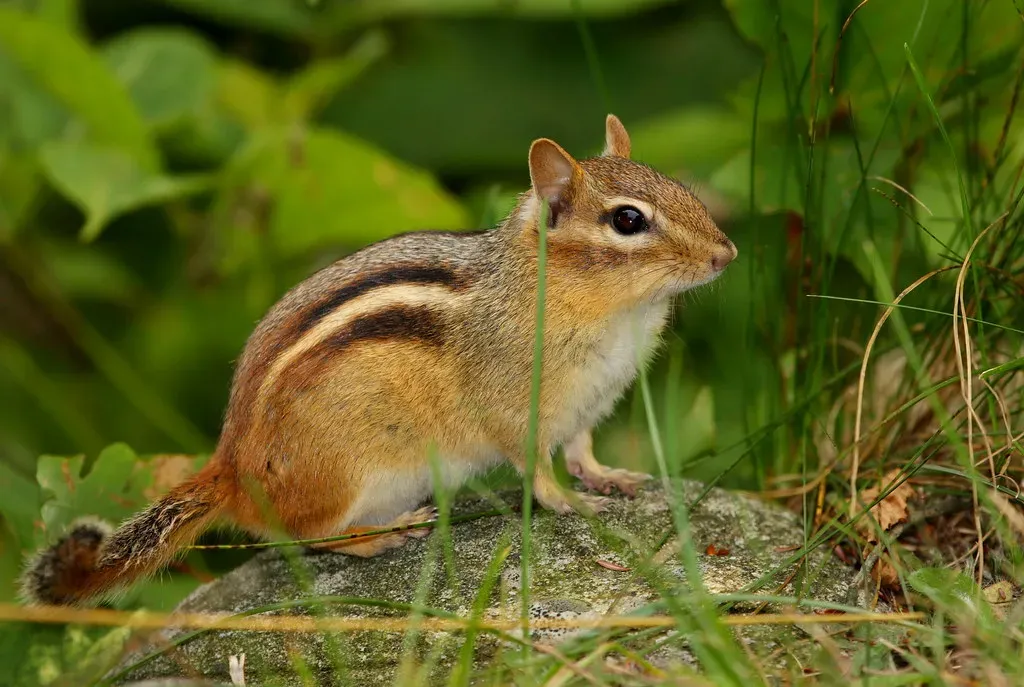
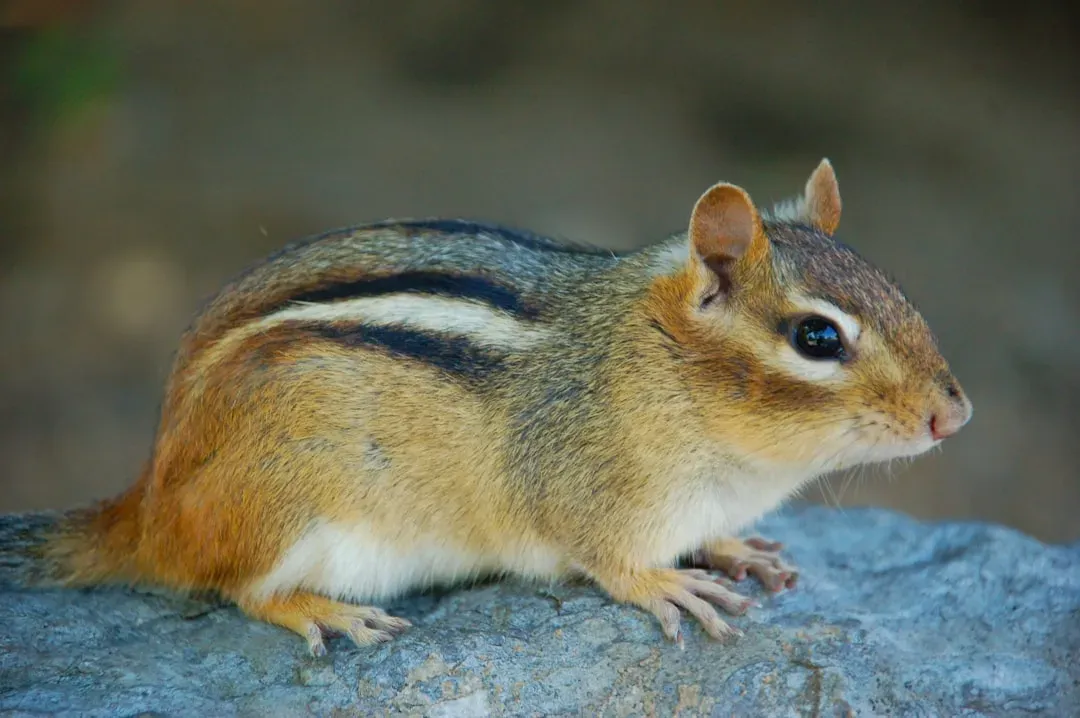
You probably recognize a chipmunk by its racing stripes, but those markings do more than just make it cute. The patterns along the back and face help break up the animal’s outline in leaf litter, brush, and dappled shadows on the forest floor. That kind of visual disruption makes it harder for a predator’s eye to lock on as the chipmunk darts between cover. It’s the wild-animal version of camouflage clothing, baked right into its fur.
If you look more closely, you’ll also start to tell chipmunks apart from lookalikes like small ground squirrels. Many chipmunks have stripes that run along the face as well as the back, while some ground squirrels only show striping on the body. The number and boldness of the stripes can even differ between species of chipmunk. Once you get used to noticing those details, you’ll start identifying them like a pro instead of just thinking “small brown squirrel.”
9. You’re Watching a Daytime Specialist, Not a Night Owl
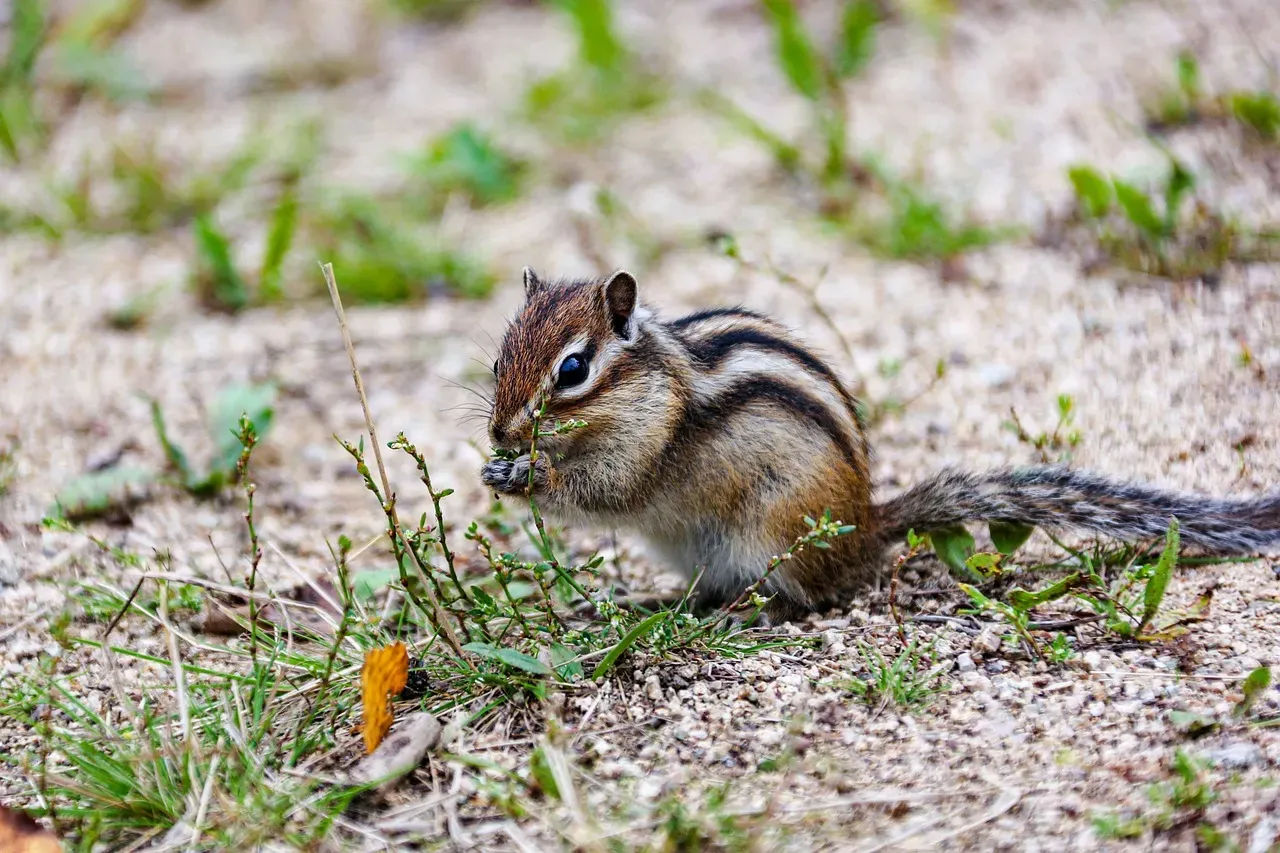
Unlike some of their rodent cousins that sneak around under cover of darkness, chipmunks are mostly daytime animals. They tend to be busiest in the morning and late afternoon, especially in cooler seasons, when they’re racing to find food and shuttle it back to the burrow. That daytime schedule lines up with when many of their favorite foods are easiest to find and when they can visually scan for predators.
If you sit quietly in one spot where chipmunks live – near a rock wall, brush pile, or woodpile – you’ll notice patterns in their rhythm. The same individual may pop out, make a loop to a food source, and return again and again with its cheeks inflating a bit more each trip. Once you see that pattern, you almost feel like you’re watching a tiny office worker on a strict shift schedule, clocking in and out by the position of the sun.
10. Their Diet Is Way More Adventurous Than Just Seeds
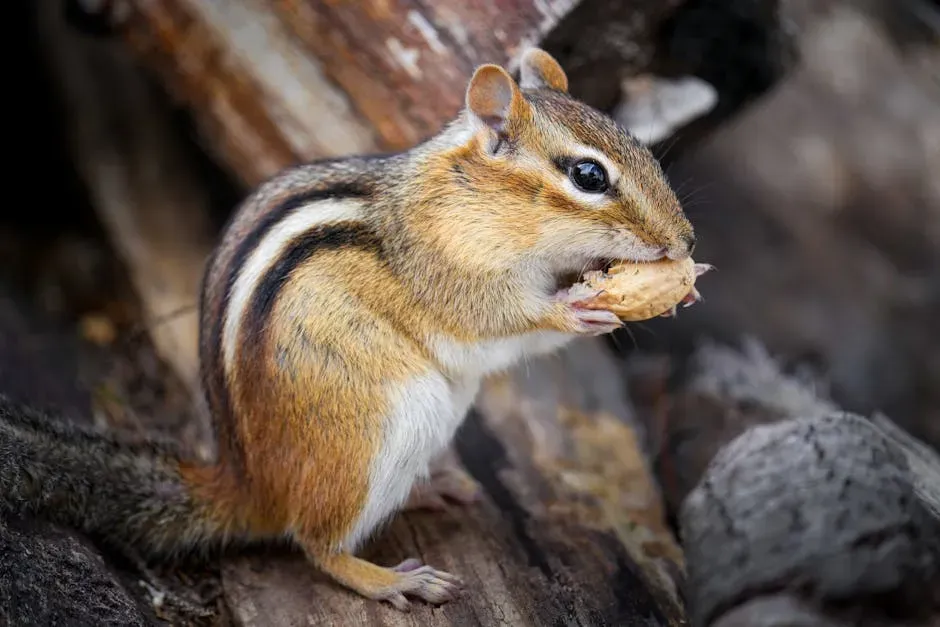
When you picture a chipmunk eating, you probably see it nibbling sunflower seeds or acorns. While seeds and nuts are a major part of its diet, chipmunks are actually opportunistic omnivores. In addition to grains, berries, and mushrooms, they’ll also eat insects, worms, and other small invertebrates when they get the chance. In some cases, they may even consume bird eggs or tiny nestlings if they stumble onto a nest.
This flexible diet gives them a big advantage when food is unpredictable. If nuts are scarce in a particular year, they can lean more heavily on insects or fruit. If a flush of mushrooms appears after rains, they take advantage of that, even if they don’t store those perishables long-term. So the next time you watch one poking through the leaf litter, remember it might be hunting as much as it’s foraging, acting less like a gentle seed-eater and more like a miniature omnivore on a scavenger hunt.
11. They Breed Quickly but Live a Precarious Life
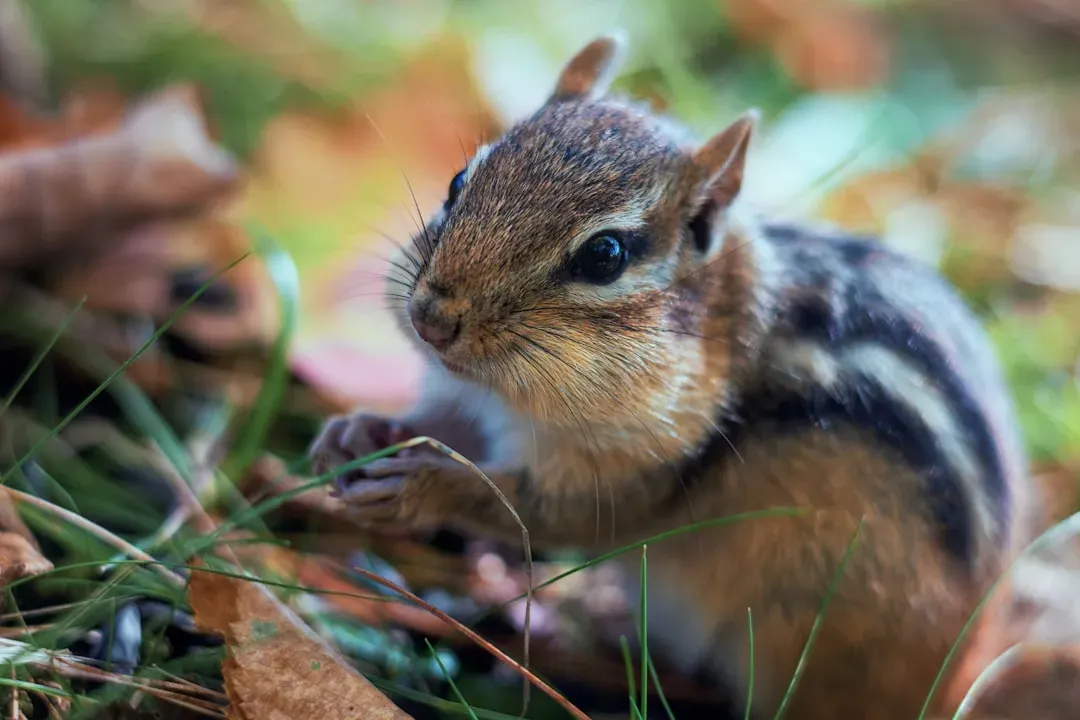
You might assume such common little animals live long, stable lives, but their world is constantly risky. In the wild, chipmunks face threats from hawks, owls, foxes, snakes, domestic cats, and even cars. Because of this steady pressure, many individuals do not live very long, even though they have the potential to survive a few years if conditions are good and predators are avoided.
To keep their numbers up, chipmunks usually have one or two litters a year, often in spring and midsummer. A single litter can include several babies, born blind and helpless but growing rapidly in the safety of the burrow. When you see a sudden “boom” of tiny, nervous chipmunks venturing clumsily above ground, you’re probably witnessing a new generation taking its first big risk-filled steps into the open. It looks adorable, but for them it’s the start of a high-stakes life.
12. They Can Become Surprisingly Bold Around You
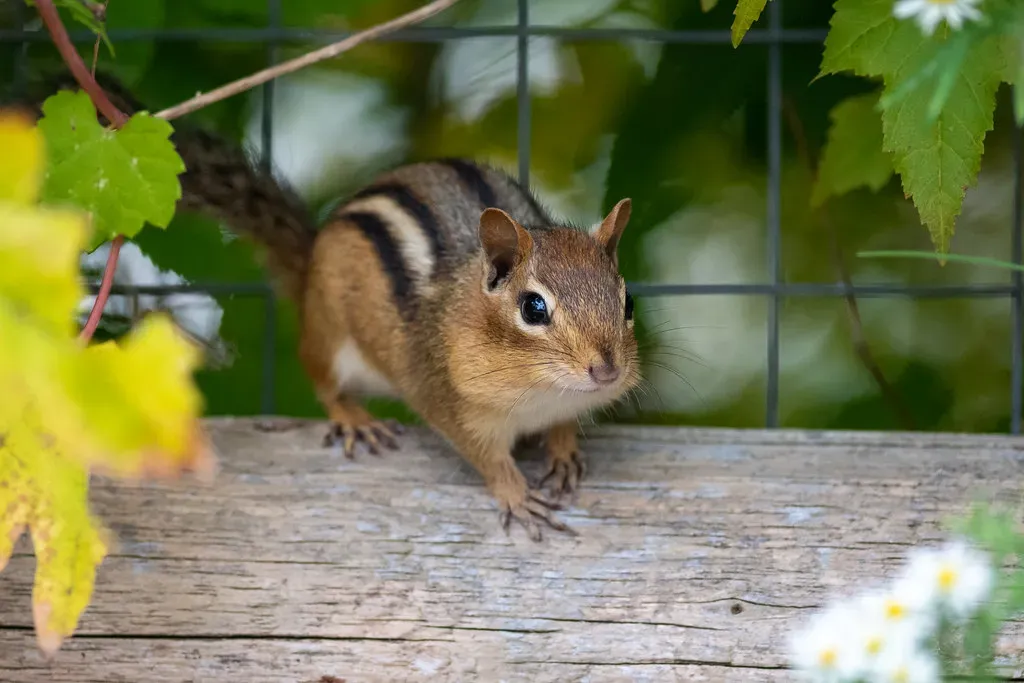
Chipmunks are naturally wary; at first, even your footsteps can send them vanishing into their burrows. But if you regularly put out food and keep your movements calm and predictable, they often adjust fast. In many parks and backyards, chipmunks learn that people mean easy snacks, and they may start approaching more closely, dashing in to grab a seed or nut and retreating just out of reach. Some individuals will even take food gently from your fingers once they’ve decided you’re safe.
It might feel like you’ve made a new tiny friend, but remember that this boldness is still survival-driven behavior. The chipmunk is weighing risk versus reward and deciding that your presence is worth tolerating because the payoff is high. If you choose to feed them, it’s kinder to keep it occasional and small, and to stick with foods similar to what they’d find naturally. That way, you get to enjoy the connection without turning your wild neighbor into a dependent beggar.
Conclusion: You’ll Never Look at That Stripey Blur the Same Way Again
Now, when a chipmunk zips across your path, you know you’re not just seeing a cartoonish seed thief. You’re watching a ground-dwelling squirrel with a sprawling underground home, a carefully managed pantry, a complicated alarm system, and a life balanced between constant hunger and constant danger. Those puffed-out cheeks, nervous glances, and endless back-and-forth trips suddenly look less like random fussing and more like the daily grind of a determined little survivalist.
Maybe the next time you sit on your porch or walk a forest trail, you’ll give yourself a few extra minutes just to watch one work its territory. You’ll see it not as background wildlife, but as a neighbor with its own routines, risks, and strategies for getting through the year. And who knows – now that you understand what is really going on behind those stripes and stuffed cheeks, what else in your backyard might be hiding a story you never noticed before?